
Other systems
Functional exercise and performance system
Instrumented strength and endurance training that records every repetition, so progress is measured rather than estimated. Results are compared against normative values and the patient's own earlier tests, giving a defensible number for return-to-work and return-to-sport decisions, where side-to-side symmetry matters most.

Function measured against a reference
The system tests functional capacity — strength through range, movement speed, endurance and movement quality — and compares results against normative values and against the patient's own earlier results. Output is a set of numbers rather than a therapist's rating.
It then drives the exercise programme from those numbers, with load and progression set on measured capacity rather than on estimate.
Who it is used for
Return-to-work and return-to-sport decisions, where a defensible number is needed rather than an opinion. Post-surgical progression, particularly after ACL reconstruction where limb symmetry index governs clearance. Sarcopenia and geriatric strength programmes. Occupational capacity assessment.
Also for the mid-programme review, where the question is whether the current plan is working.
Why we test rather than estimate
Progression decisions made on how a patient feels are wrong often enough to matter, in both directions: some patients feel ready months before their strength symmetry supports it, and others remain cautious long after the numbers say they can progress.
Testing also makes failure visible. If eight weeks of work produced no measurable change, that is information we act on rather than continue past.
Measured strength, not estimated
Force and power measured objectively, which matters because self-assessed strength and observed effort are both unreliable — particularly in the presence of pain, which inhibits muscle independently of weakness.
Symmetry between sides is the figure that matters most after single-limb injury, and it is the criterion used for return to sport rather than elapsed time.
Why symmetry is the number that matters
After an injury affecting one side, absolute strength says little — a strong person with a weak leg still looks strong. The comparison against the other side is what identifies the deficit.
A commonly used threshold before returning to sport is around ninety per cent symmetry, and athletes who return below it re-injure more often 1. This is why testing replaces the calendar in return-to-sport decisions.
Can a good symmetry score be misleading?
Yes. Symmetry compares the injured leg with the other leg, and the other leg can also lose strength during the months of reduced activity after an injury, which makes the ratio look better than the knee really is 2. In a cohort of 70 athletes tested six months after ACL reconstruction, 40 reached 90% symmetry on quadriceps strength and hop tests, but only 16 of those 40 had also regained 90% of what the uninjured leg could do before surgery 2.
That pre-surgery comparison also picked out more of the athletes who later had a second ACL injury, although the study was small and its authors call the finding preliminary 2. It is one reason to test both legs at the start of rehabilitation and not only at the end: an early baseline is a truer reference than the other leg alone 2.
Sources
- Simple decision rules can reduce reinjury risk by 84% after ACL reconstruction: the Delaware-Oslo ACL cohort study — British Journal of Sports Medicine (2016)
- Wellsandt E, Failla MJ, Snyder-Mackler L. Limb symmetry indexes can overestimate knee function after anterior cruciate ligament injury — Journal of Orthopaedic and Sports Physical Therapy (2017)
Conditions this device is used for
The 54 conditions where this device is part of a routine programme, grouped by area. It is one tool inside the plan, never the plan itself.
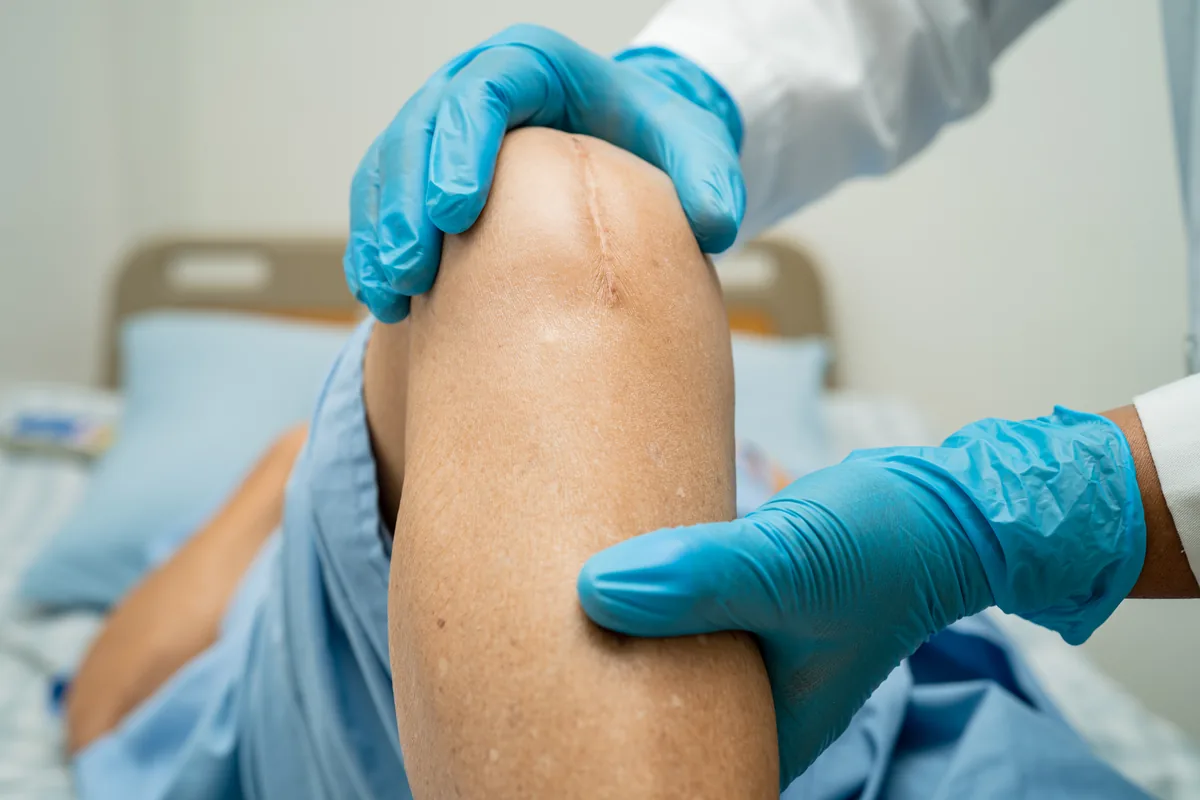 After Joint Replacement
 Cancer
 Osteoarthritis
 Osteoporosis
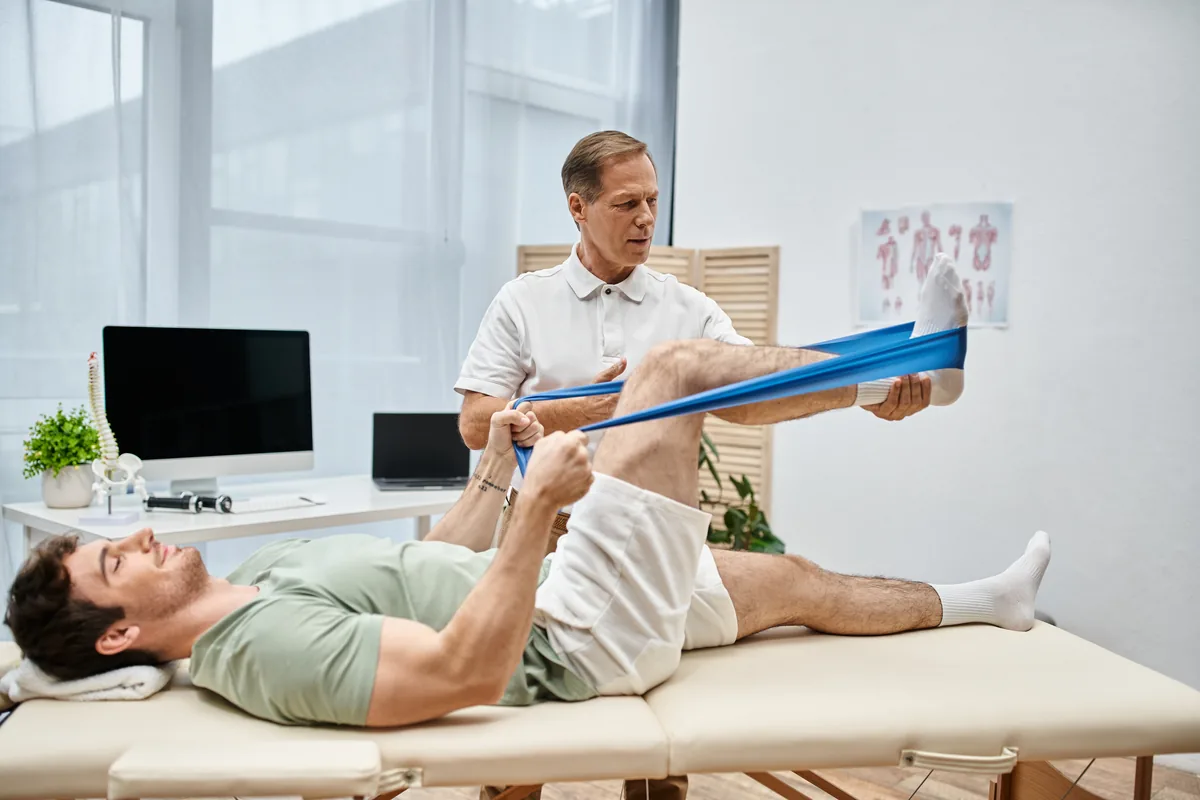 ACL Injury and Reconstruction
 After a Heart Event or Cardiac Surgery
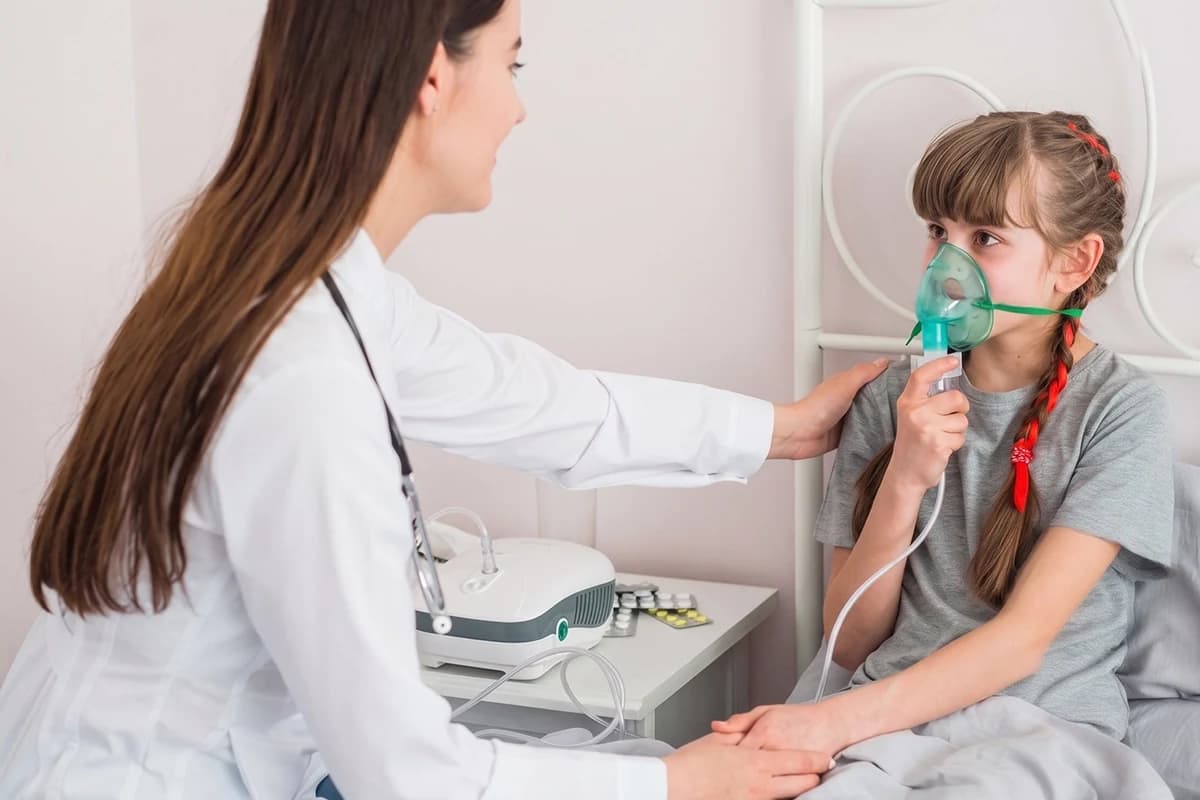 Chronic Lung Disease
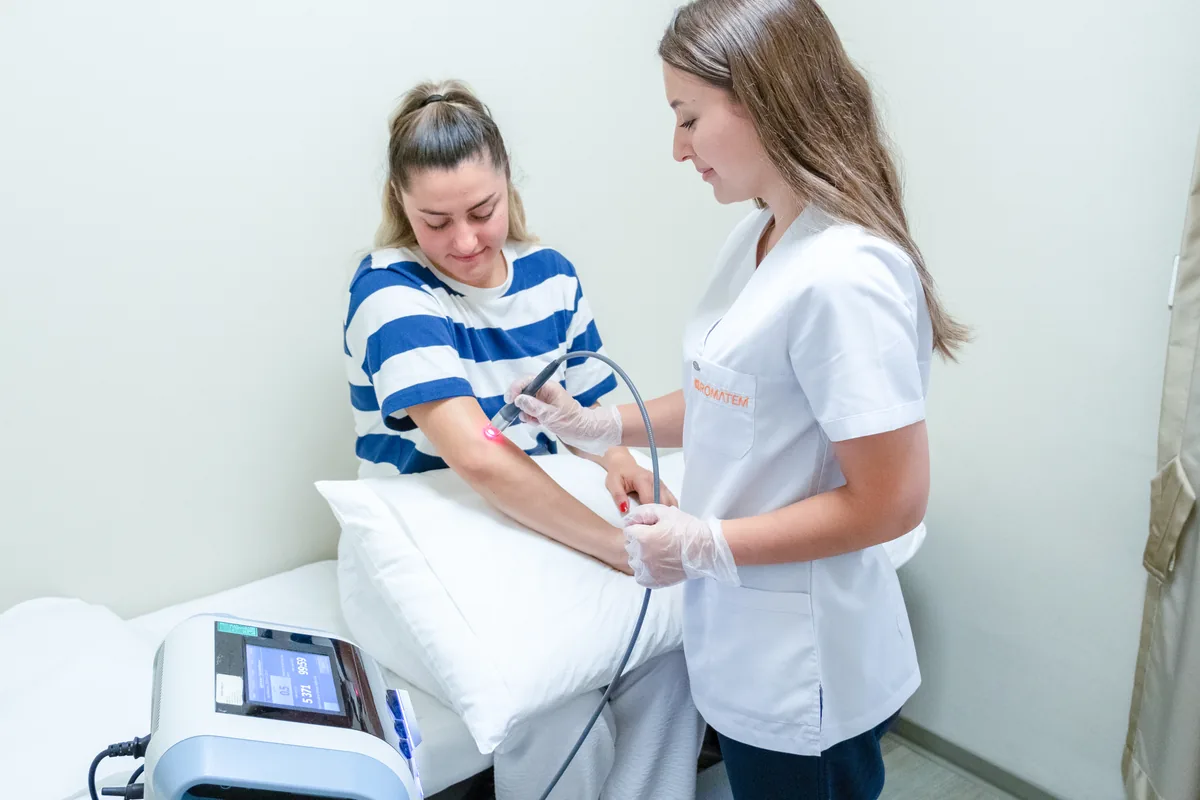 Tennis Elbow (Lateral Epicondylitis)
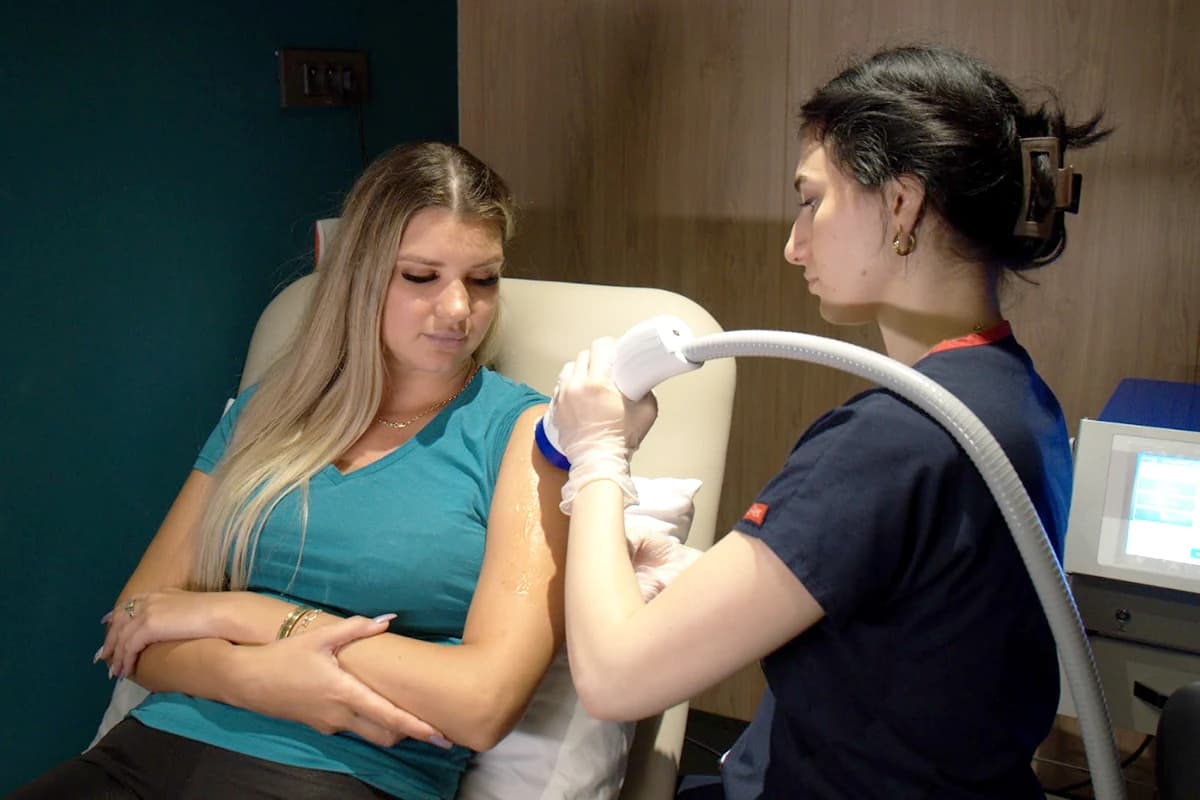 Shoulder Impingement and Rotator Cuff Pain
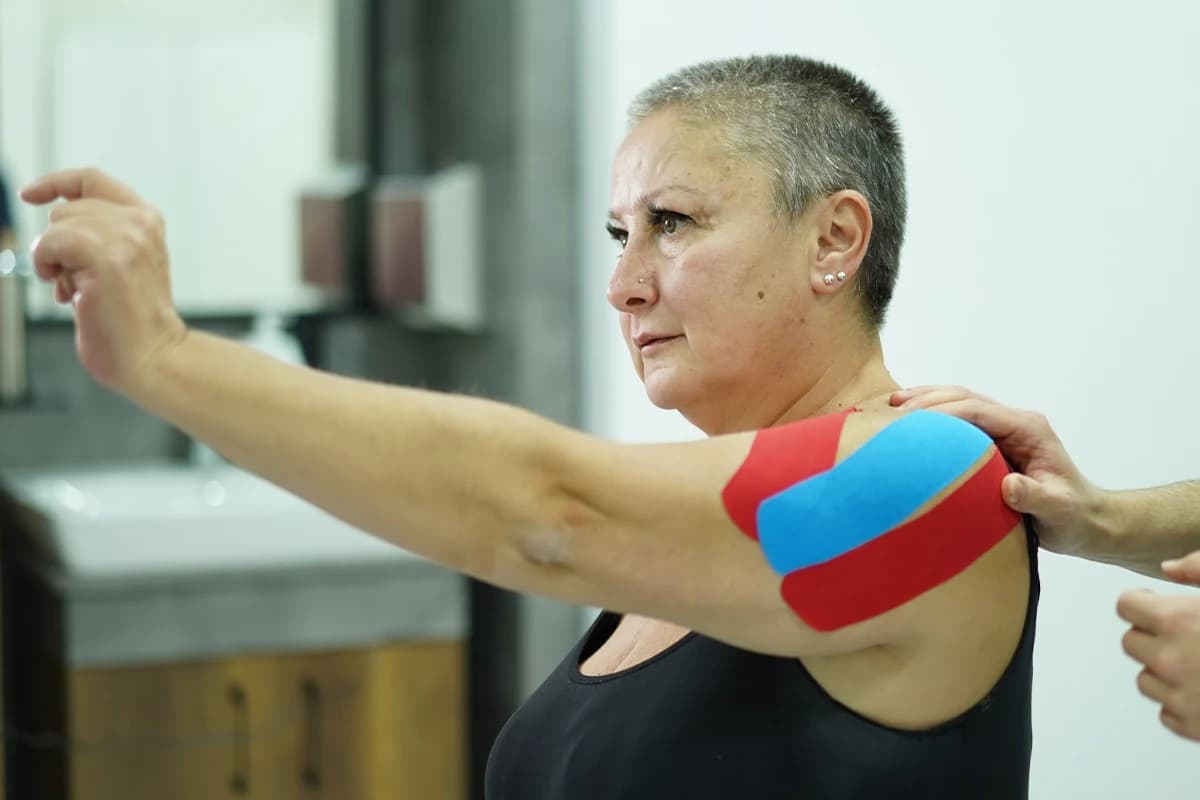 Rotator Cuff Tear
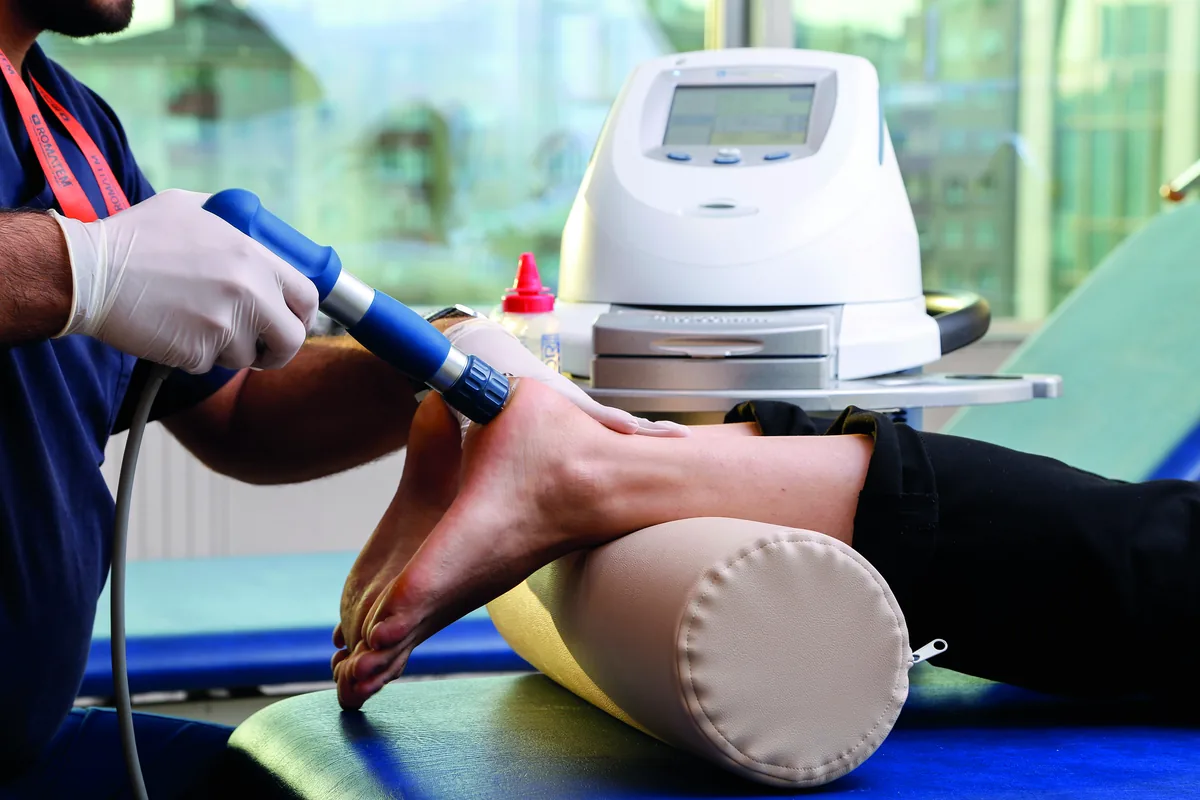 Plantar Fasciitis and Heel Spur
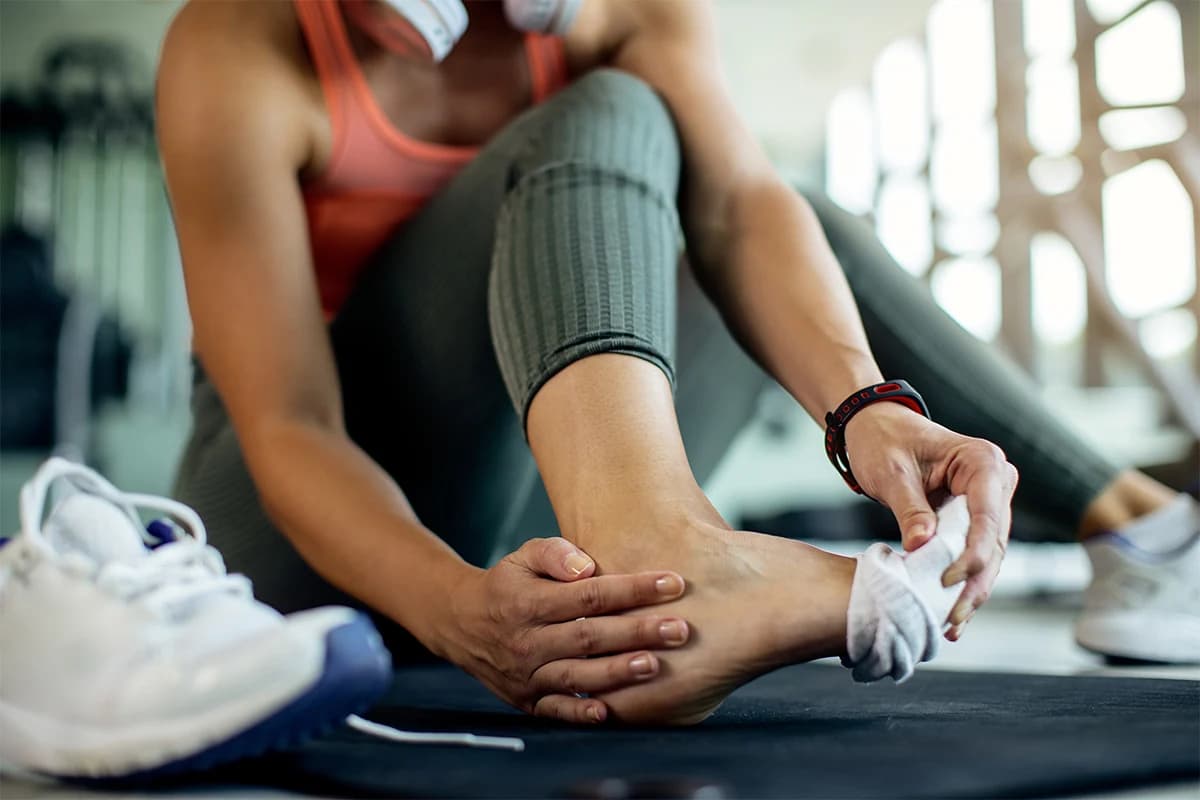 Achilles Tendinopathy
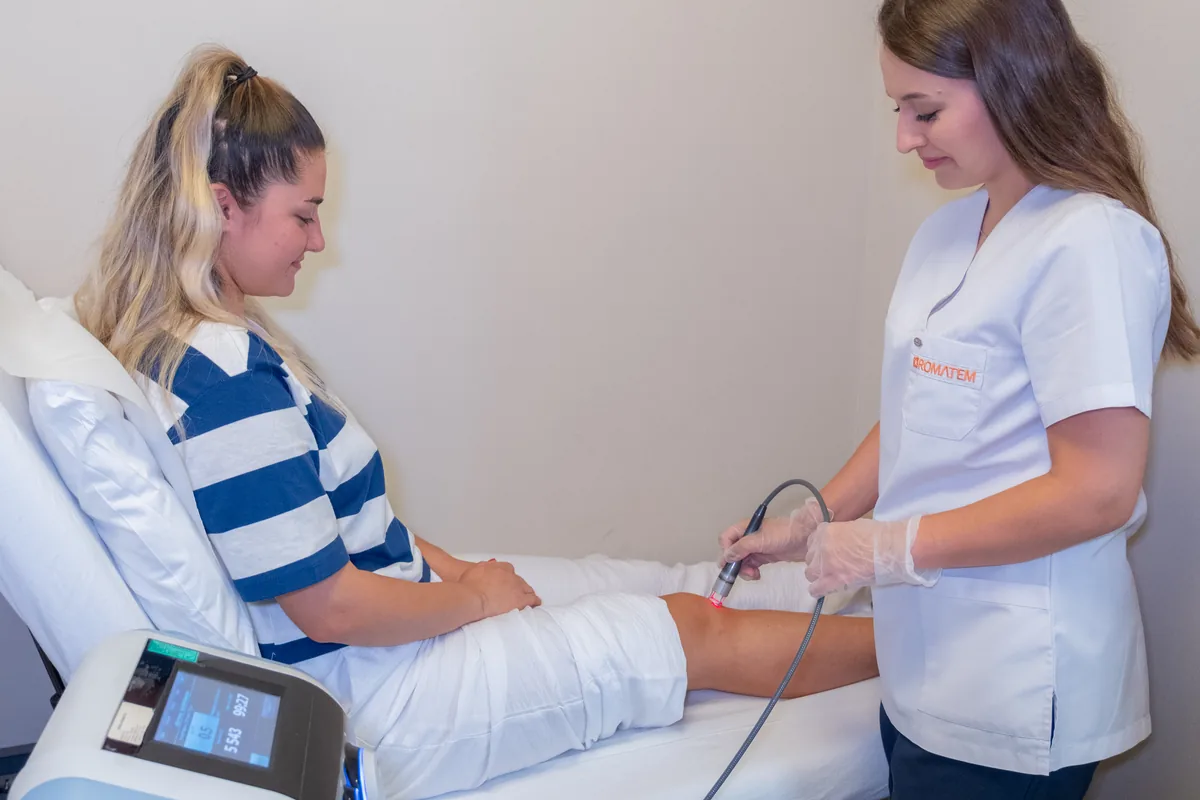 Patellofemoral Pain (Runner’s Knee)
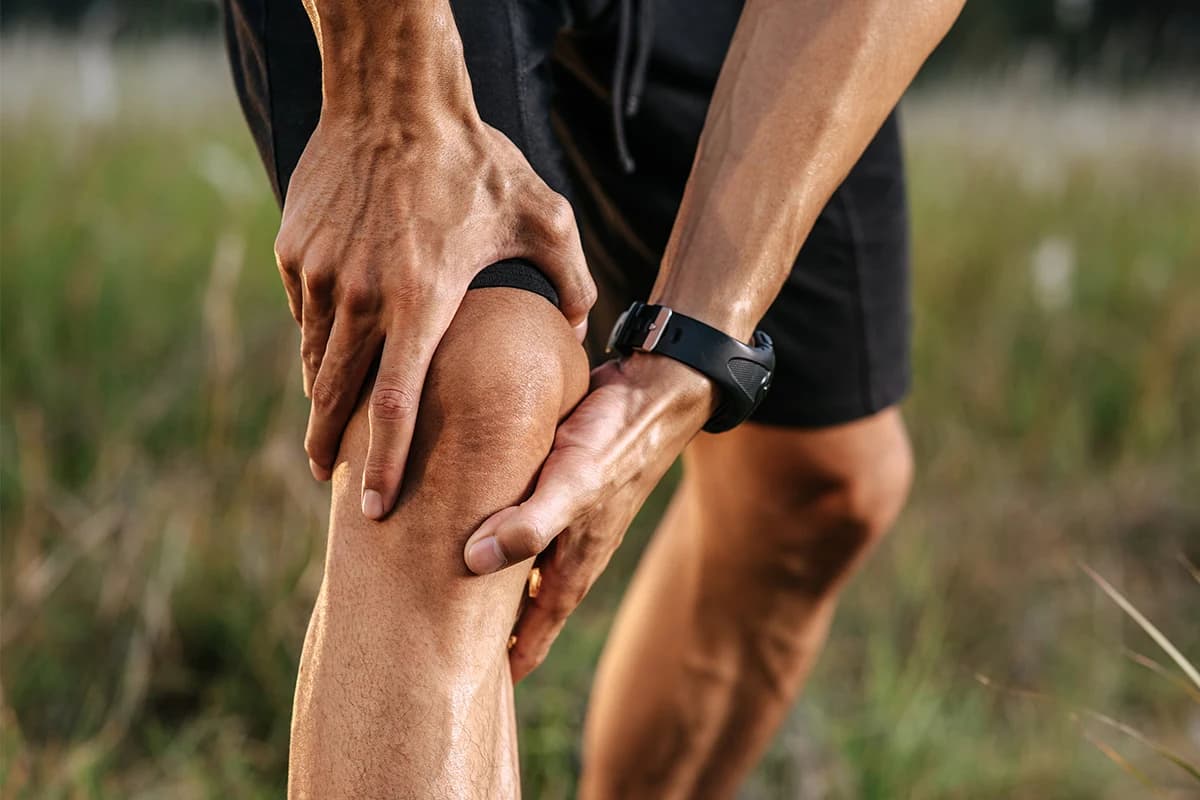 Meniscus Tear
 Carpal Tunnel Syndrome
 Cervical Disc Herniation
 Spondylolisthesis
 Gout
Gout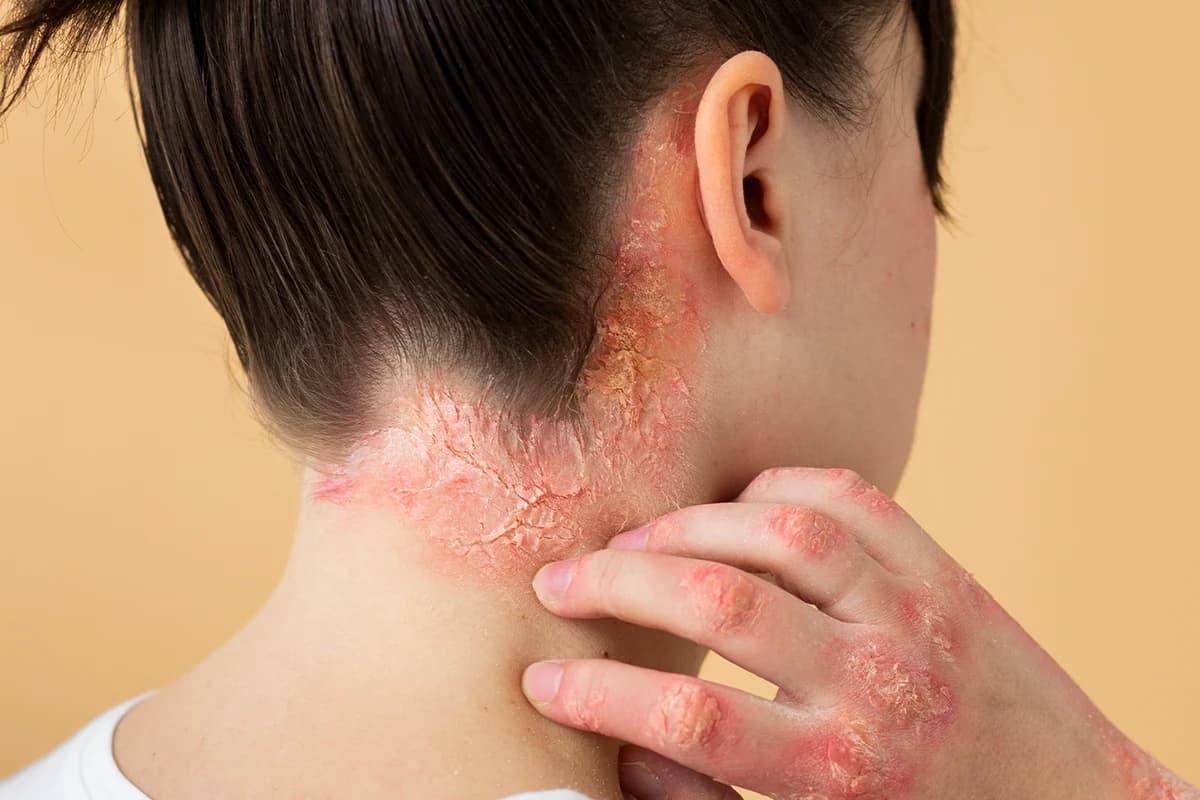 Psoriatic Arthritis
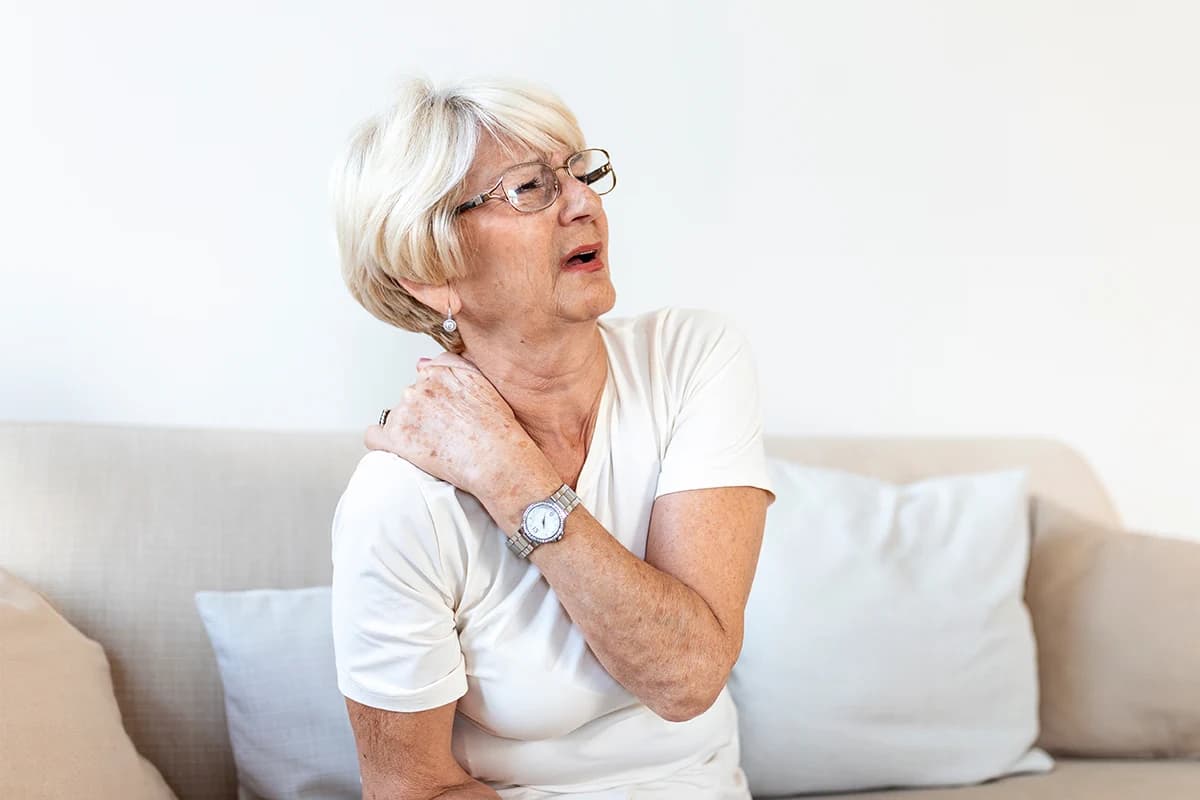 Polymyalgia Rheumatica
 Inflammatory Myopathy (Myositis)
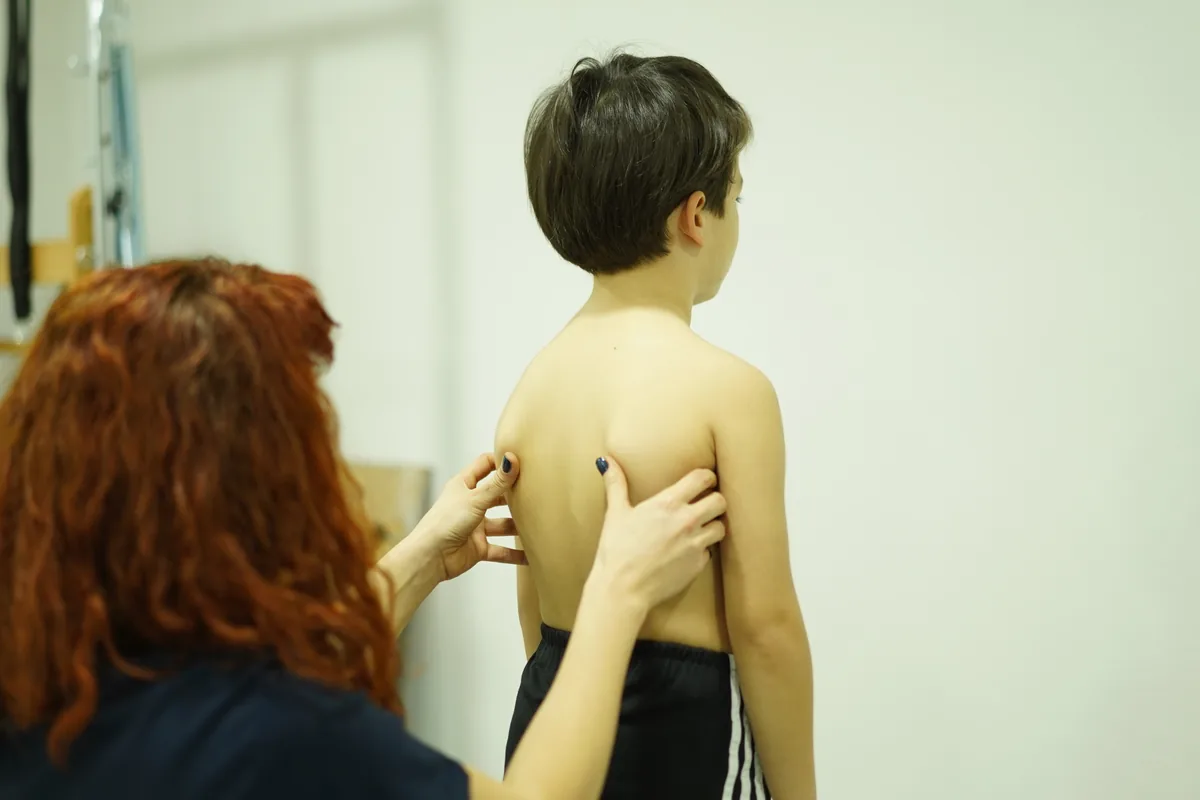 Scoliosis
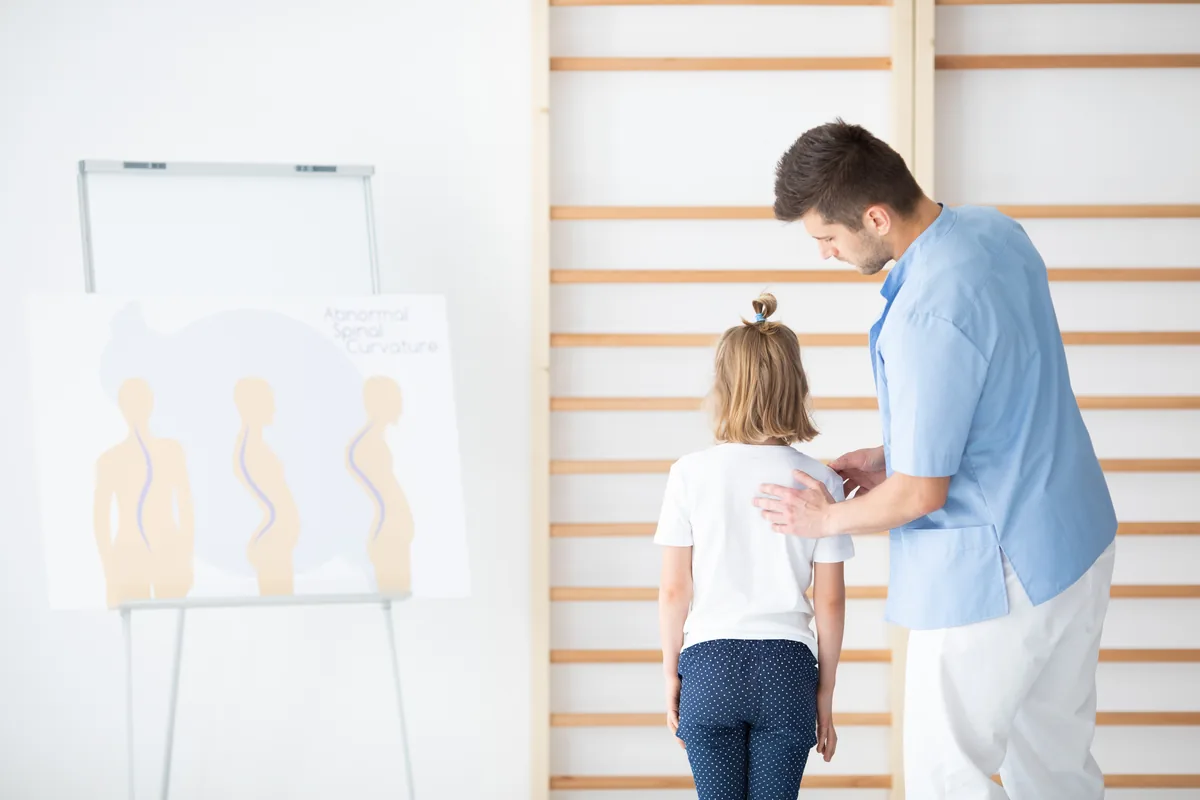 Postural and Movement Disorders
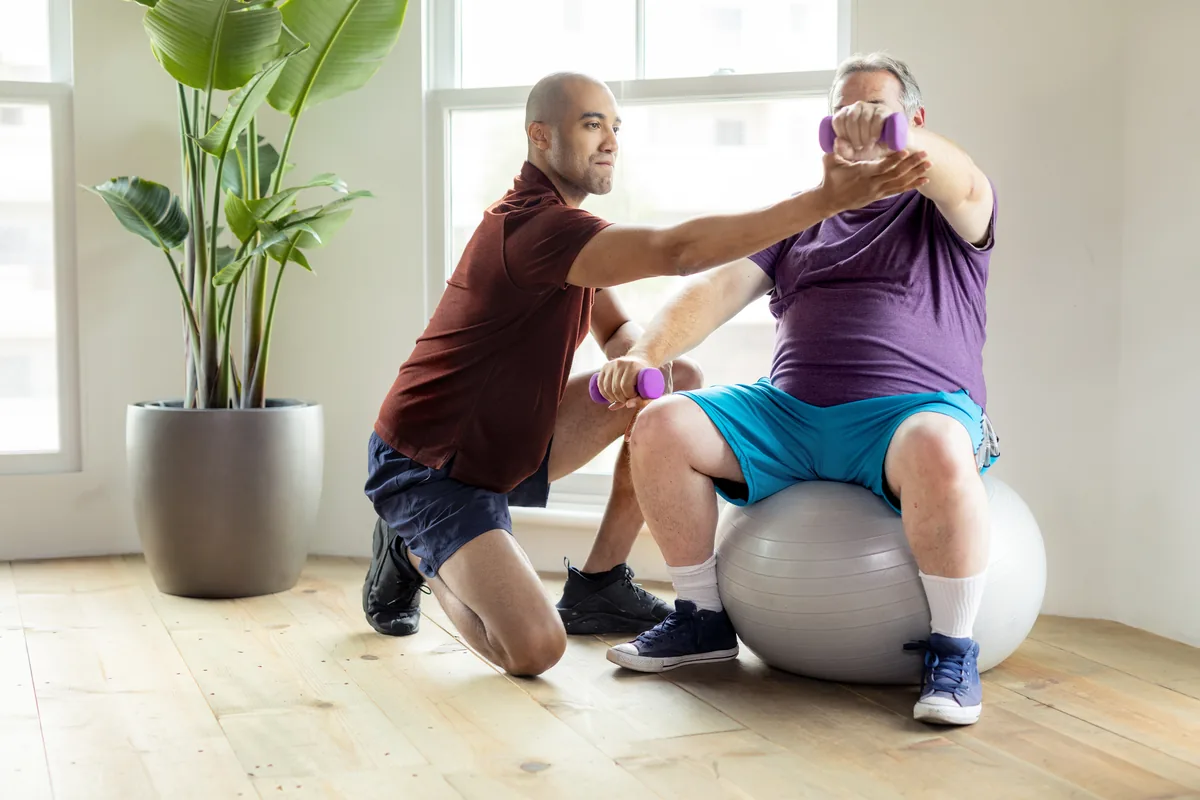 Obesity
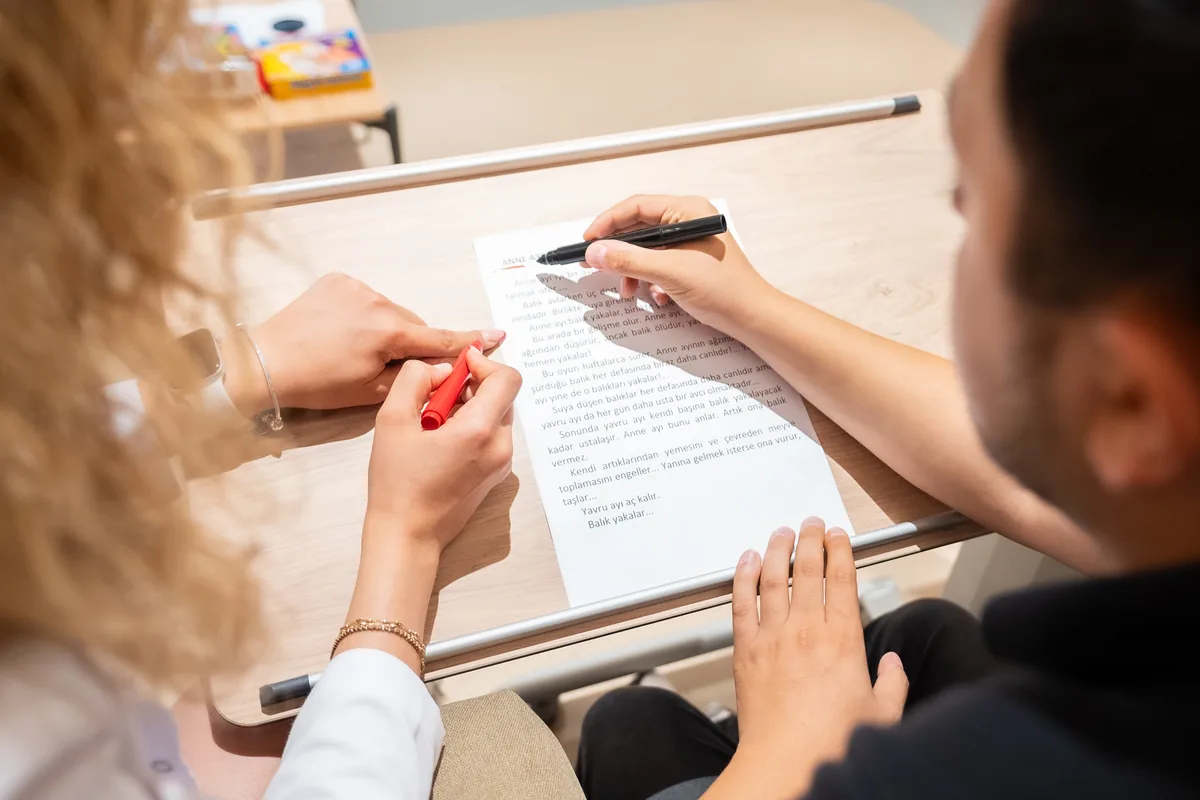 Cognitive Impairment After Brain Injury or Stroke
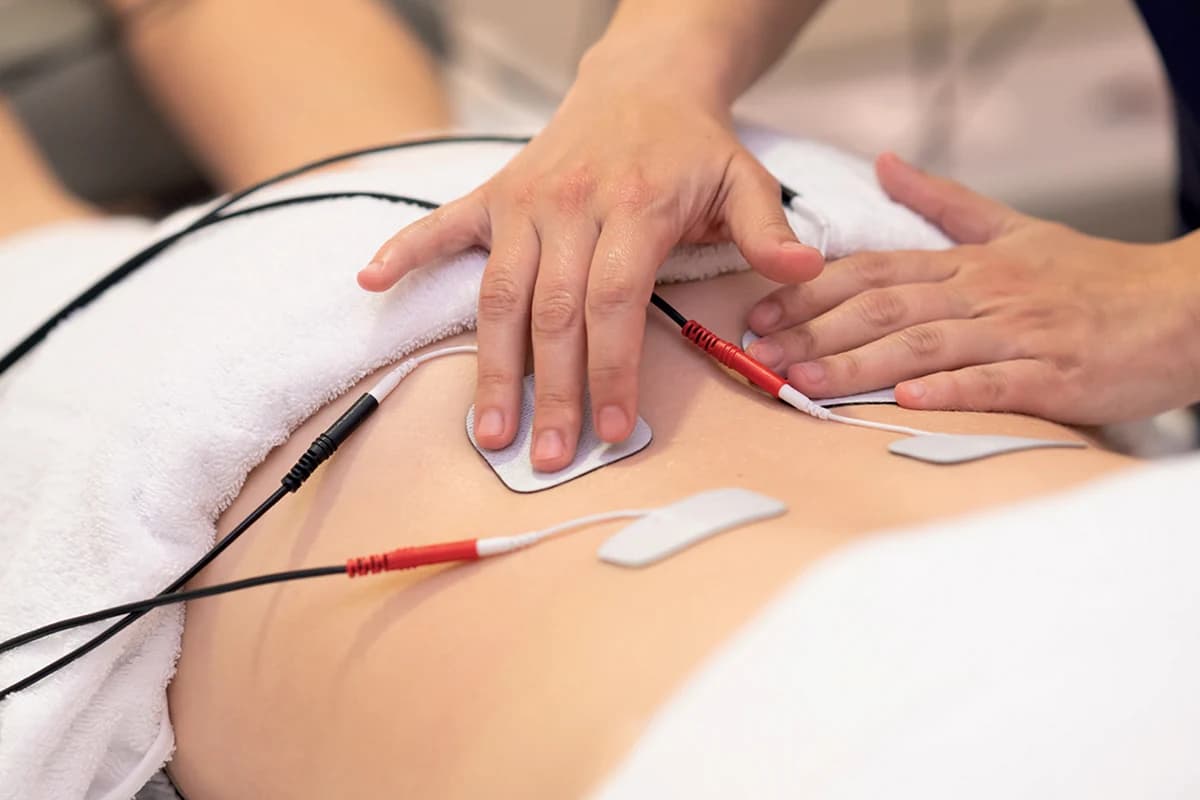 ALS and Motor Neurone Disease
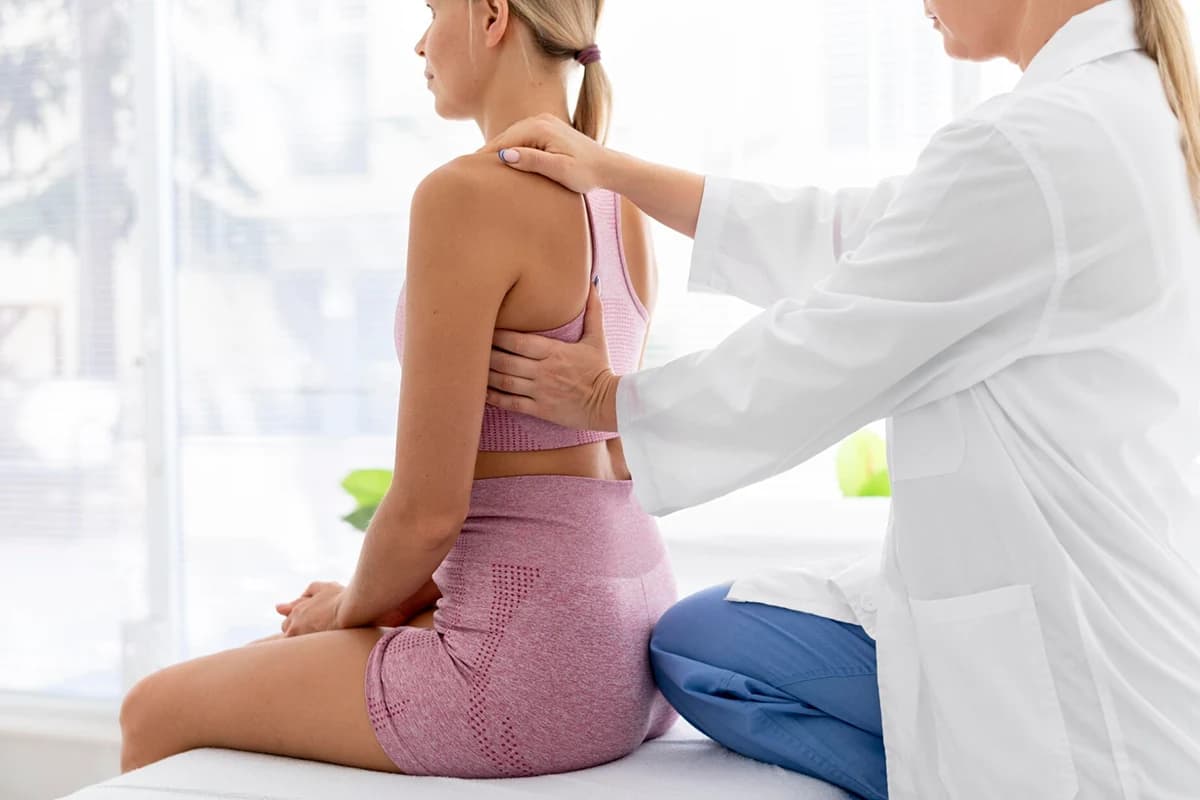 After Spinal Surgery
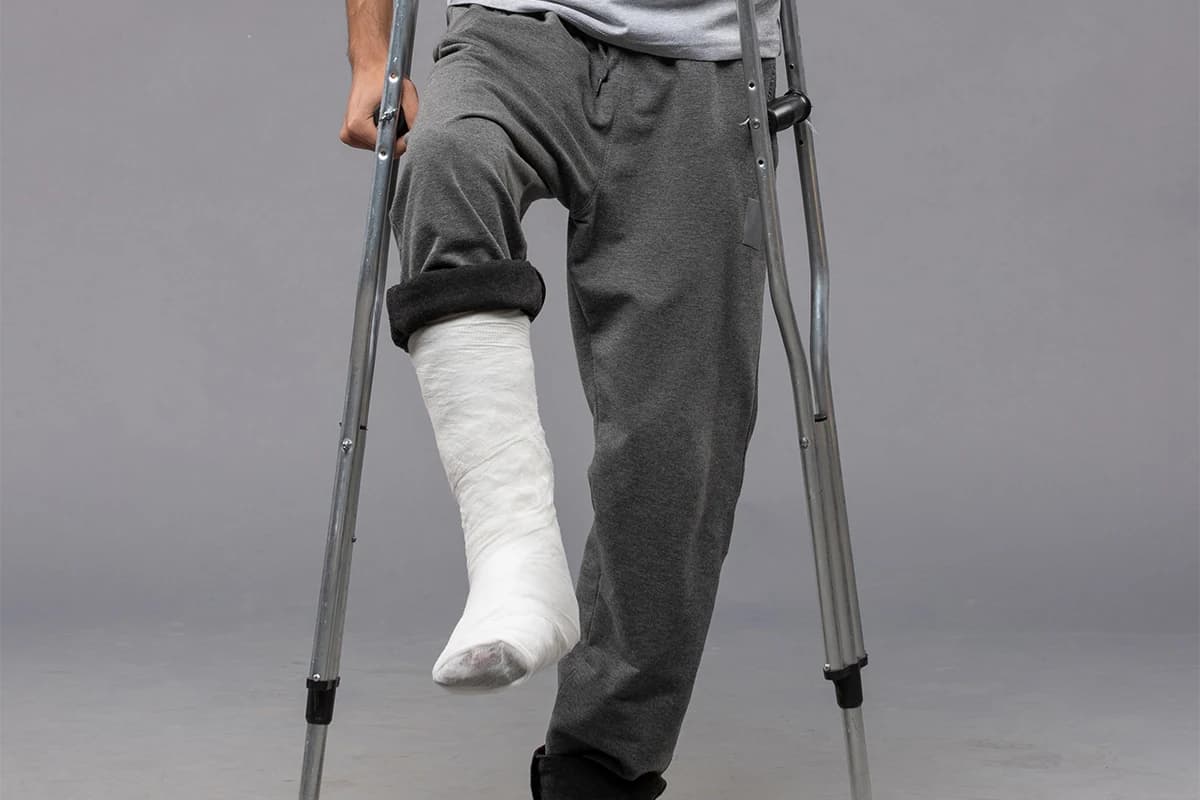 Fracture
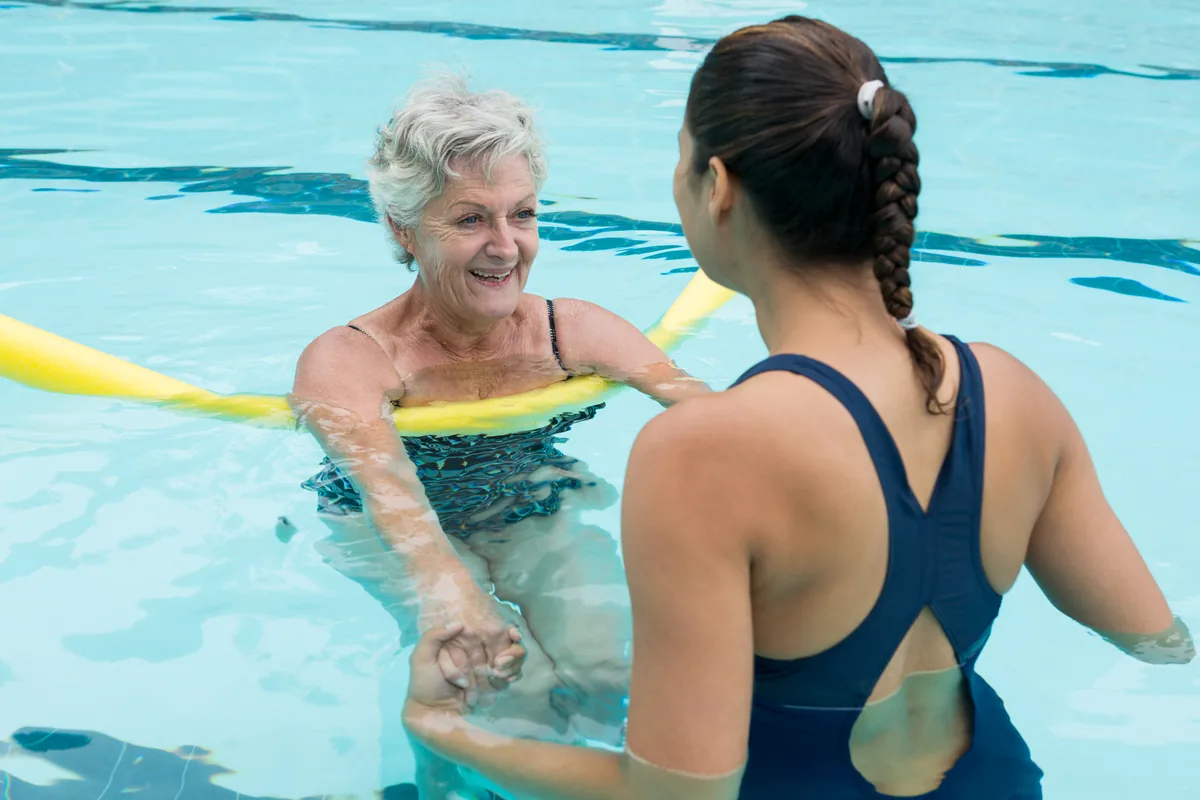 Sarcopenia and Muscle Loss
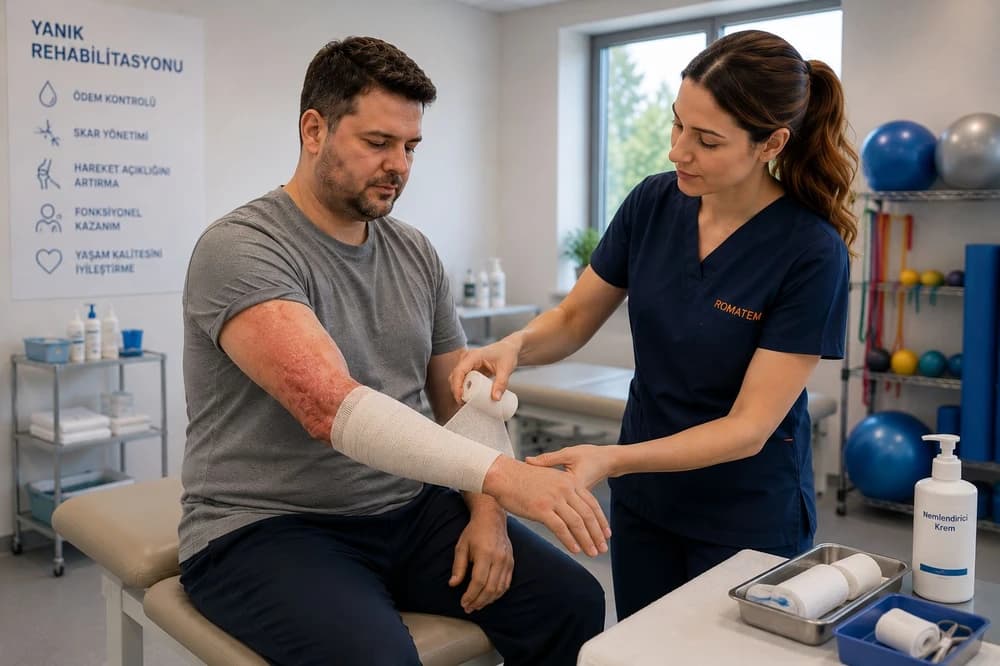 Pressure Injuries and Skin Protection
 Long COVID
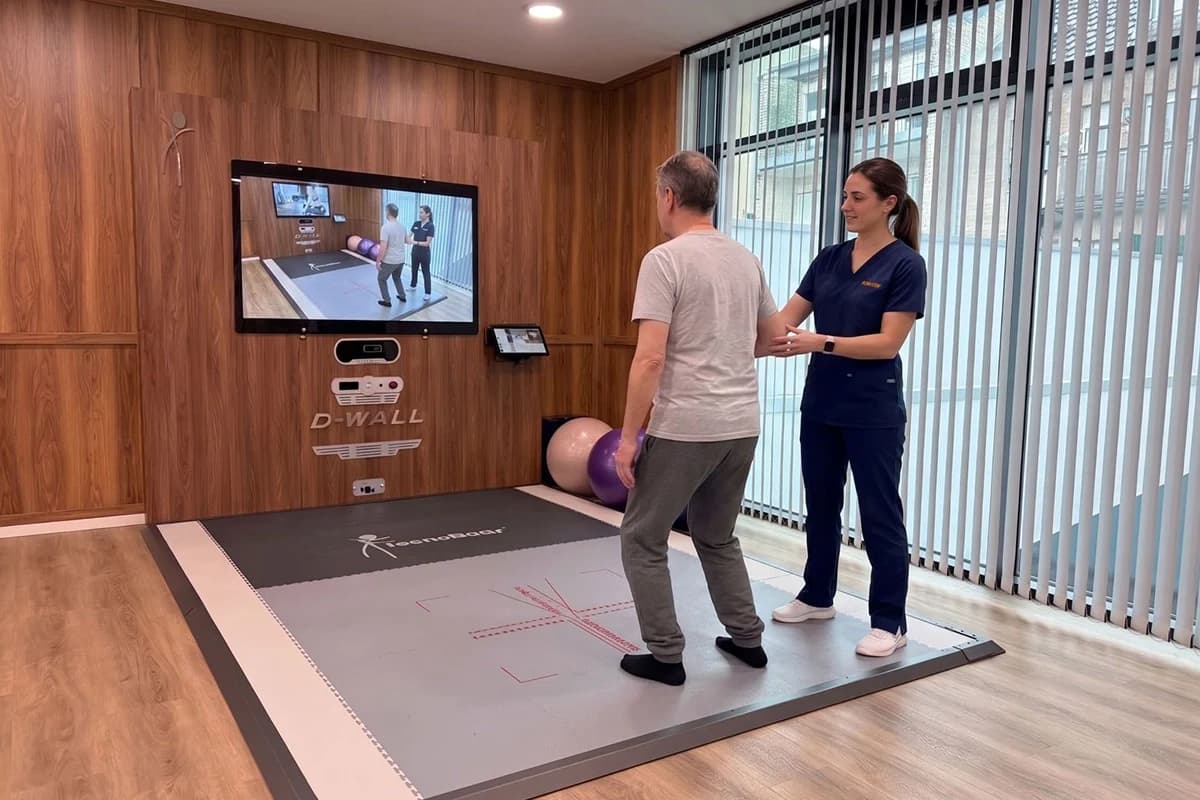 After Intensive Care
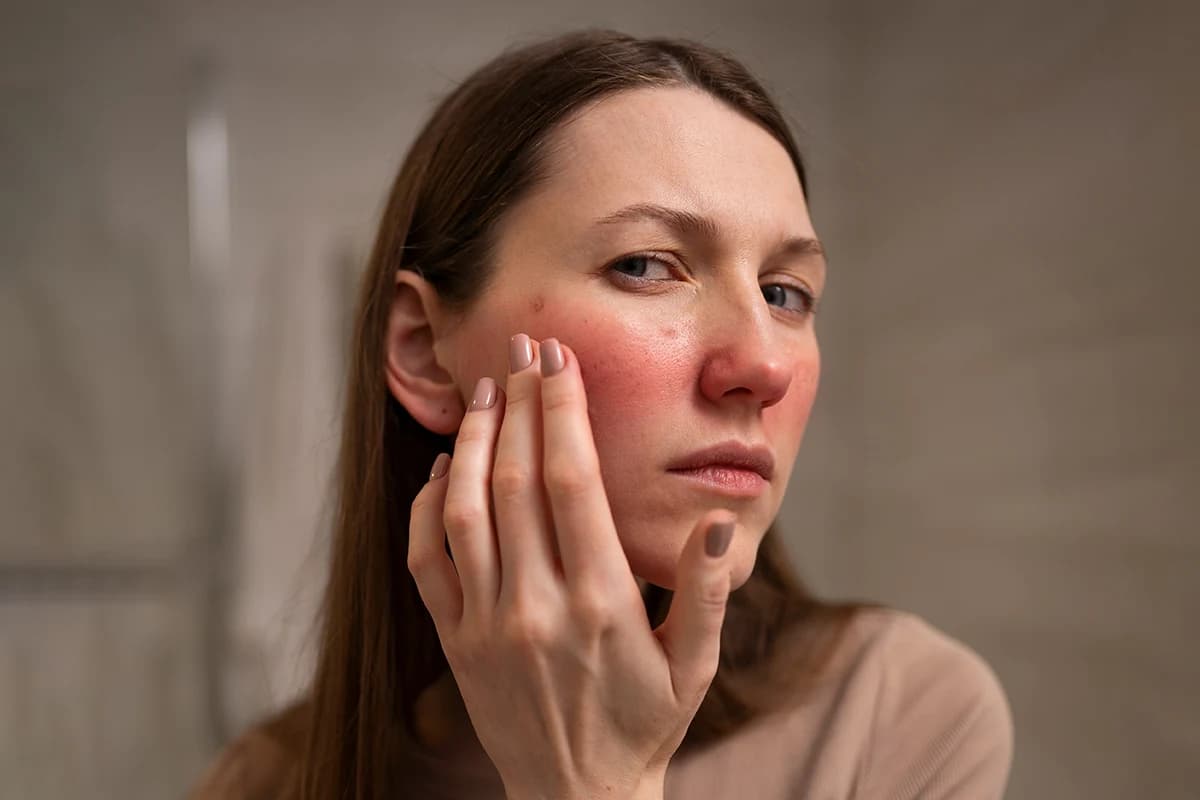 Systemic Lupus Erythematosus (SLE)
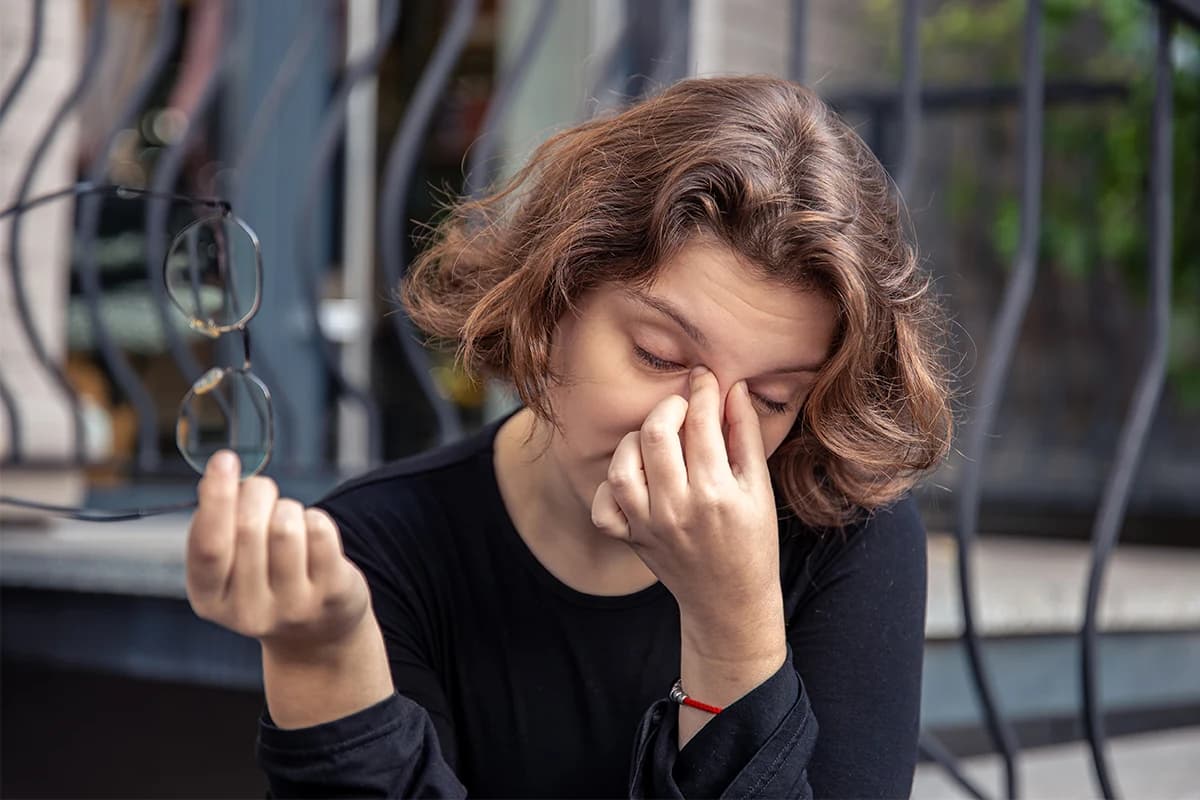 Sjögren's Syndrome
 Behçet's Disease
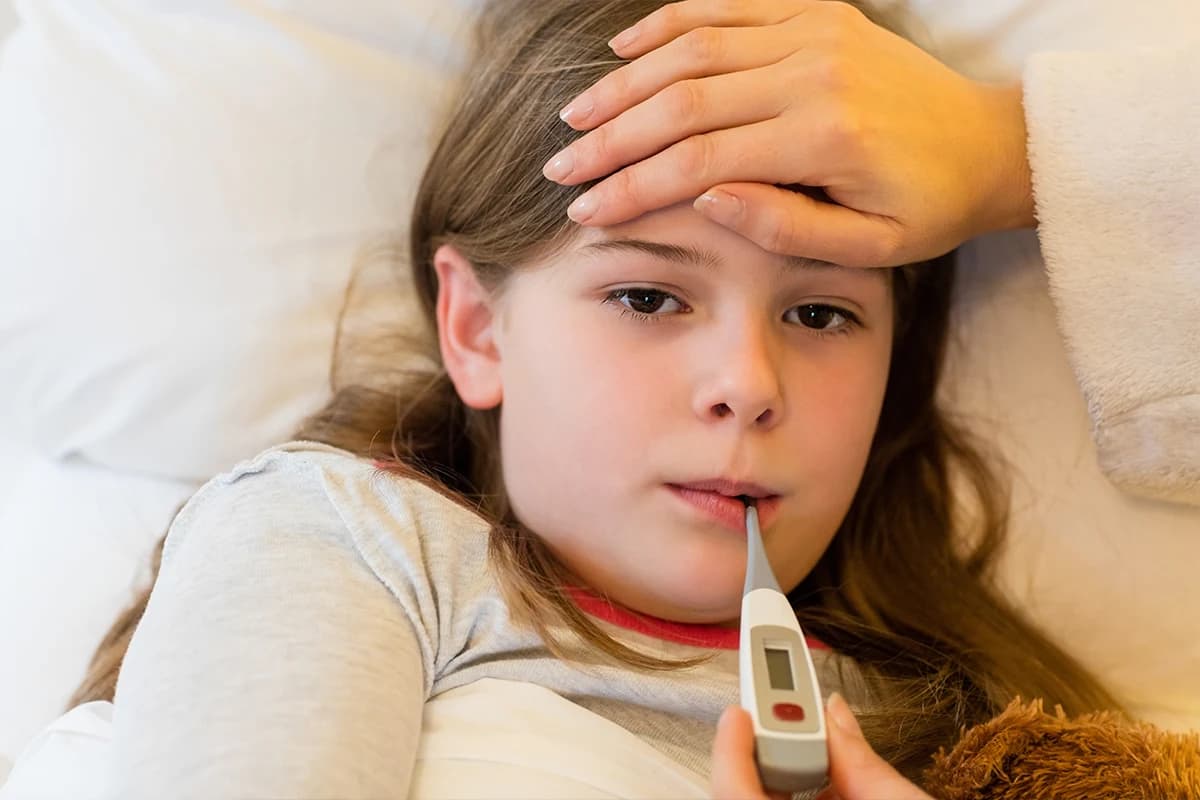 Familial Mediterranean Fever (FMF)
 Vasculitis
 Mixed and Undifferentiated Connective Tissue Disease
 Sciatica
 Ankle Sprain and Chronic Ankle Instability
 Flat Foot (Pes Planus)
 Hallux Valgus (Bunion)
 Golfer's Elbow (Medial Epicondylitis)
 Bursitis and Myofascial Trigger Points
 Muscle Tear and Strain
 Kyphosis and Flat Back
 Shoulder Dislocation and Instability
 Posterior Cruciate Ligament (PCL) Injury
 Collateral Ligament Injury (MCL and LCL)
 Patellar Tendinopathy (Jumper's Knee)
 Burns
Burns Knee Osteoarthritis (Gonarthrosis)
 Hip Osteoarthritis (Coxarthrosis)
 Myopathy and Muscle Disease
Devices are used inside a programme and chosen after examination — they are not booked separately.
Your path to this treatment
Nothing here is booked from a page. You send the records you have, a rehabilitation physician reads them, and you get a written answer — including when the answer is that an intensive programme will not help.
4 steps, start to finish
1.Send your records
A discharge summary from the hospital that treated the original event, and any imaging of the affected area — CT, MRI or X-ray.2.A written plan in 48 hours
A rehabilitation physician reviews the case and returns the expected duration, the recommended programme and the centre. Free, no obligation.3.Travel and admission
Where a visa is needed we issue an invitation letter and treatment confirmation naming the dates and the facility. You are met at the airport and driven to the centre by private vehicle or ambulance; a bed for one companion and interpreting during therapy are arranged.4.Treatment, then home
The programme runs, then you leave with a discharge report and a written home exercise plan. Your return journey is organised before you go, with scheduled video reviews so progress does not stop.
In their words
What patients say after a programme
Short videos filmed during therapy: a child’s rehabilitation after a brain tumour, suspended gait training after spinal cord injury, and learning to walk again after a fall. Individual results vary.
Dave Evans on his physical therapy here
Musculoskeletal physiotherapy
Paediatric rehabilitation after a brain tumour
Inside a physiotherapy session
Spinal cord injury — the rehabilitation process
Suspension-assisted gait training
Walking difficulty and restricted movement after a fall
Regaining gait and range of motion
Locations
Centres that have this device — pick one.



Questions people actually ask
About this device
Why measure strength?
Because progression depends on knowing the starting load, and because pain masks weakness in a way that observation cannot detect.
Is it used for return to sport?
Yes — strength symmetry is one of the criteria, alongside hop tests and movement quality.
Does testing hurt?
Maximal testing is effortful and should not be painful. Where pain limits the test, that is recorded as part of the result.
How often is it repeated?
At the start, at intervals, and at discharge. The trend is what matters more than any single figure.
If I pass the tests, can I still be re-injured?
Yes. Passing lowers the risk but does not remove it. In the cohort that tested the 90% criteria, 5.6% of athletes who passed were re-injured within two years, against 38.2% of those who failed, although the study was too small for that difference to be conclusive on its own 1. Each month of delay in returning, up to nine months after surgery, also lowered the re-injury rate 1.



