
Manual and hands-on
Manual therapy
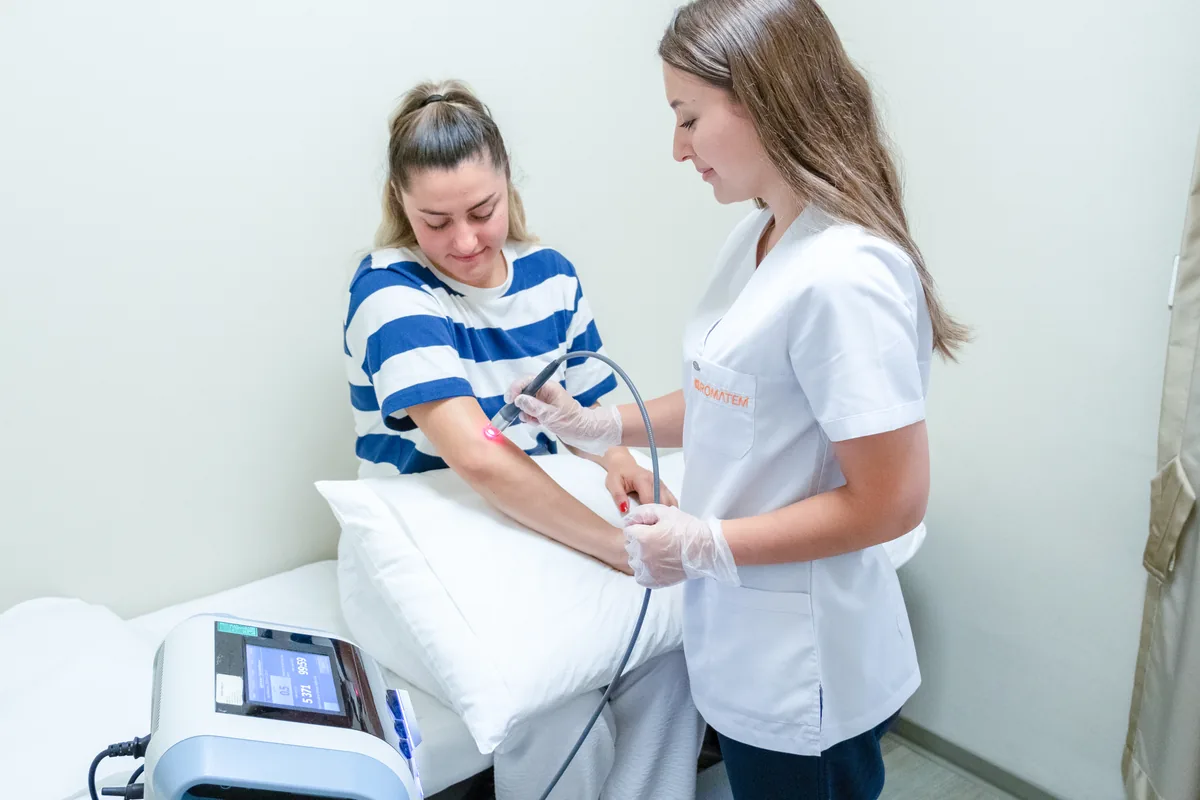
Hands-on mobilisation of joints and soft tissue by a trained physiotherapist, used to restore movement that has become restricted. It is applied alongside exercise, not instead of it, because range gained passively must be held actively. Treatment is chosen from what the examination finds, not applied from a protocol.
What a manual therapist actually does
Hands-on assessment and treatment of joints, muscle and connective tissue: graded joint mobilisation to restore movement, soft tissue work to reduce tension, and specific techniques for restrictions found on examination. The examination is the important half — the treatment is chosen from what the hands find, not applied from a protocol.
A session normally combines manual work with exercise the patient then continues. The manual component opens a window of reduced pain and improved movement; the exercise is what keeps it open.
What it treats well
Mechanical neck and back pain, joint stiffness after immobilisation or surgery, muscle tension and trigger points, headaches arising from the neck, and restricted range in shoulder, hip and ankle.
It is most effective in the early phase of a problem, and where the limitation is genuinely mechanical. Pain arising from central sensitisation responds much less, which is why identifying that pattern early prevents a course of treatment that was never going to work.
Why we do not sell long courses
The evidence for manual therapy shows short-term pain relief and improved range. The effect on long-term function, used alone, is small. What produces lasting change is what the patient does between sessions.
A treatment plan built on twenty passive sessions makes the patient dependent on the clinic and delays the active work. If manual therapy has not produced a meaningful change within four to six sessions, we change the plan rather than extend it.
What we check before treating
Red flags for anything that is not mechanical: unexplained weight loss, night pain, fever, neurological deficit, history of cancer, recent significant trauma, and in the neck the specific signs that indicate vascular or ligamentous concern.
Osteoporosis, anticoagulation, inflammatory arthritis in an active phase and recent fracture all change which techniques can be used. This screening is not a formality and it is the reason manual therapy should be delivered by a clinician rather than by whoever is available.
How a session is structured
Assessment first, then the technique chosen from what the examination found, then the exercise that holds the change. The proportions shift over a course: more hands-on early, more active work later.
If a session is entirely passive by the fourth visit, the plan has drifted. We would rather say that than fill the slot.
Where it does not help
Pain arising mainly from central sensitisation responds poorly, and continuing to treat it manually reinforces the idea that the tissue is damaged when it is not. Widespread pain, pain out of proportion to findings, and pain that moves are the patterns to recognise early.
Those situations need graded activity and pain education rather than another course of mobilisation, and identifying them early prevents months of treatment that was never going to work.
Sources
- Low back pain and sciatica in over 16s: assessment and management (NG59) — National Institute for Health and Care Excellence (2020)
Conditions this is used for
The 20 conditions where this method is part of a routine programme, grouped by area. It is never the whole plan on its own.
 Achilles Tendinopathy
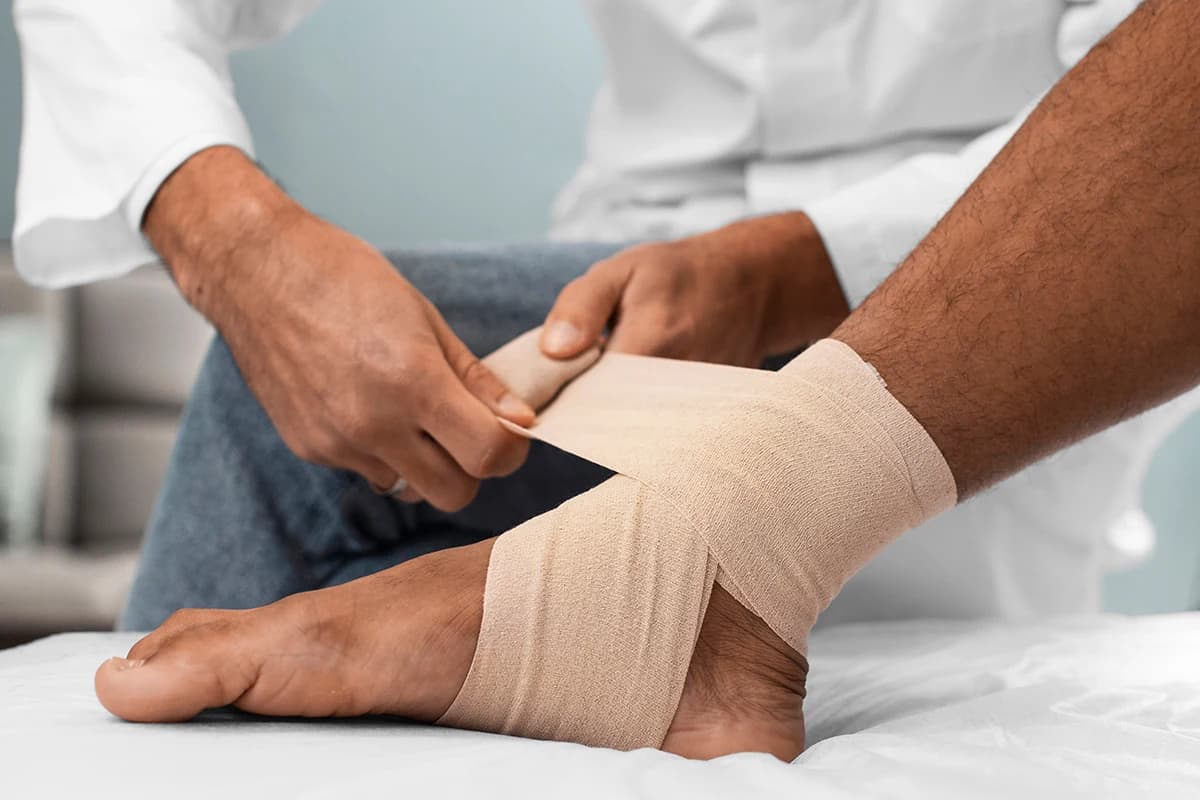 Ankle Sprain and Chronic Ankle Instability
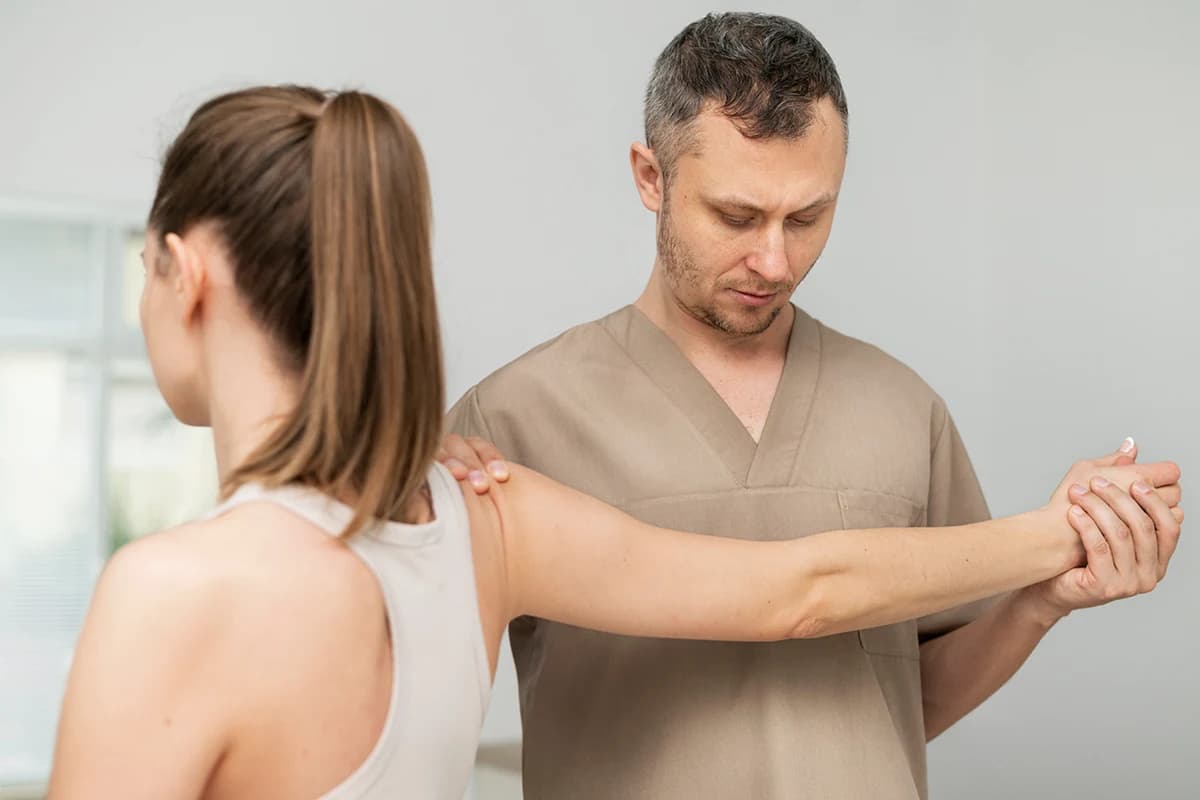 Bursitis and Myofascial Trigger Points
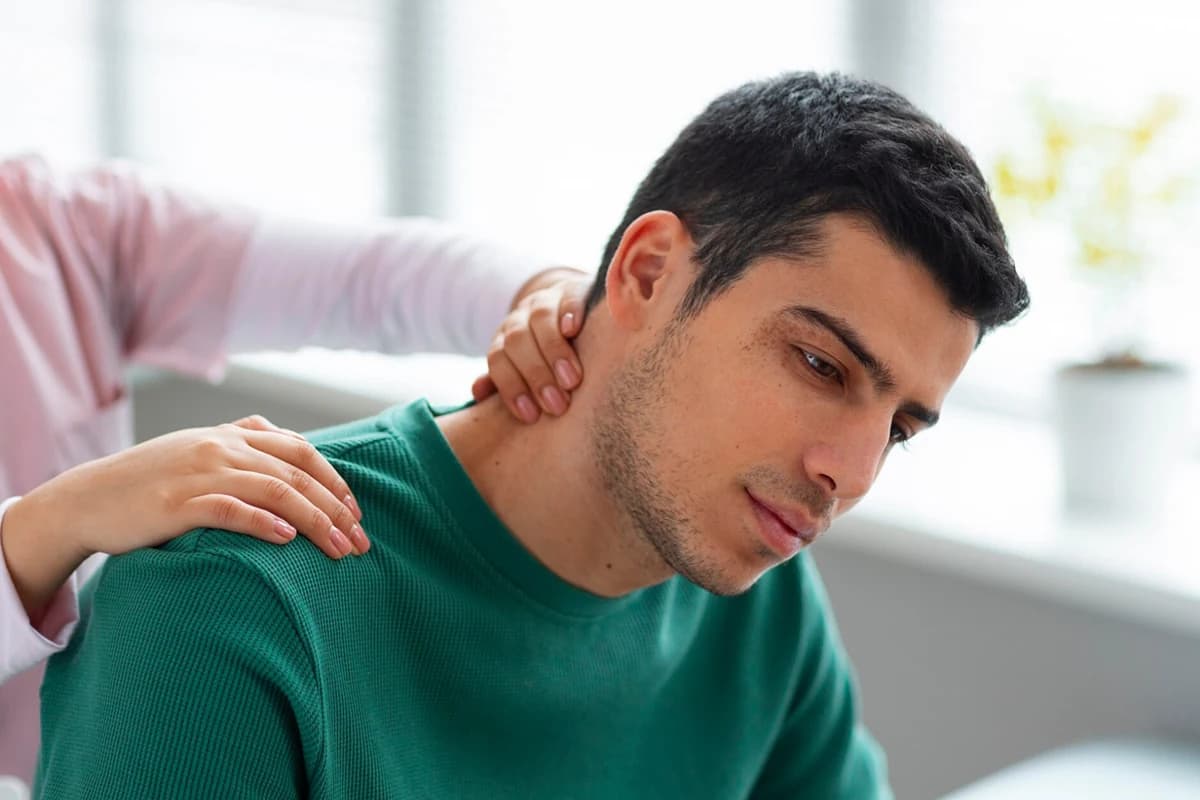 Cervical Disc Herniation
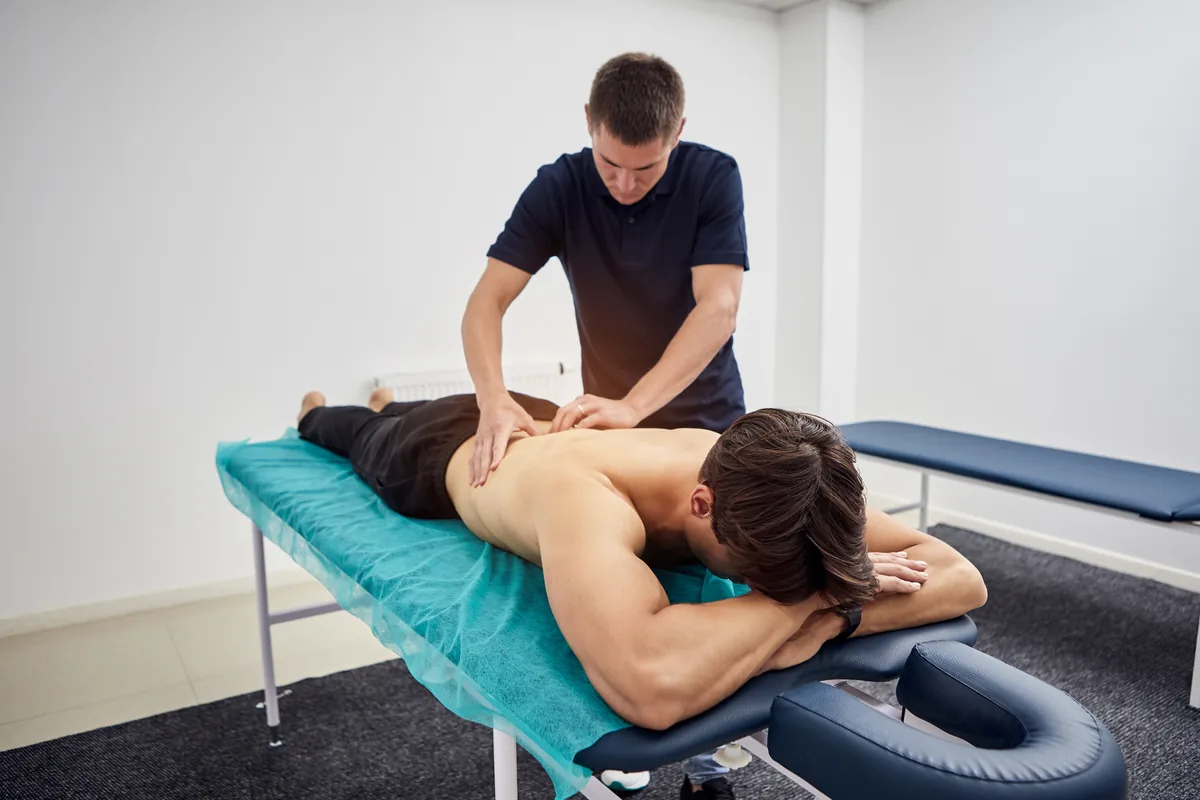 Chronic Pain
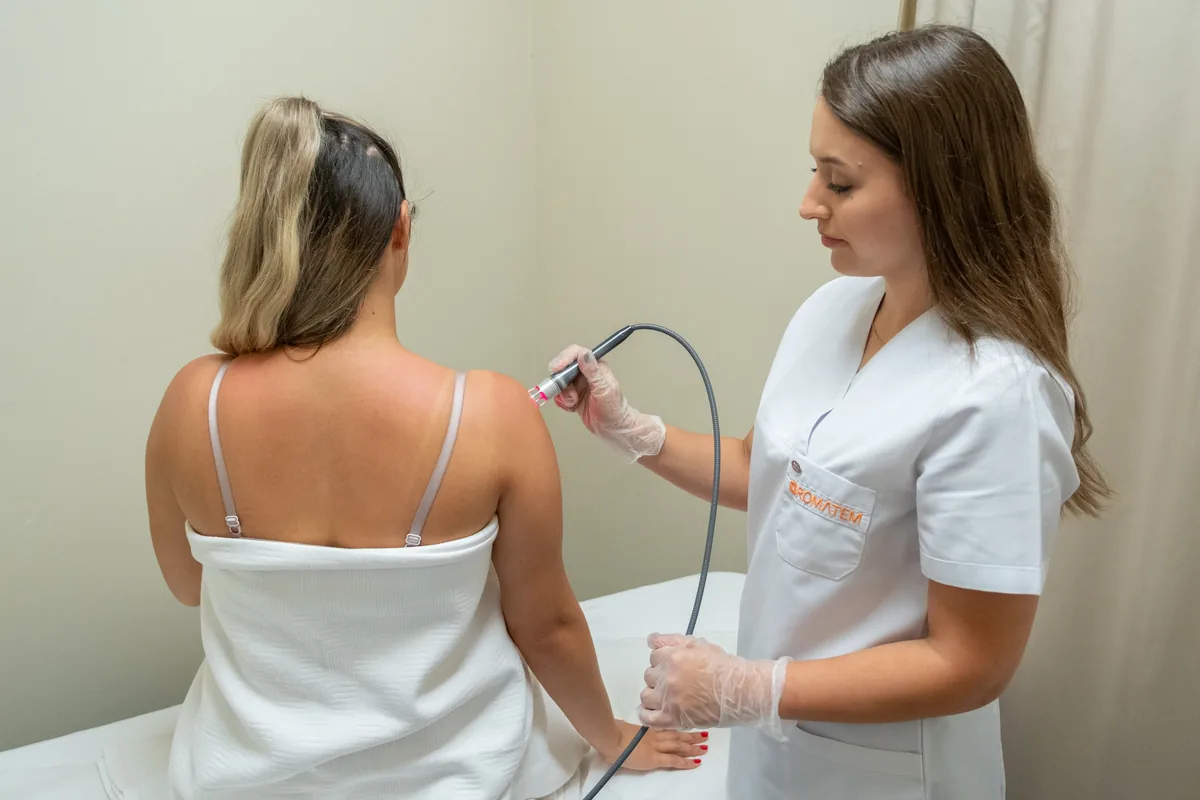 Frozen Shoulder
 Golfer's Elbow (Medial Epicondylitis)
 Kyphosis and Flat Back
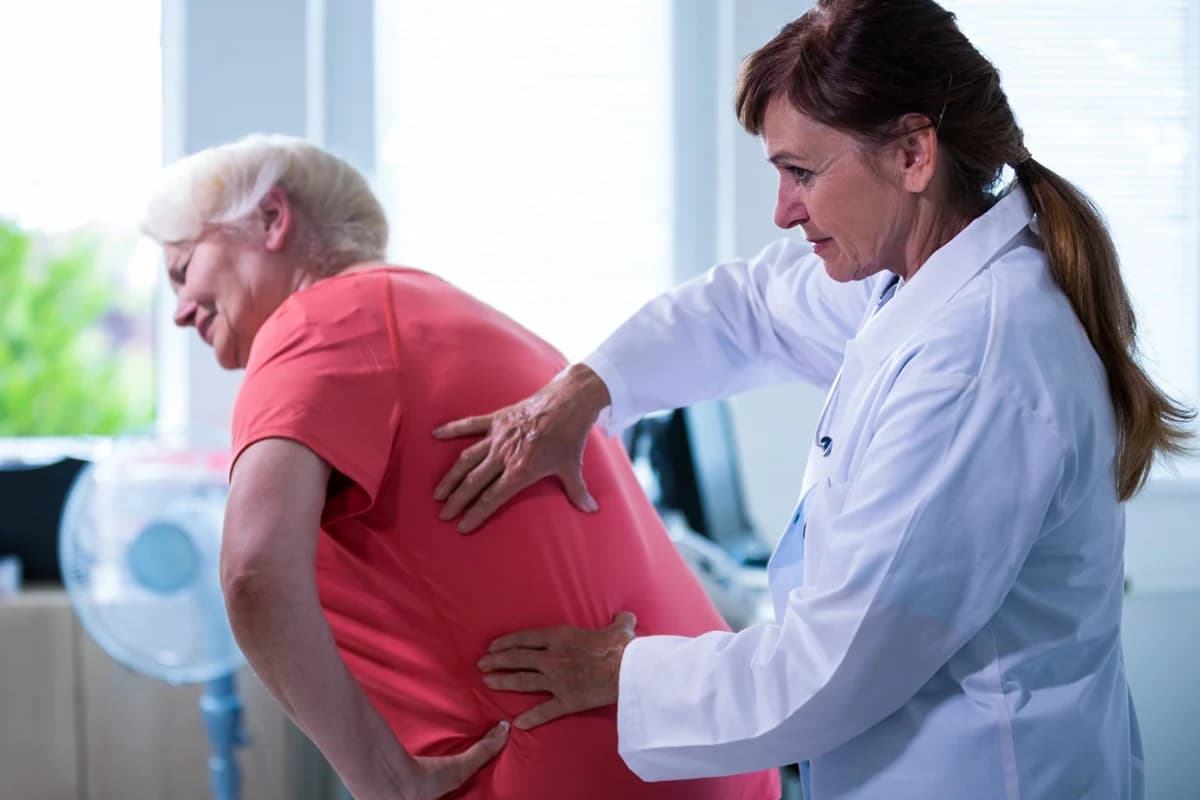 Lumbar Disc Herniation
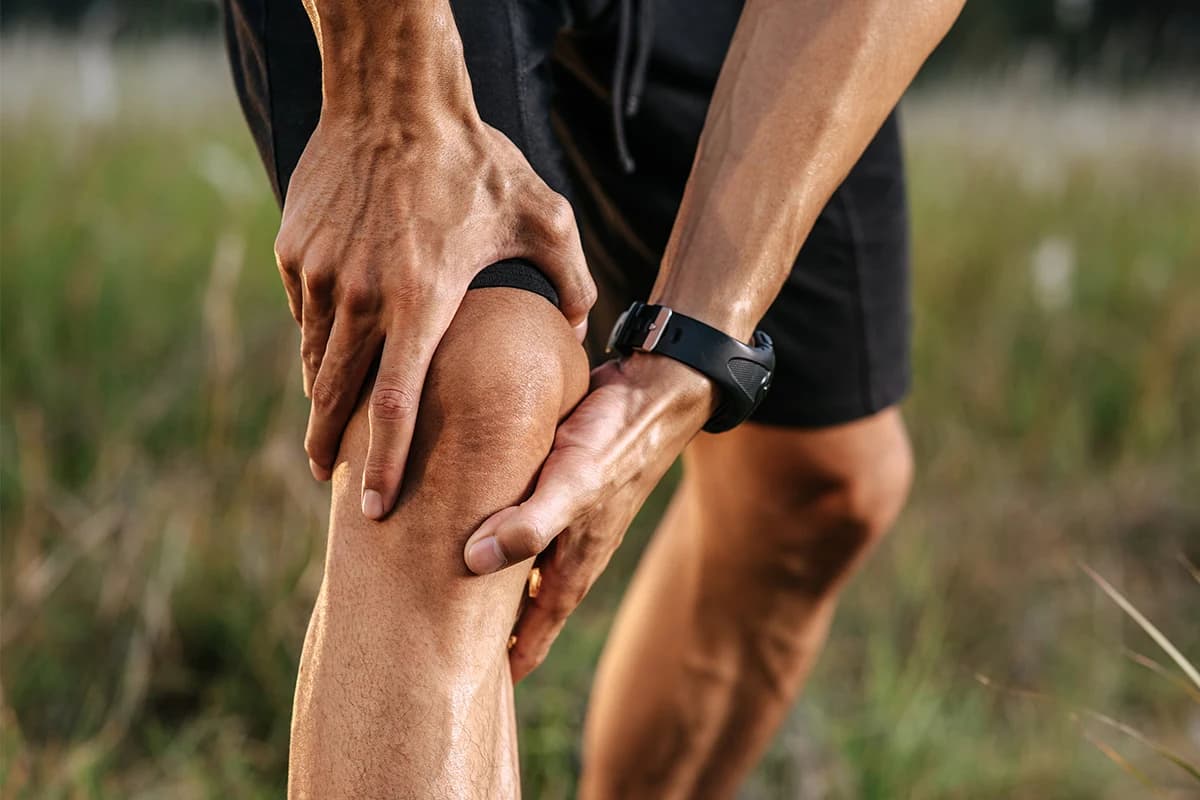 Meniscus Tear
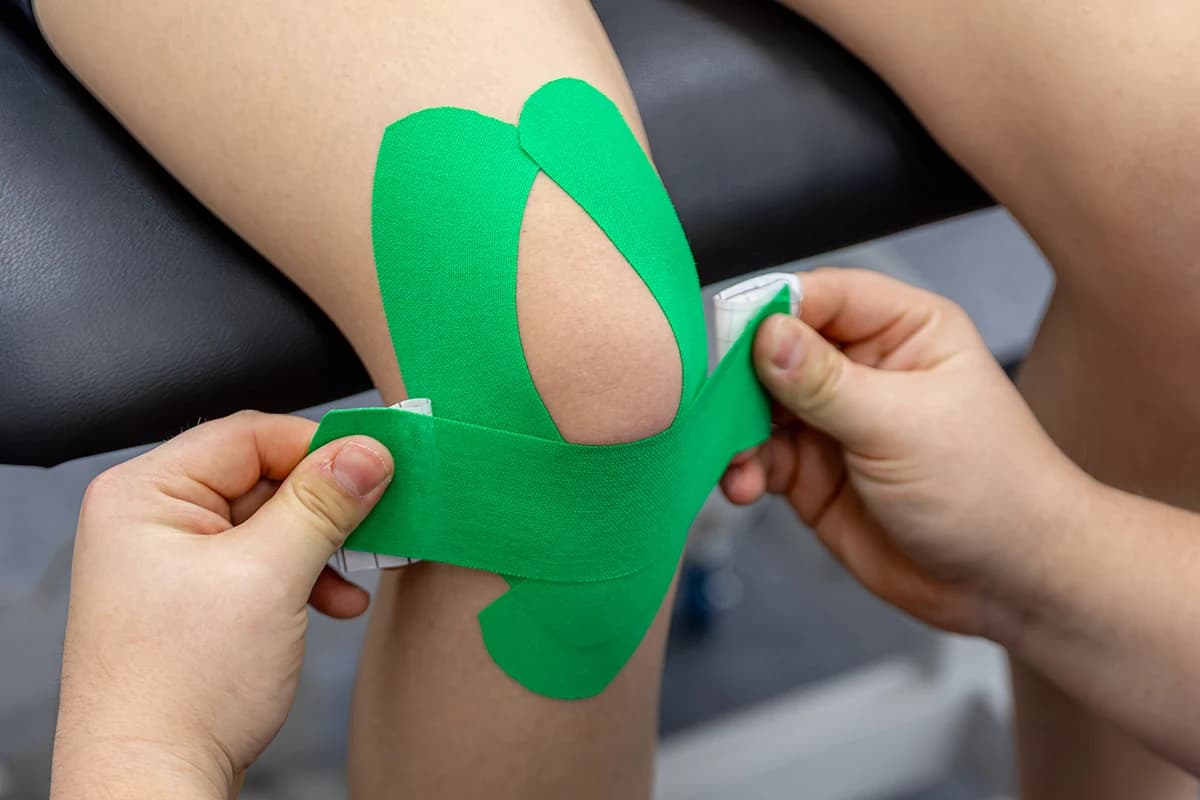 Muscle Tear and Strain
 Osteoarthritis
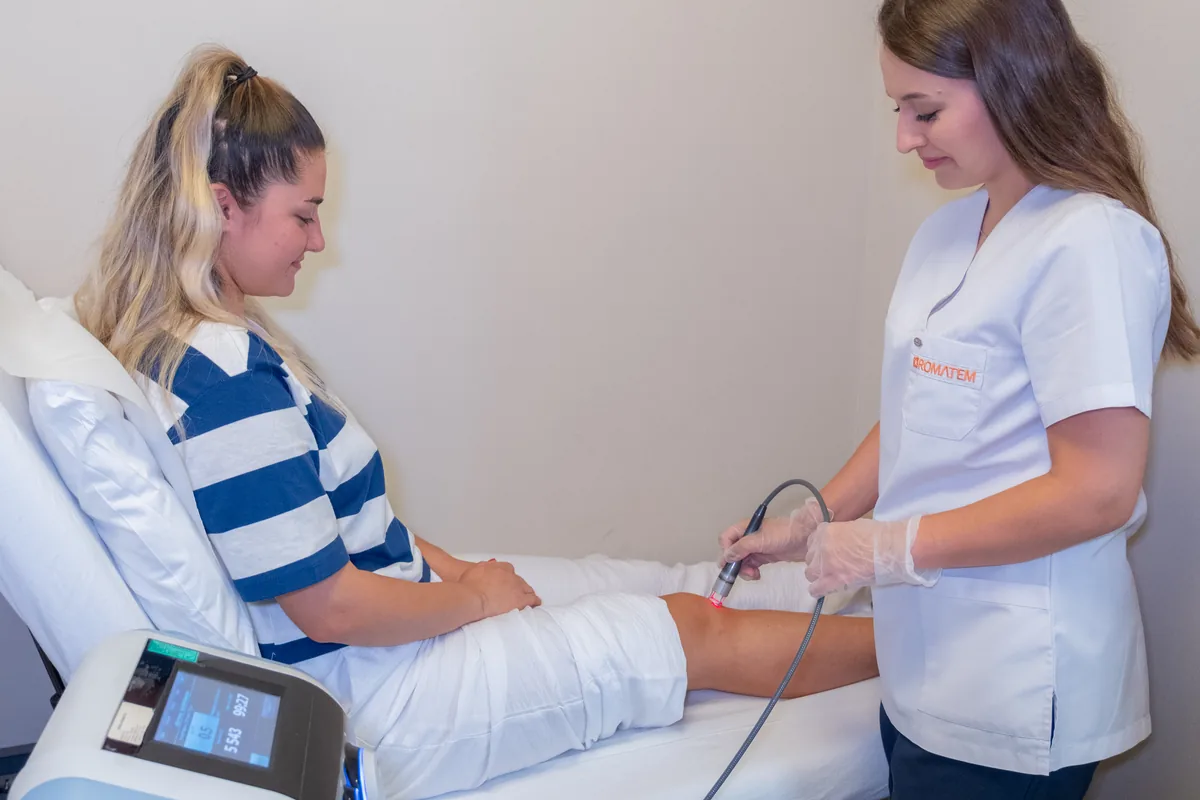 Patellofemoral Pain (Runner’s Knee)
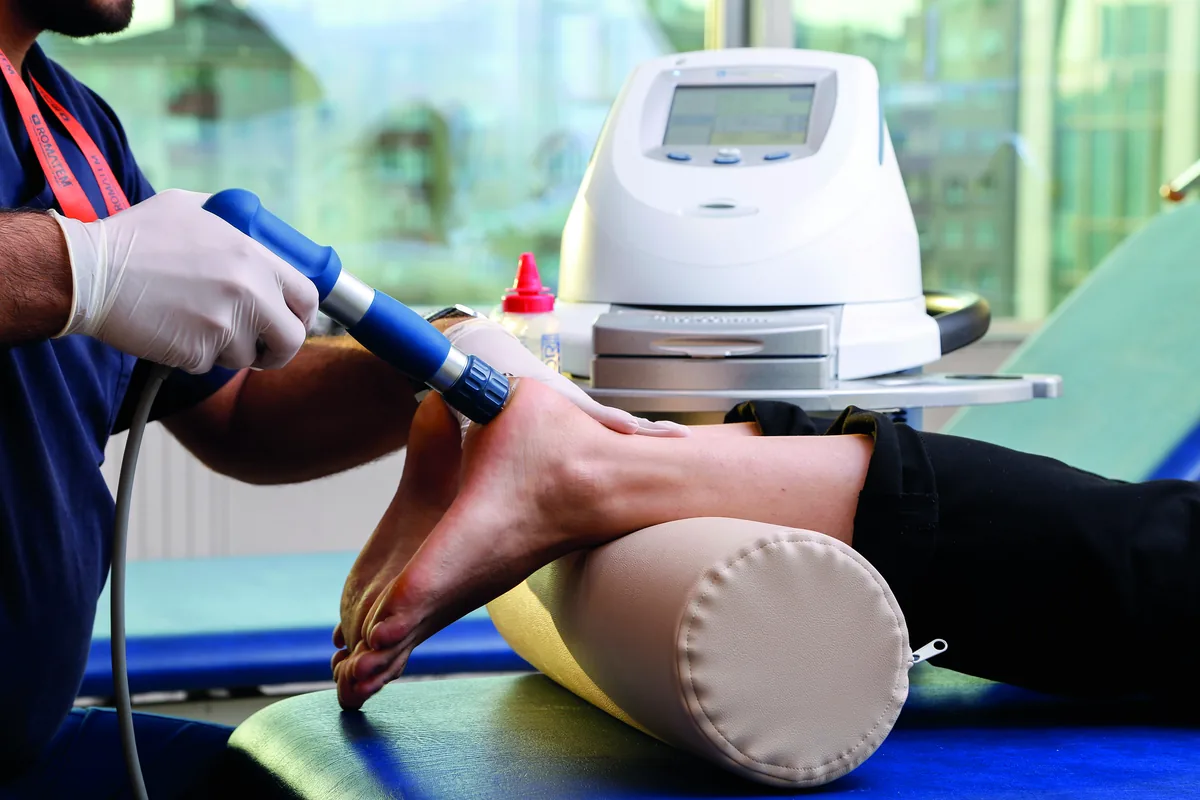 Plantar Fasciitis and Heel Spur
 Postural and Movement Disorders
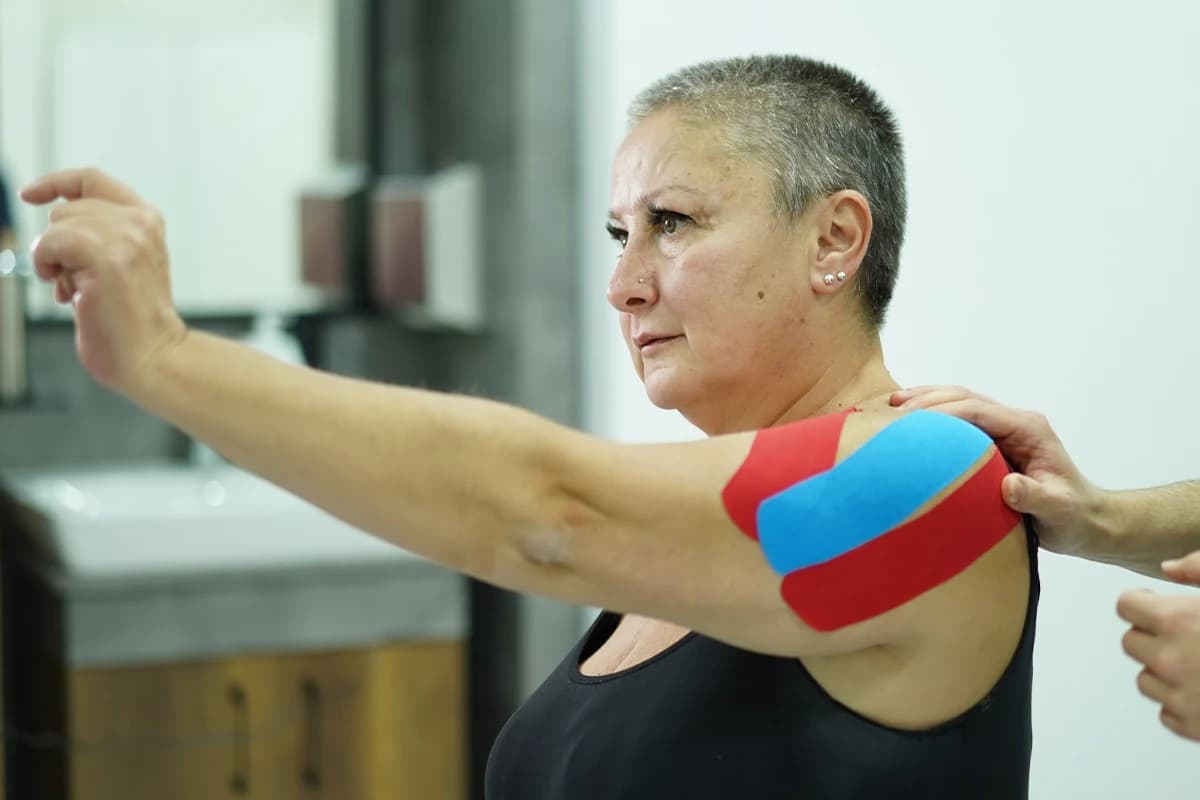 Rotator Cuff Tear
 Sciatica
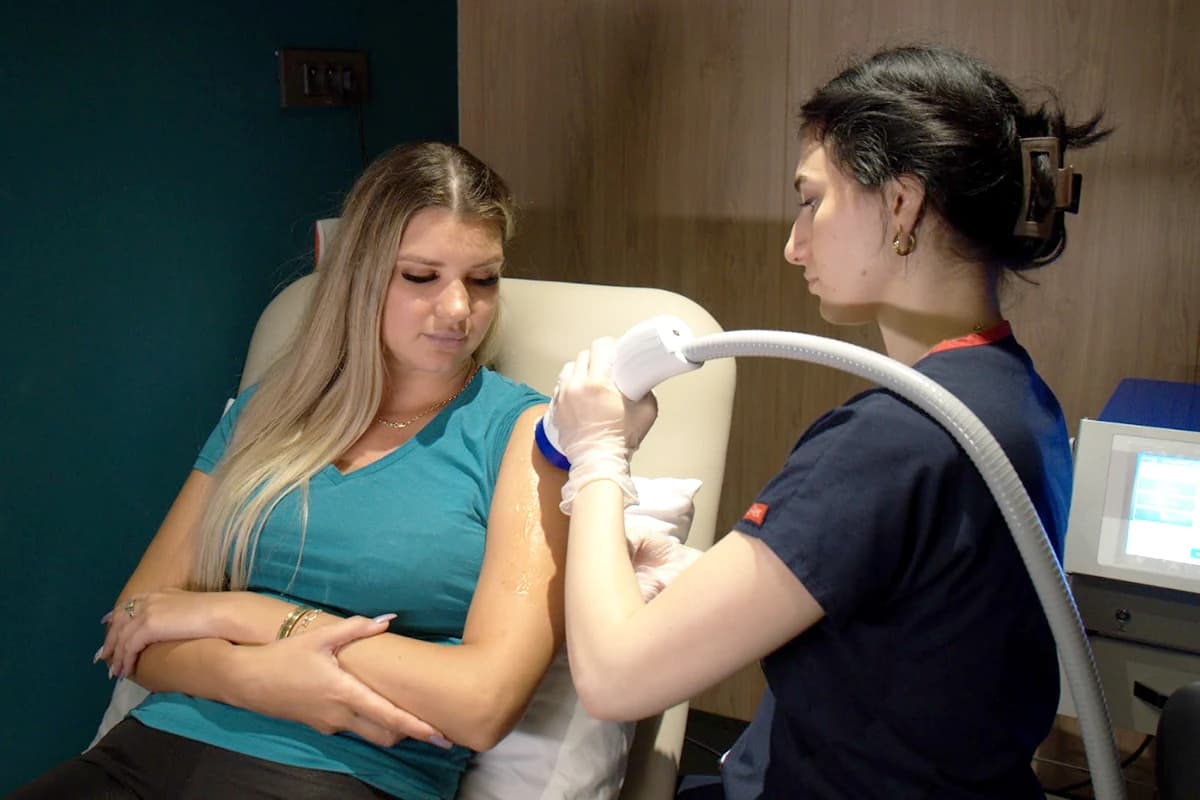 Shoulder Impingement and Rotator Cuff Pain
 Spondylolisthesis
 Tennis Elbow (Lateral Epicondylitis)
Methods are combined inside a programme and chosen after examination — they are not booked separately.
Your path to this treatment
Nothing here is booked from a page. You send the records you have, a rehabilitation physician reads them, and you get a written answer — including when the answer is that an intensive programme will not help.
4 steps, start to finish
1.Send your records
A discharge summary from the hospital that treated the original event, and any imaging of the affected area — CT, MRI or X-ray.2.A written plan in 48 hours
A rehabilitation physician reviews the case and returns the expected duration, the recommended programme and the centre. Free, no obligation.3.Travel and admission
Where a visa is needed we issue an invitation letter and treatment confirmation naming the dates and the facility. You are met at the airport and driven to the centre by private vehicle or ambulance; a bed for one companion and interpreting during therapy are arranged.4.Treatment, then home
The programme runs, then you leave with a discharge report and a written home exercise plan. Your return journey is organised before you go, with scheduled video reviews so progress does not stop.
In their words
What patients say after a programme
Short videos filmed during therapy: a child’s rehabilitation after a brain tumour, suspended gait training after spinal cord injury, and learning to walk again after a fall. Individual results vary.
Dave Evans on his physical therapy here
Musculoskeletal physiotherapy
Paediatric rehabilitation after a brain tumour
Inside a physiotherapy session
Spinal cord injury — the rehabilitation process
Suspension-assisted gait training
Walking difficulty and restricted movement after a fall
Regaining gait and range of motion
Locations
Our centres











Questions people actually ask
About this treatment
How many sessions will I need?
Usually four to six before a decision point. If nothing measurable has changed by then, we change the approach rather than extending the course.
Should it hurt?
Discomfort during a technique is common; sharp pain is not, and neither is soreness lasting more than a day or two. Report both — they change what is appropriate.
Is manual therapy enough on its own?
No, and guidelines are explicit about this: for back pain it is recommended as part of a package including exercise, not as a treatment in its own right.
Can it fix a disc herniation?
No. It can reduce pain and improve movement while the natural recovery happens, which is a useful contribution but a different claim.
Who should not have it?
Anyone with unexplained weight loss, night pain, fever, a neurological deficit, recent significant trauma, or a history of cancer needs medical assessment first. Osteoporosis, anticoagulation and active inflammatory arthritis change which techniques can be used.



