
Neurological and cognitive
Sensory integration therapy
Play-based therapy for children who over-react or under-react to touch, movement, sound or body position. It works on the sensory difficulties themselves and on participation in everyday activities. Assessment comes first, because sensory difficulty, motor weakness and communication difficulty look similar from outside and need different programmes.
What it addresses
Some children have difficulty processing and organising sensory information — touch, movement, body position, sound. The result is over-reaction or under-reaction to ordinary input, which shows up as difficulty with clothing textures, food, noise, playground equipment, or as constant seeking of movement and pressure.
This is distinguishable from a motor problem, and the distinction matters: a child who avoids climbing because the movement is distressing needs different treatment from a child who avoids it because their legs are weak.
How therapy is delivered
Through play, in an environment with equipment providing controlled vestibular, proprioceptive and tactile input — swings, climbing, deep pressure, textured materials. The therapist grades the challenge so the child stays engaged and regulated rather than overwhelmed.
Parents are taught a sensory strategy for home and school, because the therapy hour matters less than what happens in the other hundred and sixty-seven.
An honest account of the evidence
The evidence base for sensory integration therapy is small and mixed, and how long any effect lasts is unclear 1. Small trials in autistic children report progress on individual goals with the Ayres Sensory Integration protocol, although concerns about bias remain 2. A larger UK trial, in 138 autistic children, found no benefit over usual care at 6 or 12 months 3. Broader claims about improving academic performance, language or core autism features are not supported.
We use it for the sensory difficulties themselves and for participation goals, and we will not present it as a treatment for autism or for learning difficulty. Where a child needs speech therapy or motor rehabilitation, they need those, not more sensory work.
Who it is used for
Children with sensory processing difficulty, including many autistic children, children with developmental coordination difficulty, and children with attention difficulties where sensory regulation contributes.
Assessment first: it establishes whether sensory processing is genuinely the barrier, or whether the difficulty is motor, communicative or behavioural. Those need different programmes and look similar from outside.
What a session looks like
Play-based and child-led, using swings, textures, resistance and movement equipment, with the therapist grading the challenge rather than directing a drill. To a parent watching it looks like play, and that is deliberate — a child engaged in play tolerates far more repetition.
Parents are shown how to build the same input into the day at home, because an hour a week changes little compared with the routine around it.
Where we are careful with claims
The evidence base is mixed and weaker than for several other paediatric approaches. It is reasonable for specific sensory-processing difficulties and it is not a treatment for autism, developmental delay or learning difficulty as conditions.
We say which goals it is being used for and how they will be judged, and we stop if those are not moving.
Sources
- Weitlauf AS, Sathe N, McPheeters ML, Warren ZE. Interventions targeting sensory challenges in autism spectrum disorder: a systematic review — Pediatrics (2017)
- Acuña C, Gallegos-Berrios S, Barfoot J, Meredith P, et al. Ayres Sensory Integration with children ages 0 to 12: a systematic review of randomized controlled trials — American Journal of Occupational Therapy (2025)
- Randell E, Wright M, Milosevic S, Gillespie D, et al. Sensory integration therapy for children with autism and sensory processing difficulties: the SenITA RCT — Health Technology Assessment (2022)
Conditions this is used for
The 4 conditions where this method is part of a routine programme, grouped by area. It is never the whole plan on its own.
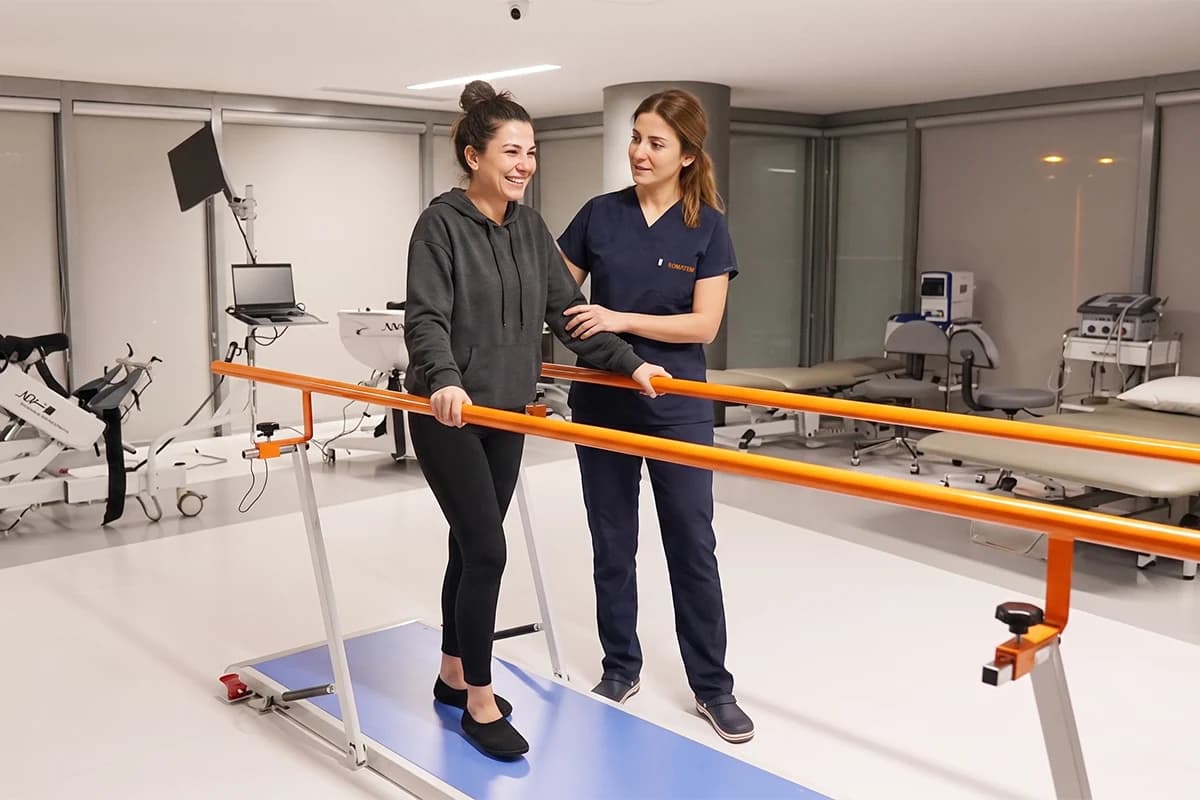
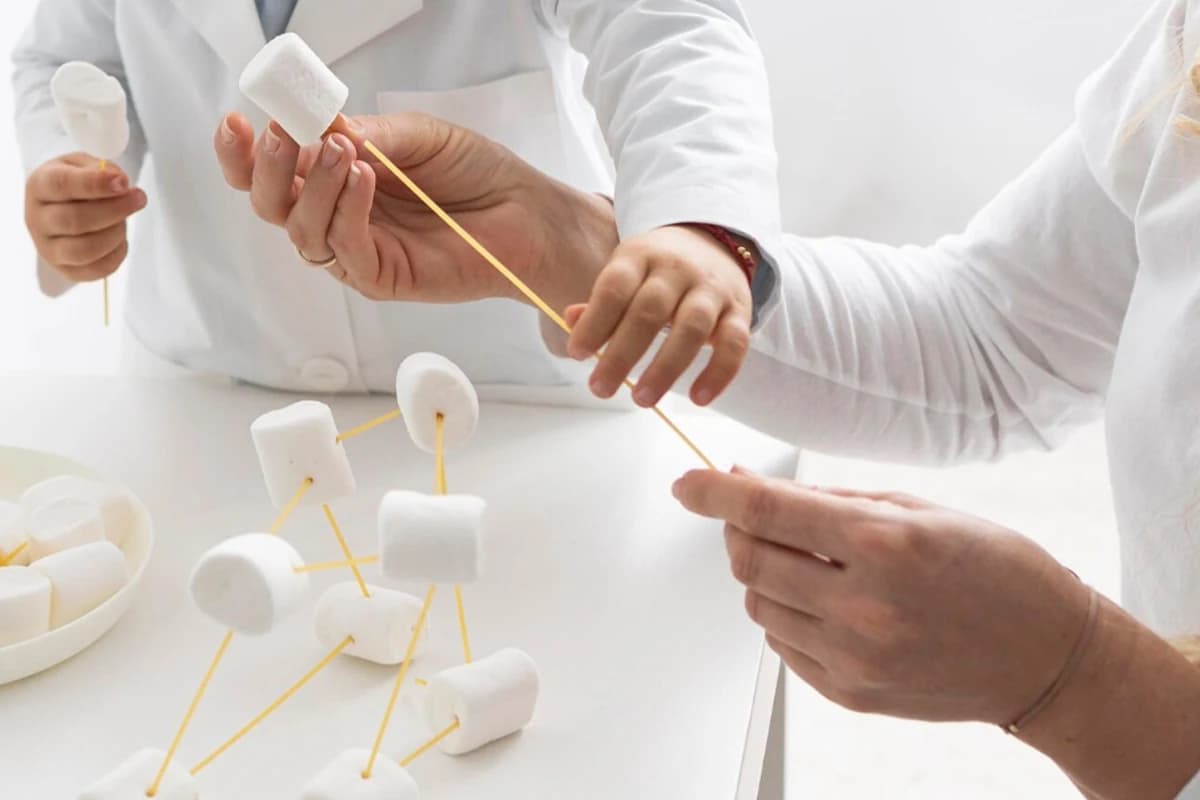
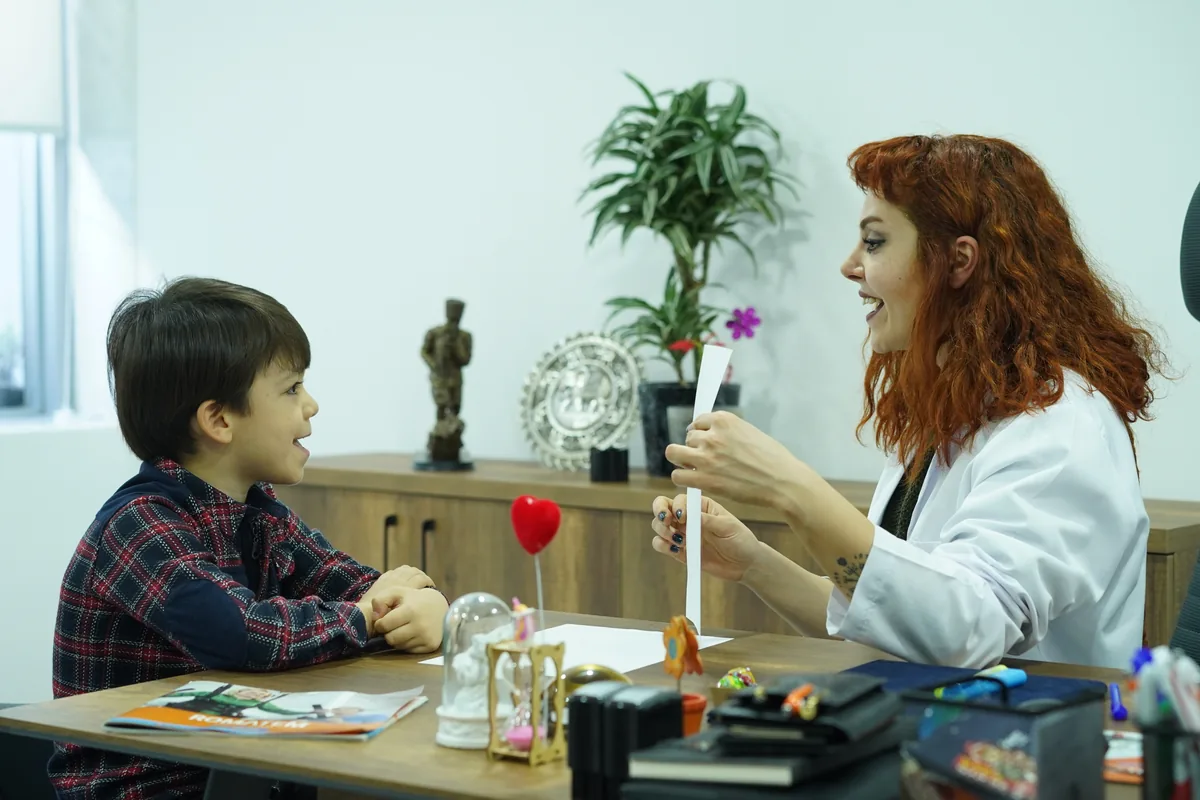
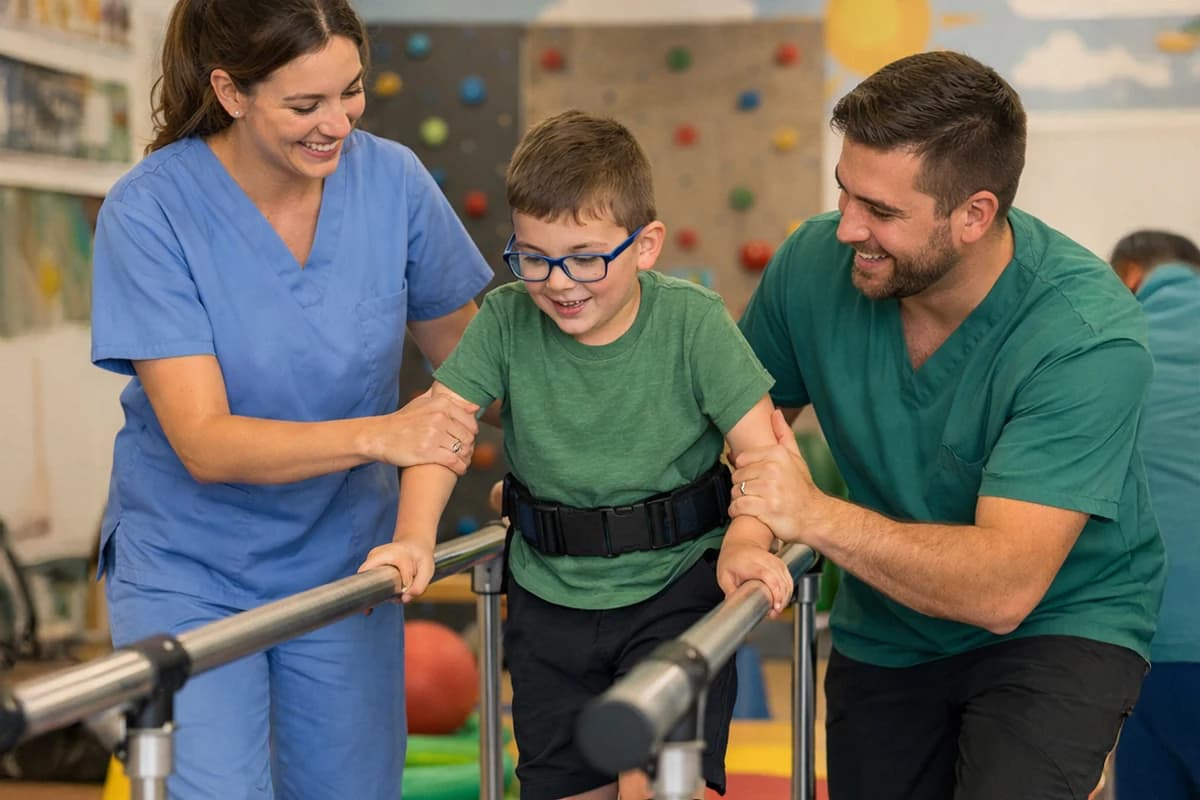
Methods are combined inside a programme and chosen after examination — they are not booked separately.
Your path to this treatment
Nothing here is booked from a page. You send the records you have, a rehabilitation physician reads them, and you get a written answer — including when the answer is that an intensive programme will not help.
4 steps, start to finish
1.Send your records
A discharge summary from the hospital that treated the original event, and any imaging of the affected area — CT, MRI or X-ray.2.A written plan in 48 hours
A rehabilitation physician reviews the case and returns the expected duration, the recommended programme and the centre. Free, no obligation.3.Travel and admission
Where a visa is needed we issue an invitation letter and treatment confirmation naming the dates and the facility. You are met at the airport and driven to the centre by private vehicle or ambulance; a bed for one companion and interpreting during therapy are arranged.4.Treatment, then home
The programme runs, then you leave with a discharge report and a written home exercise plan. Your return journey is organised before you go, with scheduled video reviews so progress does not stop.
In their words
What patients say after a programme
Short videos filmed during therapy: a child’s rehabilitation after a brain tumour, suspended gait training after spinal cord injury, and learning to walk again after a fall. Individual results vary.
Dave Evans on his physical therapy here
Musculoskeletal physiotherapy
Paediatric rehabilitation after a brain tumour
Inside a physiotherapy session
Spinal cord injury — the rehabilitation process
Suspension-assisted gait training
Walking difficulty and restricted movement after a fall
Regaining gait and range of motion
Locations
Our centres











Questions people actually ask
About this treatment
Is this evidence-based?
Partially. There is support for specific sensory-processing difficulties and the overall base is weaker than for other paediatric interventions. We are explicit about that rather than presenting it as established.
Is it a treatment for autism?
No. Some autistic children have sensory-processing difficulties that this addresses, which is a different statement from treating autism.
How long does a course last?
Blocks of several weeks with review, alongside a home programme. Open-ended courses without stated goals are not appropriate here.
What age is it for?
Mainly preschool and early school-age children, though it is used in older children where sensory difficulties are limiting.
How will I know if it is helping?
Goals are set at the start in terms of specific daily situations — tolerating clothing, managing a classroom, mealtimes — and reviewed against those rather than against how sessions felt.



