
Neurological and cognitive
Occupational therapy
Therapy aimed at the tasks of daily life — dressing, eating, writing, managing a household — including adapting the task or the environment when the ability cannot be fully restored. Where physiotherapy asks whether the arm can move, occupational therapy asks whether you can do up a button.
The therapy that gets you back to your own life
Occupational therapy works on the activities that occupy a day — washing, dressing, cooking, working, driving, managing money, caring for children. Where physiotherapy asks whether the arm can move, occupational therapy asks whether you can do up a button, and those are different questions with different answers.
It works in three ways: restoring the ability, teaching a different method, or changing the environment and equipment. Often all three at once.
What it covers
Upper limb function for daily tasks. Personal care and independence training. Cognitive and perceptual rehabilitation applied to real activities. Splinting to prevent contracture and support function. Home assessment and adaptation. Wheelchair and seating assessment. Return to work and to driving.
For families it also covers training in how to help without taking over, which is a genuine skill and one of the most useful things a carer can be taught.
Who it is for
After stroke and brain injury, in spinal cord injury, in multiple sclerosis and Parkinson's disease, in rheumatoid arthritis and hand conditions, in children with cerebral palsy and developmental difficulties, and in older adults losing independence.
It is the discipline most often left out of a rehabilitation package, and its absence is why patients are sometimes discharged walking well and still unable to manage at home.
How progress is measured
By activities completed independently, using standardised measures of daily function and by the patient's own goals, recorded at the start.
Discharge planning starts at admission, not at the end. What matters is what happens in the patient's own kitchen, and planning for that from day one changes what the programme trains.
The home is part of the assessment
What someone can do in a therapy gym predicts what they can do at home poorly. Step heights, bathroom layout, chair height, door widths and the route they actually walk most determine independence.
Where a home visit is not possible — which is the case for most international patients — we work from photographs, measurements and a detailed description, and the discharge document states what needs changing.
Equipment prescribed for a reason
A device is recommended when it makes a specific task possible or safe, and it is trained rather than handed over. Equipment issued without training is the most commonly abandoned intervention in rehabilitation.
We also say when equipment is not the answer — when what looks like a need for a device is actually a need for strength that can still be trained back.
What occupational therapy actually does
Occupational therapy works on the tasks of daily life — dressing, cooking, writing, managing medication — rather than on muscles in isolation. Where an ability cannot be fully restored, it adapts the task or the environment so the person can still do it.
The word does not mean employment
'Occupation' here means how a person occupies their day. It covers self-care and leisure as much as work, and the goal is participation rather than strength.
The distinction matters practically because patients frequently decline occupational therapy on the assumption that it is about returning to a job they have no intention of returning to, and miss the part of rehabilitation most directly concerned with living at home.
Restore, adapt, or change the environment
Three strategies, used in that order. Restore the ability if it is recoverable. Adapt the method if it is not — a different way to fasten a shirt. Change the environment if neither works — a different shirt, or a rail in a different place.
The adaptation route is often treated as giving up, and it is usually what restores independence fastest. Independence achieved with a device or a different technique is still independence, and it can be worked on alongside restoration rather than instead of it.
Why it belongs in a neurological programme
After a stroke or brain injury the barrier to living independently is usually a specific set of tasks, not a general level of strength. Physiotherapy addresses movement; occupational therapy addresses whether the movement is usable for something that matters. A Cochrane review of nine trials found low-quality evidence that occupational therapy aimed at daily activities after stroke improves performance of those activities and reduces the risk of deterioration in them 1.
It is also the discipline most often left out of a package, particularly in short international programmes where physiotherapy dominates the timetable. Ask specifically whether it is included and how many hours, because its absence is rarely stated.
Sources
- Legg LA, Lewis SR, Schofield-Robinson OJ, Drummond A, et al. Occupational therapy for adults with problems in activities of daily living after stroke — Cochrane Database of Systematic Reviews (2017)
- Bennett S, Laver K, Voigt-Radloff S, Letts L, et al. Occupational therapy for people with dementia and their family carers provided at home: a systematic review and meta-analysis — BMJ Open (2019)
Conditions this is used for
The 30 conditions where this method is part of a routine programme, grouped by area. It is never the whole plan on its own.
 ALS and Motor Neurone Disease
 Dementia
 Amputation
 Brachial Plexus Injury
 Burns
Burns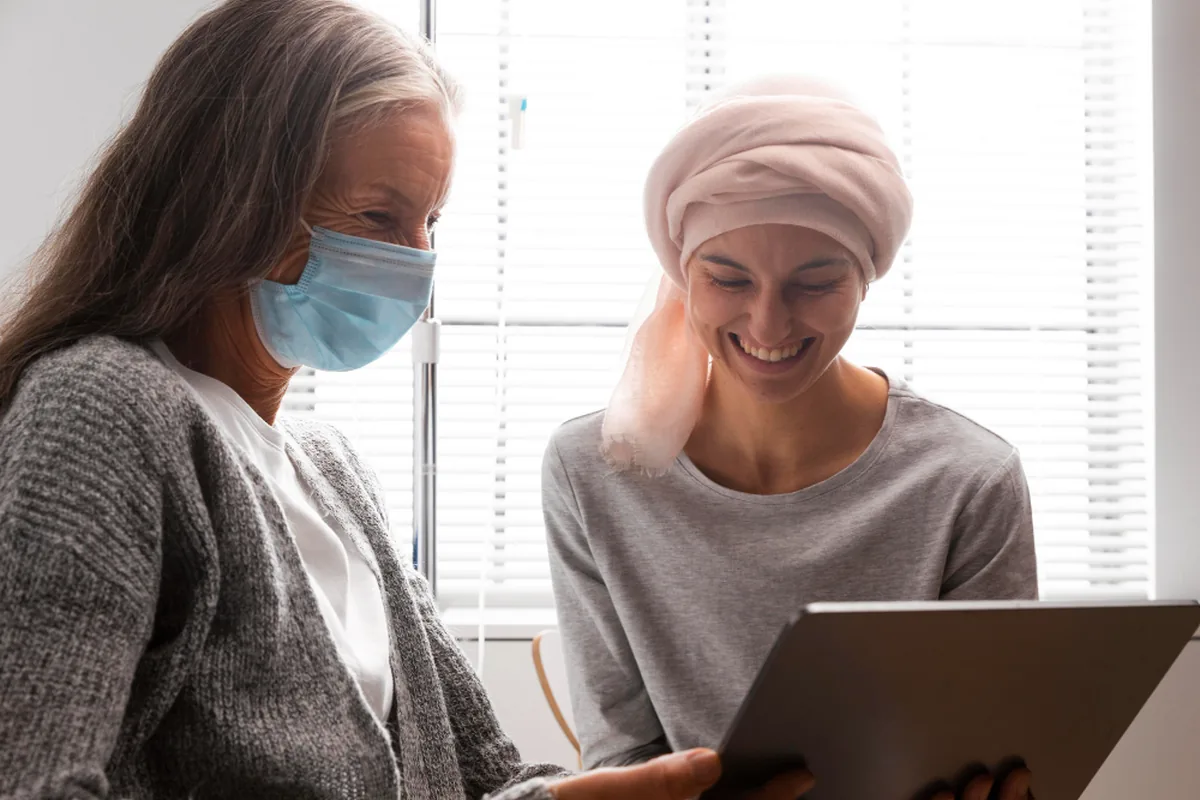 Cancer
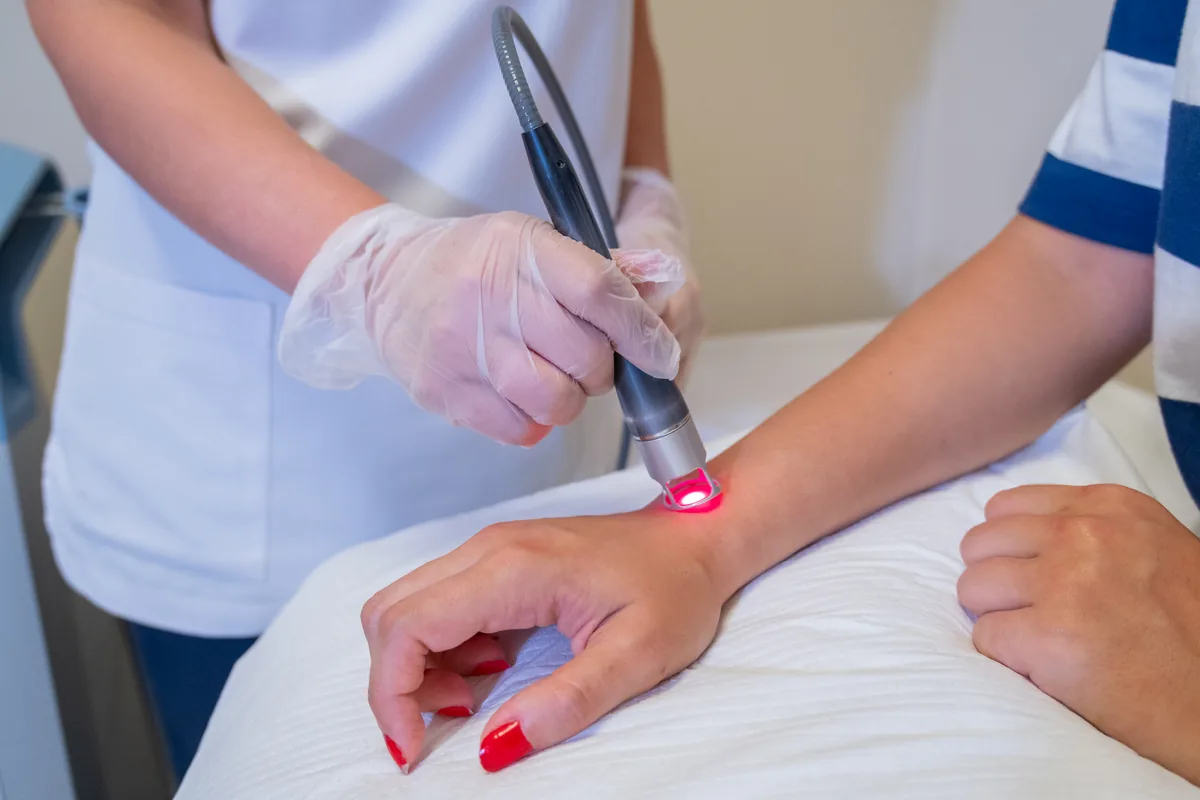 Carpal Tunnel Syndrome
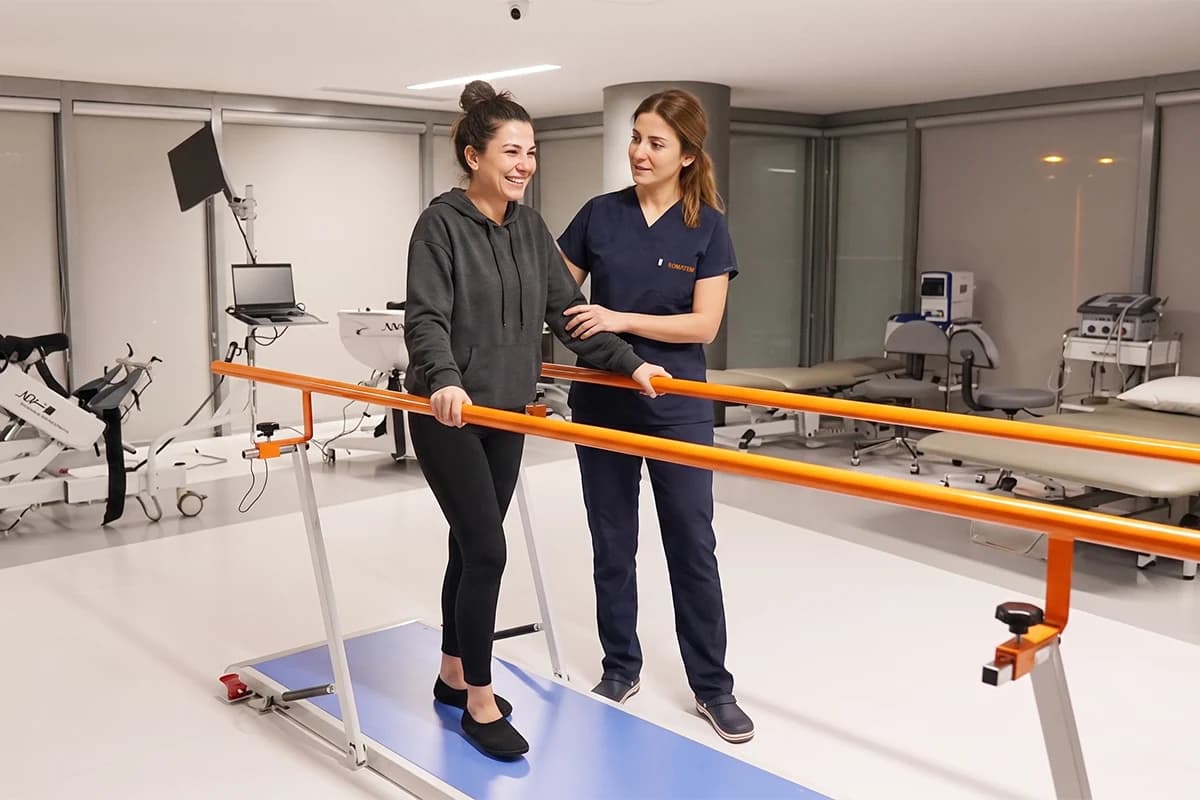 Cerebral Palsy (Adults)
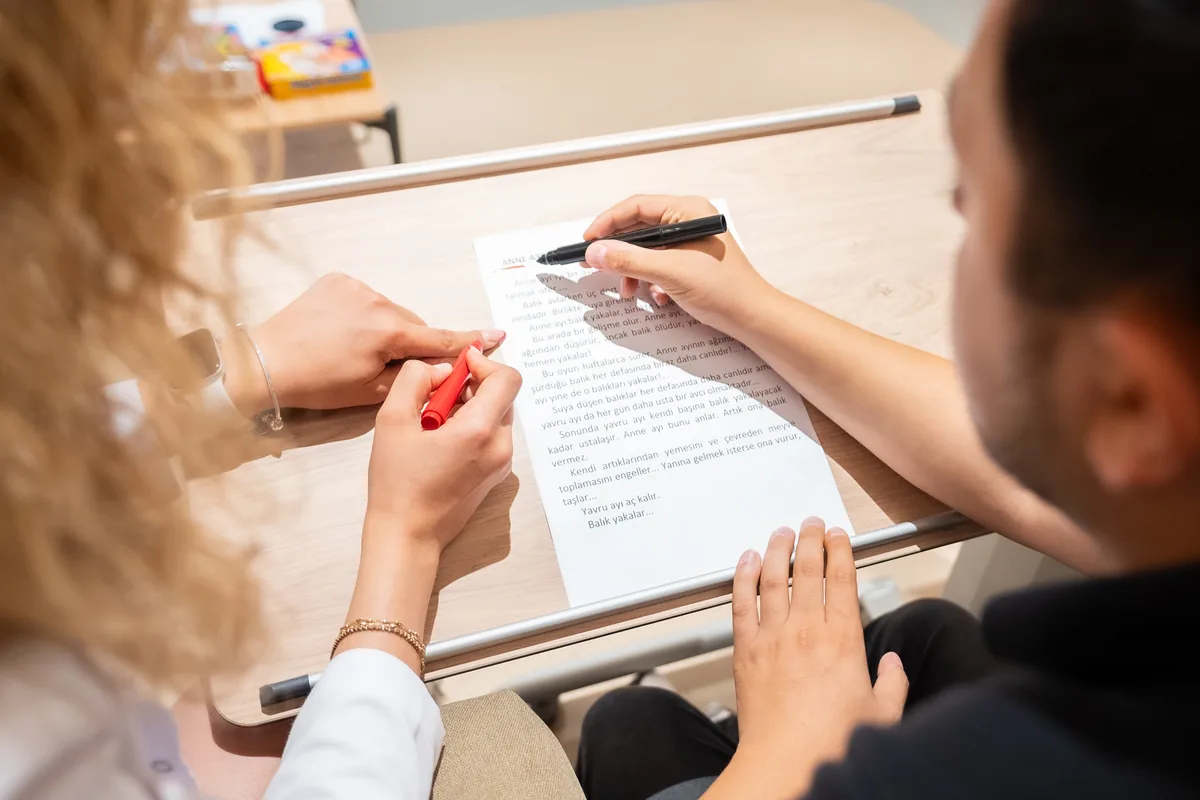 Cognitive Impairment After Brain Injury or Stroke
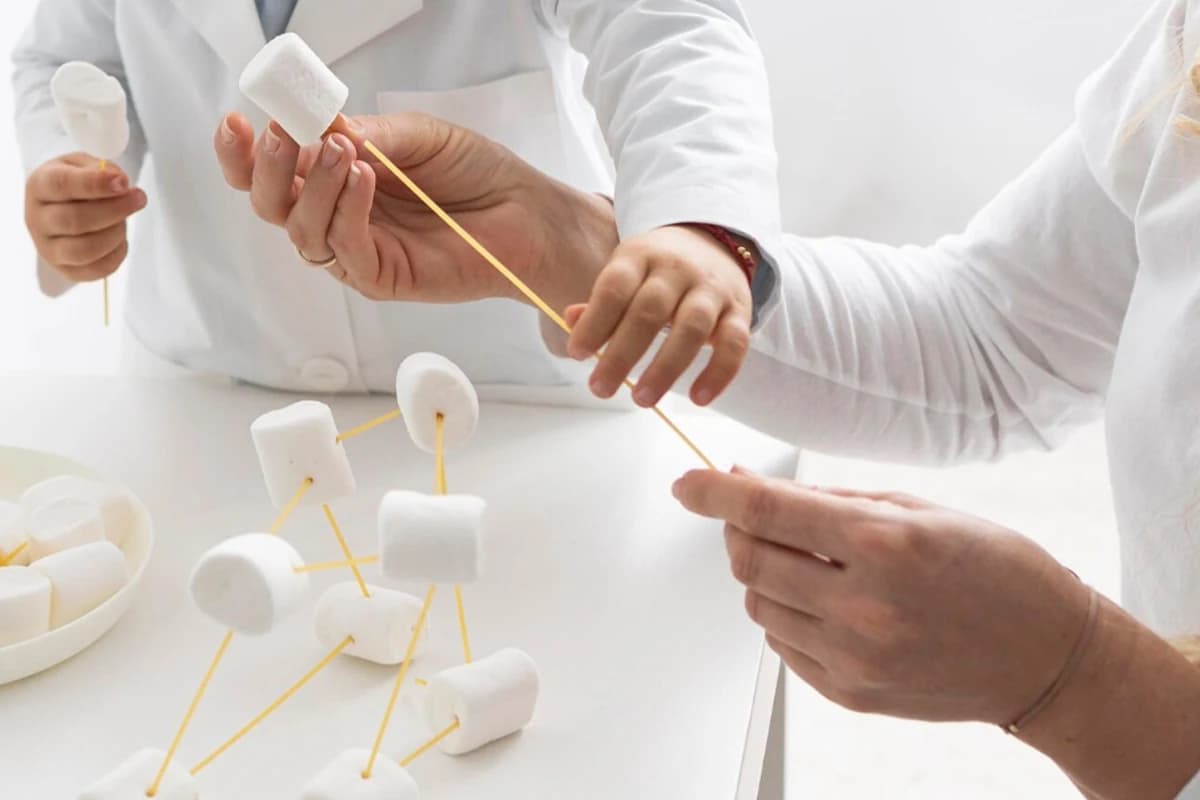 Developmental Motor Delay
 Erb’s Palsy (Birth Brachial Plexus Injury)
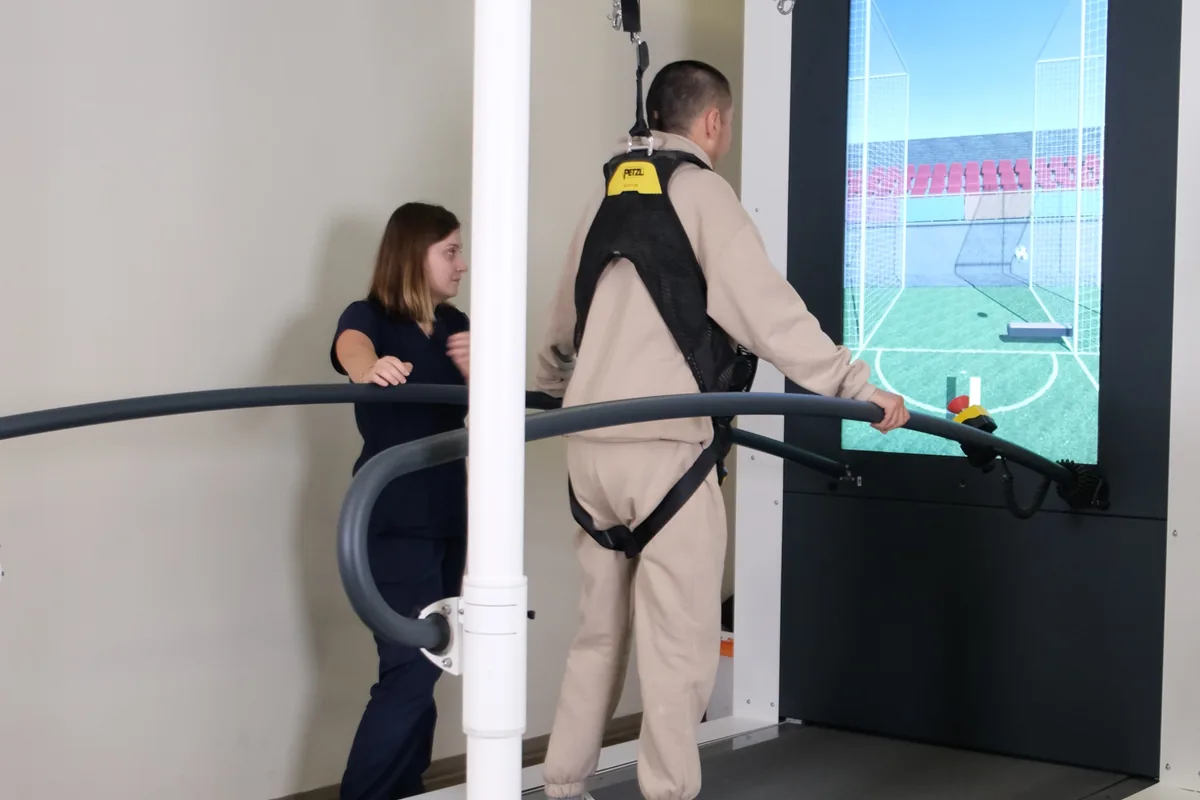 Falls and Frailty
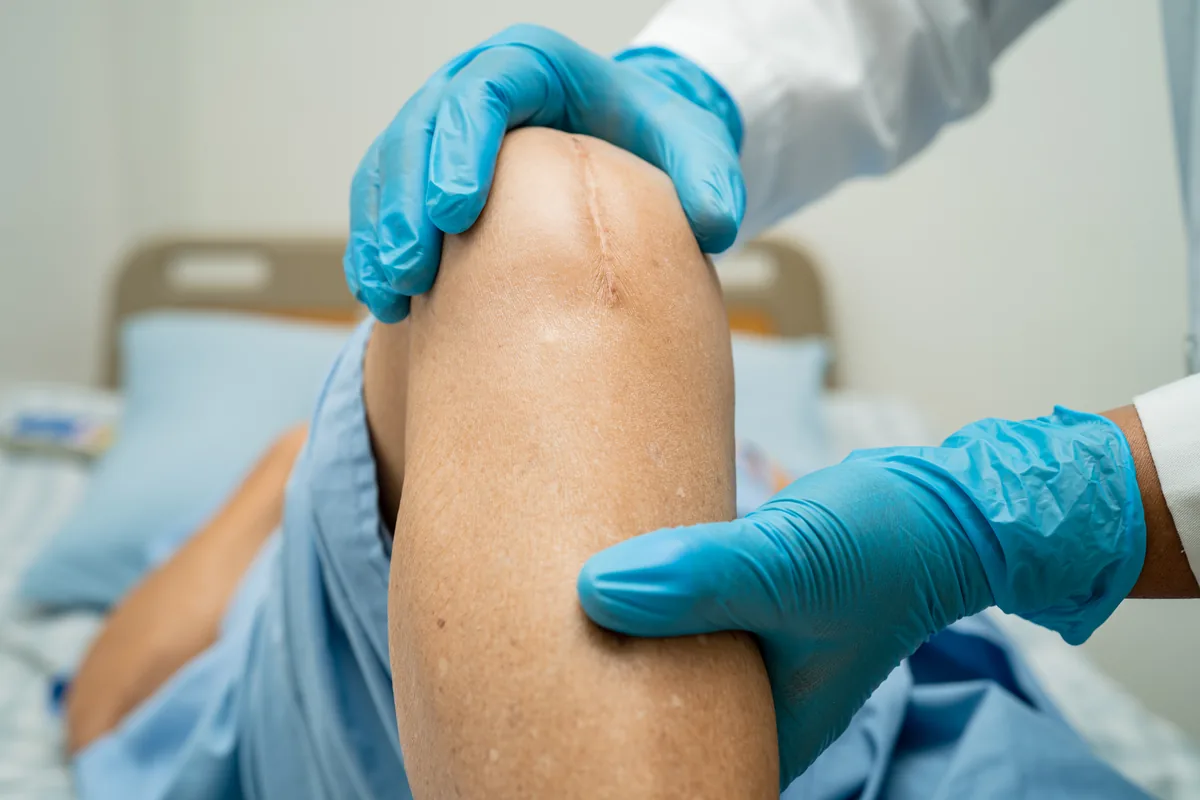 After Joint Replacement
 Long COVID
 Systemic Lupus Erythematosus (SLE)
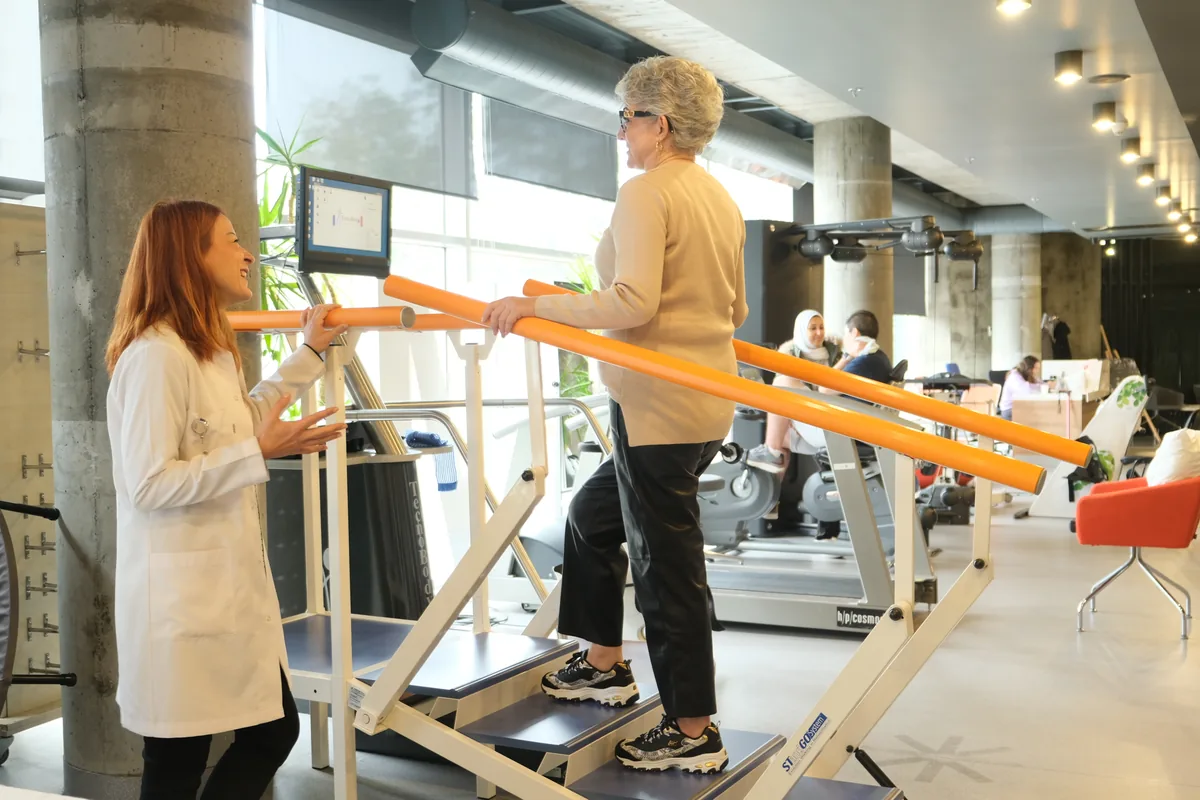 Multiple Sclerosis
 Inflammatory Myopathy (Myositis)
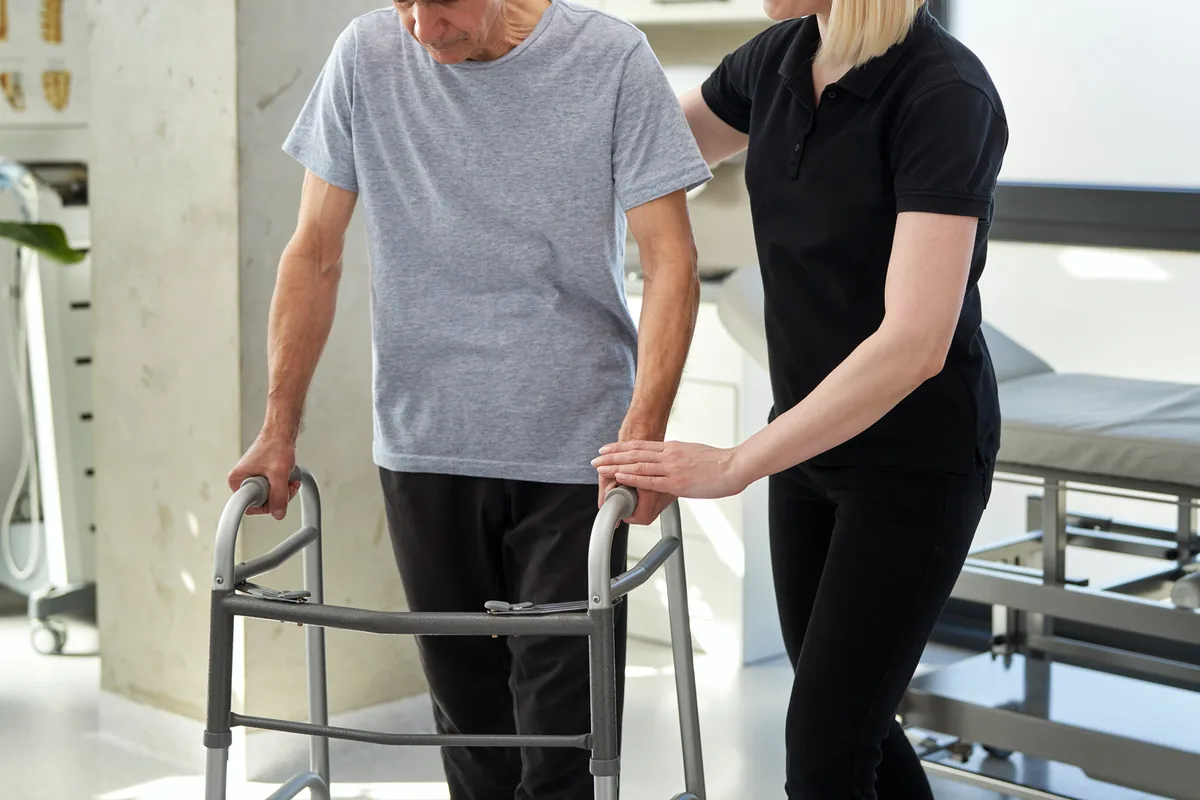 Parkinson's Disease
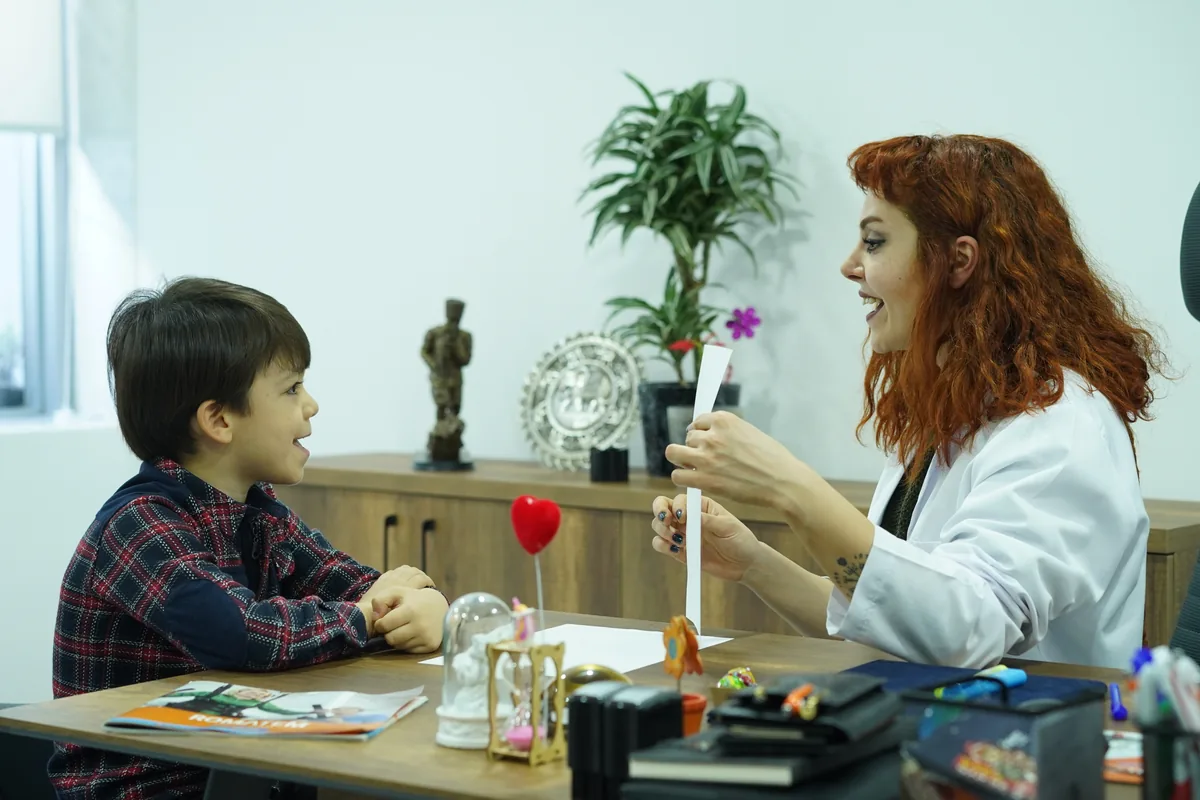 Brain Injury in Children
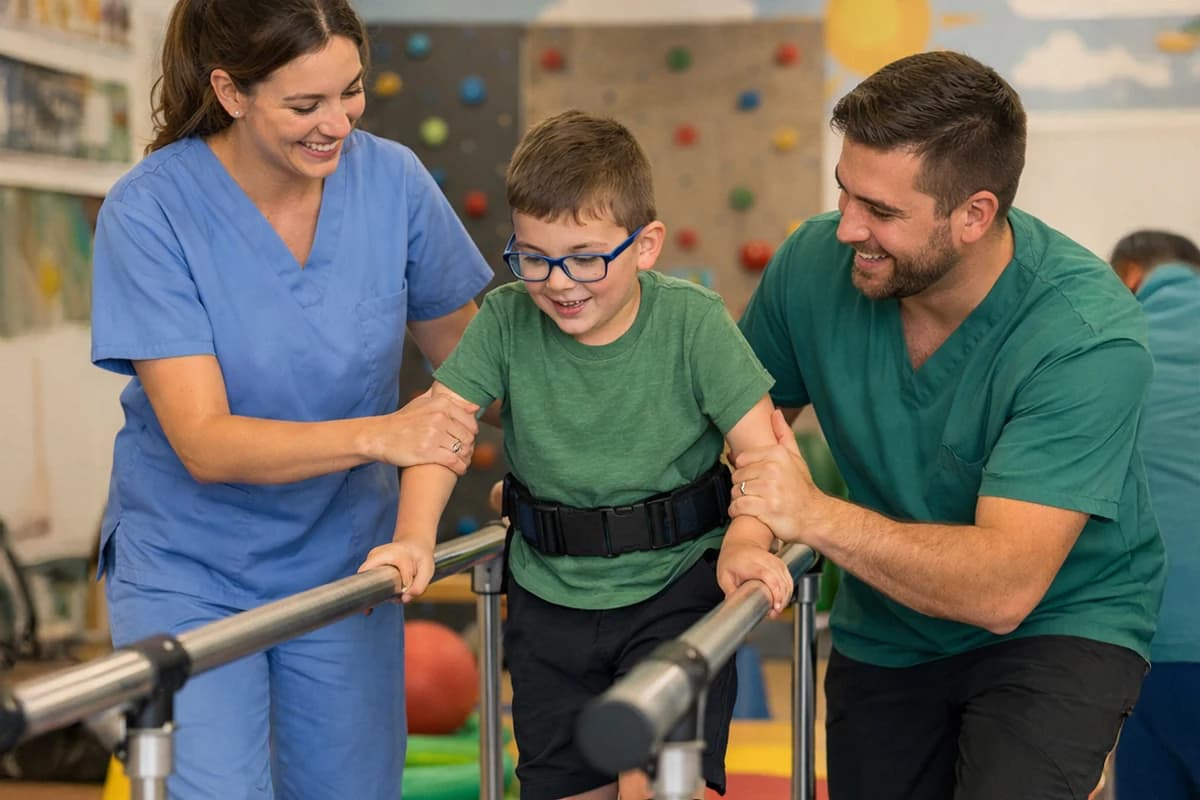 Cerebral Palsy (Children)
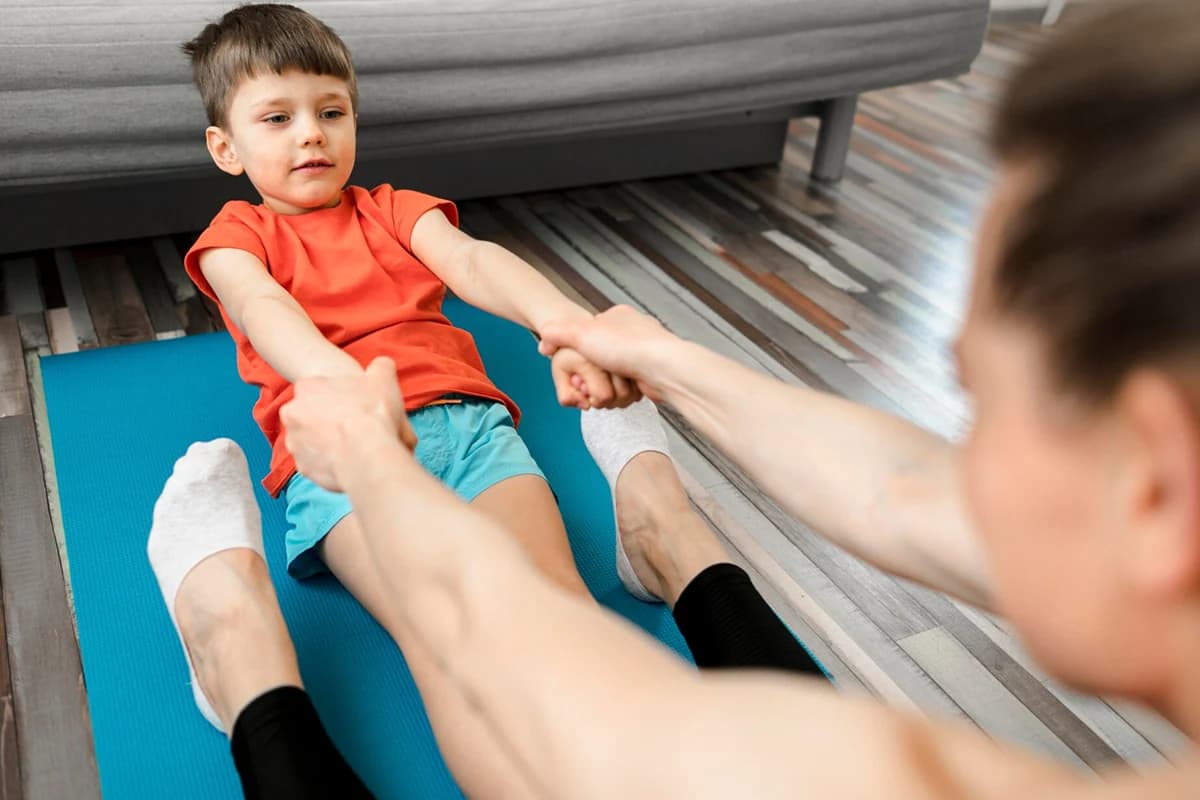 Muscular Dystrophy in Children
 Peripheral Nerve Injury
 After Intensive Care
 Psoriatic Arthritis
 Rheumatoid Arthritis
 Spasticity
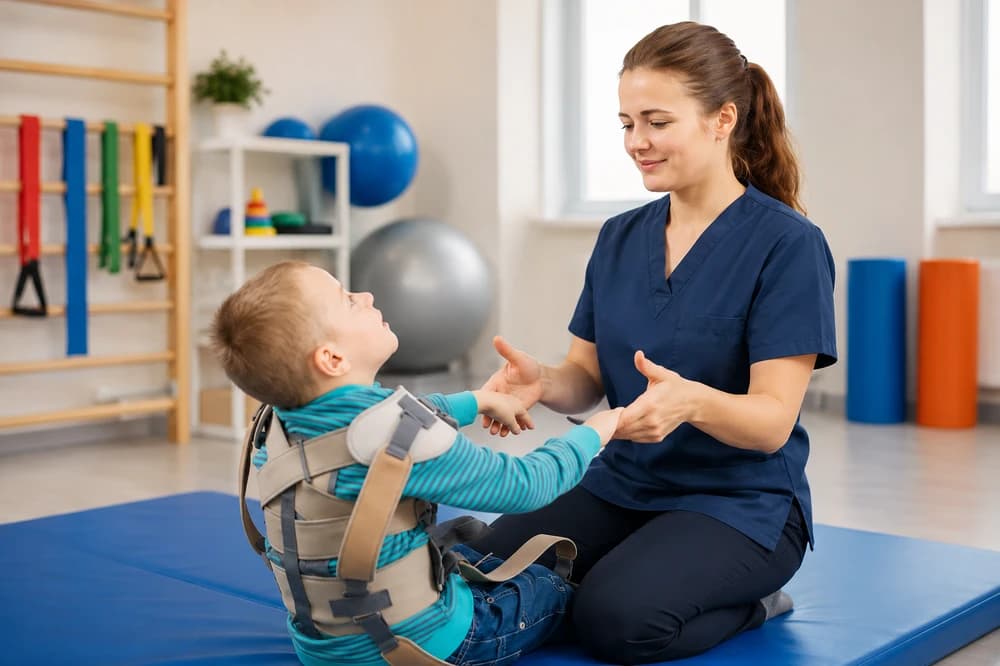 Spina Bifida
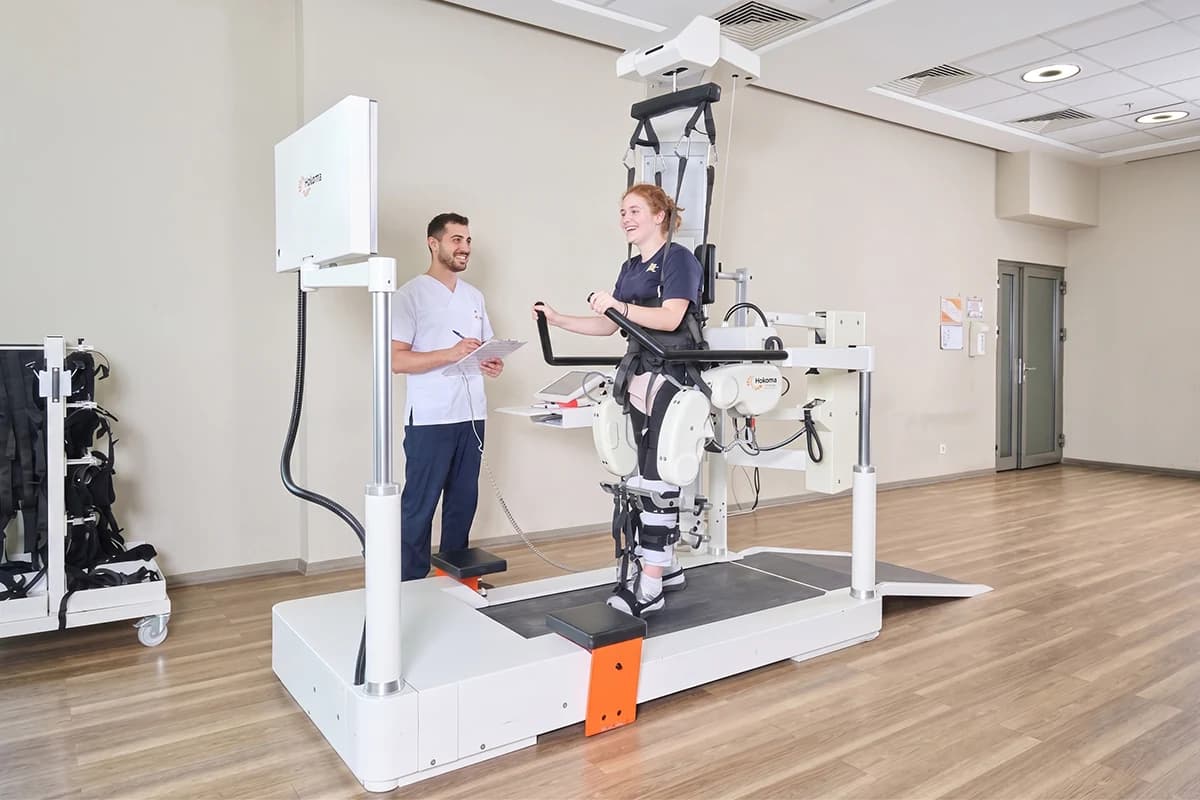 Spinal Cord Injury
 Stroke
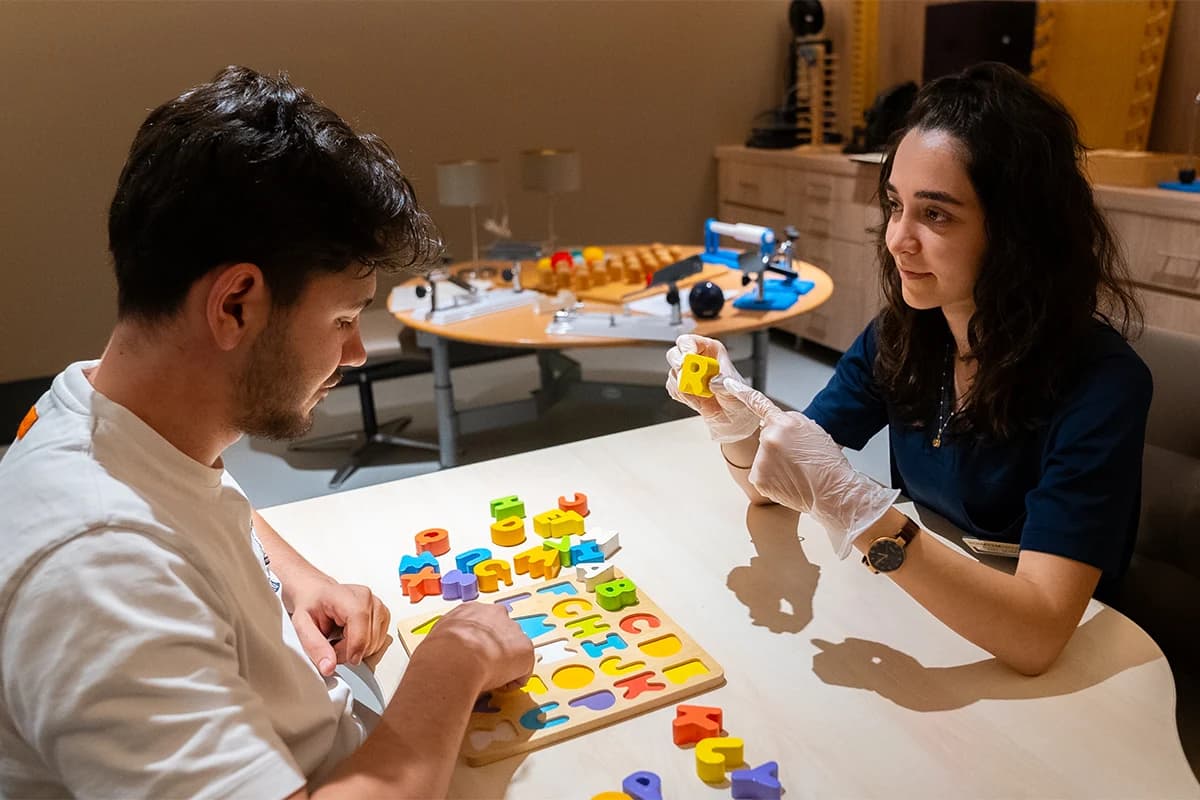 Traumatic Brain Injury
Methods are combined inside a programme and chosen after examination — they are not booked separately.
Your path to this treatment
Nothing here is booked from a page. You send the records you have, a rehabilitation physician reads them, and you get a written answer — including when the answer is that an intensive programme will not help.
4 steps, start to finish
1.Send your records
A discharge summary from the hospital that treated the original event, and any imaging of the affected area — CT, MRI or X-ray.2.A written plan in 48 hours
A rehabilitation physician reviews the case and returns the expected duration, the recommended programme and the centre. Free, no obligation.3.Travel and admission
Where a visa is needed we issue an invitation letter and treatment confirmation naming the dates and the facility. You are met at the airport and driven to the centre by private vehicle or ambulance; a bed for one companion and interpreting during therapy are arranged.4.Treatment, then home
The programme runs, then you leave with a discharge report and a written home exercise plan. Your return journey is organised before you go, with scheduled video reviews so progress does not stop.
In their words
What patients say after a programme
Short videos filmed during therapy: a child’s rehabilitation after a brain tumour, suspended gait training after spinal cord injury, and learning to walk again after a fall. Individual results vary.
Dave Evans on his physical therapy here
Musculoskeletal physiotherapy
Paediatric rehabilitation after a brain tumour
Inside a physiotherapy session
Spinal cord injury — the rehabilitation process
Suspension-assisted gait training
Walking difficulty and restricted movement after a fall
Regaining gait and range of motion
Locations
Our centres











Questions people actually ask
About this treatment
What is the difference from physiotherapy?
Physiotherapy focuses on movement and strength; occupational therapy focuses on the activities those enable — dressing, eating, working, managing a household. In practice they work jointly.
Does it only apply to the hands?
No, though hand function is a large part of it. It covers cognition, daily routines, fatigue management, equipment and the home environment.
Can it help someone return to work?
Yes — task analysis, graded return, workplace adaptation and, where needed, retraining for a different role are part of it.
Is it useful in dementia?
Yes. In a review of 15 randomised trials, occupational therapy at home — adapting tasks and the environment and training the family — improved daily activities for people with dementia and quality of life for their carers, although the certainty of the evidence ranged from very low to moderate 2.
How is progress measured?
With standardised measures of independence and by the specific tasks the person named at the start — dressing unaided, preparing a meal, getting to the bathroom at night.



