

Medical condition
Erb’s Palsy (Birth Brachial Plexus Injury)
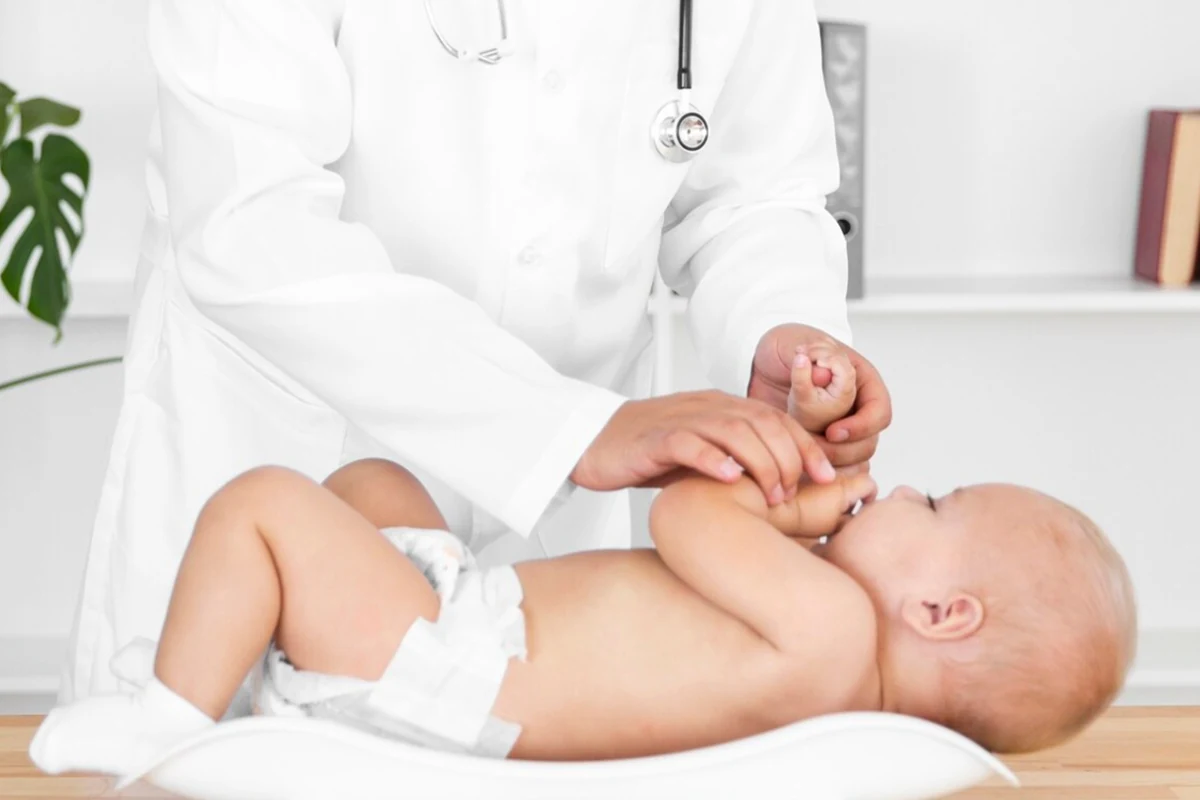
Erb's palsy follows stretching of the nerve network to the arm during delivery. Most infants recover substantially, and the early months determine how much. Preventing shoulder contracture during that window is what protects later function. It is a consequence of the birth process, not something a parent caused.
What happened, and what it is not
The nerve network supplying the shoulder and arm was stretched during delivery, most often with shoulder dystocia, a prolonged or instrumental delivery, or high birth weight. The affected arm moves less, lies close to the body and the grip may be weak.
It is a consequence of the birth process and not something a parent caused or could have prevented. Families are frequently carrying guilt about this and it is worth saying directly.
The window that matters
Nerves recover slowly. While they do, the shoulder joint stiffens and the muscles waste, and a shoulder allowed to contract will limit function later even if the nerve recovers well.
The first three to six months are therefore the critical period, and treatment begins as soon as the diagnosis is made rather than at a review appointment months later 1 2.
What treatment involves
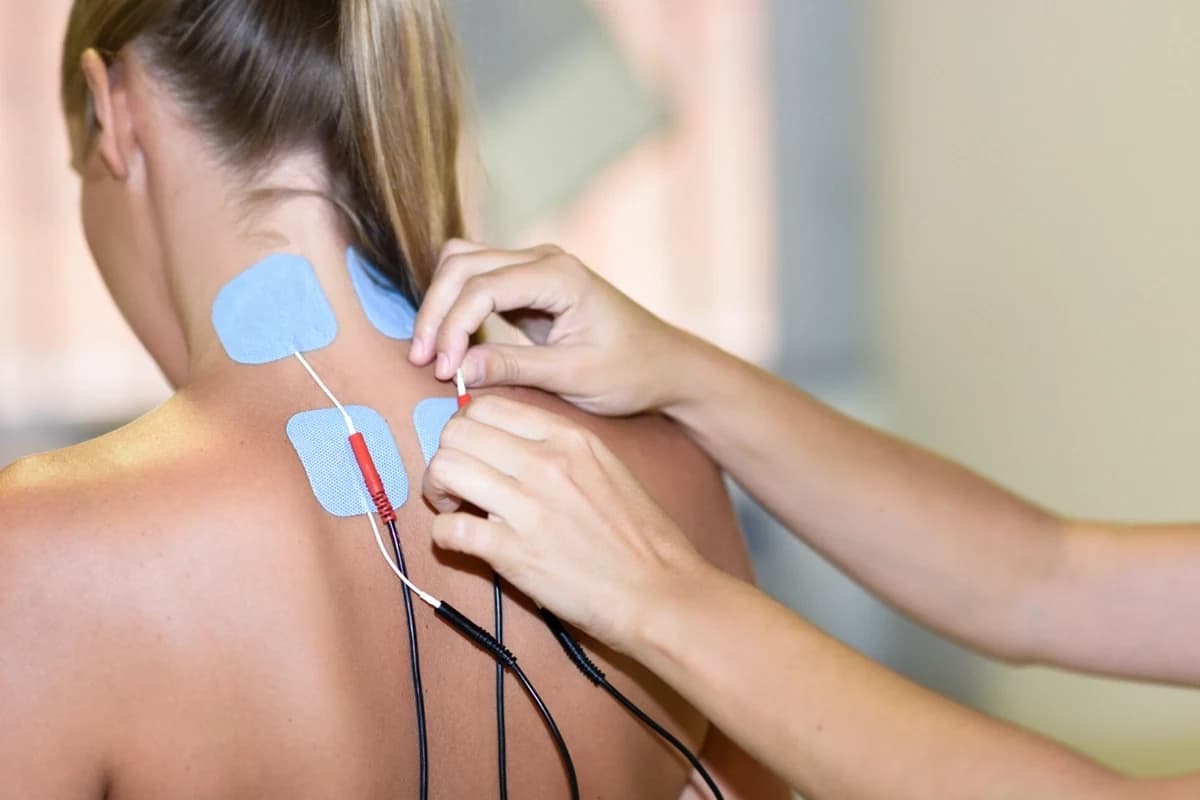
Passive range-of-movement work several times daily, taught to the parents and done at home — this is the main intervention and the therapist's job is largely to teach and check it. Positioning, muscle stimulation, and active movement training as recovery allows.
Play-based activities that encourage use of the affected arm, because an arm that is not used does not develop even when it could move.
Milestones and when surgery is considered
Recovery of elbow flexion against gravity by around three months is a useful early marker 1. Where the expected milestones are not met, surgical opinion is sought at the point it is still useful rather than after the window has closed.
Surgery is needed in a minority. Most children recover substantially, and a proportion have some residual weakness or shoulder restriction that is managed long term.
What the first three months tell you
Examination in the first three months — movement at the elbow, wrist and fingers, and whether Horner’s syndrome (a smaller pupil and drooping eyelid on that side) is present — is the main guide to which infants will need nerve surgery 1 2. Infants whose injury is limited to the upper part of the plexus and who bend the elbow normally by about four months have an excellent outlook for full function 2.
Those who do not need specialist surgical assessment rather than continued waiting, because nerve reconstruction has a window and it closes.
What should we watch for as our child grows?
Two problems deserve attention. The shoulder joint can develop abnormally, and an early sign is that the arm can no longer be turned outwards fully; when this passive outward rotation becomes limited, an ultrasound can check the joint, ideally so that any problem is found and treated within the first year 2.
At the elbow, a bend that will not fully straighten is the most common lasting problem. It comes from the weakened elbow-bending muscles growing more slowly than the bone, so it tends to worsen during growth spurts; stretching, night splints or serial casting aim to keep it below 30°, a degree of bend that does not interfere with daily activities 2.
Frequently asked questions
Will my baby recover fully?
Most infants recover substantially. The ones who have not begun by three months need surgical assessment 1.
What can we do at home?
Daily range-of-movement work exactly as taught, and positioning. The shoulder losing range during recovery is the preventable problem.
Was this our fault or the hospital’s?
It is most often linked to difficult deliveries and is frequently nobody’s fault; it can occur even after a caesarean birth 2. The energy spent on that question is better spent on the first months of treatment.
When is surgery considered?
Where recovery has not started within the expected window. Timing matters because the muscle has to remain viable for reinnervation.
Will there be lasting effects?
Some children have residual weakness or a shorter arm on that side. Many have no functional limitation at all.
Sources
- Early Predictors of Microsurgical Reconstruction in Brachial Plexus Birth Palsy — Iowa Orthopaedic Journal (Shah AS, Kalish LA, Bae DS, Peljovich AE, Cornwall R, Bauer AS, Waters PM) (2019)
- Shackleford T, Little KJ. Brachial plexus birth injury in children and adolescents: a current concepts review — Journal of Children's Orthopaedics (2026)
Which therapies would I actually receive?
A therapy is a single method used inside a programme. It is measured in sessions and is not sold separately.

Technologies we use
Locations
Where you can receive this treatment





Related articles
Neurological How long does it take to recover from a stroke?
Most recovery after a stroke happens in the early months, when the brain is most able to reorganise, and it continues more slowly for a longer period after that. How far someone gets depends mainly on how severe the stroke was, where it happened and how much active therapy follows.Read moreNeurological Can you walk again after a stroke?
Many people walk again after a stroke, including many who cannot stand at first. The chances are highest when some leg movement returns early and when walking practice starts as soon as it is safe. Walking often comes back before full arm recovery, sometimes with a stick, splint or other support.Read moreNeurological Will my arm and hand recover after a stroke?
Arm and hand recovery after a stroke varies more than walking recovery. Early return of some shoulder or finger movement makes useful recovery much more likely. Repeated, meaningful practice of reaching, grasping and releasing is what drives improvement, and even a partly recovered hand can be trained to help with daily tasks.Read more



