
Exercise-based
Functional rehabilitation
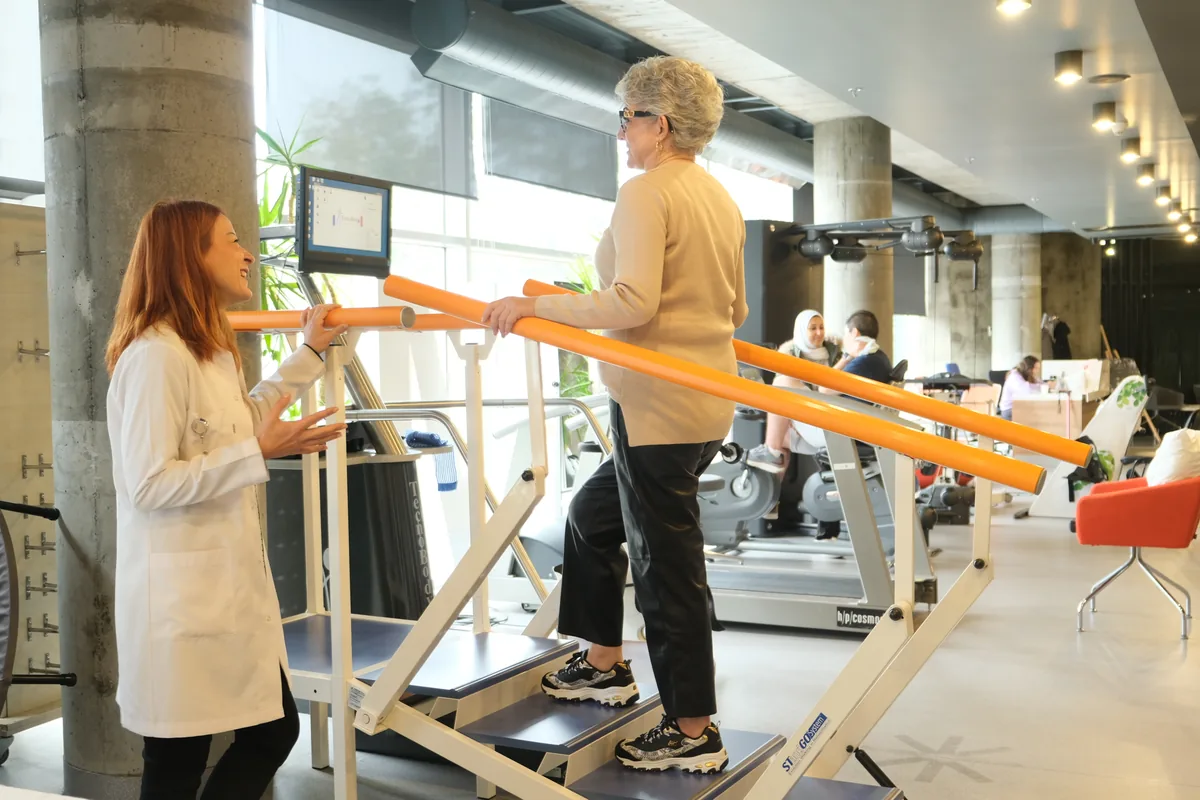
Exercise built around the movements a person actually needs — standing from a chair, climbing stairs, lifting a grandchild — rather than isolated muscle work. Strength gained on a machine does not automatically become a task, so the task itself is broken down, trained and rebuilt.
Training the task, not the muscle
Functional rehabilitation works on the activities a person actually needs to do — getting out of a chair, climbing stairs, carrying shopping, getting in and out of a car, lifting at work — rather than on isolated muscle groups in the hope of transfer.
The reason is that transfer is limited. Strength gained on a leg press does not automatically become the ability to rise from a low chair, because that task requires timing, balance and confidence as well as force.
How the programme is built
It starts with what the person cannot do and works backwards. The task is broken into components, each trained at a level currently achievable, then reassembled and progressed towards the real thing in the real environment.
Goals are set with the patient and stated concretely — climbing the fourteen stairs at home without a rail, walking to a specific shop — because a goal that can be tested is a goal that can be shown to have been met.
Who it is for
Anyone whose problem is loss of ability rather than loss of a measurement: after stroke and brain injury, after joint replacement, in older adults after illness or a fall, after prolonged hospital admission, and in return-to-work rehabilitation.
It is the phase that turns clinical gains into ordinary life, and it is the phase most often cut short when a programme runs out of time.
How progress is measured
By task performance and by validated functional measures rather than by strength alone. Timed chair rise, walking speed, stair performance and functional independence scores are recorded at the start and repeated.
We report those numbers. A programme that improved muscle strength but not a single daily activity has not achieved what the patient came for.
Why the task is trained rather than the muscle
Strength gained on a machine transfers to daily life less than people expect 1. The nervous system learns the specific movement it practises, which is why standing from a chair is trained by standing from a chair.
So the programme is built from what the person actually needs to do — stairs at home, lifting a grandchild, getting into their own car — rather than from a generic list.
How difficulty is progressed
Load, speed, range, stability and cognitive demand can each be increased independently. Adding all of them at once is how a programme becomes discouraging.
Progression is planned and recorded, so the same task is measurably harder in week four than in week one rather than simply repeated.
Does practising the task work better than building strength alone?
Strength training on its own improves strength more than everyday ability. A Cochrane review of 121 trials in older adults found a large effect of progressive resistance training on muscle strength, but only a small improvement in overall physical ability and a modest gain in walking speed, although rising from a chair improved more 1.
Practising the task itself has direct support after stroke. A Cochrane review of 33 trials with 1,853 participants found moderate-quality evidence that repetitive task training improves walking distance and functional walking, and low-quality evidence that it improves arm and leg function, with benefits lasting up to six months 2.
Sources
- Liu CJ, Latham NK. Progressive resistance strength training for improving physical function in older adults — Cochrane Database of Systematic Reviews (2009)
- French B, Thomas LH, Coupe J, McMahon NE, et al. Repetitive task training for improving functional ability after stroke — Cochrane Database of Systematic Reviews (2016)
Conditions this is used for
The 43 conditions where this method is part of a routine programme, grouped by area. It is never the whole plan on its own.
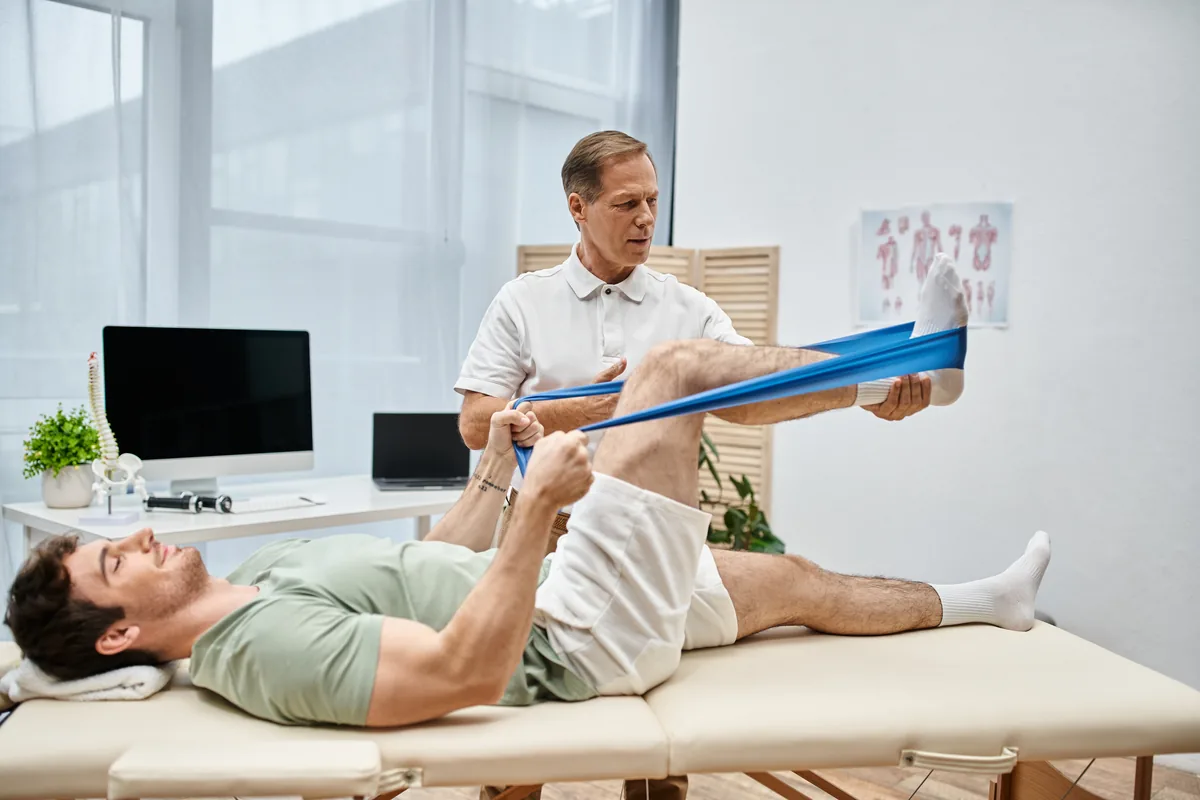 ACL Injury and Reconstruction
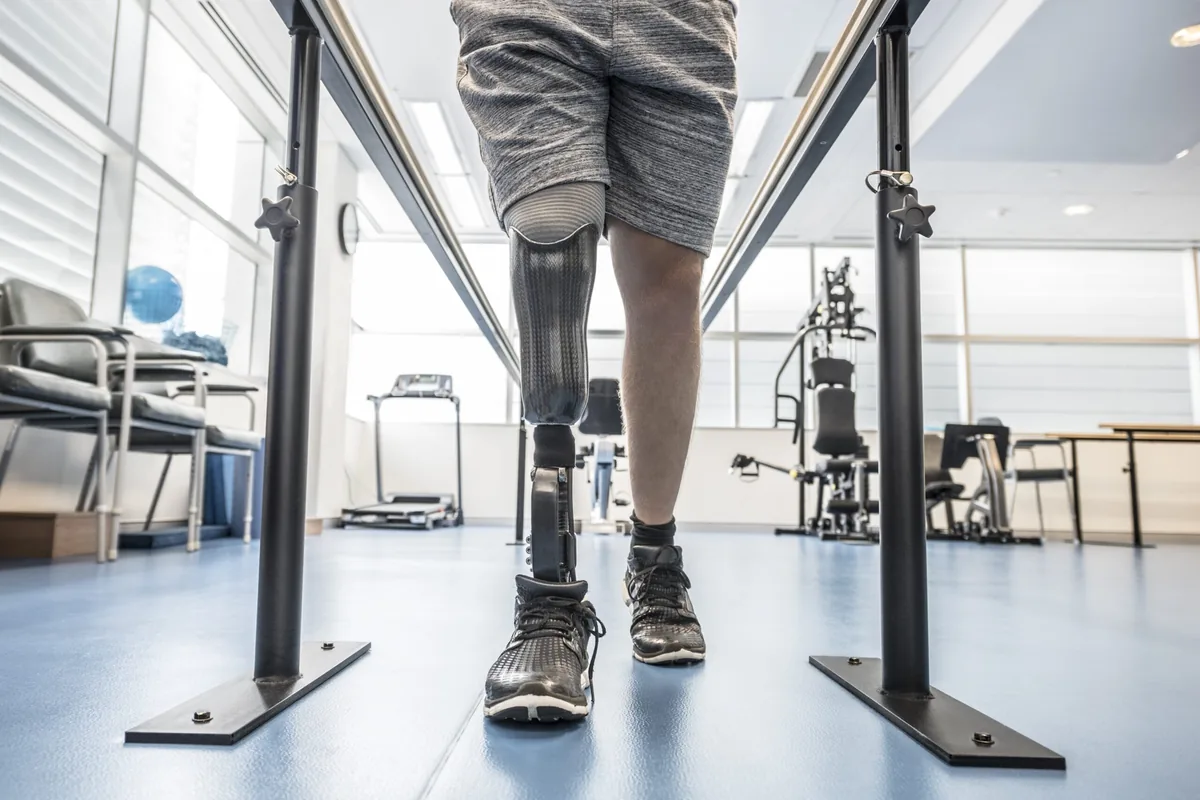 Amputation
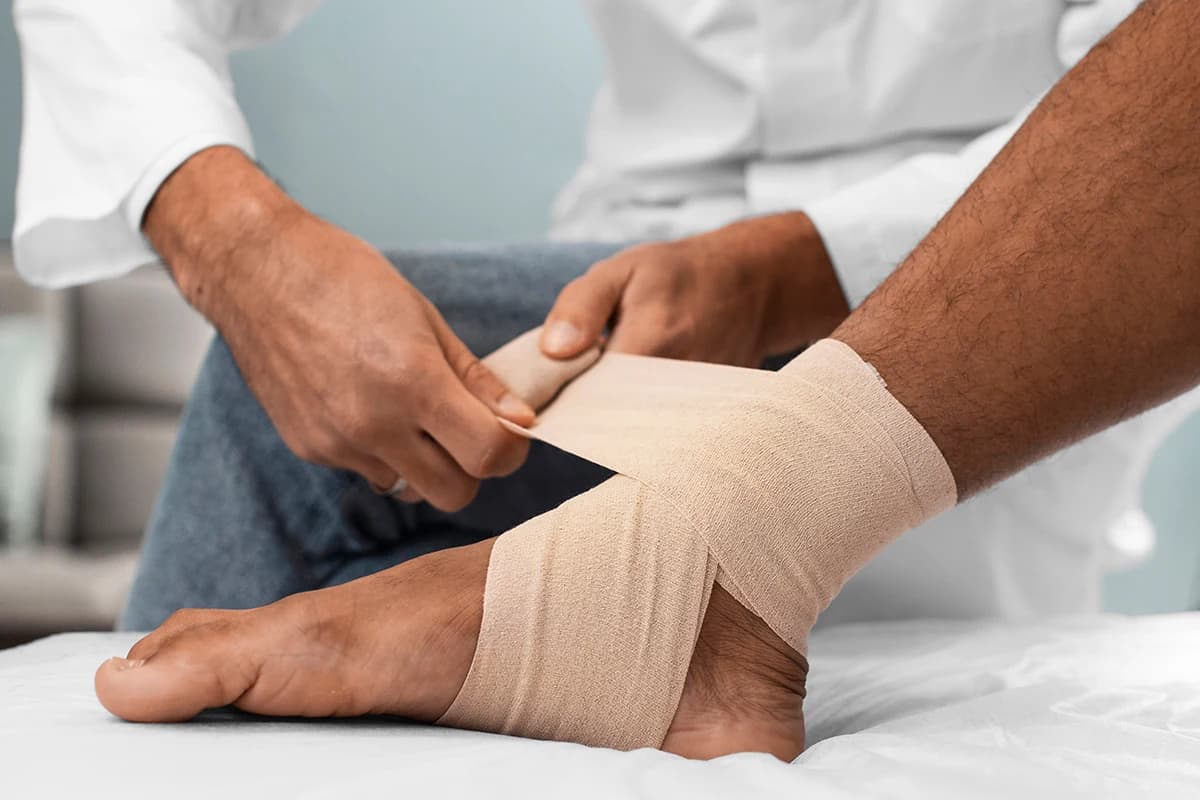 Ankle Sprain and Chronic Ankle Instability
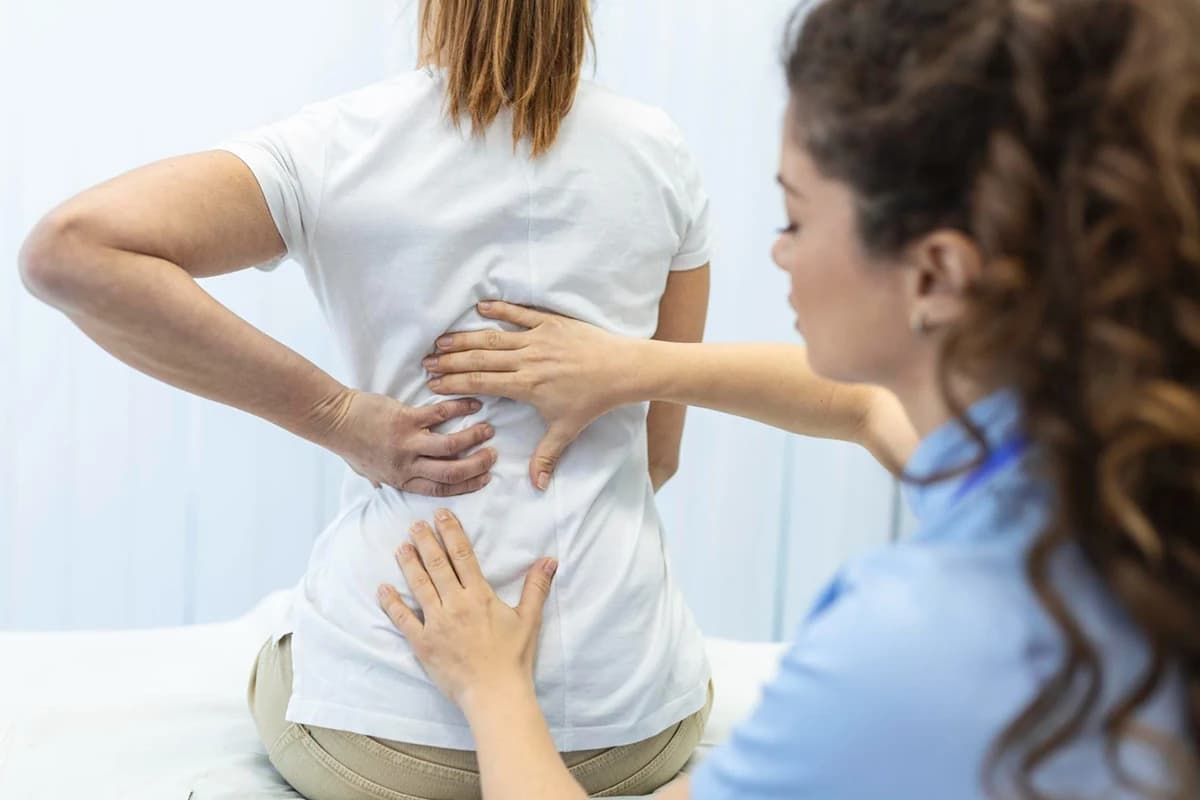 Ankylosing Spondylitis
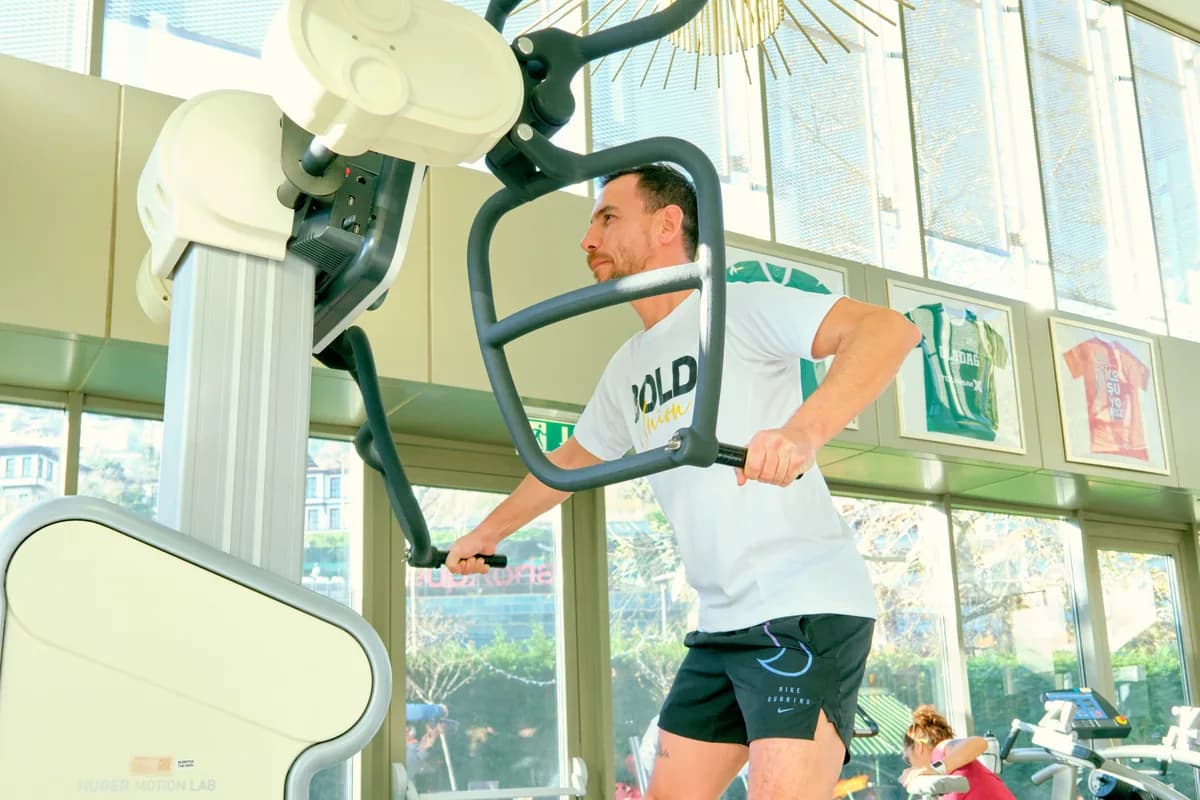 Balance and Vestibular Disorders
 Behçet's Disease
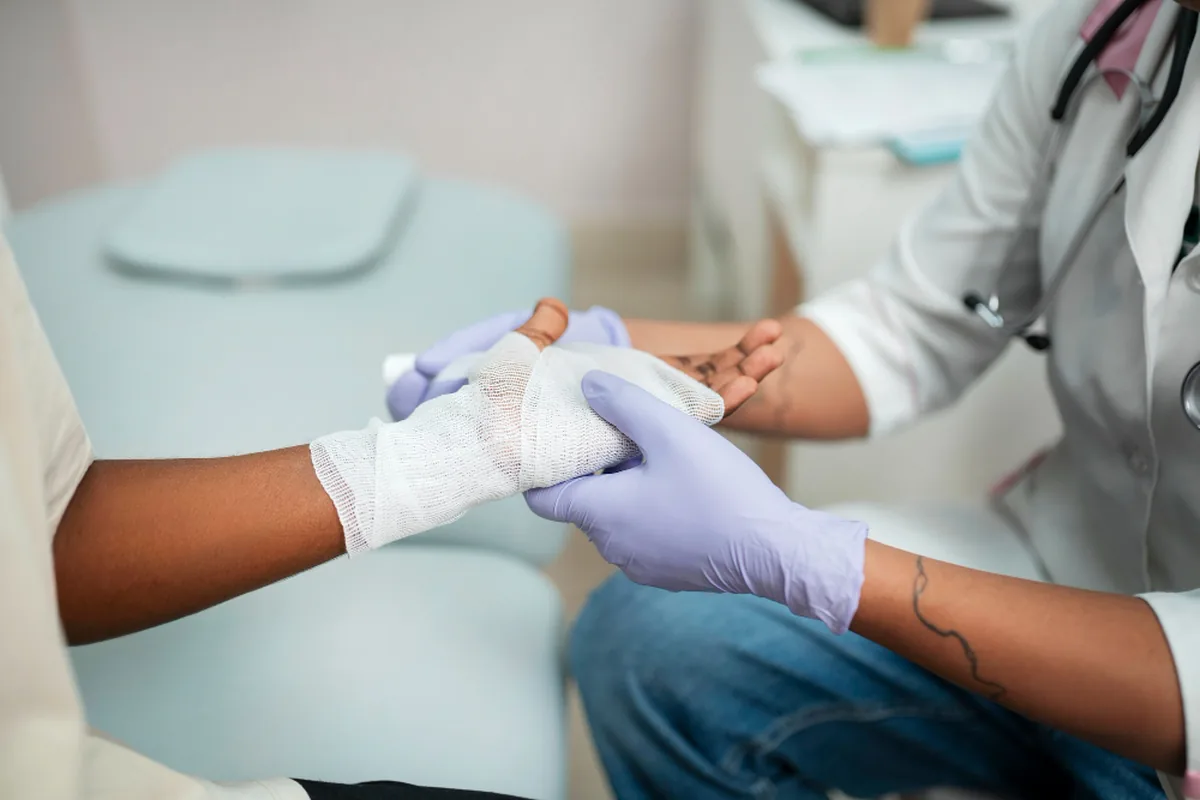 Burns
Burns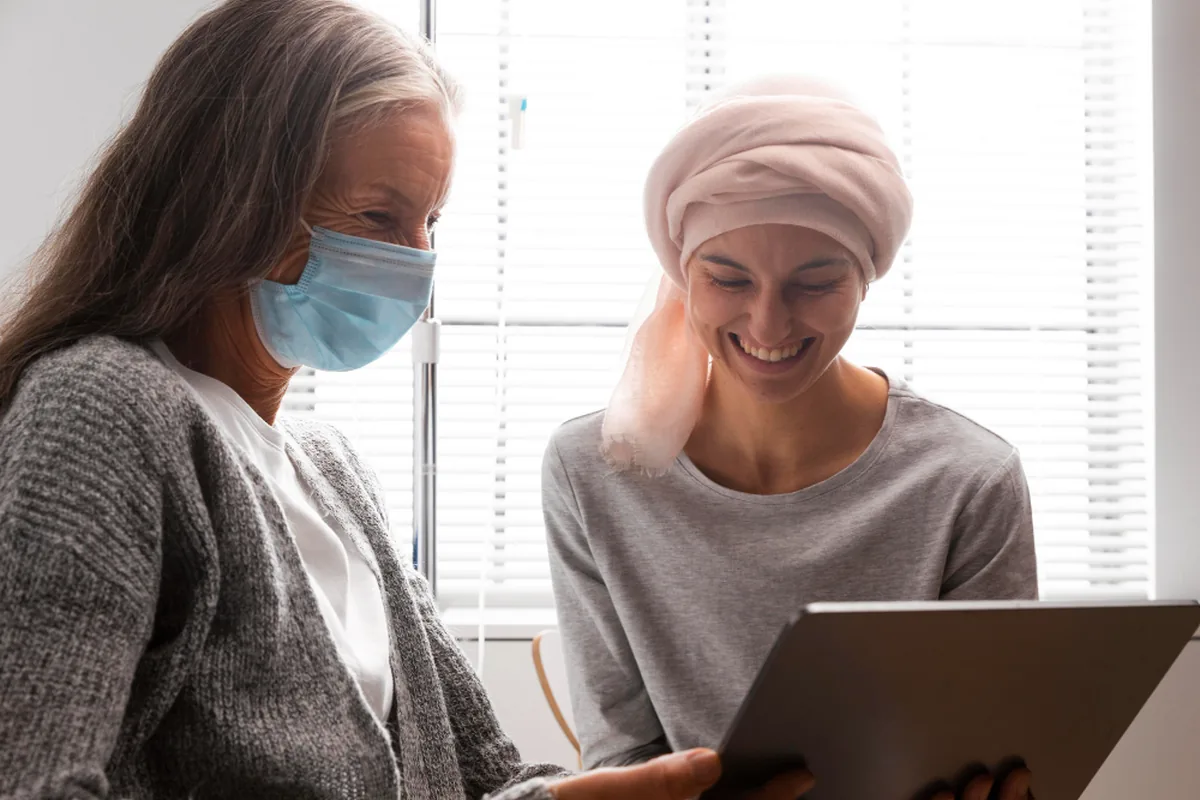 Cancer
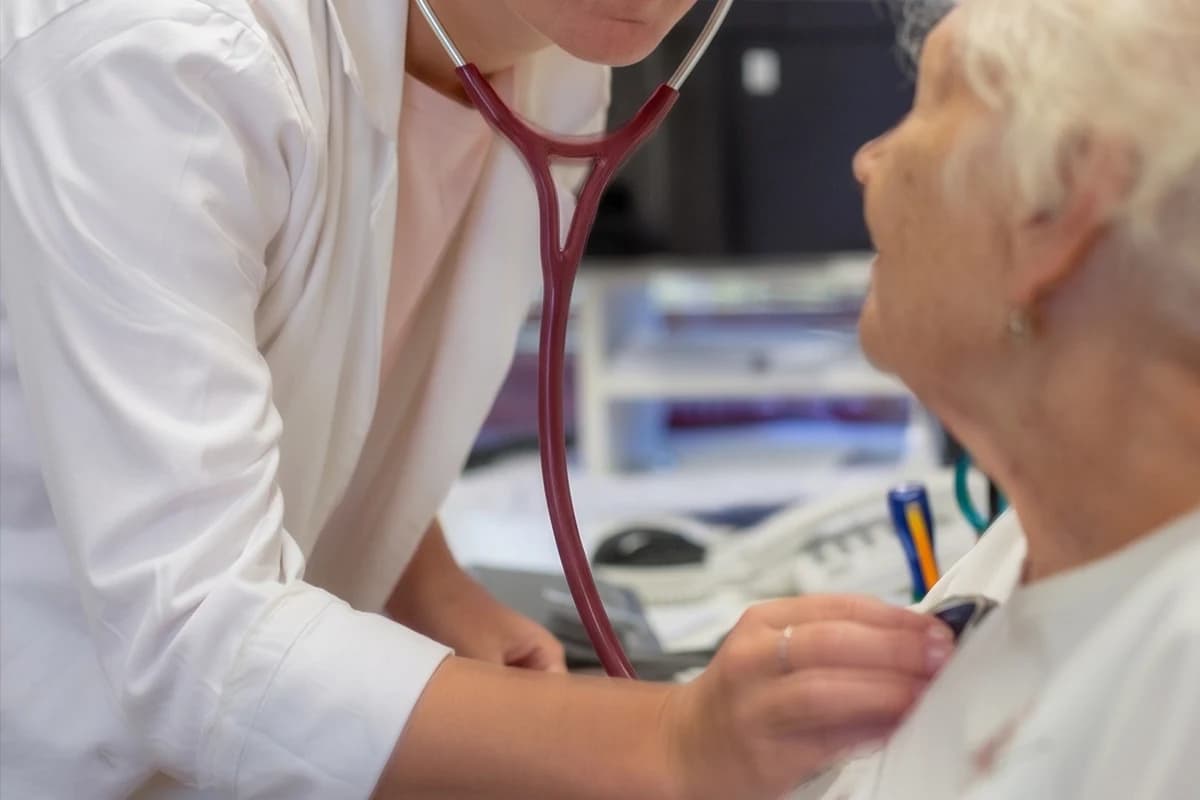 After a Heart Event or Cardiac Surgery
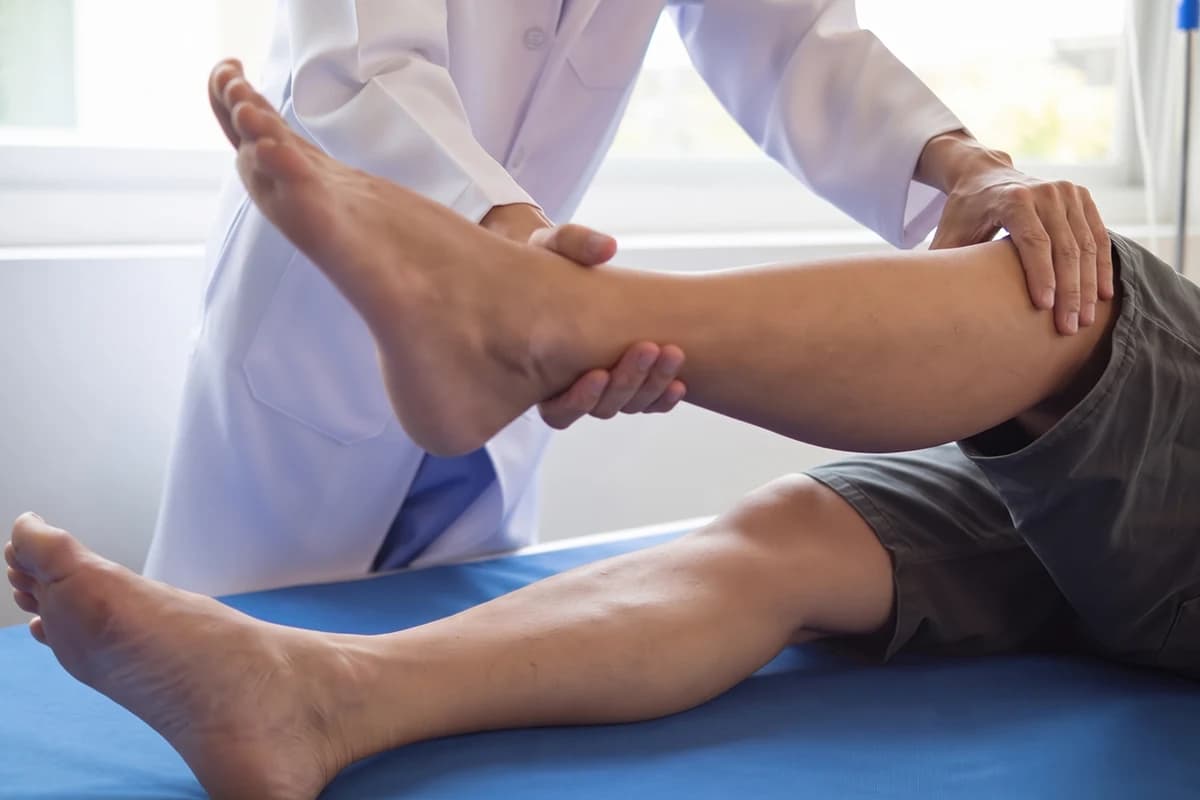 Collateral Ligament Injury (MCL and LCL)
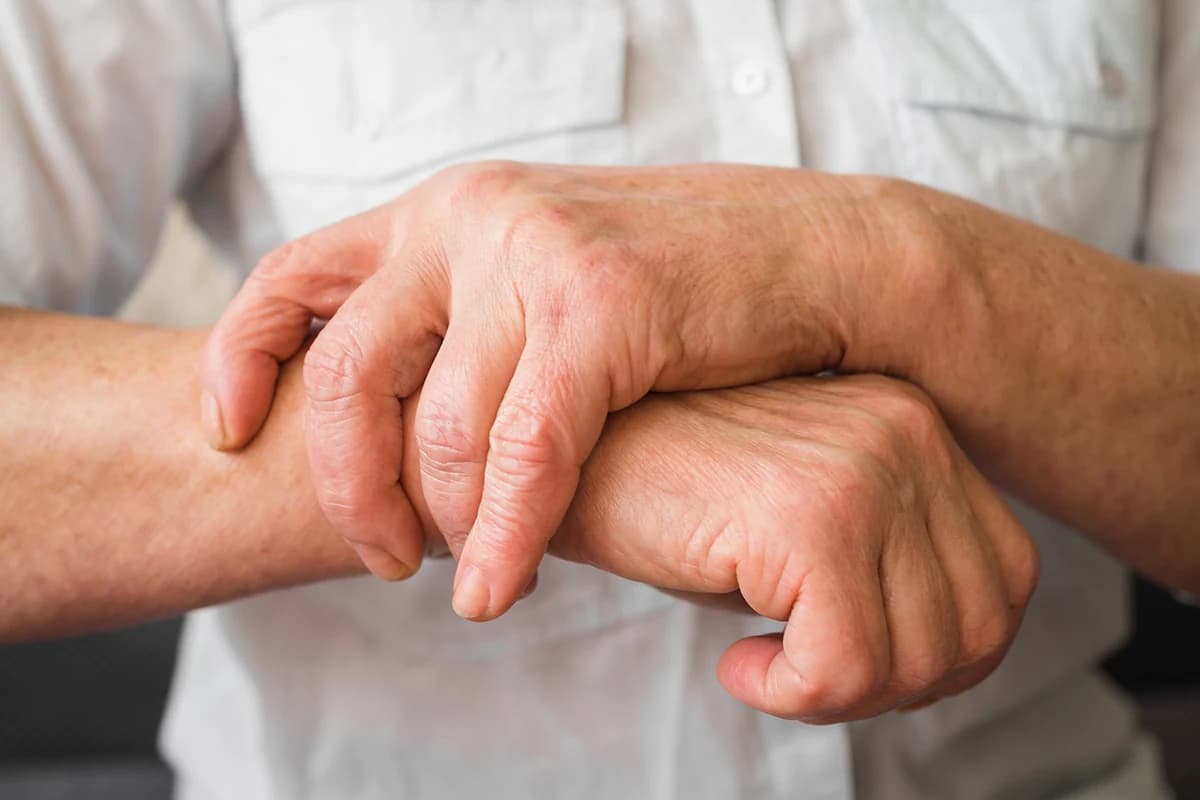 Mixed and Undifferentiated Connective Tissue Disease
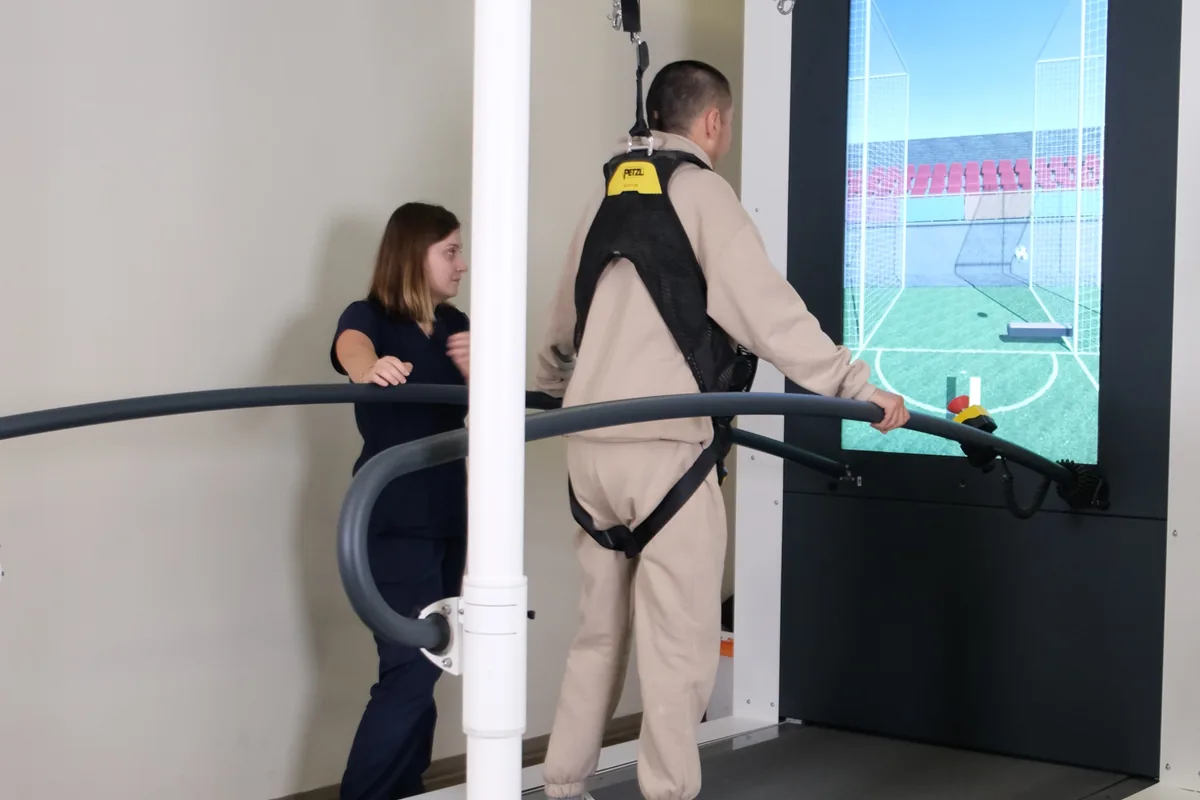 Falls and Frailty
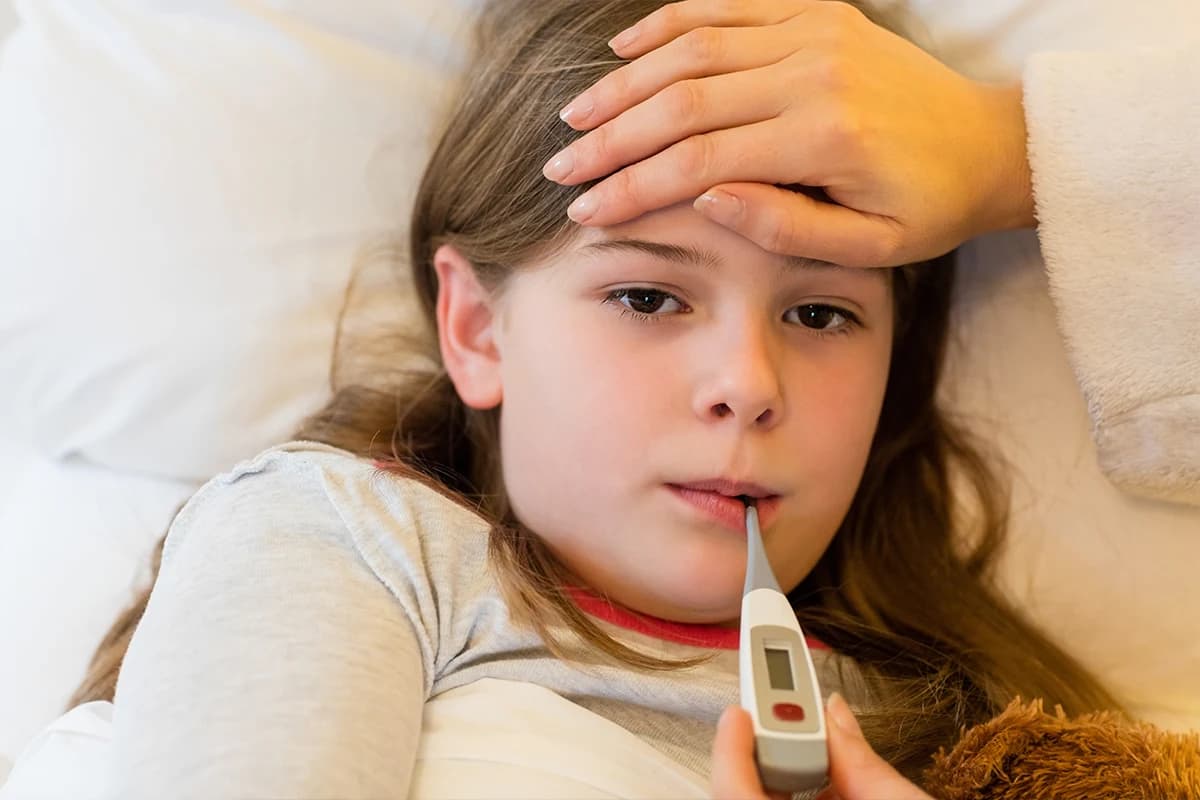 Familial Mediterranean Fever (FMF)
 Fibromyalgia
 Fracture
 After Joint Replacement
 Long COVID
 Systemic Lupus Erythematosus (SLE)
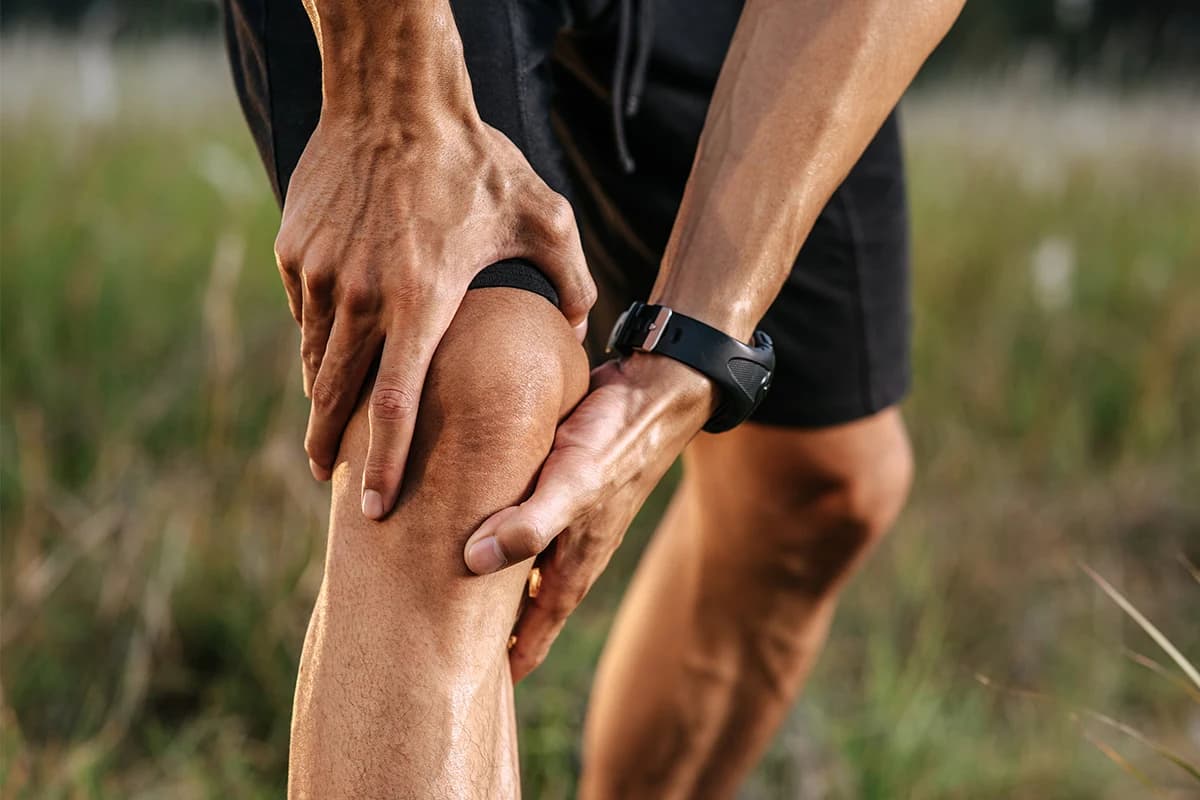 Meniscus Tear
 Multiple Sclerosis
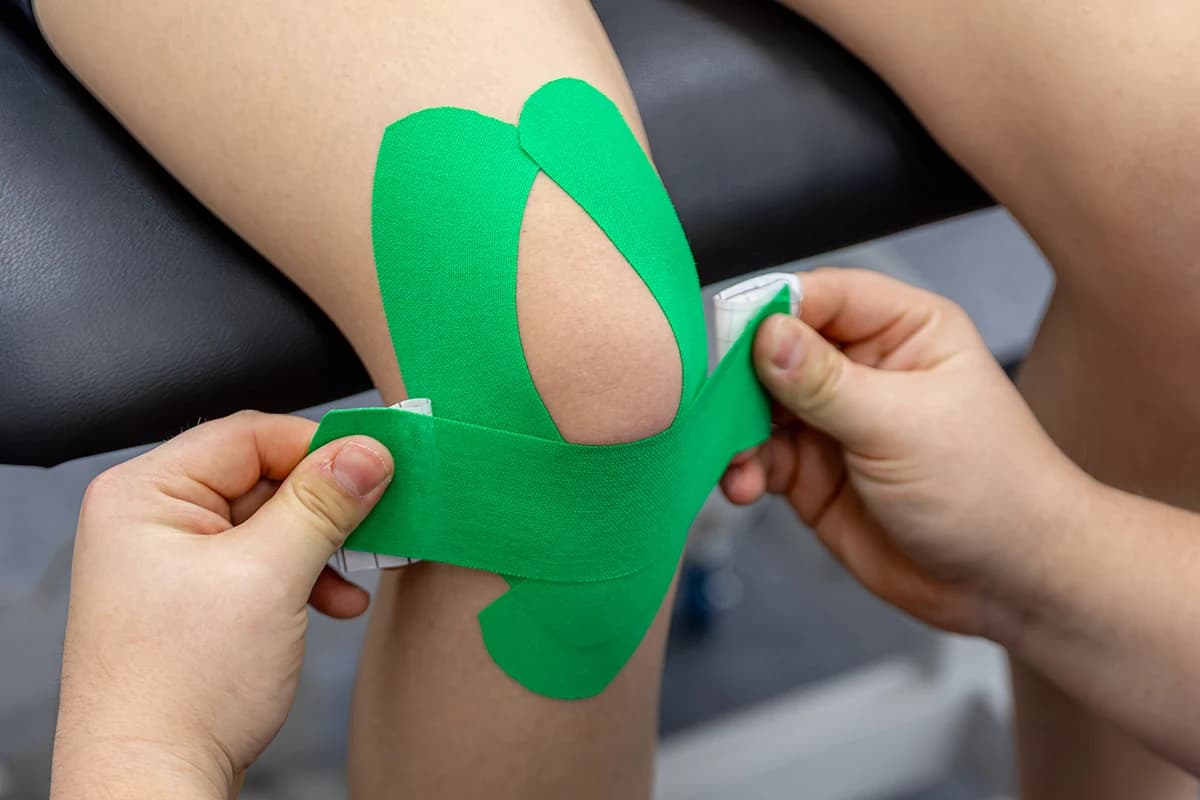 Muscle Tear and Strain
 Inflammatory Myopathy (Myositis)
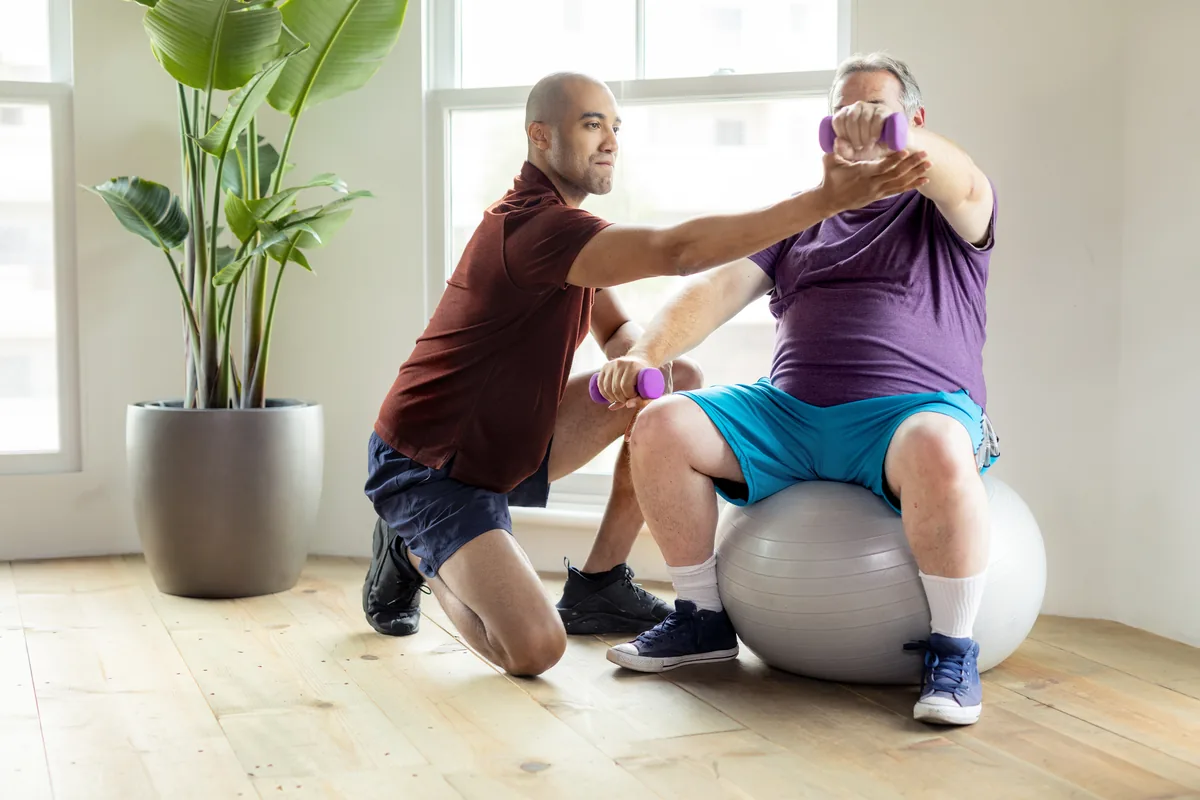 Obesity
 Osteoarthritis
 Osteoporosis
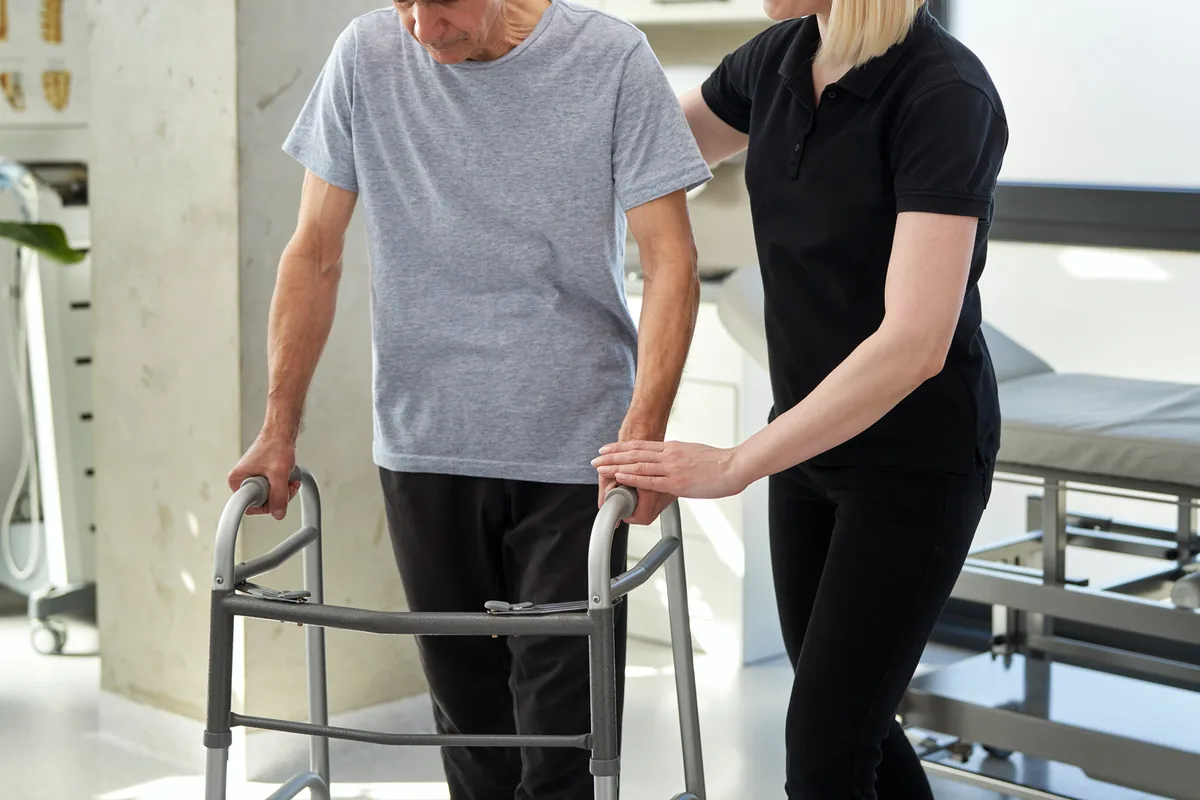 Parkinson's Disease
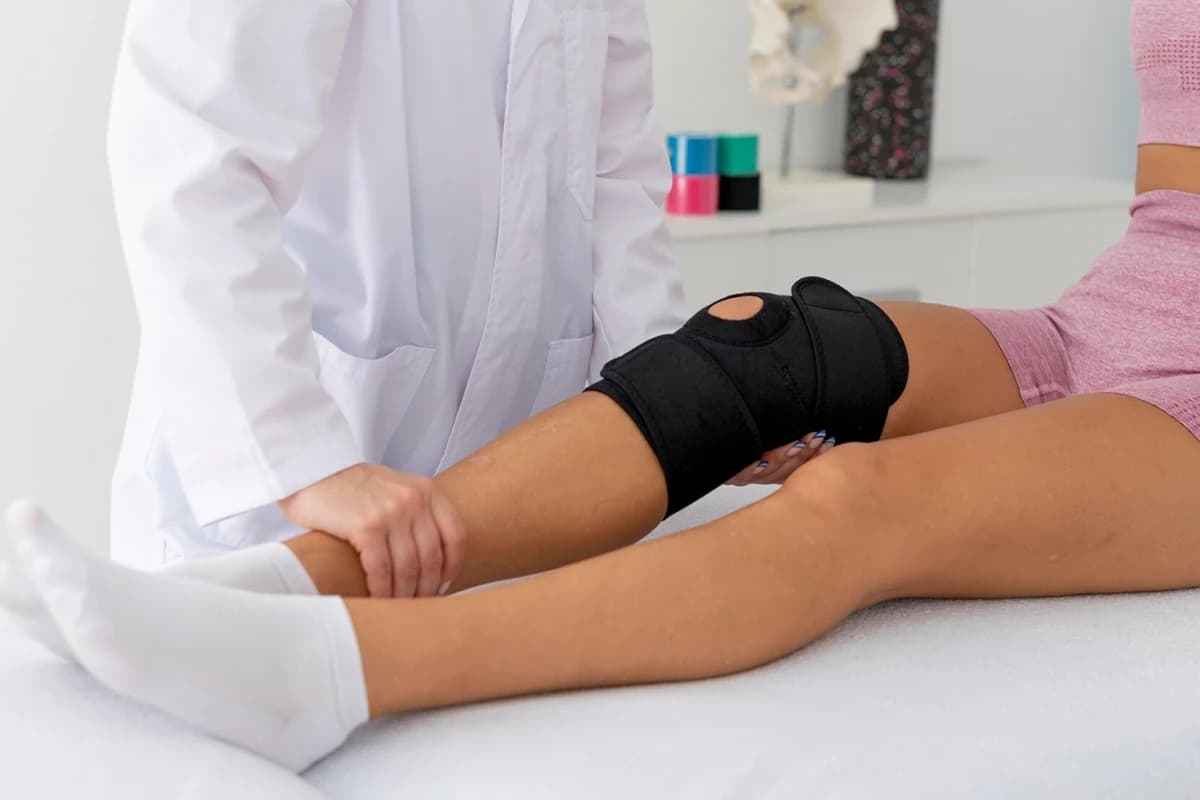 Patellar Tendinopathy (Jumper's Knee)
 Posterior Cruciate Ligament (PCL) Injury
 Peripheral Neuropathy
 Polymyalgia Rheumatica
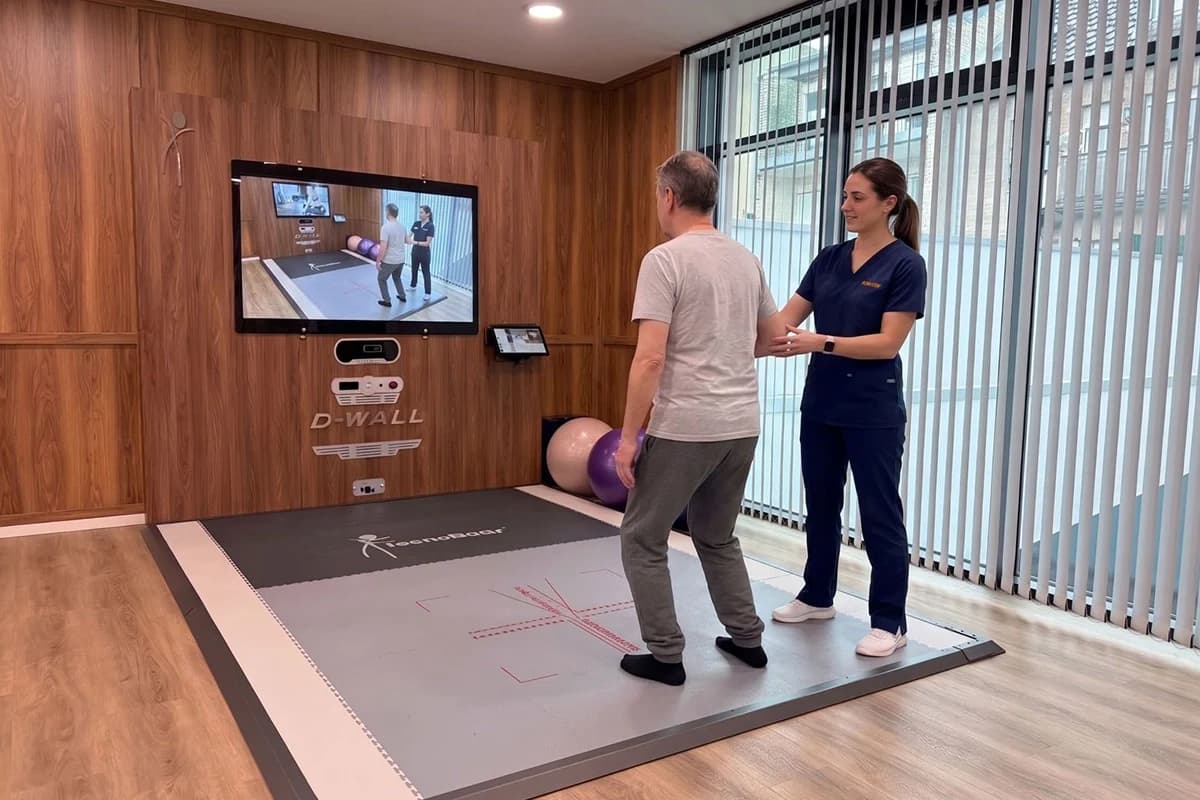 After Intensive Care
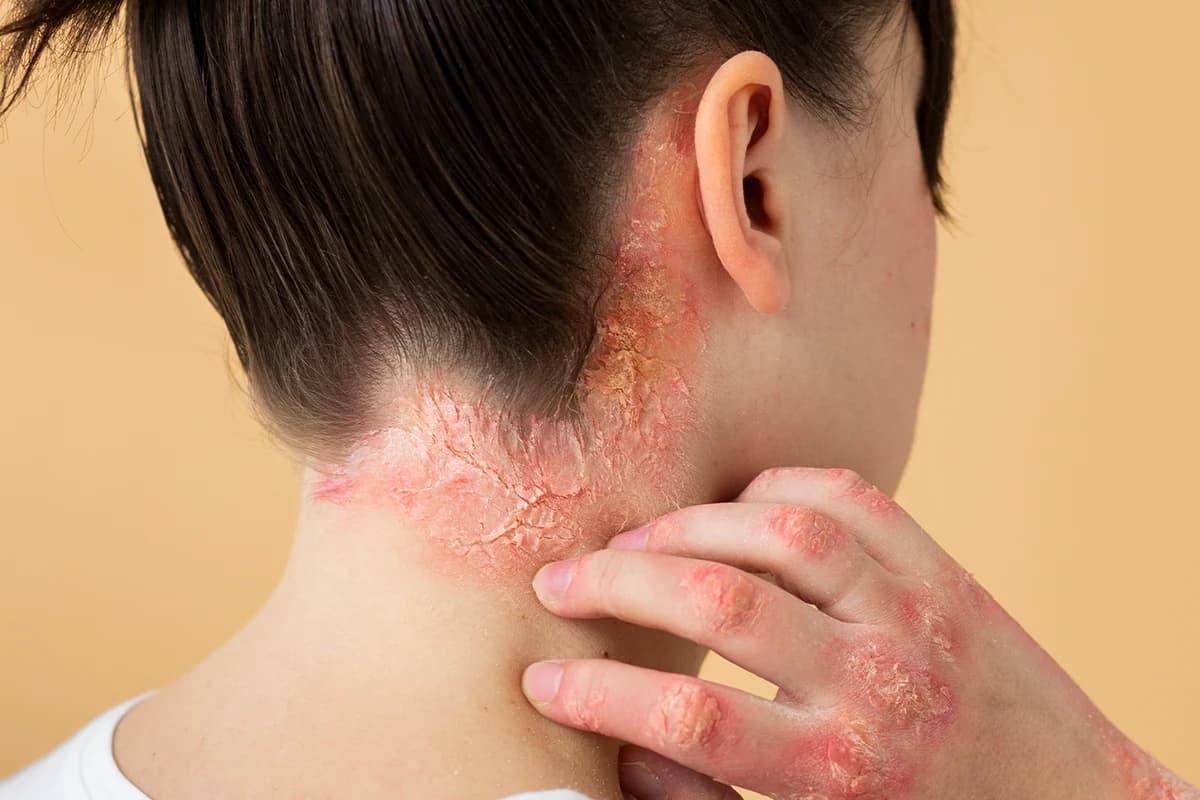 Psoriatic Arthritis
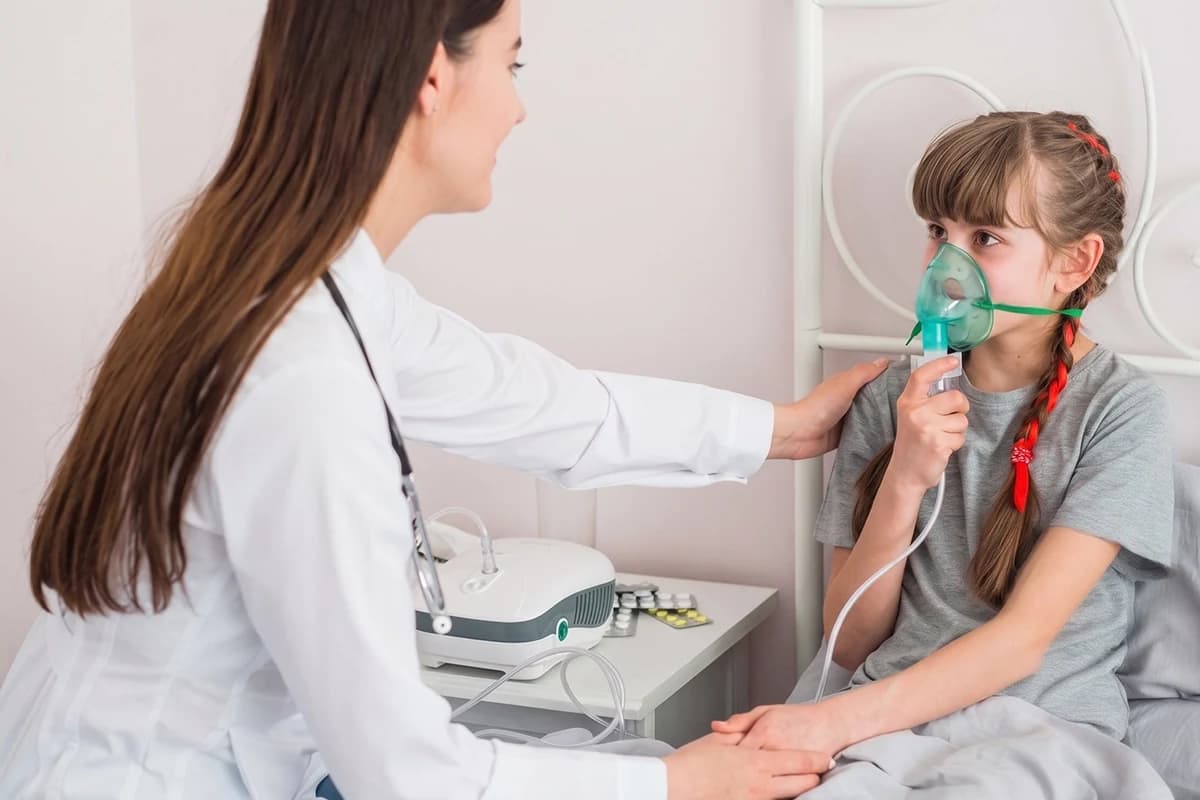 Chronic Lung Disease
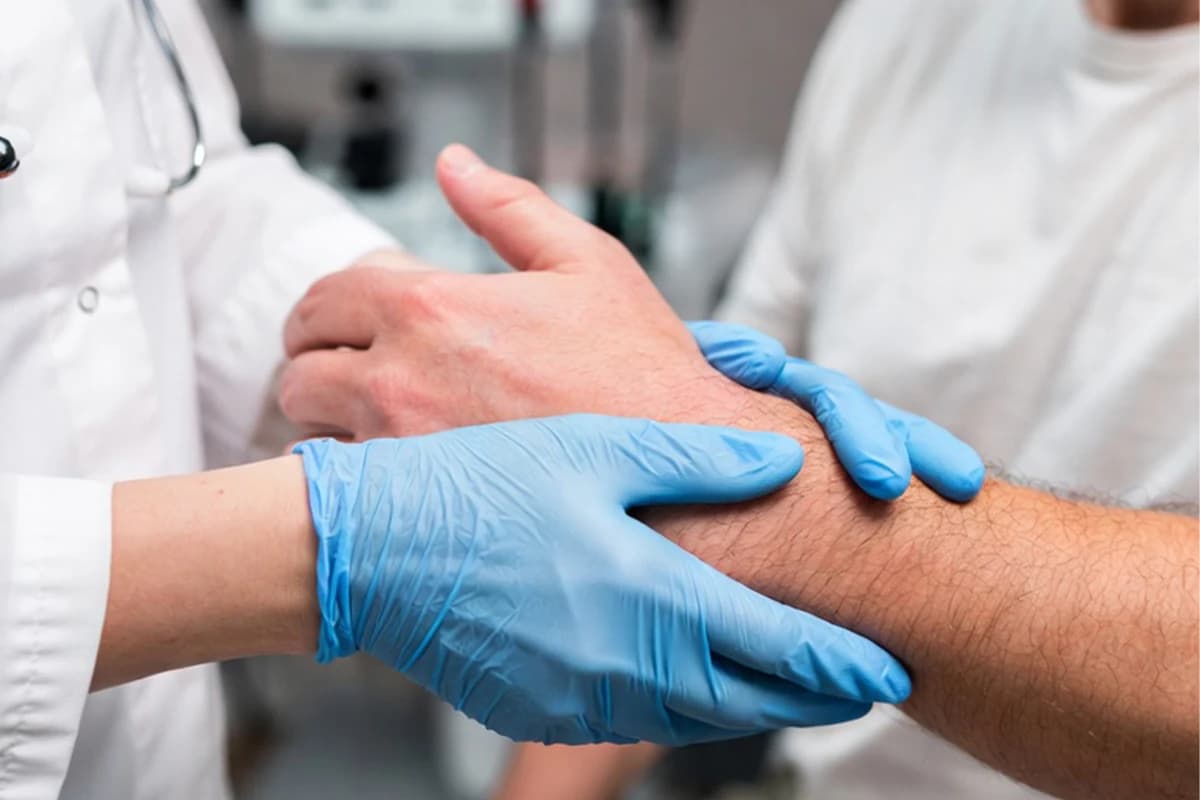 Rheumatoid Arthritis
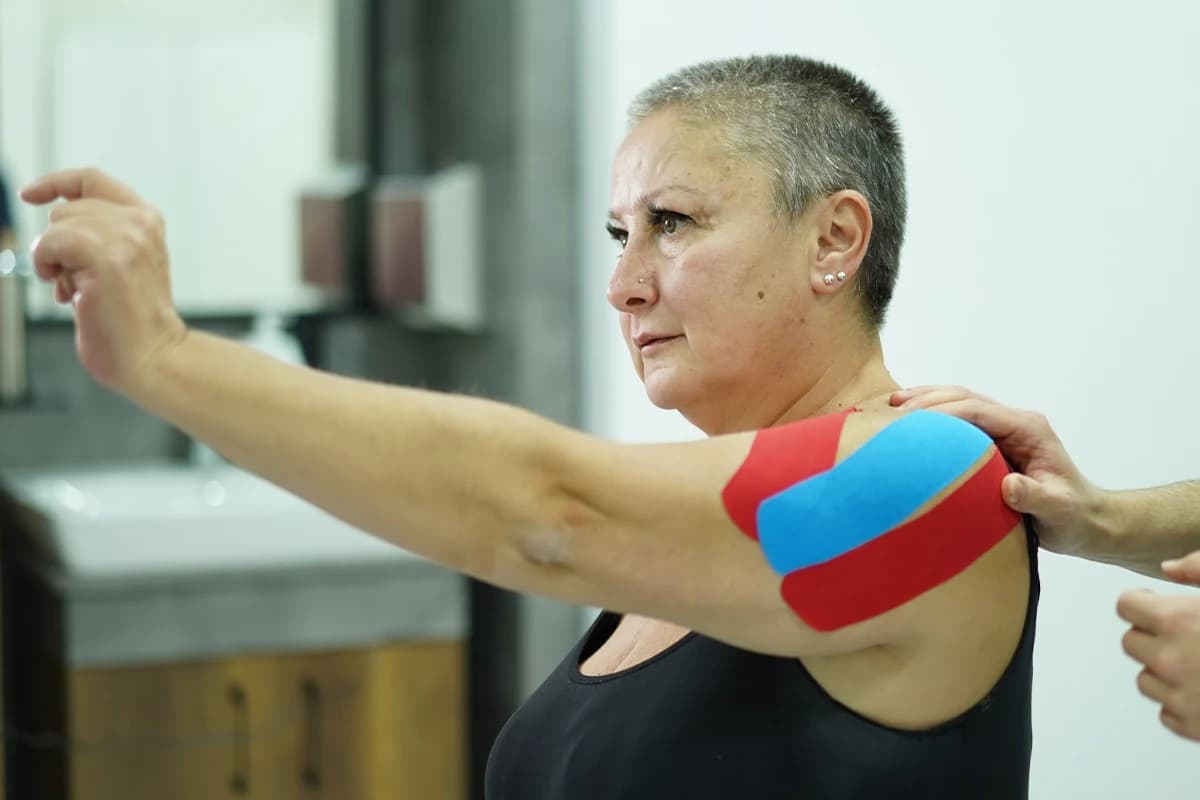 Rotator Cuff Tear
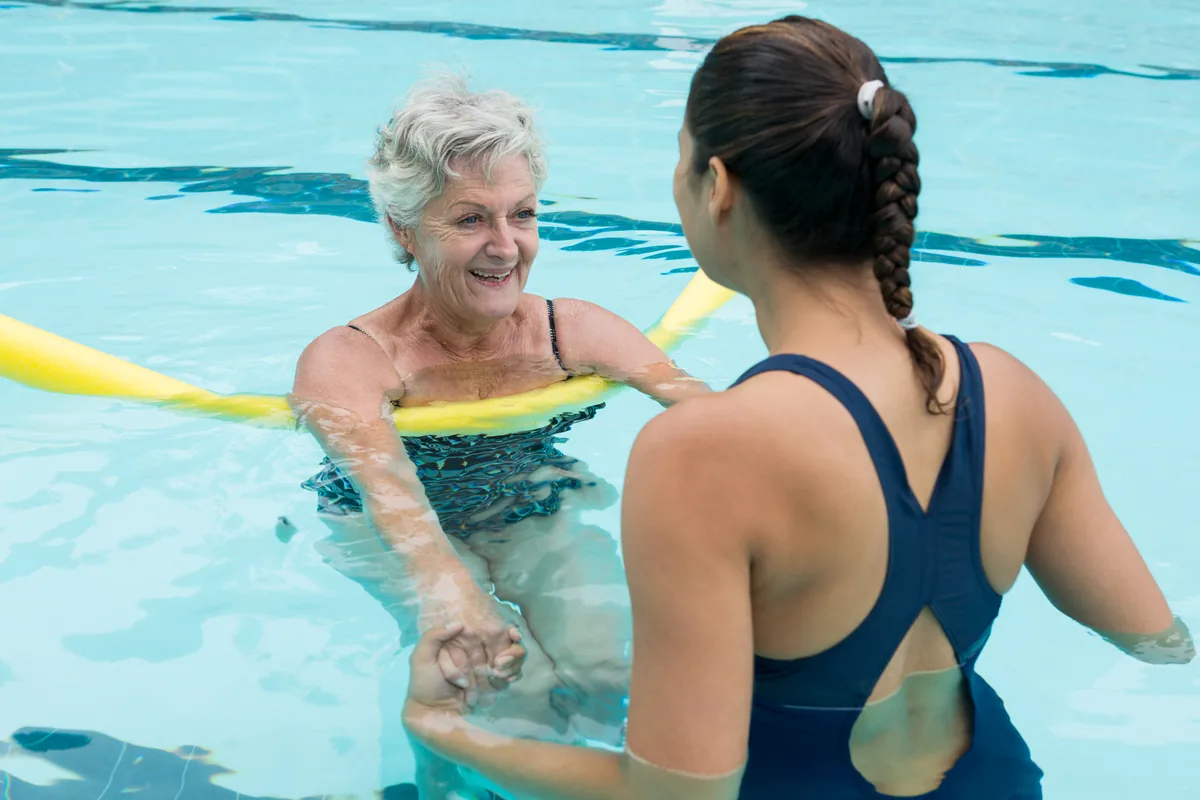 Sarcopenia and Muscle Loss
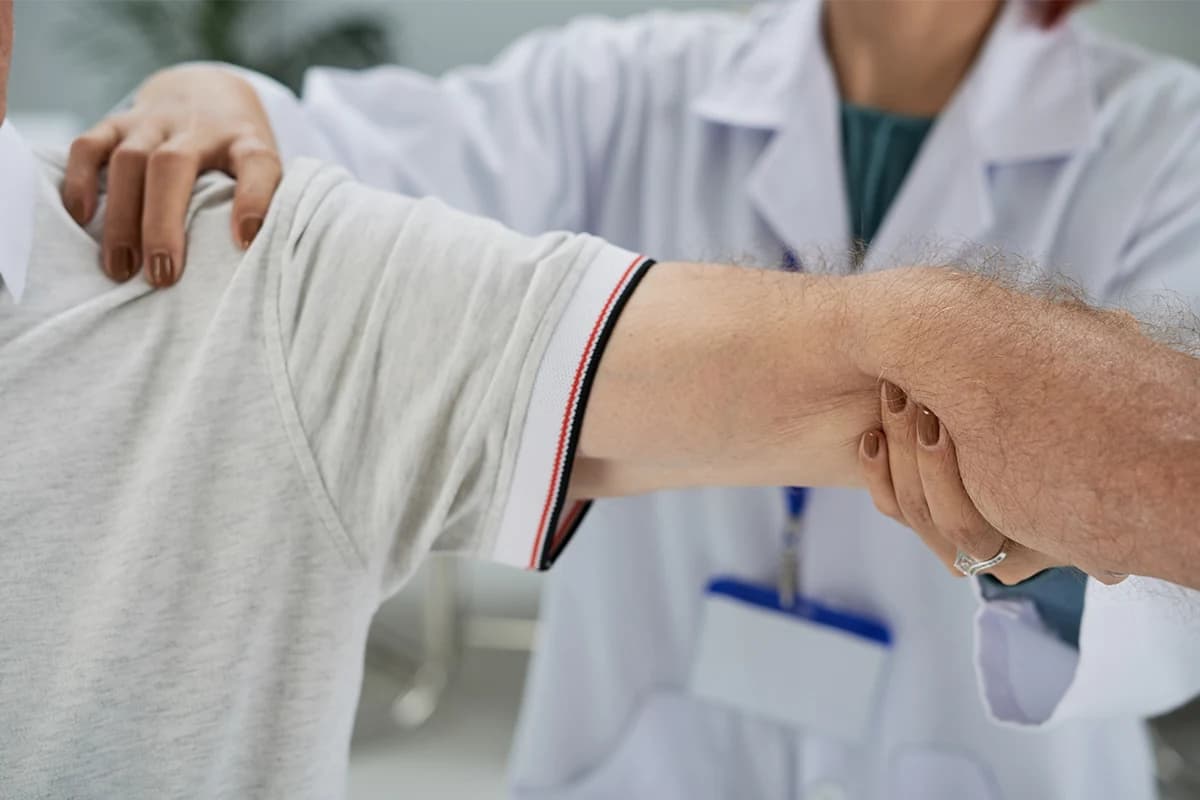 Shoulder Dislocation and Instability
 Sjögren's Syndrome
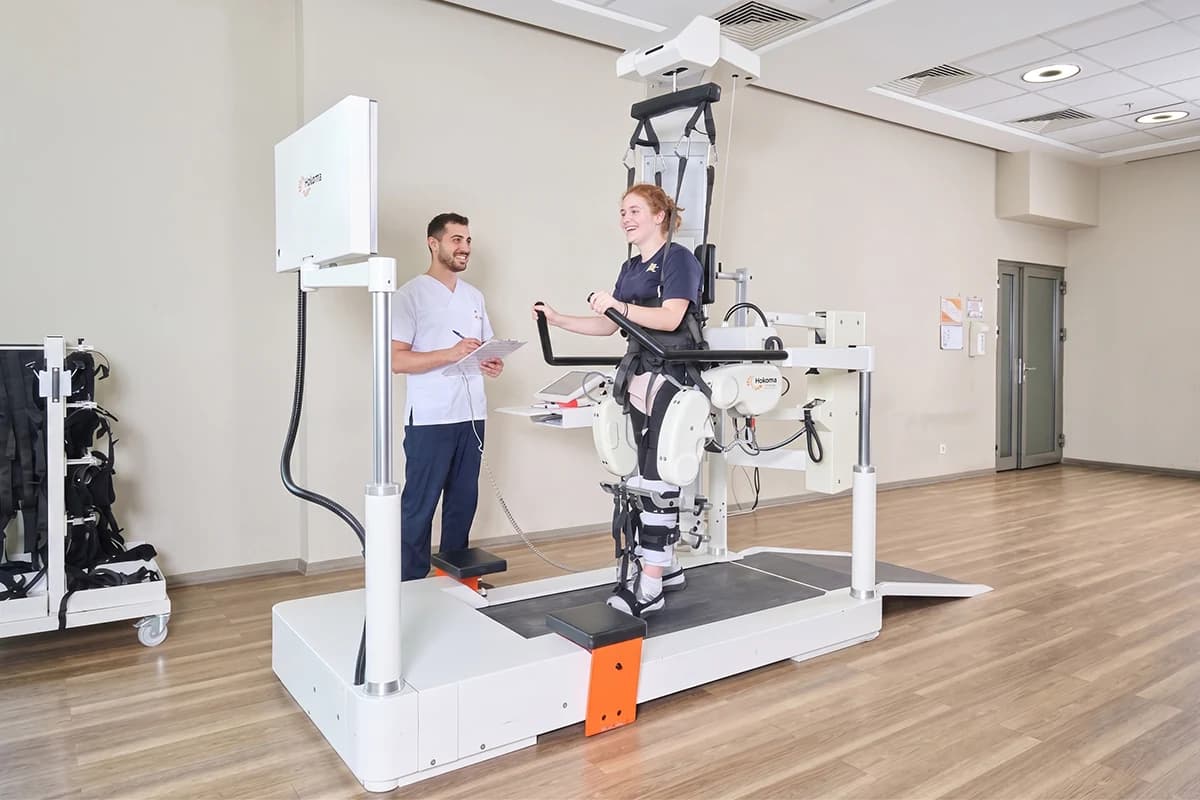 Spinal Cord Injury
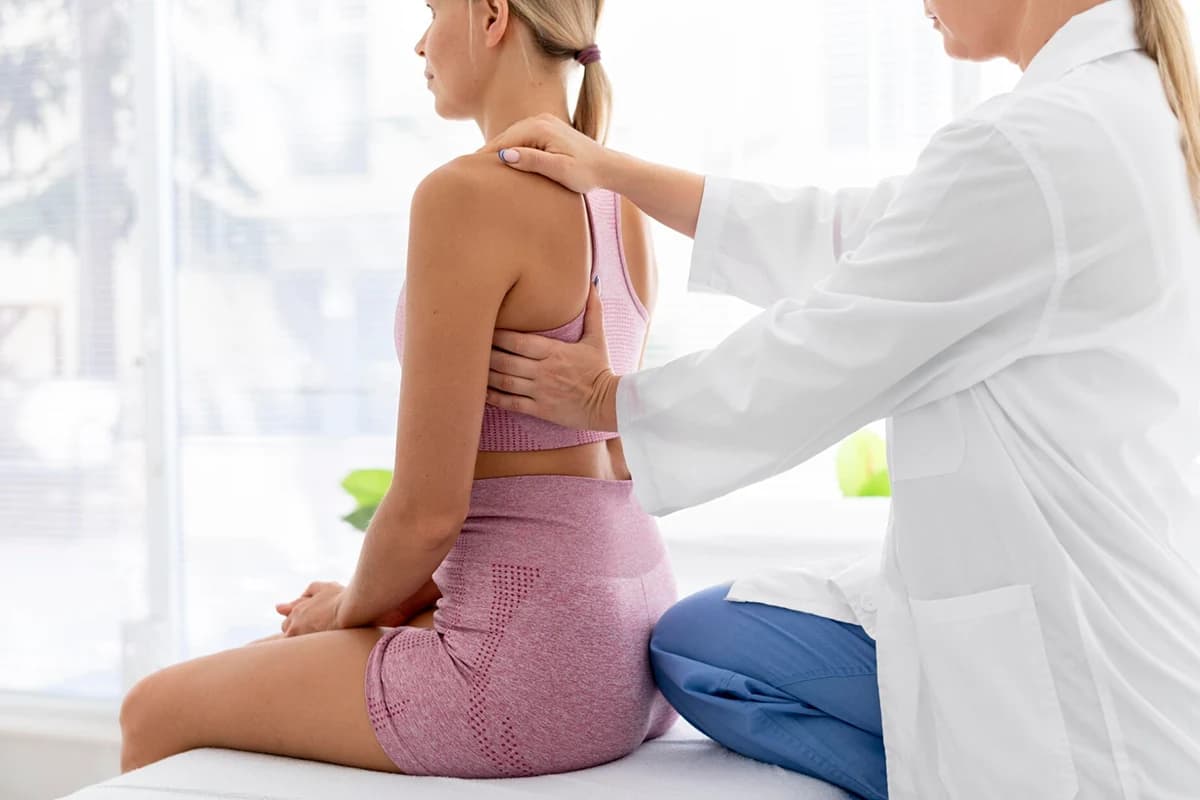 After Spinal Surgery
 Stroke
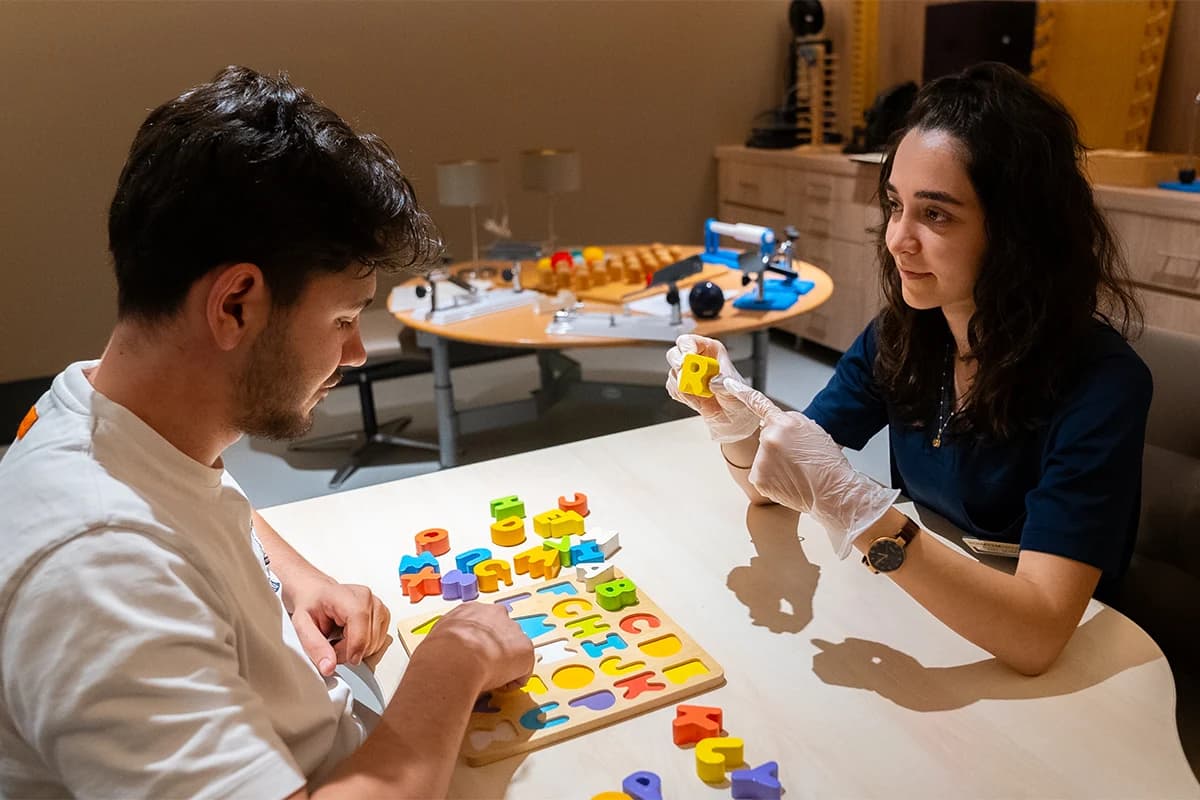 Traumatic Brain Injury
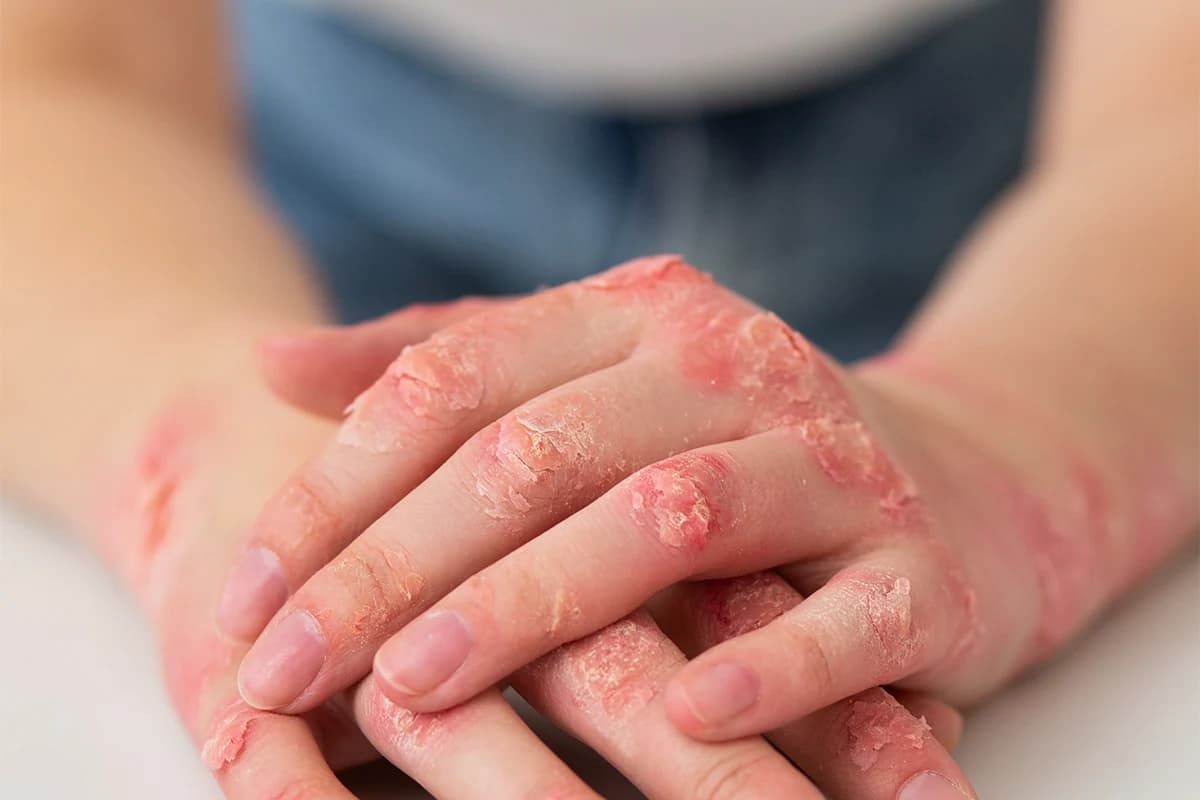 Vasculitis
Methods are combined inside a programme and chosen after examination — they are not booked separately.
Your path to this treatment
Nothing here is booked from a page. You send the records you have, a rehabilitation physician reads them, and you get a written answer — including when the answer is that an intensive programme will not help.
4 steps, start to finish
1.Send your records
A discharge summary from the hospital that treated the original event, and any imaging of the affected area — CT, MRI or X-ray.2.A written plan in 48 hours
A rehabilitation physician reviews the case and returns the expected duration, the recommended programme and the centre. Free, no obligation.3.Travel and admission
Where a visa is needed we issue an invitation letter and treatment confirmation naming the dates and the facility. You are met at the airport and driven to the centre by private vehicle or ambulance; a bed for one companion and interpreting during therapy are arranged.4.Treatment, then home
The programme runs, then you leave with a discharge report and a written home exercise plan. Your return journey is organised before you go, with scheduled video reviews so progress does not stop.
In their words
What patients say after a programme
Short videos filmed during therapy: a child’s rehabilitation after a brain tumour, suspended gait training after spinal cord injury, and learning to walk again after a fall. Individual results vary.
Dave Evans on his physical therapy here
Musculoskeletal physiotherapy
Paediatric rehabilitation after a brain tumour
Inside a physiotherapy session
Spinal cord injury — the rehabilitation process
Suspension-assisted gait training
Walking difficulty and restricted movement after a fall
Regaining gait and range of motion
Locations
Our centres











Questions people actually ask
About this treatment
Is this the same as physiotherapy?
It is a way of structuring it. Rather than treating a joint in isolation, the programme is organised around tasks and the joint work sits inside that.
Can it be done at home?
Much of it, and that is deliberate — the tasks are the ones the home actually contains. Equipment-based components stay at the centre.
How is progress measured?
By timed and counted tasks: chair rises, walking distance, stair climbing, grip. These are recorded at the start and repeated.
How long does it take?
It depends on the starting point and the task; change builds over weeks of consistent work and continues afterwards on a home programme.
What if I cannot do the task at all yet?
Then it is broken into components and rebuilt. Starting with a task that cannot be attempted is demoralising and unnecessary.



