

Medical condition
Falls and Frailty
Falls usually have several causes at once — strength, balance, vision, medication, footwear and the home environment. A single-exercise approach commonly fails because it addresses one of them. Assessment identifies which contributors apply, and fear of falling is treated as a target alongside strength.
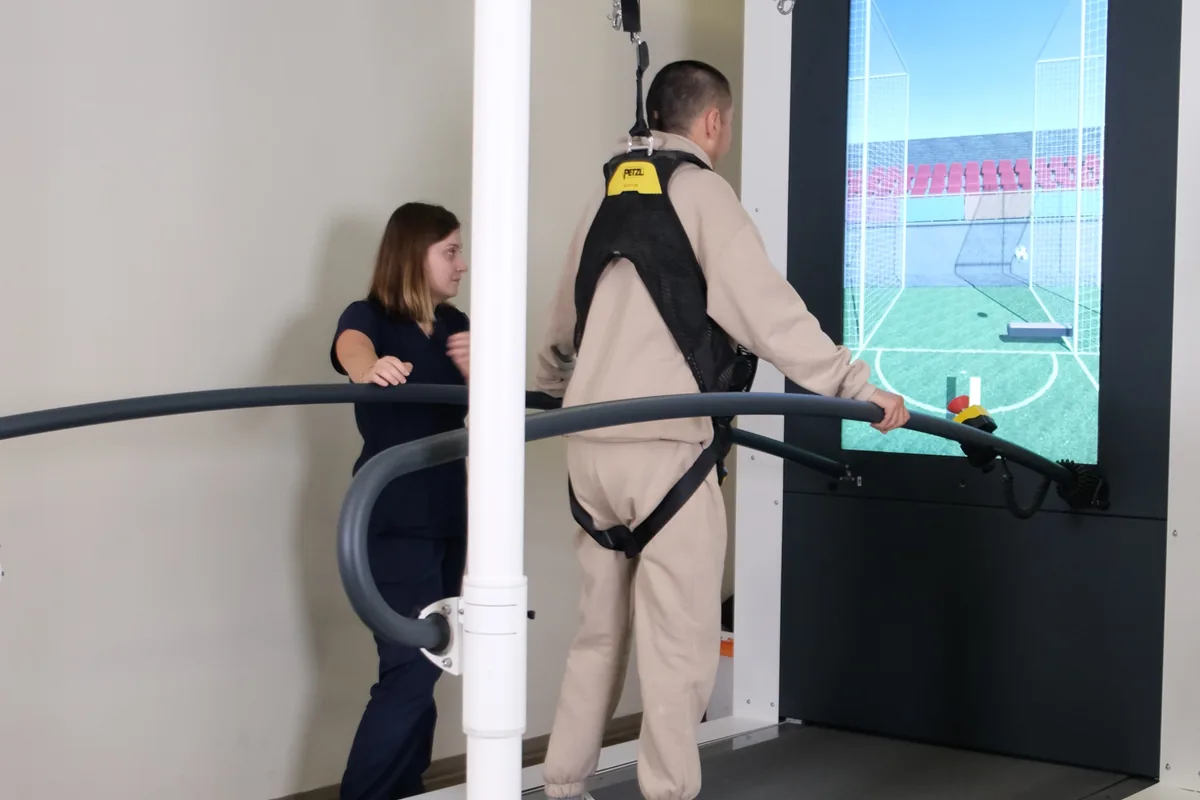
A fall is a symptom, not an accident
In older adults a fall is usually the visible result of several treatable contributors acting together: muscle weakness, impaired balance, reduced vision, medication side effects, foot problems, low blood pressure on standing, and hazards at home.
Treating a fall as bad luck means none of these are addressed and the next fall follows. Assessment identifies which of them apply to this person and in what proportion.
Why fear of falling matters as much as the fall
After a fall, many people reduce activity to avoid another one. Reduced activity weakens muscle and degrades balance, which raises the risk of the next fall. Fear itself also alters walking — shorter steps, less confident weight transfer — in ways that make falling more likely.
So confidence is treated as a target alongside strength. A programme that improves leg strength but leaves someone afraid to leave the house has not reduced their risk.
What multifactorial assessment covers
Strength and balance testing, gait analysis, standing blood pressure, vision, footwear, cognition where relevant, and a full medication review — because certain drug groups substantially increase falls risk and their contribution is frequently overlooked.
Home hazards are reviewed too — lighting, loose rugs, bathroom grab rails and stair handrails. Reducing such hazards probably lowers the rate of falls by about a quarter overall, and by more than a third in people at higher risk, such as those who have already fallen; in people not selected for risk it has shown no effect 3.
What actually reduces falls
Progressive strength and balance training at sufficient intensity and sustained over time. This is the intervention with the strongest evidence: programmes built on balance and functional exercise reduce the rate of falls by about a quarter, and those that add resistance training probably by about a third 1. What matters is that balance is genuinely challenged — Tai Chi may also reduce falls, while the effect of walking or resistance training on their own is uncertain 1.
Programmes that add medication review, home changes and other measures tailored to each person's risks may slightly reduce the rate of falls compared with usual care, but that evidence is of low certainty and it is unclear whether they add to exercise alone 5. We set the programme at a level that is genuinely demanding, supervised, and continued rather than delivered as a short block.
What frailty actually means clinically
Frailty is a measurable state — slow walking, weak grip, exhaustion, low activity, unintentional weight loss — rather than a synonym for old age. It predicts falls, hospitalisation, loss of mobility and independence, and death 6.
It is also reversible in its earlier stages, which is the part most people are not told. In a trial in frail nursing-home residents with an average age of 87, progressive resistance training increased strength and walking speed, while a nutritional supplement without exercise had no effect 2.
How often, and for how long, does falls-prevention exercise need to be done?
The World Falls Guidelines recommend balance-challenging and functional exercises, such as rising from a chair and stepping, three or more times a week, tailored to the person and progressed in intensity for at least 12 weeks, and continued longer for a greater effect 4. Tai Chi or additional progressive strength training can be added where feasible 4.
For someone who travels for an intensive block, this is the practical point: supervised sessions set the right level and teach the exercises, but the benefit depends on continuing them at home, several times a week, long after the block ends 4.
Frequently asked questions
Is frailty reversible?
In earlier stages, yes. Progressive strength training has improved strength and walking speed even in frail people with an average age of 87, while a nutritional supplement without exercise did not 2.
What reduces falls most?
Exercise that challenges balance has the strongest evidence, reducing the rate of falls by about a quarter 1. Removing home hazards helps people at higher risk of falling 3. Medication review, cataract surgery where needed and treatment of blood pressure drops on standing are added according to what the assessment finds 4. This is one of the better-evidenced areas in rehabilitation.
Should someone who falls stop going out?
No. Reduced activity accelerates the weakness that causes falls, and fear of falling is treated alongside the physical risk.
Which medications matter?
Sedatives, some antidepressants, blood pressure drugs and combinations of several. Reviewing them, and reducing or stopping them where possible, is a standard part of falls prevention 4.
Does vitamin D prevent falls?
Correcting deficiency is worthwhile. Supplementing people who are not deficient does not prevent falls on its own 4.
Sources
- Exercise for preventing falls in older people living in the community — Cochrane systematic review — Cochrane Database of Systematic Reviews (2019)
- Exercise Training and Nutritional Supplementation for Physical Frailty in Very Elderly People — New England Journal of Medicine (1994)
- Clemson L, Stark S, Pighills AC, Fairhall NJ, et al. Environmental interventions for preventing falls in older people living in the community — Cochrane Database of Systematic Reviews (2023)
- Montero-Odasso M, van der Velde N, Martin FC, Petrovic M, et al. World guidelines for falls prevention and management for older adults: a global initiative — Age and Ageing (2022)
- Swarnalatha C, Wood L, Newell P, Clark CE, et al. Multifactorial and multiple component interventions for preventing falls in older people living in the community — Cochrane Database of Systematic Reviews (2026)
- Fried LP, Tangen CM, Walston J, Newman AB, et al. Frailty in older adults: evidence for a phenotype — The Journals of Gerontology Series A: Biological Sciences and Medical Sciences (2001)
Which therapies would I actually receive?
A therapy is a single method used inside a programme. It is measured in sessions and is not sold separately.
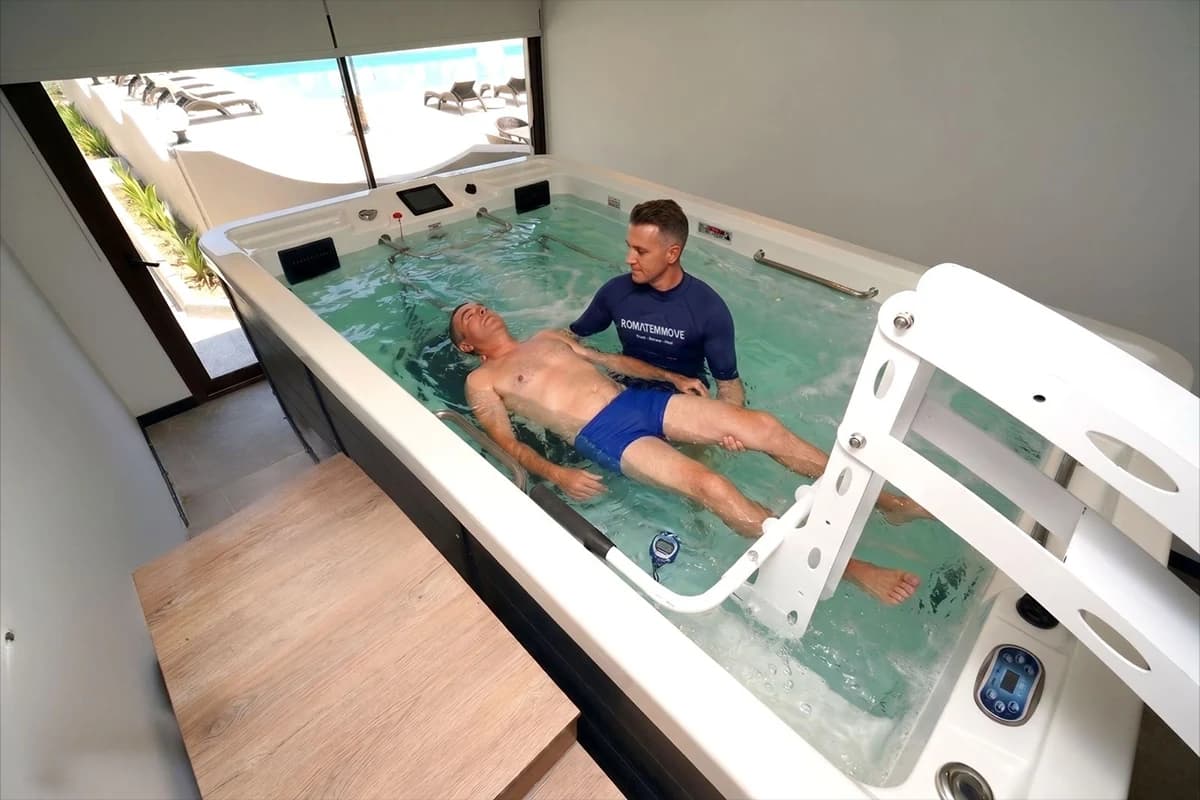

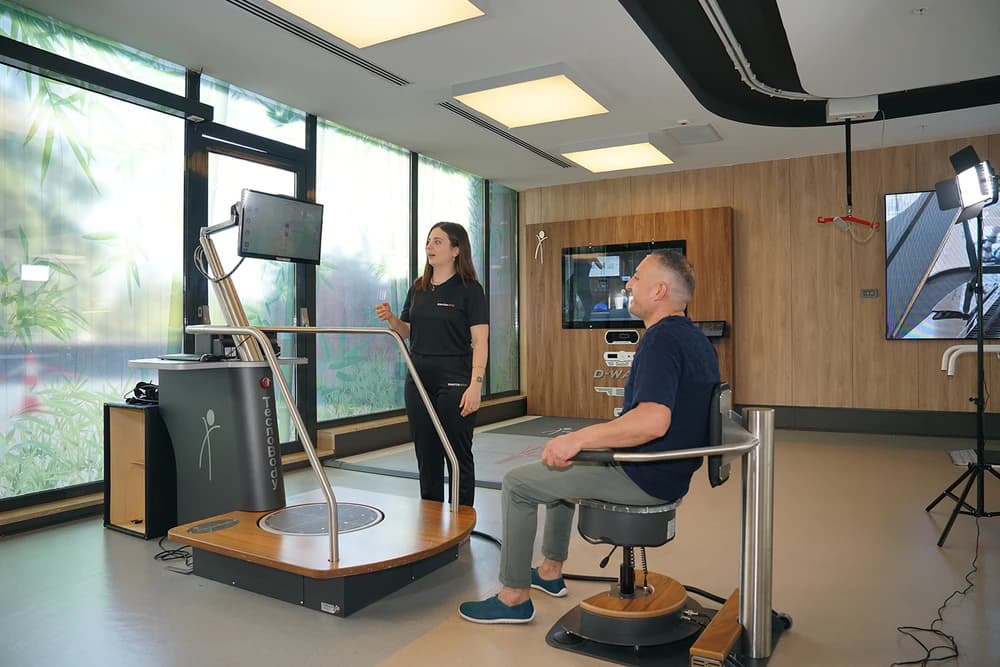
Technologies we use
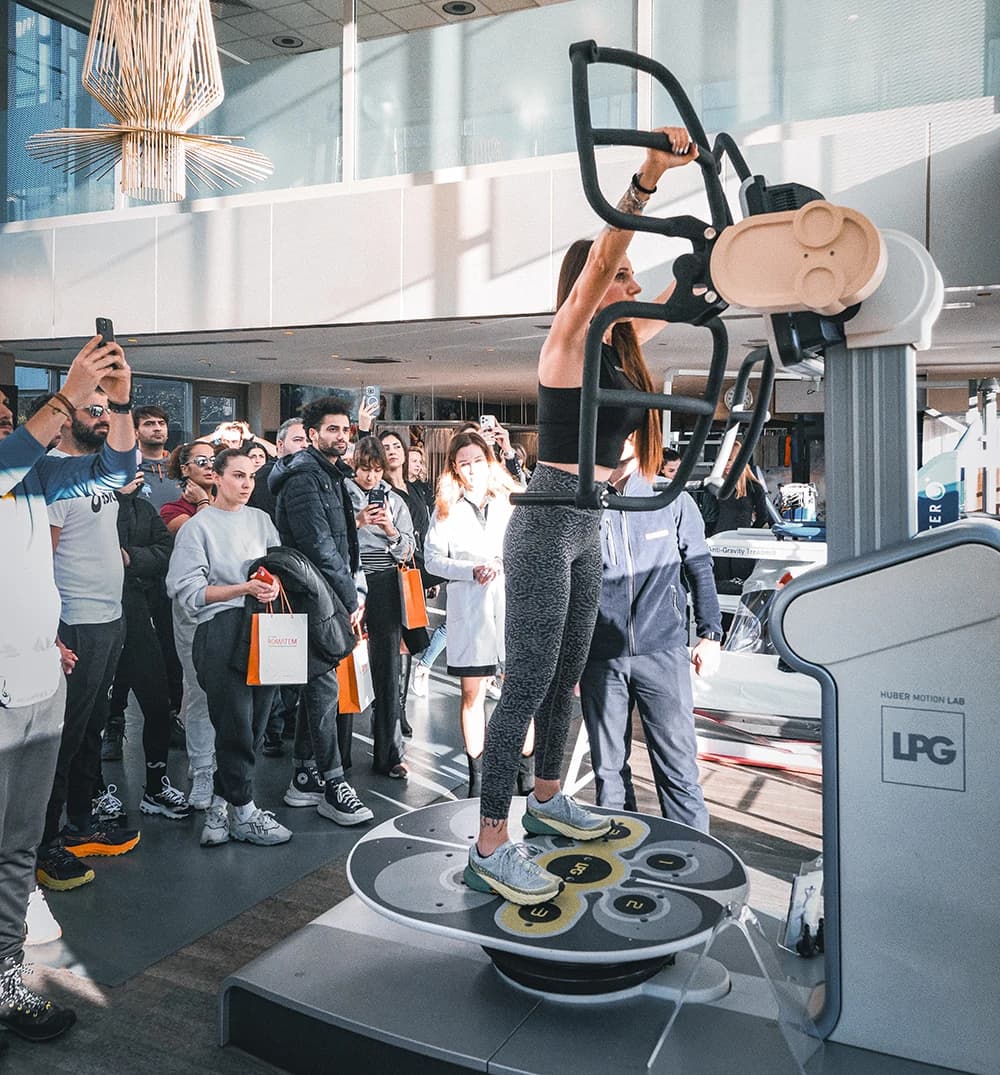
Locations
Where you can receive this treatment




Related articles
Geriatric What actually prevents a second fall?
Not being careful, and not a grab rail on its own. The interventions with the strongest evidence are challenging balance exercise done several hours a week and sustained, plus a review of medication, vision, blood pressure and the home. A first fall is the signal to start that review.Read moreAmputee How soon after an amputation can a prosthesis be fitted?
The first prosthesis usually comes weeks after surgery, once the wound has healed and the limb has stopped changing shape. What decides the date is healing, swelling and skin condition rather than a calendar. The rehabilitation that makes the prosthesis usable starts long before it arrives.Read moreGeriatric What is recovery like after a hip fracture in older adults?
Most older adults have surgery soon after a hip fracture and start getting out of bed shortly afterwards. Recovery of walking and independence takes months and continues after leaving hospital. Exercise programmes that include walking, balance and strength training improve mobility, and preventing further falls is a central part of recovery.Read more



