
Inpatient
Inpatient orthopaedic rehabilitation
A residential programme after joint replacement, spinal surgery or major fracture, combining loaded exercise, hydrotherapy and gait retraining until independent walking is safe. Weight-bearing, range limits and progression follow the operating surgeon's protocol, and swelling is controlled alongside, because range and strength do not progress in a swollen, painful joint.
What the programme covers
Structured daily rehabilitation after joint replacement, fracture, spinal surgery or major orthopaedic injury: range of movement, progressive strengthening, gait retraining, and functional training for the activities you need to return to.
Sessions run two to four times daily depending on the stage and the surgery. Pain management and swelling control run alongside, because neither range nor strength progresses in a swollen, painful joint.
Working to the surgeon's protocol
Weight-bearing status, range restrictions and the timeline for progression are set by the operating surgeon, and they differ between surgeons and between implants for the same operation.
We ask for the operation note and the rehabilitation protocol in writing before admission. Where a patient arrives without them we contact the surgeon rather than infer the protocol from the procedure name, because inferring it is how early failures happen.
Who benefits from inpatient rather than outpatient
Patients who cannot yet manage at home safely, who live alone, who have stairs they cannot negotiate, who have had complex or multiple procedures, or who have other conditions that complicate recovery.
For a straightforward single joint replacement in a fit patient with support at home, outpatient rehabilitation is usually the right answer and we will say so rather than admit them.
What is measured
Joint range in degrees, strength, walking distance and speed, stair performance, and a validated functional score for the joint concerned. Recorded at admission and discharge.
For international patients the discharge report is written to be usable by a clinician in your own country, with the measurements, the protocol stage reached and what remains to be done.
What we need from the surgical team
The operation note, the weight-bearing status, any range-of-movement restrictions and the timeline for progressing them. These govern the first phase entirely, and a programme built without them is guesswork.
Where the surgeon is abroad we work to their written protocol and report back to them. Where a restriction is unclear we ask rather than assume, because the cost of getting it wrong falls on the repair.
Pain and swelling in the early weeks
Both are expected after major joint surgery and both limit what can be trained. Managing them is part of the programme rather than something to endure until therapy can start.
Swelling that increases rather than settles, calf pain, fever or a wound that changes appearance are reported the same day. These are the complications that turn a good recovery into a readmission.
Is an inpatient stay better than rehabilitating at home?
It depends on the operation and on the person. After an uncomplicated knee replacement, a randomised trial of 165 patients found that ten days of inpatient rehabilitation followed by a home programme did not improve walking at 26 weeks compared with a monitored home programme alone 1.
After a hip fracture in older people the picture is different. A Cochrane review of 28 trials with 5,351 participants found moderate-certainty evidence that multidisciplinary rehabilitation in hospital probably reduces the number of people who die or have to move into a higher level of care within six to twelve months 2. An inpatient stay earns its place when the recovery itself is complex, not simply because there was an operation.
Sources
- Buhagiar MA, Naylor JM, Harris IA, Xuan W, et al. Effect of Inpatient Rehabilitation vs a Monitored Home-Based Program on Mobility in Patients With Total Knee Arthroplasty: The HIHO Randomized Clinical Trial — JAMA (2017)
- Handoll HH, Cameron ID, Mak JC, Panagoda CE, et al. Multidisciplinary rehabilitation for older people with hip fractures — Cochrane Database of Systematic Reviews (2021)
- Elmenawi KA, Basit J, Pasqualini I, Khan ST, et al. When Is It Safe for Patients to Air Travel After Total Hip and Knee Arthroplasty: A Comprehensive Review — JBJS Reviews (2025)
- Punnoose A, Claydon-Mueller LS, Weiss O, Zhang J, et al. Prehabilitation for Patients Undergoing Orthopedic Surgery: A Systematic Review and Meta-analysis — JAMA Network Open (2023)
Conditions this programme treats
The 3 conditions this programme is built for, grouped by area.
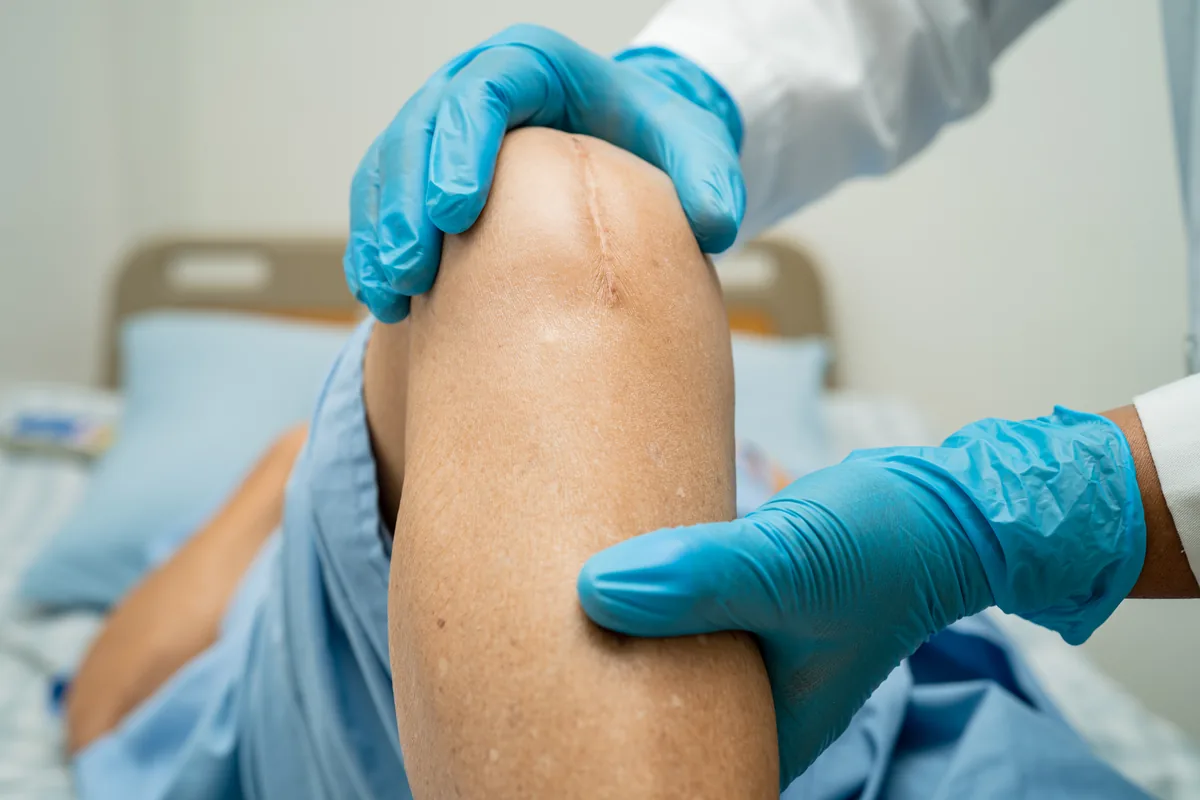
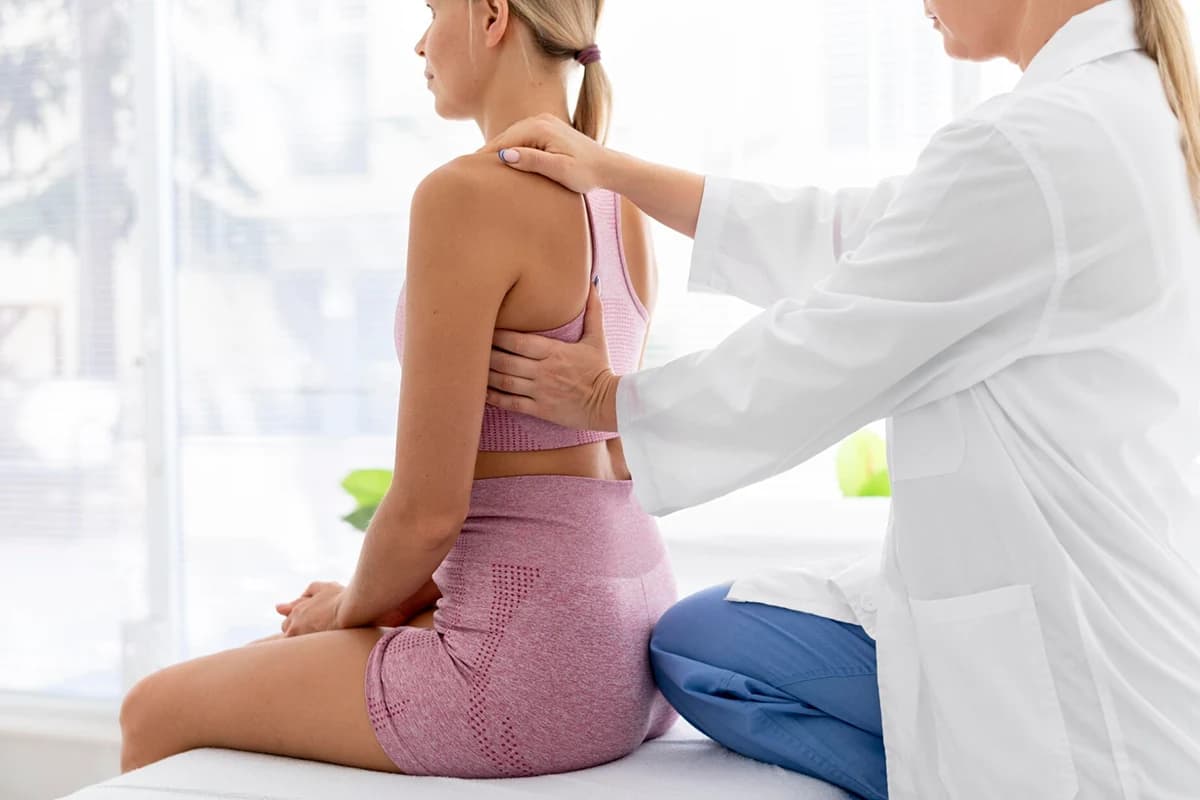
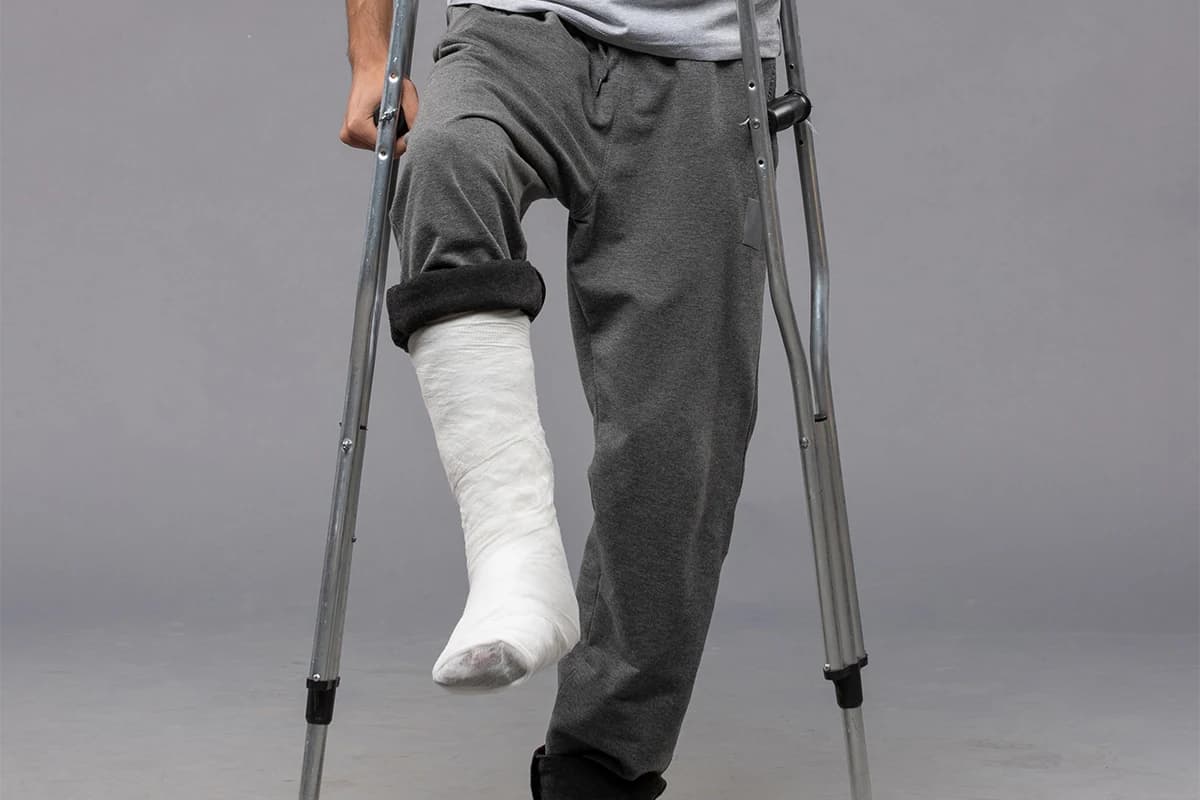
The programme is chosen after a rehabilitation physician has read your records — not from this page.
Your path to this treatment
Nothing here is booked from a page. You send the records you have, a rehabilitation physician reads them, and you get a written answer — including when the answer is that an intensive programme will not help.
4 steps, start to finish
1.Send your records
A discharge summary from the hospital that treated the original event, and any imaging of the affected area — CT, MRI or X-ray.2.A written plan in 48 hours
A rehabilitation physician reviews the case and returns the expected duration, the recommended programme and the centre. Free, no obligation.3.Travel and admission
Where a visa is needed we issue an invitation letter and treatment confirmation naming the dates and the facility. You are met at the airport and driven to the centre by private vehicle or ambulance; a bed for one companion and interpreting during therapy are arranged.4.Treatment, then home
The programme runs, then you leave with a discharge report and a written home exercise plan. Your return journey is organised before you go, with scheduled video reviews so progress does not stop.
In their words
What patients say after a programme
Short videos filmed during therapy: a child’s rehabilitation after a brain tumour, suspended gait training after spinal cord injury, and learning to walk again after a fall. Individual results vary.
Dave Evans on his physical therapy here
Musculoskeletal physiotherapy
Paediatric rehabilitation after a brain tumour
Inside a physiotherapy session
Spinal cord injury — the rehabilitation process
Suspension-assisted gait training
Walking difficulty and restricted movement after a fall
Regaining gait and range of motion
Locations
Where this programme runs — pick a centre.






Questions people actually ask
About this programme
How soon after surgery can I come?
Once the wound is stable and your surgeon confirms that flying is safe — after joint replacement the evidence sets no fixed waiting time, and the decision weighs your own clotting risk and the length of the flight 3. Coming too early risks the flight and the wound; coming too late wastes the window when gains come fastest.
Can you work with my surgeon's protocol?
Yes, and we prefer to. Send the operation note and the rehabilitation protocol with the records; where they specify restrictions we follow them and confirm anything ambiguous with the surgeon directly.
Will I be able to walk unaided by the end?
That depends on the operation, the starting point and the joint. The plan states a realistic target and we measure against it rather than promising an outcome before assessment.
Is inpatient necessary, or would outpatient do?
Inpatient suits those who need nursing overnight, cannot yet transfer safely alone, or would fatigue too much travelling daily. Where day rehabilitation would achieve the same thing, we recommend it.
What if I have a joint replacement planned but not done?
Prehabilitation can be worthwhile: before a knee replacement it improves function and strength, and function is still better six weeks after the operation (moderate-certainty evidence), while benefits after hip replacement and over the longer term are less certain 4. That is a legitimate programme in its own right.



