
Manual and hands-on
Osteopathy
A manual approach that assesses how restriction in one region affects movement elsewhere, applied to mechanical spinal and pelvic pain. The site of pain is not assumed to be the source. Where evidence exists — mainly low back and neck pain — its techniques and outcomes overlap closely with manual physiotherapy.
What osteopathic treatment involves
A whole-body assessment of movement and mechanics followed by hands-on treatment: soft tissue work, joint articulation, muscle energy techniques and, where indicated, manipulation. The distinguishing feature is that the site of pain is not assumed to be the site of the problem — a hip restriction can present as back pain.
In practice, and in the areas where evidence exists, osteopathic manual treatment overlaps substantially with manual physiotherapy. The techniques and the outcomes are similar.
Where the evidence supports it
Non-specific low back pain, where manual treatment provides modest short-term improvement in pain and function. Neck pain. Some musculoskeletal presentations in combination with exercise.
The evidence does not support osteopathic treatment for conditions outside the musculoskeletal system. Claims that it treats asthma, digestive disorders, infant colic or immune function are not supported, and we do not make them.
How we use it here
As one manual approach among several, chosen for the presentation rather than because a patient asked for osteopathy by name. It is combined with exercise, because manual treatment alone produces short-lived change.
We will tell you if we think a different approach fits your problem better, including when that means not doing manual therapy at all.
What we screen for
The same red flags as any manual treatment: signs of non-mechanical pathology, neurological deficit, inflammatory disease in an active phase, osteoporosis, anticoagulation and recent fracture.
High-velocity manipulation is not used where those are present, and it is never used on the upper cervical spine without specific assessment.
What we do and do not adopt from the tradition
We use the manual techniques where they are supported for mechanical spinal and pelvic pain, delivered alongside exercise. We do not use osteopathy as a system of general medicine.
Claims that manipulation treats conditions unrelated to the musculoskeletal system — asthma, colic, infections — are not supported and are not made here.
Where it sits in a plan
As one component of a package that includes exercise and, where relevant, pain education. Guidelines for back pain describe manual therapy in exactly these terms, and a course consisting only of manual sessions is not what they recommend 1.
Sessions are numbered and reviewed rather than open-ended.
Does it work better than a placebo?
Not clearly. An overview of 27 systematic reviews found moderate-quality evidence that osteopathic treatment reduces pain and partly improves function in chronic non-specific low back pain and acute neck pain, but not in acute low back pain, and noted that some of the underlying studies were of poor methodological quality 2. A 2024 meta-analysis limited to trials against a sham treatment found no statistically significant difference in pain across seven studies with 1,173 patients with neck or low back pain, and none in disability 3.
A review of spinal manipulation in general shows the same pattern in chronic low back pain: effects on short-term pain similar to those of other recommended treatments, not larger 4. Guidelines suggest considering manual therapy only as part of a treatment package that includes exercise 1.
Sources
- Low back pain and sciatica in over 16s: assessment and management (NG59) — National Institute for Health and Care Excellence (2020)
- Zipp CR, Semlitsch T, Tögel G, Krenn C, et al. An overview of systematic reviews on the efficacy and safety of osteopathic techniques — Journal of Bodywork and Movement Therapies (2025)
- Ceballos-Laita L, Jiménez-Del-Barrio S, Carrasco-Uribarren A, Medrano-de-la-Fuente R, et al. Is osteopathic manipulative treatment clinically superior to sham or placebo for patients with neck or low-back pain? A systematic review with meta-analysis — Diseases (2024)
- Rubinstein SM, de Zoete A, van Middelkoop M, Assendelft WJJ, et al. Benefits and harms of spinal manipulative therapy for the treatment of chronic low back pain: systematic review and meta-analysis of randomised controlled trials — BMJ (2019)
- Paanalahti K, Holm LW, Nordin M, Asker M, et al. Adverse events after manual therapy among patients seeking care for neck and/or back pain: a randomized controlled trial — BMC Musculoskeletal Disorders (2014)
Conditions this is used for
The 5 conditions where this method is part of a routine programme, grouped by area. It is never the whole plan on its own.
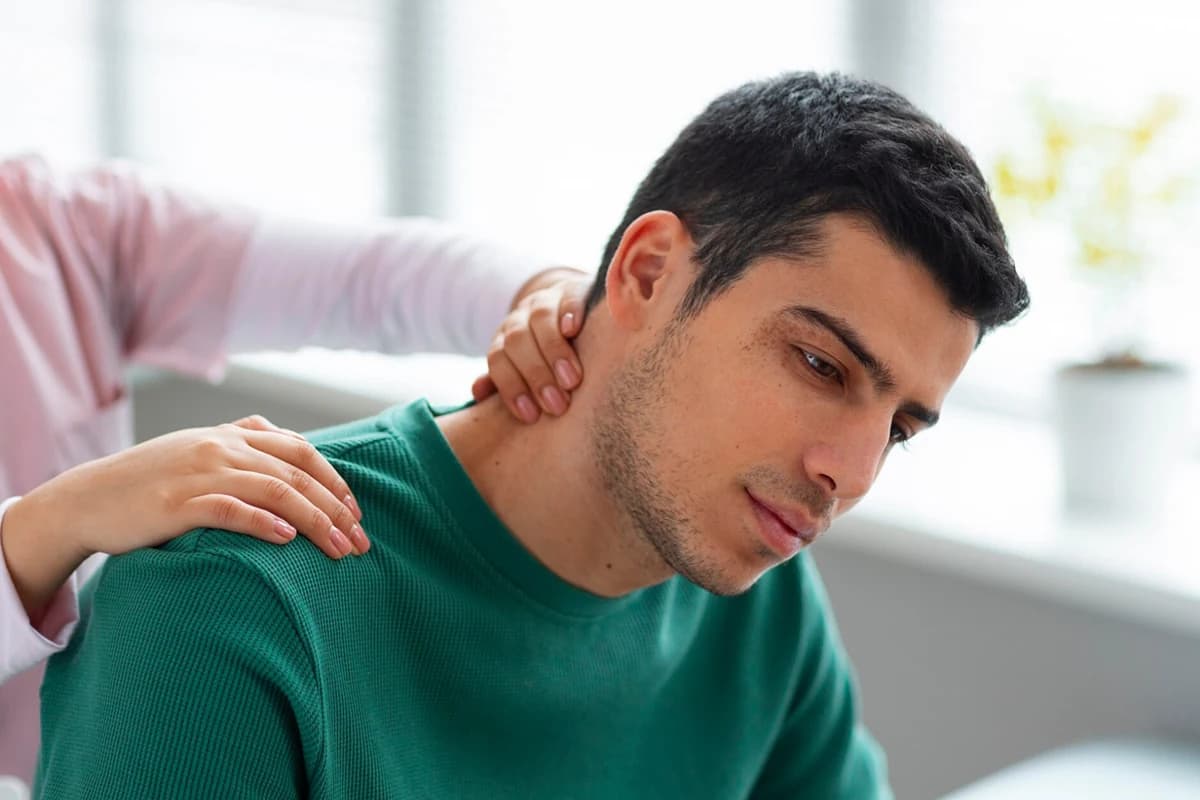
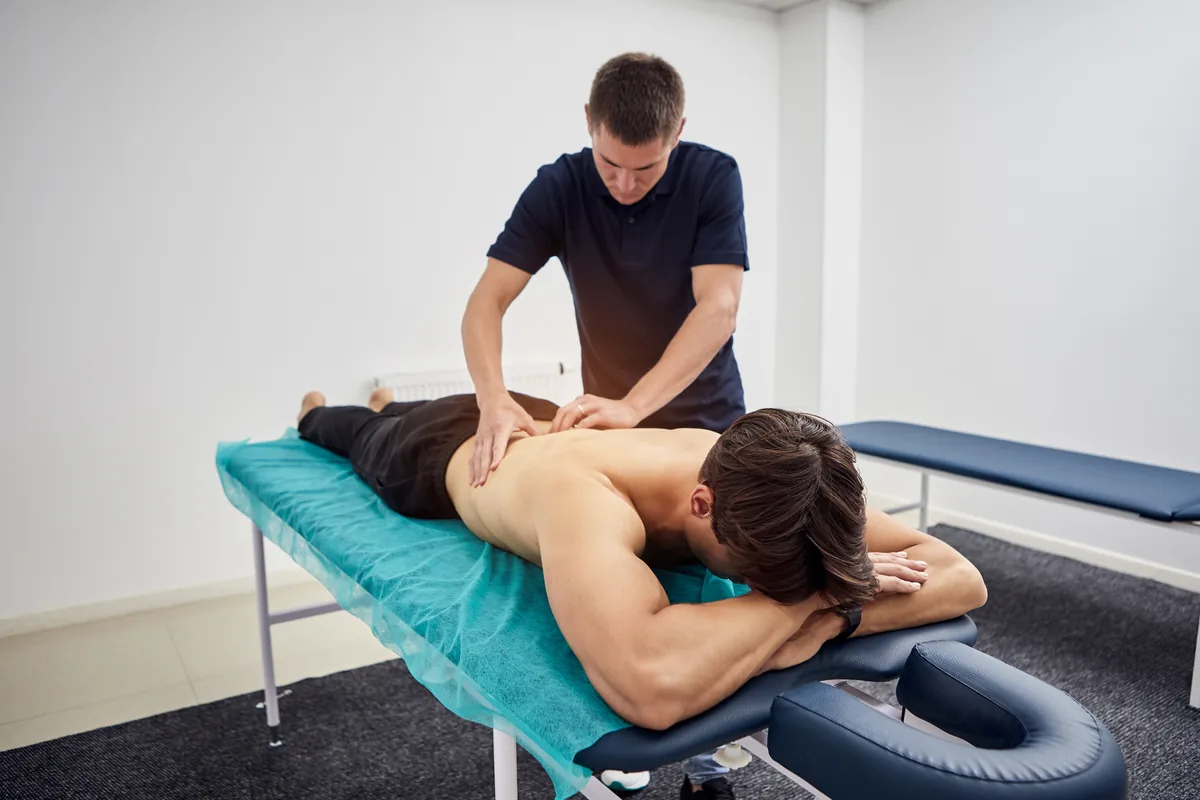
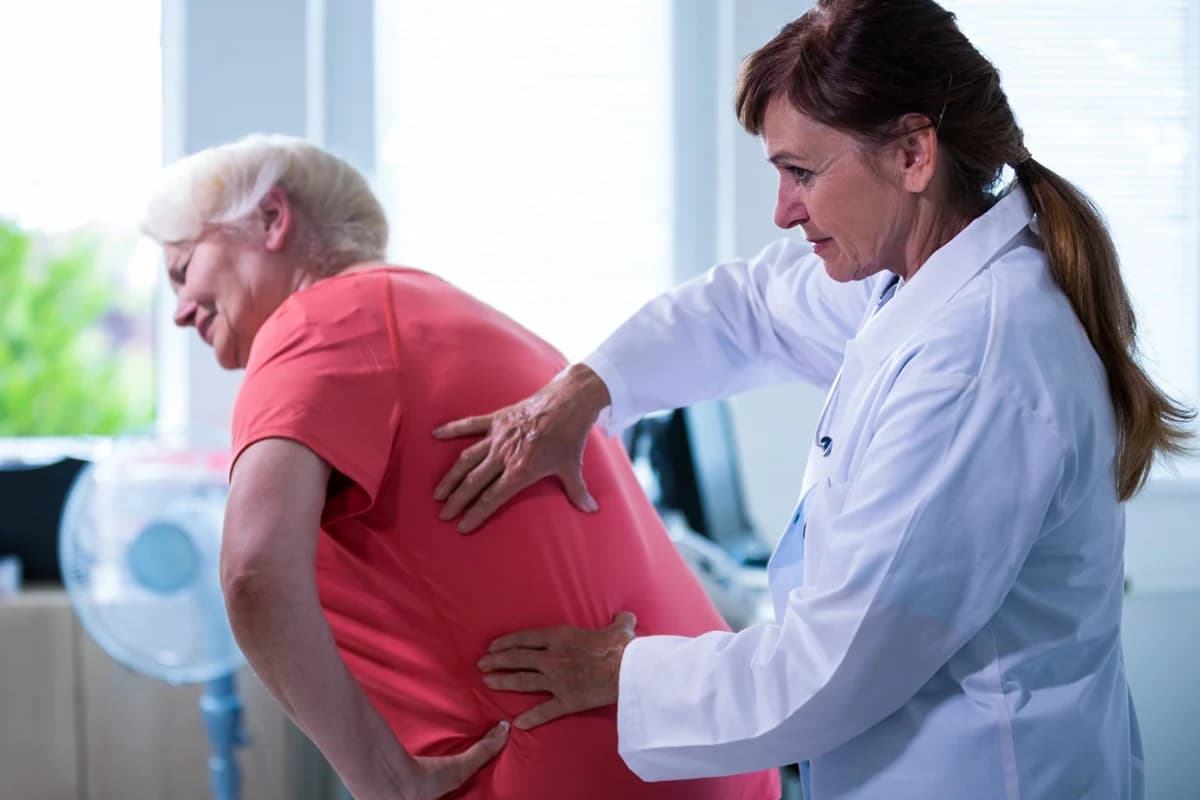
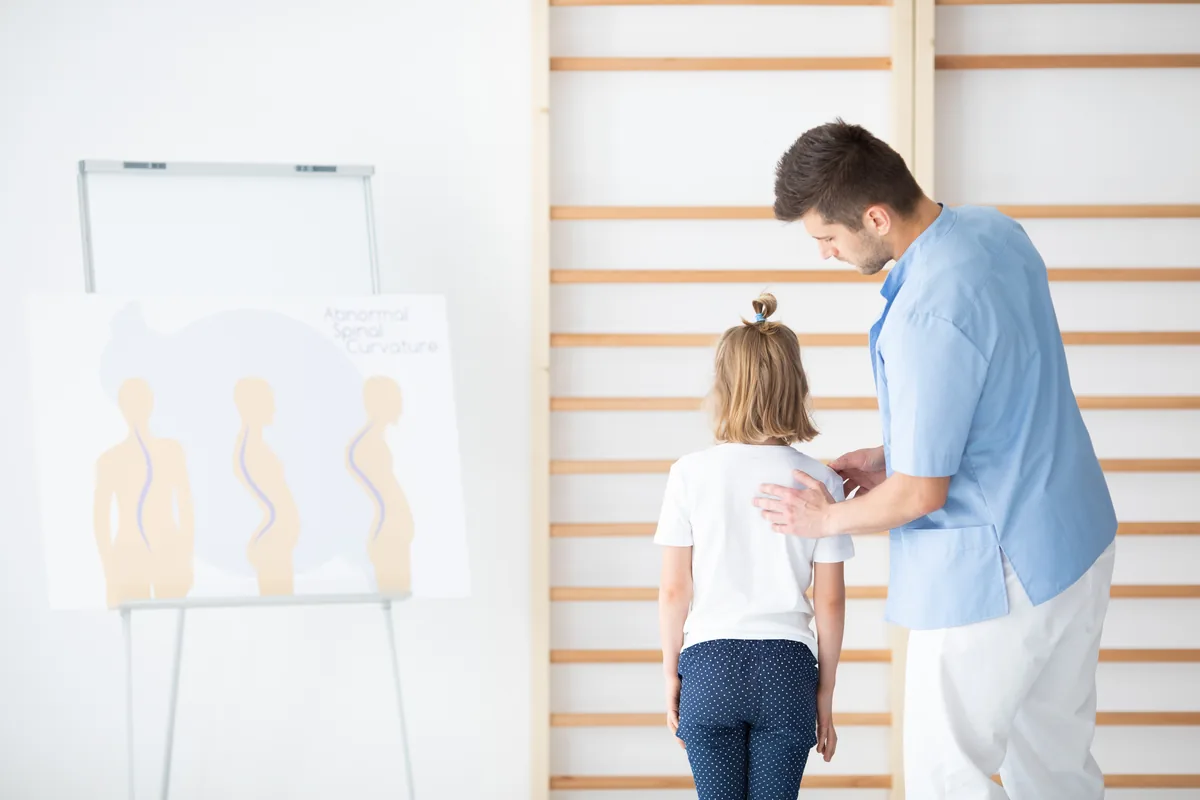
Methods are combined inside a programme and chosen after examination — they are not booked separately.
Your path to this treatment
Nothing here is booked from a page. You send the records you have, a rehabilitation physician reads them, and you get a written answer — including when the answer is that an intensive programme will not help.
4 steps, start to finish
1.Send your records
A discharge summary from the hospital that treated the original event, and any imaging of the affected area — CT, MRI or X-ray.2.A written plan in 48 hours
A rehabilitation physician reviews the case and returns the expected duration, the recommended programme and the centre. Free, no obligation.3.Travel and admission
Where a visa is needed we issue an invitation letter and treatment confirmation naming the dates and the facility. You are met at the airport and driven to the centre by private vehicle or ambulance; a bed for one companion and interpreting during therapy are arranged.4.Treatment, then home
The programme runs, then you leave with a discharge report and a written home exercise plan. Your return journey is organised before you go, with scheduled video reviews so progress does not stop.
In their words
What patients say after a programme
Short videos filmed during therapy: a child’s rehabilitation after a brain tumour, suspended gait training after spinal cord injury, and learning to walk again after a fall. Individual results vary.
Dave Evans on his physical therapy here
Musculoskeletal physiotherapy
Paediatric rehabilitation after a brain tumour
Inside a physiotherapy session
Spinal cord injury — the rehabilitation process
Suspension-assisted gait training
Walking difficulty and restricted movement after a fall
Regaining gait and range of motion
Locations
Our centres











Questions people actually ask
About this treatment
Is osteopathy different from physiotherapy?
In training and tradition, yes. In what is actually delivered for mechanical back pain, the overlap is substantial: assessment, manual techniques, exercise.
How many sessions?
Four to six before a review point. Improvement should be measurable by then.
Is it safe?
For the lumbar spine and pelvis, generally yes, with the same screening as any manual therapy. We do not perform high-velocity cervical manipulation.
Can it treat conditions outside the musculoskeletal system?
No. Those claims exist in parts of the field and are not supported by evidence.
What should I expect afterwards?
Mild muscle soreness is the most common reaction, and it is usually short-lived 5. Increasing pain, new numbness or weakness should be reported rather than waited out.



