
Medical condition
Chronic Pain
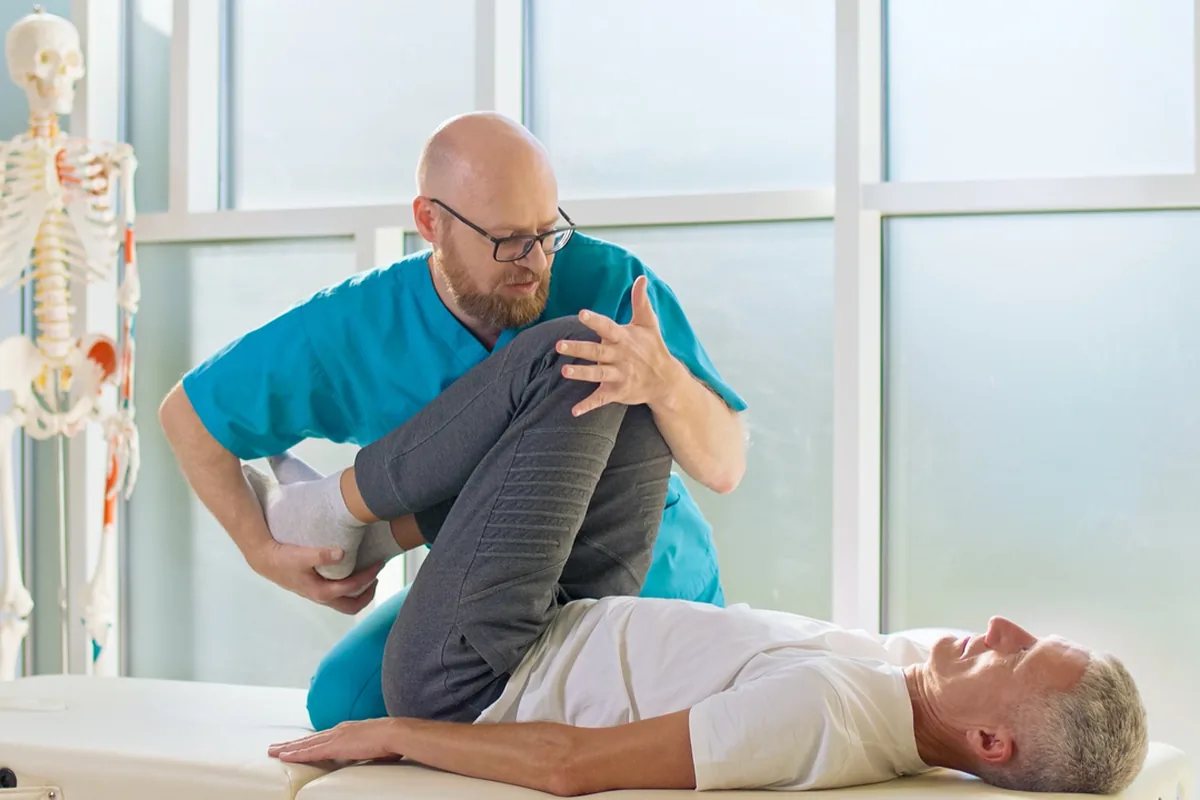
When pain persists beyond healing, the nervous system itself has become more sensitive. Treatment combines graded activity, education about pain mechanisms and sleep management, and it targets function rather than pain score alone. Scans can be normal while the pain is real, which is why treatment aimed only at tissue often fails.
Pain that outlasts healing becomes its own condition
Acute pain signals tissue damage. When pain persists past the expected healing time, the nervous system itself becomes more sensitive — the volume is turned up — and pain continues in the absence of ongoing damage.
This is why scans can be normal while pain is real and severe, and why treatment aimed only at the tissue often fails. Chronic pain is treated as a condition in its own right rather than as an unresolved acute injury.
What it does to a life
Reduced movement, muscle weakening, disturbed sleep, low mood, withdrawal from social contact, and in older adults a direct route to falls and loss of independence. Fear of movement is a central mechanism: activity that hurts is avoided, capacity falls, and less activity is needed to provoke pain.
In older adults especially, pain should not be dismissed as a normal part of ageing. It is treatable and leaving it untreated costs mobility and independence.
Why the goal is function, not a pain score
Aiming only at reducing pain intensity sets up a treatment that fails, because in established chronic pain the score often moves little and moves last. Aiming at what the person can do produces measurable change much sooner, and pain frequently follows.
We agree the functional targets with you at the start — walking distance, sleep, specific daily activities — and measure those.
What the programme includes
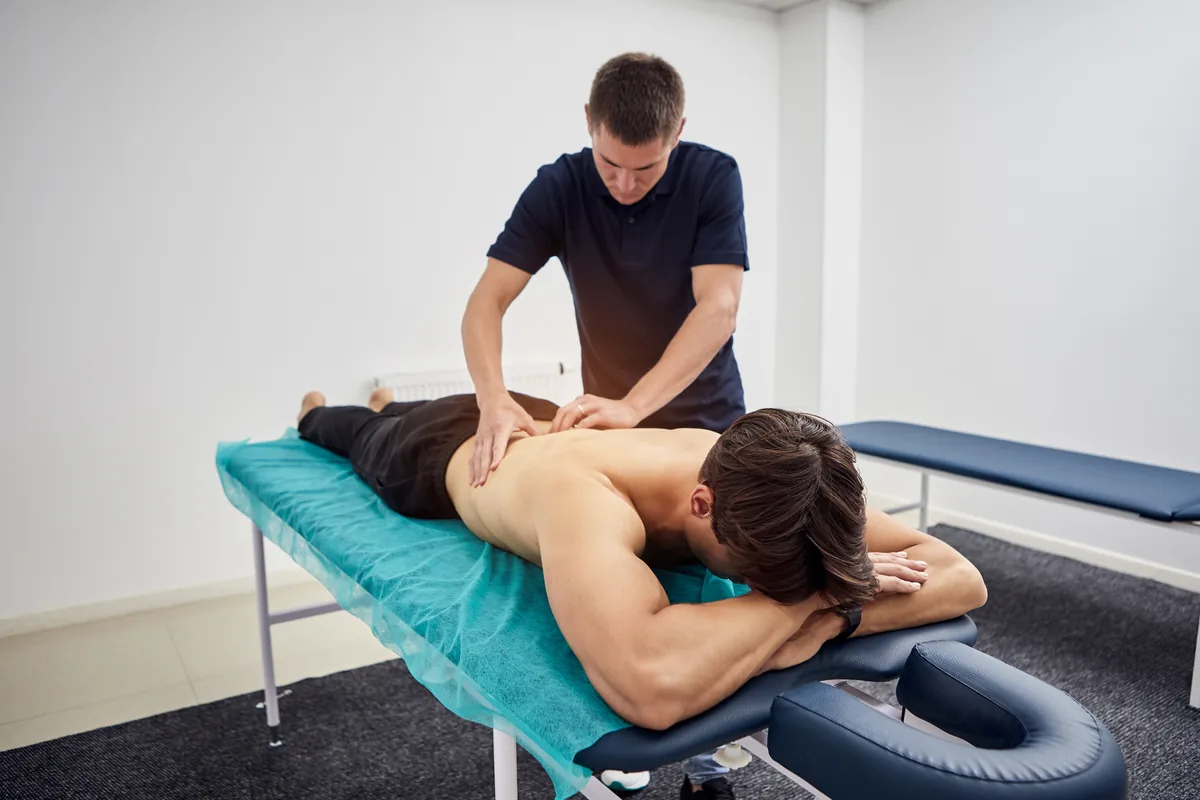
Graded activity and paced exercise. Pain neuroscience education — an explanation of how persistent pain works — which on its own has a small effect on pain intensity and is more useful combined with exercise and psychological approaches 4. Sleep management. Manual therapy where it helps someone take part in the active work; electrical treatments such as TENS, ultrasound and interferential therapy are not recommended for chronic primary pain because there is no evidence of benefit 1. Medication review, particularly in older adults where sensitivity and interactions are greater.
In older adults the programme also addresses balance and falls risk directly, because pain-driven inactivity and falls risk feed each other.
Why pain persists after tissue has healed
In persistent pain the nervous system becomes more efficient at producing pain, and the signal stops corresponding to tissue damage. Scans look the same; the alarm system has changed its threshold.
This is not the same as pain being imagined. It is a real mechanism with real treatment, and it explains why the search for a structural cause on imaging so often fails.
Which treatments are recommended for chronic primary pain?
For chronic primary pain — pain lasting more than three months that no underlying condition adequately explains — NICE recommends offering a supervised group exercise programme, and considering cognitive behavioural therapy or acceptance and commitment therapy, a single course of acupuncture, or certain antidepressants 1.
It advises against TENS, ultrasound, interferential therapy and biofeedback, and against starting opioids, anti-inflammatory drugs, paracetamol, gabapentinoids or benzodiazepines for this type of pain 1. Where pain is explained by a condition such as osteoarthritis, the guidance for that condition applies, and the two types can exist together 1.
Understanding Chronic Pain
Before treatment, the questions people actually ask first — what happens, how recovery behaves over time, and whether it is ever too late. Each opens the full article.
Frequently asked questions
Does this mean the pain is in my head?
No. The mechanism is in the nervous system and the pain is entirely real. Being told otherwise is both wrong and harmful.
Will more scans find the cause?
Usually not, and repeated imaging often finds incidental changes that increase fear without changing treatment.
Is exercise safe when it hurts?
Yes, graded appropriately. Increased pain during and shortly after activity that settles is expected; the aim is gradual increase in capacity rather than pain-free movement.
What about opioids?
What does success look like?
Improved function, sleep and participation. Pain often reduces as those improve, and aiming at pain alone is what leaves people stuck.
Sources
- Chronic pain (primary and secondary) in over 16s: assessment of all chronic pain and management of chronic primary pain (NG193) — National Institute for Health and Care Excellence (2021)
- A classification of chronic pain for ICD-11. — Pain (2015)
- Clinical importance of changes in chronic pain intensity measured on an 11-point numerical pain rating scale. — Pain (2001)
- Khan Z, Sehgal CA, Rehman S, Abbas A, et al. Effect of pain neuroscience education on pain, sleep, and psychosocial factors in chronic musculoskeletal pain conditions: a systematic review and meta-analysis — The Clinical Journal of Pain (2026)
- Krebs EE, Gravely A, Nugent S, Jensen AC, et al. Effect of opioid vs nonopioid medications on pain-related function in patients with chronic back pain or hip or knee osteoarthritis pain: the SPACE randomized clinical trial — JAMA (2018)
Which therapies would I actually receive?
A therapy is a single method used inside a programme. It is measured in sessions and is not sold separately.

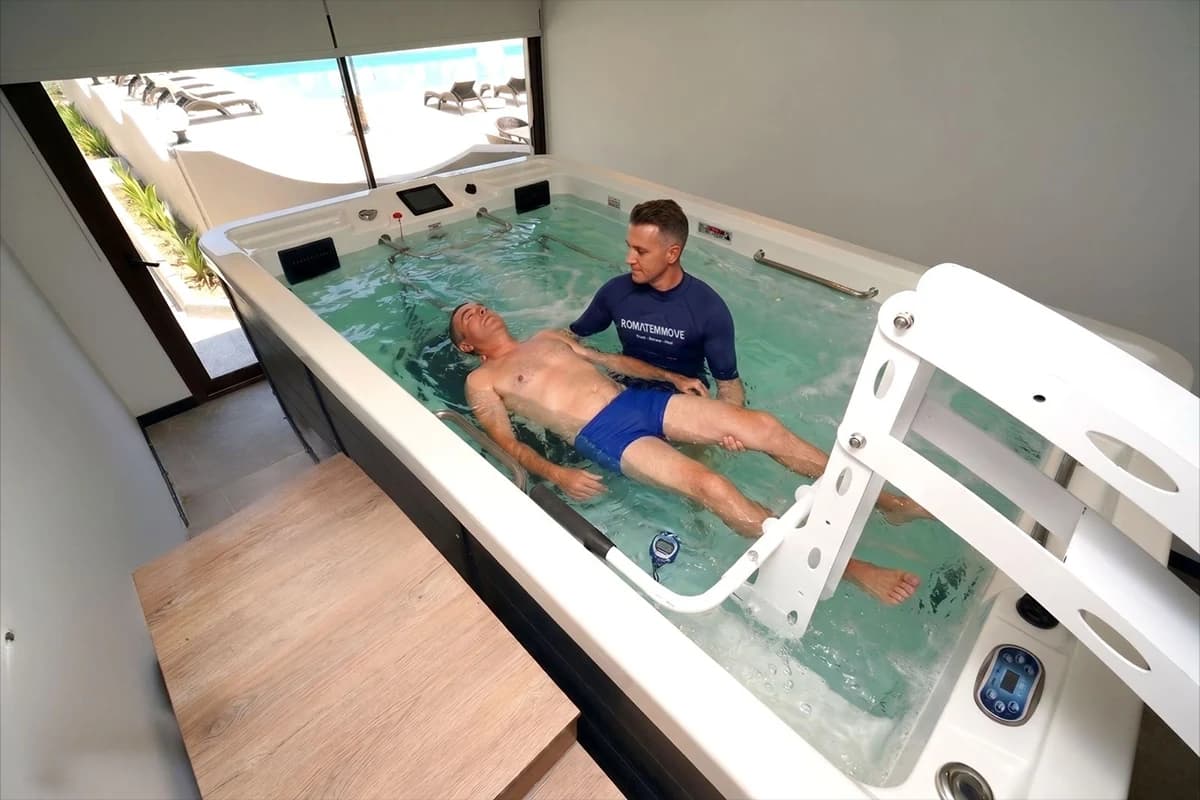
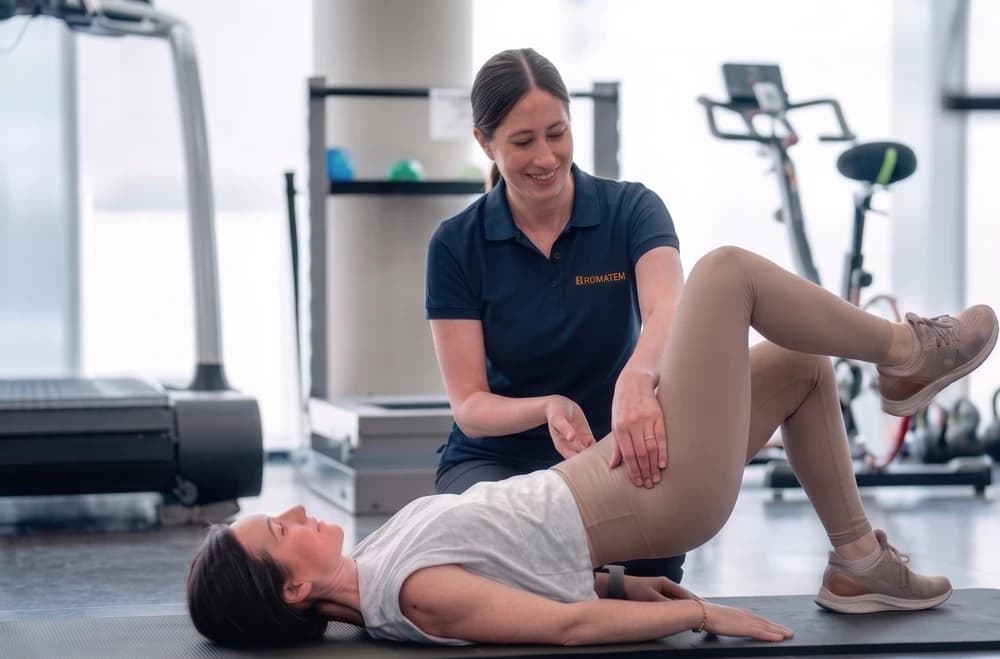

Technologies we use



Locations
Where you can receive this treatment




Related articles
Orthopaedic Which exercises help lower back pain, and which make it worse?
Exercise helps chronic lower back pain, and no single type is clearly better than others. Walking, strengthening, Pilates, yoga and tai chi all have evidence. What matters is choosing activities you can keep doing and building up gradually. Prolonged rest, avoiding all movement and exercises that sharply worsen leg symptoms tend to hold recovery back.Read moreTreatments and technology Does a TENS machine help pain?
TENS machines deliver mild electrical pulses through the skin and can reduce pain while in use. A large meta-analysis found that pain was lower during or immediately after TENS than with placebo, with mild side effects. Effects are mainly short term, and UK guidance does not recommend TENS for chronic primary pain.Read moreTreatments and technology What is the difference between dry needling and acupuncture?
Both use thin needles, but dry needling targets tight, tender points in muscles based on anatomy, while traditional acupuncture uses points along meridians based on Chinese medicine. A meta-analysis found dry needling by physical therapists reduced musculoskeletal pain in the short term. UK guidance considers a single course of either for chronic primary pain.Read more



