
Day programme
Lymphoedema programme
Complete decongestive therapy delivered as an intensive block: manual lymphatic drainage, compression, exercise and skin care, with limb volume measured at the start and end. Compression bandaging does most of the work, and the maintenance phase with fitted garments and self-drainage is what keeps the result.
Complete decongestive therapy, done properly
The intensive phase combines manual lymphatic drainage, multi-layer compression bandaging, exercise in bandages, and skin care. It runs daily for two to four weeks, and limb volume is measured at the start and at the end rather than estimated.
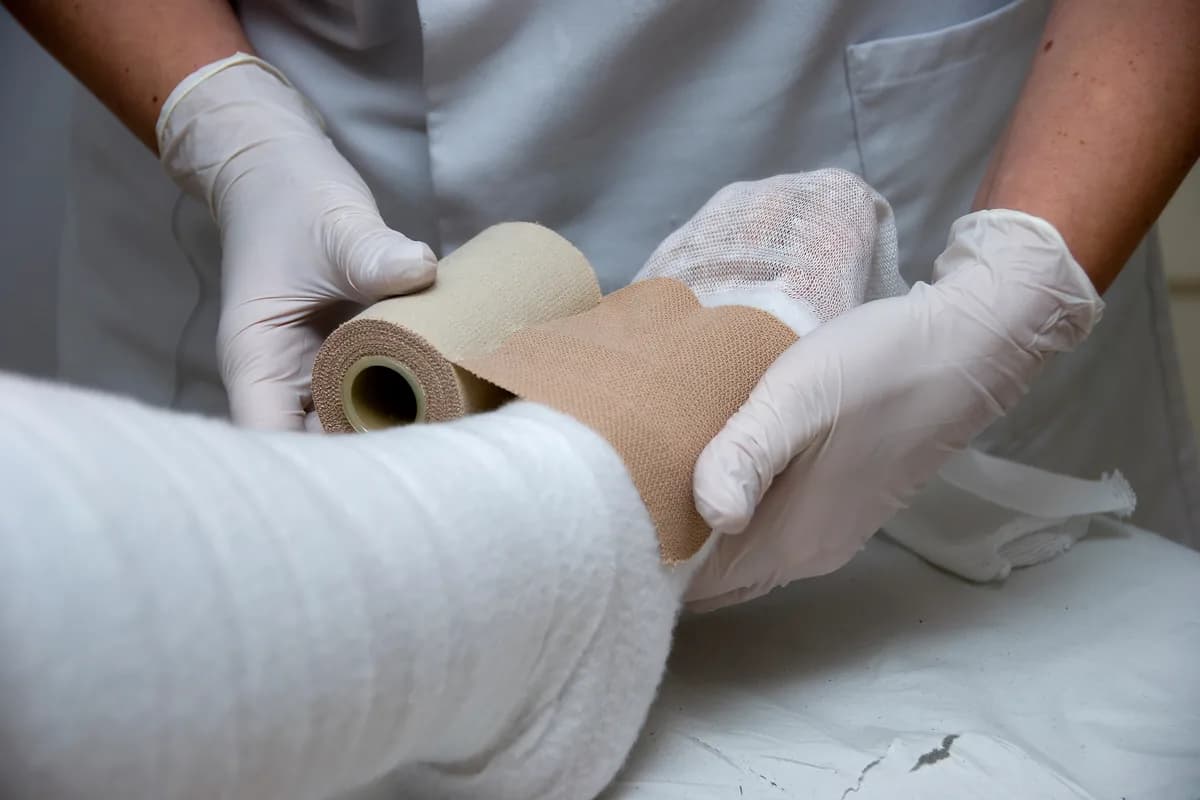
The bandaging is the part that does most of the work and the part most often skipped. Drainage without compression produces a limb that reduces during the session and refills by evening.
The maintenance phase is the programme
The intensive phase reduces the limb. The maintenance phase — properly fitted compression garments, self-drainage technique, exercise and skin care — is what keeps it reduced. Without it the volume comes back.
So garment fitting, self-bandaging training and a written maintenance plan are part of the programme rather than an afterthought, and we will not run an intensive phase for someone who has no way to maintain it.
Lymphoedema and lipoedema are different
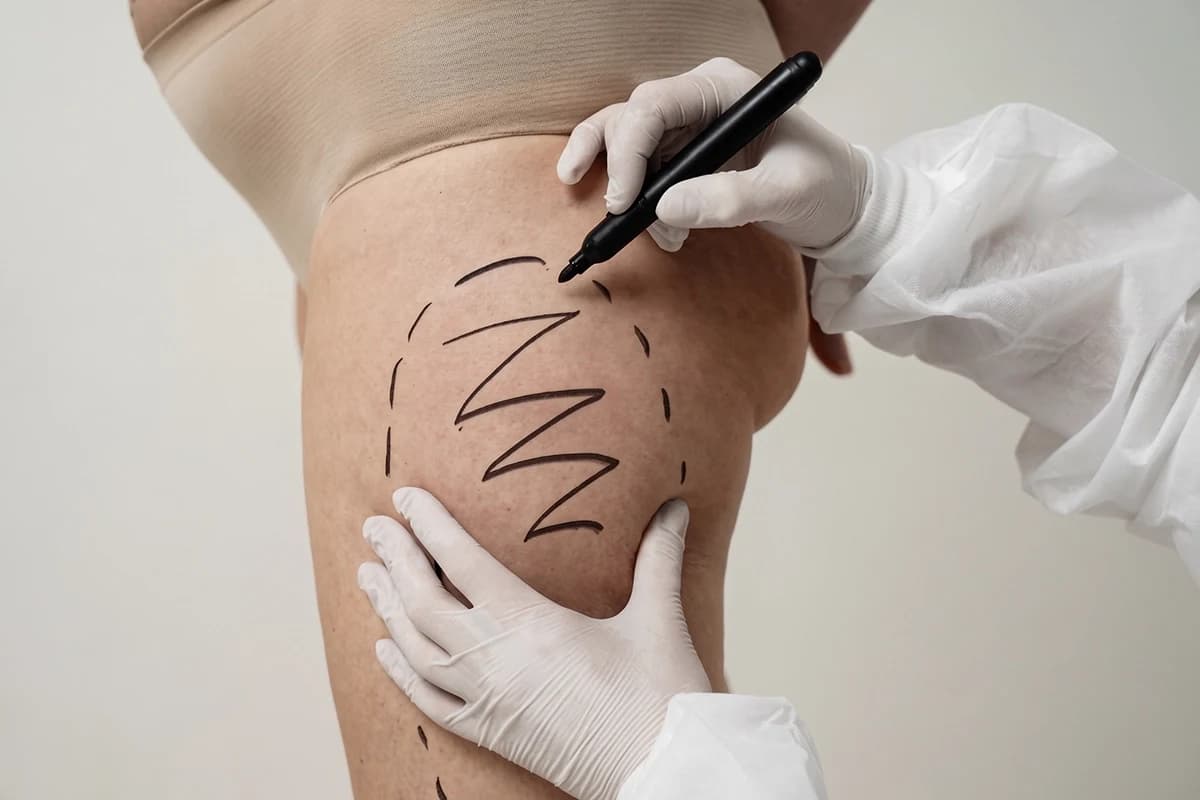
Lymphoedema is fluid accumulation from failed lymphatic drainage — usually asymmetrical, and it involves the foot. Lipoedema is a disorder of fat tissue — symmetrical, painful, tender to pressure, and characteristically sparing the foot. They can occur together.
The distinction is made by clinical examination and ultrasound before treatment, because treating the wrong mechanism wastes the programme and allows progression.
What we tell patients about outcome
Lymphoedema is controlled, not cured. Consistent treatment substantially reduces volume, reduces the risk of cellulitis, and improves function and comfort — and it is lifelong management.
In lipoedema, conservative treatment reduces pain and swelling and slows progression. It does not remove the abnormal fat tissue, and we say so rather than let someone complete a demanding programme expecting a change in limb shape it cannot produce.
Measurement is what makes this programme checkable
Limb volume is measured before the intensive phase and after it, in millilitres, so the change is a number rather than an impression. That measurement is in the discharge document.
Photographs and subjective reports are not enough in a condition where swelling fluctuates daily. Without volume measurement, neither you nor we can say whether the block worked.
Compression is not the boring part, it is the treatment
The intensive phase reduces volume; compression holds it. Garments have to fit, be replaced when they lose elasticity, and be worn — and a good result is easily lost when an uncomfortable garment is quietly abandoned.
We fit rather than issue, check the fit before discharge, and state when replacement is due.
Which part of the treatment does most of the work?
In two small randomised trials in lymphoedema after breast cancer treatment, compression bandaging alone reduced excess arm volume by 30% to 38.6%, and adding manual lymphatic drainage gave a further 7.11% on average 1. The extra benefit of drainage appeared larger in mild-to-moderate than in more severe swelling, a finding that still needs confirming in randomised comparisons 1.
In a trial of 90 people with lymphoedema of one arm or leg, 18 days of multilayer bandaging followed by elastic hosiery reduced excess limb volume by 31% at 24 weeks, against 15.8% with hosiery alone 2. One-year follow-up reported in the Cochrane review suggests that once swelling has been reduced, people who keep wearing a custom-made sleeve tend to keep it down 1.
Sources
- Ezzo J, Manheimer E, McNeely ML, Howell DM, et al. Manual lymphatic drainage for lymphedema following breast cancer treatment — Cochrane Database of Systematic Reviews (2015)
- Badger CM, Peacock JL, Mortimer PS. A randomized, controlled, parallel-group clinical trial comparing multilayer bandaging followed by hosiery versus hosiery alone in the treatment of patients with lymphedema of the limb — Cancer (2000)
Conditions this programme treats
The 3 conditions this programme is built for, grouped by area.
The programme is chosen after a rehabilitation physician has read your records — not from this page.
Your path to this treatment
Nothing here is booked from a page. You send the records you have, a rehabilitation physician reads them, and you get a written answer — including when the answer is that an intensive programme will not help.
4 steps, start to finish
1.Send your records
A discharge summary from the hospital that treated the original event, and any imaging of the affected area — CT, MRI or X-ray.2.A written plan in 48 hours
A rehabilitation physician reviews the case and returns the expected duration, the recommended programme and the centre. Free, no obligation.3.Travel and admission
Where a visa is needed we issue an invitation letter and treatment confirmation naming the dates and the facility. You are met at the airport and driven to the centre by private vehicle or ambulance; a bed for one companion and interpreting during therapy are arranged.4.Treatment, then home
The programme runs, then you leave with a discharge report and a written home exercise plan. Your return journey is organised before you go, with scheduled video reviews so progress does not stop.
In their words
What patients say after a programme
Short videos filmed during therapy: a child’s rehabilitation after a brain tumour, suspended gait training after spinal cord injury, and learning to walk again after a fall. Individual results vary.
Dave Evans on his physical therapy here
Musculoskeletal physiotherapy
Paediatric rehabilitation after a brain tumour
Inside a physiotherapy session
Spinal cord injury — the rehabilitation process
Suspension-assisted gait training
Walking difficulty and restricted movement after a fall
Regaining gait and range of motion
Locations
Where this programme runs — pick a centre.




Questions people actually ask
About this programme
Is lymphoedema curable?
No. It is a chronic condition that is managed rather than cured. What treatment achieves is substantial volume reduction, fewer infections and better limb function, maintained through compression and self-care.
How long does the intensive phase take?
Typically two to four weeks of daily treatment, depending on the starting volume and the response. The maintenance phase then continues indefinitely at home.
Can I be treated if I have had cancer?
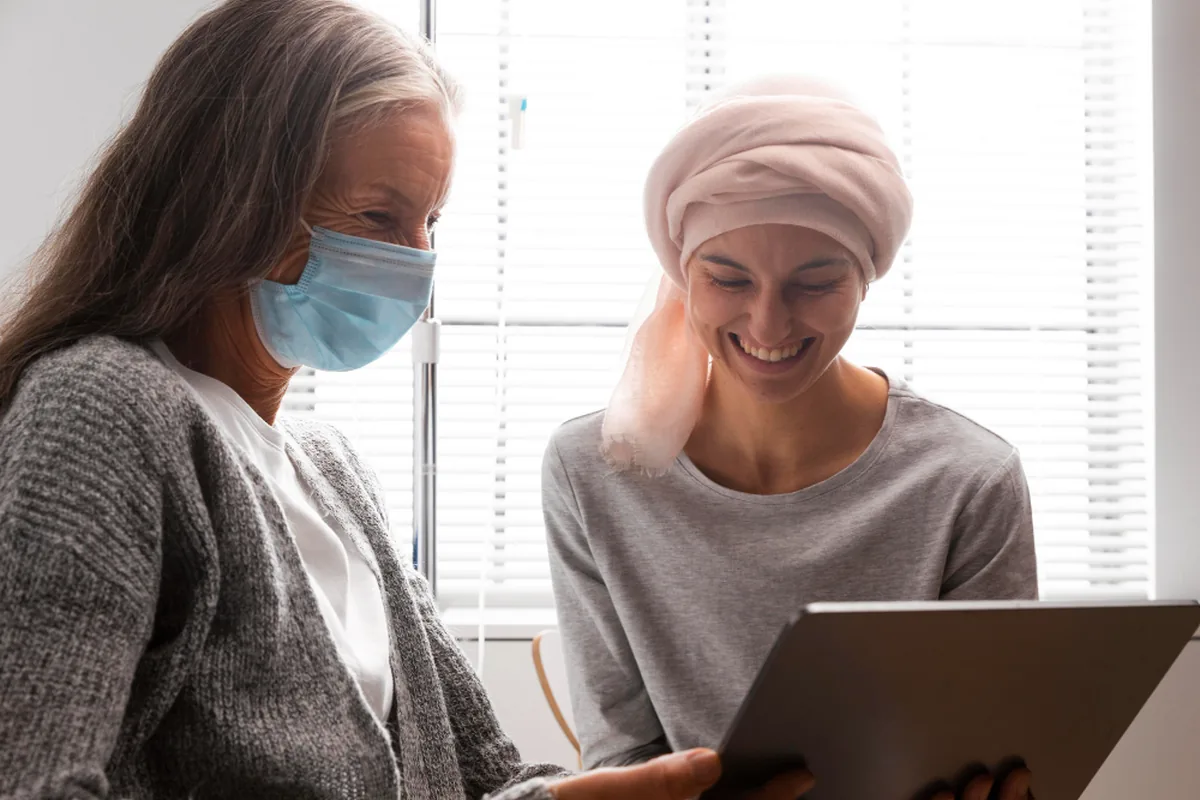
Yes — post-surgical and post-radiotherapy lymphoedema is among the most common reasons for referral. Active untreated cancer changes what is appropriate, so we need the oncology history.
What about lipoedema — is it the same?
No, and treating one as the other fails. Lipoedema is a disorder of fat distribution, usually symmetrical, painful to pressure and not primarily a lymphatic problem, though the two can coexist. The programme differs accordingly.
Will I need to wear compression forever?
In most cases yes, in some form. The level can often be reduced once volume is stable, and that decision is made on measurement rather than on how the limb feels.



