
Orthotics and prosthetics
Orthotics and prosthetics
Devices measured and fitted to one person — a brace that supports a weak or unstable limb, or a prosthesis that replaces a missing one — together with the training that makes them usable rather than left in a cupboard.
The difference between the two
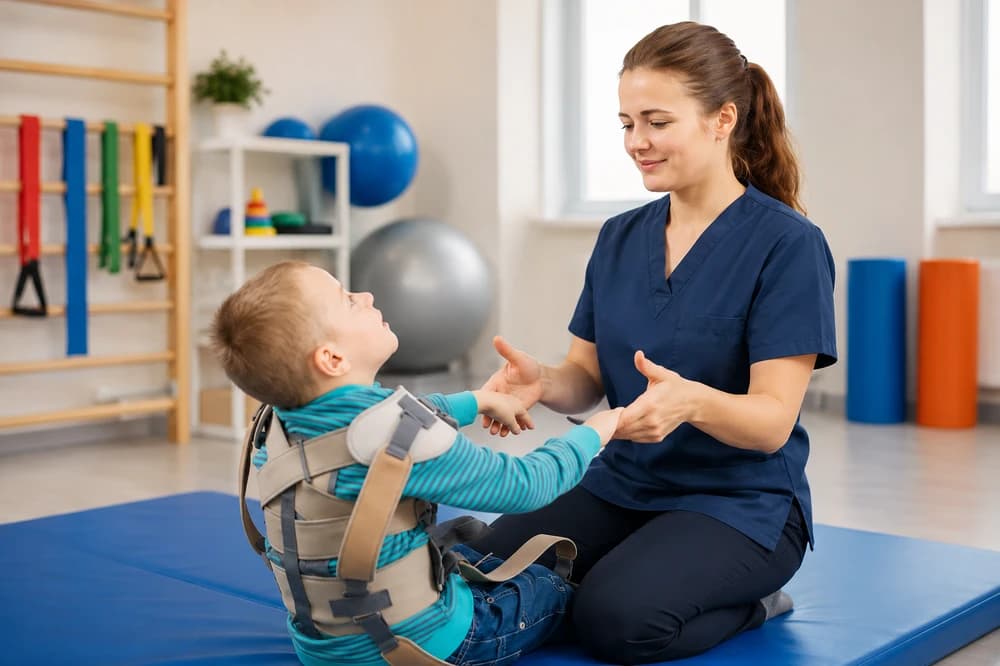
An orthosis supports a limb that is still there. The most common is the ankle-foot orthosis, which holds up a foot that drops when walking — the pattern seen after stroke, after nerve injury and in a number of neurological conditions. Others hold a wrist in a working position, control an unstable knee, or support the trunk after spinal surgery.
A prosthesis replaces a limb that has been removed. The device is the smaller half of the problem; the larger half is the residual limb it sits on and the training that follows.
Fitting a prosthesis is a sequence, not an appointment
The residual limb changes shape considerably in the months after surgery as swelling settles, so an early socket will not fit later 1. Work begins before any device exists: shaping and desensitising the limb, keeping the joint above it from stiffening, and building the strength that will carry the prosthesis.
A temporary prosthesis is usually fitted first and adjusted repeatedly as the limb settles. The definitive one follows. Componentry is matched to what the person will actually do — the most advanced knee available is the wrong prescription for someone who will use it indoors.
Why devices get abandoned
A device that hurts is not worn, and a device that is not worn does nothing. Most abandonment traces back to three things: a socket or brace that was never comfortable, no training in putting it on and using it, and no one available to adjust it when the limb or the problem changed.
So fitting is not the end of the episode. Skin is checked, the fit is reviewed as things change, and walking is retrained with the device rather than assumed to follow from having it.
What we will and will not prescribe
A device is prescribed when it makes a specific task possible or safe — clearing the floor when walking, holding a joint out of a deforming position, protecting a healing structure. It is not prescribed as a substitute for strength that could be trained back.
Braces worn permanently for problems that respond to exercise tend to make the underlying weakness worse. Where a device is a temporary measure we will say so, and say what has to change before it comes off.
Skin is checked, not assumed
A device that leaves redness that does not fade soon after removal does not fit, and in someone with reduced sensation that redness is the only warning before a pressure injury.
Patients and families are taught to inspect daily and told exactly what to report. This is the single most preventable complication in device use.
Cost, replacement and growth
Devices wear out, limbs change, and children grow out of everything. A plan that covers only the initial fitting leaves people with an unusable device and no route to a replacement.
We state expected replacement intervals before fitting, and for children we plan around growth rather than treating each refitting as a surprise.
Sources
- Sanders JE, Fatone S. Residual limb volume change: systematic review of measurement and management — Journal of Rehabilitation Research and Development (2011)
- Sansam K, Neumann V, O'Connor R, Bhakta B. Predicting walking ability following lower limb amputation: a systematic review of the literature — Journal of Rehabilitation Medicine (2009)
Conditions this is used for
The 27 conditions where this method is part of a routine programme, grouped by area. It is never the whole plan on its own.
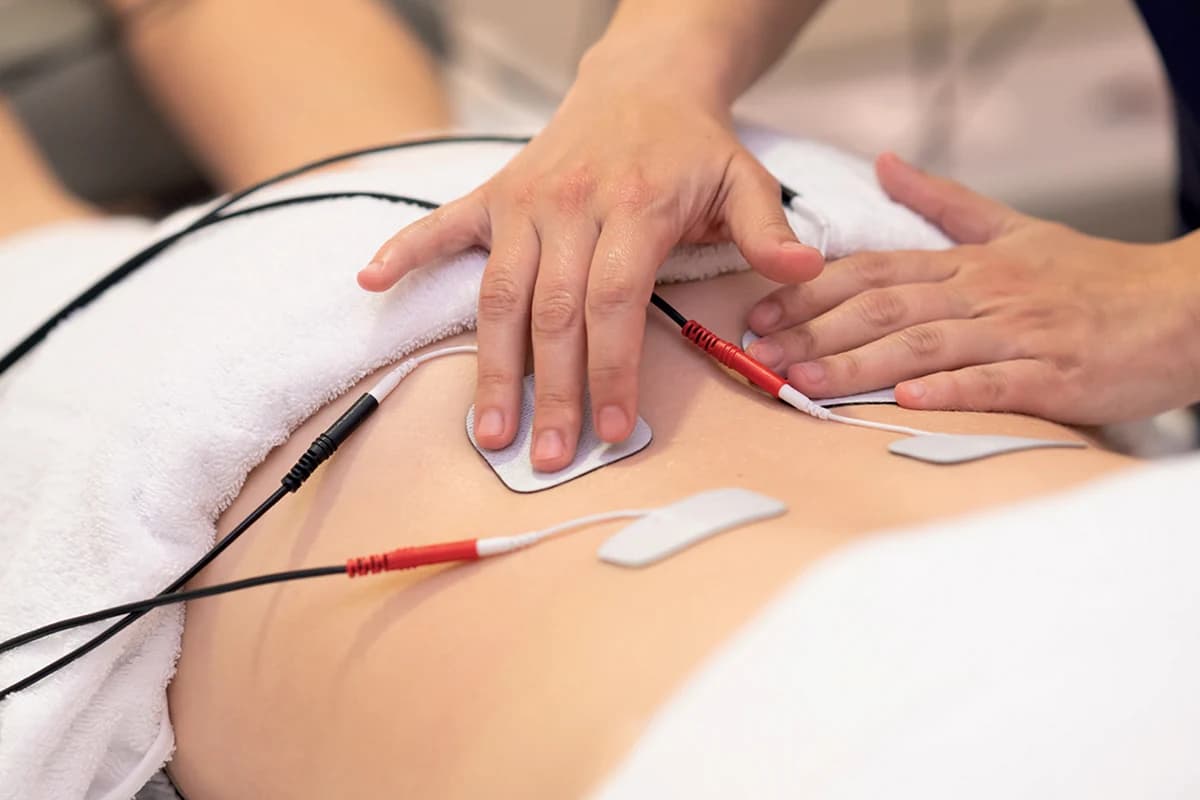 ALS and Motor Neurone Disease
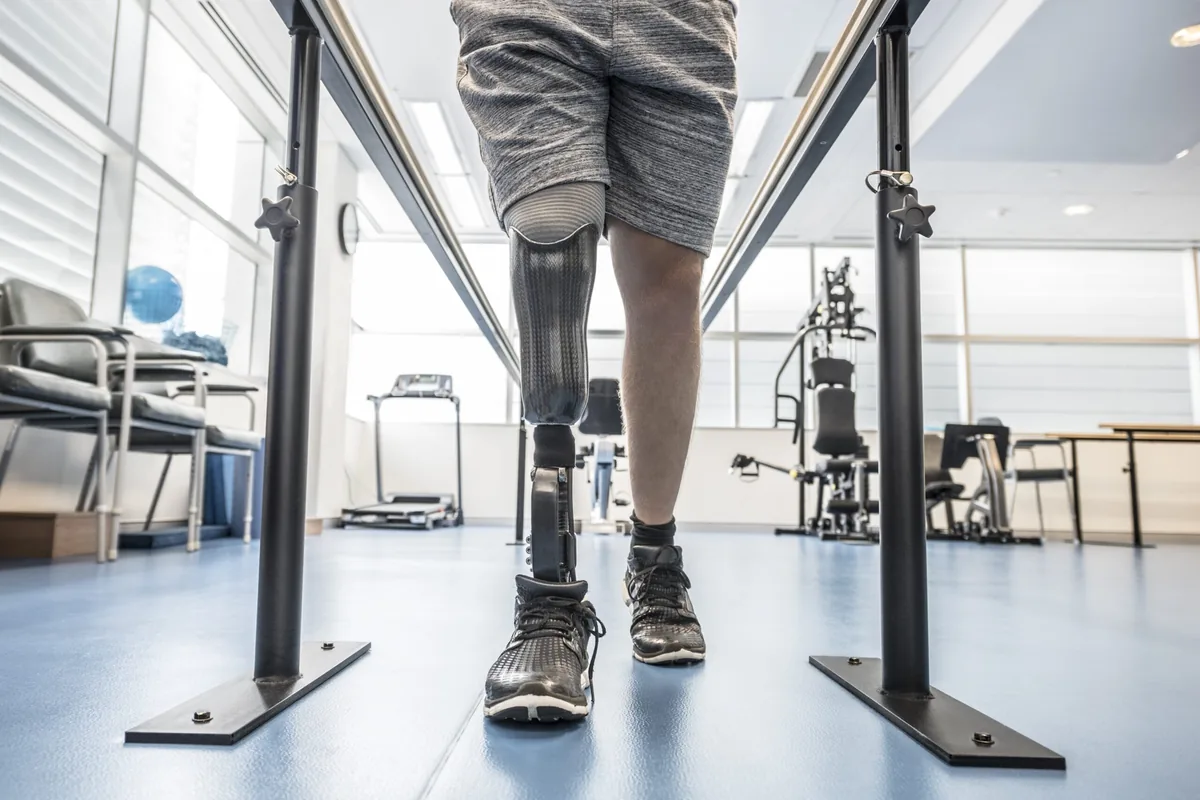 Amputation
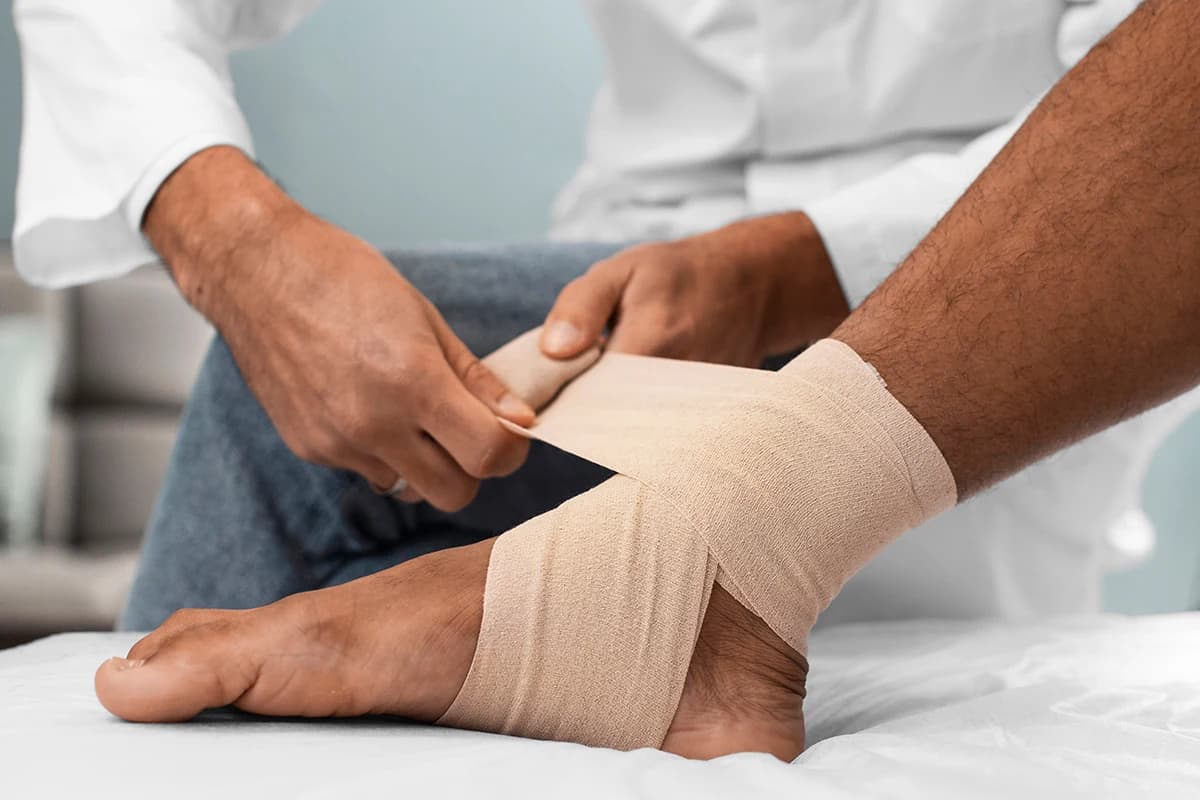 Ankle Sprain and Chronic Ankle Instability
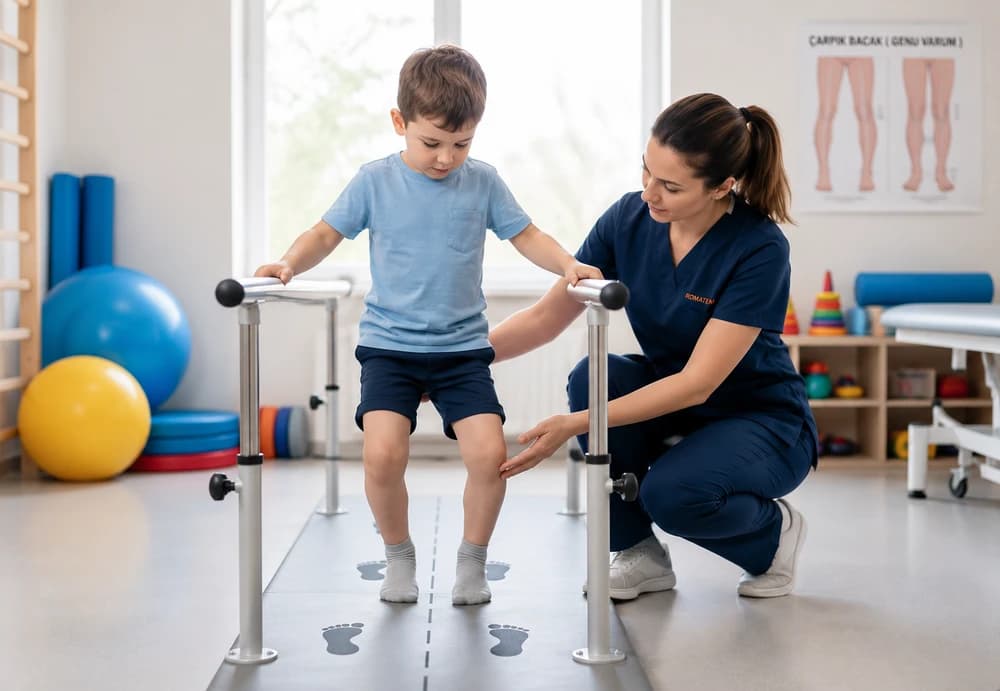 Bow Legs and Knock Knees
 Brachial Plexus Injury
 Carpal Tunnel Syndrome
 Cerebral Palsy (Adults)
 Developmental Dysplasia of the Hip
 Erb’s Palsy (Birth Brachial Plexus Injury)
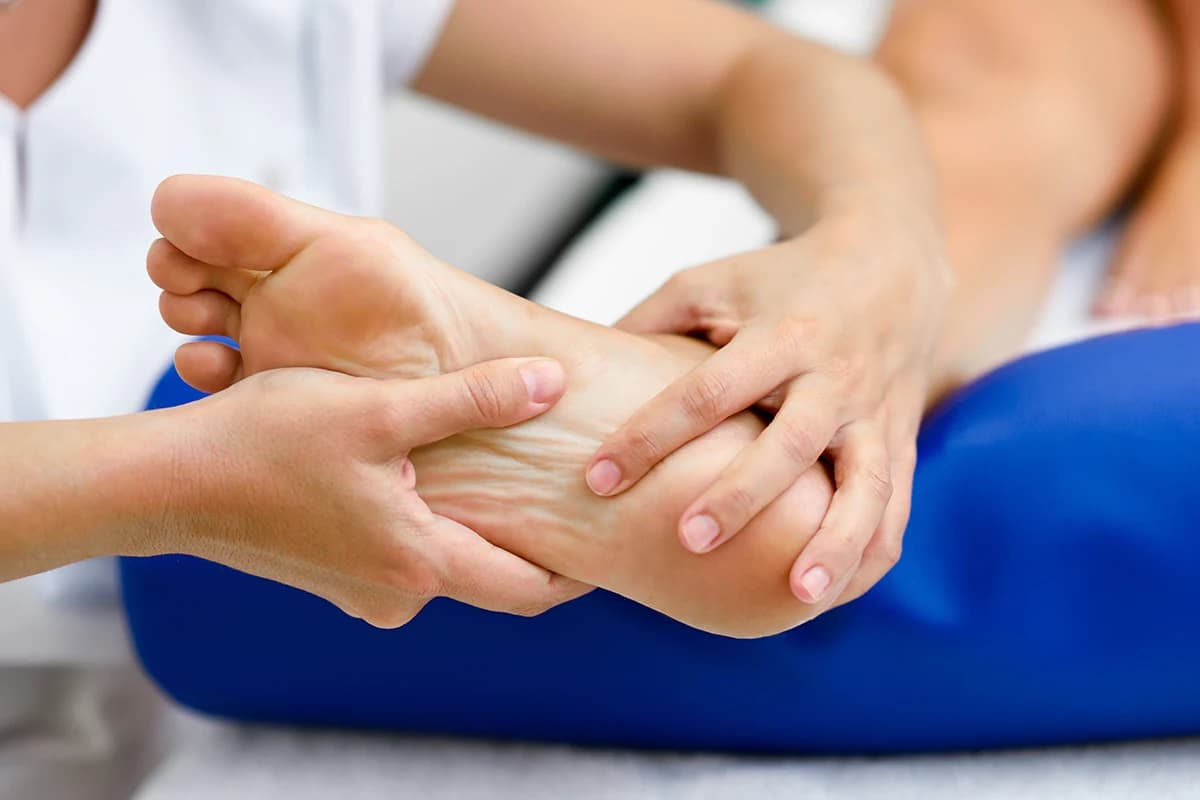 Flat Foot (Pes Planus)
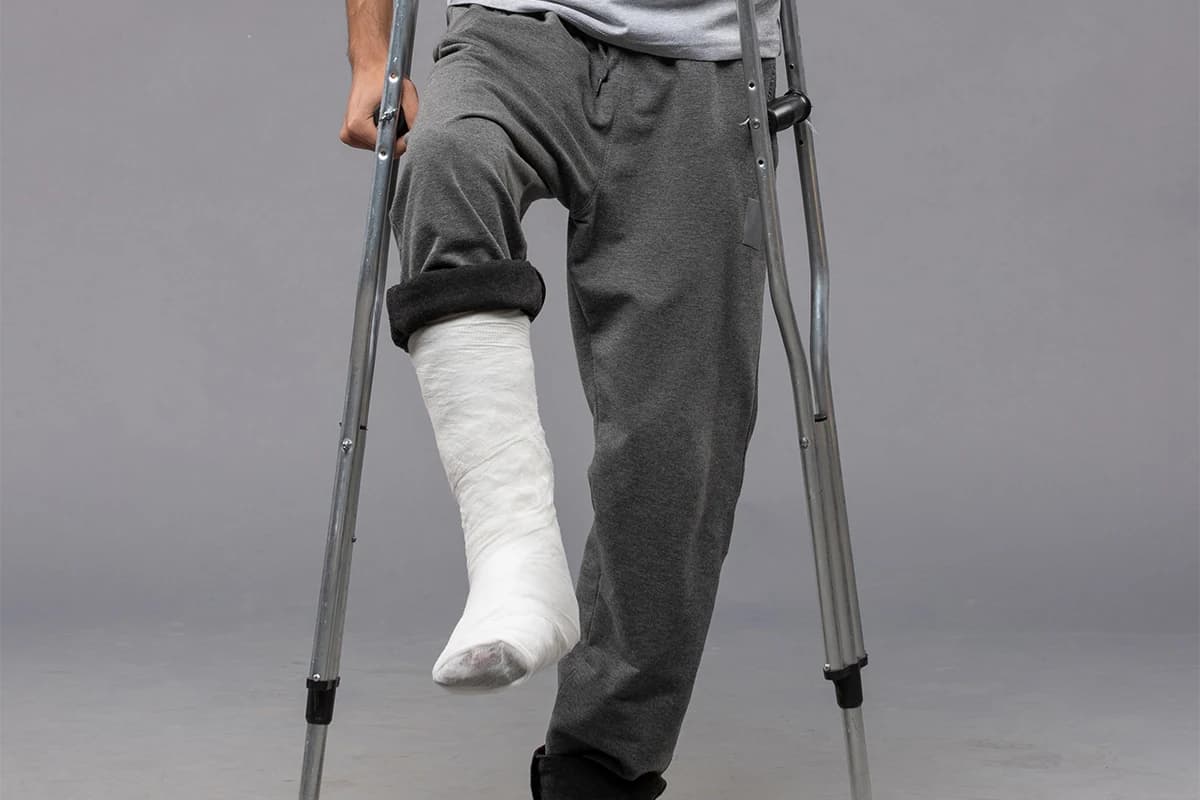 Fracture
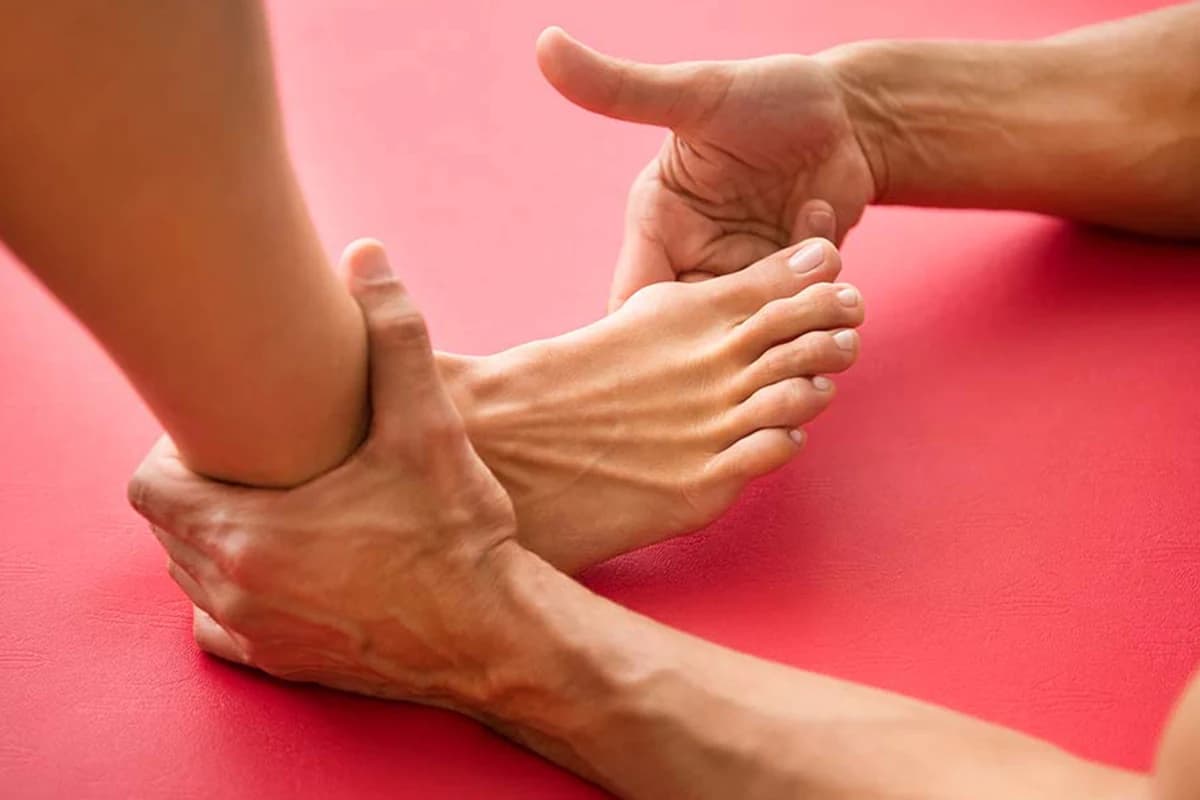 Hallux Valgus (Bunion)
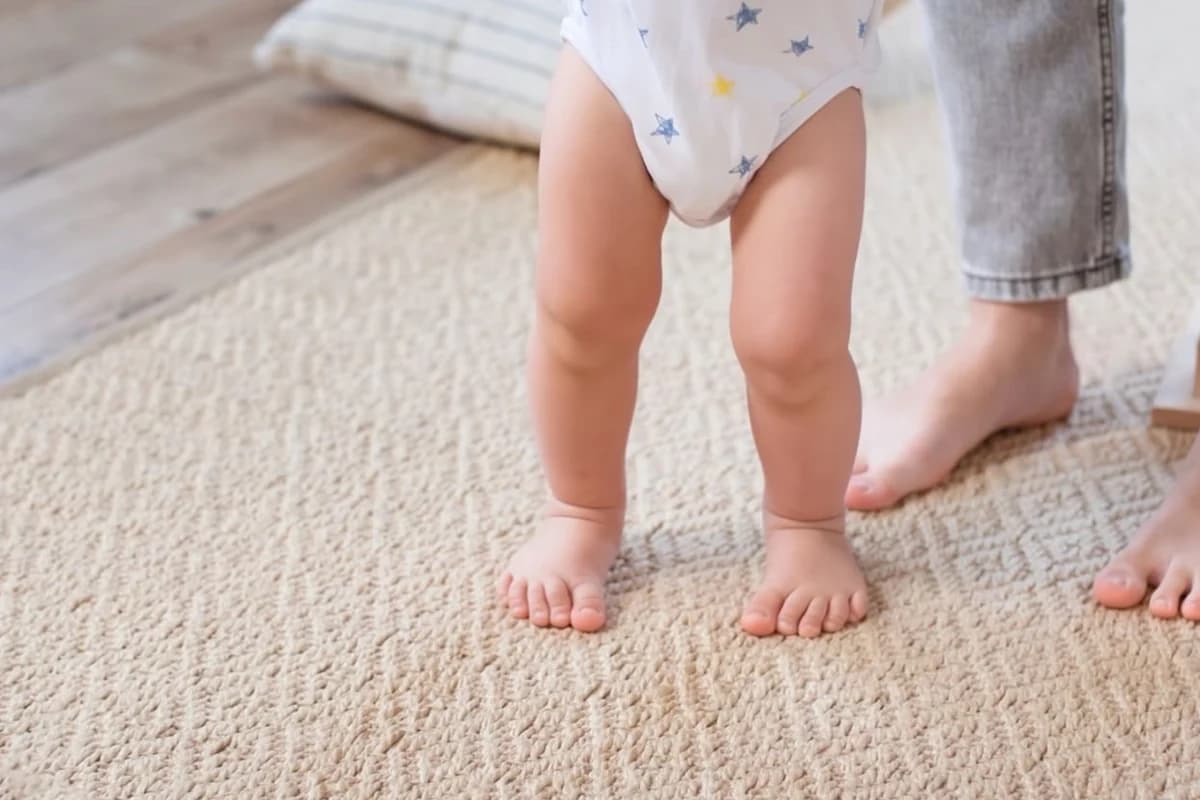 Intoeing (In-Toed Walking)
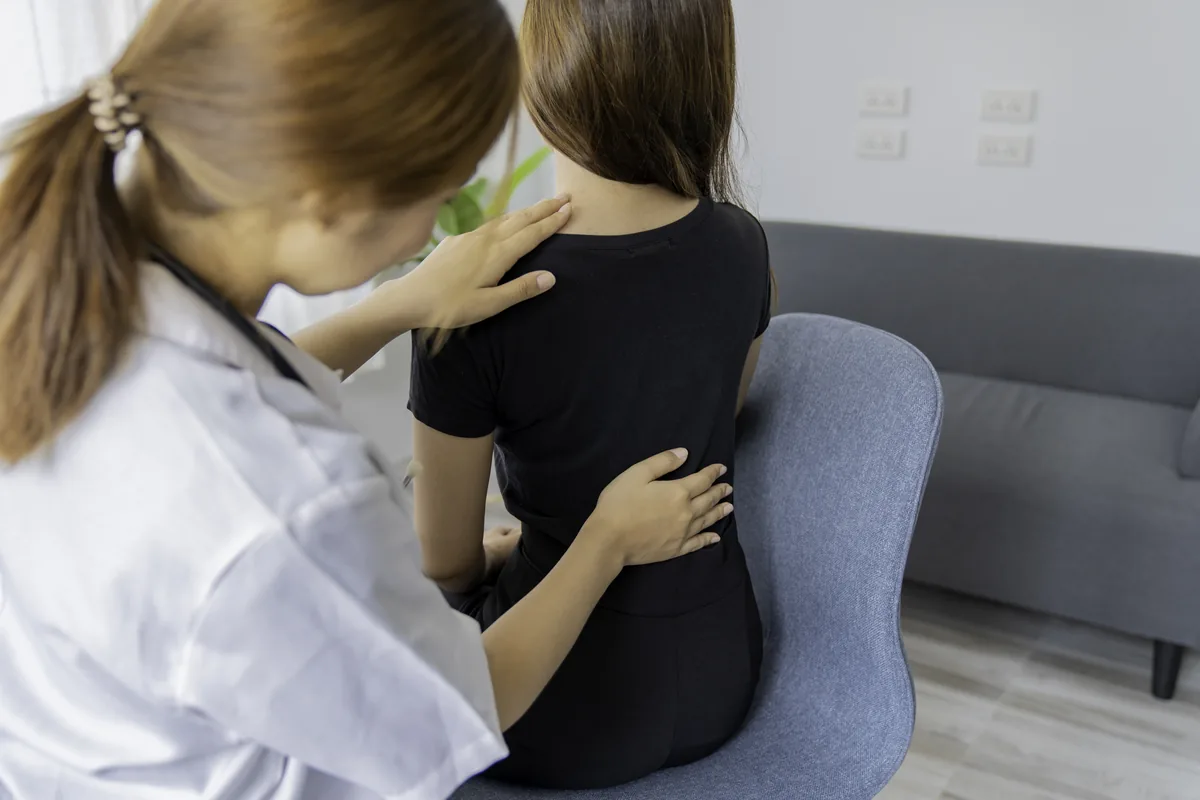 Kyphosis and Flat Back
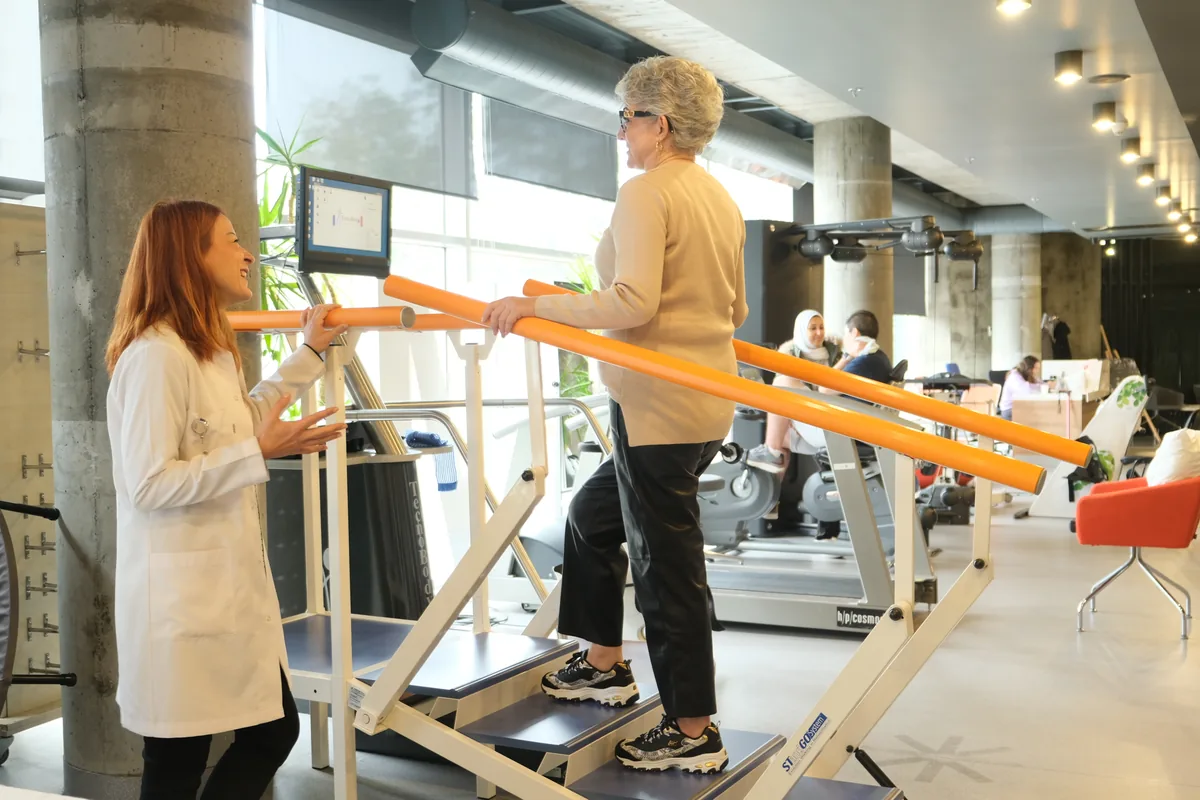 Multiple Sclerosis
 Osteoarthritis
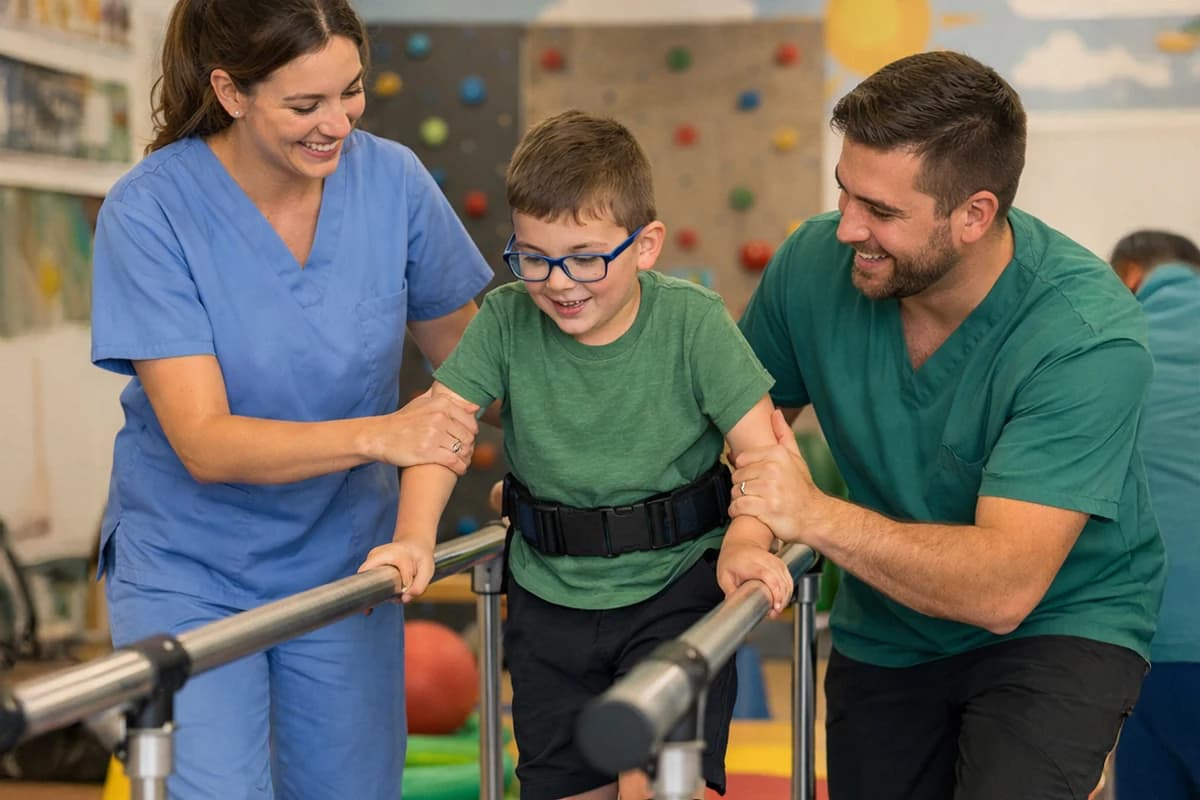 Cerebral Palsy (Children)
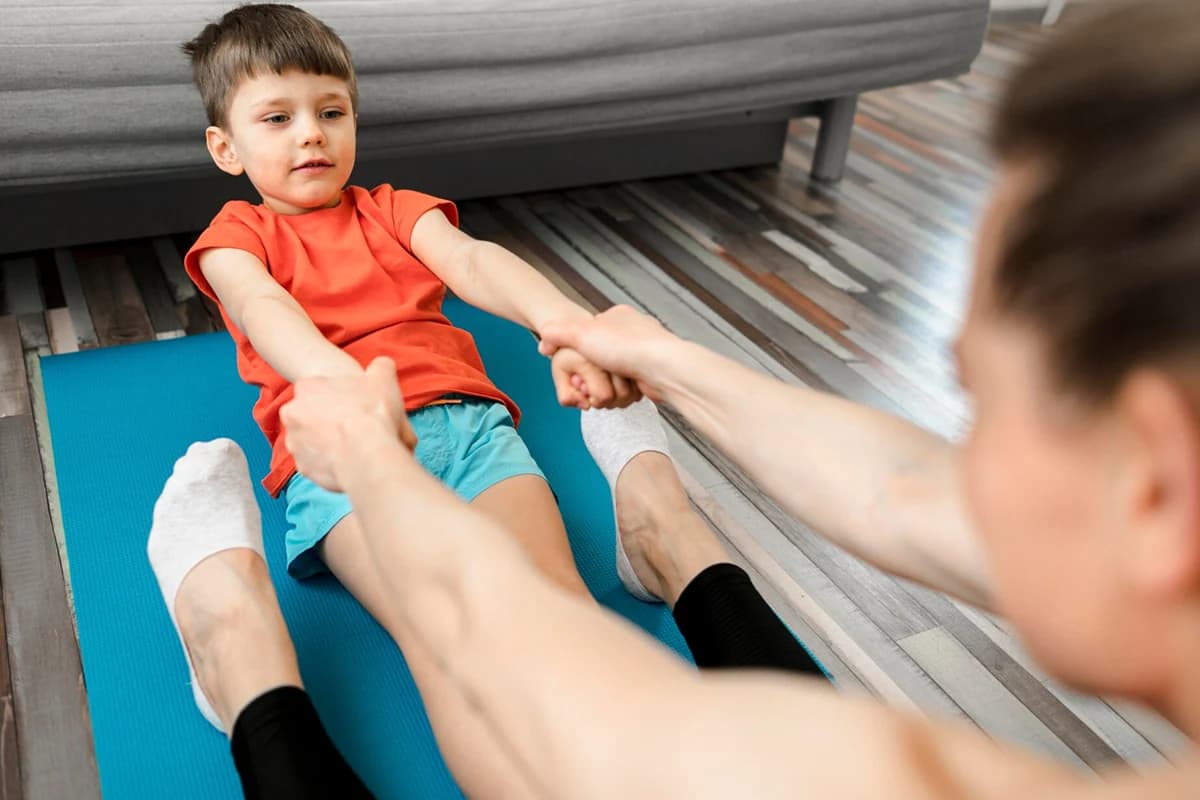 Muscular Dystrophy in Children
 Peripheral Nerve Injury
 Peripheral Neuropathy
 Plantar Fasciitis and Heel Spur
 Scoliosis
 Spina Bifida
 Spinal Cord Injury
 After Spinal Surgery
 Spondylolisthesis
 Stroke
Methods are combined inside a programme and chosen after examination — they are not booked separately.
Your path to this treatment
Nothing here is booked from a page. You send the records you have, a rehabilitation physician reads them, and you get a written answer — including when the answer is that an intensive programme will not help.
4 steps, start to finish
1.Send your records
A discharge summary from the hospital that treated the original event, and any imaging of the affected area — CT, MRI or X-ray.2.A written plan in 48 hours
A rehabilitation physician reviews the case and returns the expected duration, the recommended programme and the centre. Free, no obligation.3.Travel and admission
Where a visa is needed we issue an invitation letter and treatment confirmation naming the dates and the facility. You are met at the airport and driven to the centre by private vehicle or ambulance; a bed for one companion and interpreting during therapy are arranged.4.Treatment, then home
The programme runs, then you leave with a discharge report and a written home exercise plan. Your return journey is organised before you go, with scheduled video reviews so progress does not stop.
In their words
What patients say after a programme
Short videos filmed during therapy: a child’s rehabilitation after a brain tumour, suspended gait training after spinal cord injury, and learning to walk again after a fall. Individual results vary.
Dave Evans on his physical therapy here
Musculoskeletal physiotherapy
Paediatric rehabilitation after a brain tumour
Inside a physiotherapy session
Spinal cord injury — the rehabilitation process
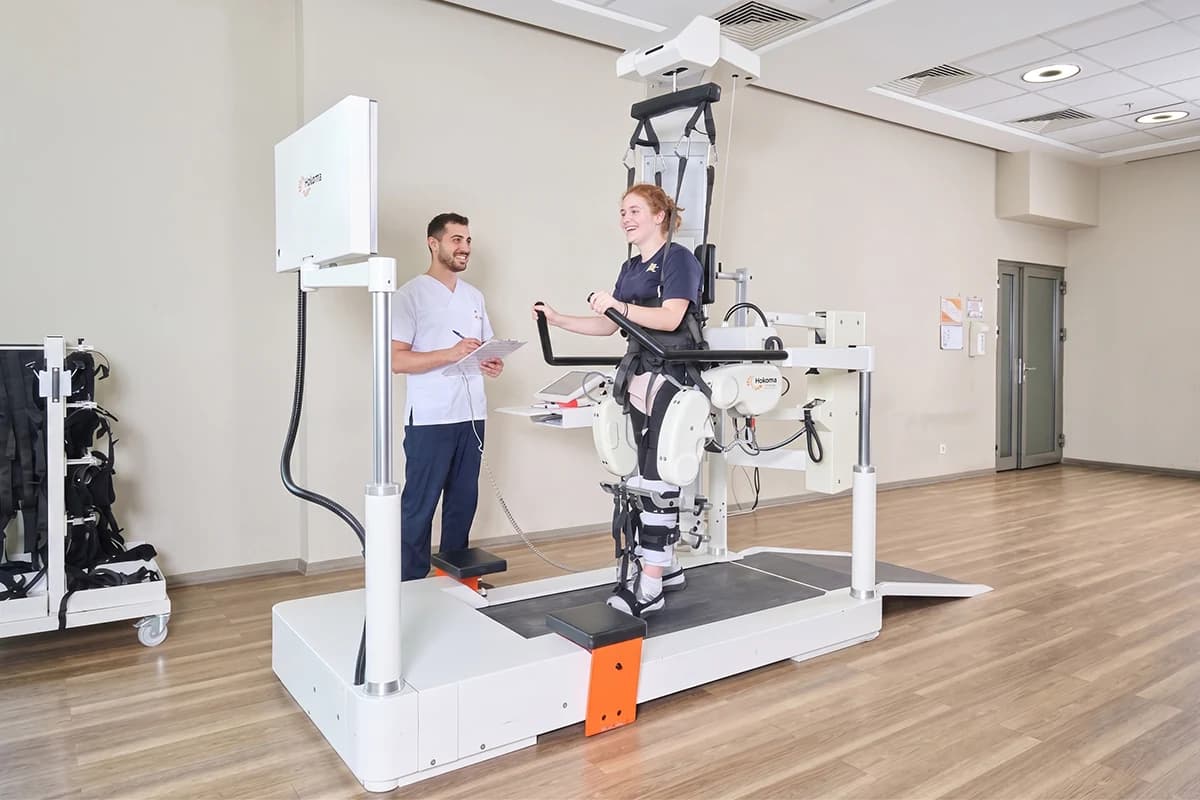
Suspension-assisted gait training
Walking difficulty and restricted movement after a fall
Regaining gait and range of motion
Locations
Our centres











Questions people actually ask
About this treatment
How long does it take to get a prosthesis?
Fitting begins once the residual limb has settled, usually some weeks after surgery, with a temporary prosthesis first and a definitive one later as the limb stabilises 1.
Will I walk normally with a prosthesis?
Many people walk very well, and the outcome depends on level of amputation, general fitness, the residual limb and the training that follows 2. Componentry matters less than most marketing suggests.
Are custom orthoses better than off-the-shelf?
Not always. Off-the-shelf devices are adequate for many problems; custom fitting matters where the anatomy is unusual, where sensation is reduced or where the device must control a deformity.
How often do devices need replacing?
Braces typically annually or when they no longer fit; prosthetic sockets when limb volume changes significantly. Children need refitting with growth, sometimes several times a year.
What if the device is uncomfortable?
Report it rather than persevering or abandoning it. Discomfort almost always means adjustment is needed, and an abandoned device is the most common outcome of an unreported problem.



