

Medical condition
Intoeing (In-Toed Walking)
Intoeing is walking with the feet turned inwards. It comes from the foot, the shin or the hip, and which one it is determines the expected course. The overwhelming majority resolve without treatment. Special shoes, braces and night splints have been studied and do not change the outcome.
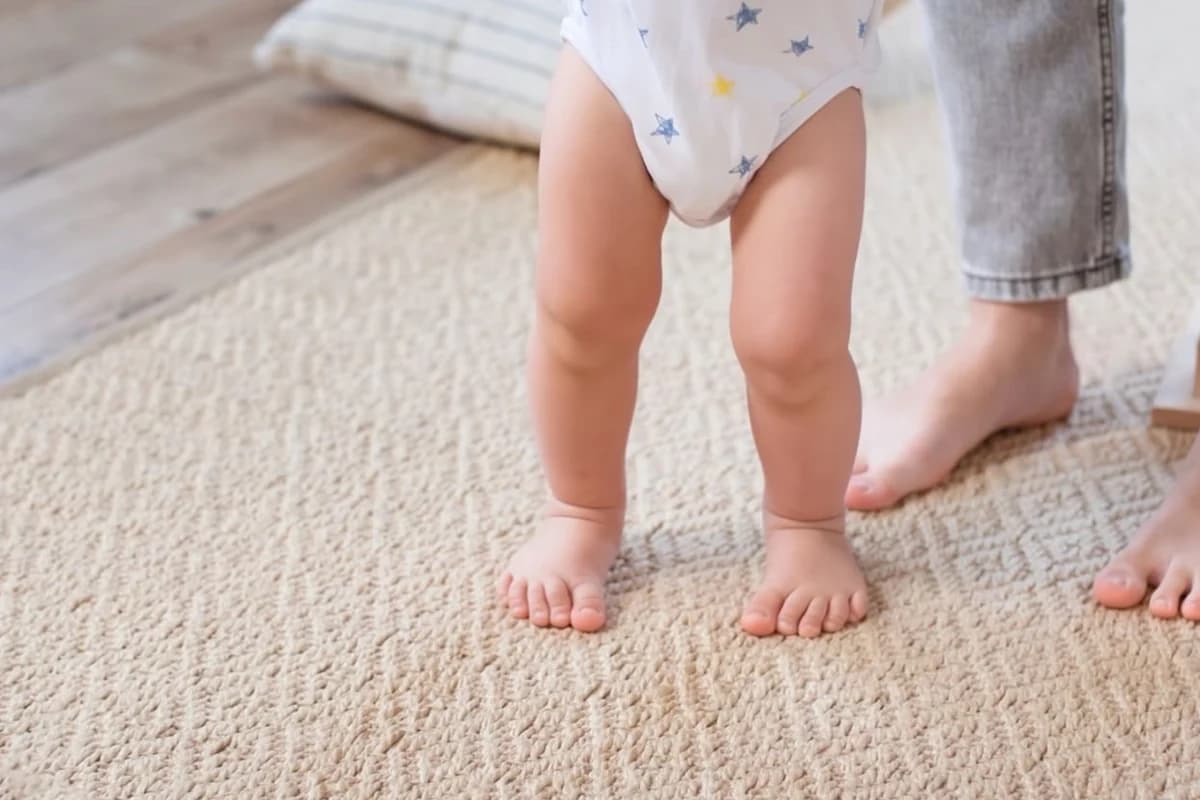
Three different causes, three different timelines
A curved forefoot in an infant usually straightens in the first year 2. Inward twist of the shin bone is commonest in toddlers and resolves through early childhood 2. Inward twist at the hip appears later, around ages three to six, and is the one most often still visible at school age — but it also usually resolves 1.
The assessment establishes which level is responsible, because a family told "it will resolve" deserves to know roughly when.
What does not work
Corrective shoes, twister cables, night splints and insoles have all been examined and none of them accelerate resolution. They cost money, they can affect a child's comfort and confidence, and we do not prescribe them for this.
Sitting in the W position is often blamed. The evidence that it causes intoeing is weak; it is more likely a comfortable position for a child who already has the hip rotation.
When to look harder
Only one side affected. Pain, limping or frequent falls beyond what is normal for the age. A rigid foot that cannot be straightened by hand. Any asymmetry of movement suggesting a neurological cause such as mild cerebral palsy. These change the assessment from reassurance to investigation.
Three causes, one appearance
In-toeing comes from the foot, the shin or the hip, and which one it is can be worked out by age and examination. Metatarsus adductus presents in infancy, tibial torsion in toddlers, femoral anteversion around ages three to six 1.
All three resolve without treatment in the overwhelming majority. Knowing which is present matters mainly so that families can be told what to expect rather than treated unnecessarily.
What does watchful waiting involve?
It means an examination that identifies the cause and records the measurements, then time and review rather than treatment. Most children seen for intoeing turn out to be within the normal range for their age, and such variations resolve as the child grows 2. The expected timelines are that a curved forefoot usually straightens by one year of age, an inward-twisted shin by five, and inward twist at the hip resolves in more than 80% of children by eight 2.
A flexible curved forefoot needs no treatment; only a stiff or severe one may need serial casting 2. Special shoes, braces and night splints are not part of it, because they are not effective 2. Referral to an orthopaedic surgeon is advised when the measurements fall well outside the normal range or the intoeing persists beyond the expected age 2. Surgery is rare: it is considered only after about eight years, for a severe persisting twist that causes real functional or cosmetic problems 2.
Frequently asked questions
Will my child grow out of it?
Almost always. All three common causes resolve with growth in the great majority of children.
Do braces or special shoes help?
No. Night splints, corrective shoes and insoles have been studied and do not change the outcome.
Is W-sitting a problem?
It is comfortable for children with femoral anteversion rather than a cause of it. Discouraging it does not change the rotation.
Does it cause tripping?
Some children trip more while it is marked. This settles as the rotation corrects and does not require treatment.
When is referral warranted?
Marked asymmetry, pain, worsening rather than improving, or persistence well beyond the expected age.
Sources
- Intoeing — StatPearls (StatPearls Publishing) (2026)
- Rerucha CM, Dickison C, Baird DC. Lower extremity abnormalities in children — American Family Physician (2017)
Which therapies would I actually receive?
A therapy is a single method used inside a programme. It is measured in sessions and is not sold separately.
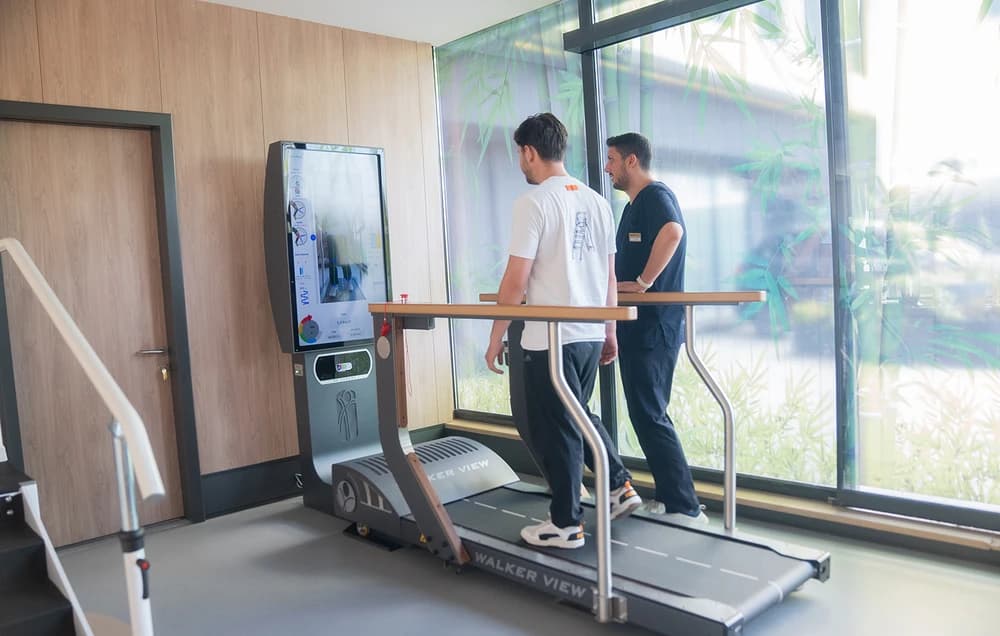
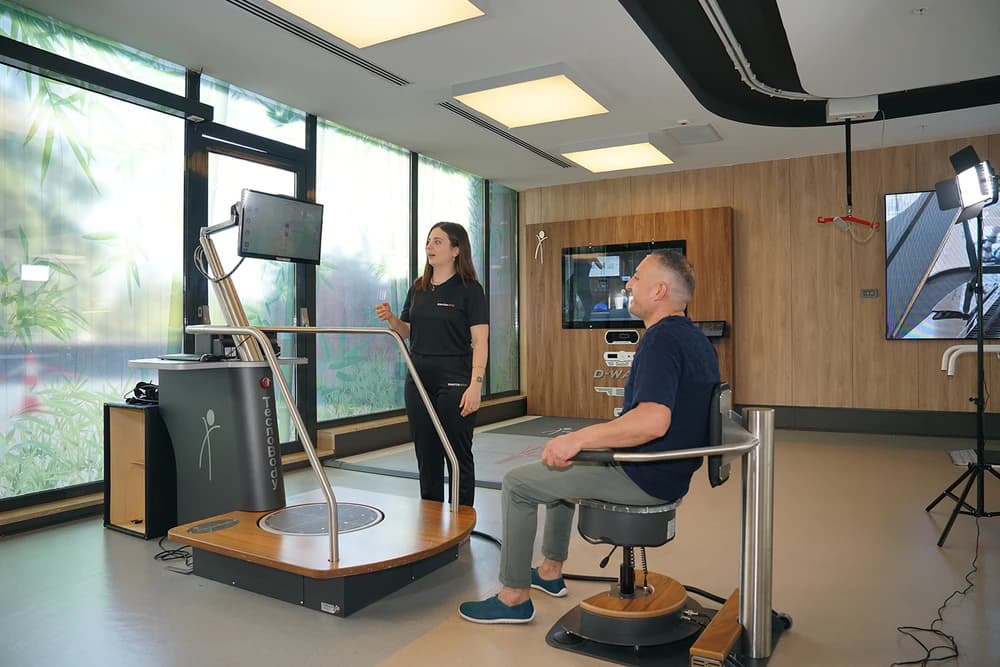
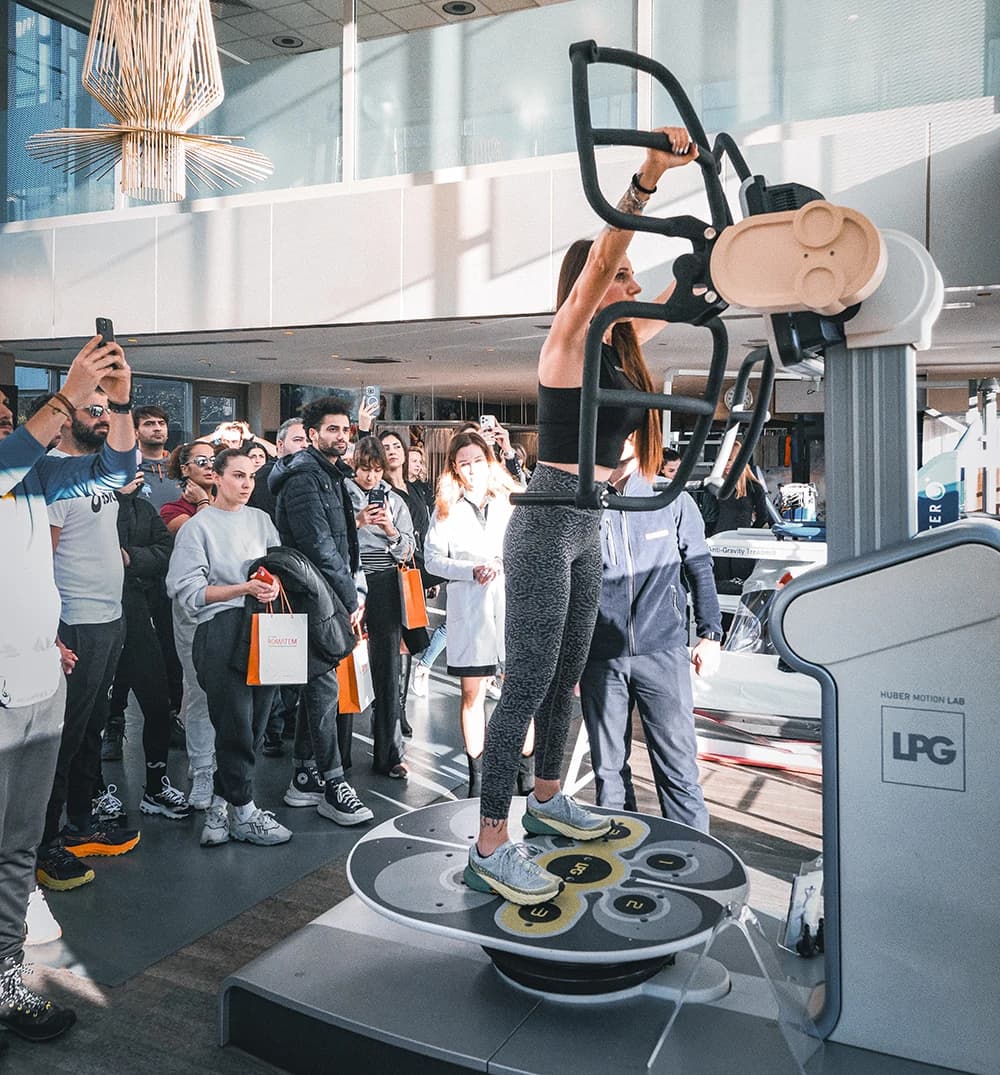
Technologies we use
Locations
Where you can receive this treatment



Related articles
Neurological How long does it take to recover from a stroke?
Most recovery after a stroke happens in the early months, when the brain is most able to reorganise, and it continues more slowly for a longer period after that. How far someone gets depends mainly on how severe the stroke was, where it happened and how much active therapy follows.Read moreNeurological Can you walk again after a stroke?
Many people walk again after a stroke, including many who cannot stand at first. The chances are highest when some leg movement returns early and when walking practice starts as soon as it is safe. Walking often comes back before full arm recovery, sometimes with a stick, splint or other support.Read moreNeurological Will my arm and hand recover after a stroke?
Arm and hand recovery after a stroke varies more than walking recovery. Early return of some shoulder or finger movement makes useful recovery much more likely. Repeated, meaningful practice of reaching, grasping and releasing is what drives improvement, and even a partly recovered hand can be trained to help with daily tasks.Read more



