
Manual and hands-on
Dry needling
Fine needles inserted directly into a taut band of muscle to release a trigger point. It is a mechanical treatment, distinct from acupuncture, and is used for muscular pain that has not responded to stretching or massage. Nothing is injected; the aim is a local twitch response, after which tone and pain typically drop.
A thin needle into a taut band of muscle
A fine filament needle is inserted directly into a myofascial trigger point — a palpable taut band within a muscle that is tender and refers pain elsewhere. The aim is to produce a local twitch response, after which muscle tone and pain in the region typically drop.
Nothing is injected. It is distinct from acupuncture: the reasoning is anatomical rather than based on meridians, and the target is a specific muscle identified by examination.
What it is used for
Myofascial pain, trigger points in the neck, shoulder girdle, lower back and calf, tension-type headache arising from cervical musculature, and muscle tightness limiting movement after injury.
It is also used adjunctively in tendinopathy and in spasticity management, though the evidence in those areas is thinner than for straightforward myofascial pain.
What to expect, including afterwards
The insertion is usually not painful; the twitch response is a brief, sharp cramping sensation. Post-treatment soreness is common and usually lasts less than 72 hours 2. It is expected, and it is not a sign that something went wrong.
Where it helps, a change is usually noticeable within the first few sessions. If a short course brings no change, further needling is unlikely to help, and treatment stops rather than continuing.
Safety and who should not have it
Bleeding disorders and anticoagulation, local infection, lymphoedema in the limb, and needle phobia. Pregnancy restricts certain sites. Over the thorax there is a small but real pneumothorax risk, which is why technique and anatomical knowledge matter more than the needle itself.
Practitioners here are trained in dry needling specifically. We mention this because the technique is easy to perform and difficult to perform safely, and the two are not the same qualification.
What the evidence supports, and where it is thin
The better evidence is in lateral epicondylitis and plantar heel pain, where meta-analyses show short-term improvement in pain and function 13. For neck and shoulder pain, recent reviews find it no better than other physiotherapy approaches.
We use it where the evidence is reasonable and say so where it is not. It is an adjunct with a defined role, not a treatment that suits every painful muscle.
How it fits a programme
A treated muscle relaxes for a period; what happens in that period decides whether anything lasts. Stretching and loading immediately after the session are part of the treatment rather than homework.
Needling repeated without that follow-through produces a cycle of temporary relief that is easy to sell and does not accumulate.
How common are side effects?
Minor side effects are common and serious ones are rare. In a prospective survey of 420 physiotherapists covering more than 20,000 treatments, 36.7% of treatments were followed by a minor event, most often bleeding, bruising or pain during needling 4. Major events, a category that included pneumothorax, excessive bleeding and prolonged aggravation of symptoms, were reported at a rate below 0.1%, about one per 1,024 treatments 4.
An earlier survey of physiotherapists in Ireland recorded 1,463 mild events across 7,629 treatments and no significant ones 5. Both surveys relied on practitioners reporting their own cases, so the figures are estimates rather than exact risks.
Sources
- Ma X, et al. Therapeutic Effects of Dry Needling on Lateral Epicondylitis: An Updated Systematic Review and Meta-analysis — Archives of Physical Medicine and Rehabilitation (2024)
- Martín-Pintado-Zugasti A, Mayoral Del Moral O, Gerwin RD, Fernández-Carnero J. Post-needling soreness after myofascial trigger point dry needling: current status and future research — Journal of Bodywork and Movement Therapies (2018)
- Llurda-Almuzara L, Labata-Lezaun N, Meca-Rivera T, Navarro-Santana MJ, et al. Is dry needling effective for the management of plantar heel pain or plantar fasciitis? An updated systematic review and meta-analysis — Pain Medicine (2021)
- Boyce D, Wempe H, Campbell C, Fuehne S, et al. Adverse events associated with therapeutic dry needling — International Journal of Sports Physical Therapy (2020)
- Brady S, McEvoy J, Dommerholt J, Doody C. Adverse events following trigger point dry needling: a prospective survey of chartered physiotherapists — Journal of Manual & Manipulative Therapy (2014)
Conditions this is used for
The 7 conditions where this method is part of a routine programme, grouped by area. It is never the whole plan on its own.
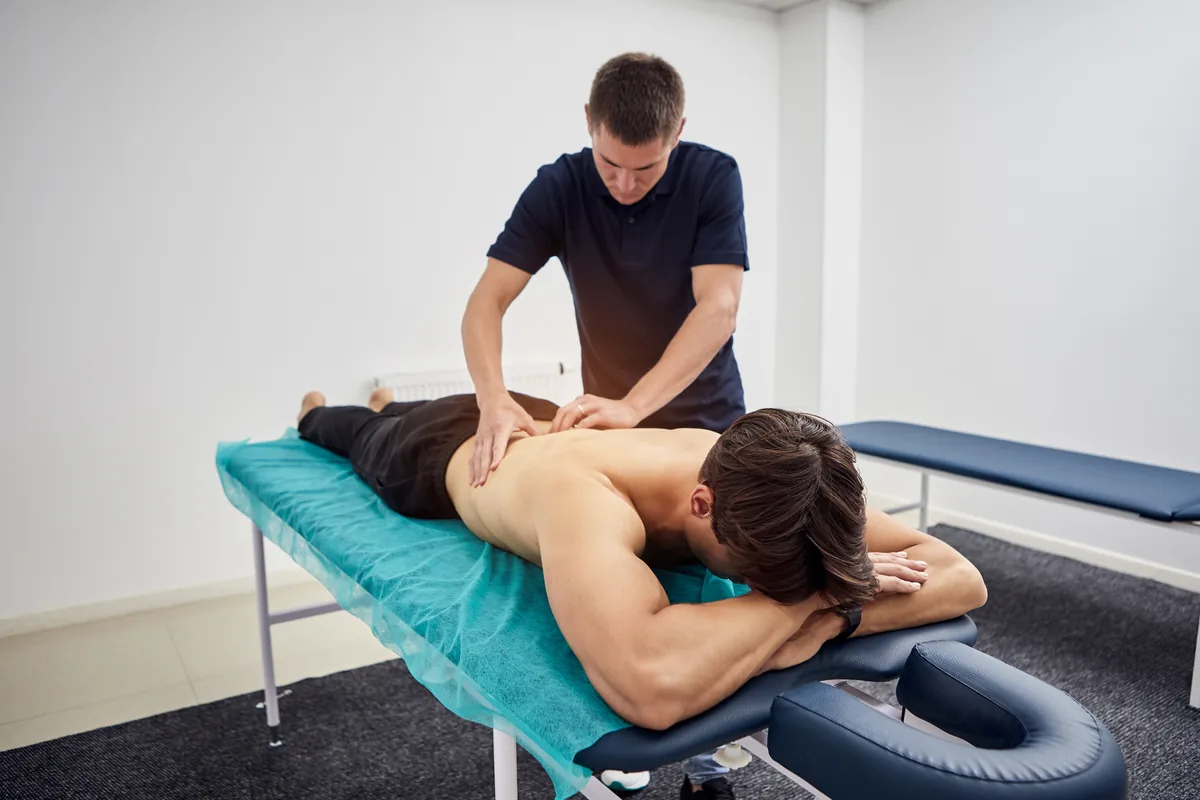

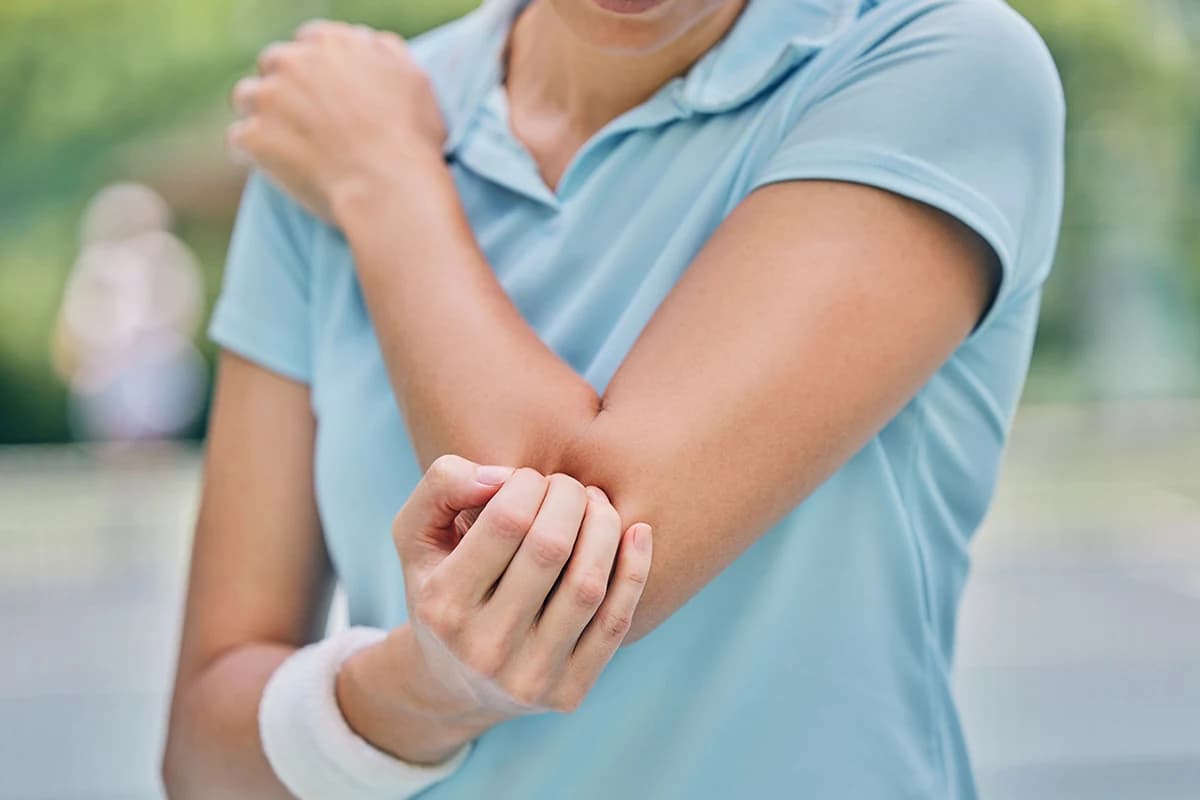
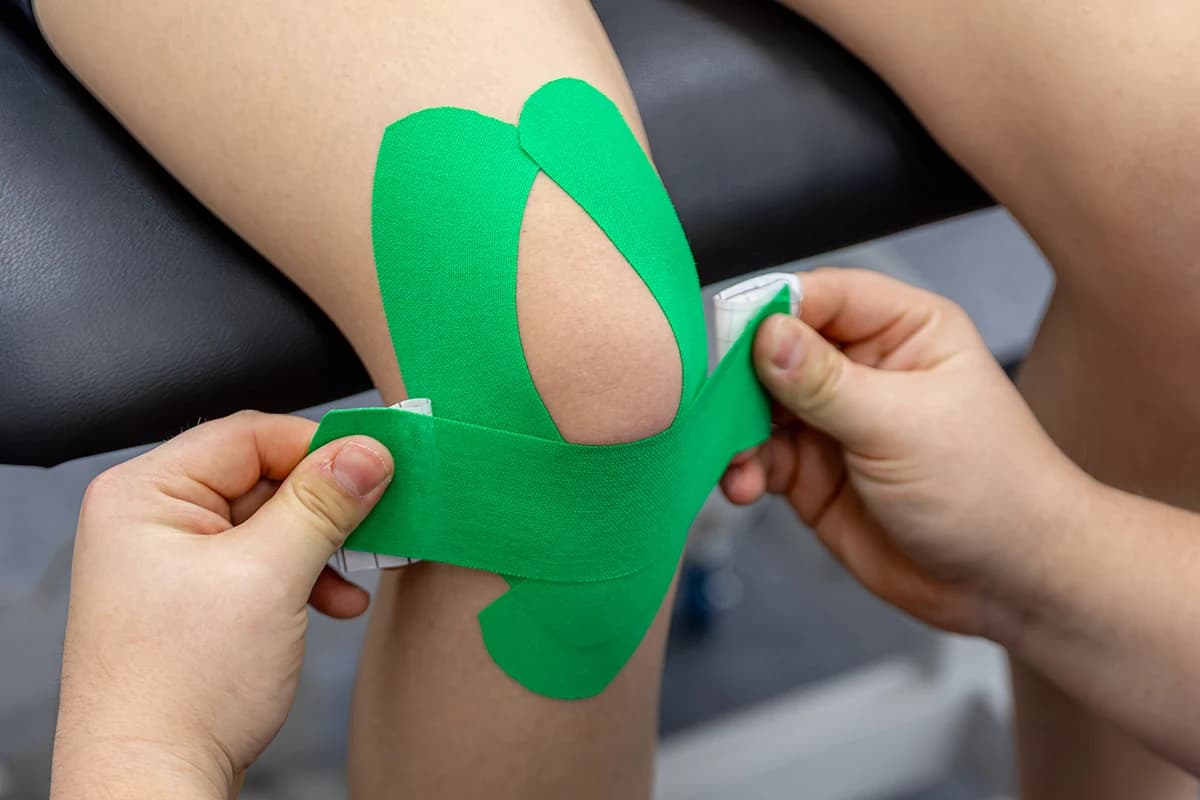
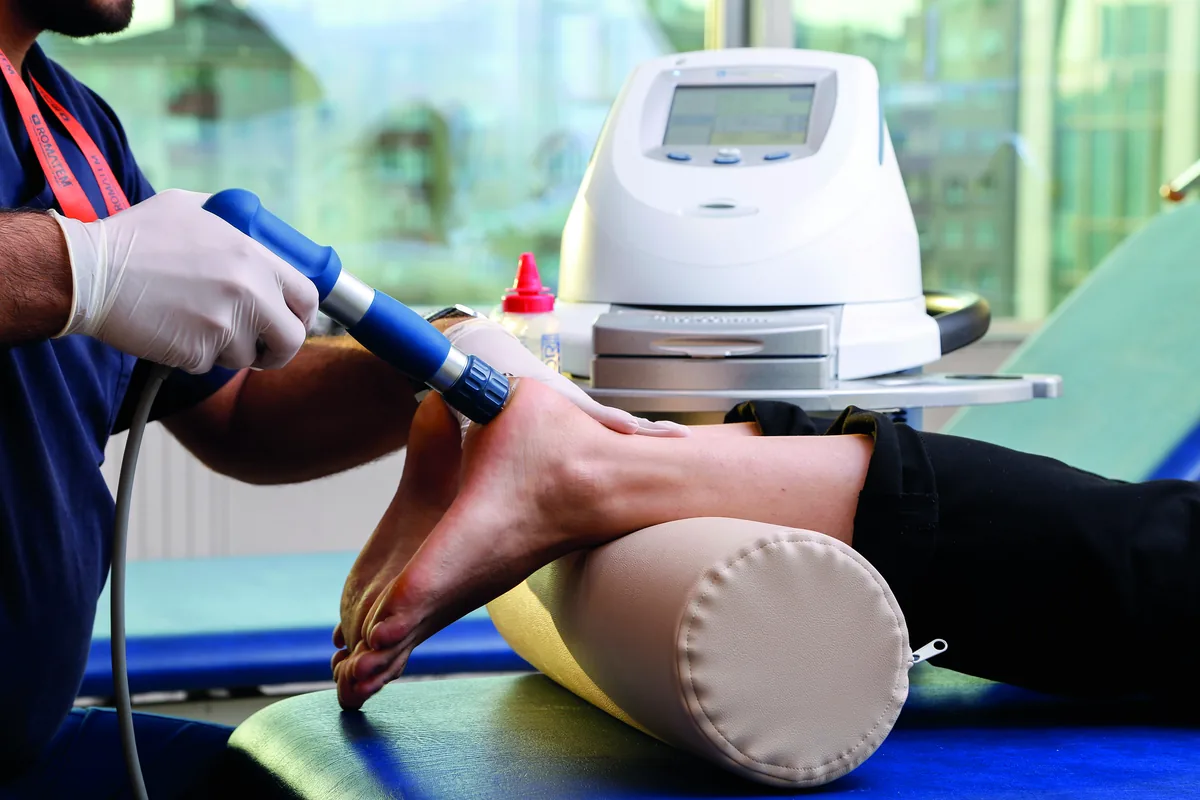

Methods are combined inside a programme and chosen after examination — they are not booked separately.
Your path to this treatment
Nothing here is booked from a page. You send the records you have, a rehabilitation physician reads them, and you get a written answer — including when the answer is that an intensive programme will not help.
4 steps, start to finish
1.Send your records
A discharge summary from the hospital that treated the original event, and any imaging of the affected area — CT, MRI or X-ray.2.A written plan in 48 hours
A rehabilitation physician reviews the case and returns the expected duration, the recommended programme and the centre. Free, no obligation.3.Travel and admission
Where a visa is needed we issue an invitation letter and treatment confirmation naming the dates and the facility. You are met at the airport and driven to the centre by private vehicle or ambulance; a bed for one companion and interpreting during therapy are arranged.4.Treatment, then home
The programme runs, then you leave with a discharge report and a written home exercise plan. Your return journey is organised before you go, with scheduled video reviews so progress does not stop.
In their words
What patients say after a programme
Short videos filmed during therapy: a child’s rehabilitation after a brain tumour, suspended gait training after spinal cord injury, and learning to walk again after a fall. Individual results vary.
Dave Evans on his physical therapy here
Musculoskeletal physiotherapy
Paediatric rehabilitation after a brain tumour
Inside a physiotherapy session
Spinal cord injury — the rehabilitation process
Suspension-assisted gait training
Walking difficulty and restricted movement after a fall
Regaining gait and range of motion
Locations
Our centres











Questions people actually ask
About this treatment
Is it the same as acupuncture?
No. The reasoning is anatomical rather than based on meridians, the target is a specific muscle identified on examination, and nothing is injected.
Does it hurt?
The insertion is usually not painful. The local twitch response is a brief cramping sensation, and soreness afterwards is common and usually lasts less than 72 hours 2.
How many sessions?
Where it helps, a change is usually noticeable within the first few sessions. If a short course brings no change, further needling is unlikely to help, and treatment stops.
Who should not have it?
Bleeding disorders and anticoagulation, local infection, lymphoedema in that limb, and needle phobia. Over the thorax there is a small pneumothorax risk, which is why technique matters more than the needle.
Can I exercise afterwards?
Yes, and you should — gentle movement and the prescribed loading immediately after the session are what convert the relaxation into lasting change.



