
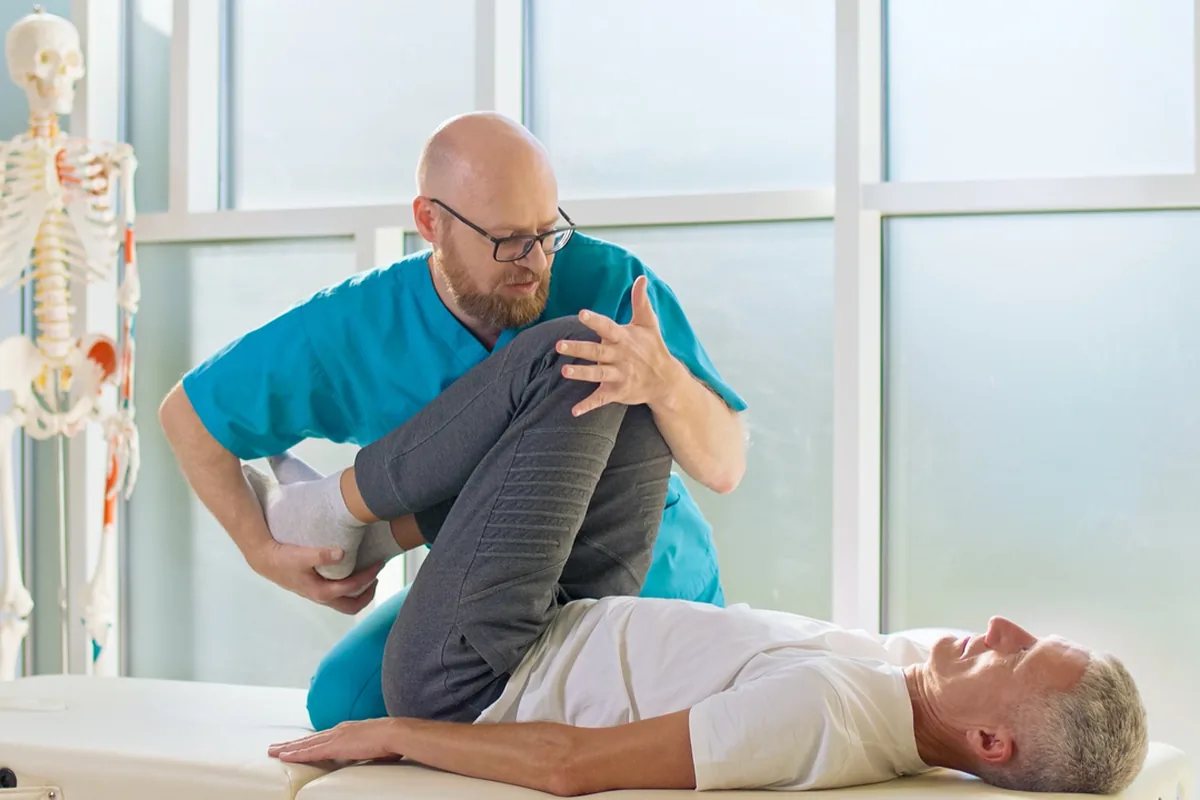
Medical condition
Tennis Elbow (Lateral Epicondylitis)
Tennis elbow is a degenerative tendon problem at the outer elbow, not an inflammation, which is why anti-inflammatory treatment alone rarely resolves it. Progressive loading of the wrist extensor tendon is the treatment with the best evidence, and it takes sustained, consistent work rather than a quick fix.
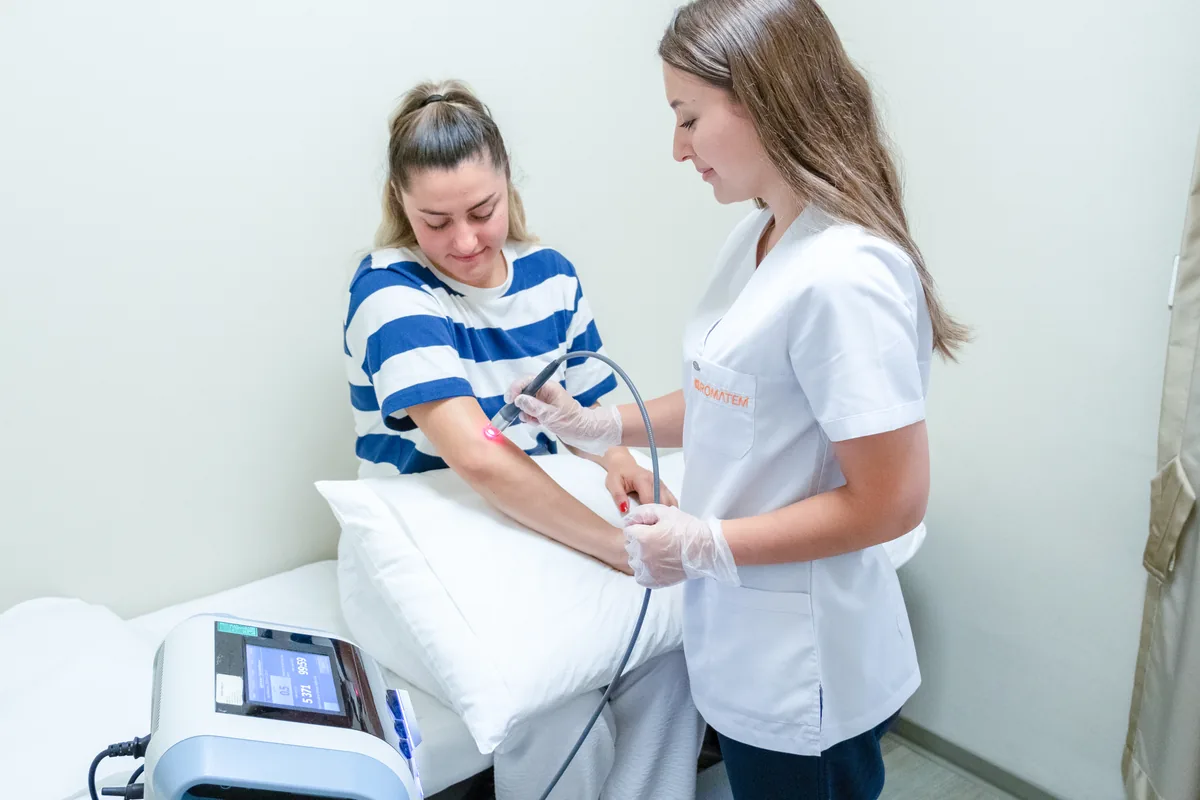
It is degeneration, not inflammation
The suffix -itis is misleading. Tissue samples from chronic tennis elbow show disorganised collagen and failed healing rather than inflammatory cells. This is why rest, ice and anti-inflammatory medication relieve symptoms for a period and rarely resolve the problem.
What the tendon needs is graded load. Loading stimulates the repair process that stalled, and that is the mechanism behind every treatment with good evidence for this condition.
How it presents
Pain on the outer elbow, worse gripping, lifting with the palm down, shaking hands or turning a door handle. Tenderness over a specific point on the lateral epicondyle. Grip strength is reduced, often markedly, and this is measurable.
It is usually related to a period of unaccustomed load — a new job task, a new racket, a decorating weekend. It affects far more non-players than players.
What the treatment actually is
Progressive resistance work for the wrist extensors, typically starting with isometric holds for pain relief and moving to eccentric and then heavy slow resistance loading. Load is increased on a schedule rather than on how the elbow feels that day.
Alongside it: reducing the aggravating load temporarily rather than resting completely, and correcting technique or equipment where those caused it. A brace can help symptoms in the short term and does not treat the tendon.
What to expect, and what usually goes wrong
Improvement is measured in months. Most people improve substantially by three months and some take longer 1. The most common reason it becomes chronic is stopping the loading programme when the pain settles, before the tendon has adapted.
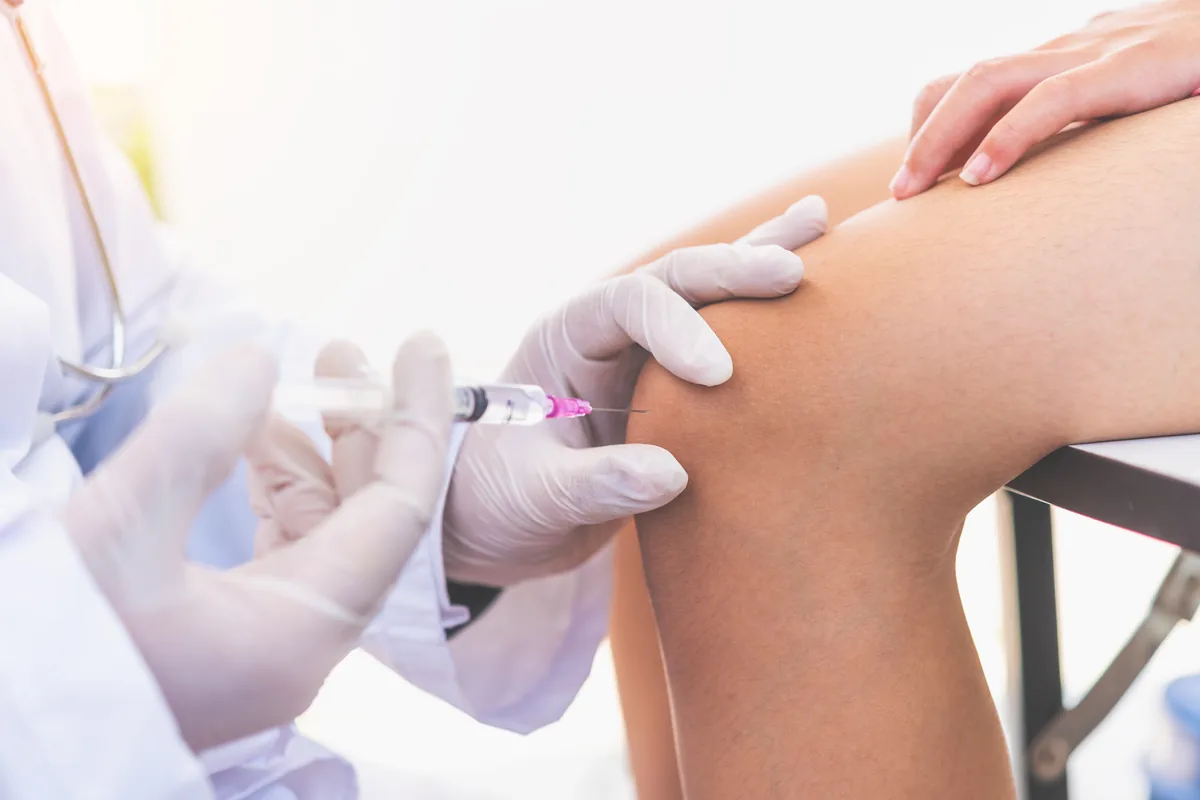
Corticosteroid injection gives good short-term relief and is associated with worse outcomes at one year than exercise or than doing nothing 3. We will tell you that before offering it.
Loading the tendon is the treatment
Because the problem is failed tendon healing rather than inflammation, the intervention that changes it is progressive loading of the tendon itself. Slow, heavy, controlled wrist extension work, increased over weeks, is what produces durable change.
It is deliberately uncomfortable at a tolerable level, and pain during the exercise that settles soon afterwards is acceptable rather than a sign of harm. This is counterintuitive enough that people abandon it without being told, which is why it is explained before it starts.
Braces, straps and what they actually do
A counterforce strap worn below the elbow can reduce pain during gripping by changing where load is transmitted. It helps some people get through a working day and it does not treat the tendon.
Wrist splints are occasionally used at night in severe cases. Neither replaces the loading programme, and relying on a brace while avoiding all loading leaves the tendon exactly as weak as it was.
Injections: short-term relief, worse long-term result
Corticosteroid injection reduces pain substantially in the first weeks. Beyond that the picture reverses: by twelve months, people who had an injection do worse than those who did not, with higher recurrence 3.
That trade-off has to be explained rather than glossed over. There are situations where short-term relief is worth it, but an injection given as a first step, without the loading programme that follows, tends to buy a few good weeks at the cost of a longer overall course.
Why it takes as long as it does
Tendon remodelling is slow. Meaningful change typically takes eight to twelve weeks of consistent loading, and full resolution often longer. Most people who report that nothing worked stopped at four to six weeks 1.
Grip strength is measured at the start and repeated, because it changes before pain does and gives an objective signal that the programme is working when it does not yet feel like it.
Frequently asked questions
Should I rest my arm completely?
No. Complete rest reduces pain temporarily and leaves the tendon less able to tolerate load, so symptoms return as soon as you resume. Reduce the aggravating activity while starting a graded loading programme.
Do I have to stop playing or working?
Rarely completely. Load is modified rather than removed — grip technique, equipment, and how long a task is sustained. Complete rest relieves pain and leaves the tendon no stronger, so symptoms return with the first return to activity.
How long does tennis elbow last?
Many cases settle within six to twelve months even without treatment 1, and a structured loading programme shortens that and reduces recurrence. Persistent cases beyond a year usually reflect a programme that was never actually loaded.
Is it caused by tennis?
In a minority. Most cases come from occupational gripping, lifting and repetitive forearm work. The name is historical and misleads people who have never held a racket into looking for another explanation.
Should I use ice or heat?
Either may ease symptoms briefly and neither changes the outcome. They are comfort measures, not treatment, and time spent on them is better spent on the loading programme.
What if it is not improving after three months?
Then the diagnosis is reviewed — radial nerve entrapment, referred pain from the neck and radiocapitellar joint problems all mimic it — and the loading programme is checked for whether it was genuinely progressive. Only after both is escalation considered.
Sources
- Lateral Elbow Pain and Muscle Function Impairments: Lateral Elbow Tendinopathy — Clinical Practice Guidelines — Journal of Orthopaedic & Sports Physical Therapy (2022)
- Cullinane FL, Boocock MG, Trevelyan FC. Is eccentric exercise an effective treatment for lateral epicondylitis? A systematic review — Clinical Rehabilitation (2014)
- Mobilisation with movement and exercise, corticosteroid injection, or wait and see for tennis elbow: randomised trial — BMJ (2006)
Which therapies would I actually receive?
A therapy is a single method used inside a programme. It is measured in sessions and is not sold separately.

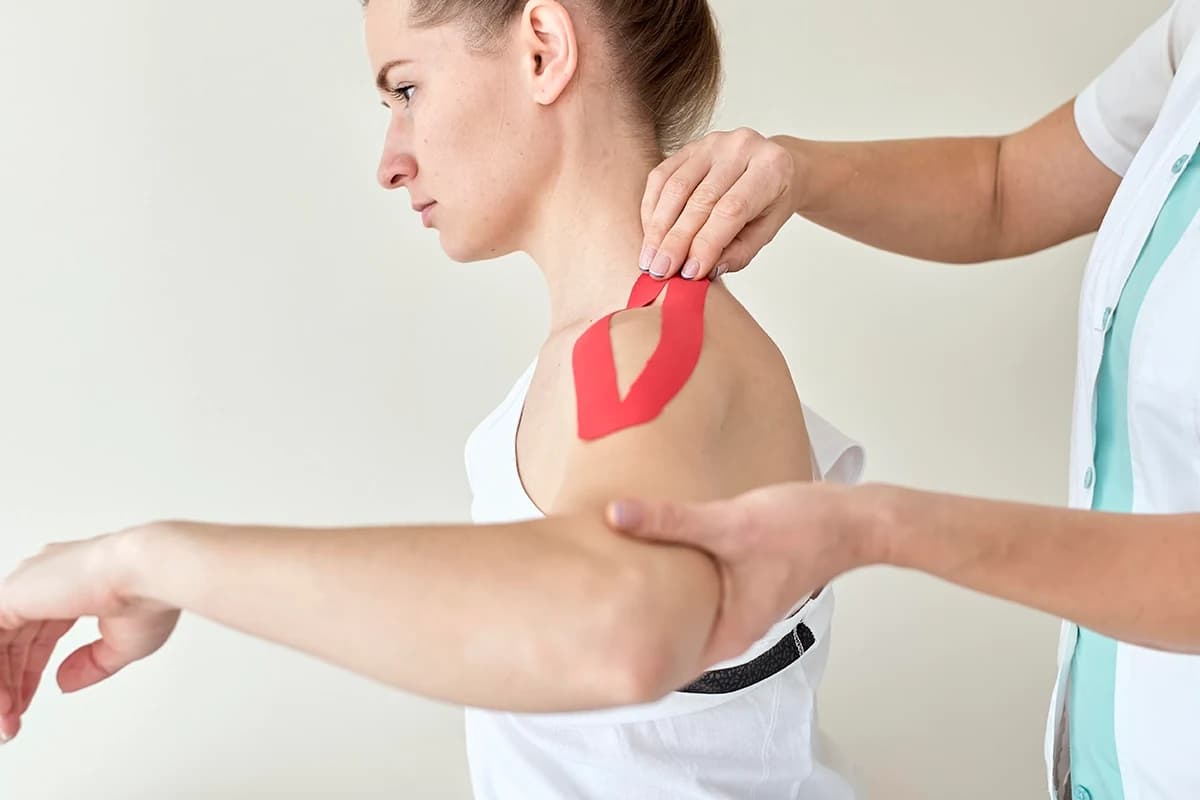

Technologies we use




Locations
Where you can receive this treatment






Related articles
Orthopaedic What helps tennis elbow, and how long does it last?
Tennis elbow usually improves over months, and most people improve considerably over time. Education, adjusting activities that load the forearm and progressive strengthening exercises are the main treatments. Steroid injections can ease pain briefly but were linked with poorer longer-term recovery and more recurrence than a placebo injection in a randomised trial.Read moreTreatments and technology Does shockwave therapy work?
Shockwave therapy uses pressure waves to treat persistent tendon and soft tissue pain. For plantar heel pain that has not improved with conservative care, trials show it reduces pain more than placebo. Evidence for other conditions is more mixed. It is usually considered after exercise and simpler treatments.Read moreNeurological How long does it take to recover from a stroke?
Most recovery after a stroke happens in the early months, when the brain is most able to reorganise, and it continues more slowly for a longer period after that. How far someone gets depends mainly on how severe the stroke was, where it happened and how much active therapy follows.Read more



