
Exercise-based
Hydrotherapy
Therapy in a heated pool where buoyancy removes most of the load from joints, allowing movement to begin earlier than it could on land and with less pain. Water resistance strengthens in every direction and warm water lowers muscle tone, so exercise can often start weeks earlier.
Why water makes rehabilitation possible earlier
Buoyancy removes most joint load, so movement that is impossible or too painful on land becomes achievable. Water resistance strengthens in every direction without equipment. Hydrostatic pressure reduces swelling. Warm water lowers muscle tone and pain.
Together these mean a patient can often start meaningful exercise in water weeks before land-based exercise is tolerable, which prevents the deconditioning that would otherwise occur while waiting.
What it is used for
Early rehabilitation after joint replacement and lower limb surgery, osteoarthritis where land exercise is too painful to begin, rheumatological conditions, neurological rehabilitation where balance is impaired, chronic pain and fibromyalgia, and obesity rehabilitation where joint load is the barrier.
In fibromyalgia particularly, warm water exercise is one of the better-supported starting points, because it lowers the initial pain barrier that stops most programmes before they begin.
Why it is a bridge and not the destination
Bone and muscle adapt to load, and water removes load. That is precisely why it helps at the start and precisely why staying in the water stops producing gains.
We move work onto land as soon as it is tolerated. A patient who has exercised only in water will have improved cardiovascularly but may still not be ready to walk further on land.
Who should not use the pool
Open wounds, active infection, uncontrolled epilepsy, severe cardiac impairment, unmanaged incontinence, and significant swallowing impairment where water inhalation is a risk.
If you cannot manage steps or use a wheelchair, ask for pool access at your centre to be confirmed in your plan. Access is often the real barrier for the people who would benefit most.
What a session contains
Walking and gait work, range of movement, strengthening against water resistance, and balance work made safe by the water. Session length is shorter early on because warm water is more fatiguing than people expect.
Temperature is higher than a swimming pool, which reduces tone and pain and is itself a consideration in some cardiac and respiratory conditions.
Moving out of the water
The aim from the first session is the land. Water removes load, and load is what daily life requires — so the programme progressively shifts to land-based work as capacity allows.
A programme that stays in the pool because the pool is comfortable is not progressing.
What does the evidence show for osteoarthritis and fibromyalgia?
For knee and hip osteoarthritis, a Cochrane review of 13 trials with 1,190 participants found moderate-quality evidence that aquatic exercise gives small, short-term improvements in pain and disability, about five points on a 100-point scale, compared with control groups 1. No serious adverse events linked to aquatic exercise were reported in those trials 1.
In fibromyalgia, a Cochrane review of 16 trials found low- to moderate-quality evidence that aquatic training improves wellness, symptoms and fitness compared with control groups 2. When aquatic and land-based exercise were compared directly, results were similar except for muscle strength, where very low-quality evidence favoured land 2.
Sources
- Bartels EM, Juhl CB, Christensen R, Hagen KB, et al. Aquatic exercise for the treatment of knee and hip osteoarthritis — Cochrane Database of Systematic Reviews (2016)
- Bidonde J, Busch AJ, Webber SC, Schachter CL, et al. Aquatic exercise training for fibromyalgia — Cochrane Database of Systematic Reviews (2014)
Conditions this is used for
The 20 conditions where this method is part of a routine programme, grouped by area. It is never the whole plan on its own.
 Ankylosing Spondylitis
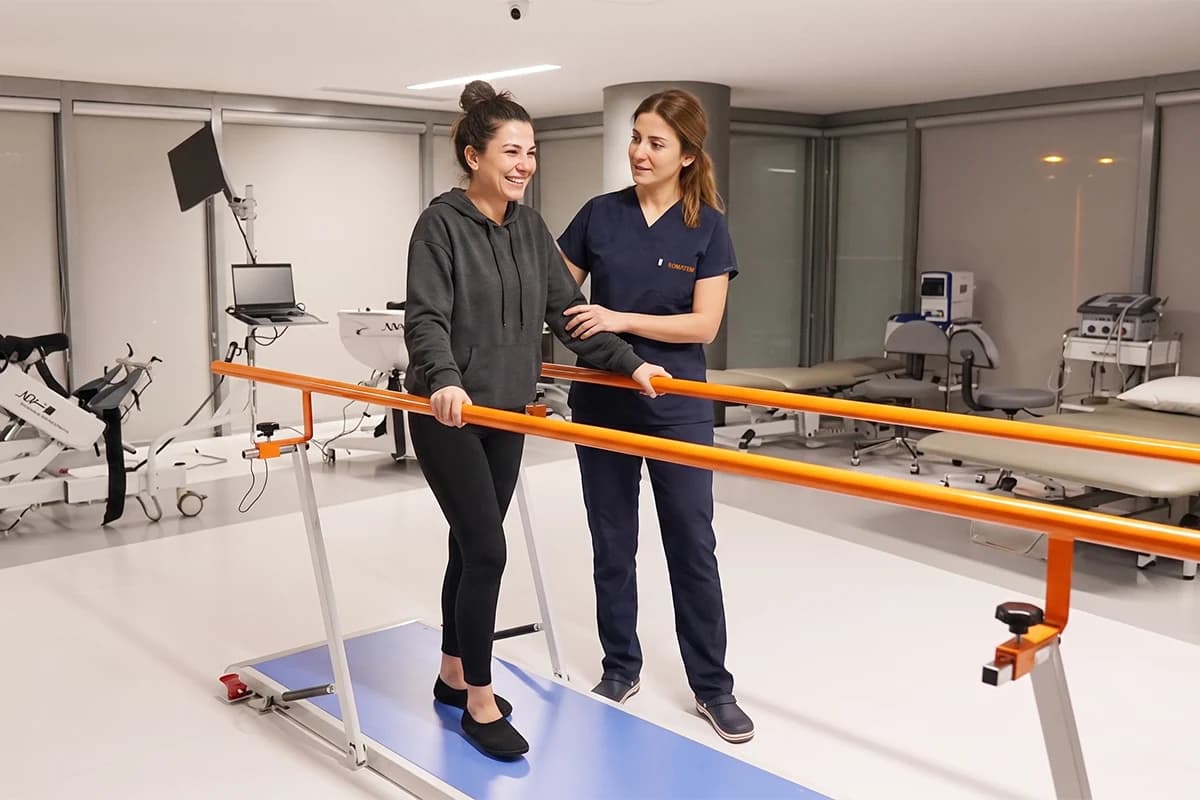 Cerebral Palsy (Adults)
 Chronic Pain
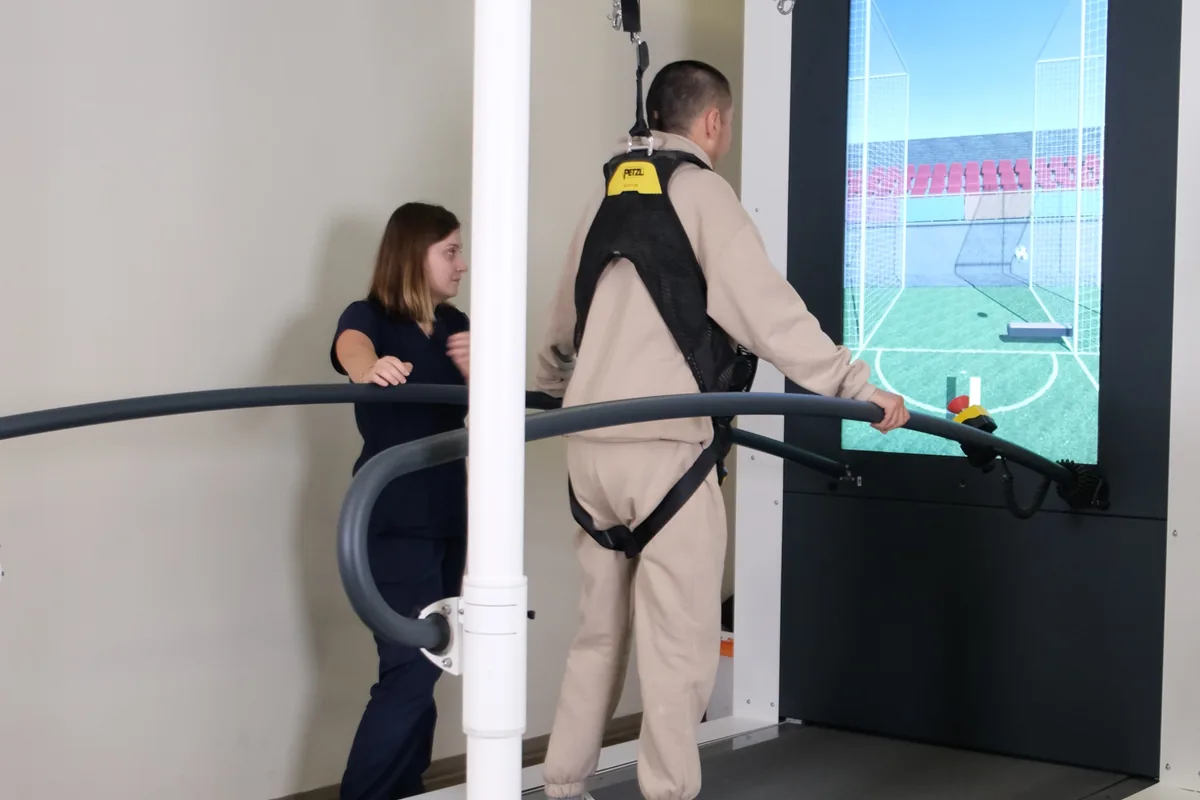 Falls and Frailty
 Fibromyalgia
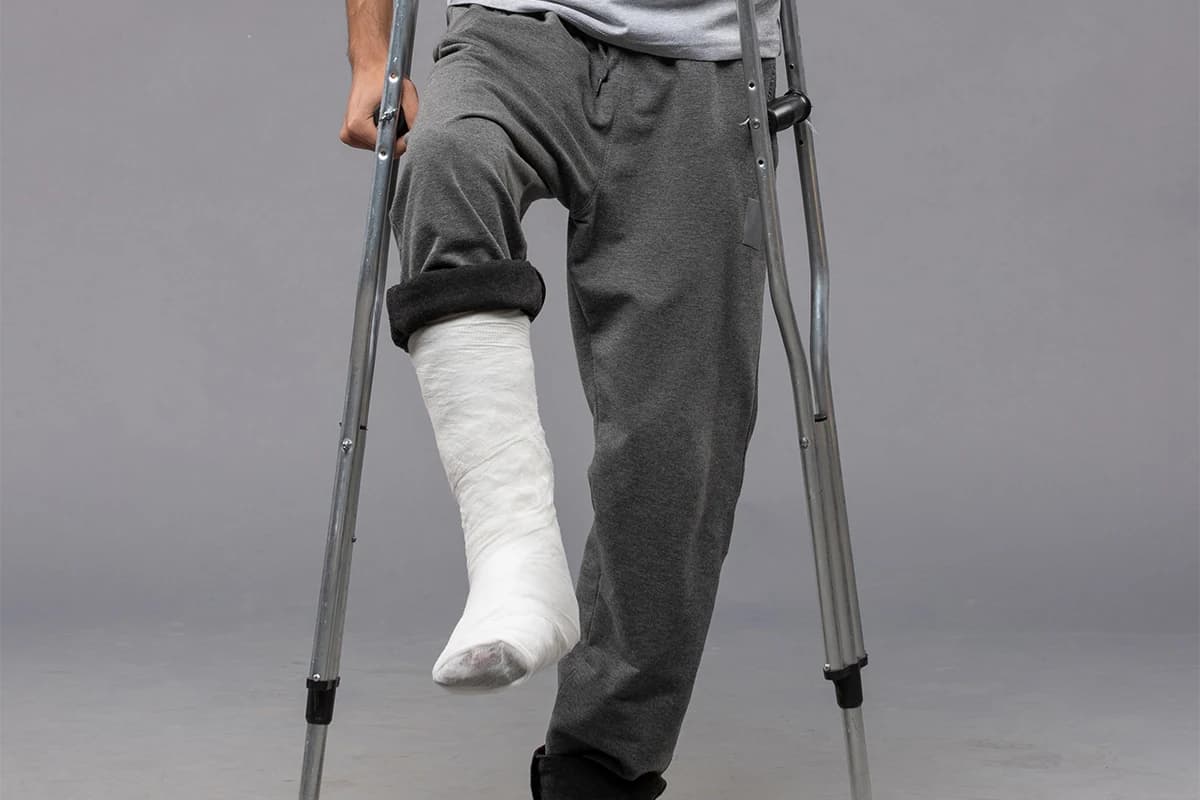 Fracture
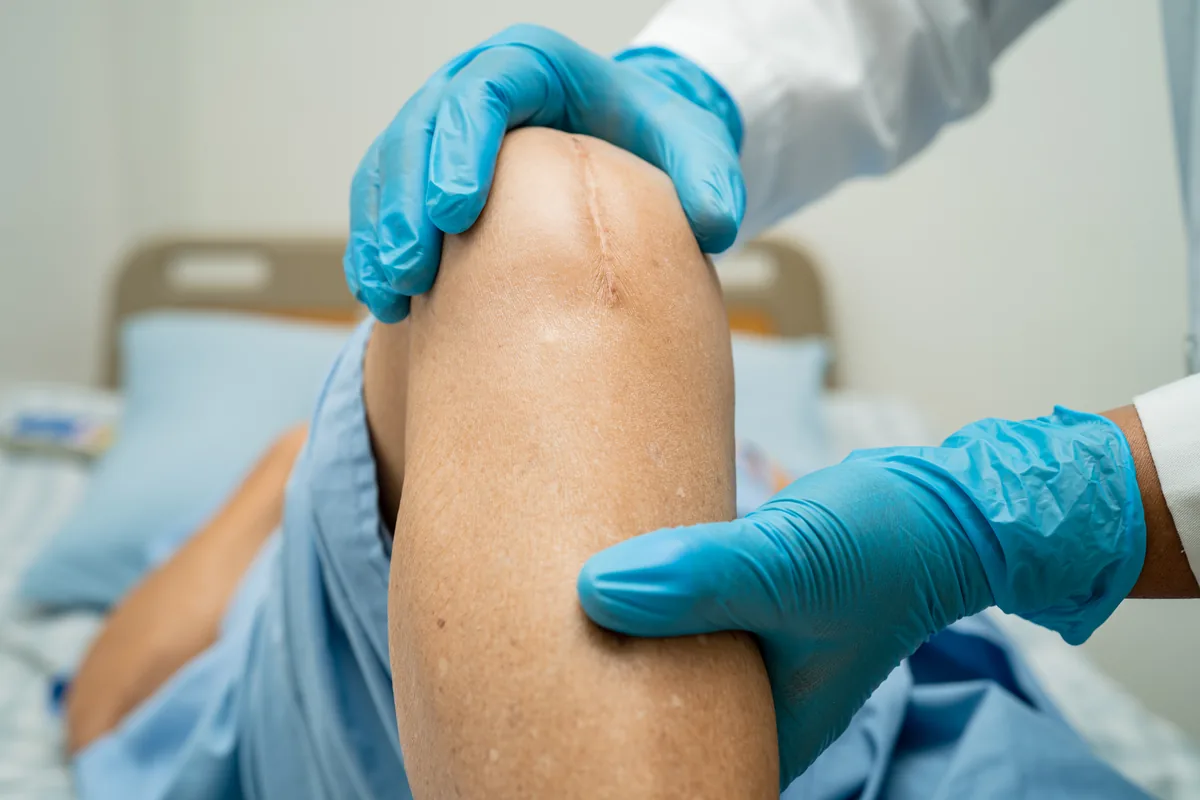 After Joint Replacement
 Lumbar Disc Herniation
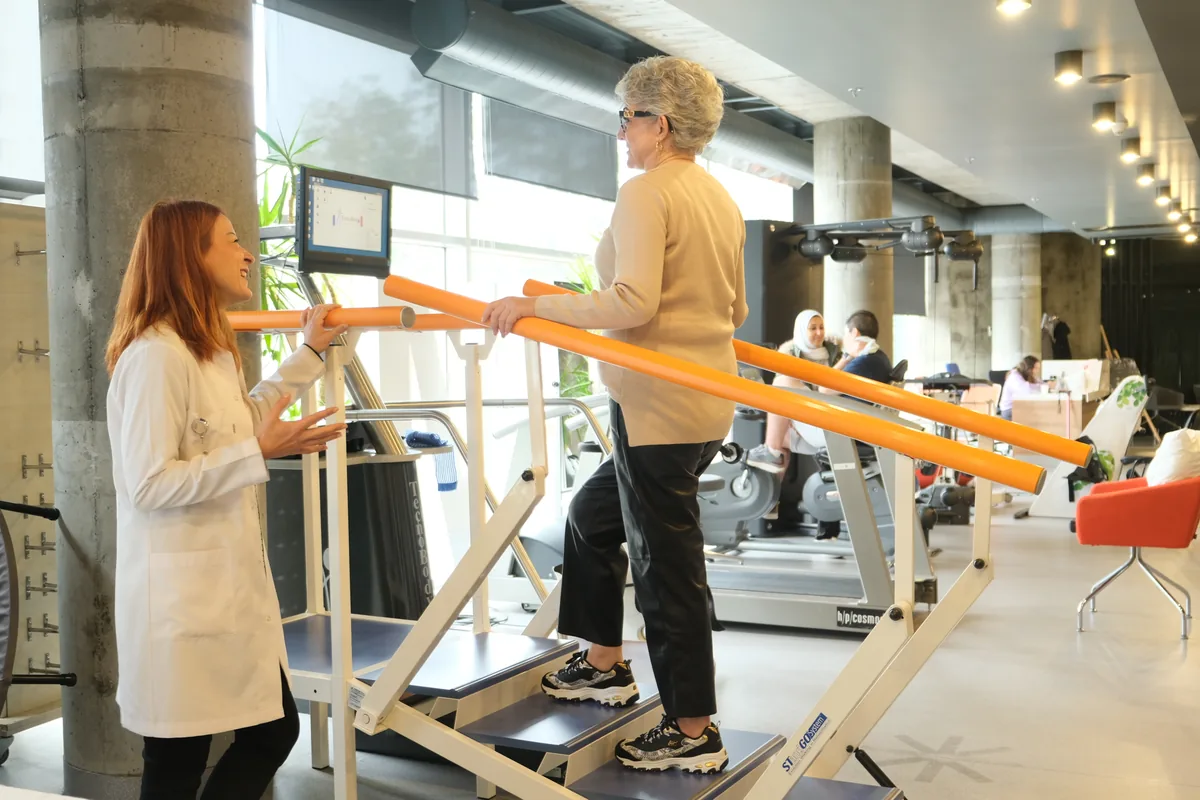 Multiple Sclerosis
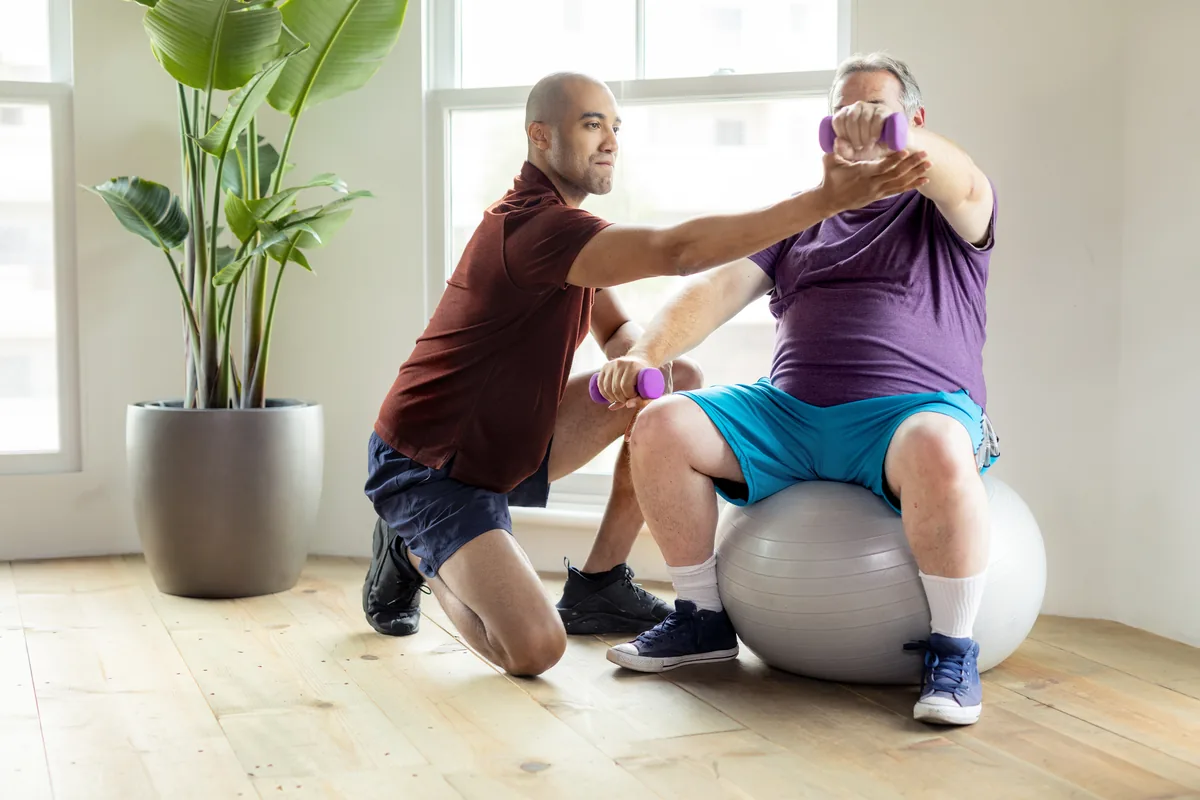 Obesity
 Osteoarthritis
 Osteoporosis
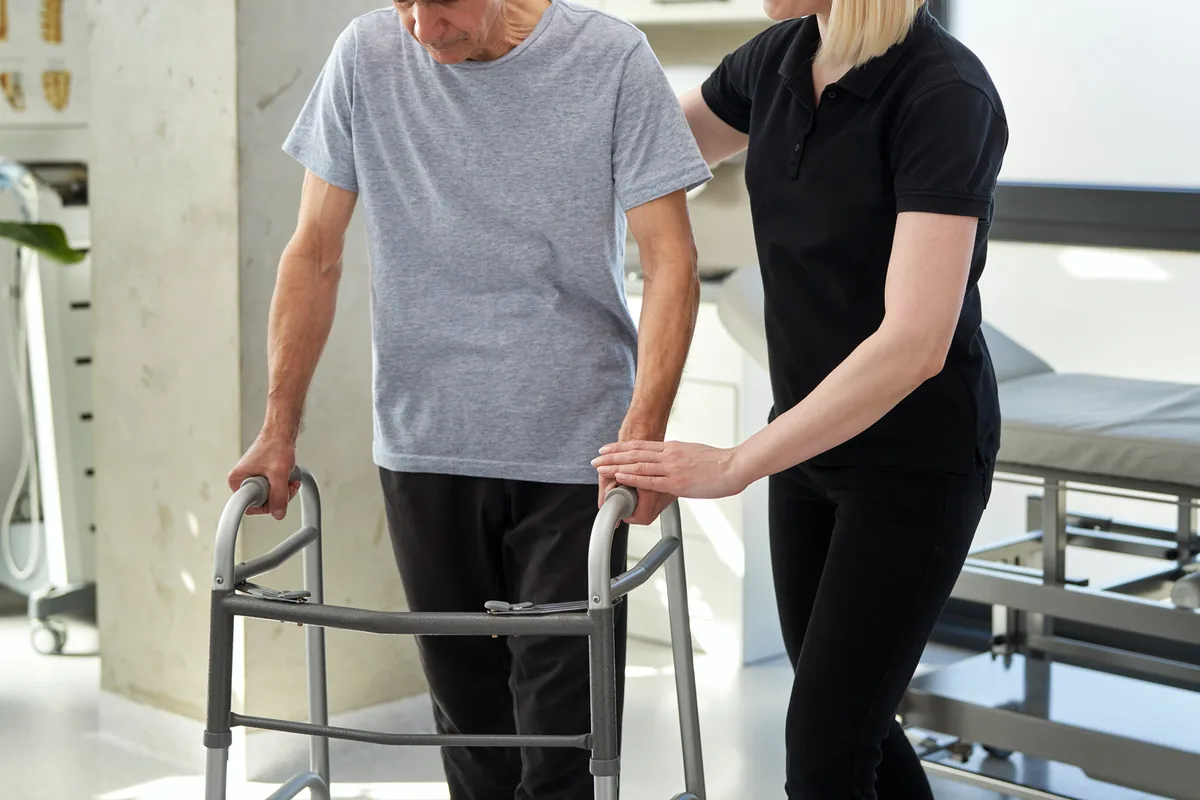 Parkinson's Disease
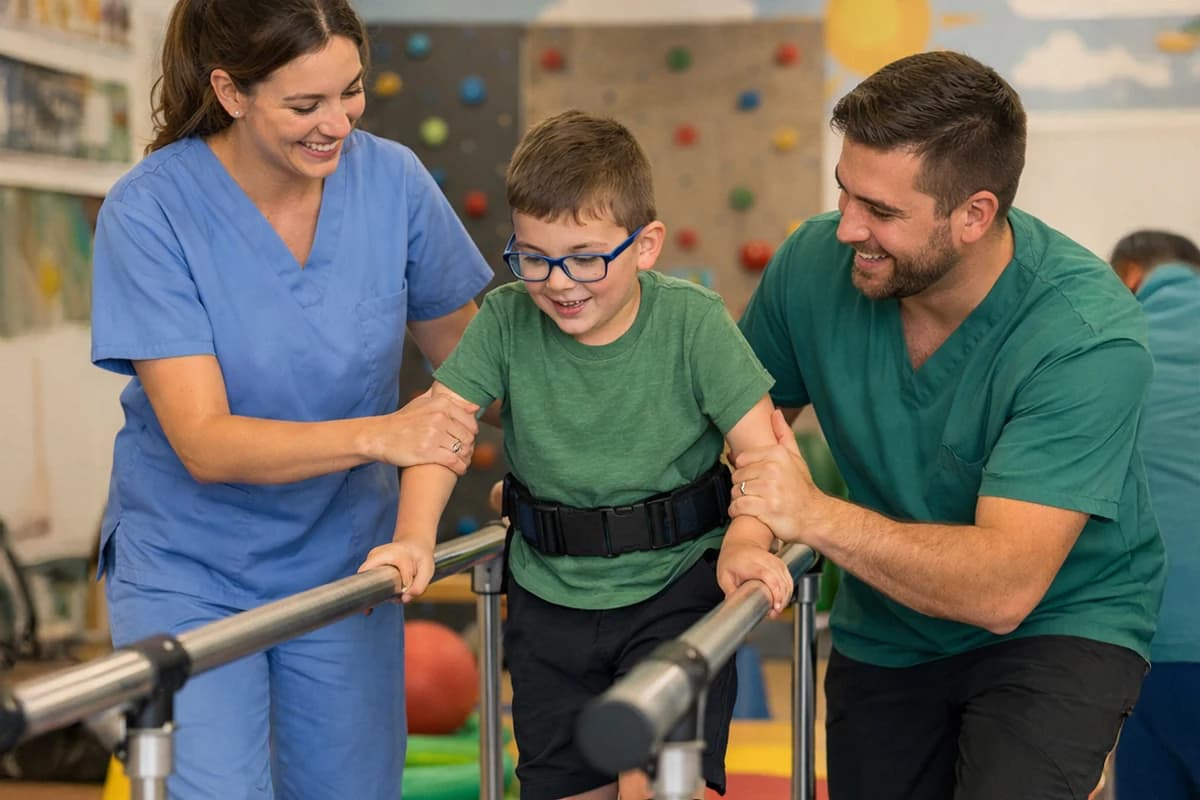 Cerebral Palsy (Children)
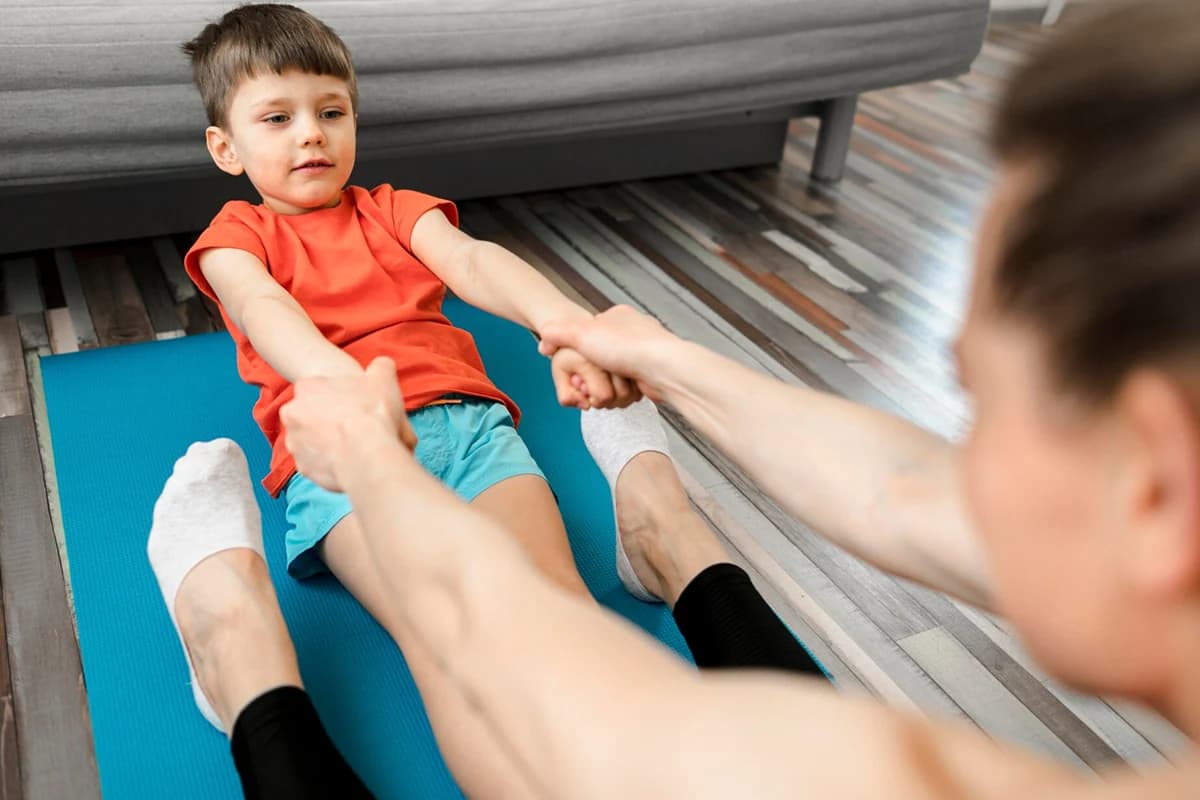 Muscular Dystrophy in Children
 Psoriatic Arthritis
 Rheumatoid Arthritis
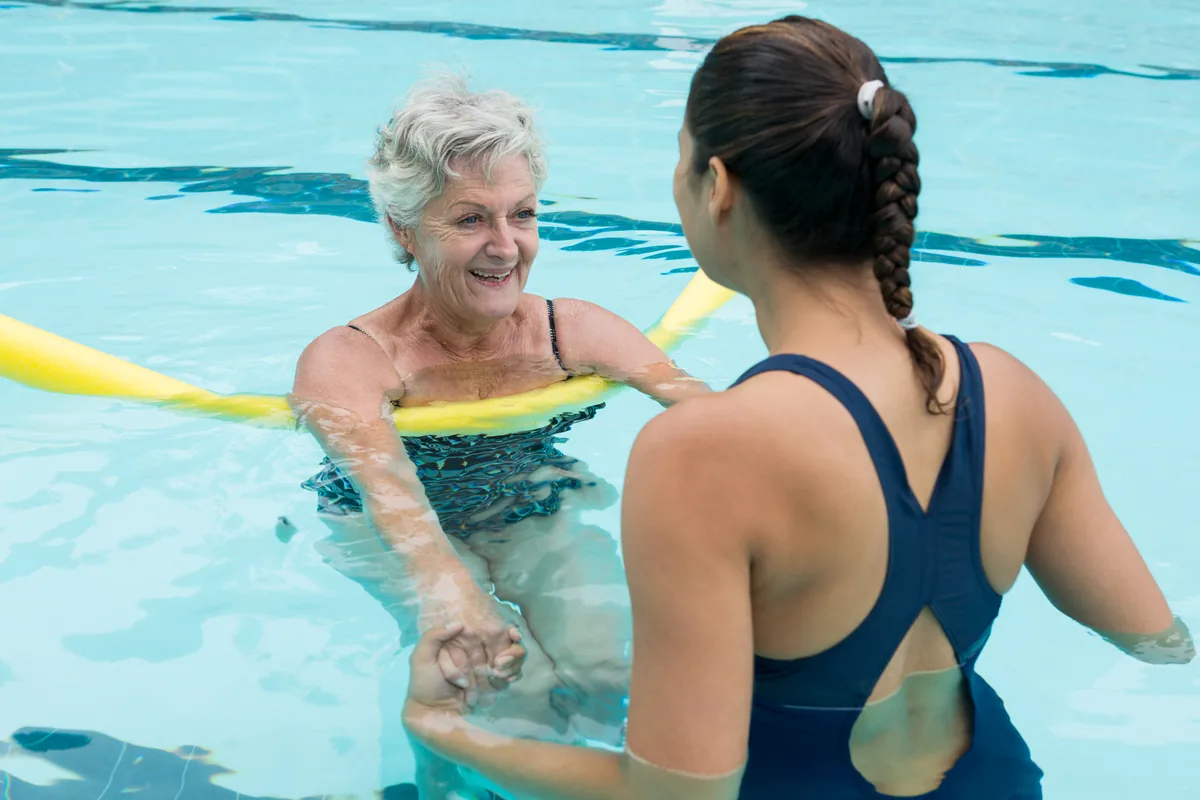 Sarcopenia and Muscle Loss
 Spinal Cord Injury
 After Spinal Surgery
Methods are combined inside a programme and chosen after examination — they are not booked separately.
Your path to this treatment
Nothing here is booked from a page. You send the records you have, a rehabilitation physician reads them, and you get a written answer — including when the answer is that an intensive programme will not help.
4 steps, start to finish
1.Send your records
A discharge summary from the hospital that treated the original event, and any imaging of the affected area — CT, MRI or X-ray.2.A written plan in 48 hours
A rehabilitation physician reviews the case and returns the expected duration, the recommended programme and the centre. Free, no obligation.3.Travel and admission
Where a visa is needed we issue an invitation letter and treatment confirmation naming the dates and the facility. You are met at the airport and driven to the centre by private vehicle or ambulance; a bed for one companion and interpreting during therapy are arranged.4.Treatment, then home
The programme runs, then you leave with a discharge report and a written home exercise plan. Your return journey is organised before you go, with scheduled video reviews so progress does not stop.
In their words
What patients say after a programme
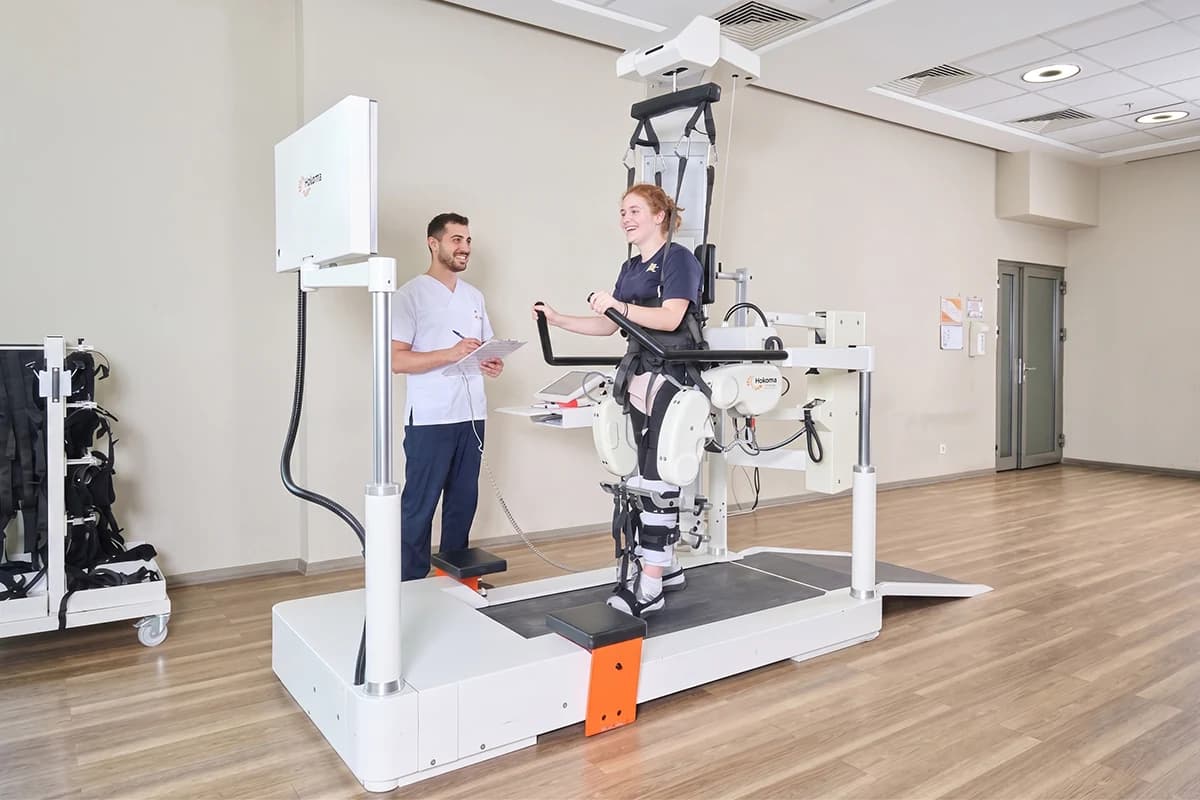
Short videos filmed during therapy: a child’s rehabilitation after a brain tumour, suspended gait training after spinal cord injury, and learning to walk again after a fall. Individual results vary.
Dave Evans on his physical therapy here
Musculoskeletal physiotherapy
Paediatric rehabilitation after a brain tumour
Inside a physiotherapy session
Spinal cord injury — the rehabilitation process
Suspension-assisted gait training
Walking difficulty and restricted movement after a fall
Regaining gait and range of motion
Locations
Our centres











Questions people actually ask
About this treatment
Do I need to swim?
No. Sessions are in shallow water with a therapist present.
Is it suitable after surgery?
Once the wound has healed fully. Open or recently closed wounds are an exclusion, and the surgeon's timeline governs.
Who cannot use the pool?
Open wounds, active infection, uncontrolled epilepsy, unmanaged incontinence, severe cardiac or respiratory instability, tracheostomy and some skin conditions.
How long are sessions?
One to two hours daily within a two to four week programme, shorter at the start.
Is it better than land-based exercise?
Not better — different. It makes movement possible earlier when land work is too painful or unsafe, and it works best as a bridge into land-based loading.



