

Medical condition
Parkinson's Disease
Parkinson's rehabilitation is a three to six week programme built around intensity rather than gentleness: large-amplitude movement training, cued walking practice for freezing, balance work and high-effort aerobic exercise. It is repeated periodically because the condition progresses, and it does not replace medication.
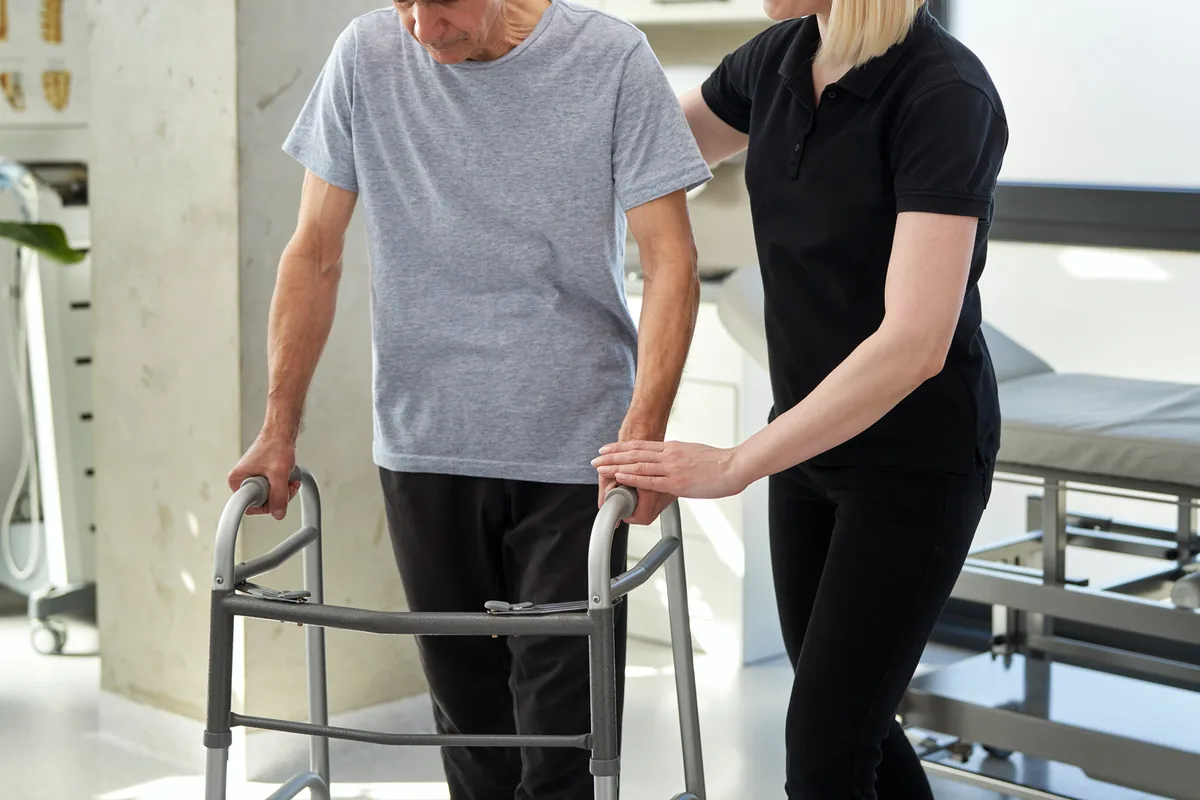
Why movement gets smaller, and why patients do not notice
Parkinson's reduces the automatic scaling of movement. Steps shorten, handwriting shrinks, the voice quietens, the arms stop swinging. The person is not choosing to move less — the internal system that sets the size of a movement is under-producing.
The important part is that the capacity is usually still there. When someone is asked to take deliberately huge steps, they often can. What has failed is the automatic setting, not the muscle. That single fact is what most of this programme is built on.
Intensity is the point — this is not a gentle programme
Most rehabilitation improves function without touching the disease. Parkinson's may be the exception. In a randomised trial of treadmill exercise in early Parkinson's, participants training at 80 to 85 per cent of maximum heart rate remained stable on motor scores over six months while the control group declined 4.
A definitive phase 3 trial is still running, so the honest statement is that a signal exists rather than that the case is closed. But it is a strong enough signal to change how a programme should be designed: towards effort, not towards comfort.
The practical consequence matters. Many people with Parkinson's are told, usually kindly, to take it easy. If the intensity finding holds, that advice is not merely unhelpful — it is the opposite of the treatment.
Large-amplitude training
Because the problem is under-scaled movement, the training deliberately over-scales it: exaggerated steps, exaggerated reach, exaggerated turns, repeated at high effort until the larger movement starts to feel normal rather than theatrical.
Standardised amplitude programmes of this type improve step length and movement size, and patients frequently report that the effect carries into daily tasks. It feels absurd at first. That is expected and it is explained beforehand.
Why external cues work when internal timing fails
Freezing of gait — the feet stopping as though stuck, typically at doorways, when turning, or under time pressure — is one of the most disabling and most frightening symptoms. It is also one of the most treatable with a technique rather than a drug.
The internal rhythm that paces walking is impaired; an external rhythm can substitute for it. A metronome, a counted beat, lines on the floor, a laser projected in front of the foot, or a tap on the leg all restore stepping in many people. Trials of auditory, visual and tactile cueing show improved gait and fewer freezing episodes.
Cueing is taught as a skill the patient owns rather than as equipment they depend on, because the doorway that causes the freeze is at home, not here.
Falls, and the dual-task trap
Falls in Parkinson's often happen while doing something else — carrying a cup, talking, thinking about the next room. Automatic walking has become non-automatic, so it competes with any second task for attention.
Training therefore includes dual-task practice under supervision, and, just as importantly, teaching when not to dual-task: stopping to talk, putting the cup down, doing one thing at a time in the situations where a fall would be costly.
What we do not do
This programme does not manage your Parkinson's medication. Levodopa timing and dose, and decisions about deep brain stimulation or infusion therapy, belong to your neurologist. We work around your medication schedule — therapy is timed to your best 'on' periods rather than to our timetable.
We also do not claim to reverse the condition. What the evidence supports is better function, fewer falls, larger movement, and possibly a slower rate of motor decline with sustained high-intensity exercise. That is a substantial claim already, and it does not need inflating.
Repeated blocks, because the condition progresses
Gains from amplitude and intensity training fade without maintenance, and the underlying condition continues. Blocks are usually planned every twelve to eighteen months, with a daily home programme in between.
The home programme is therefore designed to be sustainable rather than impressive — something that survives a bad week, because the weeks it has to survive are the point.
What the programme covers
Three to six weeks, three to five hours a day. High-effort aerobic training at prescribed intensity, large-amplitude movement training, cued gait practice, balance and dual-task work, and speech and swallowing assessment where voice or swallowing is affected.
Therapy is scheduled around medication timing. The discharge document is written for your neurologist, and the home programme is written for you.
Understanding Parkinson's Disease
Before treatment, the questions people actually ask first — what happens, how recovery behaves over time, and whether it is ever too late. Each opens the full article.
Frequently asked questions
Can exercise slow my Parkinson's?
There is a real signal that sustained high-intensity aerobic exercise slows the rate of motor decline: in a randomised trial, participants training at 80 to 85 per cent of maximum heart rate held steady over six months while the control group worsened 4. A definitive phase 3 trial is still running, so this is a promising finding rather than a settled fact — and it is a reason to train hard rather than gently.
I am 74 and I have been told to be careful. Is high-intensity exercise safe for me?
Intensity is prescribed from testing rather than assumed, and cardiac and other conditions are assessed first. But age alone is not a reason for a gentle programme, and the "take it easy" advice many patients receive may be actively unhelpful in this condition.
What can be done about freezing?
A great deal, and mostly without medication. External cues — a beat, a counted rhythm, lines on the floor, a laser cue, a tap on the leg — restore stepping in many people, and cueing strategies are taught as a skill you keep. Freezing is one of the symptoms rehabilitation addresses best.
Will you change my medication?
No. Levodopa dosing and decisions about deep brain stimulation belong to your neurologist. We schedule therapy around your medication so that sessions land in your best periods, and the discharge letter reports what we observed to whoever prescribes.
My voice has become quiet. Is that treated here?
Yes. Quiet, monotone speech is part of the same under-scaling that shrinks movement, and it responds to the same high-effort principle. Speech and swallowing are assessed, and treated where affected.
How often should I come back?
Blocks are usually planned every twelve to eighteen months, with a daily home programme in between. The gains fade without maintenance, and the condition progresses, so a single block is a start rather than a treatment.
I have had deep brain stimulation. Does that change the programme?
It changes what the programme targets rather than whether it is useful — many people function better after stimulation but have not retrained the movement patterns to match. Tell us the surgery date and your current settings.
What if I fall during training?
Balance work is done with supervision and, where needed, with harness support, precisely because the training has to approach the limits of stability to be useful. Training that never challenges balance does not improve it.
What do you need from me before you can answer?
Time since diagnosis, current medication and timing, whether you have freezing, falls in the last year, walking distance, any deep brain stimulation, and other medical conditions — particularly cardiac, because intensity is prescribed from testing.
Sources
- Study in Parkinson disease of exercise (SPARX): translating high-intensity exercise from animals to humans — Contemporary Clinical Trials / JAMA Neurology (2013)
- Study in Parkinson's disease of exercise phase 3 (SPARX3): study protocol for a randomized controlled trial — Trials (2022)
- Cueing for people with Parkinson's disease with freezing of gait: a narrative review of the state-of-the-art and novel perspectives — Annals of Physical and Rehabilitation Medicine (2018)
- Effect of High-Intensity Treadmill Exercise on Motor Symptoms in Patients With De Novo Parkinson Disease: A Phase 2 Randomized Clinical Trial — JAMA Neurology (2018)
Which therapies would I actually receive?
A therapy is a single method used inside a programme. It is measured in sessions and is not sold separately.
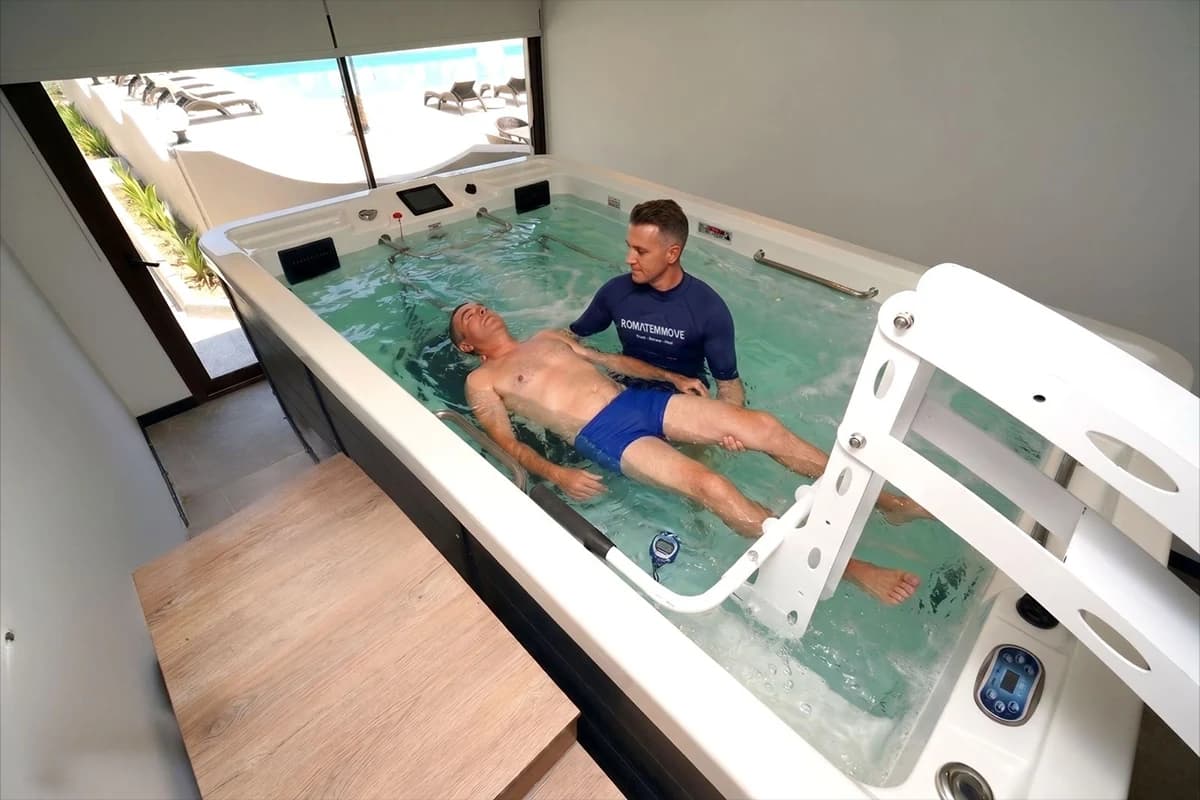
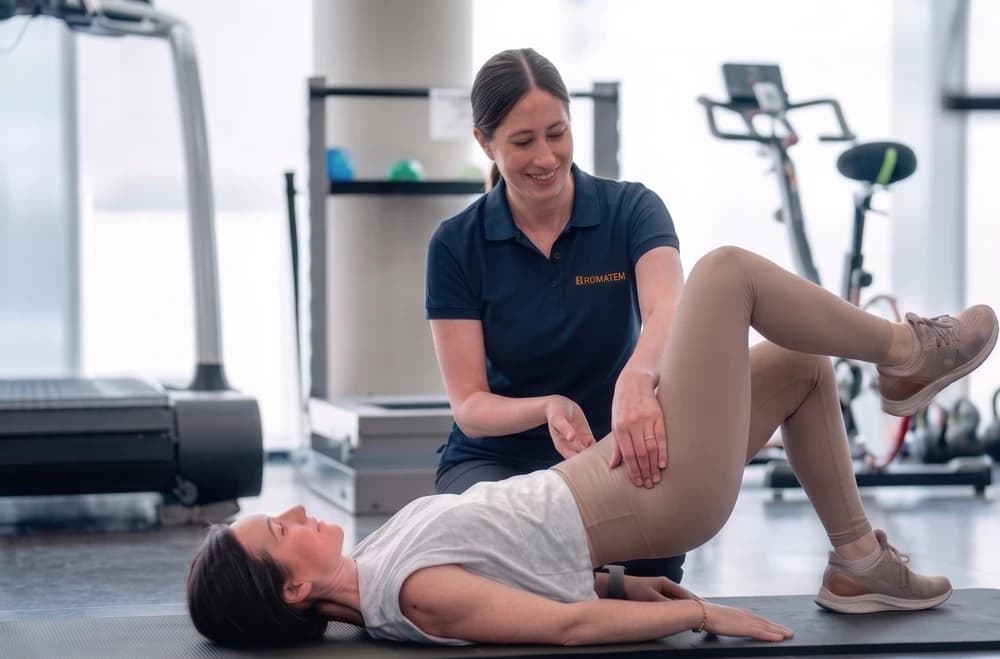

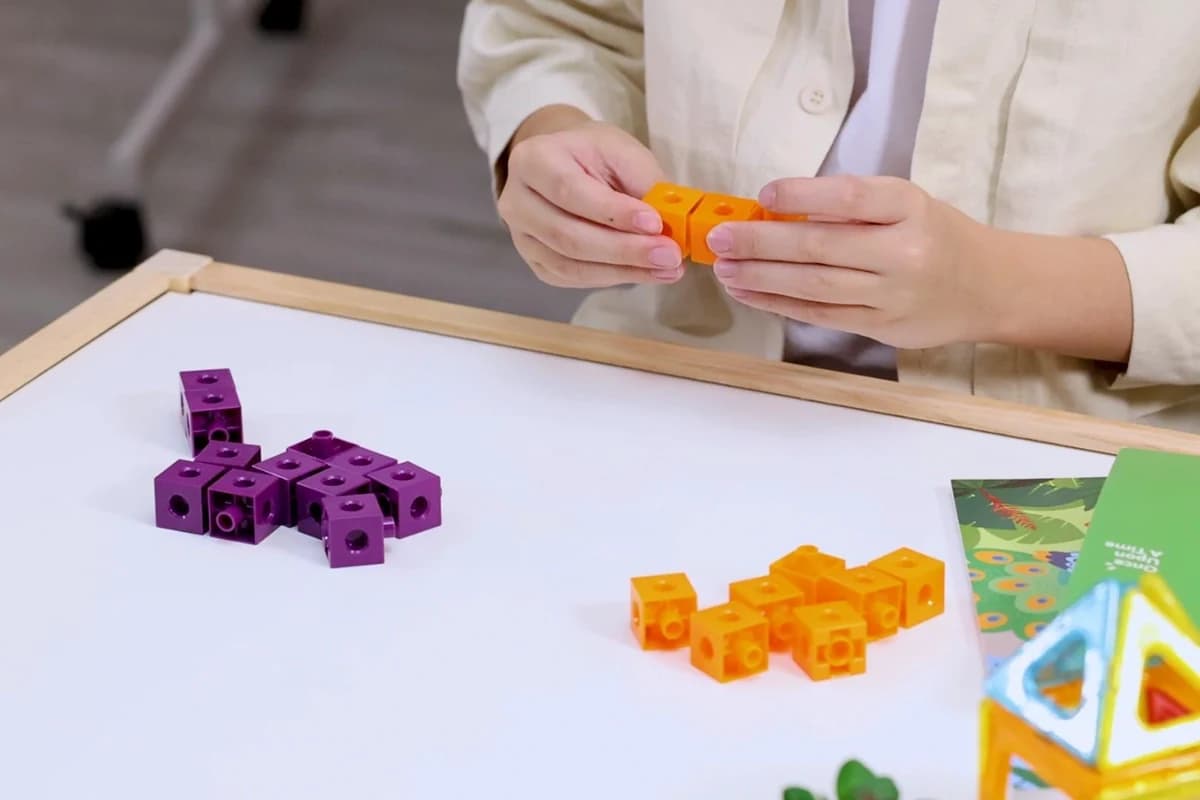
Technologies we use
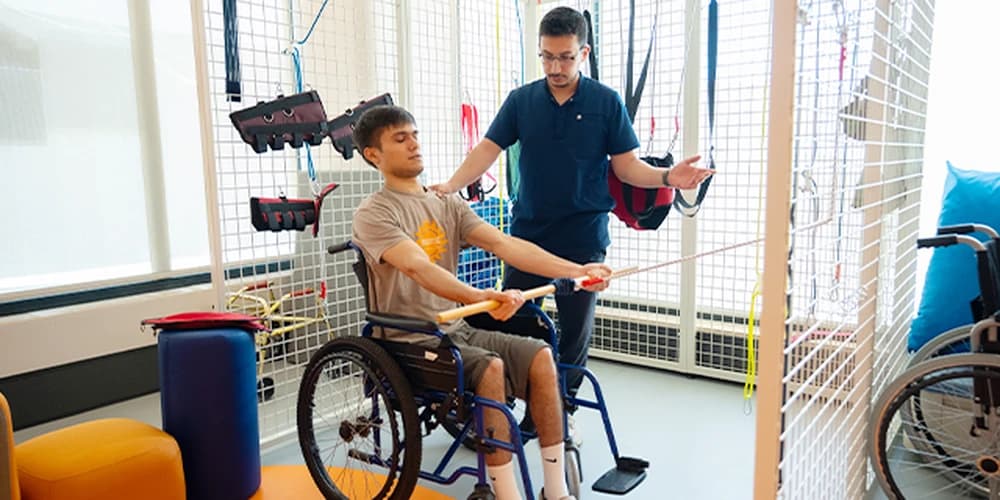
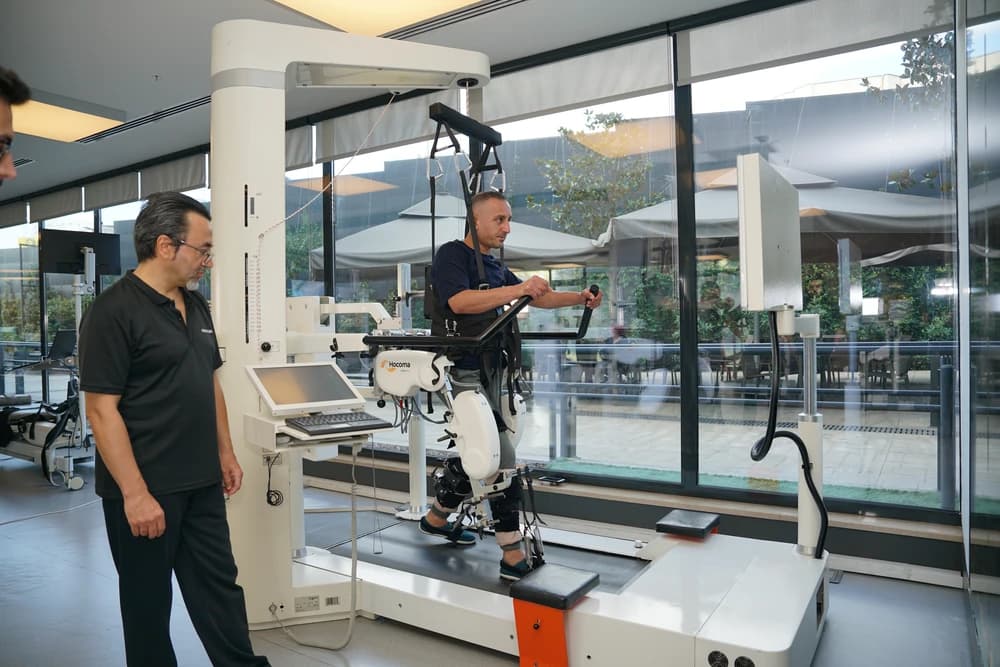
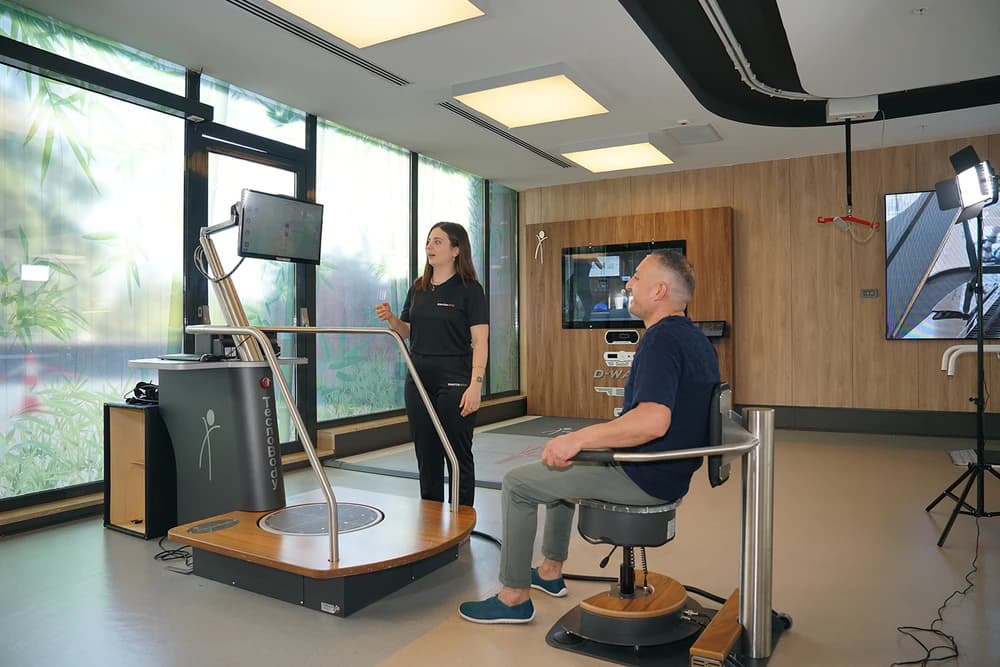
Locations
Where you can receive this treatment



Related articles
Neurological How can walking and freezing be improved in Parkinson's disease?
In Parkinson's disease, walking becomes slower with shorter steps, and some people suddenly freeze as if their feet are glued to the floor. Medication timed well, specific physiotherapy using cues such as lines on the floor or a rhythm, strength and balance training, and home changes that reduce triggers can make walking safer.Read moreNeurological How long does it take to recover from a stroke?
Most recovery after a stroke happens in the early months, when the brain is most able to reorganise, and it continues more slowly for a longer period after that. How far someone gets depends mainly on how severe the stroke was, where it happened and how much active therapy follows.Read moreNeurological Can you walk again after a stroke?
Many people walk again after a stroke, including many who cannot stand at first. The chances are highest when some leg movement returns early and when walking practice starts as soon as it is safe. Walking often comes back before full arm recovery, sometimes with a stick, splint or other support.Read more



