
Manual and hands-on
Chiropractic
Targeted spinal manipulation for mechanical joint restriction. Used selectively and only after examination has excluded nerve involvement or inflammatory disease. The audible pop is gas within the joint, not a bone moving back into place. Its benefit for low back pain is modest and comparable to exercise and manual physiotherapy.
What chiropractic treatment involves
Assessment of spinal and peripheral joint movement followed by manual treatment, most characteristically high-velocity low-amplitude manipulation — the technique that produces the audible release. Soft tissue work and exercise are typically combined with it.
The audible pop is cavitation of gas within the joint. It is not a bone moving back into place, it does not indicate that treatment worked, and its absence does not indicate that it failed.
Where the evidence supports it
Spinal manipulation produces modest short-term improvement in acute and chronic low back pain, comparable to other active treatments including exercise and manual physiotherapy. There is more limited evidence for neck pain and cervicogenic headache.
There is no good evidence for chiropractic treatment of conditions outside the musculoskeletal system, and we do not offer it for them. Maintenance schedules of ongoing manipulation in the absence of symptoms are not evidence-based.
Cervical manipulation: what you should be told
Manipulation of the upper neck has been associated with vertebral artery dissection and stroke. The association is rare and causation is debated, since the neck pain that prompts the visit can itself be an early symptom of a dissection already in progress.
The risk is small and it is not zero, and you are entitled to know it exists before consenting. Where the presentation permits, we use mobilisation rather than manipulation on the cervical spine, and we screen specifically for vascular and ligamentous red flags first.
How it fits a rehabilitation programme
As a short course to reduce pain and restore movement, alongside an exercise programme that addresses why the problem occurred. Manipulation without that produces relief that does not last.
If four to six sessions have not produced meaningful change, we reassess rather than continue. Long open-ended courses are not part of how we work.
The cervical question, stated plainly
High-velocity manipulation of the neck carries a small but serious risk of arterial injury. The absolute risk is low; the consequence when it occurs is severe and can be permanent.
We do not perform it. Mobilisation, soft tissue work and exercise achieve what is needed for neck pain without carrying that risk, and a patient should be told this exists rather than discovering it afterwards.
What we do not offer
Maintenance schedules, whole-spine imaging for uncomplicated back pain, and treatment plans built around subluxation theory. None of these are supported and the first two carry real costs — money and radiation respectively.
Where a course of manipulation is appropriate for mechanical low back pain, it is delivered as part of a package with exercise and with a defined end point.
Sources
- Low back pain and sciatica in over 16s: assessment and management (NG59) — National Institute for Health and Care Excellence (2020)
Conditions this is used for
The 4 conditions where this method is part of a routine programme, grouped by area. It is never the whole plan on its own.
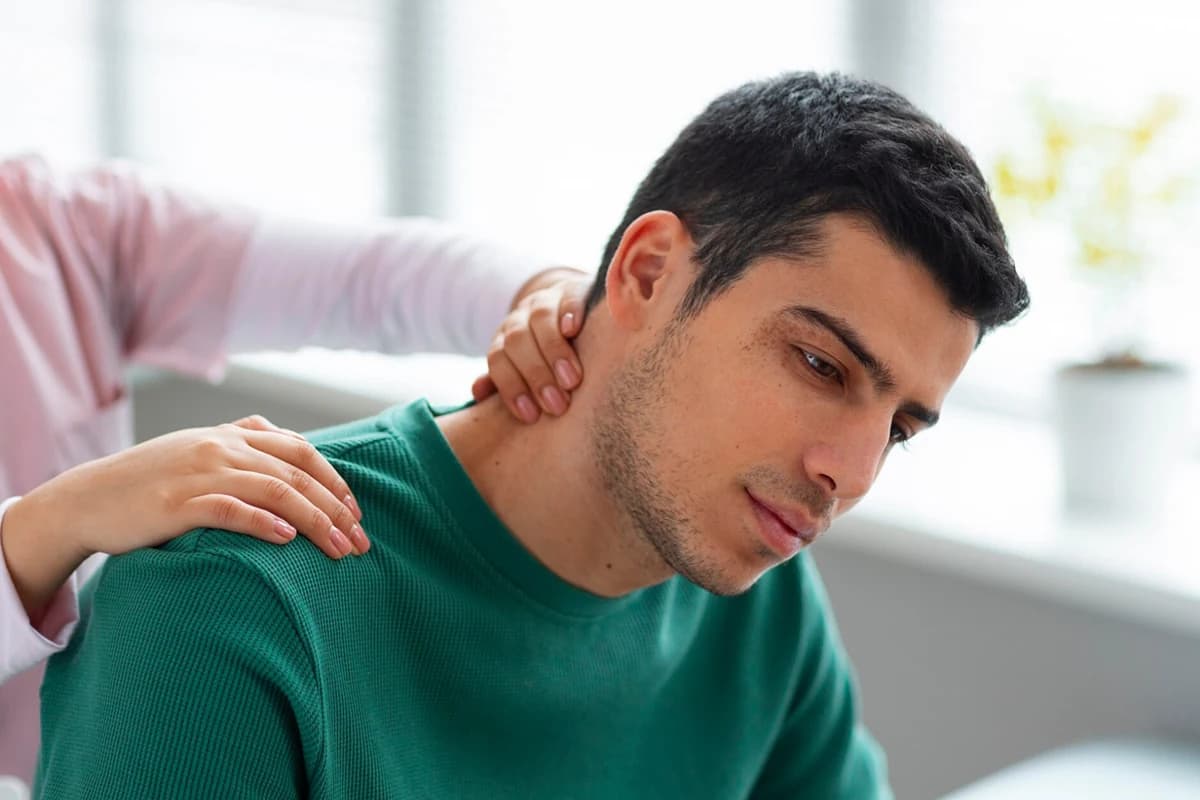
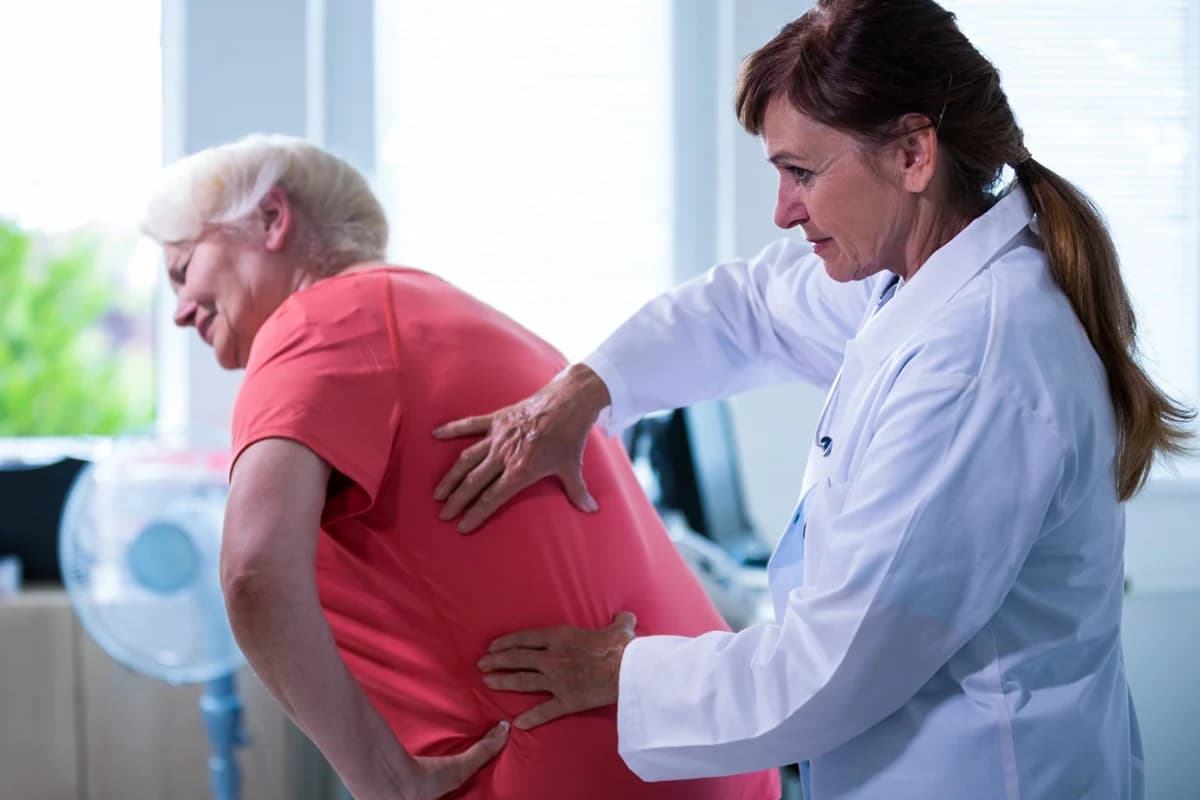
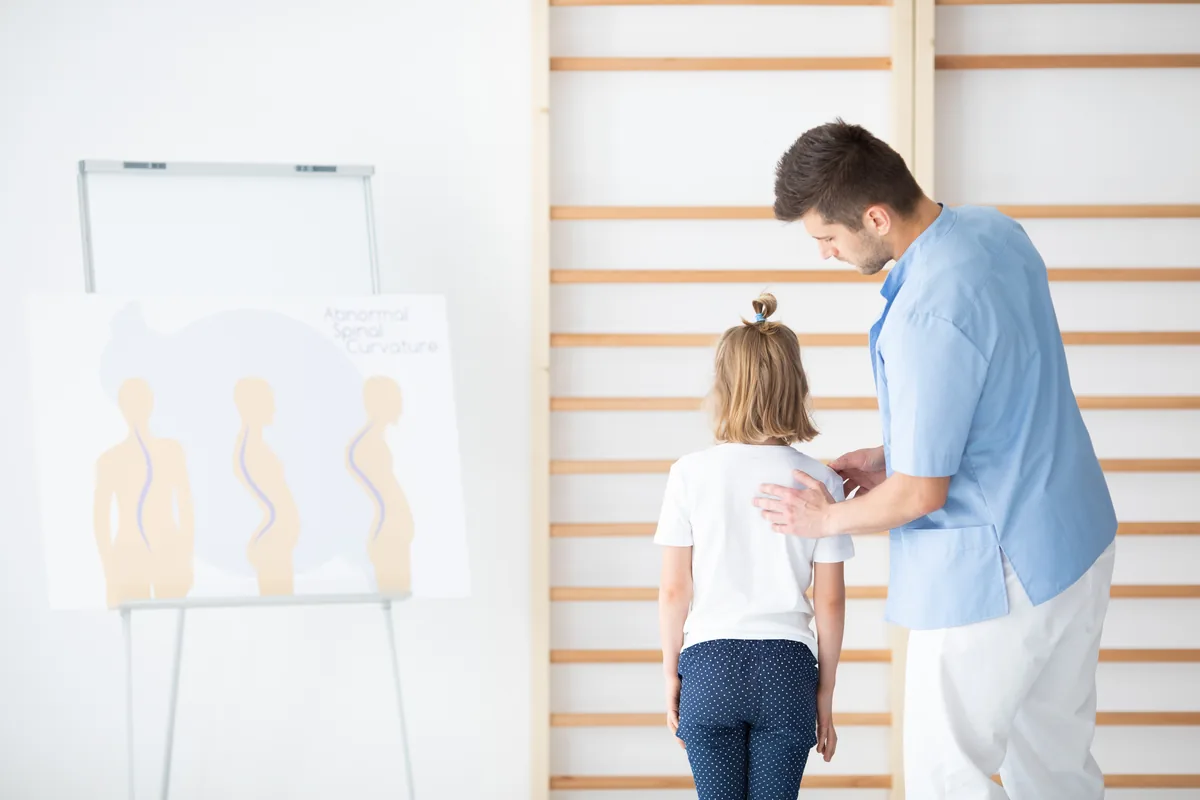
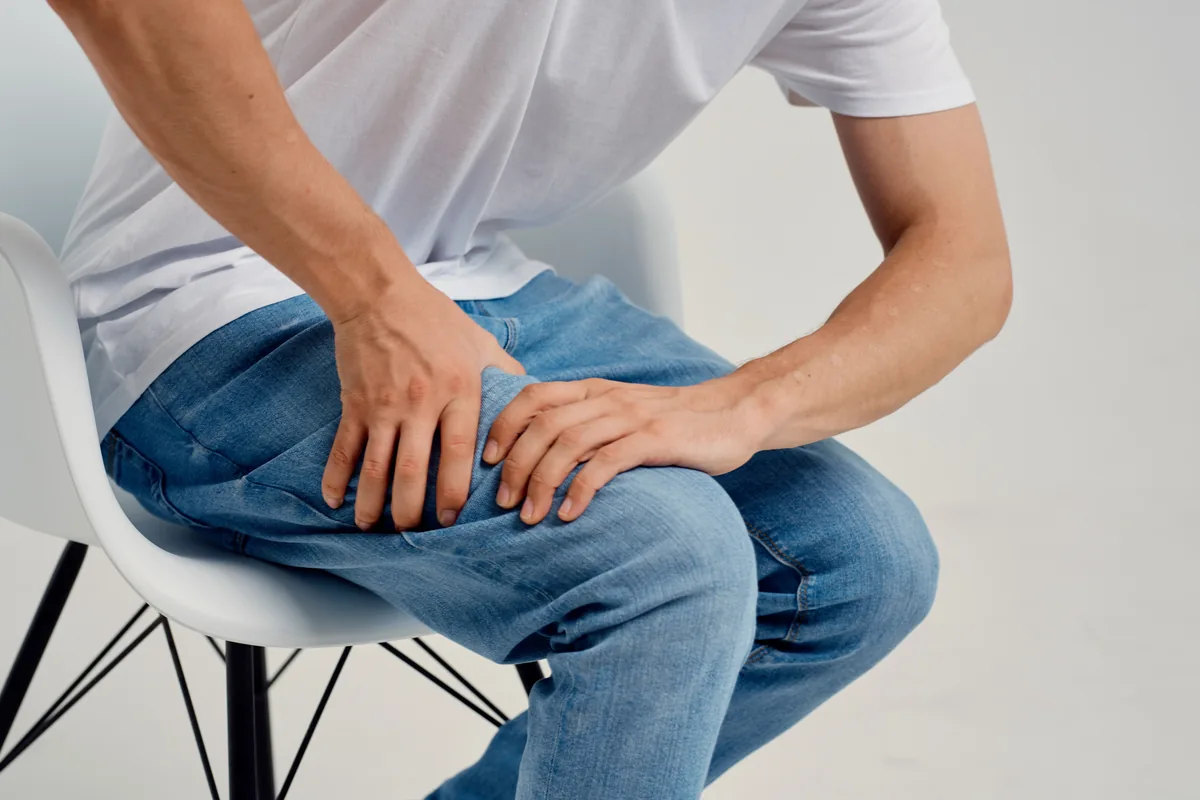
Methods are combined inside a programme and chosen after examination — they are not booked separately.
Your path to this treatment
Nothing here is booked from a page. You send the records you have, a rehabilitation physician reads them, and you get a written answer — including when the answer is that an intensive programme will not help.
4 steps, start to finish
1.Send your records
A discharge summary from the hospital that treated the original event, and any imaging of the affected area — CT, MRI or X-ray.2.A written plan in 48 hours
A rehabilitation physician reviews the case and returns the expected duration, the recommended programme and the centre. Free, no obligation.3.Travel and admission
Where a visa is needed we issue an invitation letter and treatment confirmation naming the dates and the facility. You are met at the airport and driven to the centre by private vehicle or ambulance; a bed for one companion and interpreting during therapy are arranged.4.Treatment, then home
The programme runs, then you leave with a discharge report and a written home exercise plan. Your return journey is organised before you go, with scheduled video reviews so progress does not stop.
In their words
What patients say after a programme
Short videos filmed during therapy: a child’s rehabilitation after a brain tumour, suspended gait training after spinal cord injury, and learning to walk again after a fall. Individual results vary.
Dave Evans on his physical therapy here
Musculoskeletal physiotherapy
Paediatric rehabilitation after a brain tumour
Inside a physiotherapy session
Spinal cord injury — the rehabilitation process
Suspension-assisted gait training
Walking difficulty and restricted movement after a fall
Regaining gait and range of motion
Locations
Our centres











Questions people actually ask
About this treatment
Do you perform neck manipulation?
No. The vascular risk is small but real and avoidable, and the alternatives work.
Is spinal manipulation effective for back pain?
For mechanical low back pain it is one of the options guidelines describe, as part of a treatment package that includes exercise rather than on its own.
Do I need an X-ray first?
Not for uncomplicated back pain. Routine spinal imaging changes management rarely and exposes people to radiation for findings that are usually incidental.
How long should treatment continue?
A defined course with a review point. Ongoing maintenance adjustments in the absence of symptoms are not supported by evidence.
Is the cracking sound significant?
No. It is gas releasing within the joint and it has no relationship to whether the treatment worked.



