
Neurological and cognitive
Speech and language therapy
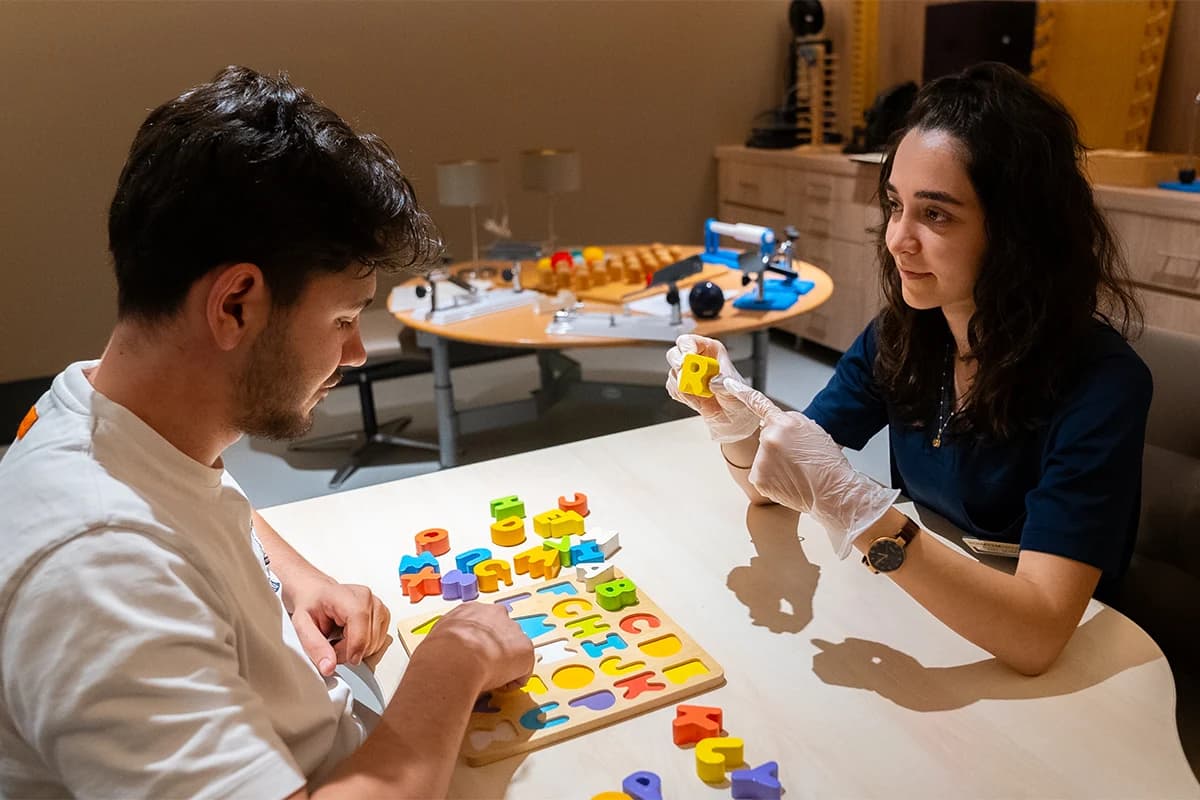
Assessment and treatment of speech, language and swallowing. It must be delivered in the patient's own language, so availability is confirmed before it is included in a treatment plan. It covers aphasia, dysarthria and voice changes, and swallowing is treated as a safety issue rather than a comfort one.
Two distinct areas of work
Communication: language production and understanding, speech clarity, voice, and the social use of language. Swallowing: assessment and treatment of the mechanics of eating and drinking safely, which is a medical safety issue rather than a comfort one.
The same profession covers both because the same anatomy and neurology underlie them, but they are separate problems and a patient may have either or both.
What it treats
Aphasia, dysarthria and apraxia of speech after stroke or brain injury. Voice and speech changes in Parkinson's disease, where intensive voice therapy reduced the everyday impact of voice problems in a large randomised trial 1. Communication after traumatic brain injury. Dysphagia from any neurological cause.
In children: speech sound disorders, language delay, stammering, and feeding difficulties. In head and neck cancer: speech and swallowing rehabilitation after treatment.
Language of delivery is not negotiable
Speech and language therapy has to be delivered in the patient's own language. Interpreting works for a physician consultation and for physiotherapy; it does not work here, because the language is the therapy rather than the medium for it.
We confirm availability for your language before including it in a plan rather than after you arrive. If we cannot deliver it, we say so and build the programme around what we can.
Why swallowing is assessed instrumentally
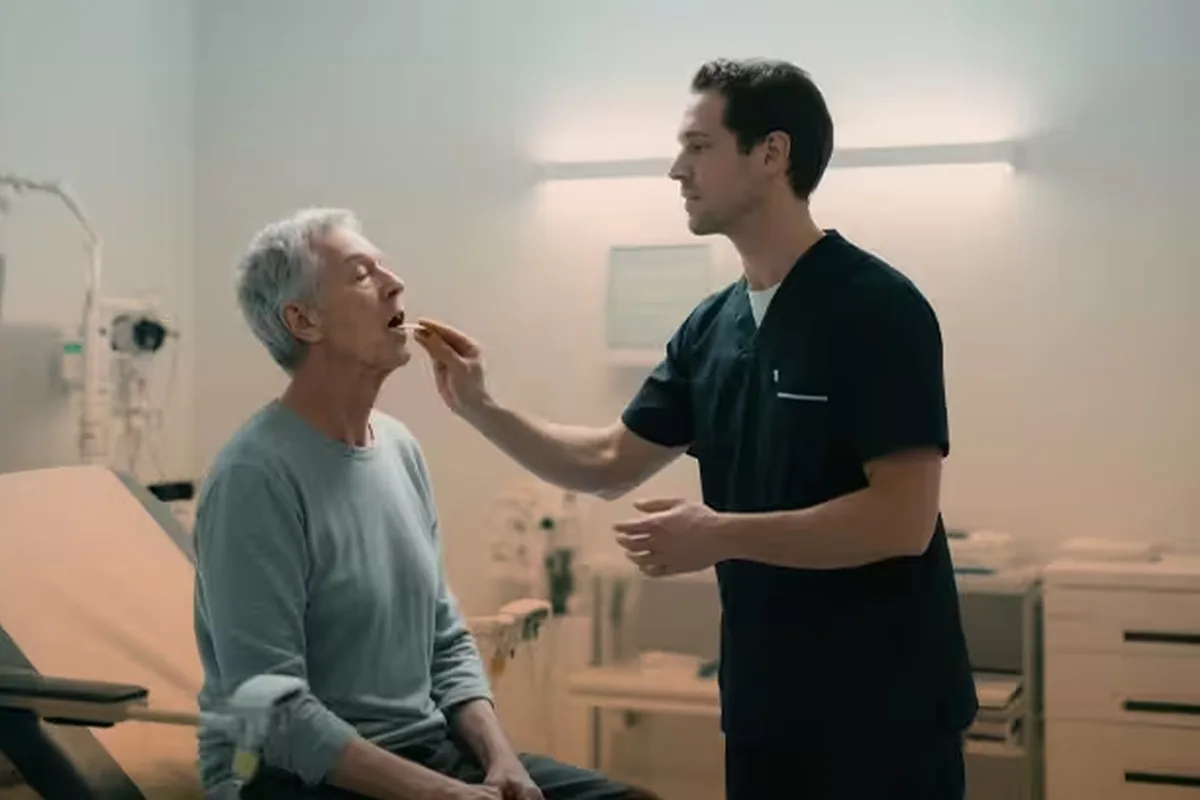
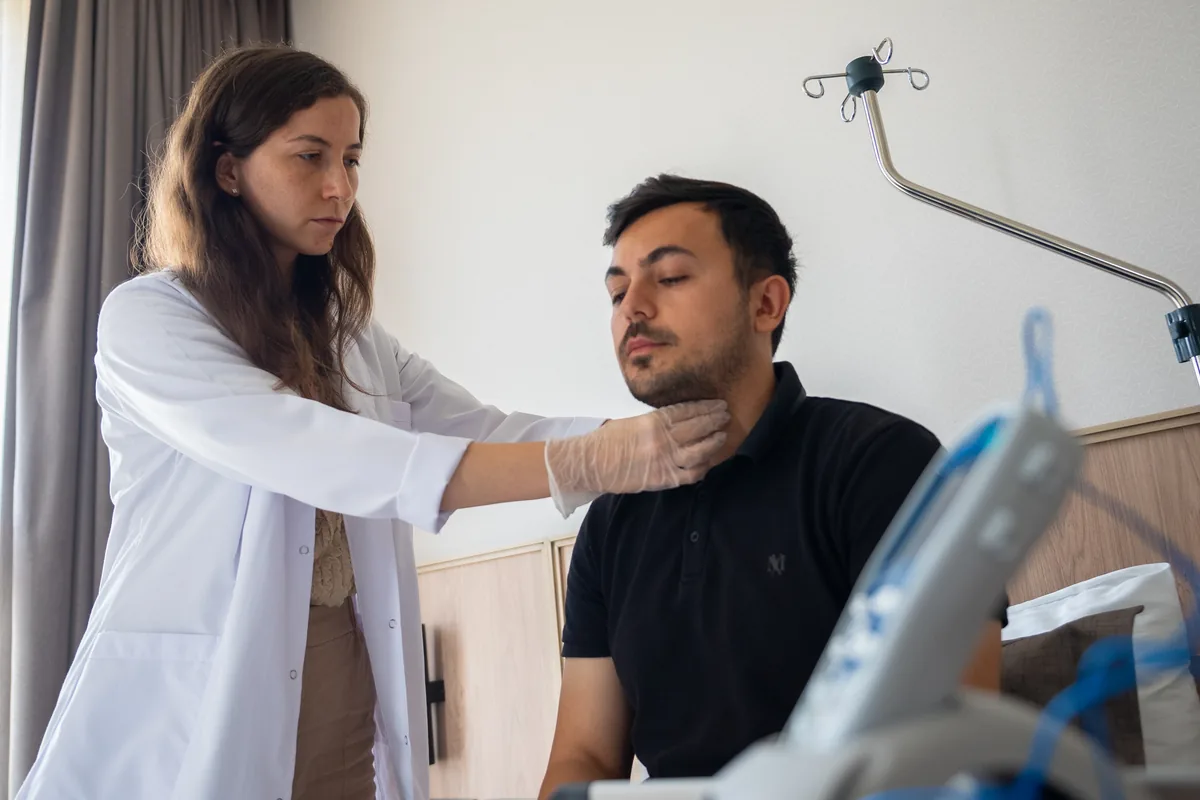
Silent aspiration — food or liquid entering the airway without producing a cough — is common and cannot be detected by watching someone eat. It leads to repeated chest infections and pneumonia.
Assessment identifies which phase of the swallow is failing, which determines the treatment. Modifying diet without knowing that can increase aspiration risk rather than reduce it.
Intensity matters in aphasia
Evidence in aphasia links therapy at a higher intensity, at a higher dose or over a longer period with better functional communication, although more people drop out of the most intensive schedules 2. That shapes how blocks are scheduled here.
It also has to be balanced against fatigue, which limits how much a person early after stroke can absorb. The plan states the intended intensity and adjusts it to tolerance rather than to a template.
Swallowing is a safety issue, not a comfort one
Aspiration causes pneumonia, and silent aspiration — where nothing is coughed — is common enough that clinical observation alone misses it. This is why instrumental assessment is used where risk is suspected.
Diet texture, positioning, and specific swallowing exercises follow from that assessment. Families are trained, because most meals happen without a therapist present.
Does therapy help aphasia after a stroke?
Yes, on current evidence. A Cochrane review of 57 randomised trials with 3,002 participants found that therapy improved functional communication, reading, writing and expressive language compared with no therapy 2. Fewer trials measured outcomes later on, and in those the benefit was not evident at follow-up 2.
Starting late is not in itself a reason to go without. In a German trial of 158 people aged 70 or younger whose aphasia had lasted six months or more, three or more weeks of intensive therapy — at least ten hours a week — improved everyday verbal communication, while the group whose therapy was deferred did not change 3.
Sources
- Sackley CM, Rick C, Brady MC, Woolley R, et al. Lee Silverman voice treatment versus NHS speech and language therapy versus control for dysarthria in people with Parkinson's disease (PD COMM): pragmatic, UK based, multicentre, three arm, parallel group, unblinded, randomised controlled trial — BMJ (2024)
- Brady MC, Kelly H, Godwin J, Enderby P, et al. Speech and language therapy for aphasia following stroke — Cochrane Database of Systematic Reviews (2016)
- Breitenstein C, Grewe T, Flöel A, Ziegler W, et al. Intensive speech and language therapy in patients with chronic aphasia after stroke: a randomised, open-label, blinded-endpoint, controlled trial in a health-care setting — The Lancet (2017)
Conditions this is used for
The 14 conditions where this method is part of a routine programme, grouped by area. It is never the whole plan on its own.
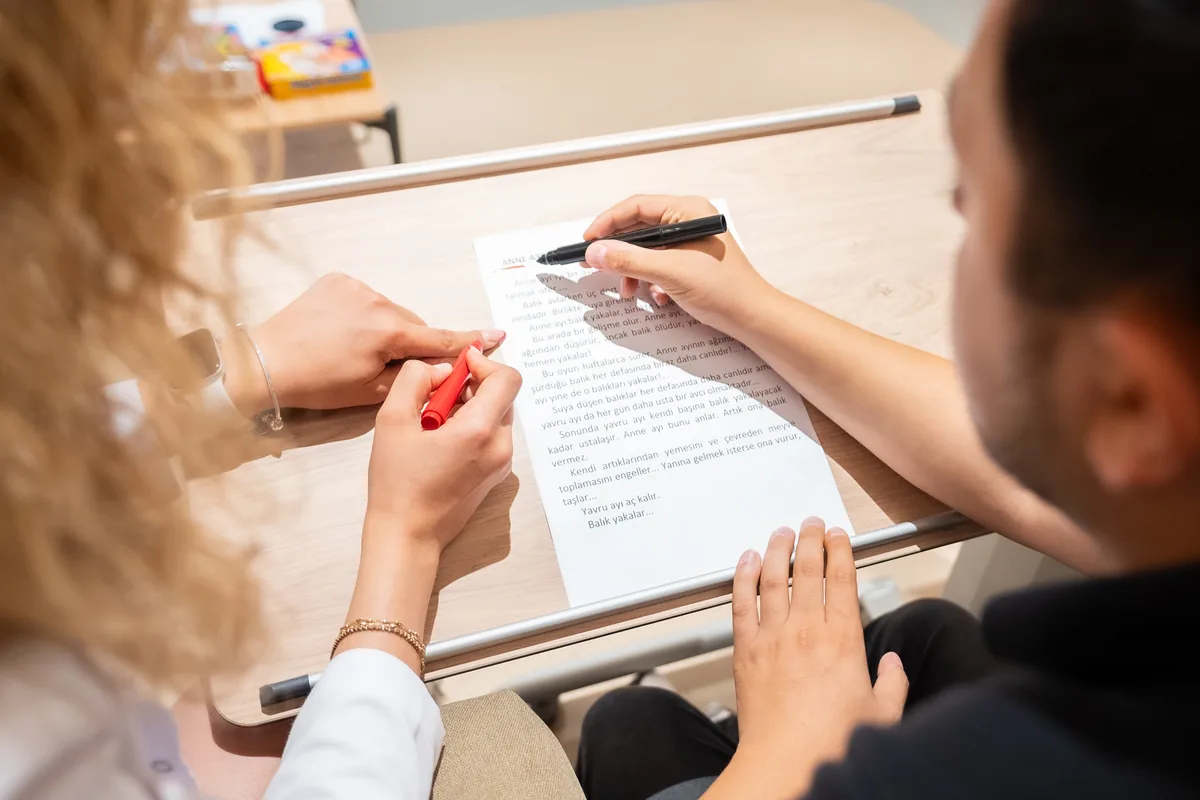
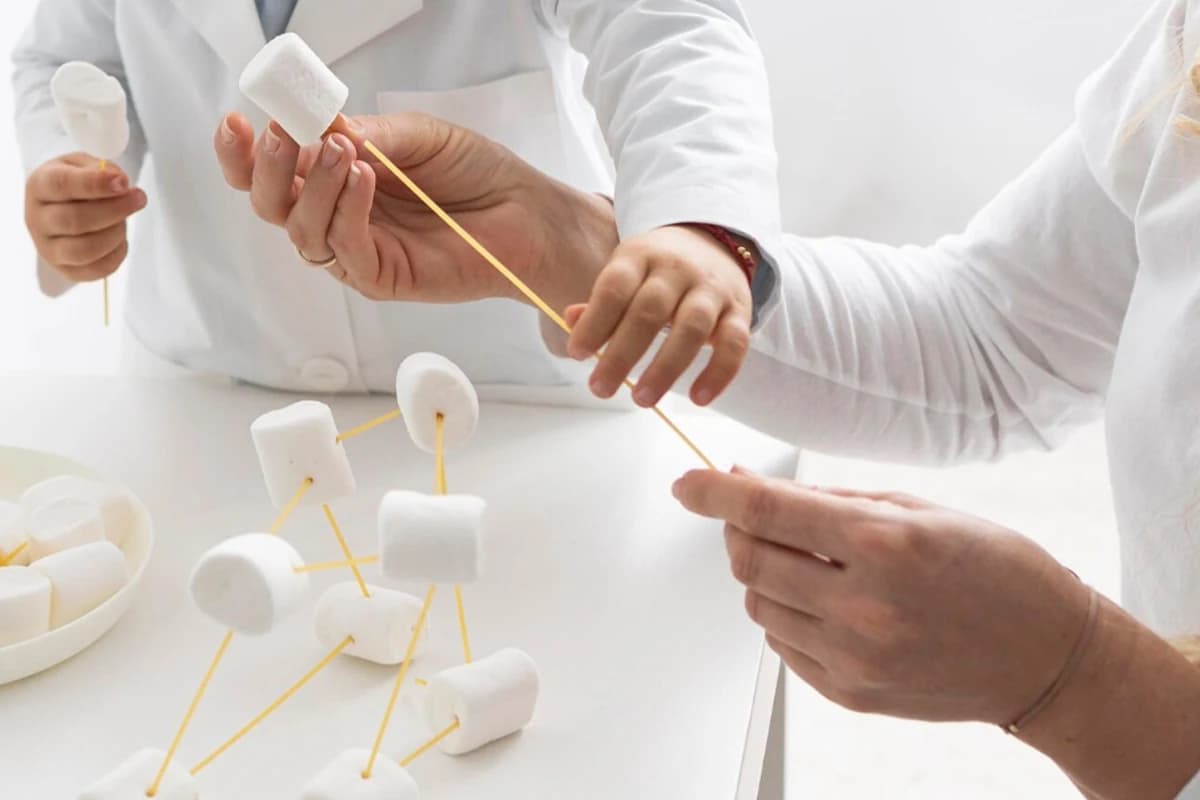


Methods are combined inside a programme and chosen after examination — they are not booked separately.
Your path to this treatment
Nothing here is booked from a page. You send the records you have, a rehabilitation physician reads them, and you get a written answer — including when the answer is that an intensive programme will not help.
4 steps, start to finish
1.Send your records
A discharge summary from the hospital that treated the original event, and any imaging of the affected area — CT, MRI or X-ray.2.A written plan in 48 hours
A rehabilitation physician reviews the case and returns the expected duration, the recommended programme and the centre. Free, no obligation.3.Travel and admission
Where a visa is needed we issue an invitation letter and treatment confirmation naming the dates and the facility. You are met at the airport and driven to the centre by private vehicle or ambulance; a bed for one companion and interpreting during therapy are arranged.4.Treatment, then home
The programme runs, then you leave with a discharge report and a written home exercise plan. Your return journey is organised before you go, with scheduled video reviews so progress does not stop.
In their words
What patients say after a programme
Short videos filmed during therapy: a child’s rehabilitation after a brain tumour, suspended gait training after spinal cord injury, and learning to walk again after a fall. Individual results vary.
Dave Evans on his physical therapy here
Musculoskeletal physiotherapy
Paediatric rehabilitation after a brain tumour
Inside a physiotherapy session
Spinal cord injury — the rehabilitation process
Suspension-assisted gait training
Walking difficulty and restricted movement after a fall
Regaining gait and range of motion
Locations
Our centres











Questions people actually ask
About this treatment
Can therapy be delivered through an interpreter?
No. Language is the therapy rather than the medium for it. Availability in the patient's own language has to be confirmed before travelling, and we will say plainly when we cannot provide it.
How much recovery is possible in aphasia?
It varies widely with the size and site of the lesion and how much time has passed. Improvement remains possible when aphasia has lasted six months or more, which is why chronic aphasia is not a reason to decline treatment 3.
What is instrumental swallowing assessment?
A videofluoroscopy or endoscopic examination that shows what happens during the swallow. It detects silent aspiration that bedside assessment misses.
Does the family need to be involved?
Substantially, particularly for communication strategies and for safe feeding. Most communication and most meals happen outside therapy hours.
Is voice therapy included?
Yes where relevant — voice and speech intelligibility work is a significant part of treatment in Parkinson's disease and after some neurological injuries.



