
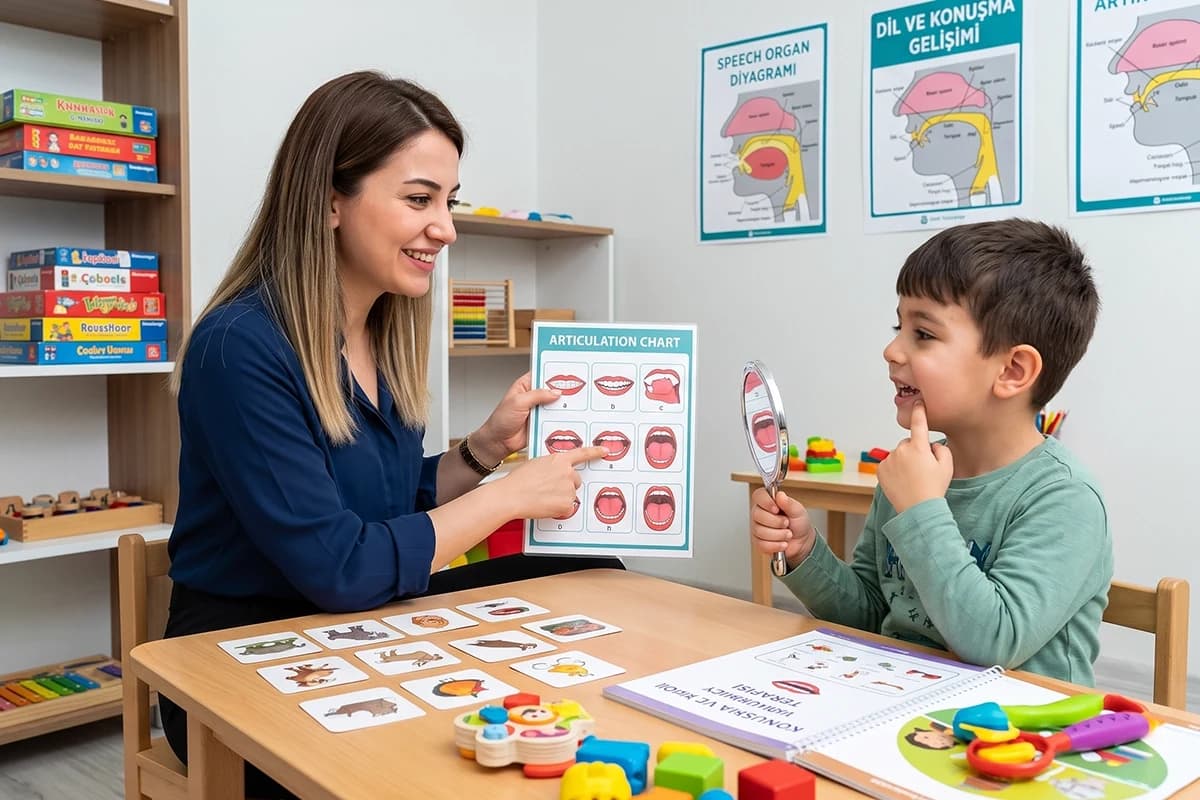
Medical condition
Aphasia
Aphasia is a loss of language, not of intelligence. Therapy must be delivered in the patient's own language, so we confirm availability before including it in a plan. Intensive blocks of three to six weeks produce more change than the same hours spread thinly.
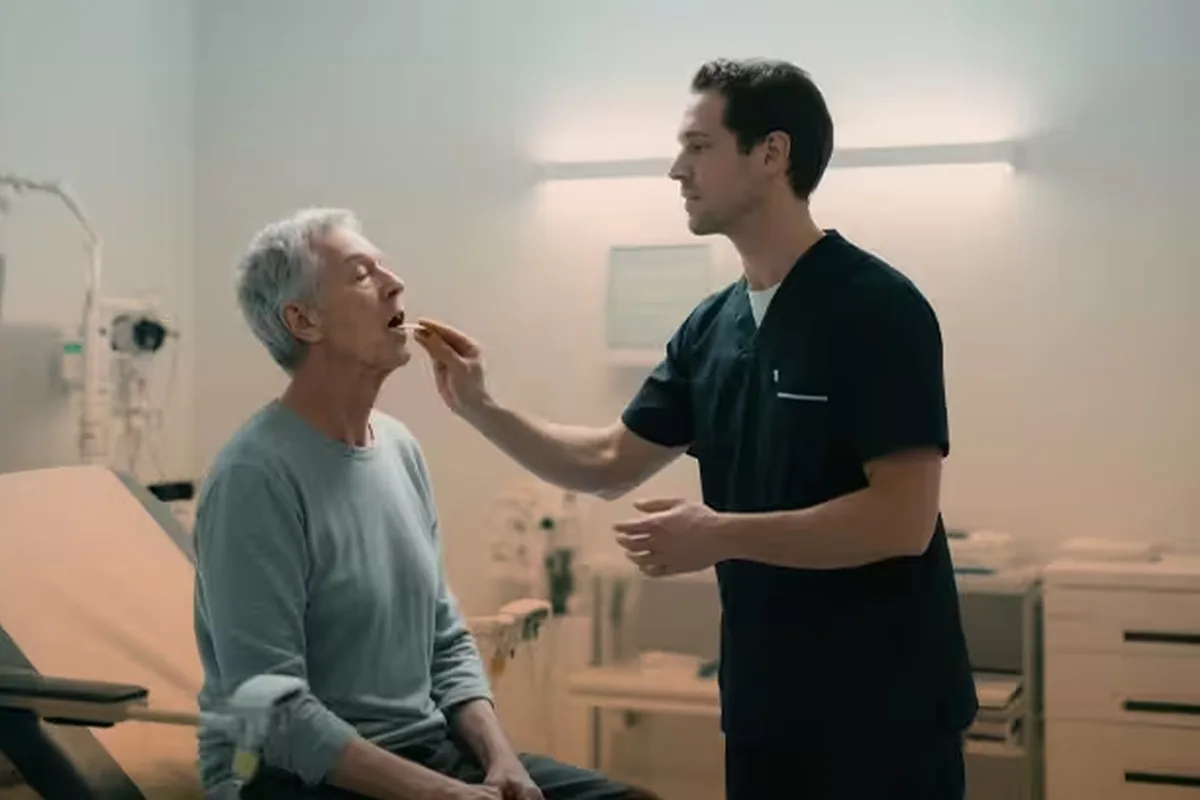
Language, not intelligence
Aphasia is a breakdown in the brain's ability to plan, produce or understand language. It appears as difficulty finding words, speech that others cannot follow, slow or broken sentences, or trouble understanding what is said. The person knows what they want to say — the route from thought to word is damaged.
This distinction is the single most important thing for families to understand, because the most common and most damaging mistake is talking about someone in their presence on the assumption that they are not following.
Where it comes from
Most often stroke, particularly affecting the left side of the brain where language sits in the majority of people. It also occurs after traumatic brain injury, and in Parkinson's disease, multiple sclerosis and other neurodegenerative conditions, where the pattern of difficulty differs.
Speech is produced by several brain regions working together, so the type of aphasia depends on which of them was affected. Assessment identifies the pattern before any therapy starts.
What therapy works on
Word retrieval and sentence construction. Comprehension. The muscles of speech where articulation rather than language is the problem. Alternative and augmentative communication — writing, gesture, picture boards, apps — introduced early rather than as an admission of defeat.
Social communication is trained deliberately: managing a conversation, repairing a misunderstanding, participating in a group. These are the skills that determine whether someone re-enters their own social life.
Language of delivery is not negotiable
Speech and language therapy must be delivered in the patient's own language. Interpreting works for physician review and for physiotherapy; it does not work for language therapy, because the therapy is the language.
We confirm availability for your language before including it in a plan rather than after you arrive. If we cannot provide it, we say so and structure the programme around what we can deliver.
Intensity matters more than total hours
Evidence points towards higher intensity over a shorter period producing better outcomes than the same total spread thinly over months. This is why therapy is delivered in blocks rather than as a weekly appointment.
It is balanced against fatigue, which is severe early after stroke. The plan states the intended intensity and adjusts to tolerance rather than following a template.
What the family can change immediately
Allow time and do not finish sentences. Use writing, drawing and gesture alongside speech. Ask questions that can be answered with yes or no when fluency is poor, and open questions when it is better. Reduce background noise.
These are taught deliberately, because most of a person’s communication happens outside therapy and the people around them determine whether it succeeds.
Frequently asked questions
Is aphasia a loss of intelligence?
No, and this is the most damaging misunderstanding. Thinking, reasoning and personality are intact; the access to language is impaired. Speaking loudly and slowly to an adult with aphasia is both useless and humiliating.
Can it improve years after a stroke?
Yes. Improvement continues well beyond the first year with therapy, and chronic aphasia is not a reason to decline treatment.
Can therapy be given through an interpreter?
No. Language is the therapy rather than the medium for it. Availability in the person’s own language must be confirmed before travelling.
What is the difference between aphasia and dysarthria?
Aphasia affects language itself — finding, understanding and constructing words. Dysarthria affects the muscular production of speech, with language intact. They need different treatment and often occur together.
Do communication apps help?
As a support, yes, particularly for people with severe expressive difficulty. They supplement therapy rather than replacing it, and choosing the right one is part of the assessment.
Sources
- Stroke rehabilitation in adults (NG236) — National Institute for Health and Care Excellence (2023)
Which therapies would I actually receive?
A therapy is a single method used inside a programme. It is measured in sessions and is not sold separately.
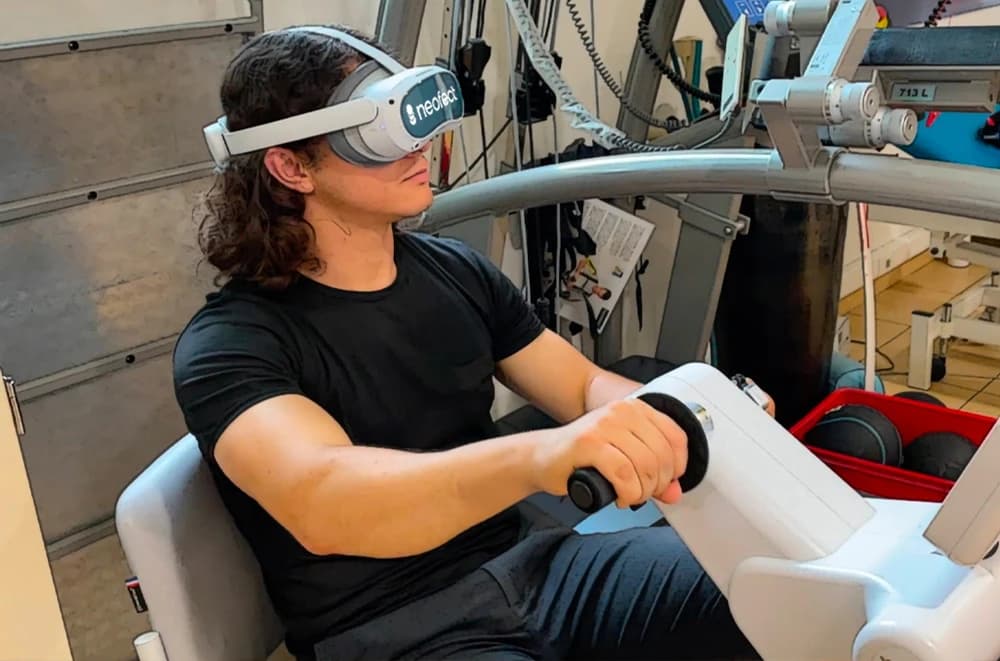
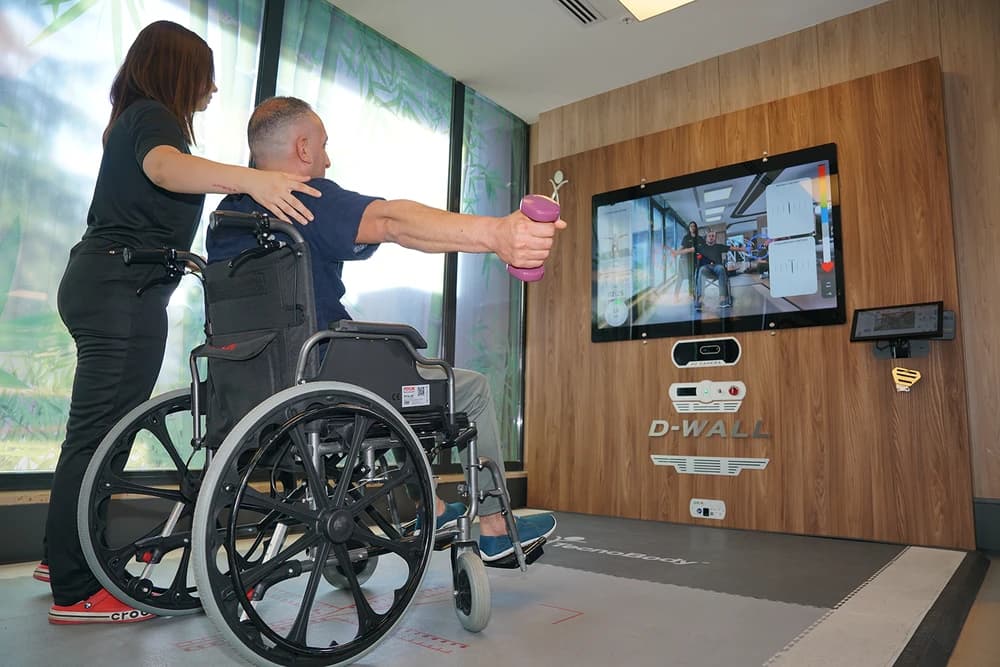
Technologies we use
Locations
Where you can receive this treatment


Related articles
 Neurological
When should rehabilitation start after a stroke?
Rehabilitation starts in the stroke unit, within days, as soon as the patient is medically stable. What the evidence cautions against is very high-dose out-of-bed activity in the earliest hours after stroke. The practical question for families is not whether to start early but what the programme delivers once it has started.Read moreNeurological Can speech come back after aphasia?
Speech and language often improve after aphasia, especially in the first months after a stroke, and many people keep improving for longer with therapy. Speech and language therapy improves everyday communication, understanding, reading and writing compared with no therapy. The amount and intensity of practice matter, and families play a major role.Read moreNeurological How long does it take to recover from a stroke?
Most recovery after a stroke happens in the early months, when the brain is most able to reorganise, and it continues more slowly for a longer period after that. How far someone gets depends mainly on how severe the stroke was, where it happened and how much active therapy follows.Read more



