
Exercise-based
Clinical Pilates
Equipment-based controlled movement supervised by a physiotherapist, focused on trunk and hip control. Used for recurrent back pain and as a bridge from treatment into independent exercise. Unlike a group class, it is prescribed after an individual assessment and adapted to the diagnosis.
How this differs from a Pilates class
Clinical Pilates is prescribed and supervised by a physiotherapist after an individual assessment, adapted to a specific diagnosis, and progressed on findings. A studio class is a general fitness class taught to a group.
The distinction matters after spinal surgery, in disc herniation, in osteoporosis and in pregnancy, where certain standard Pilates movements are inadvisable — loaded spinal flexion in osteoporosis is a clear example.
What it works on
Deep trunk muscle control, movement quality, spinal and pelvic stability, flexibility and body awareness. Equipment-based work using reformer and trapeze allows load and support to be adjusted precisely, which is what makes it usable early in rehabilitation.
It is used for chronic low back and neck pain, postural problems, after spinal surgery, in hypermobility, in pregnancy and postnatally, and as a transition from clinical rehabilitation to independent exercise.
What the evidence shows
Pilates-based exercise reduces pain and improves function in chronic low back pain 1. Compared with other forms of appropriately prescribed exercise, a Cochrane review found no conclusive evidence that it is better 1. A later network meta-analysis ranked it among the more effective types, but its authors still advised people to choose the exercise they enjoy 2.
That is a useful finding rather than a disappointing one: it means the important variable is that the exercise is prescribed, supervised and progressed, not which system it comes from. Choose the one you will keep doing.
Who should be assessed first
Anyone with disc herniation, spinal stenosis, spondylolisthesis, osteoporosis, recent spinal surgery, or a hypermobility disorder. In each case there are movements that should be modified or avoided, and a class instructor cannot be expected to know which.
Assessment takes one appointment and it determines whether the programme helps or aggravates.
Who supervises, and why that matters
Sessions here are delivered by physiotherapists who have assessed the person first, with the load and the movement selection matched to the condition. That is the difference between this and a class.
Someone with a recent disc problem, a hypermobile joint or osteoporosis needs specific exercises excluded, and a general class cannot know which.
What it does not replace
It is not a substitute for progressive resistance training where strength is the limiting factor, and it does not load bone the way heavier resistance work does.
Where the goal is strength or bone density, this runs alongside rather than instead.
Does clinical Pilates help neck pain?
It helps more than no exercise, but not more than other exercise. A 2025 meta-analysis of eight trials with 439 participants found that Pilates reduced neck pain and disability more than control conditions, while other forms of exercise reduced pain slightly more immediately after treatment and disability did not differ between them 3. The certainty of this evidence ranged from very low to moderate 3.
A review of 25 systematic reviews on chronic neck pain found short-term benefits for Pilates and other exercise types over no exercise, and concluded that no single type can be recommended as optimal 4.
Sources
- Yamato TP, Maher CG, Saragiotto BT, Hancock MJ, et al. Pilates for low back pain — Cochrane Database of Systematic Reviews (2015)
- Hayden JA, Ellis J, Ogilvie R, Stewart SA, et al. Some types of exercise are more effective than others in people with chronic low back pain: a network meta-analysis — Journal of Physiotherapy (2021)
- Lazoura E, Savva C, Ploutarchou G, Papacharalambous C, et al. Effectiveness of the pilates method in patients with chronic neck pain: a systematic review with meta-analysis — BMC Musculoskeletal Disorders (2025)
- Rasmussen-Barr E, Halvorsen M, Bohman T, Boström C, et al. Summarizing the effects of different exercise types in chronic neck pain — a systematic review and meta-analysis of systematic reviews — BMC Musculoskeletal Disorders (2023)
Conditions this is used for
The 11 conditions where this method is part of a routine programme, grouped by area. It is never the whole plan on its own.
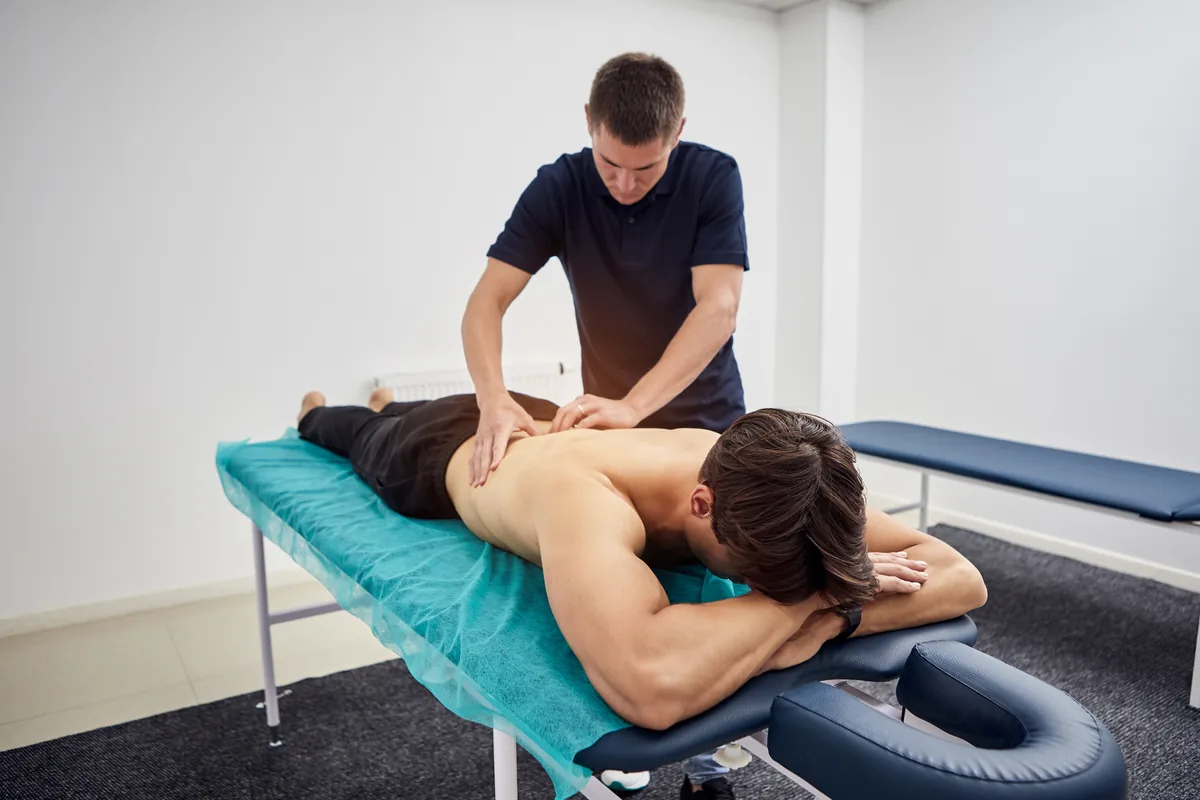

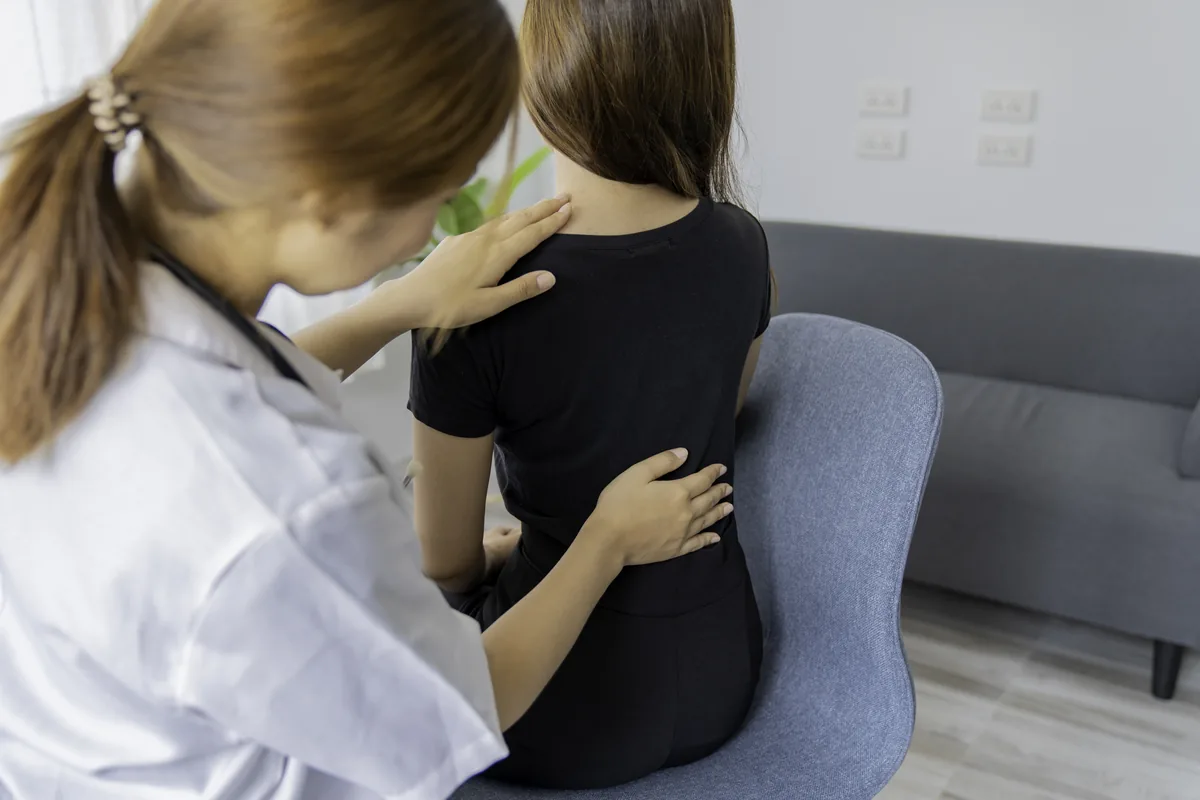
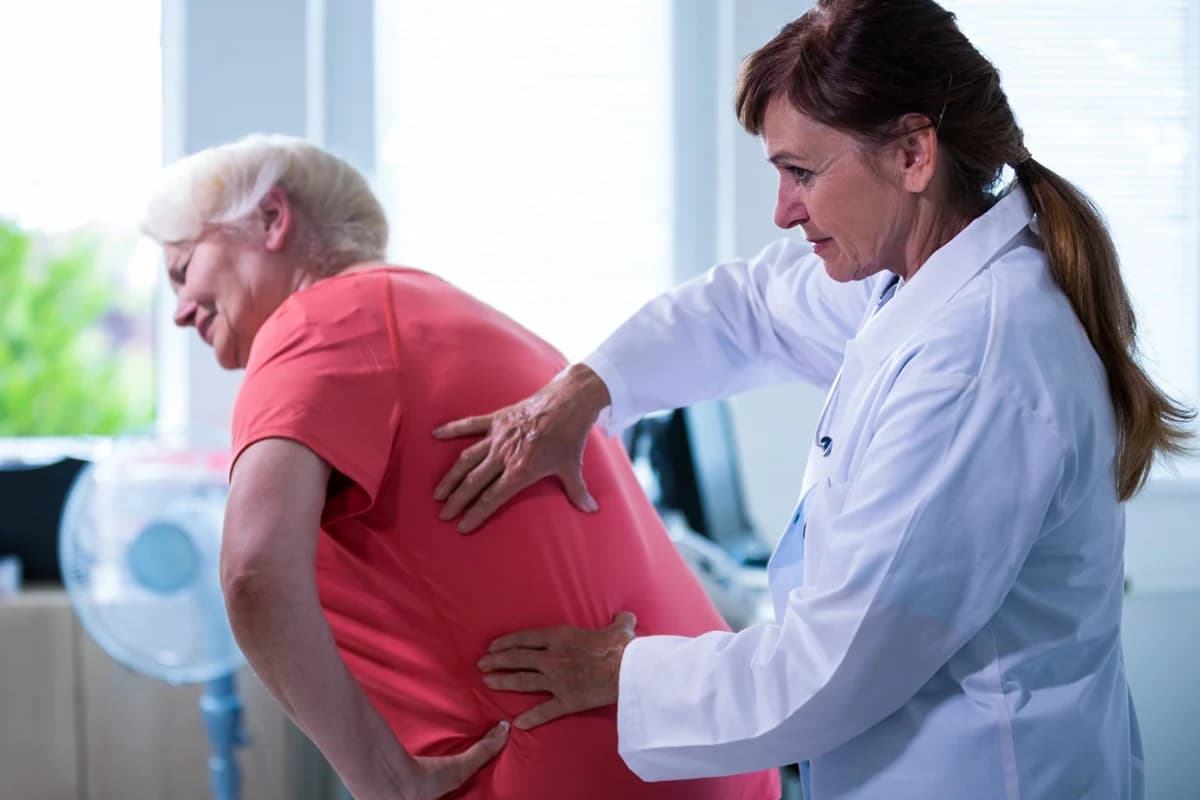
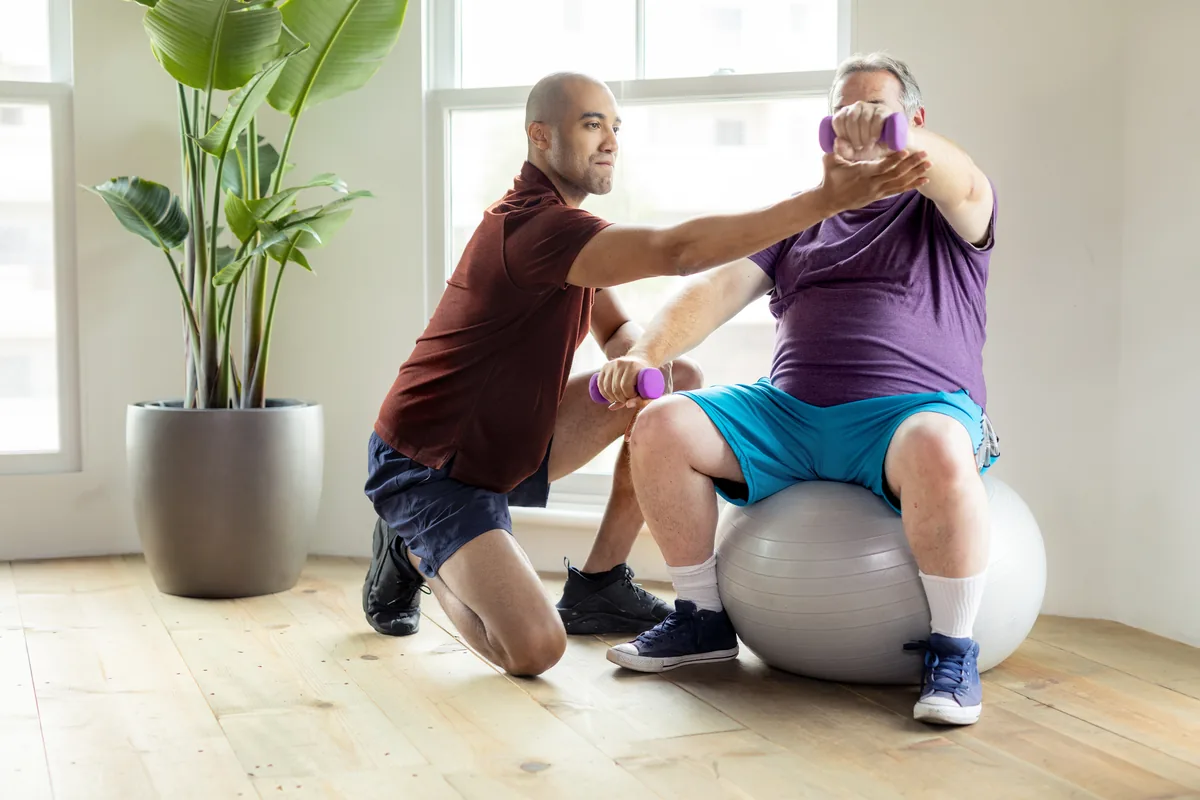


Methods are combined inside a programme and chosen after examination — they are not booked separately.
Your path to this treatment
Nothing here is booked from a page. You send the records you have, a rehabilitation physician reads them, and you get a written answer — including when the answer is that an intensive programme will not help.
4 steps, start to finish
1.Send your records
A discharge summary from the hospital that treated the original event, and any imaging of the affected area — CT, MRI or X-ray.2.A written plan in 48 hours
A rehabilitation physician reviews the case and returns the expected duration, the recommended programme and the centre. Free, no obligation.3.Travel and admission
Where a visa is needed we issue an invitation letter and treatment confirmation naming the dates and the facility. You are met at the airport and driven to the centre by private vehicle or ambulance; a bed for one companion and interpreting during therapy are arranged.4.Treatment, then home
The programme runs, then you leave with a discharge report and a written home exercise plan. Your return journey is organised before you go, with scheduled video reviews so progress does not stop.
In their words
What patients say after a programme
Short videos filmed during therapy: a child’s rehabilitation after a brain tumour, suspended gait training after spinal cord injury, and learning to walk again after a fall. Individual results vary.
Dave Evans on his physical therapy here
Musculoskeletal physiotherapy
Paediatric rehabilitation after a brain tumour
Inside a physiotherapy session
Spinal cord injury — the rehabilitation process
Suspension-assisted gait training
Walking difficulty and restricted movement after a fall
Regaining gait and range of motion
Locations
Our centres











Questions people actually ask
About this treatment
Is this the same as a Pilates class?
No. It is assessed, individually prescribed and supervised by a physiotherapist, and specific movements are excluded based on the condition.
Is it safe with osteoporosis?
With modification, yes — loaded spinal flexion and forceful rotation are removed. Unmodified classes commonly include both, which is why supervision matters here.
Do I need equipment?
Not necessarily. Mat-based work covers most of what is needed; reformer equipment is used where it adds something specific.
How often?
Two to three sessions a week during a course, with a home programme between. Consistency matters more than session length.
Will it fix my back pain?
It is one of several exercise approaches that help, and direct comparisons have not shown it to be clearly better than other exercise 1. What matters most is that you do something regularly and progress it.



