
Medical condition
Obesity
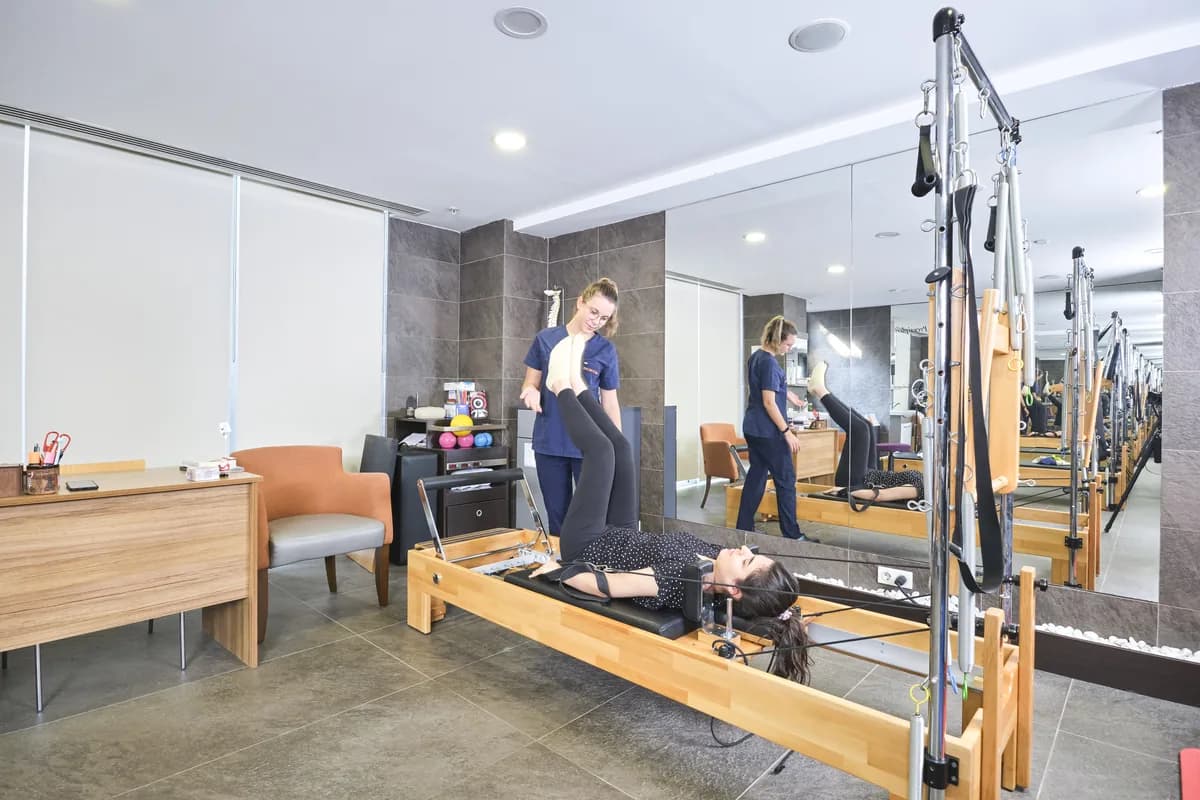
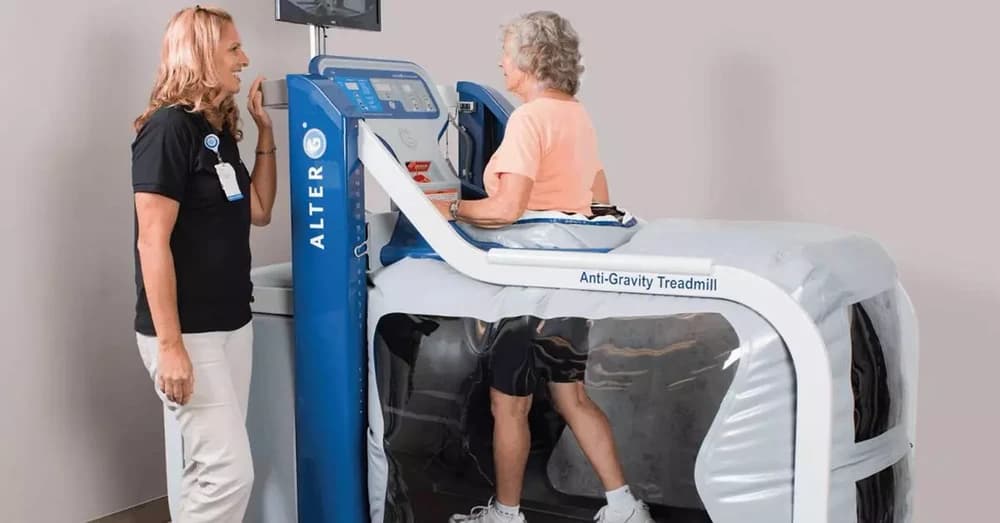
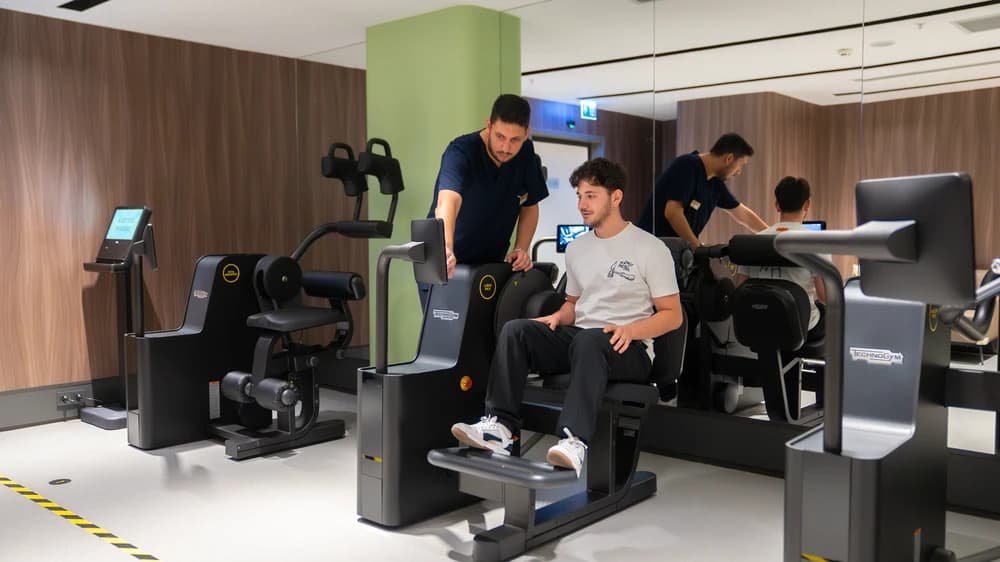
Obesity rehabilitation combines supervised exercise adapted to joint load, dietetic support and management of the musculoskeletal problems that make activity painful. It treats the barriers to movement rather than prescribing movement and hoping. Water and anti-gravity treadmill work reduce joint load so conditioning can start, and resistance training preserves muscle during weight loss.
Why generic exercise advice fails here
Telling someone with knee osteoarthritis and a high body weight to walk more addresses neither the joint pain that makes walking hurt nor the deconditioning that makes it exhausting. The advice is correct in principle and unusable in practice.
A programme that works starts from what the person can currently do without pain, and builds load in a form the joints tolerate.
What the programme contains
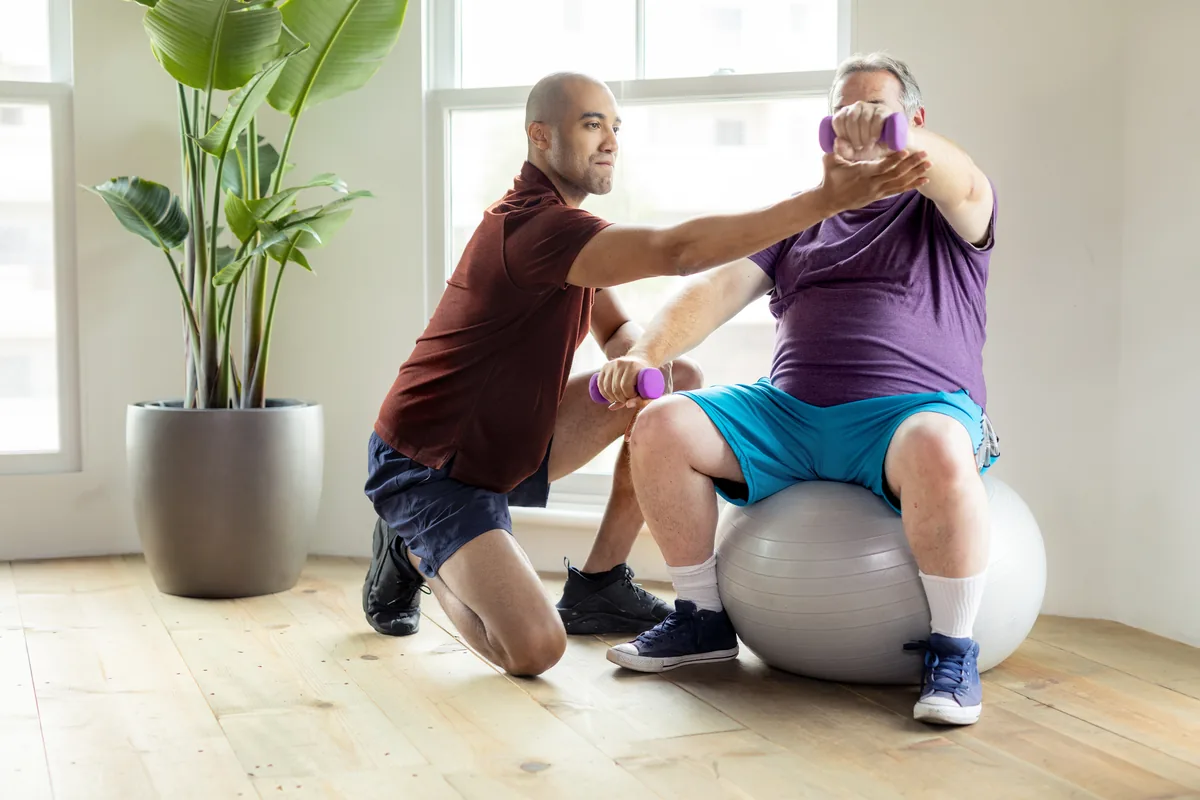
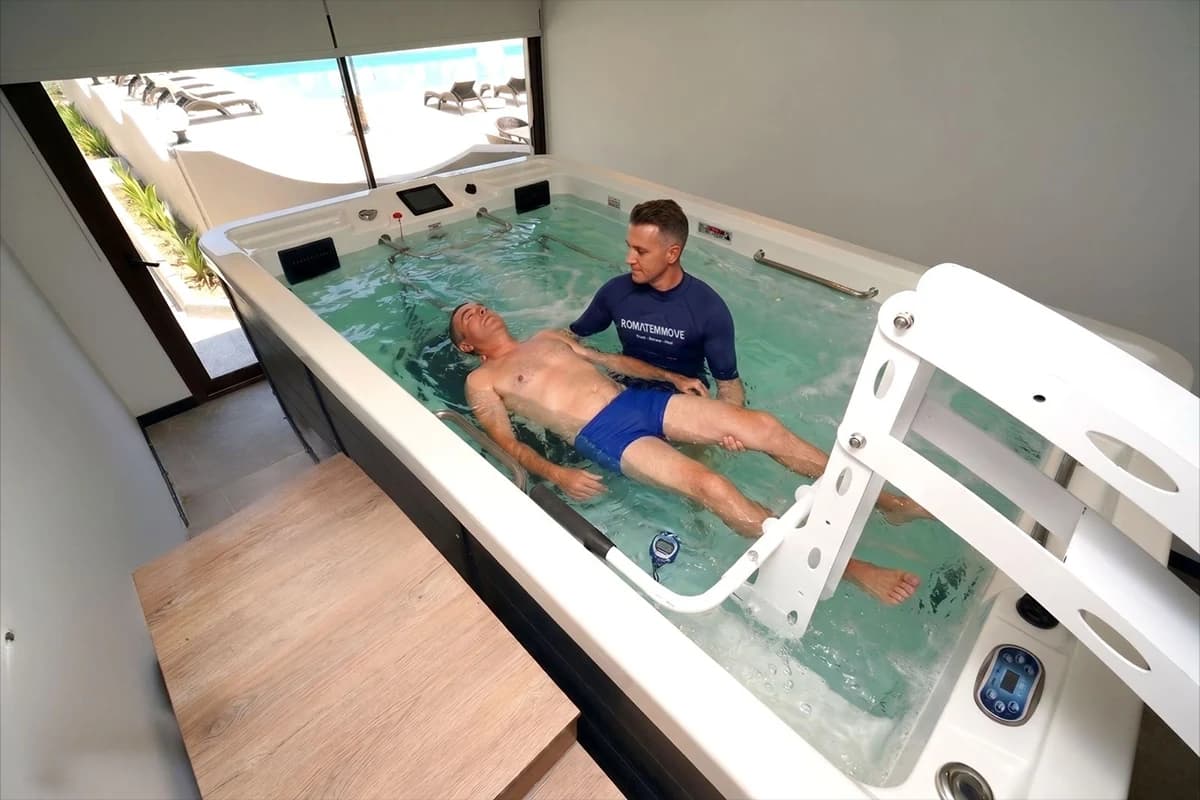
Aquatic exercise and anti-gravity treadmill work, both of which reduce joint load substantially and allow real conditioning to start. Progressive resistance training, which preserves muscle during weight loss and is the part most often omitted.
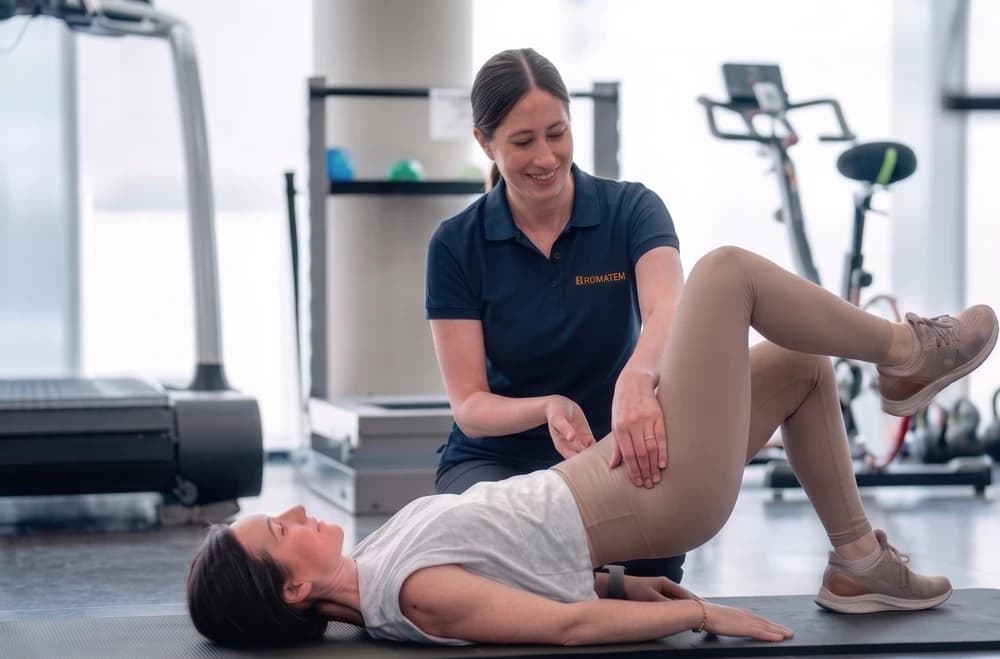
Dietetic assessment and a realistic eating plan. Management of the specific musculoskeletal problems — knee and hip osteoarthritis, back pain, plantar heel pain — that are limiting activity.
Preserving muscle matters more than the scale
Weight loss removes lean mass as well as fat. In a trial in older adults with obesity who were dieting, those who also did resistance training lost 2 to 3% of their lean mass, against 5% with aerobic exercise alone, and gained more strength 2.
This is why we measure body composition and functional capacity rather than weight alone, and why the strength component is not optional.
What we do not offer
We do not offer rapid weight loss protocols, meal replacement programmes sold as medical treatment, or any intervention promising a specific weekly loss. Those are not rehabilitation.
Where bariatric surgery or medical weight management is appropriate, that is a separate medical pathway and rehabilitation supports it rather than competing with it.
Why joint pain and weight have to be treated together
Exercise advice that ignores painful knees fails quickly, and weight advice that ignores the mechanical limitation fails just as reliably.
The programme starts with modalities that work under load — water, seated and supported work, gradual progression — so that activity becomes possible before it becomes effective.
What changes if I am taking a weight-loss medicine?
Medicines such as semaglutide and tirzepatide produce larger weight losses than lifestyle change alone, and part of what is lost is muscle 3. A 2026 systematic review of 35 trials found that a median of about 28% of the weight lost on these medicines came from lean or muscle tissue, above the expected level in about two thirds of the trials; none of the trials measured physical function objectively 3. Muscle loss beyond the expected level was also seen with weight loss from diet and lifestyle alone 3.
That makes the rehabilitation side more important, not less. Resistance training reduces the muscle lost during weight loss 2. It is therefore built in from the start, protein intake is reviewed by the dietitian, and strength and body composition are measured along the way rather than weight alone. Decisions about the medicine itself stay with the prescribing physician.
Frequently asked questions
Do I need to lose weight before starting rehabilitation?
No, and that order fails. Activity is part of how weight comes down, and joint pain is treated alongside rather than afterwards.
Why does muscle matter during weight loss?
Weight loss costs muscle as well as fat, and adding resistance training reduces the muscle lost and improves strength 2. Preserving muscle is part of the programme.
Do you provide weight-loss medication or surgery?
No. We provide the rehabilitation component and work alongside the physicians managing those where they are part of your care.
How much difference does weight loss make to knees?
What if I have tried before?
Most people have, several times. The programme is built around what has failed previously rather than repeating it more firmly.
Sources
- Weight loss reduces knee-joint loads in overweight and obese older adults with knee osteoarthritis — Arthritis and Rheumatism (2005)
- Villareal DT, Aguirre L, Gurney AB, Waters DL, et al. Aerobic or resistance exercise, or both, in dieting obese older adults — New England Journal of Medicine (2017)
- Batsis JA, Gavras A, Gross DC, Cheever CR, et al. Effect of incretin-based and nonpharmacologic weight loss on body composition: a systematic review — Annals of Internal Medicine (2026)
- Messier SP, Mihalko SL, Legault C, Miller GD, et al. Effects of intensive diet and exercise on knee joint loads, inflammation, and clinical outcomes among overweight and obese adults with knee osteoarthritis: the IDEA randomized clinical trial — JAMA (2013)
Which therapies would I actually receive?
A therapy is a single method used inside a programme. It is measured in sessions and is not sold separately.

Technologies we use


Locations
Where you can receive this treatment






Related articles
Lymphoedema and lipoedema Lipoedema or lymphoedema: why the diagnosis changes the treatment
They look similar and are managed differently. Lymphoedema is protein-rich swelling from a failing lymphatic system, usually asymmetrical, and it involves the foot. Lipoedema is a symmetrical, painful fat distribution disorder that characteristically spares the feet. Compression helps both; drainage and weight loss do not help them equally.Read moreCardiac Is it safe to exercise after a heart attack?
Supervised exercise after a heart attack is one of the better-evidenced treatments in cardiology, and reviews find it reduces cardiovascular death and hospital readmission. The risk of a serious event during a supervised session is very low. Unsupervised, unprescribed exertion is a different question with a different answer.Read moreObesity How can you exercise when your weight makes your joints hurt?
Low-impact activities such as water-based exercise, cycling, seated exercise and short walks reduce stress on painful joints while building fitness and strength. Water exercise improved pain and disability in people with knee and hip osteoarthritis. Starting gently, building up gradually and combining exercise with dietary changes gives the greatest benefit for joints.Read more



