
Manual and hands-on
Regenerative and orthobiologic treatments
Regenerative treatments inject a concentrate from your own blood or tissue — such as platelet-rich plasma (PRP) or cell-based preparations — into a joint or tendon to support repair. The evidence is mixed: they may ease pain for some people, they do not regrow cartilage, and we use them only alongside rehabilitation, never instead of it.
What these treatments are
Regenerative, or orthobiologic, treatments use material prepared from your own body to support repair in a damaged joint or tendon. The most common is platelet-rich plasma (PRP): a small amount of your blood is drawn and spun in a centrifuge, and the platelet-rich layer is injected into the problem area. Cell-based preparations are made from a small sample of your own fat tissue or bone marrow, taken under local anaesthetic.
The idea is that growth factors in the concentrate calm inflammation and encourage healing. That is the theory; whether it helps in practice depends on the condition, and the evidence is set out below.
What does the evidence show for knee osteoarthritis?
For stem cell injections, a 2025 Cochrane review of 25 randomised trials found that, compared with a placebo injection, they may slightly reduce pain and improve function for up to six months — on average by about 1.2 points on a 0–10 pain scale. The certainty of this evidence is low, none of the trials measured whether the joint changed on X-ray, and long-term safety is uncertain 1.
For PRP, in a placebo-controlled trial 288 people with knee osteoarthritis received three weekly injections of either PRP or saline. At 12 months PRP was no better than saline for pain or for cartilage volume 2. The American College of Rheumatology and Arthritis Foundation guideline recommends against both PRP and stem cell injections in knee and hip osteoarthritis, pointing to how much the preparations vary and how little they are standardised 3.
And for tendon problems?
For tendon and other soft tissue injuries — including tennis elbow, rotator cuff, patellar and Achilles tendon problems — a Cochrane review of 19 small trials found insufficient evidence to support platelet-rich therapy and rated the evidence as very low quality. It also noted that preparation methods varied and were not standardised, which makes results hard to compare 4.
This is why these injections are not a first step. Exercise is strongly recommended for knee and hip osteoarthritis 3, and an injection is considered only after exercise-based rehabilitation has been tried properly.
Who may be considered
Adults with early or moderate osteoarthritis of the knee, hip, shoulder or ankle, a focal cartilage lesion, a chronic tendon problem, or a ligament or meniscus injury — when medication, exercise and physiotherapy have not been enough. Suitability is decided by a physician after examining you and reviewing your imaging.
It is not offered with an active infection or active cancer, a blood or clotting disorder, during pregnancy or breastfeeding, with uncontrolled diabetes, while taking immunosuppressive medication, shortly after a steroid injection into the same area, or in end-stage osteoarthritis. If you take a blood thinner, tell us before your appointment.
How a treatment day runs
The procedure is completed in a single day. For PRP, blood is drawn from your arm; for a cell-based preparation, a small sample of fat or bone marrow is taken under local anaesthetic. The sample is processed under sterile conditions and injected the same day, usually under ultrasound guidance so the needle reaches the intended spot. You then stay under observation for a short time.
Depending on the condition, one session may be enough or several are planned a few weeks apart. Rehabilitation begins in the following days, and the result depends on it: the injection may ease pain enough for you to load the joint or tendon properly, and the exercise programme does the rest.
After the injection
Pain, swelling or bruising at the injection site for a few days is common. Your physician will tell you which painkillers to use and which to avoid in the first days. Contact us straight away if you develop a fever, spreading redness, discharge from the injection site or pain that keeps getting worse.
Any effect builds gradually over weeks rather than days. Some people notice little or no change, and that is worth knowing before you decide.
What about exosome treatment for neurological conditions?
Exosomes are tiny particles released by cells. They are being studied in conditions such as cerebral palsy, spinal cord injury, stroke, traumatic brain injury, multiple sclerosis, Parkinson's disease and ALS, and are given by intravenous, intramuscular or intrathecal injection.
This is experimental, and it has not been shown to restore lost function in any of these conditions. The US Food and Drug Administration states that there are no approved exosome products and has warned of serious adverse events in patients who received unapproved ones 5. The International Society for Stem Cell Research cautions against selling unproven cell-based interventions to patients and notes that patient registries are no substitute for controlled trials 6.
If you ask about it, a physician will discuss it with you on those terms. It never replaces rehabilitation: after a stroke, for example, recovery depends on a sustained programme delivered by a coordinated team 7.
Sources
- Whittle SL, Johnston RV, McDonald S, Worthley D, et al. Stem cell injections for osteoarthritis of the knee — Cochrane Database of Systematic Reviews (2025)
- Bennell KL, Paterson KL, Metcalf BR, Duong V, et al. Effect of intra-articular platelet-rich plasma vs placebo injection on pain and medial tibial cartilage volume in patients with knee osteoarthritis: the RESTORE randomized clinical trial — JAMA (2021)
- Kolasinski SL, Neogi T, Hochberg MC, Oatis C, et al. 2019 American College of Rheumatology/Arthritis Foundation guideline for the management of osteoarthritis of the hand, hip, and knee — Arthritis Care & Research (2020)
- Moraes VY, Lenza M, Tamaoki MJ, Faloppa F, et al. Platelet-rich therapies for musculoskeletal soft tissue injuries — Cochrane Database of Systematic Reviews (2014)
- Public safety notification on exosome products — US Food and Drug Administration (2019)
- Lovell-Badge R, Anthony E, Barker RA, Bubela T, et al. ISSCR guidelines for stem cell research and clinical translation: the 2021 update — Stem Cell Reports (2021)
- Winstein CJ, Stein J, Arena R, Bates B, et al. Guidelines for adult stroke rehabilitation and recovery: a guideline for healthcare professionals from the American Heart Association/American Stroke Association — Stroke (2016)
Conditions this is used for
The 5 conditions where this method is part of a routine programme, grouped by area. It is never the whole plan on its own.
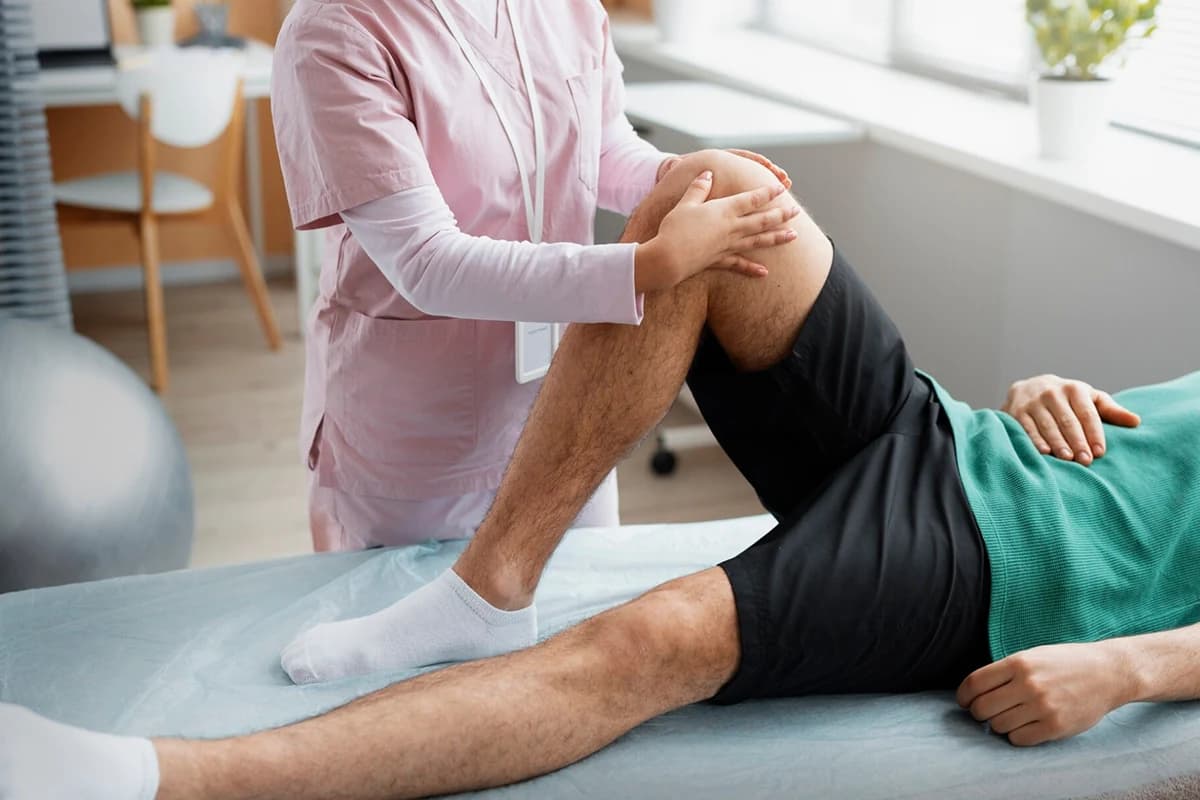
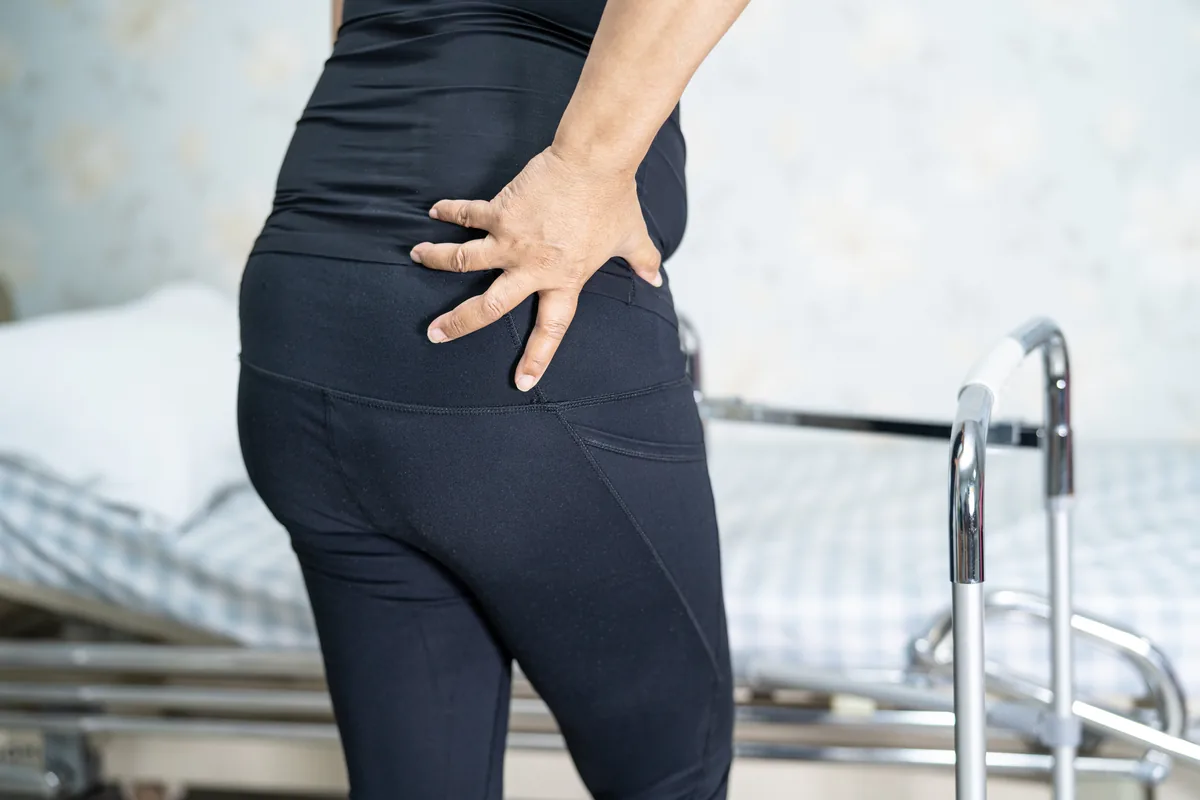
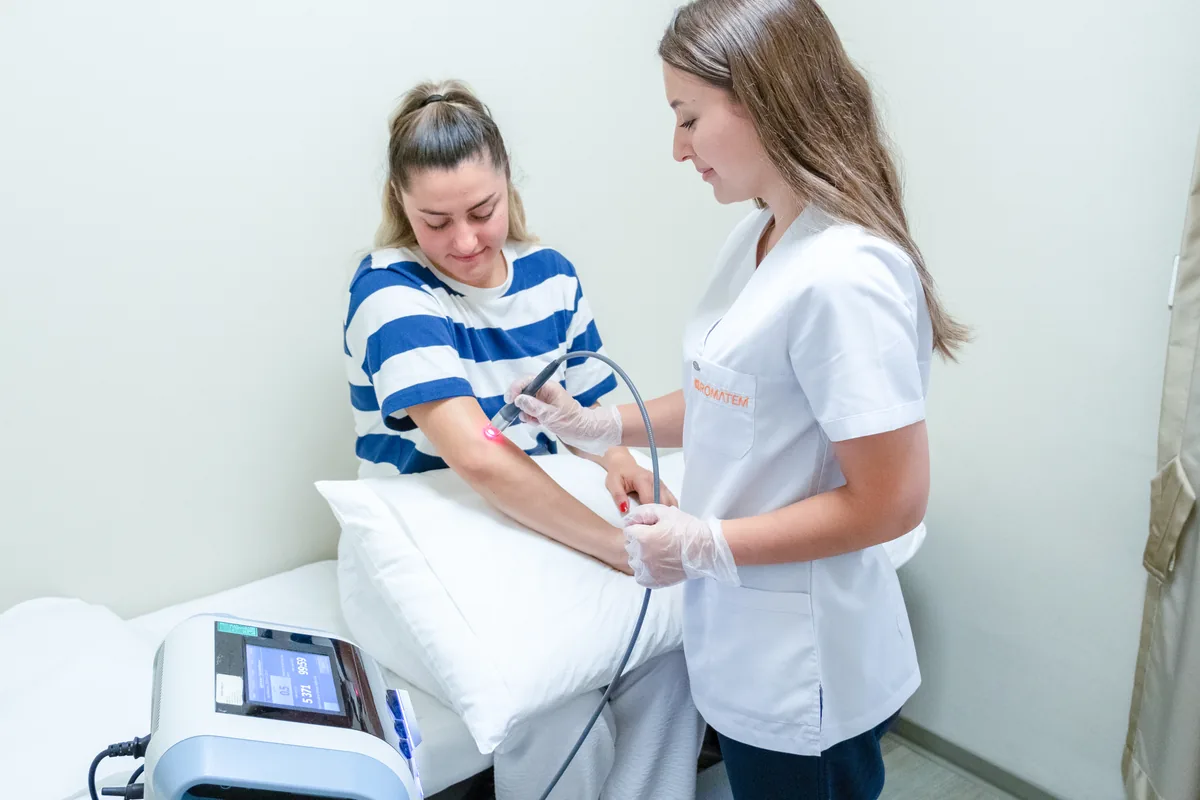
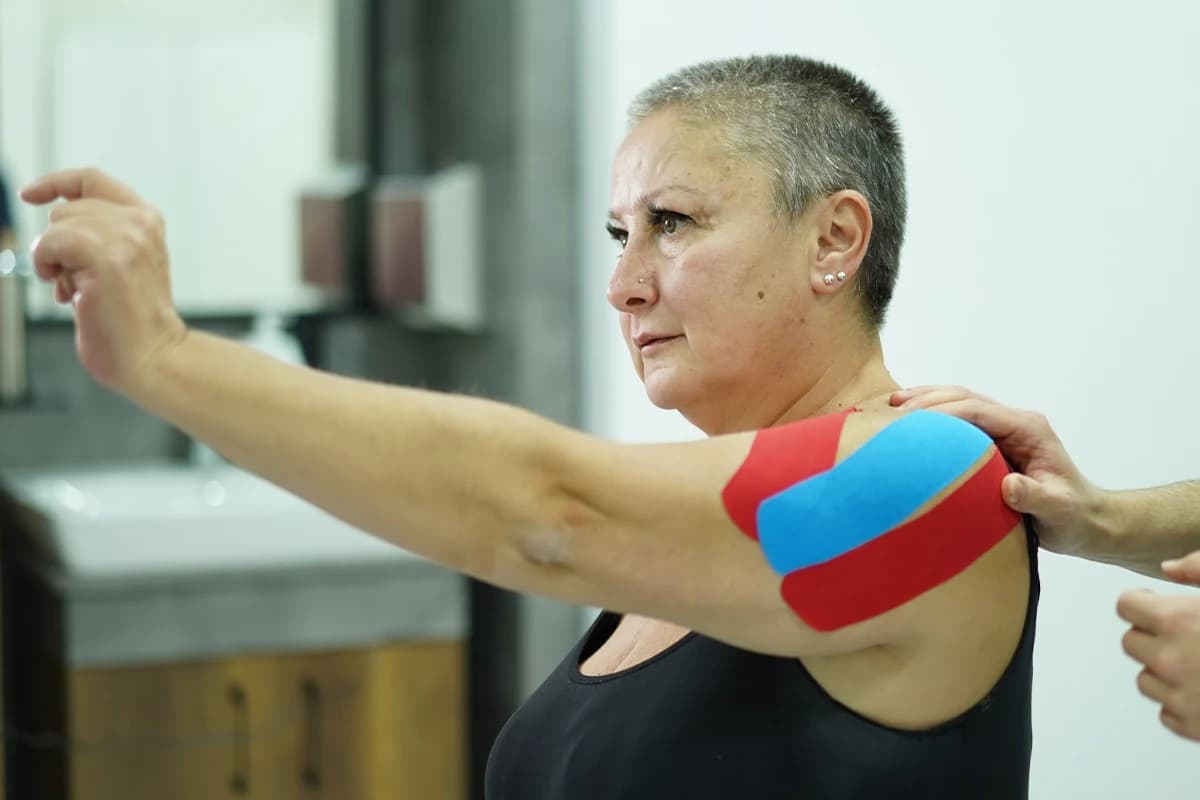
Methods are combined inside a programme and chosen after examination — they are not booked separately.
Your path to this treatment
Nothing here is booked from a page. You send the records you have, a rehabilitation physician reads them, and you get a written answer — including when the answer is that an intensive programme will not help.
4 steps, start to finish
1.Send your records
A discharge summary from the hospital that treated the original event, and any imaging of the affected area — CT, MRI or X-ray.2.A written plan in 48 hours
A rehabilitation physician reviews the case and returns the expected duration, the recommended programme and the centre. Free, no obligation.3.Travel and admission
Where a visa is needed we issue an invitation letter and treatment confirmation naming the dates and the facility. You are met at the airport and driven to the centre by private vehicle or ambulance; a bed for one companion and interpreting during therapy are arranged.4.Treatment, then home
The programme runs, then you leave with a discharge report and a written home exercise plan. Your return journey is organised before you go, with scheduled video reviews so progress does not stop.
In their words
What patients say after a programme
Short videos filmed during therapy: a child’s rehabilitation after a brain tumour, suspended gait training after spinal cord injury, and learning to walk again after a fall. Individual results vary.
Dave Evans on his physical therapy here
Musculoskeletal physiotherapy
Paediatric rehabilitation after a brain tumour
Inside a physiotherapy session
Spinal cord injury — the rehabilitation process
Suspension-assisted gait training
Walking difficulty and restricted movement after a fall
Regaining gait and range of motion
Locations
Our centres











Questions people actually ask
About this treatment
Will it regrow my cartilage?
No. There is no reliable evidence that these injections rebuild cartilage. In a placebo-controlled trial of PRP in knee osteoarthritis, cartilage volume at 12 months was no different from saline 2.
Can it help me avoid a knee replacement?
It has not been shown to delay or prevent joint replacement, and it is not offered in end-stage osteoarthritis. If your scans show advanced damage, the physician will discuss the surgical options with you.
Does it hurt?
Local anaesthetic is used where fat or bone marrow is collected. The injection itself causes brief discomfort, and soreness at the site for a few days afterwards is common.
How many sessions will I need?
Some conditions are treated with a single session, others with several a few weeks apart. The physician decides after examining you, and the plan is set out in writing before you travel.
How long do I need to stay?
The procedure itself takes one day. If rehabilitation is planned alongside it, the length of your stay depends on that programme.
Is exosome treatment proven?
No. There are no exosome products approved by the US FDA 5, and benefit in neurological conditions has not been shown. It is never a replacement for rehabilitation.



