
Medical condition
Rotator Cuff Tear
Many rotator cuff tears are managed successfully without surgery, particularly degenerative partial tears in older adults. Progressive loading restores function in a substantial proportion. Acute traumatic tears in younger people are a different situation and are usually referred for surgical opinion promptly.
Not all tears are the same problem
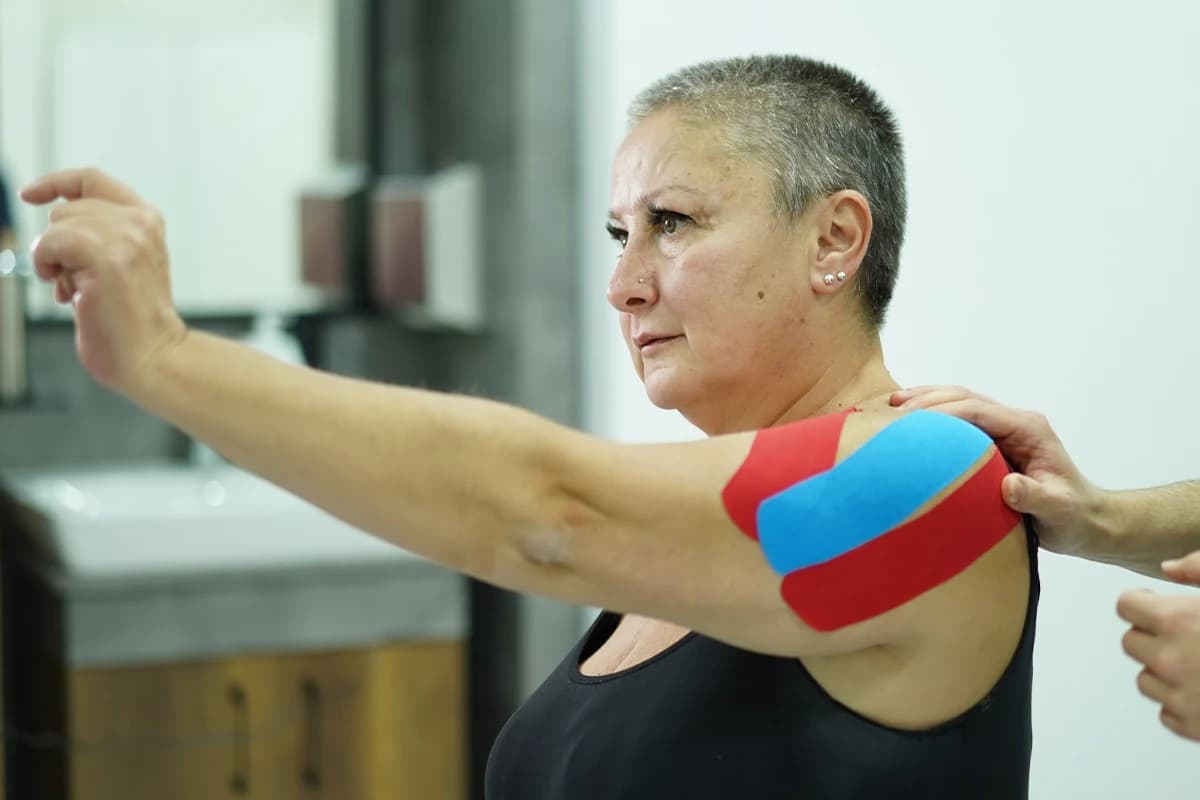
A degenerative partial-thickness tear developing over years in a shoulder that still works is a different situation from a full-thickness tear sustained in a fall. The first is common and often symptom-free; the second usually needs prompt surgical assessment.
Cuff tears are found on scans in a large proportion of people over 60 with no shoulder pain at all. Finding one does not establish that it is causing the symptoms.
What conservative treatment achieves
For degenerative tears, structured exercise restores function in a substantial proportion of patients, and outcomes at one to two years are comparable to surgical repair in several trials 1. The tear does not heal; the shoulder learns to work around it.
The programme strengthens the remaining cuff and the scapular muscles, and takes sustained, consistent work before it can be fairly judged.
When surgery is the right answer sooner
An acute traumatic full-thickness tear in a younger, active person. Progressive weakness rather than pain. Inability to lift the arm at all after an injury. A tear that has failed a properly delivered exercise programme.
Delay in acute traumatic tears matters — the tendon retracts and the muscle changes over months, and repair becomes harder. This is one of the situations where prompt referral is genuinely important.
After surgery
Repair is followed by a protected period in a sling with the range dictated by the surgeon, then graded range, then strengthening. Full recovery is measured in months rather than weeks, and the early phase is slow by design — the repair has to hold.
We work to the operating surgeon's protocol and ask for it in writing, because it differs between surgeons and between repair techniques for the same tear.
Tears found on scans in people with no pain
Partial and even full-thickness rotator cuff tears are common findings in people who have no shoulder symptoms whatsoever, and they become steadily more common with age. A tear on a scan is therefore not automatically the explanation for the pain.
This changes the question from what the scan shows to what the shoulder can do. Two people with identical imaging can have completely different function, and it is function that the programme is aimed at.
What the programme actually trains
The remaining cuff and the muscles around the shoulder blade, because a shoulder with a tear can still work well if the rest of the system compensates. Range is restored first where stiffness is limiting, then strength through that range, then control of the movements you actually need.
Progress is measured — degrees of elevation, external rotation strength, what you can lift and to what height — rather than judged by how the shoulder felt during the session.
How long recovery takes
Conservative treatment usually needs a sustained period before its effect can be fairly judged, and improvement often continues beyond that. Judging it too early and abandoning it is the most common reason people conclude rehabilitation does not work for them.
After surgical repair the timeline is longer and non-negotiable: a period of protection while the repair heals, then graded movement, then strengthening, with full return taking many months. Rushing this is how repairs fail.
Sleeping with a painful shoulder
Night pain is often the symptom that finally drives people to seek help, and it is the one that responds least predictably. Sleeping on the affected side compresses the shoulder; lying flat lets the arm drop into a provocative position.
Supporting the arm on a pillow, semi-reclined positioning and timing pain relief for the evening help most people. If night pain is severe and unrelenting despite these, that is worth reporting rather than enduring — it changes the plan.
Frequently asked questions
Can a torn rotator cuff heal on its own?
The tendon does not reattach itself. What improves is function: with the surrounding muscles trained, many people regain full use and lose their pain without the tear closing. That is a different claim from healing, and we make it honestly.
Do all tears need surgery?
No. Degenerative partial tears in older adults are frequently managed well without it. Acute traumatic tears in younger people, and tears with significant weakness, are the situations where earlier surgery is more often the right answer.
How do I know if conservative treatment is working?
By measured change in range and strength, and by what you can do at home and at work. If a genuine, sustained course of progressive rehabilitation has produced nothing measurable, that is the point to reconsider rather than to continue.
Is it safe to lift with a rotator cuff tear?
Within limits set after assessment, yes — and progressive loading is part of the treatment. What is avoided early is heavy overhead work and sudden loaded movement.
Will an injection fix it?
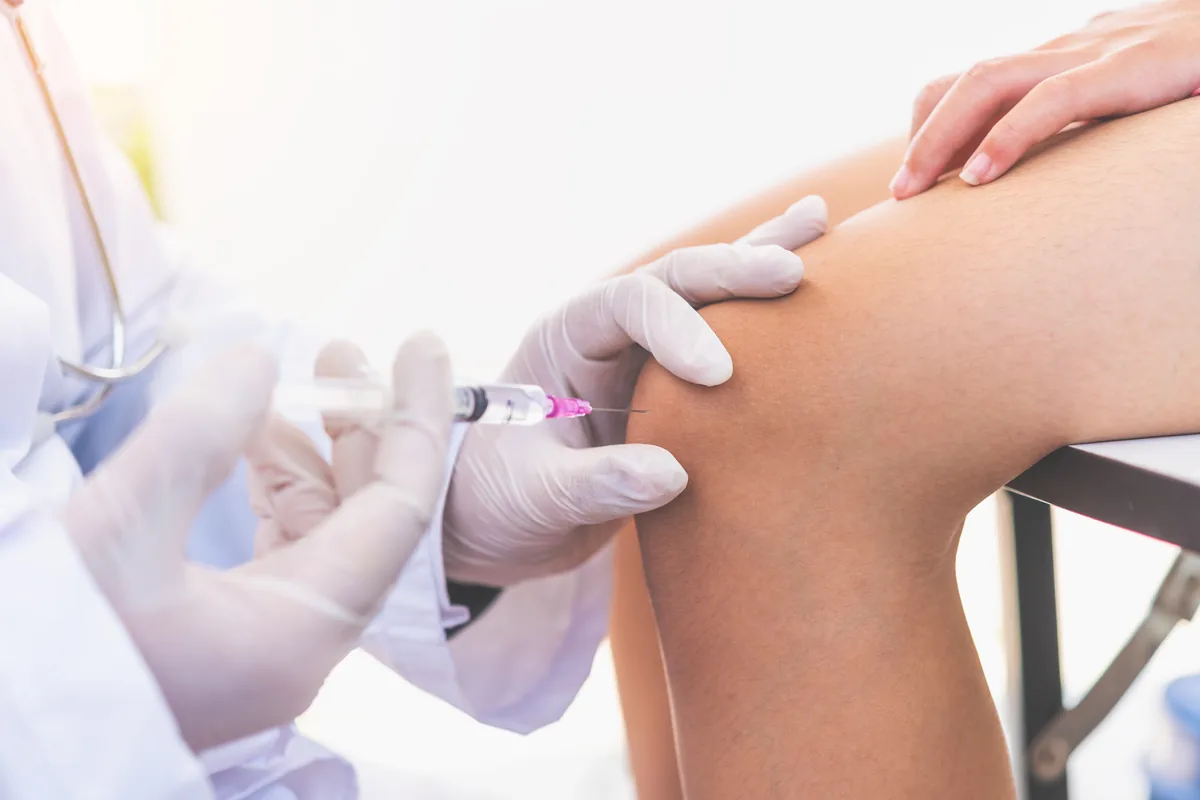
A corticosteroid injection can reduce pain enough for exercise to begin, which is its role. Repeated injections into the same tendon weaken tissue, so they are used sparingly and always with a therapy plan attached.
What if I have already had surgery elsewhere?
Then the protocol from your surgeon governs the early phase, and we work to it. Bring the operation note — what was repaired and how determines what is safe and when.
Sources
- Treatment of Nontraumatic Rotator Cuff Tears: A Randomized Controlled Trial with Two Years of Clinical and Imaging Follow-up — Journal of Bone and Joint Surgery (American) (2015)
Which therapies would I actually receive?
A therapy is a single method used inside a programme. It is measured in sessions and is not sold separately.


Technologies we use




Locations
Where you can receive this treatment






Related articles
Orthopaedic Does a rotator cuff tear always need surgery?
No. Many rotator cuff tears, especially those that develop gradually with age, are managed well with exercise-based physiotherapy. Tears are common on scans even in people without pain. Surgery is considered more often for tears caused by a significant injury, for younger active people, or when pain and weakness persist despite good non-surgical treatment.Read moreOrthopaedic What is recovery like after rotator cuff repair surgery?
Recovery after rotator cuff repair is gradual. Most people wear a sling for a period, begin guided movement early, start strengthening once the tendon has had time to heal and continue improving for many months afterwards. The repaired tendon needs time to heal to the bone, so following the rehabilitation stages set by your surgical team matters.Read moreNeurological How long does it take to recover from a stroke?
Most recovery after a stroke happens in the early months, when the brain is most able to reorganise, and it continues more slowly for a longer period after that. How far someone gets depends mainly on how severe the stroke was, where it happened and how much active therapy follows.Read more



