
Exercise-based
Pelvic floor therapy
Assessment and retraining of the pelvic floor muscles with biofeedback, for incontinence, pelvic pain and recovery after childbirth or pelvic surgery. Symptoms are not always caused by weakness: an overactive, tense pelvic floor needs relaxation rather than strengthening, which is why assessment comes before exercises.
A muscle group like any other, treated by a specialist
The pelvic floor supports the pelvic organs and controls continence. Like any muscle group it can be weak, overactive, poorly coordinated, or painful — and those four problems need different treatment, which is why the assessment matters more than the exercises.
This is the key point: pelvic floor symptoms are not always caused by weakness. An overactive, tense pelvic floor produces urgency, pain and incomplete emptying, and prescribing strengthening exercises for it makes the symptoms worse.
What it treats
Stress and urge incontinence, pelvic organ prolapse, pelvic pain, painful intercourse, postnatal recovery including abdominal separation, bowel symptoms, and pelvic floor dysfunction after prostate surgery in men.
It is also part of rehabilitation after gynaecological and colorectal cancer treatment, and in neurological conditions affecting continence.
What treatment involves
Assessment first, including internal examination where appropriate and consented to, because that is how coordination and tone are determined. Then a programme combining specific muscle training, biofeedback so the patient can see whether the right muscle is activating, electrical stimulation where activation is very poor, manual therapy where tone is high, and bladder and bowel retraining.
About a quarter of people contract the wrong muscles when told to do a pelvic floor exercise, and many push down instead of lifting 1. This is why a leaflet does not work and biofeedback does.
What to expect
Supervised pelvic floor training resolves or substantially improves stress incontinence in most women: in a Cochrane review, 74% of women with stress incontinence who trained reported that their symptoms had resolved or improved, compared with 11% in control groups 3. It is recommended as first-line treatment before surgery is considered. Results take three months of consistent practice; there is no quick version 2.
Sessions are private, chaperoned if you wish, and nothing is done without explanation and consent.
Assessment, and consent for it
Assessment may include internal examination, which is explained fully beforehand and is entirely optional. Treatment can proceed without it where a person prefers, using external assessment and feedback methods.
Nothing is done without explicit consent, and a chaperone is available. Being told this in advance is part of why people who need this treatment actually attend.
Why symptoms are often not raised
Incontinence, prolapse symptoms and sexual difficulty are common after childbirth, after prostate surgery and in neurological conditions, and they are among the least reported problems in medicine.
We ask directly rather than waiting, because untreated these affect activity, sleep and social life more than most of the conditions people do mention.
Can training in pregnancy prevent incontinence?
About one-third of women have urinary incontinence after childbirth 4. For women who are continent when they start, structured pelvic floor training in pregnancy probably helps: in a Cochrane review, it lowered the risk of reporting incontinence by 62% in late pregnancy and by 29% between three and six months after birth, on moderate- and high-quality evidence respectively 4.
For women who already have incontinence during pregnancy or after birth, the same review found the effect of training uncertain, in contrast with its more established effect in women in mid-life 4. It also found little evidence about effects beyond 12 months after birth 4.
Sources
- Assessment of Kegel pelvic muscle exercise performance after brief verbal instruction — American Journal of Obstetrics and Gynecology (1991)
- Pelvic floor dysfunction: prevention and non-surgical management (NG210) — National Institute for Health and Care Excellence (2021)
- Dumoulin C, Cacciari LP, Hay-Smith EJC. Pelvic floor muscle training versus no treatment, or inactive control treatments, for urinary incontinence in women — Cochrane Database of Systematic Reviews (2018)
- Woodley SJ, Lawrenson P, Boyle R, Cody JD, et al. Pelvic floor muscle training for preventing and treating urinary and faecal incontinence in antenatal and postnatal women — Cochrane Database of Systematic Reviews (2020)
Conditions this is used for
The 7 conditions where this method is part of a routine programme, grouped by area. It is never the whole plan on its own.
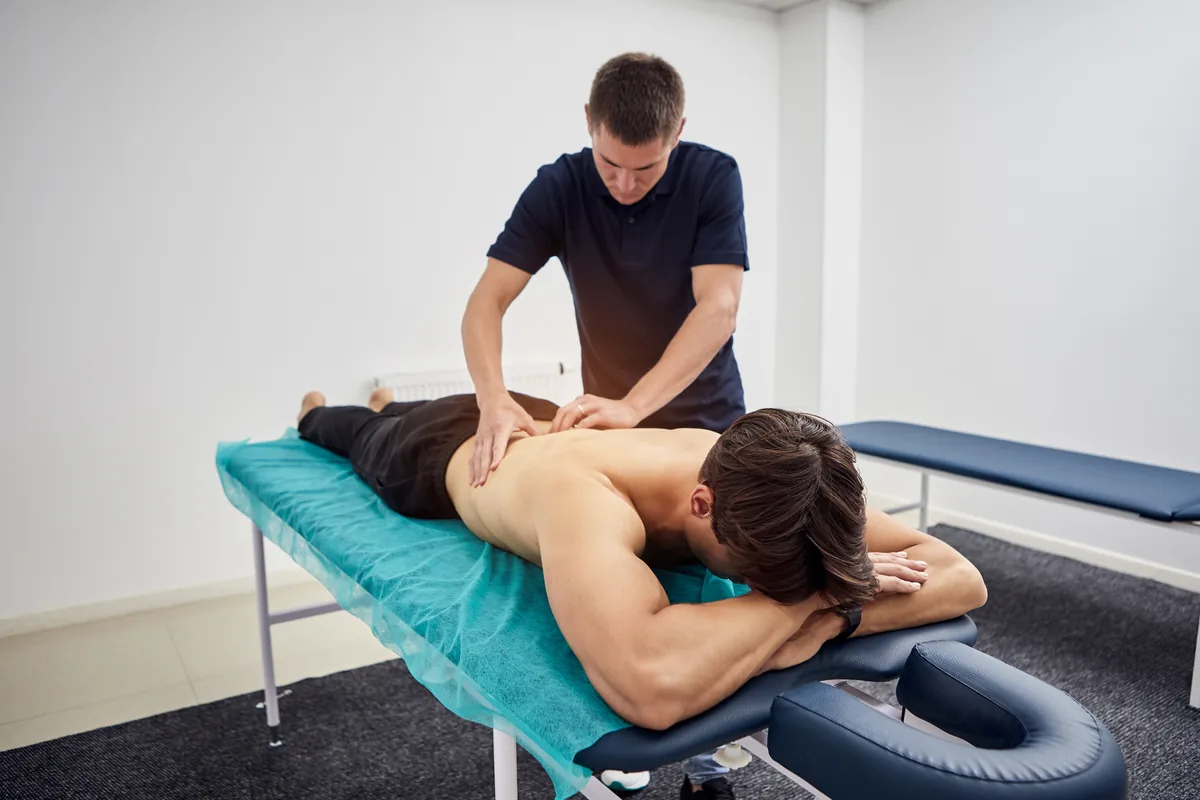
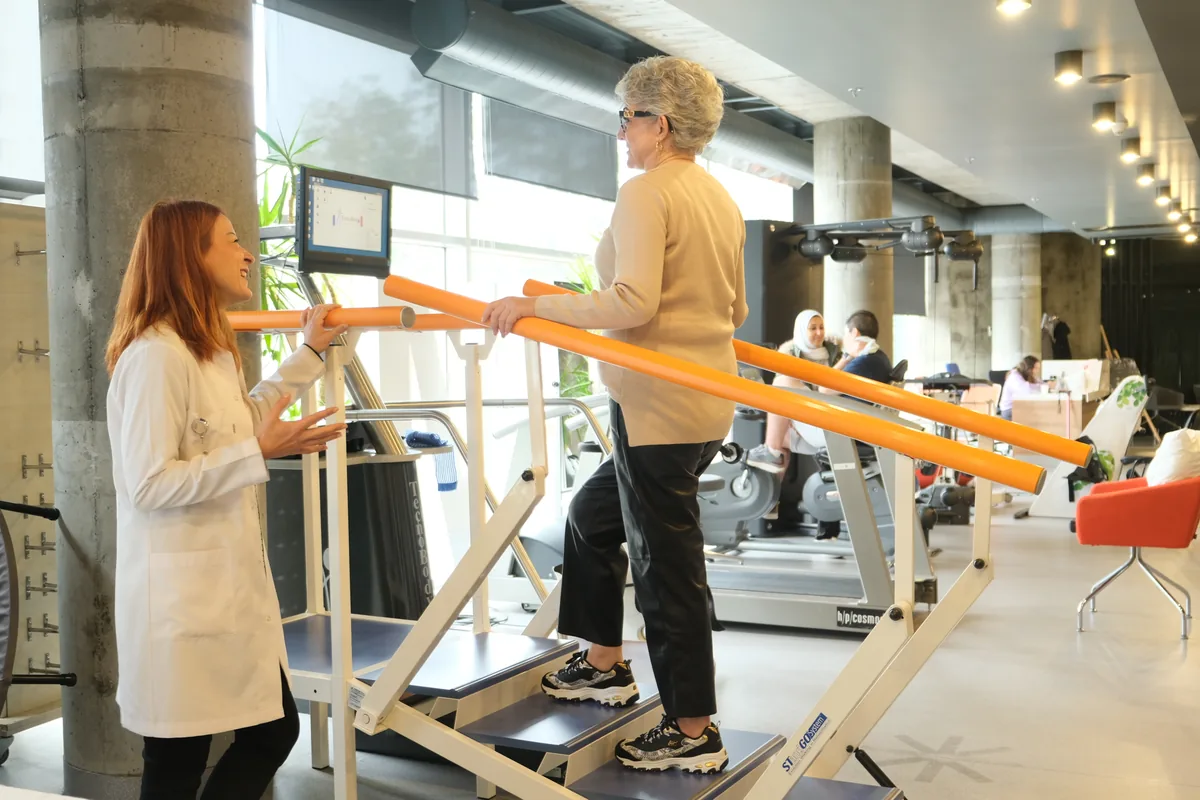
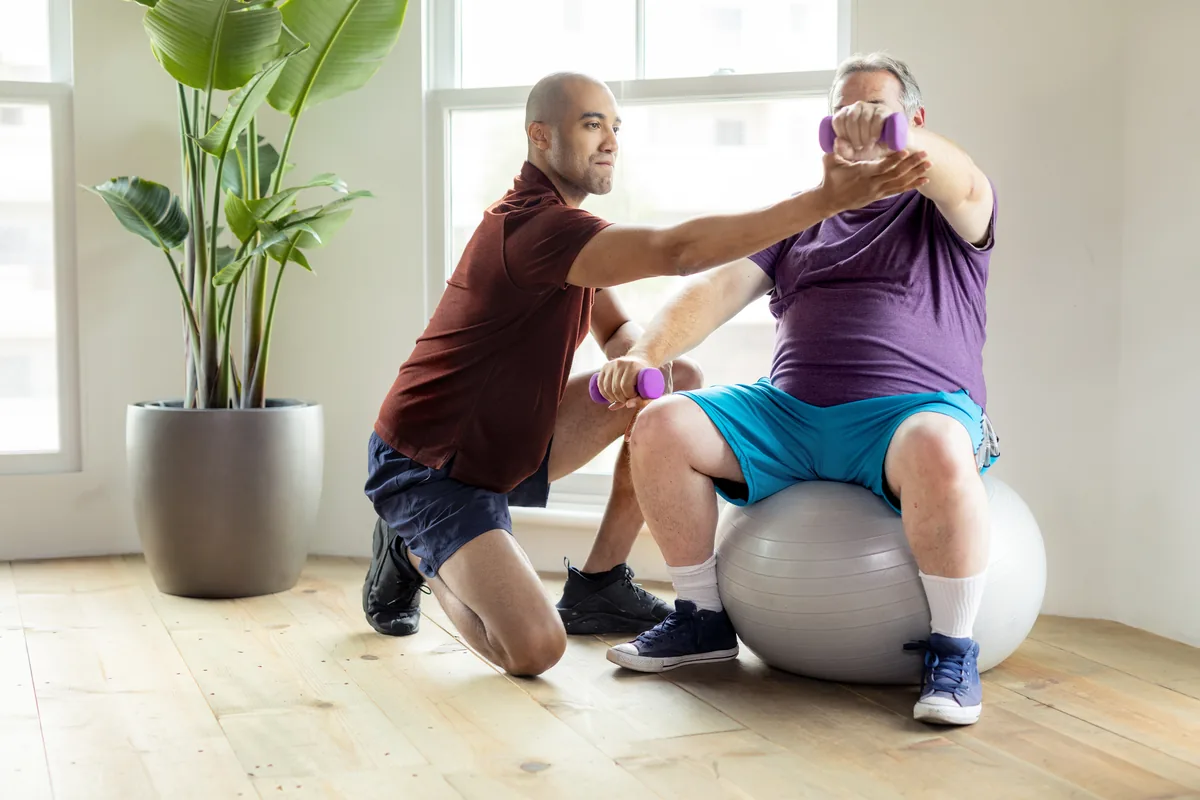
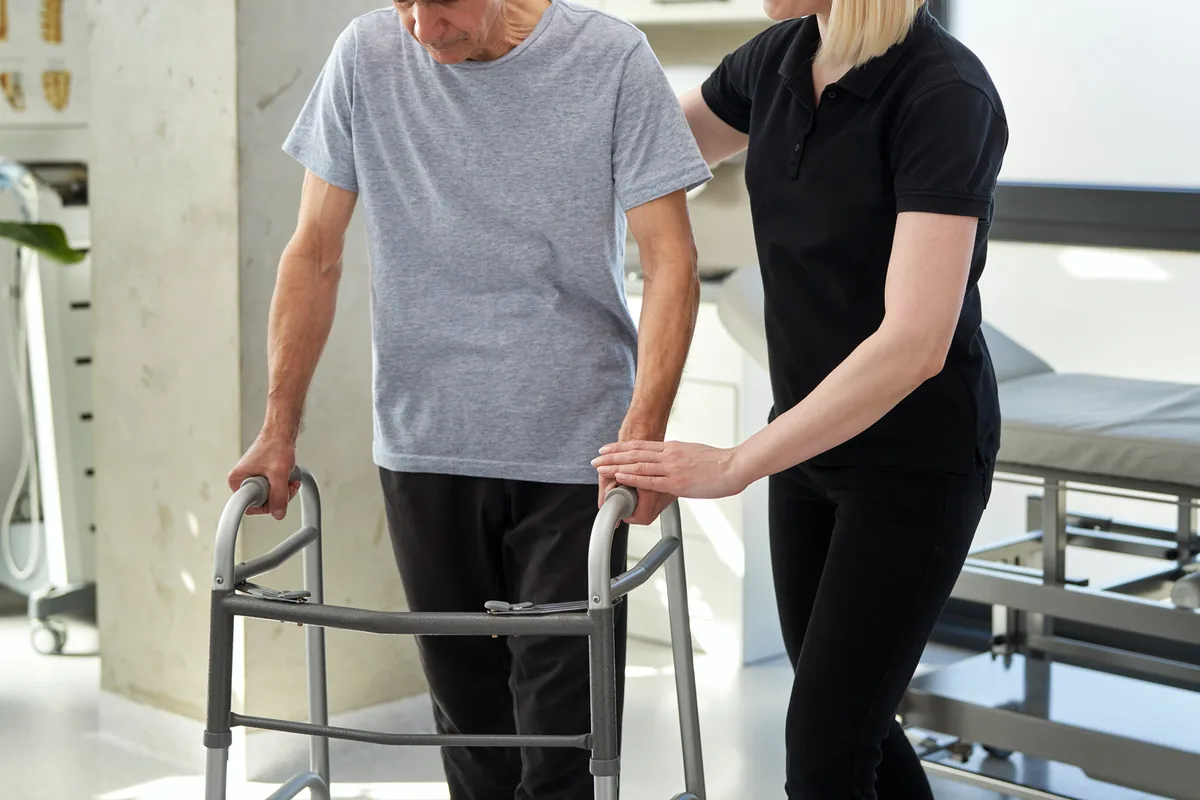

Methods are combined inside a programme and chosen after examination — they are not booked separately.
Your path to this treatment
Nothing here is booked from a page. You send the records you have, a rehabilitation physician reads them, and you get a written answer — including when the answer is that an intensive programme will not help.
4 steps, start to finish
1.Send your records
A discharge summary from the hospital that treated the original event, and any imaging of the affected area — CT, MRI or X-ray.2.A written plan in 48 hours
A rehabilitation physician reviews the case and returns the expected duration, the recommended programme and the centre. Free, no obligation.3.Travel and admission
Where a visa is needed we issue an invitation letter and treatment confirmation naming the dates and the facility. You are met at the airport and driven to the centre by private vehicle or ambulance; a bed for one companion and interpreting during therapy are arranged.4.Treatment, then home
The programme runs, then you leave with a discharge report and a written home exercise plan. Your return journey is organised before you go, with scheduled video reviews so progress does not stop.
In their words
What patients say after a programme
Short videos filmed during therapy: a child’s rehabilitation after a brain tumour, suspended gait training after spinal cord injury, and learning to walk again after a fall. Individual results vary.
Dave Evans on his physical therapy here
Musculoskeletal physiotherapy
Paediatric rehabilitation after a brain tumour
Inside a physiotherapy session
Spinal cord injury — the rehabilitation process
Suspension-assisted gait training
Walking difficulty and restricted movement after a fall
Regaining gait and range of motion
Locations
Our centres











Questions people actually ask
About this treatment
Is treatment embarrassing?
Most people find it far less so than expected. Everything is explained in advance, consent is explicit and ongoing, and internal examination is optional.
How long before it works?
Pelvic floor muscle training typically needs at least three months of consistent daily practice to show its effect 2. It is a strength programme and it follows the same rules as any other.
Does it help after prostate surgery?
Yes — training started around the time of surgery reduces the duration of incontinence afterwards, and it is a standard part of recovery in many centres.
What if I have a neurological condition?
Bladder and bowel management in spinal cord injury, multiple sclerosis and after stroke is a core part of rehabilitation, and the approach differs from post-natal treatment.
Can men have this treatment?
Yes. Post-prostatectomy incontinence and chronic pelvic pain are common reasons for referral.



