

Medical condition
Spina Bifida
Spina bifida is a birth defect in which the spinal column does not close completely, affecting movement, sensation and bladder and bowel control below the level of the lesion. Rehabilitation is lifelong rather than a single course, and goals are reset at each stage of growth.
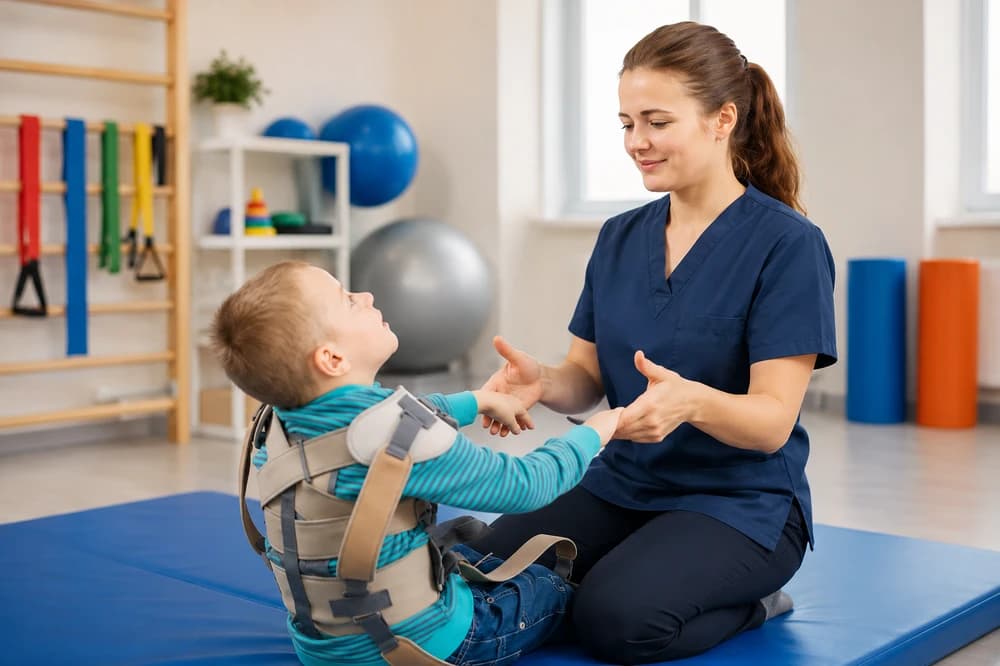
The level of the lesion sets the expectations
A low sacral lesion often means walking with minimal support. A high lumbar or thoracic lesion usually means wheelchair mobility for community distances, with standing and short-distance walking as separate goals. Being honest about this early lets a family plan rather than chase an outcome that was never available.
What matters day to day is independence — transfers, dressing, toileting, getting to school — and those goals are achievable across the whole range of lesion levels.
Three things that must not be neglected
Skin. Sensation is absent below the lesion, and pressure injuries develop silently. Skin checks, seating and orthotic fit are part of the programme rather than separate advice.
Bladder and bowel. Continence management protects the kidneys and determines whether a child can attend school comfortably. It is planned with urology and it is not a secondary concern.
Latex. Latex allergy is markedly more common in this group, and equipment and gloves are checked accordingly.
What the therapy programme does
Strengthening what is innervated, maintaining range in joints at risk of contracture, standing and supported gait work where appropriate, seating and wheelchair skills, and occupational therapy for the tasks of the child's actual day.
Hydrotherapy is valuable because water reduces joint loading and allows movement that is not possible on land — provided skin is intact and there is no open wound.
The three things that must not be missed
Skin over insensate areas, because pressure injuries develop unnoticed. Bladder function, because reflux damages kidneys silently. And shunt function where a shunt is present.
These determine long-term health more than mobility does, and families are trained in all three because the signs appear between appointments rather than during them.
Can it happen again in a future pregnancy?
The risk is higher after an affected pregnancy, and it can be reduced 2. In a landmark randomised trial at 33 centres in seven countries, 1,817 women who had had a pregnancy affected by a neural tube defect — the group of birth defects that includes spina bifida — were given folic acid, other vitamins, both or neither; folic acid reduced the risk of recurrence by 72% 2. The other vitamins in the trial showed no significant protective effect 2.
A Cochrane review of five trials, with 6,708 births, rated the evidence that folic acid prevents neural tube defects as high quality and found a clear protective effect against recurrence 3. The trials gave it around the time of conception, which is why it is started before trying to conceive rather than once a pregnancy is confirmed 2 3. The landmark trial found no harm from folic acid, although its ability to detect rare side effects was limited 2. Women who have had an affected pregnancy should agree the dose and timing with their doctor before trying to conceive.
Frequently asked questions
Will my child walk?
It depends on the level of the lesion. Lower lesions frequently walk with or without orthoses; higher lesions use wheelchairs for community mobility, which is independence by another means.
What are the signs of shunt failure?
Headache, vomiting, drowsiness, irritability, or a change in school performance. These need urgent assessment rather than an appointment.
Why does bladder management matter so much?
Because reflux of urine damages kidneys without symptoms. Catheterisation programmes exist to protect the kidneys, not merely for continence.
Is latex a concern?
Yes. Latex allergy is substantially more common in spina bifida and latex-free precautions are standard from birth.
What about tethered cord?
New weakness, changes in bladder function, scoliosis progression or back pain during growth can indicate it and warrant assessment.
Sources
- Spina bifida — Nature Reviews Disease Primers (2015)
- MRC Vitamin Study Research Group. Prevention of neural tube defects: results of the Medical Research Council Vitamin Study — The Lancet (1991)
- De-Regil LM, Peña-Rosas JP, Fernández-Gaxiola AC, Rayco-Solon P. Effects and safety of periconceptional oral folate supplementation for preventing birth defects — Cochrane Database of Systematic Reviews (2015)
Which therapies would I actually receive?
A therapy is a single method used inside a programme. It is measured in sessions and is not sold separately.



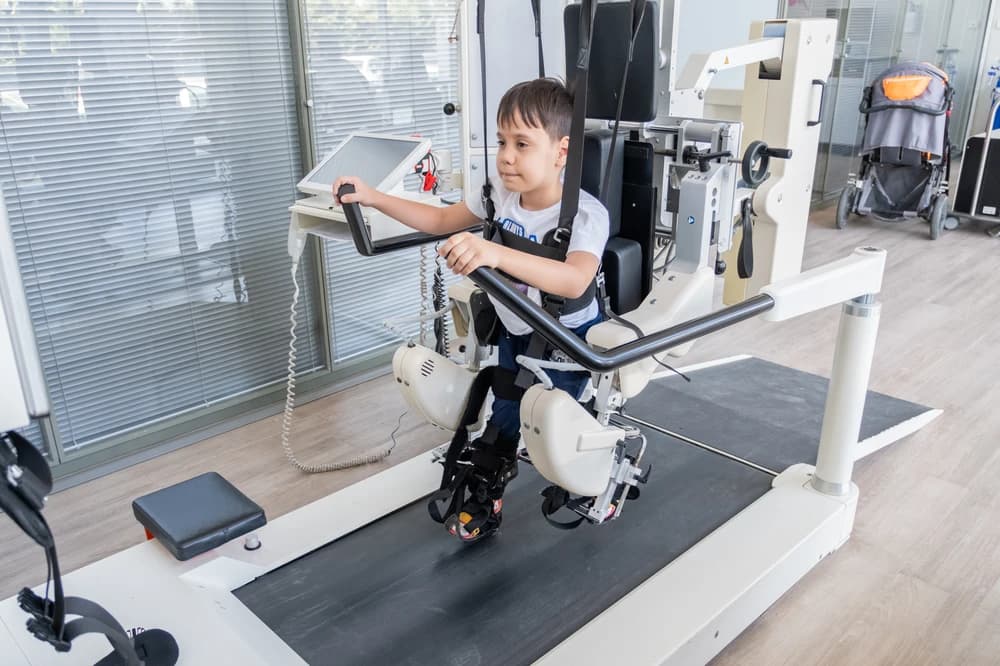
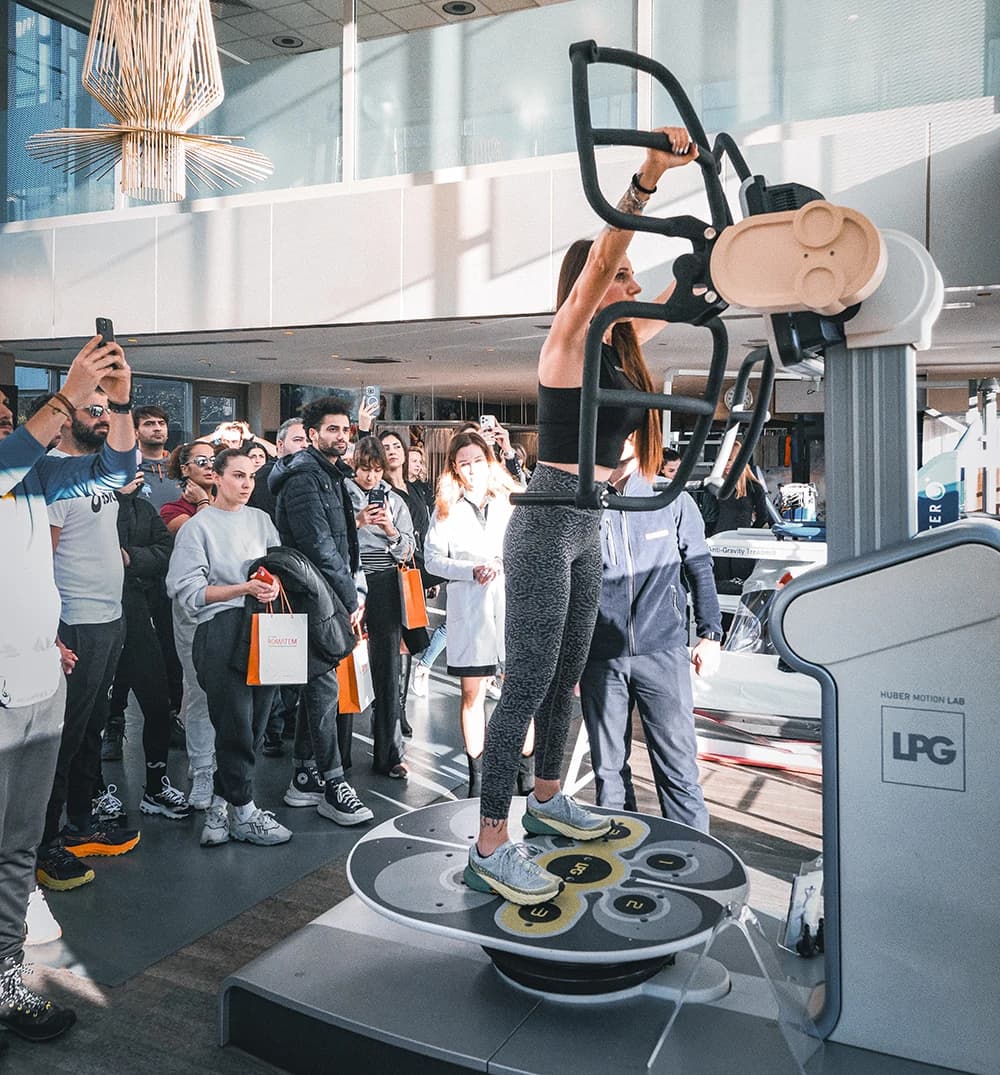
Technologies we use

Locations
Where you can receive this treatment




Related articles
Neurological How long does it take to recover from a stroke?
Most recovery after a stroke happens in the early months, when the brain is most able to reorganise, and it continues more slowly for a longer period after that. How far someone gets depends mainly on how severe the stroke was, where it happened and how much active therapy follows.Read moreNeurological Can you walk again after a stroke?
Many people walk again after a stroke, including many who cannot stand at first. The chances are highest when some leg movement returns early and when walking practice starts as soon as it is safe. Walking often comes back before full arm recovery, sometimes with a stick, splint or other support.Read moreNeurological Will my arm and hand recover after a stroke?
Arm and hand recovery after a stroke varies more than walking recovery. Early return of some shoulder or finger movement makes useful recovery much more likely. Repeated, meaningful practice of reaching, grasping and releasing is what drives improvement, and even a partly recovered hand can be trained to help with daily tasks.Read more



