
Manual and hands-on
Therapeutic injections
Image- or landmark-guided injection into a joint, tendon sheath or trigger point, used to reduce pain enough for active rehabilitation to begin. Ultrasound guidance is standard where accuracy matters, and the injection only opens a window: the rehabilitation that follows is what fixes the problem.
What is injected and why
Corticosteroid to reduce inflammation in a joint, bursa or tendon sheath. Local anaesthetic, both for immediate relief and diagnostically — if numbing a specific structure abolishes the pain, that structure is confirmed as the source. Hyaluronic acid into osteoarthritic joints. Botulinum toxin into spastic muscle.
Ultrasound guidance is used where accuracy matters, which is most of the time. Blind injection misses the target often enough that guidance is now standard rather than a premium option.
What an injection is for
Creating a window. Steroid into an inflamed, painful shoulder reduces pain enough for a rehabilitation programme to begin, and the programme is what fixes the problem. Botulinum toxin reduces focal spasticity enough for stretching and functional training to work.
An injection given without a plan for that window is a delay dressed as a treatment. We will not give one unless the therapy that follows it is arranged.
Limits, risks and repetition
Repeated corticosteroid injections into the same tendon weaken the tissue, and around load-bearing tendons this is a real concern. Practice is generally to limit injections to a small number in a site with adequate intervals, and to stop rather than continue when relief is short-lived.
Some pain after the injection is to be expected; it is the most frequent complication and usually settles on its own 1. After a steroid injection into a joint, blood glucose in people with diabetes often rises within 24 to 72 hours, and levels should be checked regularly for up to a week 2. Infection is rare and serious. These are explained before consent, not after.
Where the evidence is weaker than the marketing
For knee osteoarthritis, a meta-analysis of 169 trials found that hyaluronic acid reduces pain only slightly more than a placebo injection, by less than the smallest difference that matters to patients, and carries a higher risk of serious adverse events 3. Platelet-rich plasma is widely promoted, yet in a placebo-controlled trial of 288 people with knee osteoarthritis it was no better than saline for pain or cartilage volume at 12 months 4.
We will tell you which category a proposed injection falls into. Exercise remains the best-evidenced treatment for knee osteoarthritis and no injection changes that.
What happens on the day and afterwards
The site is identified with ultrasound where accuracy matters, the skin is cleaned, and the injection takes a few minutes. Most people drive home; some sites require a period of rest.
Some pain after the injection is to be expected and usually settles on its own 1. Fever, spreading redness, or pain that keeps increasing instead of settling needs same-day assessment — those are the signs of the rare but serious complication.
The therapy that has to follow
An injection creates a window of reduced pain. If nothing is scheduled into that window, the pain returns with the tissue in exactly the same state.
We do not give an injection unless the rehabilitation that follows it is arranged. This is the single most common reason injections are described as not working.
Can a steroid injection make things worse later?
In some tendon problems, yes. A review of randomised trials in tendinopathy found that steroid injections reduced pain in the short term compared with other treatments, but the effect reversed at intermediate and long-term follow-up; in tennis elbow, no treatment did better at those later points 5. The review warned that the response differs between tendons 5.
In a later placebo-controlled trial in 165 people with tennis elbow, 83% had recovered or much improved one year after a steroid injection, against 96% after a placebo injection, and recurrence was 54% against 12% 6. This is one reason an injection is used to open a window for rehabilitation rather than repeated for relief.
Sources
- Hynes JP, Kavanagh EC. Complications in image-guided musculoskeletal injections — Skeletal Radiology (2022)
- Choudhry MN, Malik RA, Charalambous CP. Blood glucose levels following intra-articular steroid injections in patients with diabetes: a systematic review — JBJS Reviews (2016)
- Pereira TV, Jüni P, Saadat P, Xing D, et al. Viscosupplementation for knee osteoarthritis: systematic review and meta-analysis — BMJ (2022)
- Bennell KL, Paterson KL, Metcalf BR, Duong V, et al. Effect of intra-articular platelet-rich plasma vs placebo injection on pain and medial tibial cartilage volume in patients with knee osteoarthritis: the RESTORE randomized clinical trial — JAMA (2021)
- Coombes BK, Bisset L, Vicenzino B. Efficacy and safety of corticosteroid injections and other injections for management of tendinopathy: a systematic review of randomised controlled trials — The Lancet (2010)
- Coombes BK, Bisset L, Brooks P, Khan A, et al. Effect of corticosteroid injection, physiotherapy, or both on clinical outcomes in patients with unilateral lateral epicondylalgia: a randomized controlled trial — JAMA (2013)
- Jüni P, Hari R, Rutjes AWS, Fischer R, et al. Intra-articular corticosteroid for knee osteoarthritis — Cochrane Database of Systematic Reviews (2015)
Conditions this is used for
The 14 conditions where this method is part of a routine programme, grouped by area. It is never the whole plan on its own.
 Bursitis and Myofascial Trigger Points
 Carpal Tunnel Syndrome
 Frozen Shoulder
 Golfer's Elbow (Medial Epicondylitis)
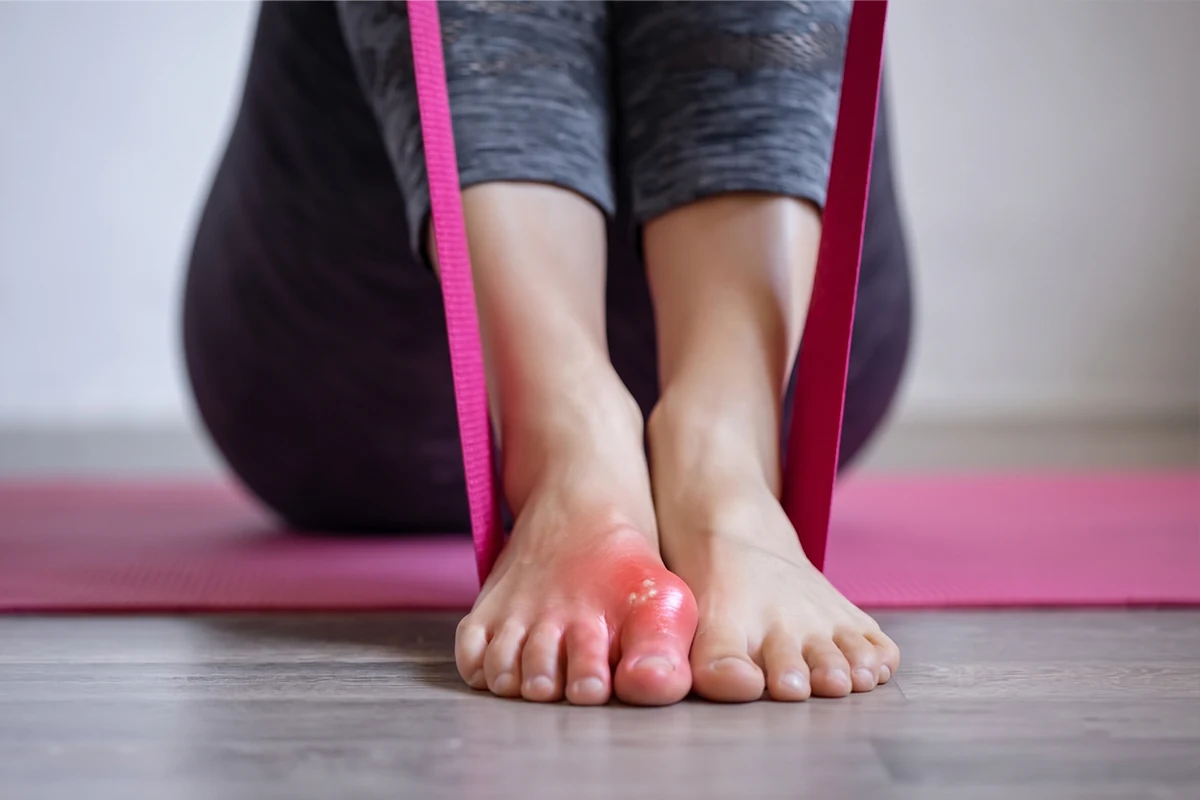 Gout
Gout Lumbar Disc Herniation
 Osteoarthritis
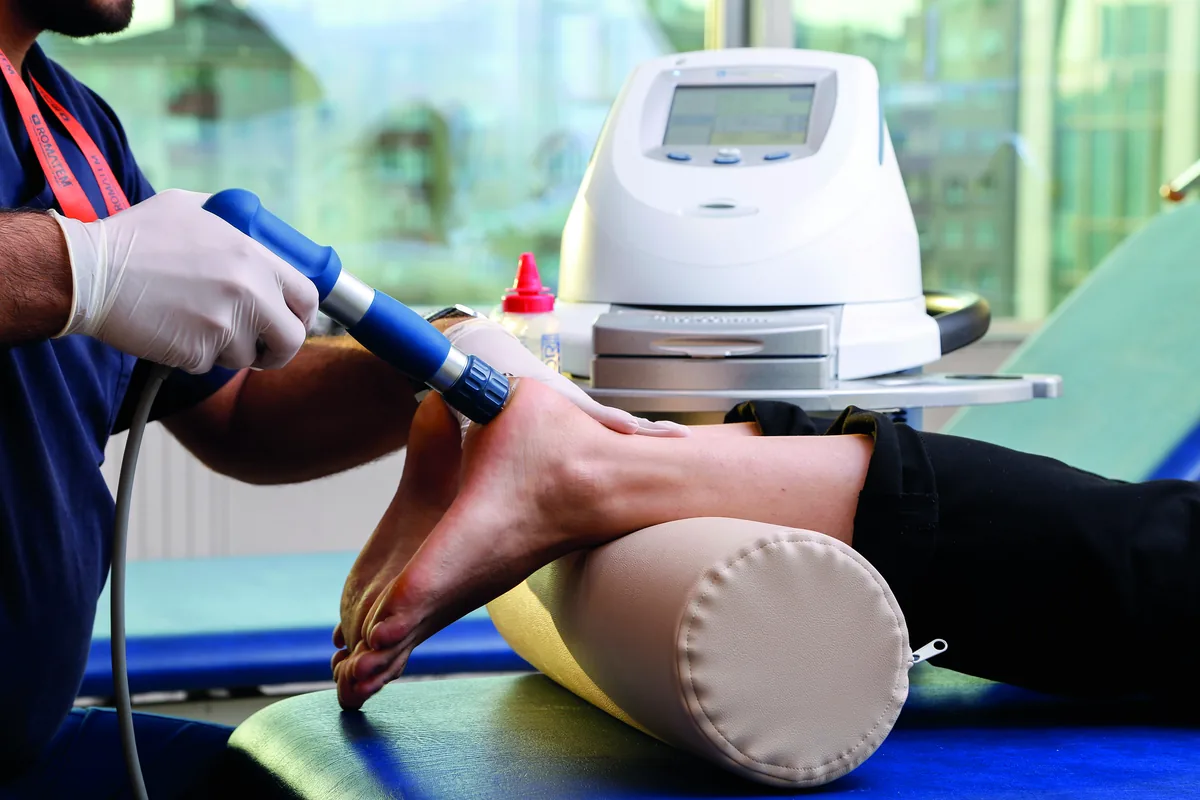 Plantar Fasciitis and Heel Spur
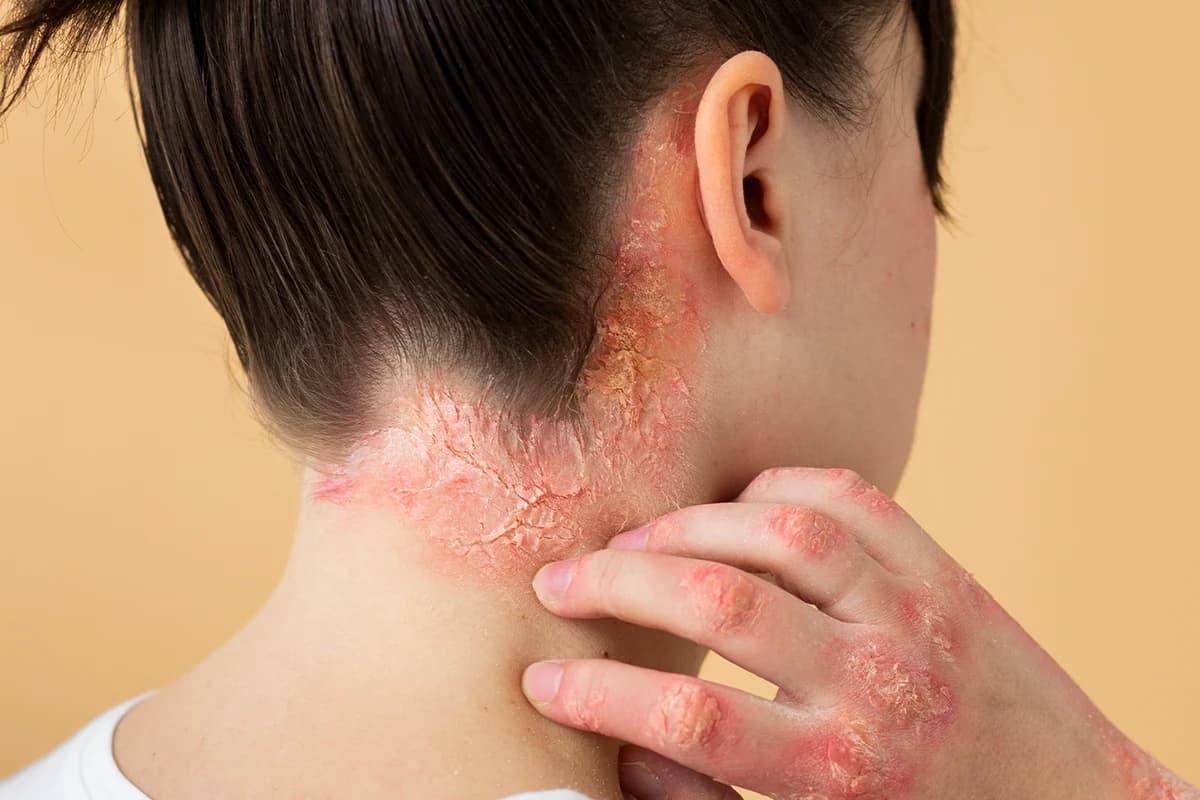 Psoriatic Arthritis
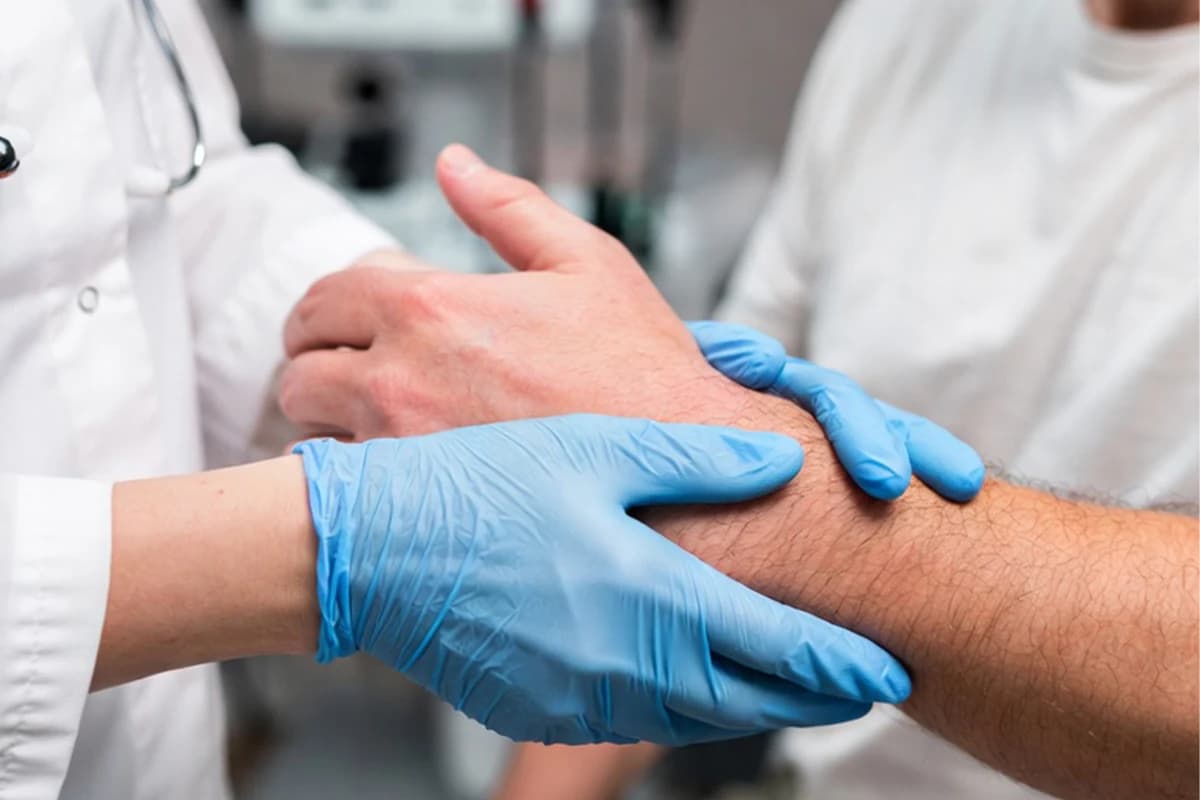 Rheumatoid Arthritis
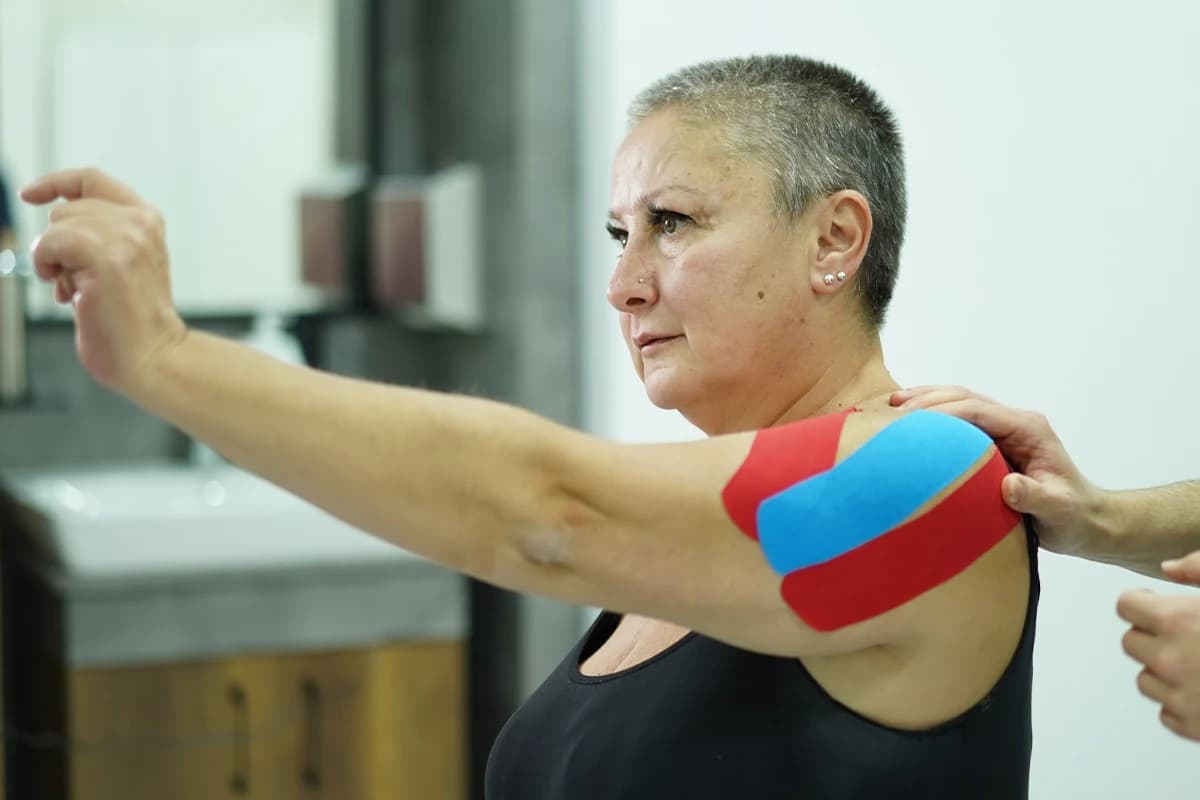 Rotator Cuff Tear
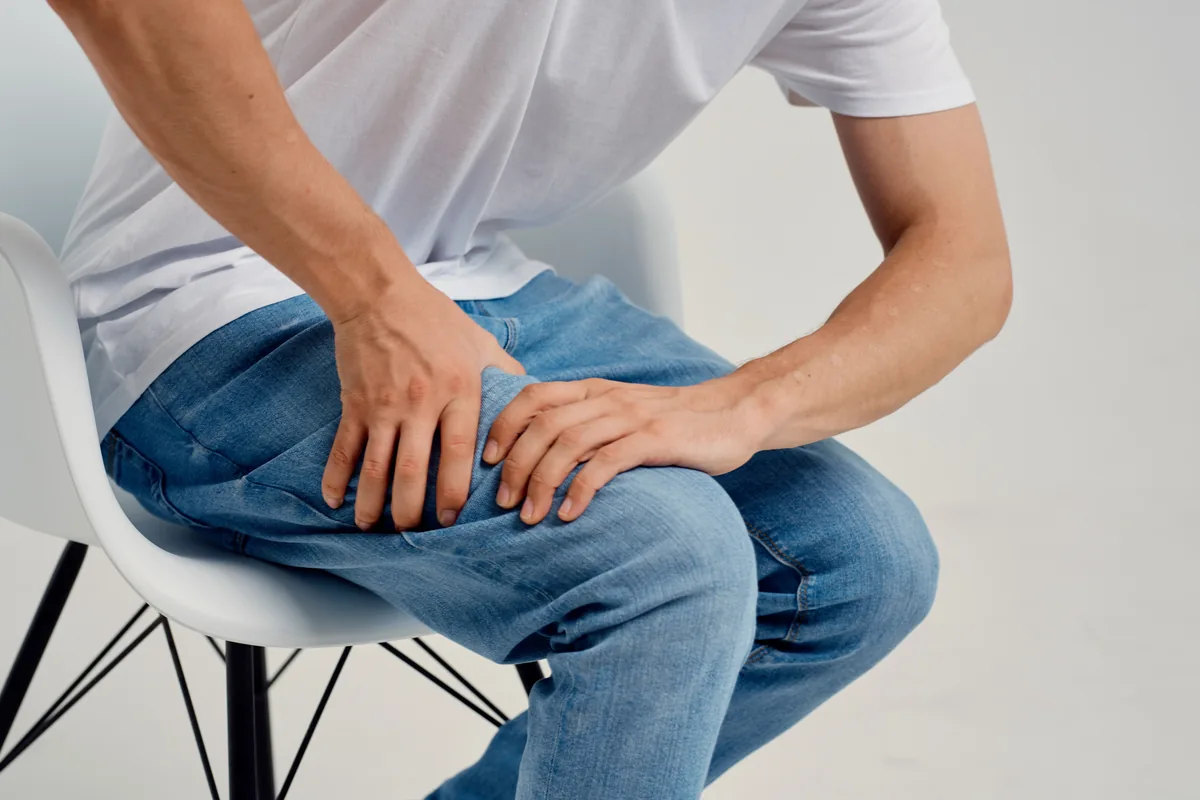 Sciatica
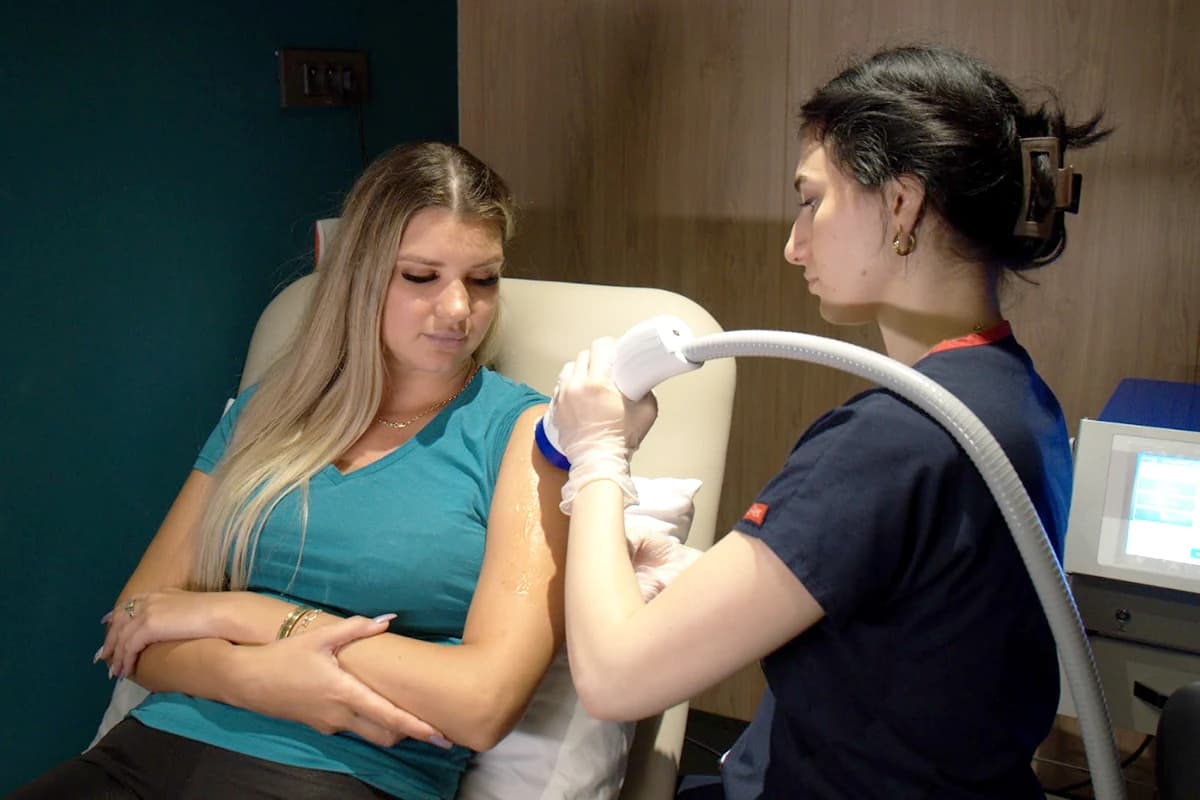 Shoulder Impingement and Rotator Cuff Pain
 Tennis Elbow (Lateral Epicondylitis)
Methods are combined inside a programme and chosen after examination — they are not booked separately.
Your path to this treatment
Nothing here is booked from a page. You send the records you have, a rehabilitation physician reads them, and you get a written answer — including when the answer is that an intensive programme will not help.
4 steps, start to finish
1.Send your records
A discharge summary from the hospital that treated the original event, and any imaging of the affected area — CT, MRI or X-ray.2.A written plan in 48 hours
A rehabilitation physician reviews the case and returns the expected duration, the recommended programme and the centre. Free, no obligation.3.Travel and admission
Where a visa is needed we issue an invitation letter and treatment confirmation naming the dates and the facility. You are met at the airport and driven to the centre by private vehicle or ambulance; a bed for one companion and interpreting during therapy are arranged.4.Treatment, then home
The programme runs, then you leave with a discharge report and a written home exercise plan. Your return journey is organised before you go, with scheduled video reviews so progress does not stop.
In their words
What patients say after a programme
Short videos filmed during therapy: a child’s rehabilitation after a brain tumour, suspended gait training after spinal cord injury, and learning to walk again after a fall. Individual results vary.
Dave Evans on his physical therapy here
Musculoskeletal physiotherapy
Paediatric rehabilitation after a brain tumour
Inside a physiotherapy session
Spinal cord injury — the rehabilitation process
Suspension-assisted gait training
Walking difficulty and restricted movement after a fall
Regaining gait and range of motion
Locations
Our centres











Questions people actually ask
About this treatment
How long does it last?
It depends on the site and the problem; in knee osteoarthritis, the benefit of corticosteroid is largest in the first weeks, small by 13 weeks and not detectable at 26 weeks 7. It is a window rather than a cure, which is why what happens in that window matters.
How many can I have?
Practice is to limit injections into one site and to leave adequate intervals. Repeated steroid into the same tendon weakens the tissue, and around load-bearing tendons that is a real concern.
Does it affect diabetes?
Yes — after a steroid injection into a joint, blood glucose often rises within 24 to 72 hours and should be checked regularly for up to a week 2. Tell us beforehand so it can be planned for and monitored.
Is ultrasound guidance necessary?
Where accuracy matters, which is most of the time. Blind injection misses the target often enough that guidance is now standard rather than a premium option.
What about PRP?
The evidence is weaker than the marketing around it: in a placebo-controlled trial of 288 people with knee osteoarthritis, PRP was no better than saline for pain or cartilage volume at 12 months 4. Before agreeing to any injection, ask how strong the evidence is for that injection in your problem.



