
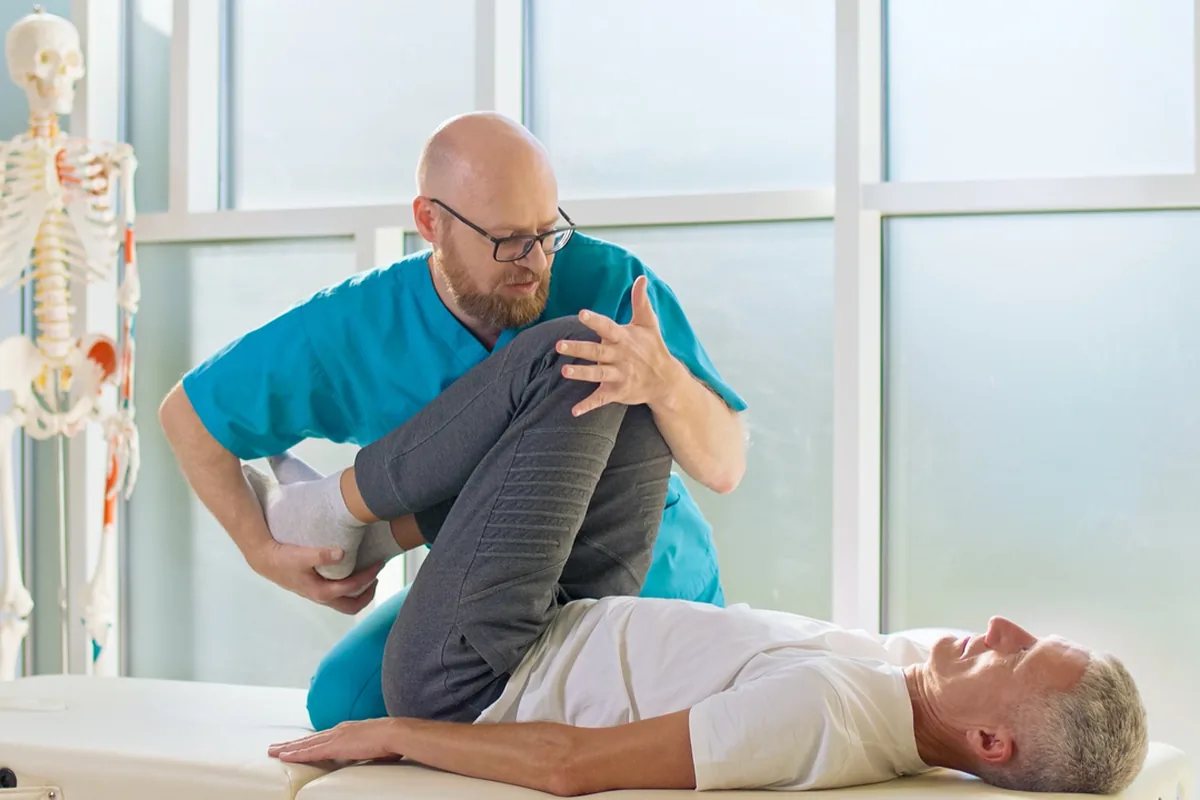
Medical condition
Shoulder Impingement and Rotator Cuff Pain
Shoulder impingement describes pain when lifting the arm, usually arising from the rotator cuff tendons. Progressive loading of the cuff and shoulder blade muscles produces outcomes comparable to surgery for most presentations, and it is the appropriate first treatment. Surgery is considered only after a sustained loading programme has been tried properly.
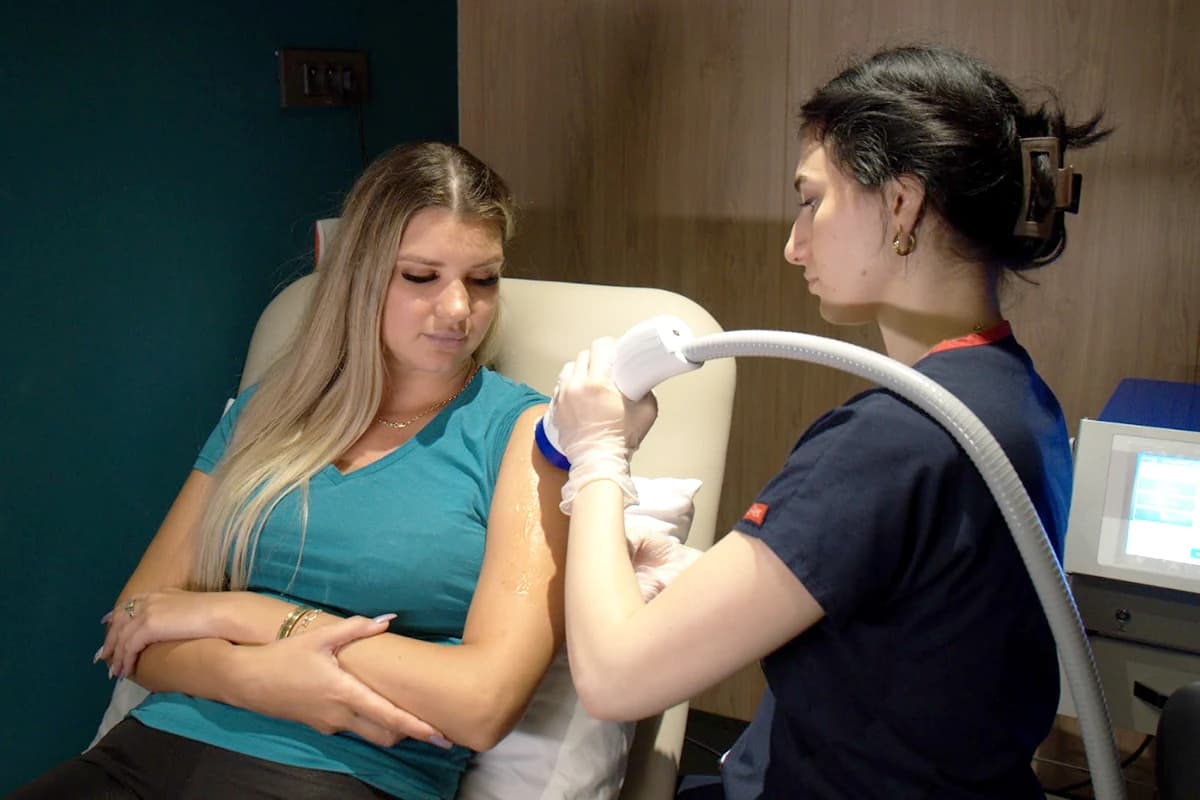
What is happening in the shoulder
Pain on lifting the arm to the side, worst between roughly 60 and 120 degrees, with night pain when lying on that side 2. The rotator cuff tendons and the bursa above them are the usual source.
The older model — a bony spur pinching the tendon — has been substantially revised. Current understanding puts more weight on tendon capacity and load than on shape, which changes the treatment from surgical decompression to progressive loading.
Why surgery is no longer the default
Randomised trials comparing subacromial decompression with placebo surgery and with exercise have not shown a clinically meaningful advantage for the operation in typical impingement.
This has changed guidelines in several countries. It does not mean surgery is never indicated — it means exercise should be tried properly first, and properly means a sustained programme of progressive loading rather than a leaflet.
What the programme contains
Progressive strengthening of the rotator cuff and the scapular stabilisers, range work where movement is restricted, and correction of the loading pattern that provoked it. Pain during exercise up to a tolerable level is acceptable and does not indicate damage.
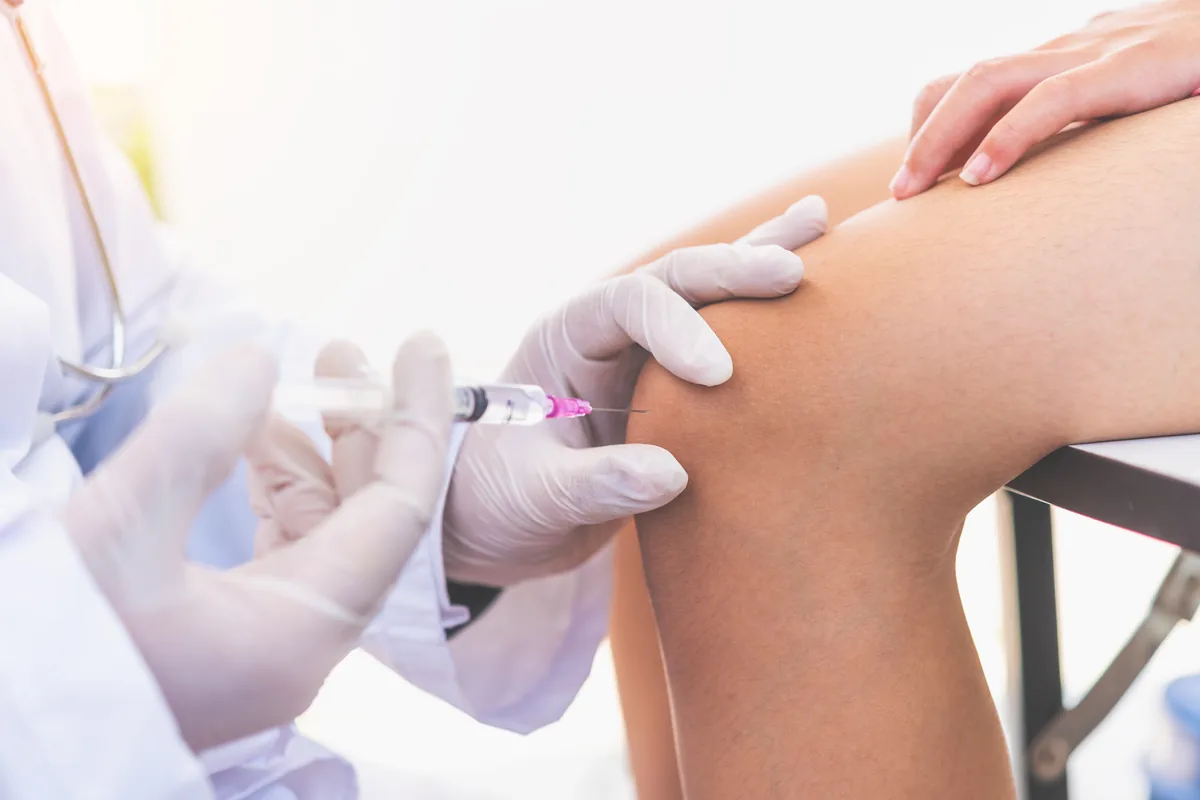
Injection is used where pain prevents someone starting the exercise, as a window rather than a treatment. Repeated injections into a tendon weaken it.
When it is something else
Inability to lift the arm at all after a fall, particularly over 60, suggests a large cuff tear. Restriction in every direction including passive movement suggests frozen shoulder, which needs a different approach.
Neck problems refer pain to the shoulder often enough that the neck is examined in every shoulder assessment. Shoulder pain with breathlessness or chest discomfort is a cardiac question and needs emergency assessment.
What the evidence actually showed about surgery
A large randomised trial compared arthroscopic subacromial decompression against a placebo operation and against no treatment. Both surgical groups — the real operation and the placebo operation — improved by a similar amount. The difference attributable to removing bone was small and of doubtful clinical importance.
That finding is why decompression is no longer a default step, and why a genuine course of exercise-based rehabilitation comes first. It also explains why people who had the operation years ago often report it helped: improvement was real, but not necessarily because of what was removed.
What the programme trains
Rotator cuff and scapular control, because the mechanics of how the shoulder blade moves determine how much space the tendons work in. Range where it is restricted, then strength through that range, then the specific overhead patterns the person actually needs.
Load is progressed deliberately. A programme of light band exercises repeated indefinitely does not build the capacity the shoulder needs, and it is the most common version of failed conservative treatment.
How long before judging it
Consistent, progressive work over a sustained period before conclusions are drawn. Improvement is usually gradual rather than sudden, and the last thing to return is comfortable overhead work.
We measure range and strength at the start and at intervals, so the judgement is based on numbers rather than on how the shoulder felt on a particular morning.
Sleeping and working overhead
Night pain is often the worst part and the most disruptive. Sleeping on the affected side compresses the shoulder; a pillow supporting the arm and a semi-reclined position help most people.
For overhead work the aim is to reduce sustained time above shoulder height rather than to eliminate it — lowering the work, alternating tasks and taking the arm down between repetitions. Complete avoidance leaves the shoulder unprepared for the day it cannot be avoided.
Frequently asked questions
Do I need an MRI?
Usually not to start. Imaging matters when a significant tear is suspected, when weakness is disproportionate to pain, or when a decision about surgery is being made. Scans in this age group frequently show findings that are present in pain-free shoulders too.
Is impingement a real diagnosis?
The term describes a pattern of pain rather than a single mechanism, and it is increasingly called subacromial pain syndrome for that reason. What matters clinically is what the shoulder can and cannot do, which is what the programme addresses.
Will an injection help?
It can reduce pain enough to allow exercise, which is its role. Used alone and repeated, it delays the work that actually changes the shoulder and repeated steroid exposure is not neutral for tendon tissue.
Should I rest the shoulder?
No. Relative modification of aggravating activity, yes; rest and immobilisation, no. Shoulders stiffen quickly and a stiff shoulder is a harder problem than a painful one.
What if exercise makes it hurt?
Some discomfort during and shortly after exercise is expected and acceptable. Pain that is still elevated the next morning means the load was too high, which is a reason to adjust the programme rather than to stop it.
Is surgery ever the right answer?
Yes — for significant traumatic tears, for shoulders that remain severely limited after a genuine course of rehabilitation, and in specific structural situations. What has changed is that it is no longer the first step for ordinary subacromial pain.
Sources
- Beard DJ, et al. Arthroscopic subacromial decompression for subacromial shoulder pain (CSAW): a multicentre, pragmatic, parallel group, placebo-controlled, three-group, randomised surgical trial — The Lancet (2018)
- Current Concepts in the Diagnosis and Treatment of Shoulder Impingement — Indian Journal of Orthopaedics (2017)
Which therapies would I actually receive?
A therapy is a single method used inside a programme. It is measured in sessions and is not sold separately.
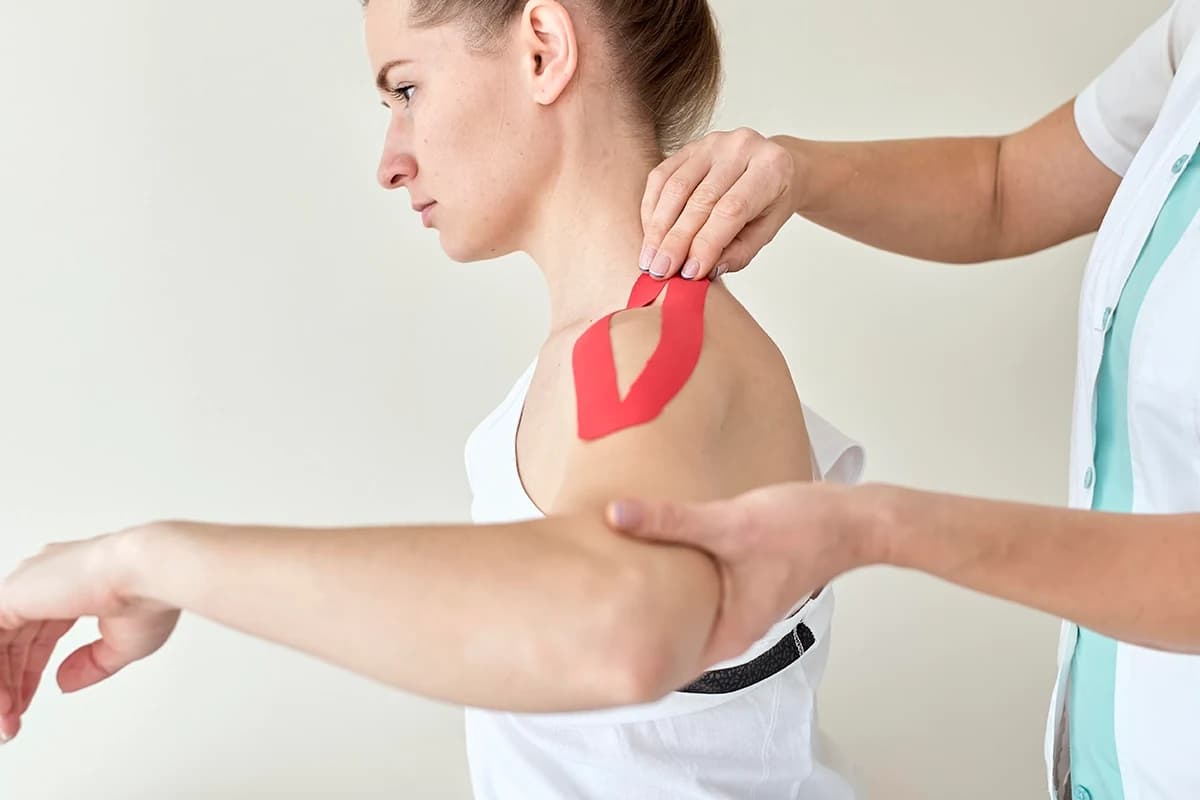
Technologies we use




Locations
Where you can receive this treatment






Related articles
Neurological How long does it take to recover from a stroke?
Most recovery after a stroke happens in the early months, when the brain is most able to reorganise, and it continues more slowly for a longer period after that. How far someone gets depends mainly on how severe the stroke was, where it happened and how much active therapy follows.Read moreNeurological Can you walk again after a stroke?
Many people walk again after a stroke, including many who cannot stand at first. The chances are highest when some leg movement returns early and when walking practice starts as soon as it is safe. Walking often comes back before full arm recovery, sometimes with a stick, splint or other support.Read moreNeurological Will my arm and hand recover after a stroke?
Arm and hand recovery after a stroke varies more than walking recovery. Early return of some shoulder or finger movement makes useful recovery much more likely. Repeated, meaningful practice of reaching, grasping and releasing is what drives improvement, and even a partly recovered hand can be trained to help with daily tasks.Read more



