
Physical agents
TECAR focused radiofrequency
Radiofrequency energy that warms tissue from within to improve circulation and tissue mobility before manual therapy. Heat generated inside the tissue reaches deeper structures than external heat, and because it can be applied while the patient moves, it is paired with active treatment.
Heat generated inside the tissue
Radiofrequency energy causes charged particles within the tissue to move, generating heat from within rather than conducting it in from the surface. This reaches deeper structures than any external heat source, and the depth is controlled by the electrode type and the frequency.
The result is increased local blood flow, reduced muscle tone and reduced pain, and it can be applied while the patient moves — which is its main practical advantage over passive heat.
Who it is used for
Muscle injury and spasm, tendinopathy, joint stiffness, back and neck pain, and post-surgical stiffness. It is frequently used at the start of a session to make manual therapy and mobilisation possible in a patient who is guarding.
Contraindications: pacemakers and implanted electronic devices, pregnancy, active malignancy in the treated area, and impaired sensation, where the patient cannot report that the tissue is too hot.
Where it belongs in a session
Before the active work, not instead of it. TECAR reduces the pain and stiffness that prevent someone from moving; the movement is what produces the change.
Applied on its own over a course of sessions it produces temporary relief and no lasting functional gain, and we will say so rather than book the course.
Deep heating, and what heat does
It produces heat within the tissue rather than at the surface, which increases local circulation and reduces muscle tone and pain for a period afterwards.
That period is the point: it makes manual work and exercise more effective in the same session. Used alone it is a comfort measure.
Why sequence matters more than dose
The tissue stays warm and more extensible for a limited period after the session. Manual work and stretching done inside that window achieve more than the same work done an hour later.
So it is scheduled immediately before the active part of the session rather than as a standalone appointment. Booked alone at the end of a day, most of its value is wasted.
Is there good evidence that TECAR works?
No, the evidence is weak. A 2023 systematic review of electromagnetic diathermy, a group that includes capacitive-resistive devices such as TECAR, found that most pooled comparisons showed no significant improvement and rated the evidence low to very low; even the individual trials that reported benefits reached only low quality 1. The authors concluded that the results did not support adopting diathermy in clinical practice 1.
What is better established is the immediate physiological effect. In people with knee osteoarthritis, a single session raised skin temperature and increased blood flow in deeper tissue compared with placebo and no treatment 3. That supports using it to warm tissue immediately before manual work and exercise, not as a course of treatment in its own right.
Sources
- Pollet J, Ranica G, Pedersini P, Lazzarini SG, et al. The efficacy of electromagnetic diathermy for the treatment of musculoskeletal disorders: a systematic review with meta-analysis — Journal of Clinical Medicine (2023)
- Kumaran B, Watson T. Treatment using 448kHz capacitive resistive monopolar radiofrequency improves pain and function in patients with osteoarthritis of the knee joint: a randomised controlled trial — Physiotherapy (2019)
- Kumaran B, Watson T. Thermophysiological responses to capacitive resistive monopolar radiofrequency electromagnetic radiation in patients with osteoarthritis of the knee joint: a randomised controlled experimental study — Electromagnetic Biology and Medicine (2021)
Conditions this device is used for
The 26 conditions where this device is part of a routine programme, grouped by area. It is one tool inside the plan, never the plan itself.
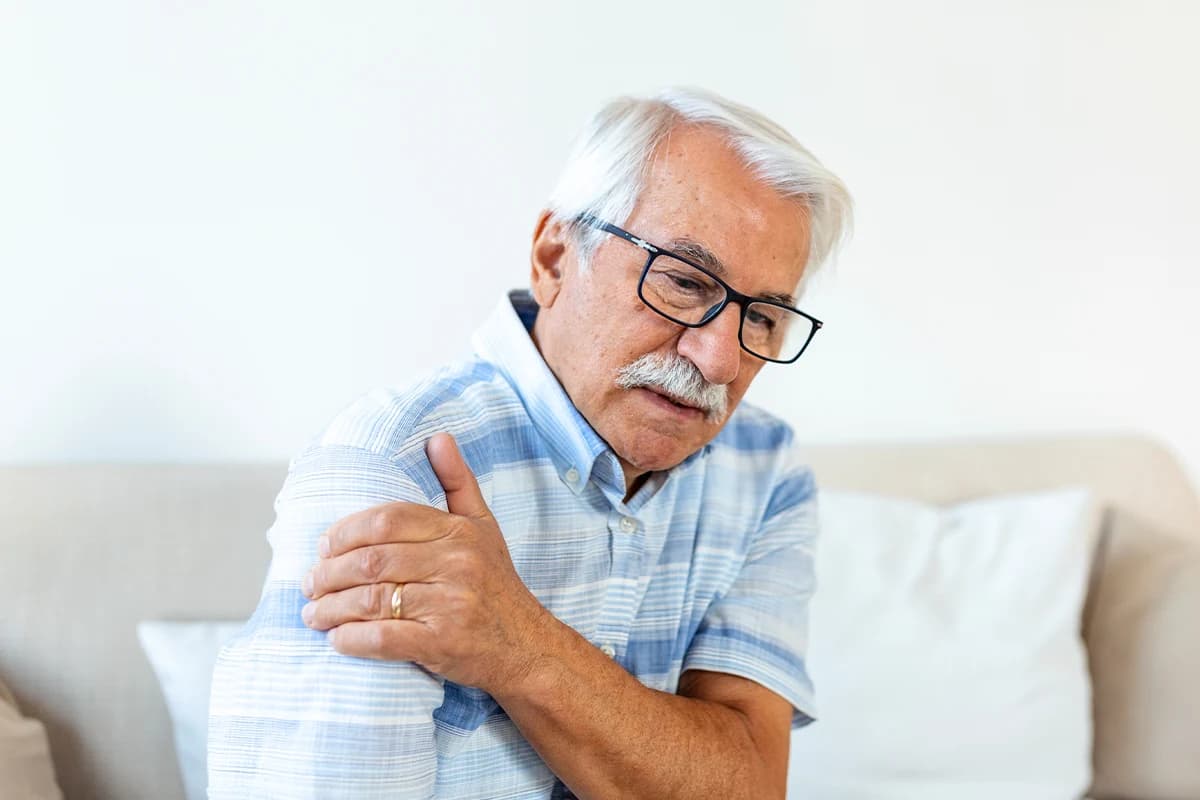 Osteoarthritis
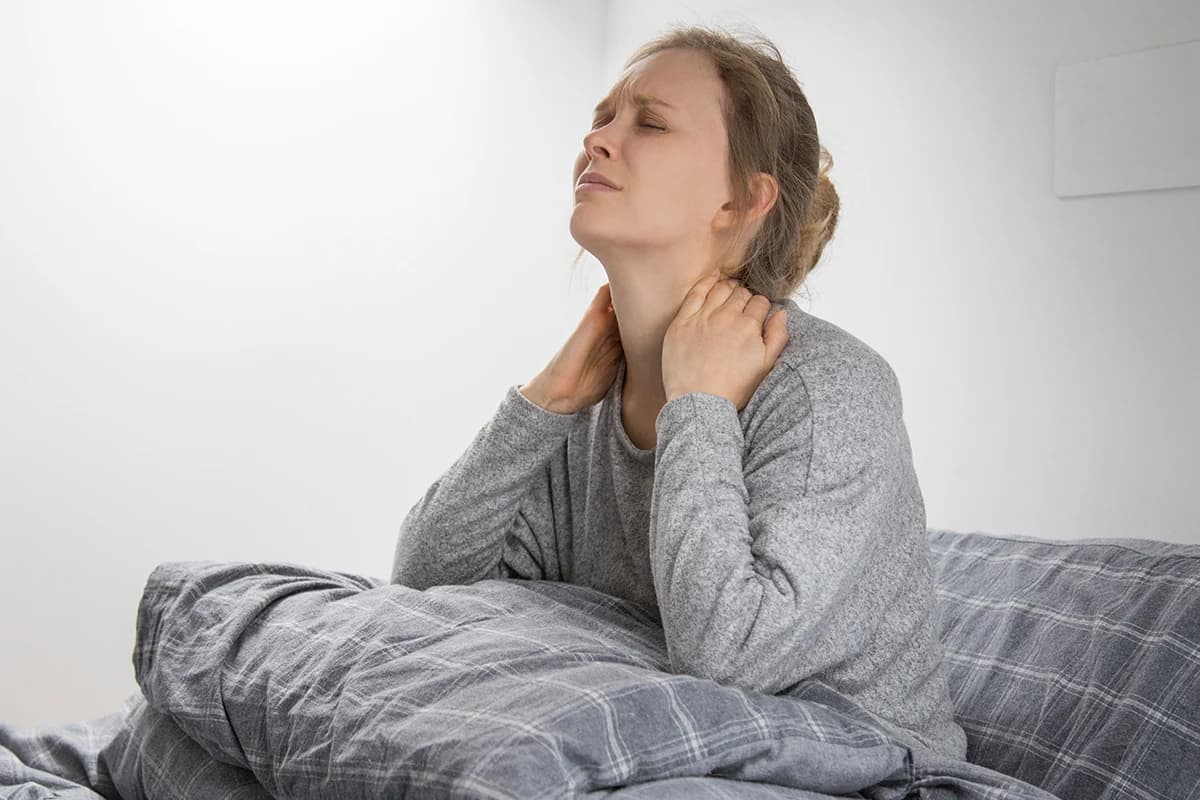 Fibromyalgia
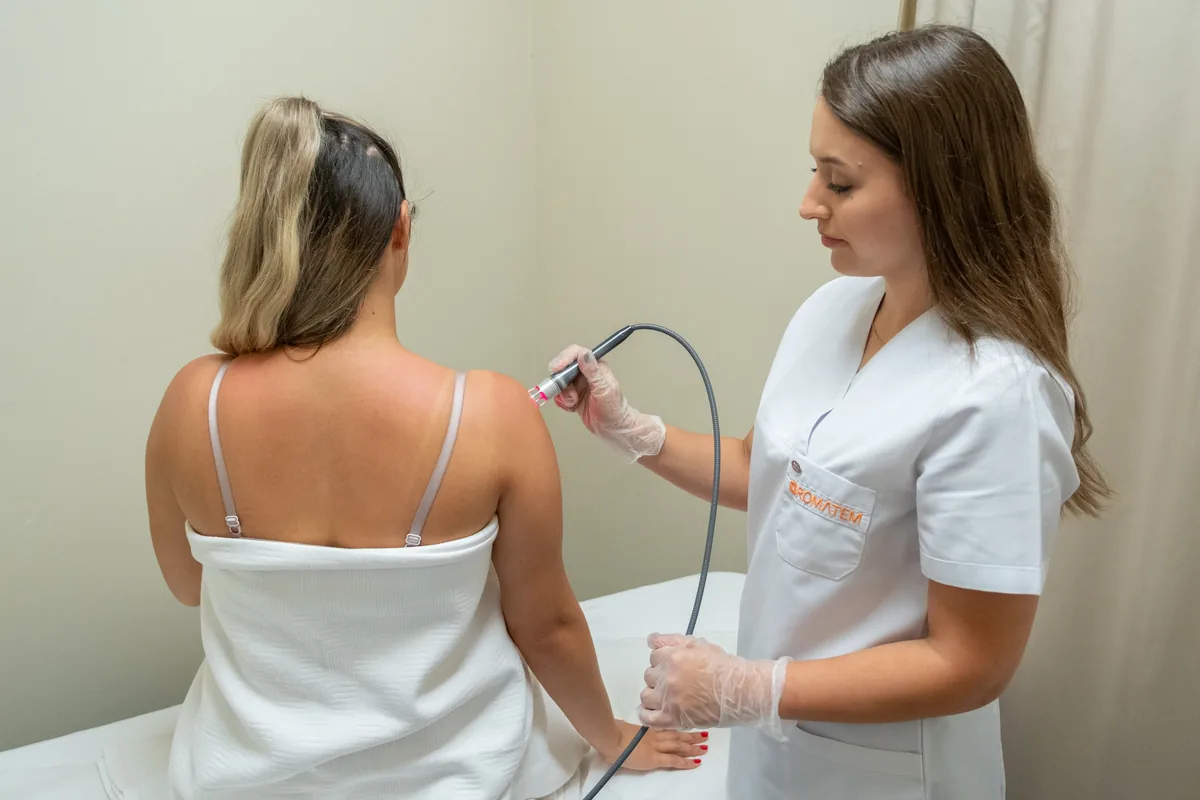 Frozen Shoulder
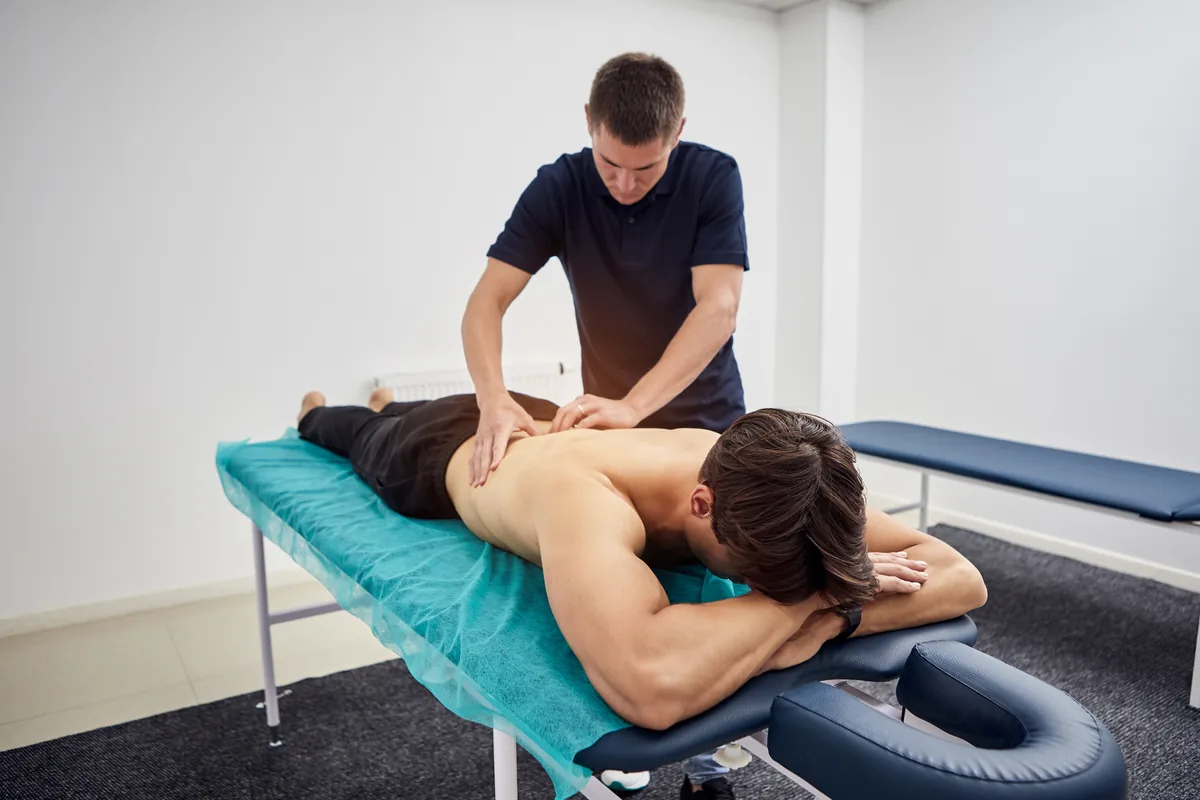 Chronic Pain
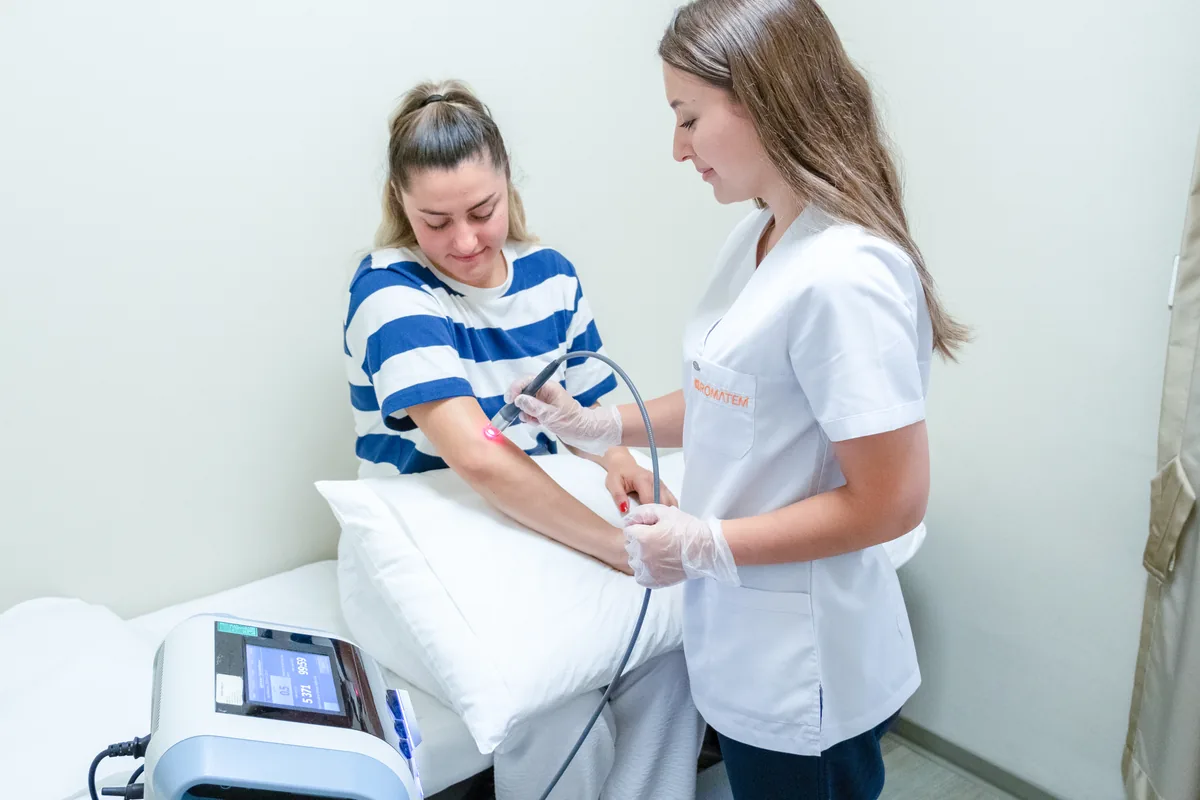 Tennis Elbow (Lateral Epicondylitis)
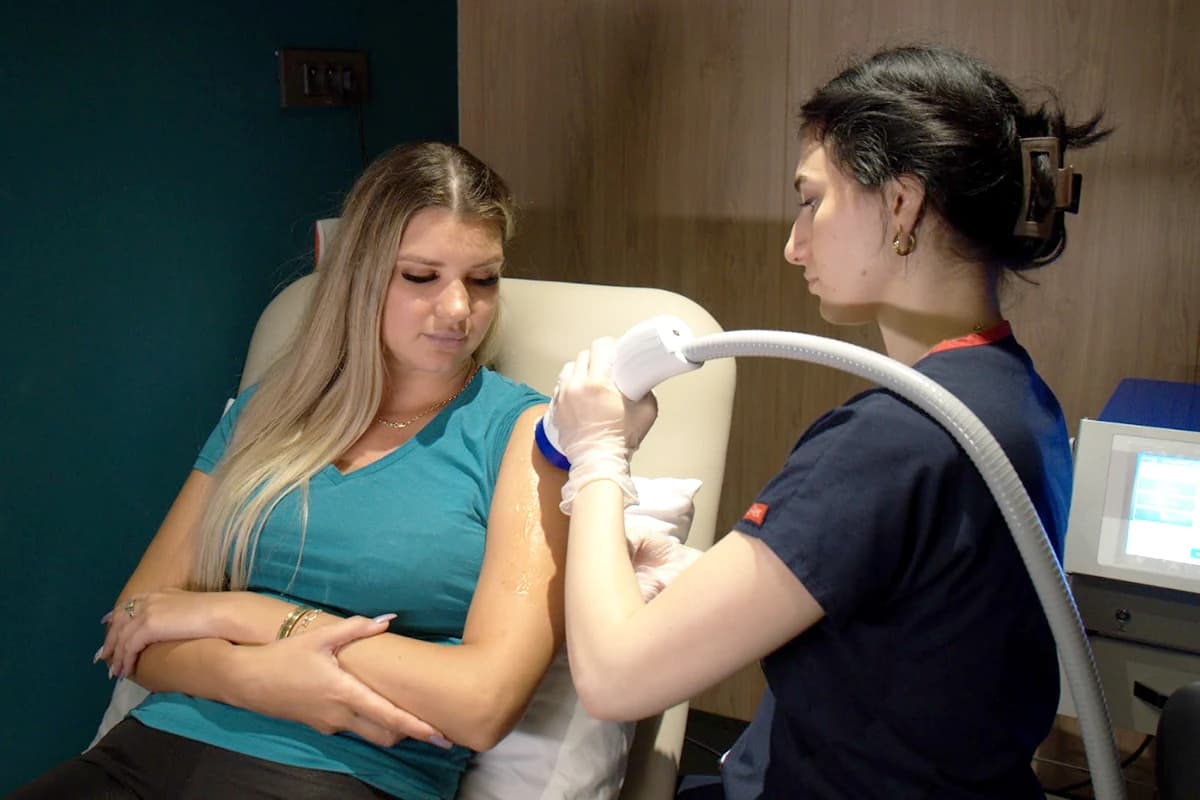 Shoulder Impingement and Rotator Cuff Pain
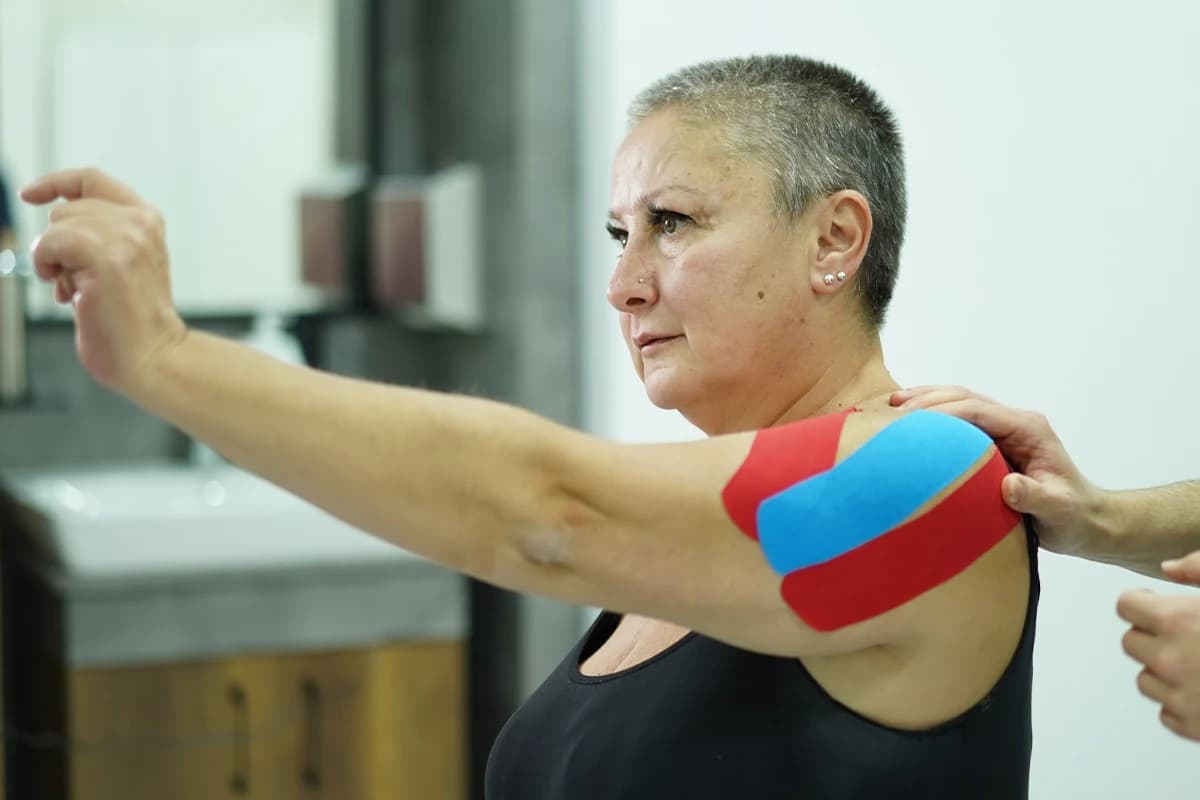 Rotator Cuff Tear
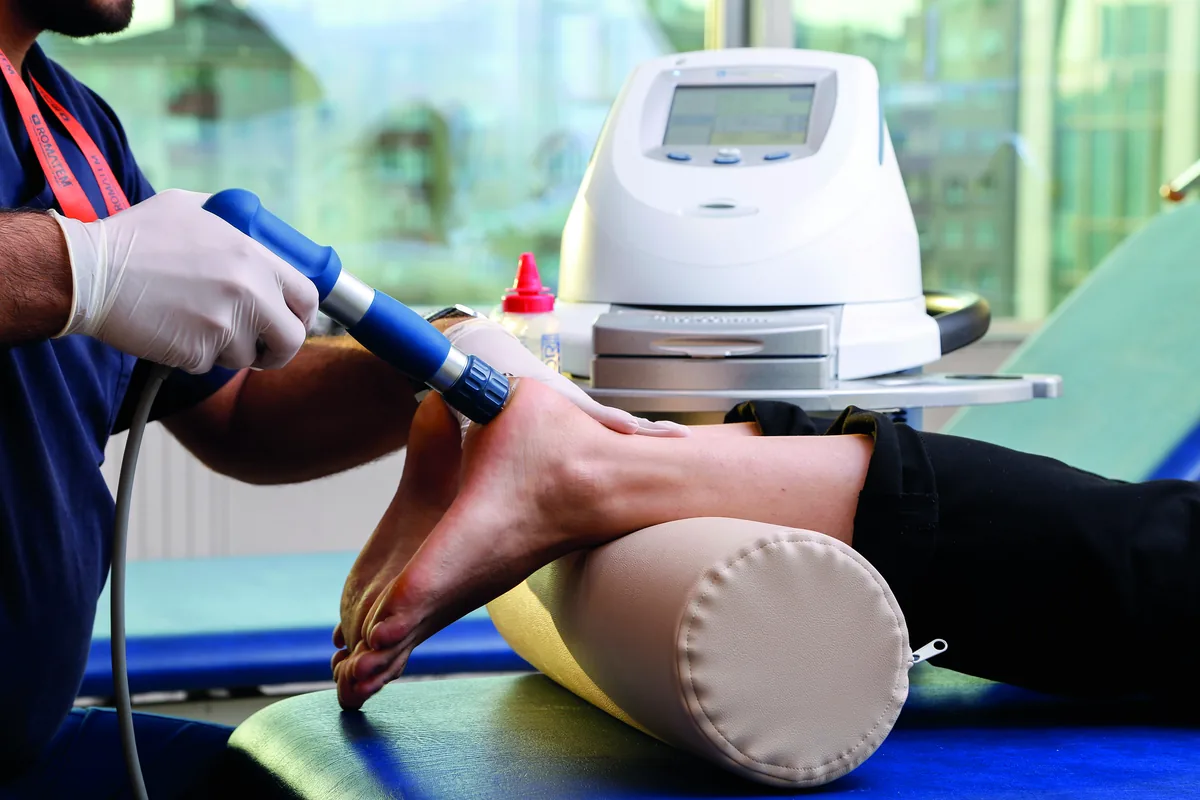 Plantar Fasciitis and Heel Spur
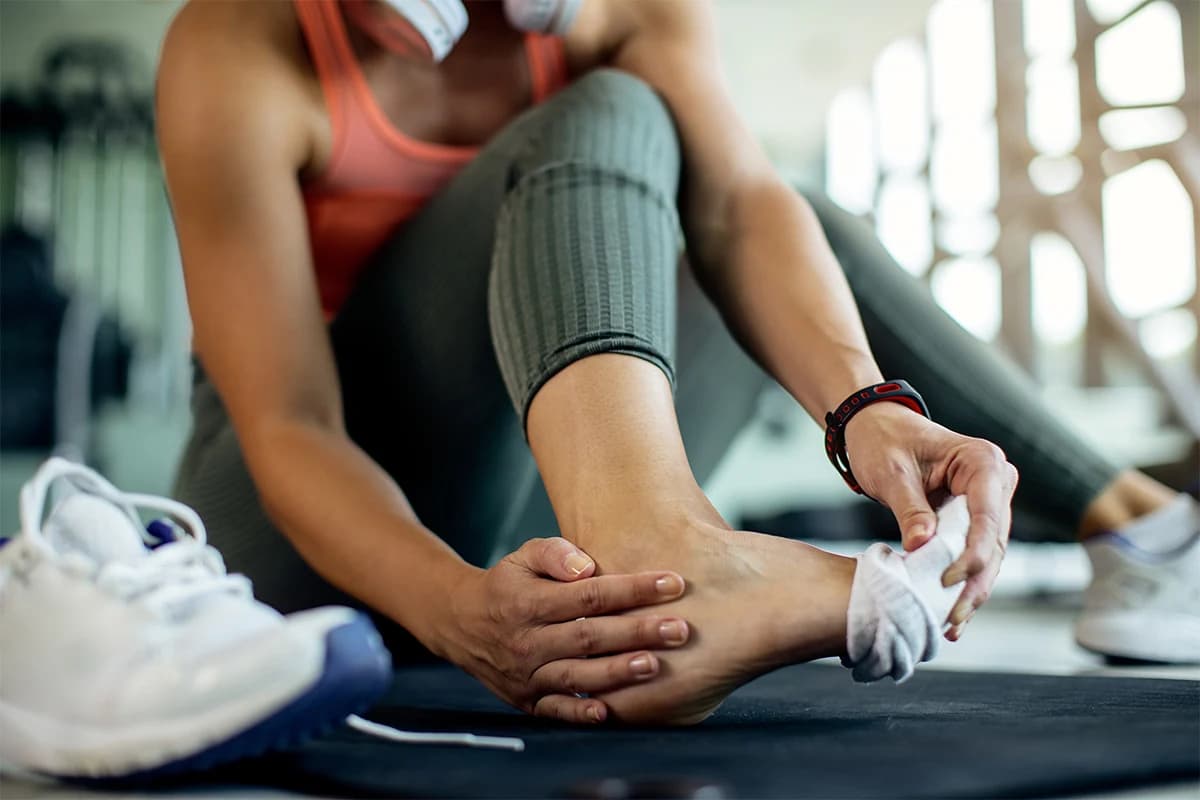 Achilles Tendinopathy
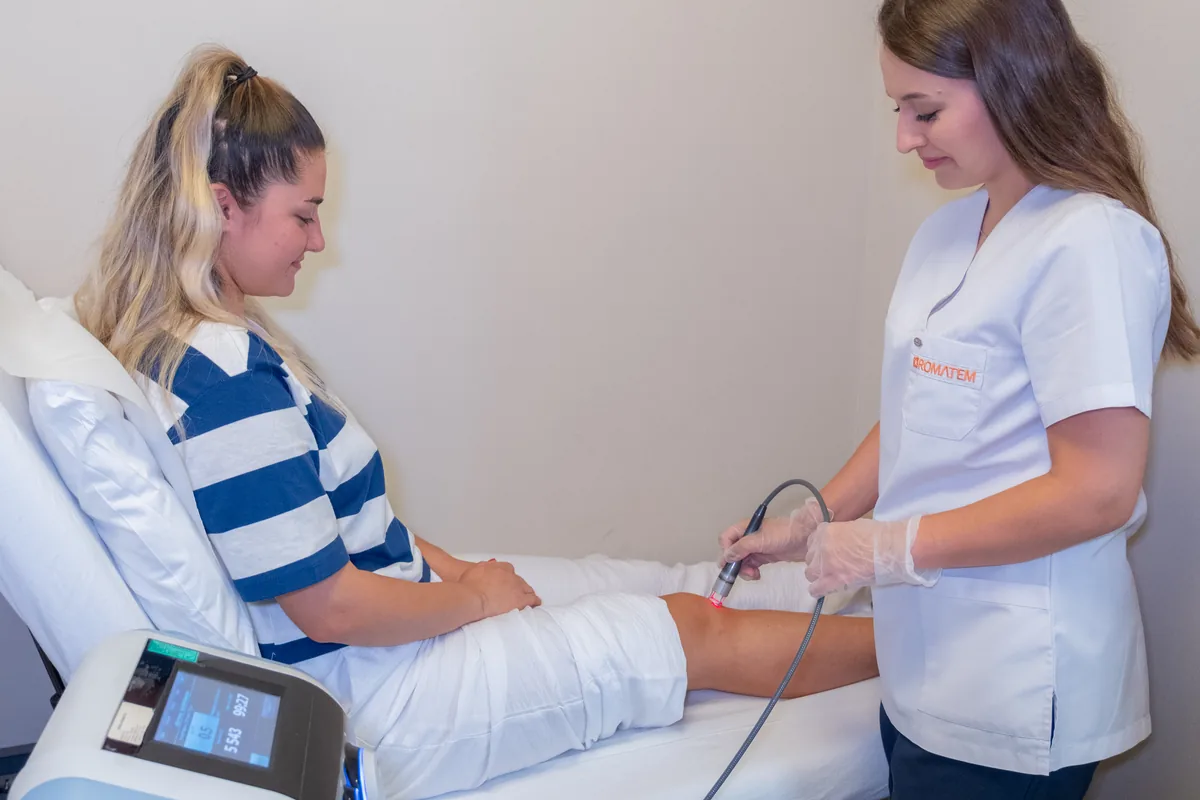 Patellofemoral Pain (Runner’s Knee)
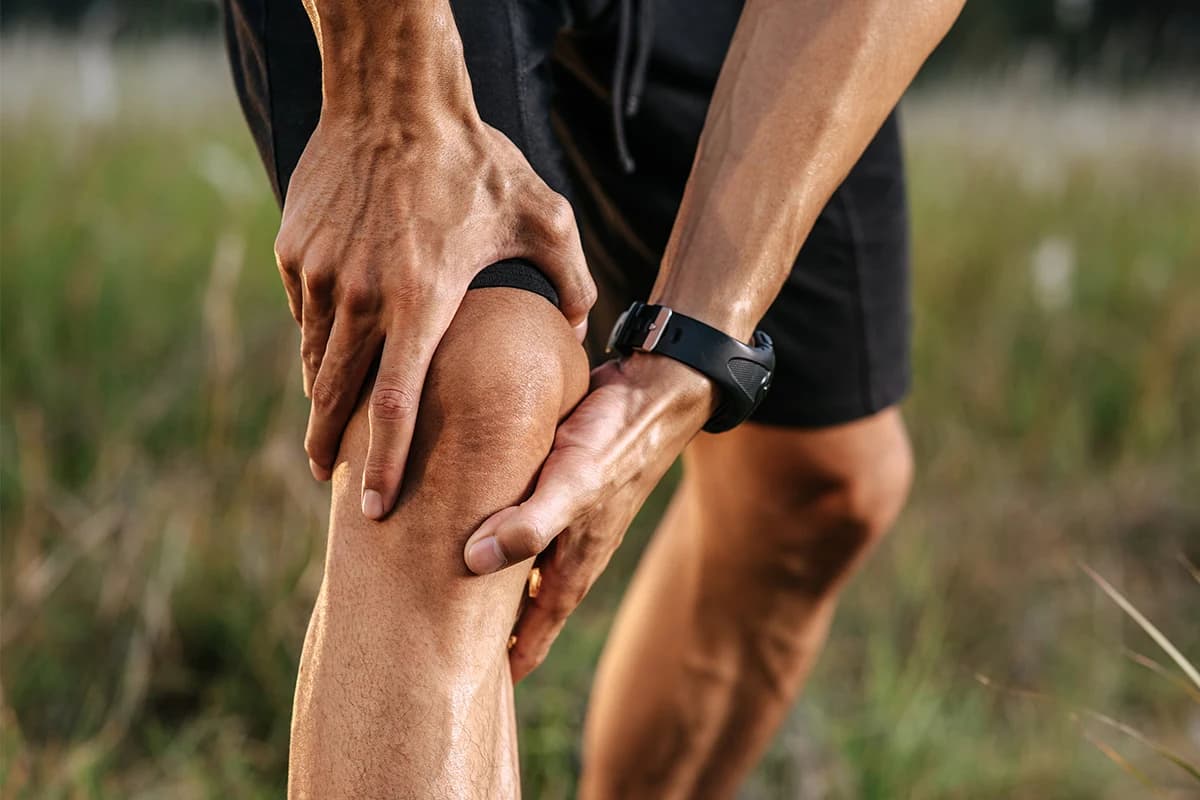 Meniscus Tear
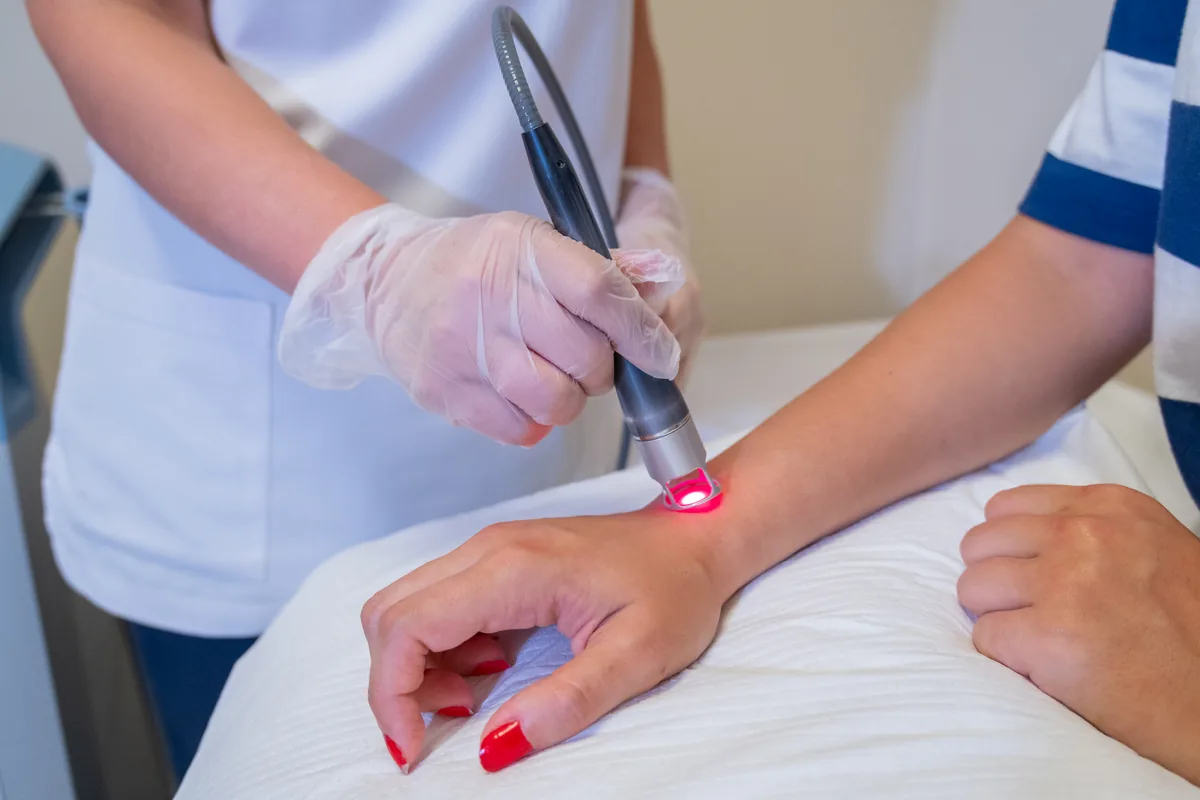 Carpal Tunnel Syndrome
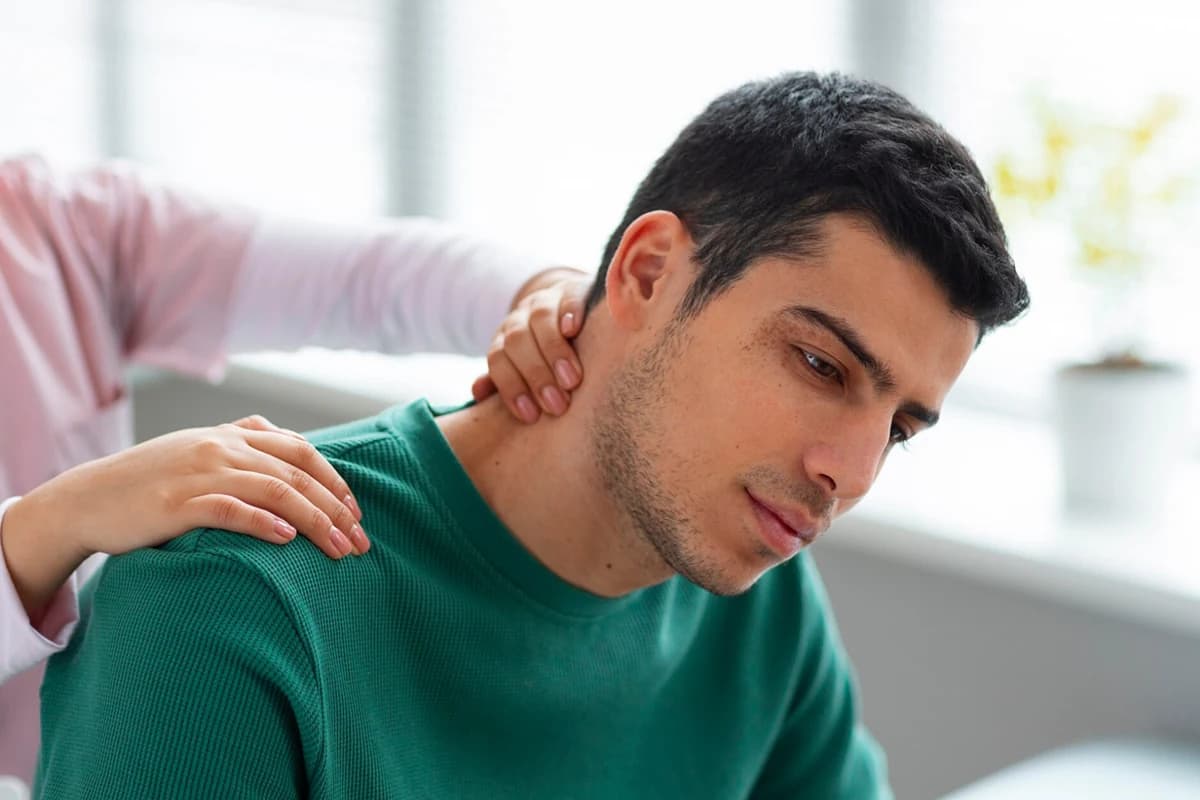 Cervical Disc Herniation
 Spondylolisthesis
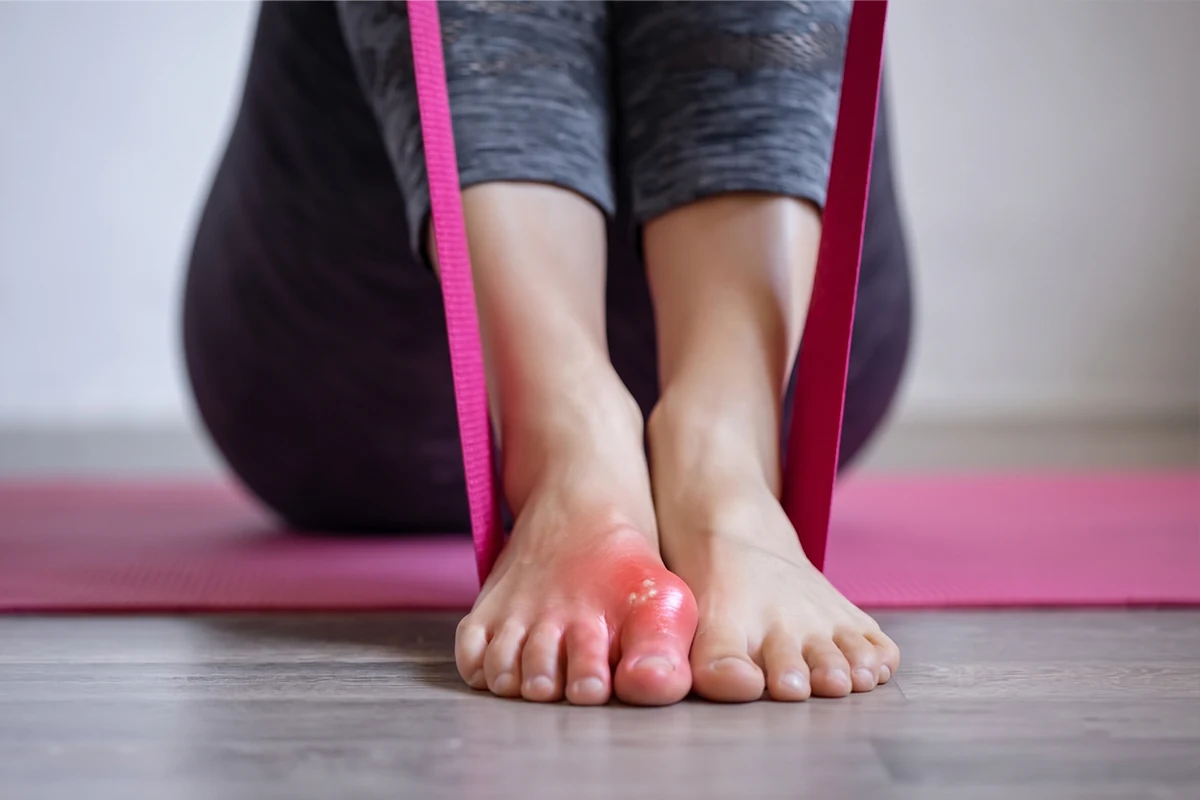 Gout
Gout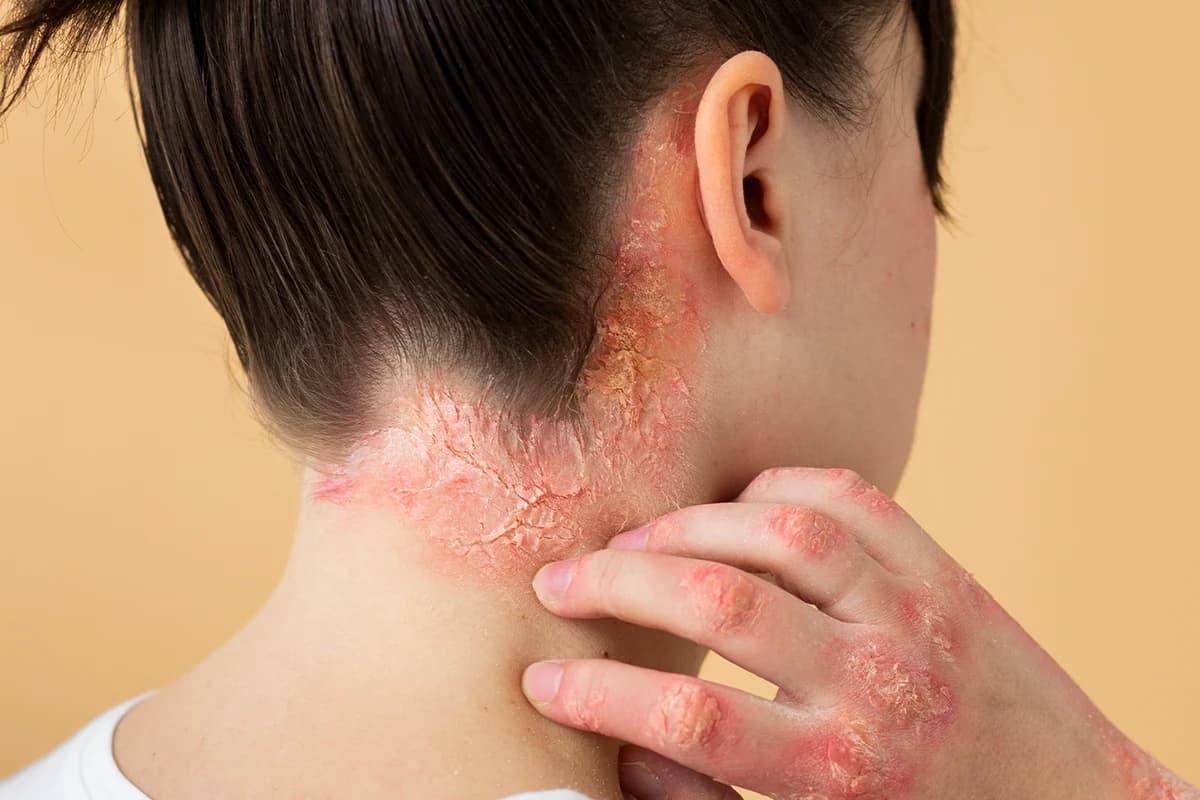 Psoriatic Arthritis
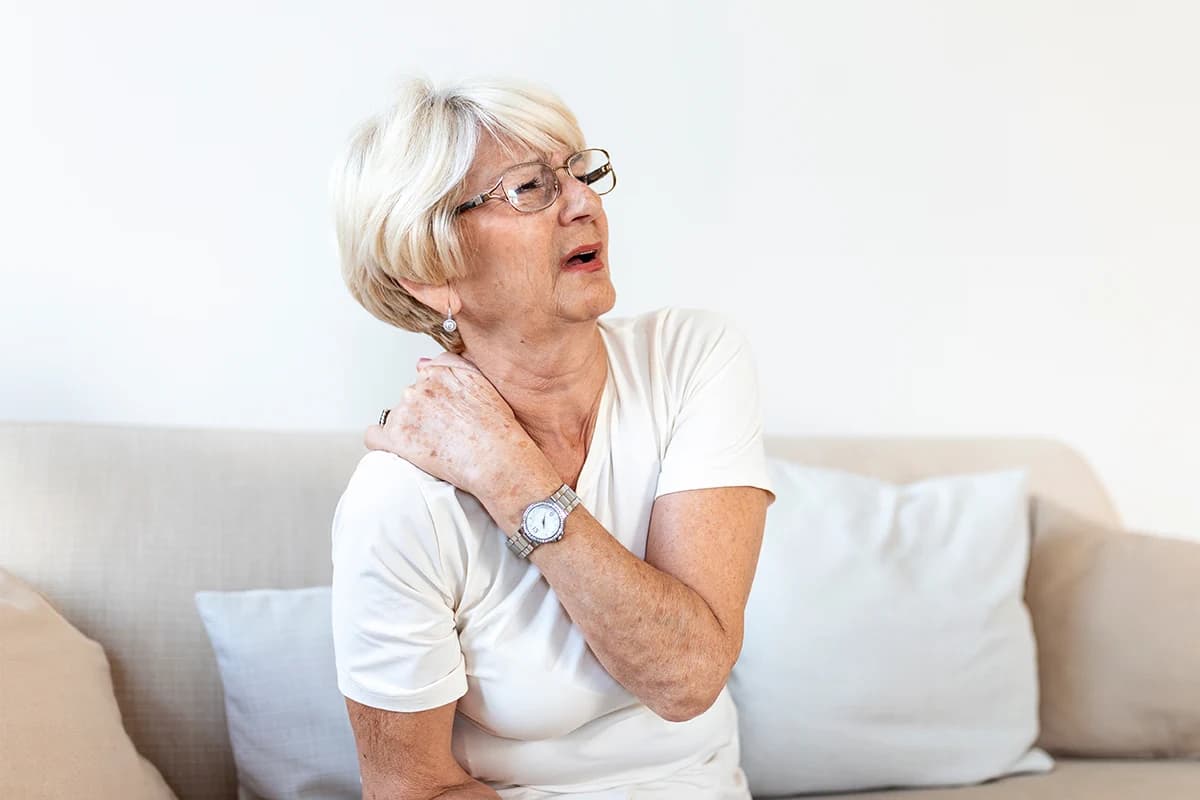 Polymyalgia Rheumatica
 Inflammatory Myopathy (Myositis)
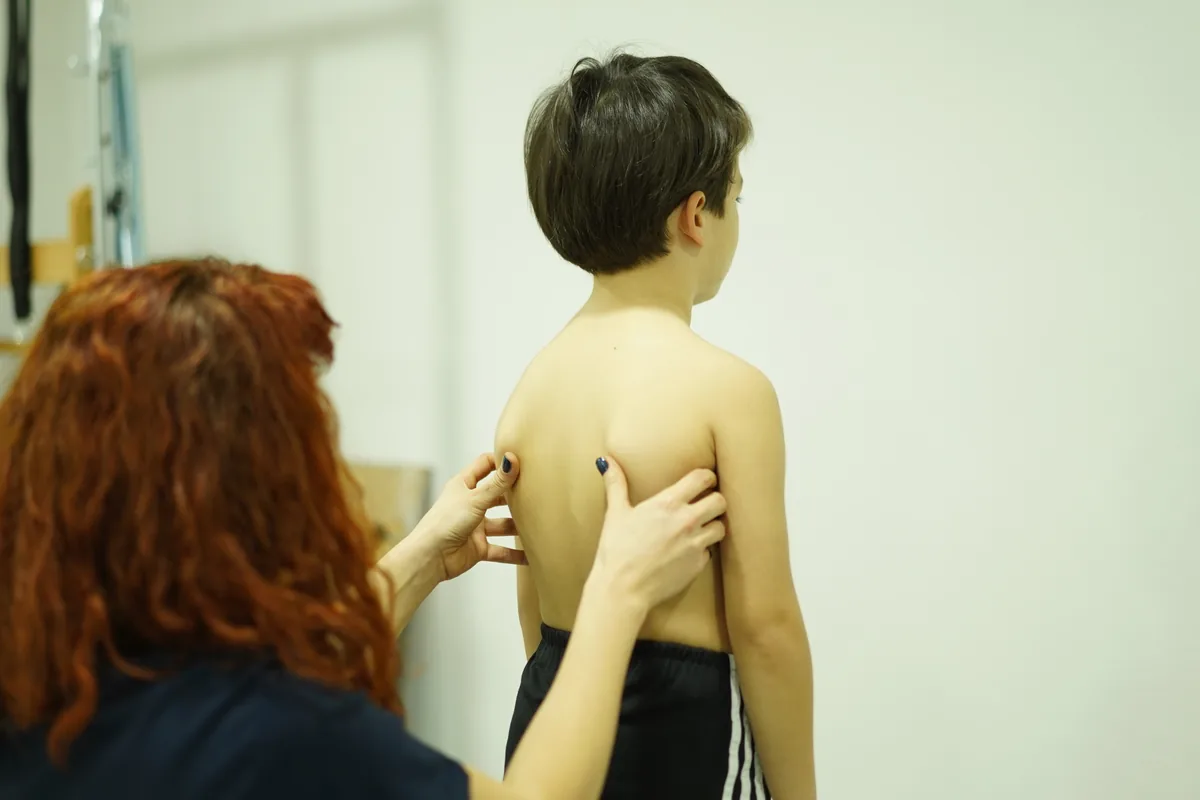 Scoliosis
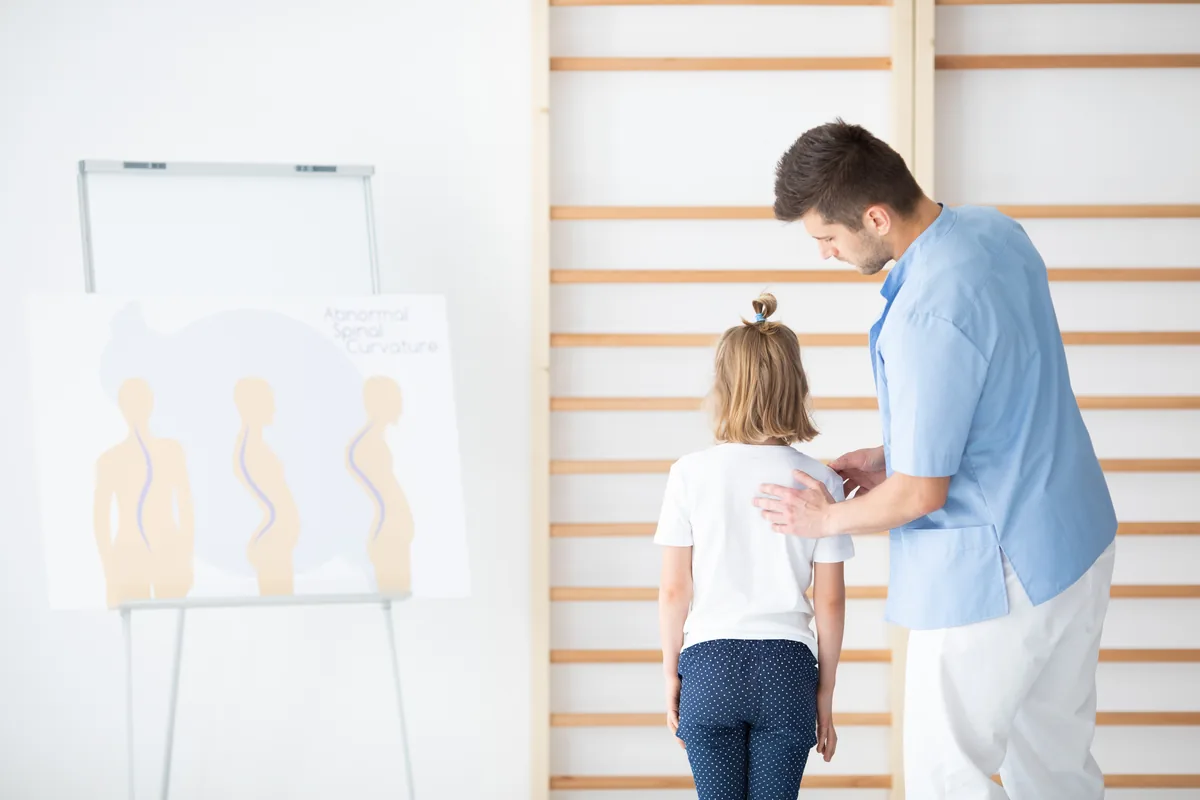 Postural and Movement Disorders
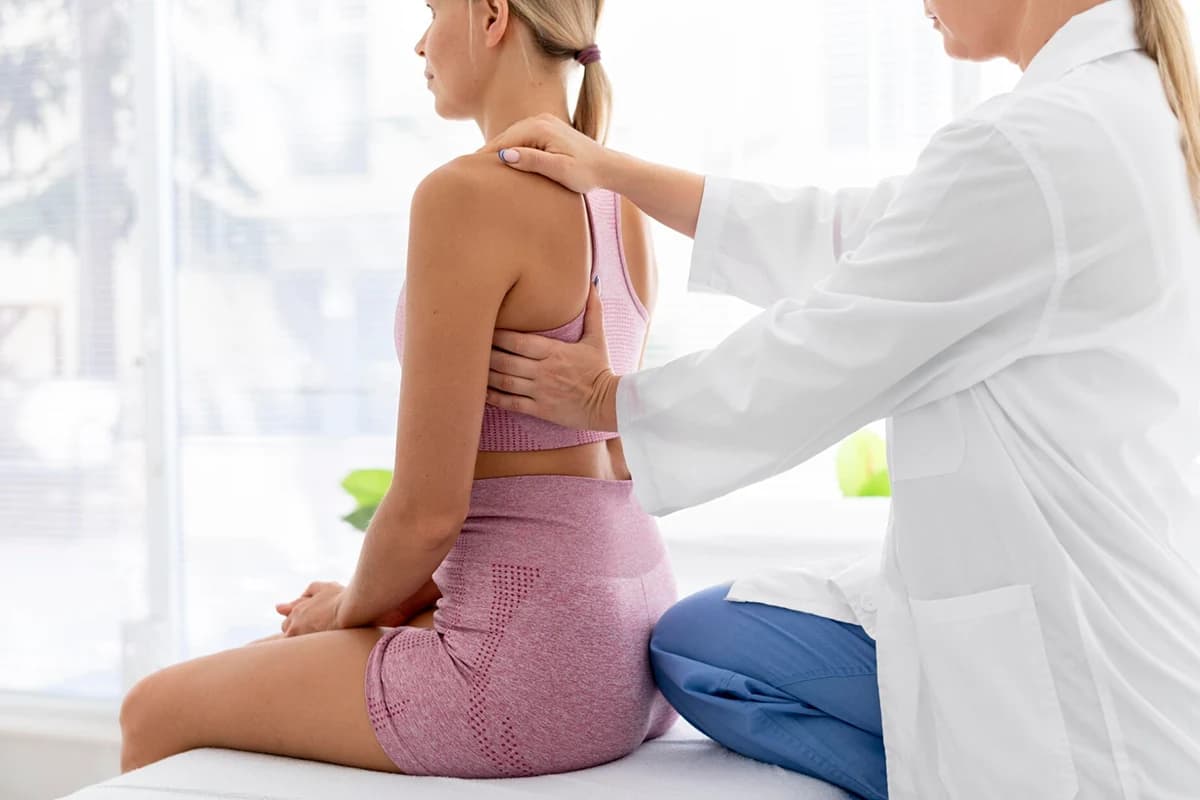 After Spinal Surgery
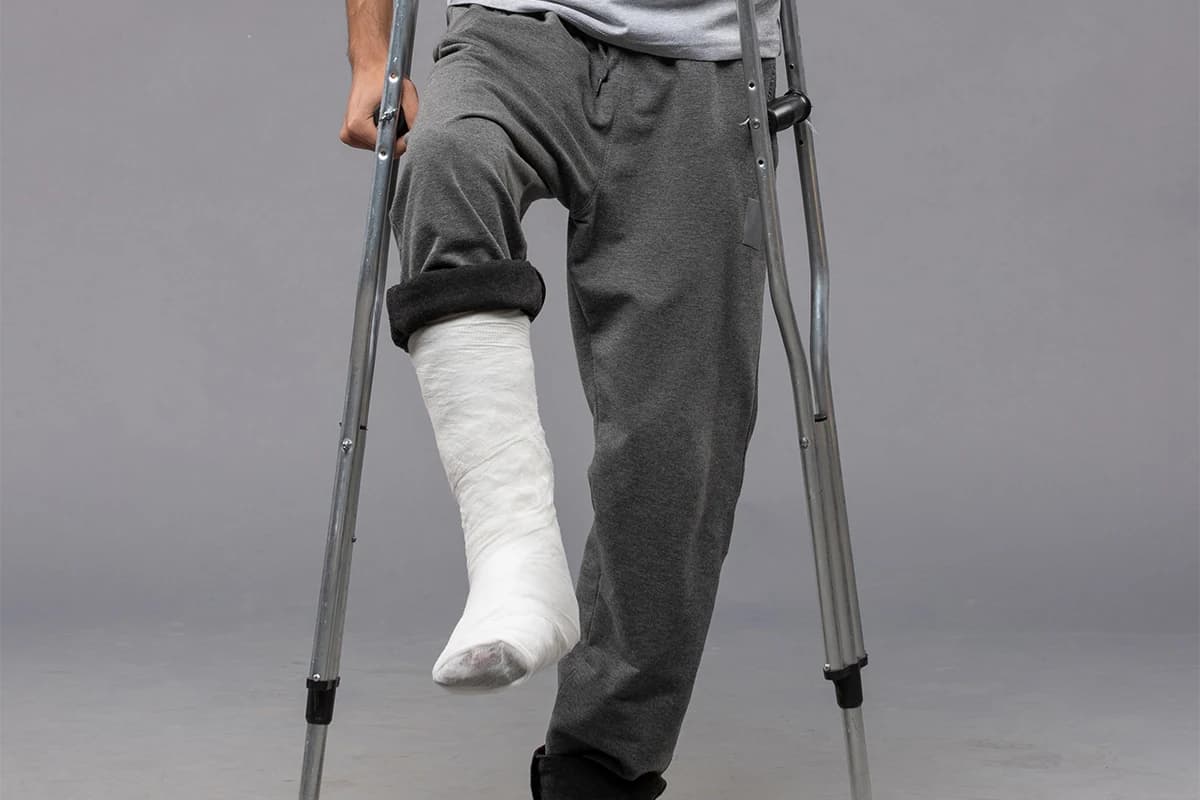 Fracture
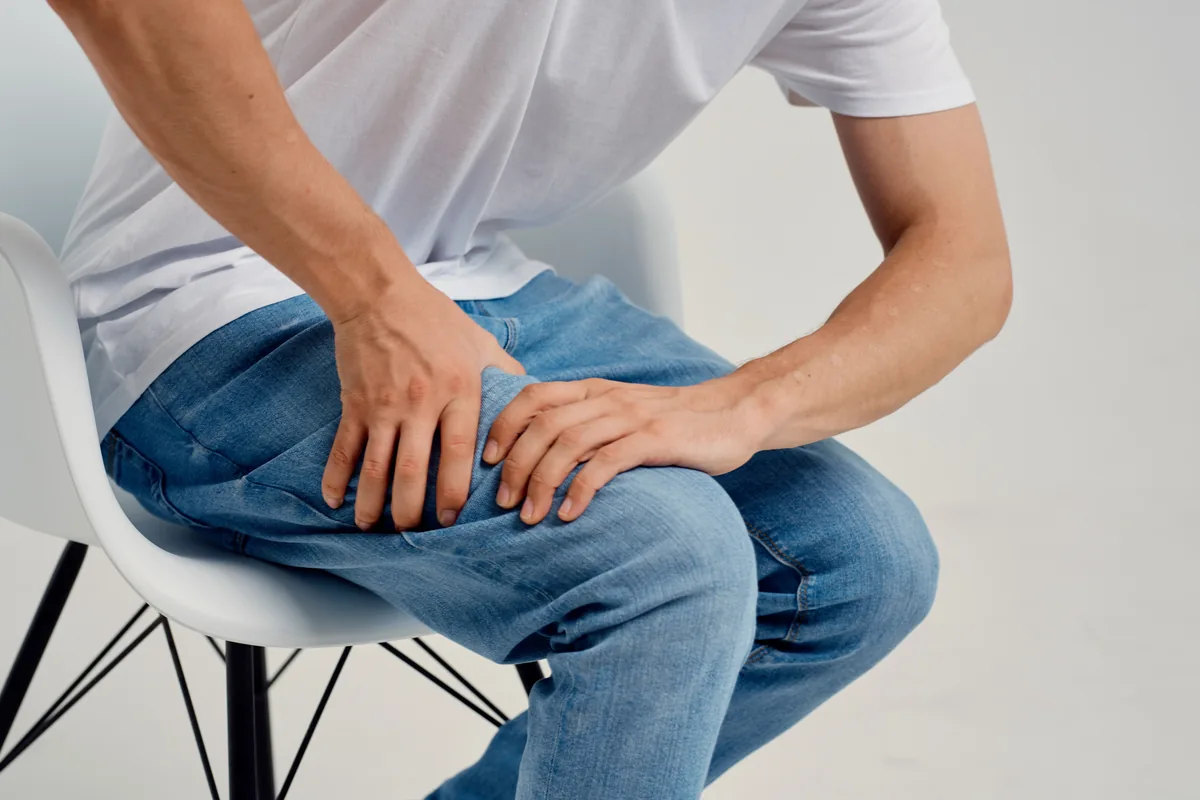 Sciatica
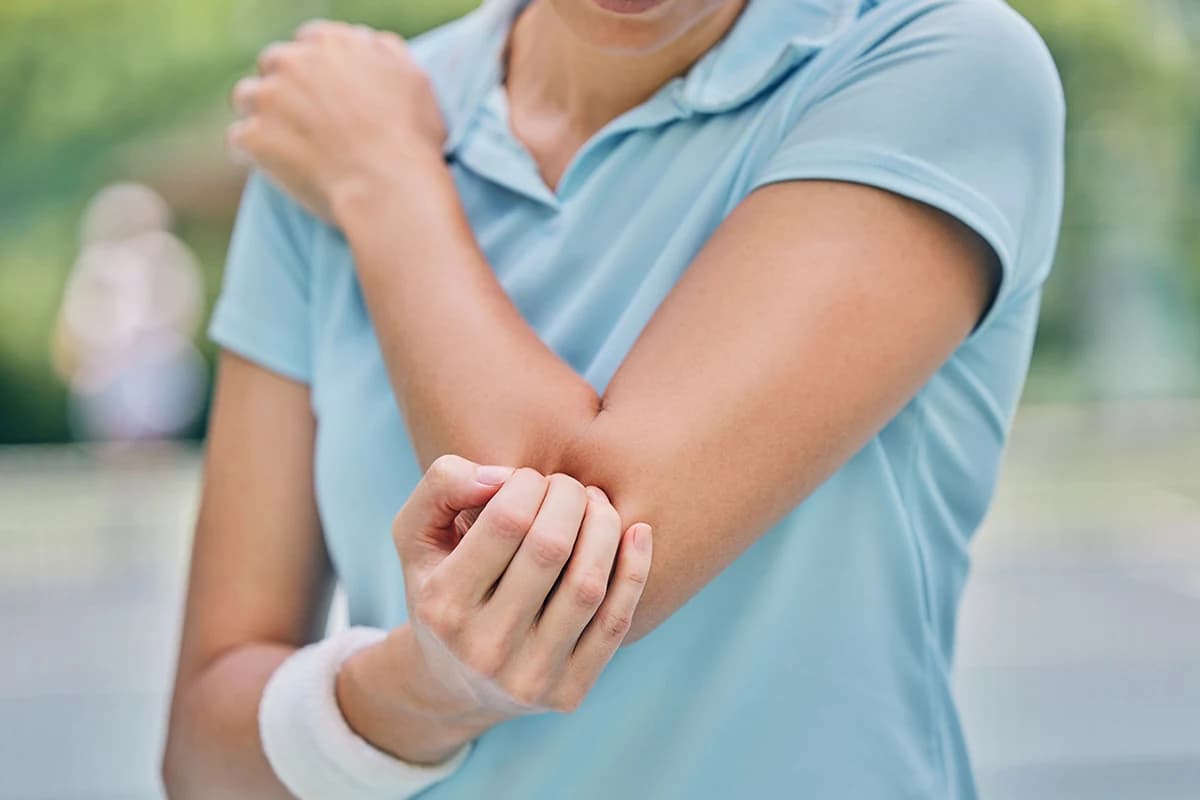 Golfer's Elbow (Medial Epicondylitis)
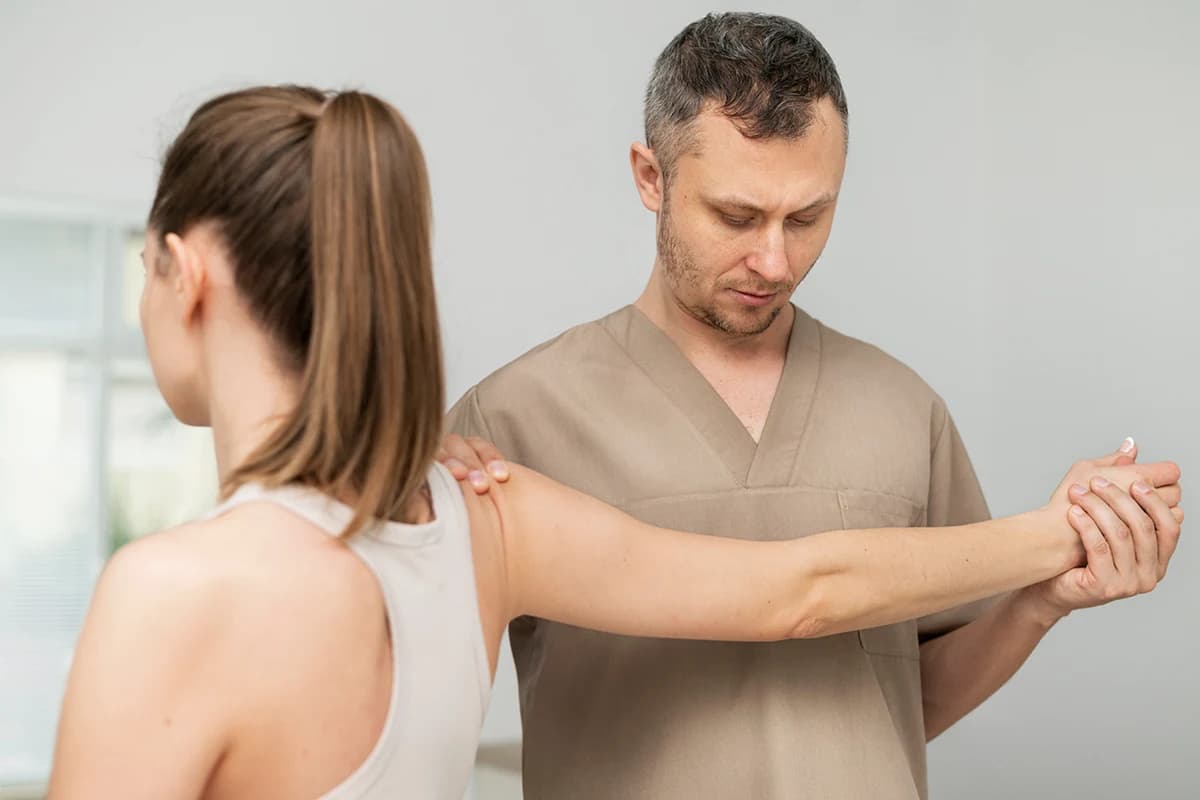 Bursitis and Myofascial Trigger Points
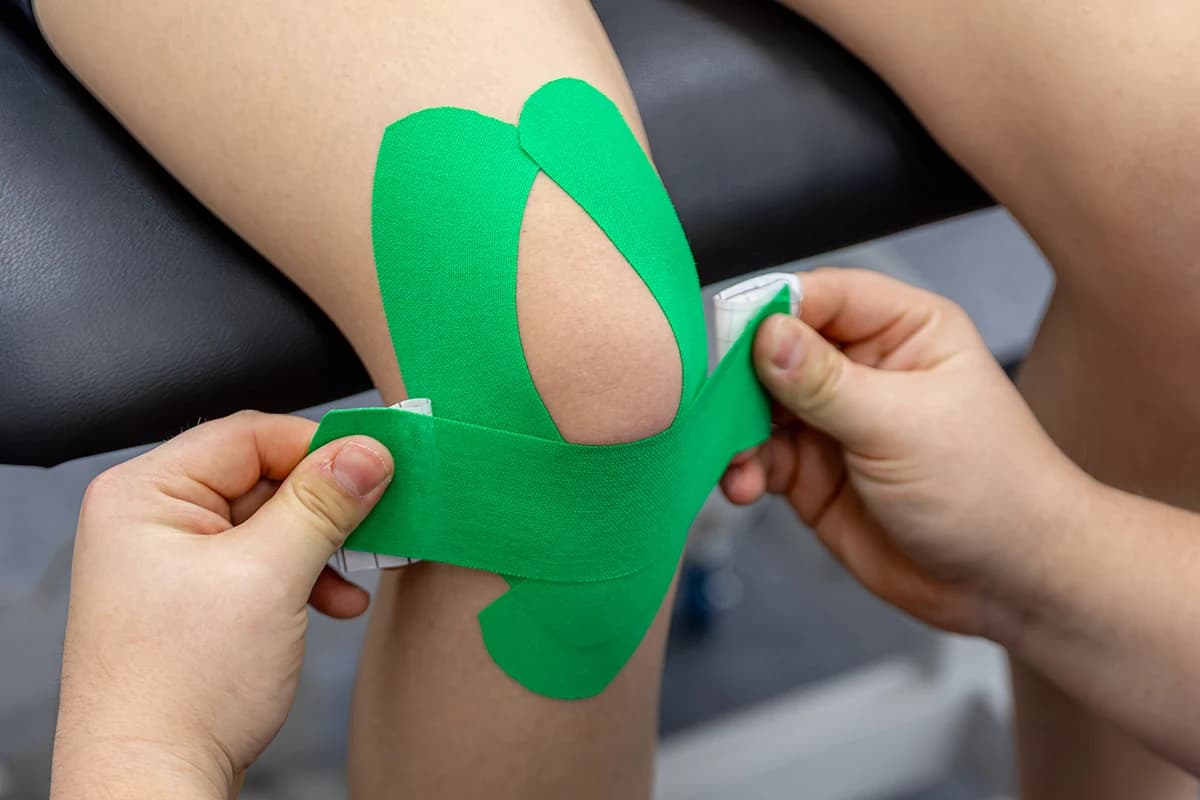 Muscle Tear and Strain
Devices are used inside a programme and chosen after examination — they are not booked separately.
Your path to this treatment
Nothing here is booked from a page. You send the records you have, a rehabilitation physician reads them, and you get a written answer — including when the answer is that an intensive programme will not help.
4 steps, start to finish
1.Send your records
A discharge summary from the hospital that treated the original event, and any imaging of the affected area — CT, MRI or X-ray.2.A written plan in 48 hours
A rehabilitation physician reviews the case and returns the expected duration, the recommended programme and the centre. Free, no obligation.3.Travel and admission
Where a visa is needed we issue an invitation letter and treatment confirmation naming the dates and the facility. You are met at the airport and driven to the centre by private vehicle or ambulance; a bed for one companion and interpreting during therapy are arranged.4.Treatment, then home
The programme runs, then you leave with a discharge report and a written home exercise plan. Your return journey is organised before you go, with scheduled video reviews so progress does not stop.
In their words
What patients say after a programme
Short videos filmed during therapy: a child’s rehabilitation after a brain tumour, suspended gait training after spinal cord injury, and learning to walk again after a fall. Individual results vary.
Dave Evans on his physical therapy here
Musculoskeletal physiotherapy
Paediatric rehabilitation after a brain tumour
Inside a physiotherapy session
Spinal cord injury — the rehabilitation process
Suspension-assisted gait training
Walking difficulty and restricted movement after a fall
Regaining gait and range of motion
Locations
Centres that have this device — pick one.







Questions people actually ask
About this device
What conditions is it used for?
Muscular pain and tension, joint stiffness, and post-injury or post-surgical recovery, always alongside active treatment.
Is it safe with metal implants?
Some implants are contraindications depending on the mode and the site. This is checked before treatment rather than assumed.
Who should not have it?
Pregnancy, pacemakers and implanted electronic devices, malignancy in the area, active thrombosis, and impaired sensation over the treatment site.
How does it feel?
A comfortable deep warmth. The therapist adjusts intensity throughout and it should never be uncomfortable.
How long does the benefit last?
Not long, on current evidence. In a sham-controlled trial in knee osteoarthritis, the pain advantage over sham seen at the end of an eight-session course was no longer present at the three-month follow-up 2. That is why it is scheduled immediately before active work, where the short window of warmth and reduced pain can be used.



