

Medical condition
Fibromyalgia
Fibromyalgia is a disorder of pain processing. Treatment is graded activity, sleep and pacing rather than rest, and the programme is deliberately built to avoid the boom-and-bust cycle that worsens symptoms. Progress is tracked as function and activity tolerance, because pain score alone improves last.
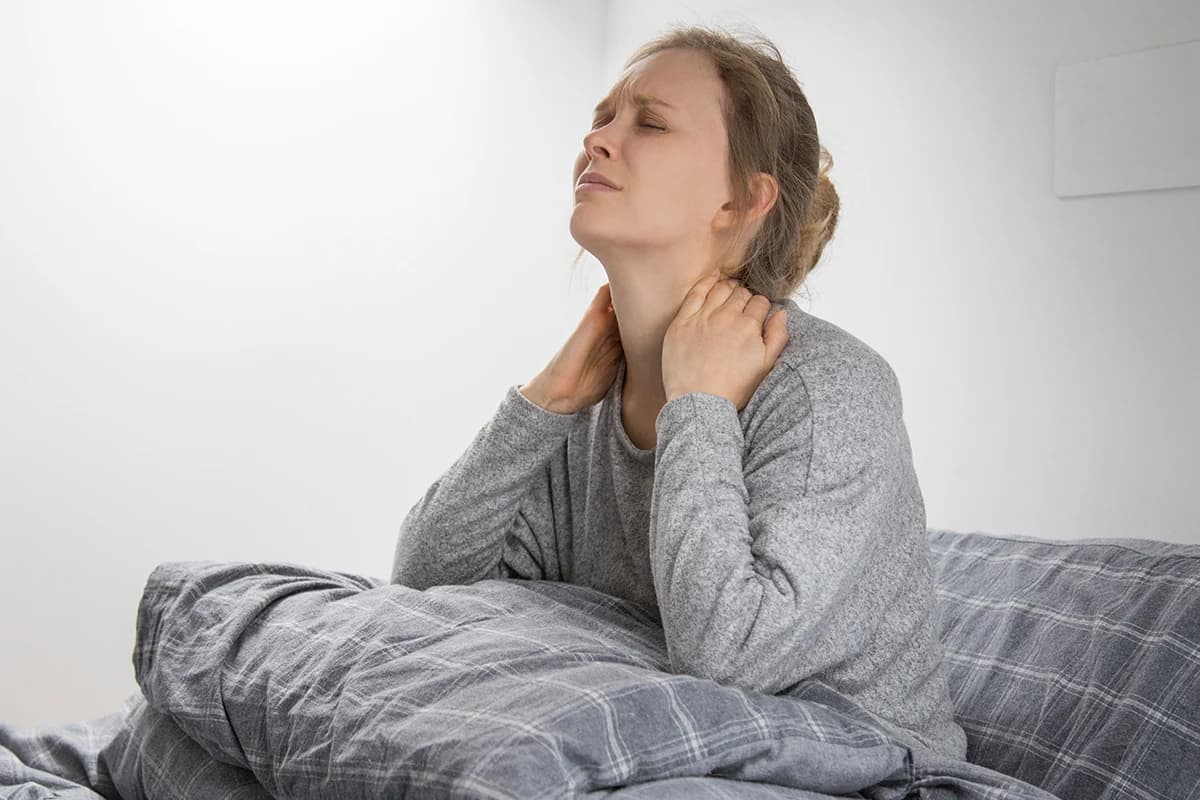
A disorder of pain processing
In fibromyalgia the nervous system amplifies pain signals. Widespread pain, unrefreshing sleep, fatigue and difficulty concentrating occur together. Tissue examination and scans are typically normal, and this is frequently misread as meaning nothing is wrong.
Something is wrong. The problem is in how pain is processed rather than in the tissue being examined, and treatment is directed at that.
Why rest makes it worse
The common pattern is boom and bust: a good day leads to doing too much, which produces several bad days, which produces avoidance, which reduces capacity further. Over months this shrinks what the person can do considerably more than the pain itself does.
Graded activity breaks the cycle. Activity is set at a level that can be sustained on a bad day and increased slowly, deliberately below the level that provokes a flare. It is counter-intuitive and it is what the evidence supports.
What the programme covers
Graded aerobic and strengthening exercise, pacing training, sleep management, and education about pain mechanisms — which is a genuine intervention in this condition rather than an add-on. Hydrotherapy is often the easiest place to start because warm water reduces the initial pain barrier.
The outcome we track is function and activity tolerance rather than pain score alone, because pain score alone improves last and would understate the change.
Getting the diagnosis right
Fibromyalgia is diagnosed clinically, from widespread pain lasting more than three months together with fatigue, unrefreshing sleep and cognitive difficulty 2. There is no blood test or scan that confirms it.
What tests do is exclude conditions that can look similar — inflammatory arthritis, thyroid disease, vitamin D deficiency, sleep apnoea. Getting this right matters, because a missed inflammatory arthritis treated as fibromyalgia loses time that cannot be recovered, and the reverse produces years of unnecessary investigation.
Sleep is part of the treatment, not a side issue
Unrefreshing sleep both results from and drives the pain, and in most people it is the leverage point. Addressing it — sleep timing, screens, caffeine, untreated apnoea where present — often produces more change than anything aimed directly at pain.
This is why the assessment asks about sleep in detail rather than in passing, and why a programme that ignores it tends to stall.
Pacing without giving up
The common pattern is boom and bust: a good day is used to catch up on everything, which produces several bad days, which produces guilt and then another overdone good day. Pacing breaks that cycle by setting activity at a level that can be sustained on a bad day and increased slowly.
Graded aerobic and strength work is the best-supported intervention, and it must start below what feels achievable. Starting at the level that seems reasonable is the single most common reason people conclude exercise makes them worse.
What we do not promise
We do not describe fibromyalgia as curable, and we do not offer treatments marketed as resetting or rebalancing the nervous system. The evidence supports graded exercise, sleep work, pacing and psychological approaches to pain — not the more elaborate claims made around this condition.
What a good programme delivers is a meaningful reduction in symptom burden and a return of function and predictability. That is worth having and it is what we measure.
Frequently asked questions
Is fibromyalgia a real condition?
Yes. It is a recognised disorder of pain processing in which the nervous system amplifies pain signals. The absence of an abnormal scan does not mean the absence of a mechanism, and being told the pain is imagined is both wrong and harmful.
Will exercise make me worse?
Started at the wrong level, yes — and that is what most people have experienced before they arrive. Started below the current tolerance and increased slowly, graded exercise is the best-evidenced treatment available.
Do I need to stop working?
Rarely, and usually it is the wrong move. Adjustment of hours, tasks and pacing keeps people at work more often than stopping does, and prolonged absence makes return progressively harder.
Which medications help?
Some people benefit from agents acting on pain processing rather than on inflammation. Simple painkillers and anti-inflammatories generally do little, and opioids are not appropriate for this condition. Medication is an adjunct to the activity and sleep work, not a replacement for it.
How long does a programme take?
Typically several weeks of structured work, with the emphasis on what you continue afterwards. The gains in this condition come from sustained changes to activity and sleep rather than from a course of treatment that ends.
Can I have fibromyalgia alongside another condition?
Frequently — it coexists with rheumatoid arthritis, lupus and other conditions, and after injury. Treating one and ignoring the other is why some people feel their pain is never fully addressed.
Sources
- Macfarlane GJ, et al. EULAR revised recommendations for the management of fibromyalgia — Annals of the Rheumatic Diseases (2017)
- The American College of Rheumatology preliminary diagnostic criteria for fibromyalgia and measurement of symptom severity — Arthritis Care & Research (Wolfe F, et al.) (2010)
Which therapies would I actually receive?
A therapy is a single method used inside a programme. It is measured in sessions and is not sold separately.
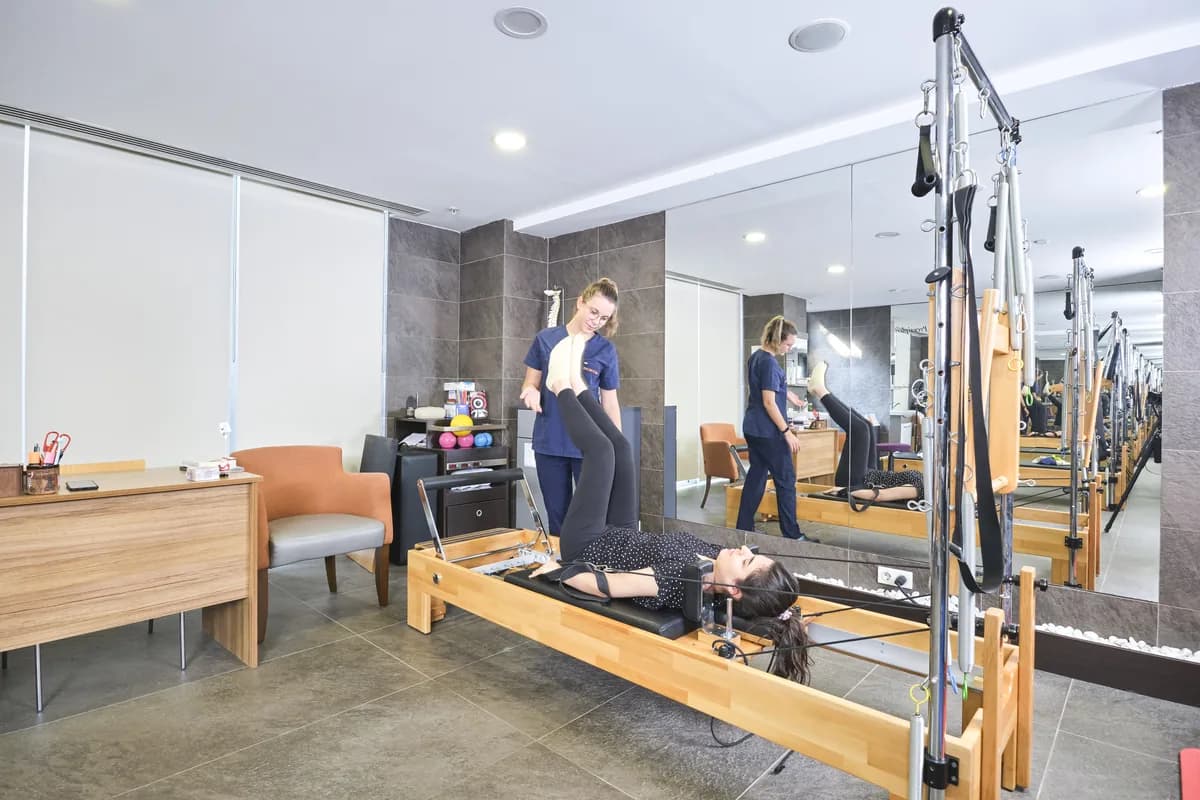

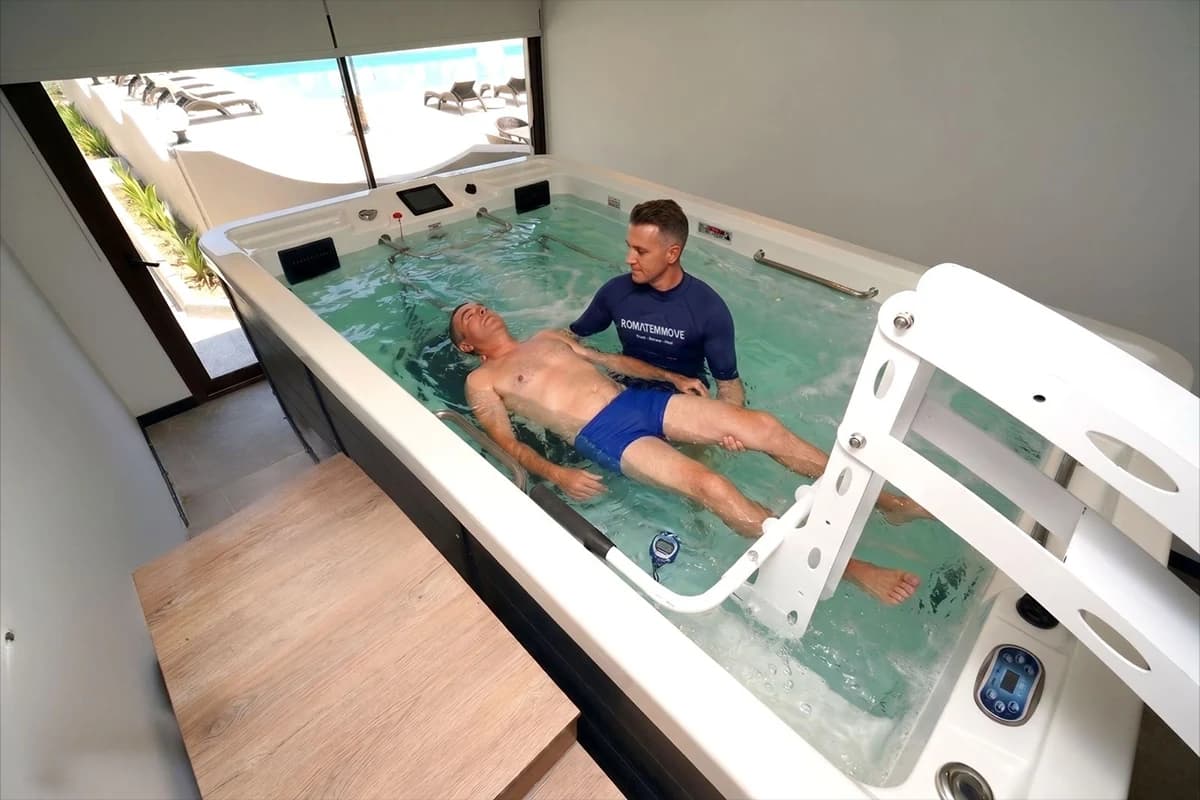
Technologies we use


Locations
Where you can receive this treatment



Related articles
Rheumatologic How can you exercise with fibromyalgia without causing a flare?
Start with very gentle, short sessions of low-impact activity, such as walking or water-based exercise, and increase slowly over weeks. Exercise is the only therapy-based treatment strongly recommended for fibromyalgia in European guidance. Pacing, planning rest and accepting some temporary soreness help people build activity without triggering a major flare.Read moreTreatments and technology Who benefits from exercise in water?
Water-based exercise suits people whose pain, weight, weakness or balance problems make land exercise difficult, including those with knee and hip osteoarthritis and fibromyalgia. Trials show small improvements in pain and function with aquatic exercise, similar to land-based exercise. Warm water can ease stiffness, while people with heat sensitivity may need cooler pools.Read moreNeurological How long does it take to recover from a stroke?
Most recovery after a stroke happens in the early months, when the brain is most able to reorganise, and it continues more slowly for a longer period after that. How far someone gets depends mainly on how severe the stroke was, where it happened and how much active therapy follows.Read more



