
Gait and lower limb
Early mobilisation robot
A tilt table with stepping function that brings a bedbound patient safely upright while moving the legs, reducing the circulatory problems that come with long bed rest. Cycling the legs drives the calf muscle pump, which is why patients often tolerate a steeper upright position, with fewer near-fainting episodes, than on a plain tilt table.
Getting a patient upright before they can stand
A tilt table with integrated robotic leg drive. The patient is brought from lying towards upright in controlled increments while the legs are cycled through a stepping pattern. The leg movement is not decorative: it drives the calf muscle pump, which keeps blood returning to the heart and substantially reduces the fainting that plain tilt tables cause.
So a patient who could not tolerate being sat up can often tolerate 60 to 80 degrees on this device 1.
Who it is used for
Patients in the early phase after severe stroke, traumatic brain injury, spinal cord injury or prolonged intensive care — anyone who has been in bed long enough that standing has become physiologically difficult. Also patients with disorders of consciousness, where upright positioning and leg movement are part of the stimulation programme.
It requires cardiovascular stability within defined limits, no unhealed lower limb fracture, and no deep vein thrombosis that has not been treated. Blood pressure and heart rate are monitored throughout and the table is lowered on protocol, not on judgement alone.
Why early upright time matters
Prolonged bed rest causes rapid bone loss, muscle loss, circulatory deconditioning and joint stiffness, and it is the reason many patients are weaker at the end of a hospital stay than the original injury accounts for. Time upright counteracts all four.
This is a bridge, not a treatment in itself. It exists to bring a patient to the point where real gait and strength work can start.
Standing before standing is possible
It brings a patient upright gradually while moving the legs, which allows very early mobilisation in people who cannot yet tolerate sitting up. The leg movement helps maintain blood pressure during the tilt.
This matters because the losses of immobility — muscle, bone, circulatory regulation, pressure areas — begin within days, and waiting until someone can stand costs more than it saves.
What does the research show?
The clearest finding concerns tolerance of being upright. In a small crossover trial in nine patients who were still unconscious after brain injury, six had near-fainting episodes on a conventional tilt table but not on a tilt table with integrated stepping 2. A meta-analysis of nine randomised trials with 347 patients found the stepping tilt table safe for people with neurological injury, with some reduction in spasticity after stroke but no clear gain in muscle strength 3.
Its effects on function, walking, balance and level of consciousness remain uncertain, and the trials are of limited quality 3. Gains seen in studies without a comparison group cannot be separated from natural recovery and the rest of the rehabilitation programme 1.
Sources
- Verticalization with Erigo® in early rehabilitation in patients with severe acquired brain injury: evidence from a pilot study — Frontiers in Rehabilitation Sciences (2026)
- Luther MS, Krewer C, Müller F, Koenig E. Comparison of orthostatic reactions of patients still unconscious within the first three months of brain injury on a tilt table with and without integrated stepping. A prospective, randomized crossover pilot trial — Clinical Rehabilitation (2008)
- Garlet AB, Righi NC, Schardong J, Della Méa Plentz R. Effects of robotic rehabilitation using the Erigo device on patients with neurological injury: a systematic review and meta-analysis of randomized clinical trials — Disability and Rehabilitation: Assistive Technology (2024)
- AVERT Trial Collaboration group. Efficacy and safety of very early mobilisation within 24 h of stroke onset (AVERT): a randomised controlled trial — The Lancet (2015)
Conditions this device is used for
The 5 conditions where this device is part of a routine programme, grouped by area. It is one tool inside the plan, never the plan itself.
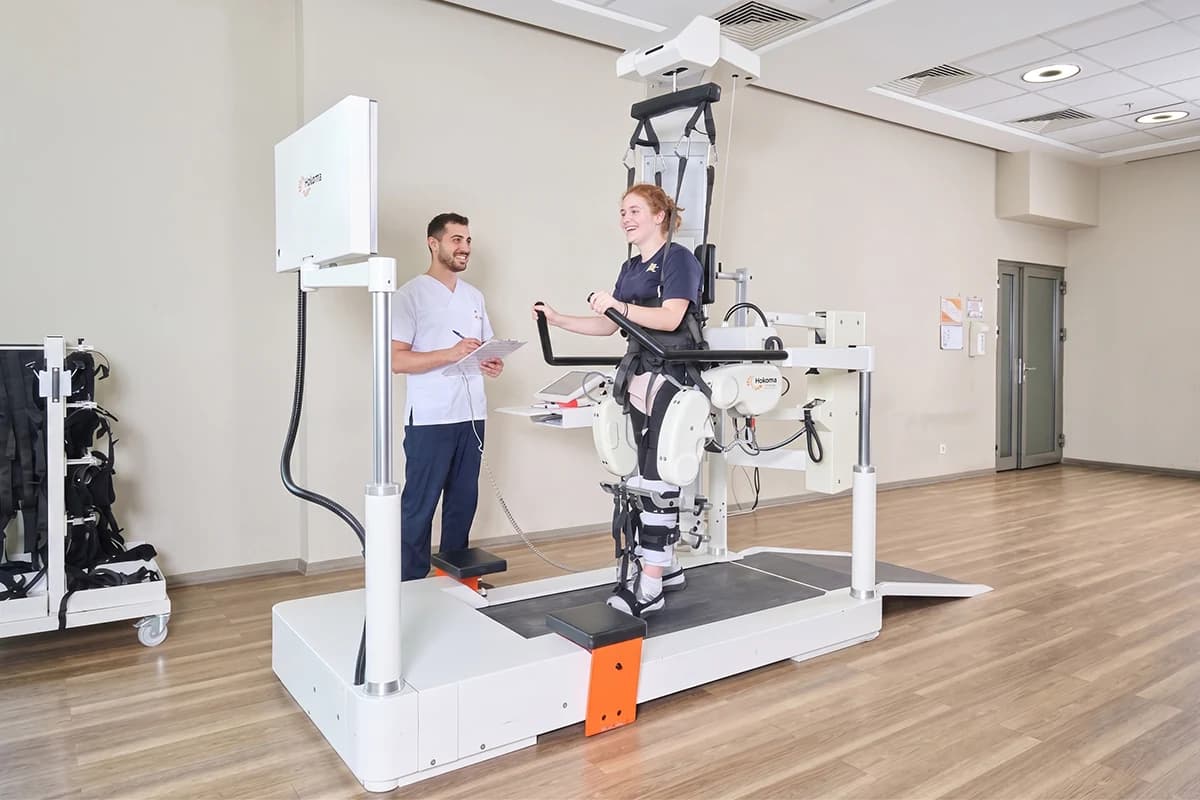
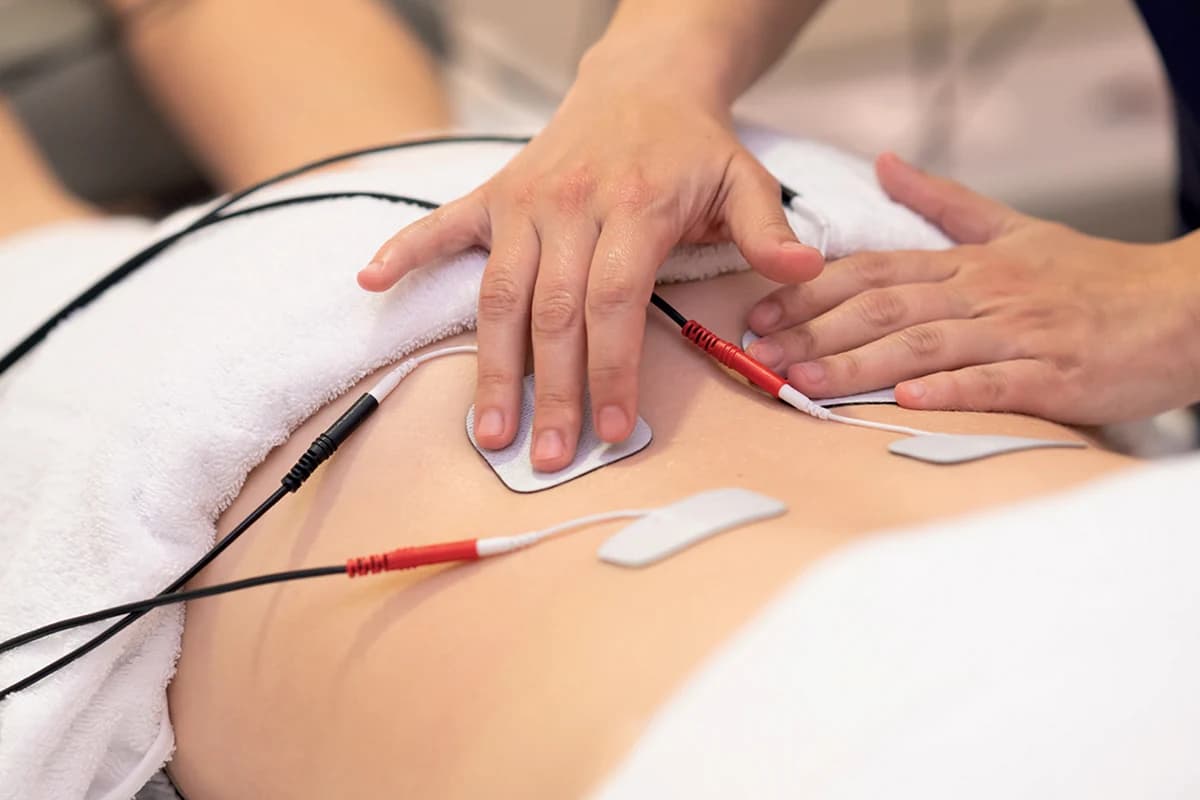
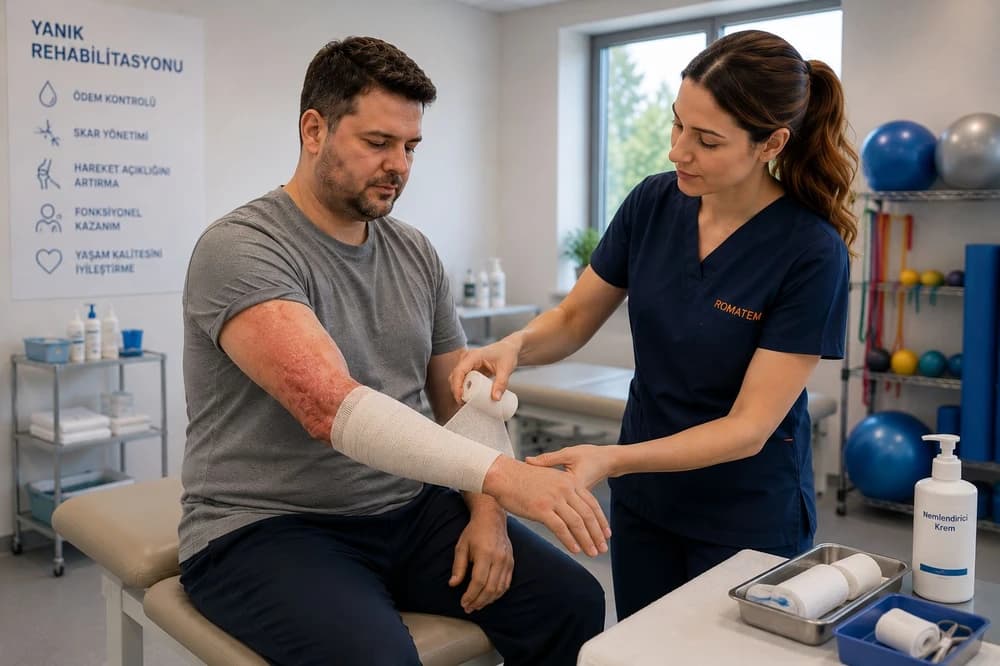
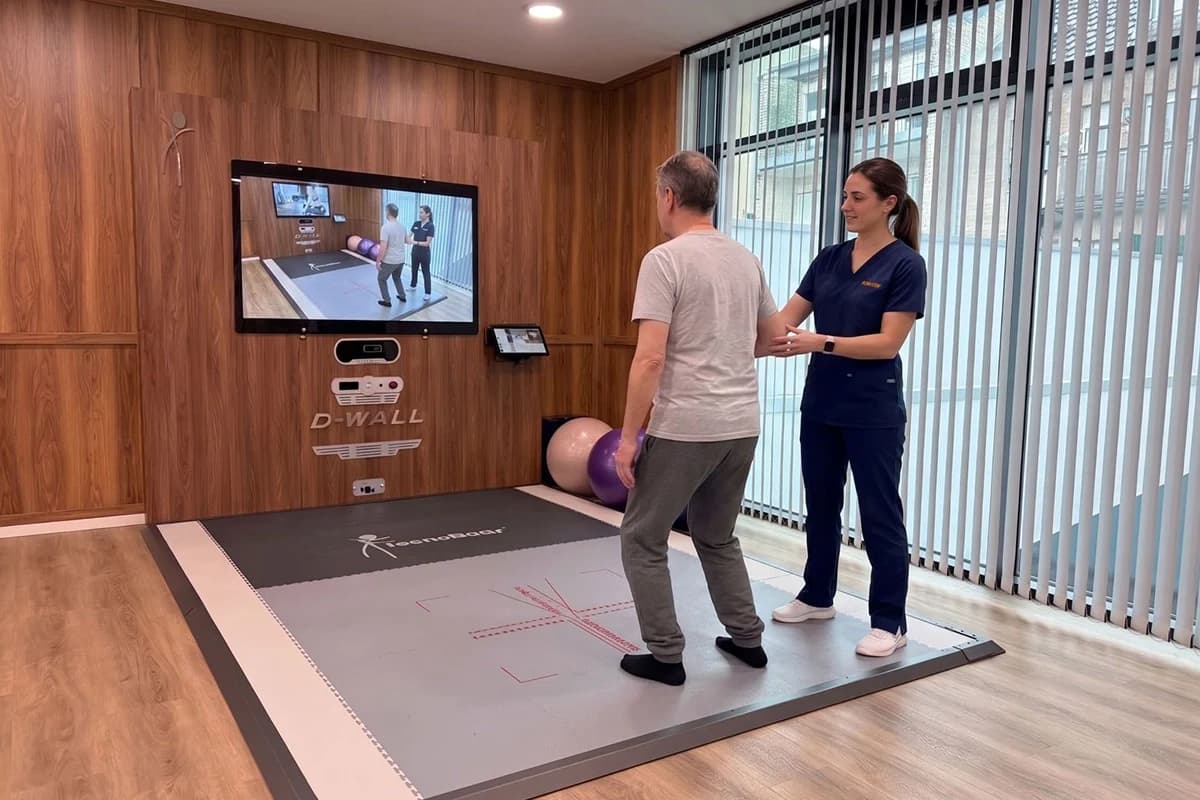
Devices are used inside a programme and chosen after examination — they are not booked separately.
Your path to this treatment
Nothing here is booked from a page. You send the records you have, a rehabilitation physician reads them, and you get a written answer — including when the answer is that an intensive programme will not help.
4 steps, start to finish
1.Send your records
A discharge summary from the hospital that treated the original event, and any imaging of the affected area — CT, MRI or X-ray.2.A written plan in 48 hours
A rehabilitation physician reviews the case and returns the expected duration, the recommended programme and the centre. Free, no obligation.3.Travel and admission
Where a visa is needed we issue an invitation letter and treatment confirmation naming the dates and the facility. You are met at the airport and driven to the centre by private vehicle or ambulance; a bed for one companion and interpreting during therapy are arranged.4.Treatment, then home
The programme runs, then you leave with a discharge report and a written home exercise plan. Your return journey is organised before you go, with scheduled video reviews so progress does not stop.
In their words
What patients say after a programme
Short videos filmed during therapy: a child’s rehabilitation after a brain tumour, suspended gait training after spinal cord injury, and learning to walk again after a fall. Individual results vary.
Dave Evans on his physical therapy here
Musculoskeletal physiotherapy
Paediatric rehabilitation after a brain tumour
Inside a physiotherapy session
Spinal cord injury — the rehabilitation process
Suspension-assisted gait training
Walking difficulty and restricted movement after a fall
Regaining gait and range of motion
Locations
Centres that have this device — pick one.






Questions people actually ask
About this device
Who is this for?
Patients early after severe stroke, brain injury or spinal cord injury who cannot yet be mobilised conventionally, including some still in intensive care.
Is it safe with unstable blood pressure?
It is designed for exactly that situation — the tilt is gradual and the leg movement supports circulation. Blood pressure is monitored throughout and the angle is adjusted to response.
How early can it start?
As soon as the patient is medically stable enough, which can be within days in some cases. Earlier is not automatically better, though: in a large stroke trial, frequent, higher-dose mobilisation started within 24 hours led to fewer good outcomes at 3 months than usual care 4.
Does it replace physiotherapy?
No. It makes early activity possible when conventional mobilisation is not, and hands-on therapy runs alongside from the start.
Can it help someone wake up after a severe brain injury?
That has not been shown. A meta-analysis of randomised trials found its effects on level of consciousness after severe brain injury inconclusive 3. Improvements seen in studies without a comparison group may simply reflect natural recovery and the rest of the programme 1. It is used to make being upright tolerable, not as a proven treatment for consciousness.



