

Medical condition
ALS and Motor Neurone Disease
Rehabilitation in motor neurone disease does not slow the disease. It maintains function for as long as possible, manages breathing and swallowing safely, and provides equipment before it is needed rather than after — which is what preserves independence and dignity.
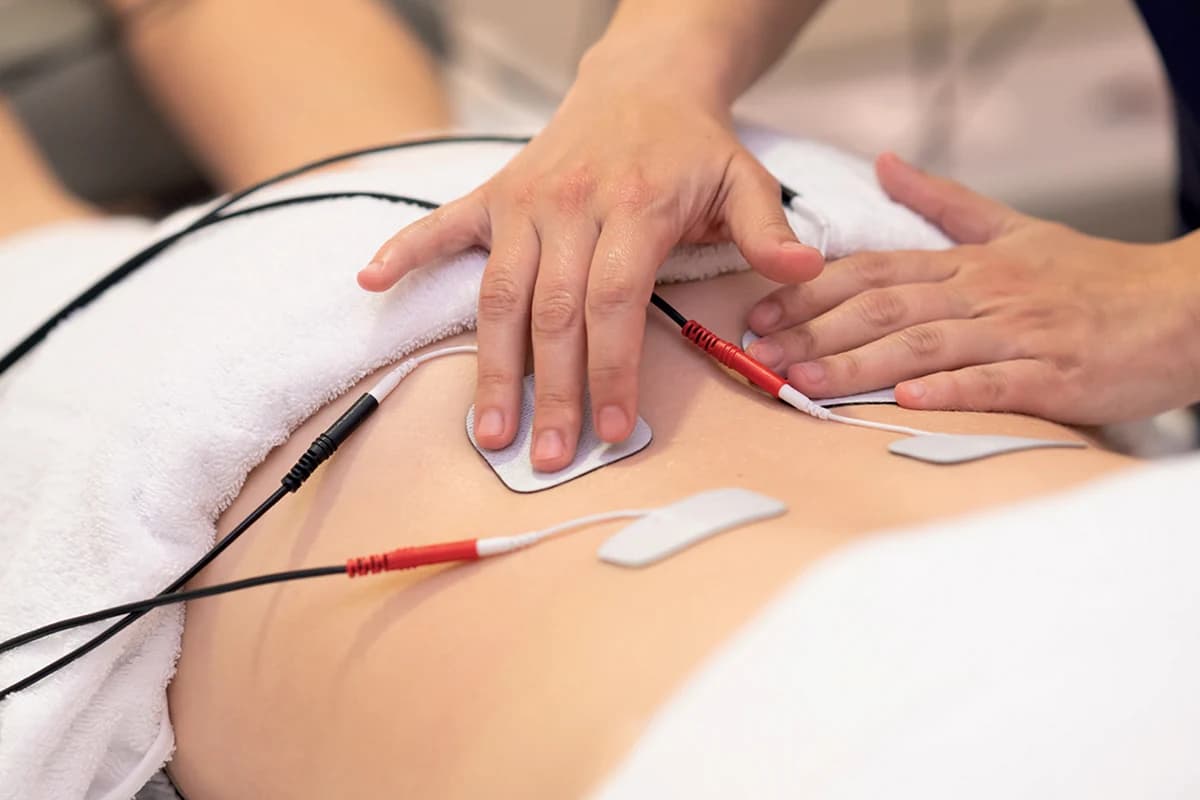
What rehabilitation is for in a progressive disease
The goal is not recovery and we will not imply otherwise. It is maintaining function at each stage, preventing avoidable complications, and staying ahead of decline with equipment and adaptation.
Overly intensive exercise can cause fatigue that costs more function than it gains. Moderate, carefully dosed activity maintains strength in muscles not yet affected without exhausting those that are.
Breathing is the priority that is easiest to miss
Respiratory muscle weakness determines survival and quality of life more than limb weakness does, and it develops without obvious breathlessness at first. Early signs include disturbed sleep, morning headaches and daytime sleepiness.
Regular respiratory function monitoring, breath stacking and cough assist, and timely referral for non-invasive ventilation are central. Non-invasive ventilation prolongs survival: in the single randomised trial, median survival was 48 days longer overall and 205 days longer in people whose speech and swallowing muscles were no more than moderately affected, while people with severe bulbar weakness gained no survival benefit 2. Quality of life was also better, although that evidence is of low quality 2.
Swallowing and communication
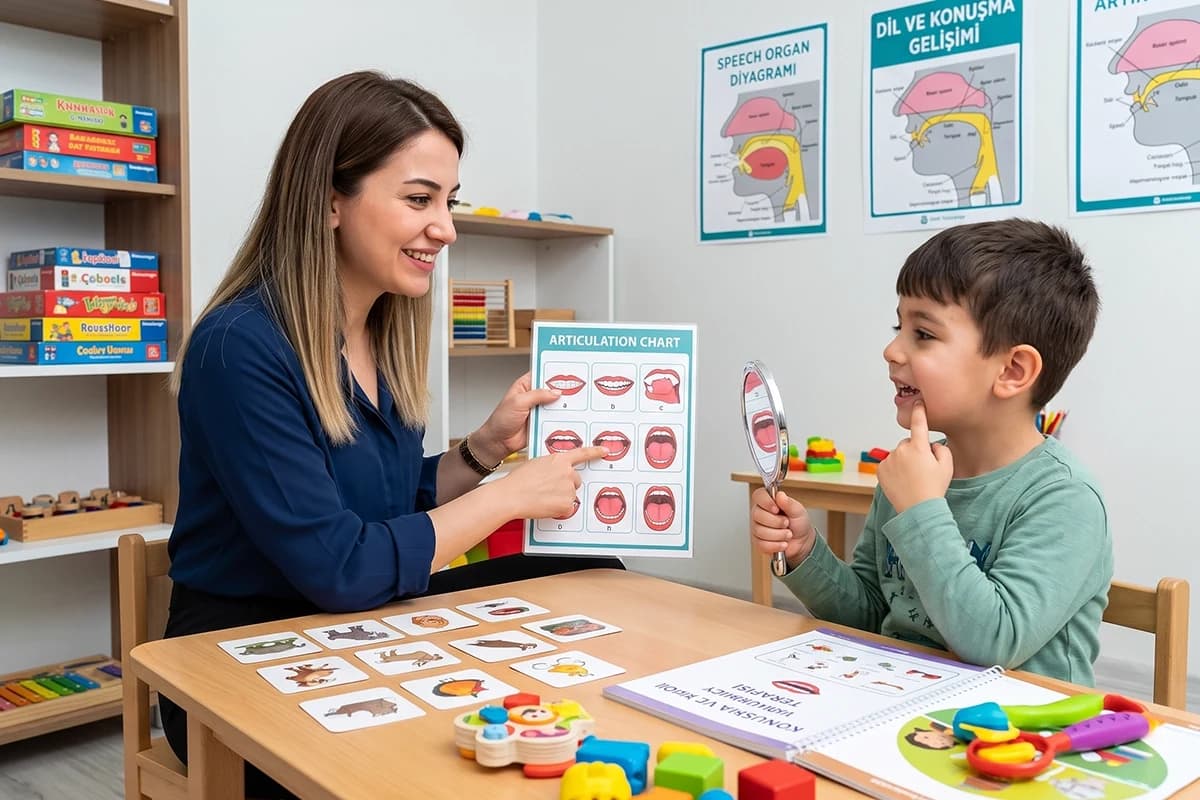
Swallowing assessment is instrumental rather than observational, because aspiration is often silent. Texture modification, safe swallowing technique and timely discussion of feeding tube options are all part of the plan.
Voice banking is offered early, while speech is still clear, so that a synthesised voice later can be the person's own. Communication aids are introduced before they are strictly needed, because learning them is harder later.
Equipment ahead of need
Wheelchairs, hoists, environmental controls and home adaptations take time to obtain. Ordering them at the point they become necessary means weeks or months without them.
Anticipatory provision is uncomfortable to discuss and it is the single most practical thing rehabilitation does in this condition.
Energy conservation, not strengthening
Aggressive resistance training does not build muscle where the motor neurone supplying it is failing, and excessive fatigue can worsen function temporarily. Moderate activity maintains what is there without exhausting it.
The programme is therefore built around conserving energy for what matters to the person, maintaining range, and preventing the complications of reduced movement.
Planning ahead rather than reacting
Equipment, communication methods and home adaptations are arranged before they are needed, because the pace of change frequently outruns the time it takes to obtain them.
This includes conversations most services postpone — breathing support, feeding, and what the person wants as the condition progresses. Having them early means they happen while the person can lead them.
Is exercise safe in motor neurone disease?
The evidence is limited. A Cochrane review found only two small trials, with 43 people in total: moderate exercise was followed by better scores on a functional rating scale after three months, with no adverse effects reported, but the trials were too small to show how much exercise helps or whether it can harm 3.
A 2025 meta-analysis of 12 randomised trials with 430 people found improvements in overall function and walking distance, but no effect on fatigue or lung capacity, and cautioned that the trials were few, varied and at risk of bias 4. That supports moderate, supervised activity adjusted as the disease changes, rather than either rest or training to exhaustion.
Frequently asked questions
Can rehabilitation slow the disease?
No, and anyone claiming otherwise should be treated with suspicion. What it does is maintain function, prevent avoidable complications and preserve independence and comfort for longer.
Why is breathing the priority?
Respiratory muscle weakness is the commonest cause of death and it develops without obvious breathlessness at first. Regular measurement and timely non-invasive ventilation prolong survival and improve quality of life, most clearly in people whose speech and swallowing muscles are not severely affected 2.
Should I exercise?
Moderately, yes. Complete inactivity causes disuse weakness on top of the disease. Exhausting exercise is not beneficial and the balance is set individually.
When should equipment be arranged?
Before it is needed. Waiting until a wheelchair or communication device is necessary usually means months without it.
What about communication?
Speech and language therapy addresses this early, including voice banking while speech is still clear. Doing it late loses the option.
Sources
- Motor neurone disease: assessment and management (NG42) — National Institute for Health and Care Excellence (2016)
- Radunovic A, Annane D, Rafiq MK, Brassington R, et al. Mechanical ventilation for amyotrophic lateral sclerosis/motor neuron disease — Cochrane Database of Systematic Reviews (2017)
- Dal Bello-Haas V, Florence JM. Therapeutic exercise for people with amyotrophic lateral sclerosis or motor neuron disease — Cochrane Database of Systematic Reviews (2013)
- Ren S, Che X, Hu S, Feng X, et al. The effect of exercise intervention on amyotrophic lateral sclerosis: a systematic review and meta-analysis — Frontiers in Neurology (2025)
Which therapies would I actually receive?
A therapy is a single method used inside a programme. It is measured in sessions and is not sold separately.

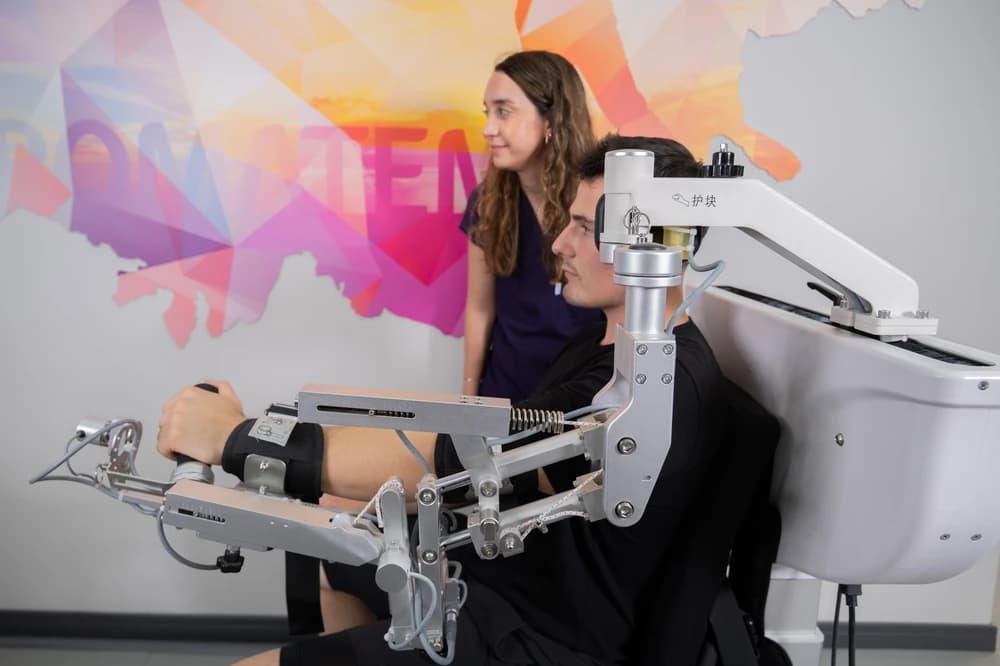
Technologies we use

Locations
Where you can receive this treatment





Related articles
Neurological How long does it take to recover from a stroke?
Most recovery after a stroke happens in the early months, when the brain is most able to reorganise, and it continues more slowly for a longer period after that. How far someone gets depends mainly on how severe the stroke was, where it happened and how much active therapy follows.Read moreNeurological Can you walk again after a stroke?
Many people walk again after a stroke, including many who cannot stand at first. The chances are highest when some leg movement returns early and when walking practice starts as soon as it is safe. Walking often comes back before full arm recovery, sometimes with a stick, splint or other support.Read moreNeurological Will my arm and hand recover after a stroke?
Arm and hand recovery after a stroke varies more than walking recovery. Early return of some shoulder or finger movement makes useful recovery much more likely. Repeated, meaningful practice of reaching, grasping and releasing is what drives improvement, and even a partly recovered hand can be trained to help with daily tasks.Read more



