
Neuro and cognitive
Sensorimotor-assisted rehabilitation system
A soft orthotic suit of elastic cords and supports that aligns the body and loads the right muscles so a person with a neurological condition — most often a child — practises movement in the correct pattern rather than in the compensations they have learned.
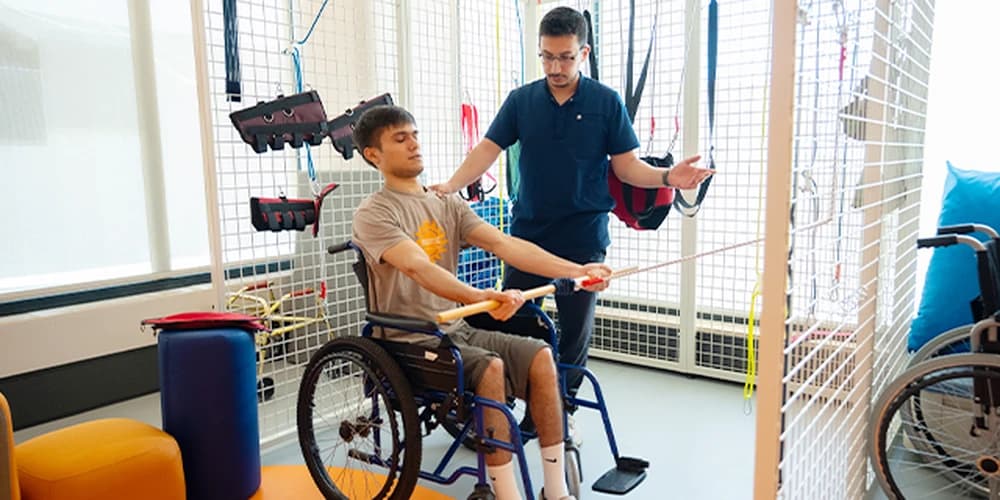
What the suit does
A vest, shorts, knee pieces and shoe attachments are linked by elastic cords whose tension the therapist sets joint by joint. The cords pull the body towards correct alignment and give the muscles that should be working something to work against — the same principle that was used to counter muscle loss in space.
In the suit, a child who habitually stands with bent knees and a rounded back is held closer to upright, and every step and reach practised in that posture is a repetition of the right pattern rather than of the compensation. The suit is worn during therapy, not all day.
Who it is used for
Children with cerebral palsy first of all, and also developmental delay, brain injury, spina bifida and other neurological conditions in which weakness and poor alignment feed each other. Adults after stroke or brain injury are treated with it where the assessment finds the same pattern.
It requires the ability to tolerate the suit and to take part in a demanding session. Fixed contractures limit what the cords can align, which is one reason the assessment comes first.
How a programme runs
The suit is used within an intensive block: several hours of therapy a day over a few weeks, combining suit work with exercise in the pulley-and-cage unit that lets a child move a single limb against resistance, and with the sensorimotor training on the rest of this site. Intensity is the mechanism, and it is why the programme is scheduled as a block rather than as weekly visits.
Strength, alignment and function are recorded at the start and end of the block with the same paediatric measures used elsewhere on this site, so the family leaves with a measured change rather than a description.
What we claim and what we do not
The published evidence for suit therapy shows small gains in gross motor function during intensive blocks, and it rests on a handful of small trials 1. It does not cure the underlying condition, and the gains have to be maintained with a home programme afterwards.
We say this before a family travels, because the intensive block is a considerable undertaking and it should be chosen with the realistic result in view.
Does the suit add anything beyond the intensive therapy itself?
Probably not much. A large systematic overview of cerebral palsy treatments concludes that adding a suit does not appear to bring benefit over and above the motor training it accompanies, and it does not recommend suit therapy as a first-line or stand-alone treatment 2. What reliably drives change is intensive, active practice of real tasks; for some families, the routine of the suit is what makes that practice happen 2.
In practice, the intensity of the block — how many hours of active practice a child can sustain — matters more than the equipment worn during it. A family choosing between a suit block and an equally intensive programme without a suit is choosing between two ways of delivering the same active practice.
Sources
- Martins E, Cordovil R, Oliveira R, Letras S, et al. Efficacy of suit therapy on functioning in children and adolescents with cerebral palsy: a systematic review and meta-analysis — Developmental Medicine and Child Neurology (2016)
- Novak I, Morgan C, Fahey M, Finch-Edmondson M, et al. State of the Evidence Traffic Lights 2019: systematic review of interventions for preventing and treating children with cerebral palsy — Current Neurology and Neuroscience Reports (2020)
Conditions this device is used for
The 6 conditions where this device is part of a routine programme, grouped by area. It is one tool inside the plan, never the plan itself.
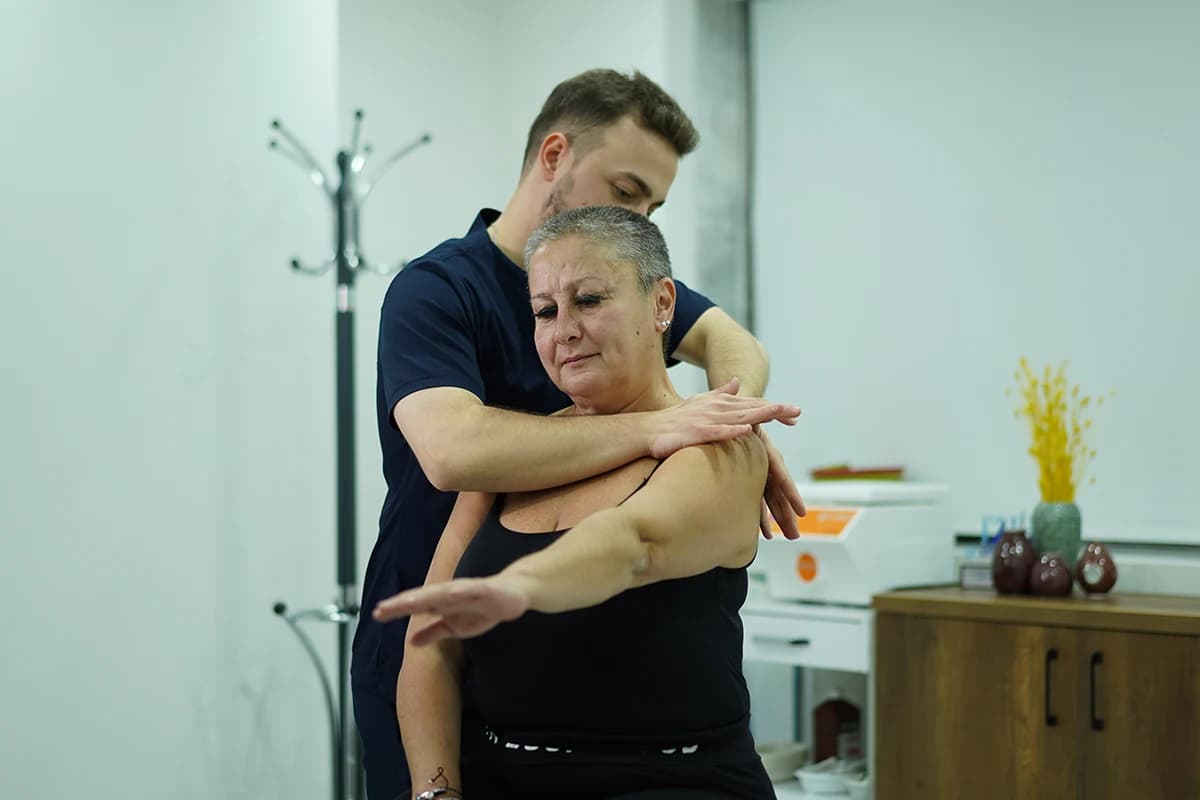
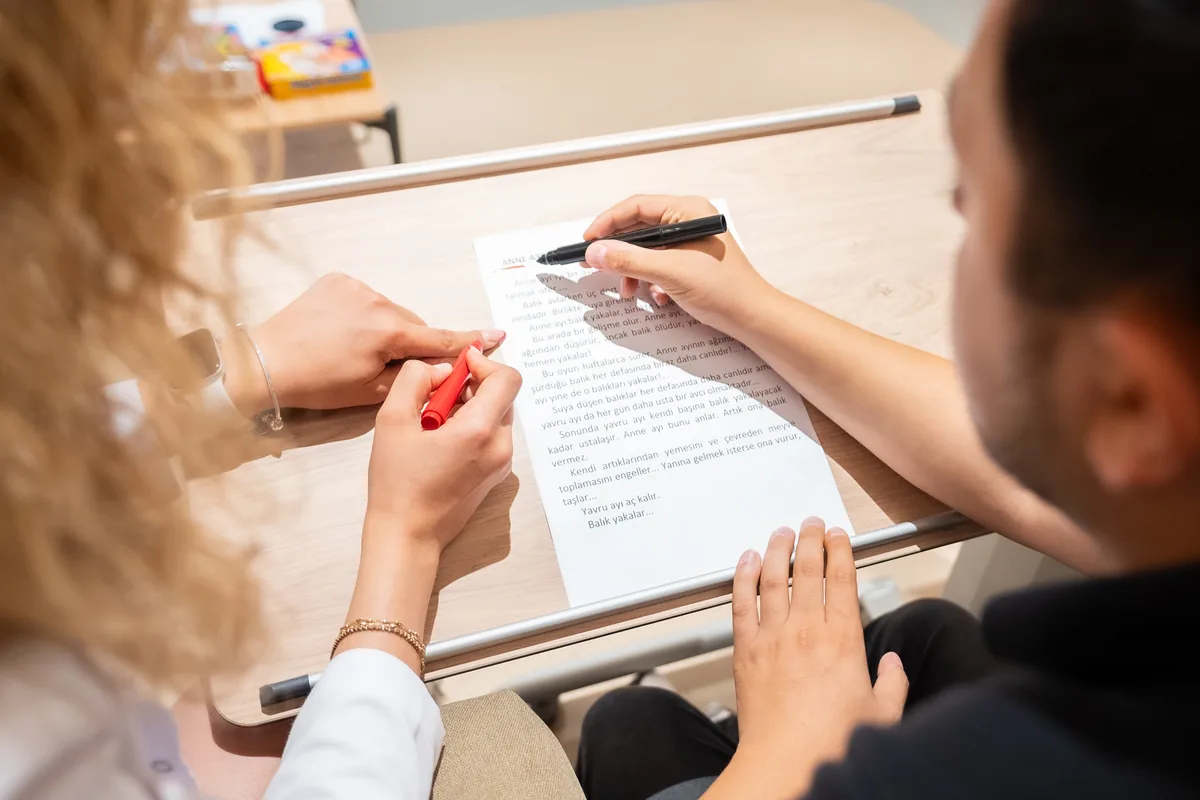
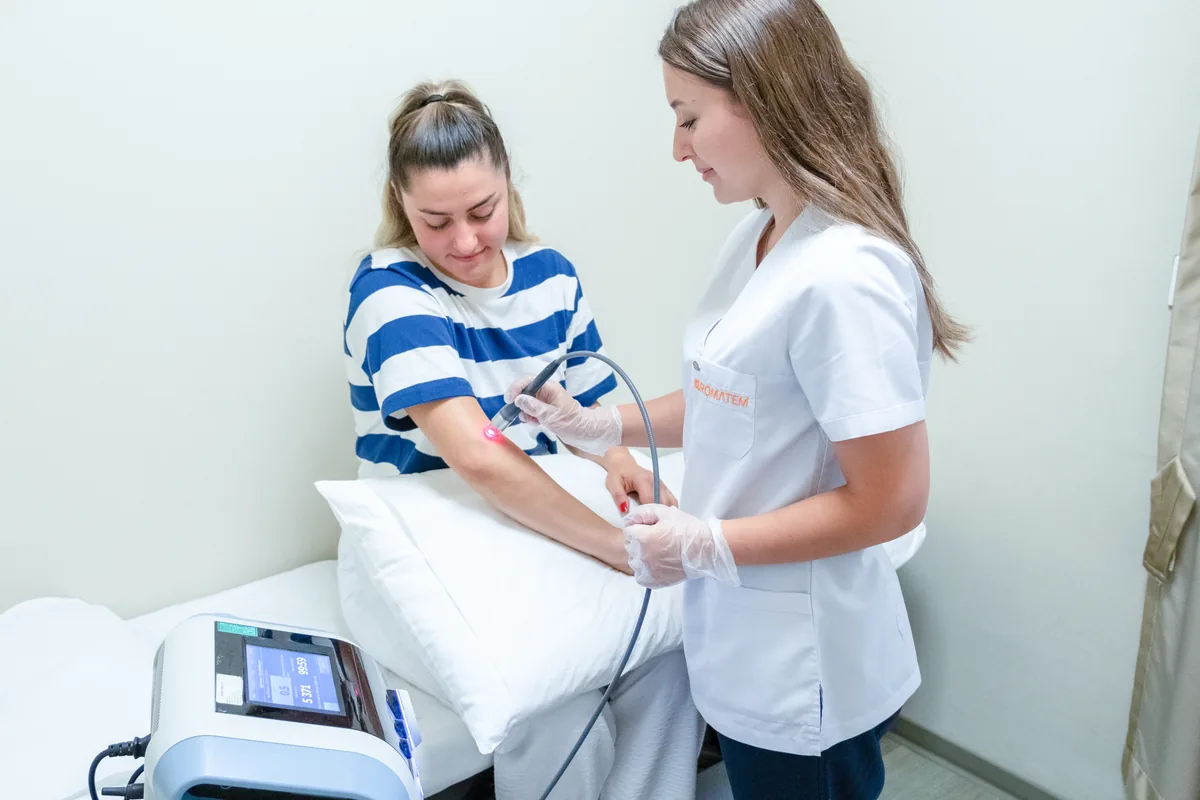


Devices are used inside a programme and chosen after examination — they are not booked separately.
Your path to this treatment
Nothing here is booked from a page. You send the records you have, a rehabilitation physician reads them, and you get a written answer — including when the answer is that an intensive programme will not help.
4 steps, start to finish
1.Send your records
A discharge summary from the hospital that treated the original event, and any imaging of the affected area — CT, MRI or X-ray.2.A written plan in 48 hours
A rehabilitation physician reviews the case and returns the expected duration, the recommended programme and the centre. Free, no obligation.3.Travel and admission
Where a visa is needed we issue an invitation letter and treatment confirmation naming the dates and the facility. You are met at the airport and driven to the centre by private vehicle or ambulance; a bed for one companion and interpreting during therapy are arranged.4.Treatment, then home
The programme runs, then you leave with a discharge report and a written home exercise plan. Your return journey is organised before you go, with scheduled video reviews so progress does not stop.
In their words
What patients say after a programme
Short videos filmed during therapy: a child’s rehabilitation after a brain tumour, suspended gait training after spinal cord injury, and learning to walk again after a fall. Individual results vary.
Dave Evans on his physical therapy here
Musculoskeletal physiotherapy
Paediatric rehabilitation after a brain tumour
Inside a physiotherapy session
Spinal cord injury — the rehabilitation process
Suspension-assisted gait training
Walking difficulty and restricted movement after a fall
Regaining gait and range of motion
Locations
Centres that have this device — pick one.










Questions people actually ask
About this device
Is the suit worn all day?
No. It is worn during therapy sessions, where a therapist sets the tension and supervises the exercises.
Is it only for children?
Mostly, because cerebral palsy is its main use, but adults after stroke or brain injury are treated with it where the same alignment problem is found.
How intensive is the programme?
Several hours of therapy a day over a block of a few weeks. The intensity is the point, and it is planned around the child's tolerance.
Will it make my child walk?
We cannot promise that. It improves alignment, strength and function by a measured amount that varies between children, and we report the measurement rather than a hope.
Is the suit safe for my child?
Only under supervision. Some children become overheated or short of breath in the suit, or their skin takes on a bluish tinge; these signs settle once the suit is removed, which is why it should never be worn unsupervised 2. The therapist watches for them throughout the session and removes the suit if they appear.



