

Medical condition
Cognitive Impairment After Brain Injury or Stroke
Attention, memory, processing speed and planning are frequently affected after brain injury or stroke, and they determine return to work and independence more than physical recovery does. Compensatory strategies deliver most of the real-world benefit; commercial brain training transfers poorly.
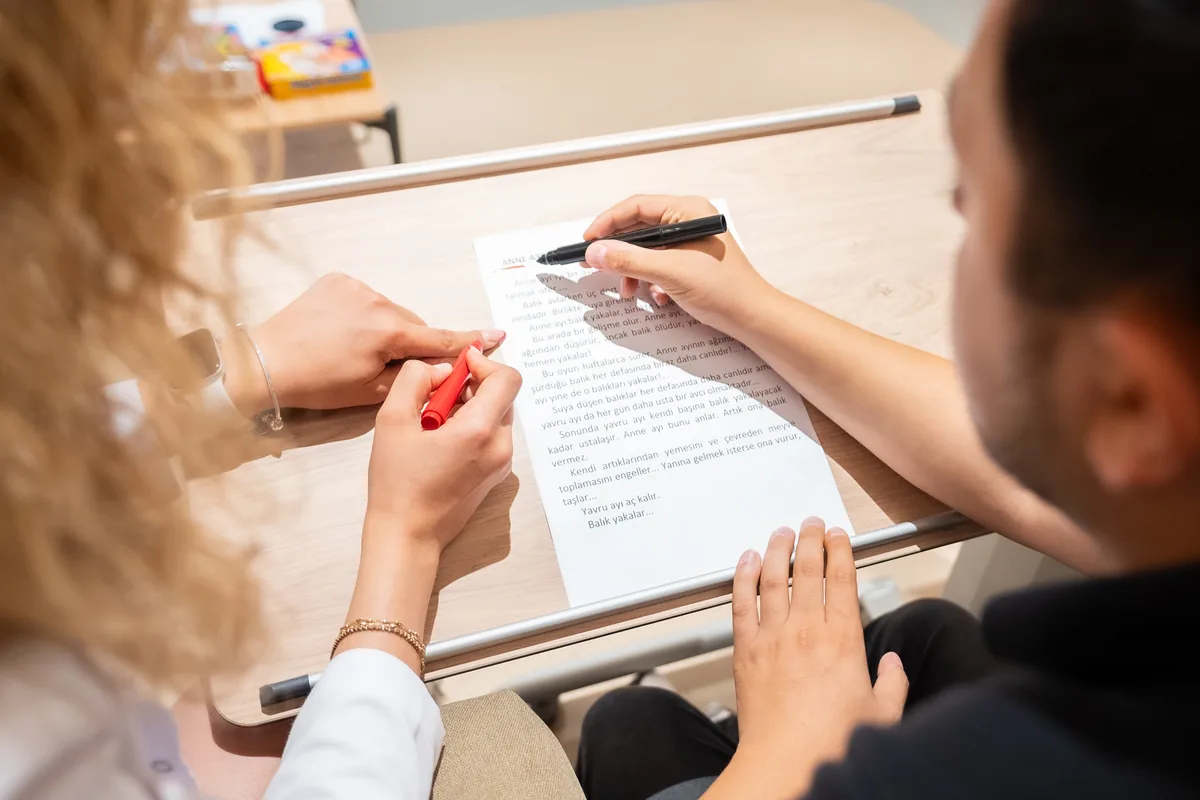
Attention usually fails before memory does
Much of what people describe as a memory problem is an attention problem — information never fully taken in cannot be recalled. Separating the two changes the treatment, because attention responds better to training than memory does.
Processing speed, planning, self-monitoring and awareness of one's own difficulties are frequently affected alongside. The last of these is the hardest to treat, because someone who does not perceive the problem does not engage with treatment for it.
Fatigue and mood change the picture
Cognitive performance after brain injury collapses when tired, and the resulting variability is regularly mistaken for a fixed deficit. An assessment done at the end of a long day underestimates ability, sometimes considerably.
Depression and anxiety impair attention and memory directly and are common after neurological events. Assessing cognition without addressing sleep, fatigue and mood produces a misleading result.
What has evidence, and what does not
Attention training after traumatic brain injury, external compensatory memory strategies, and structured problem-solving training for executive difficulty all have reasonable support 1. For neglect after right hemisphere stroke, expert reviews recommend visual scanning training 1. A Cochrane review, however, found that no rehabilitation approach has yet been proven to improve everyday independence 5.
Commercial brain training programmes improve performance on their own games and transfer poorly to daily life 2. We use them as one component at most, never as the programme.
Training in real contexts
Improvement on clinic tasks transfers badly to a workplace or a household. Training happens with the patient's own diary, their own kitchen, their own work tasks, or in close simulation of them.
Family are involved because the strategies only survive if the people around the patient understand and support them.
What is measured, and why the baseline matters
Standardised assessment of attention, memory, processing speed and executive function, repeated over time. A single score describes a moment; the trend is what distinguishes recovery from decline from a bad day.
The baseline also identifies which specific process is failing, because a memory complaint frequently turns out to be an attention problem — and the two need different treatment.
Compensation is not giving up
Some functions recover with training and some are better managed with strategies and external aids. A calendar system, a fixed place for keys, a written routine — these restore independence even where the underlying process has not improved.
People often resist this as an admission of failure. It is the opposite: compensation is what returns function fastest, and it runs alongside restorative work rather than replacing it.
Does cognitive rehabilitation work after a stroke?
The evidence after stroke is limited. A Cochrane review of six trials found that attention training may improve divided attention — keeping track of two things at once — immediately after treatment, but it is uncertain whether the effect lasts, and there was no convincing effect on daily activities, mood or quality of life 3.
For memory, a Cochrane review of 13 trials found that people reported better memory in the short term but not at later follow-up, with no effect on memory tests or on daily function 4. This is why goals are set in terms of everyday tasks and measured there, and why strategies are practised in the places they will be used.
Frequently asked questions
Is this the start of dementia?
Not necessarily. Fatigue, depression, poor sleep, thyroid disease, vitamin B12 deficiency and medication all impair cognition and are reversible. Assessment distinguishes them, and this is worth doing rather than assuming.
Do brain training apps work?
They improve performance on the trained task. Transfer to everyday function is limited, which is why they are not the treatment.
Can cognition improve after brain injury?
Yes, and for some people well beyond the first year. In a long-term study of people with traumatic brain injury, 22.2% improved on cognitive tests between one and five years after injury, 62.6% were unchanged and 15.2% declined 6.
Why is attention treated first?
Because information not attended to is never encoded. Many people describing memory failure actually have an attention deficit, and treating the right one changes the result.
When should I seek assessment?
When it interferes with work or daily life, when it is worsening, or when others notice it more than you do. The last is the most significant.
Sources
- Cicerone KD, Goldin Y, Ganci K, Rosenbaum A, et al. Evidence-based cognitive rehabilitation: systematic review of the literature from 2009 through 2014 — Archives of Physical Medicine and Rehabilitation (2019)
- Simons DJ, Boot WR, Charness N, Gathercole SE, et al. Do "brain-training" programs work? — Psychological Science in the Public Interest (2016)
- Loetscher T, Potter KJ, Wong D, das Nair R. Cognitive rehabilitation for attention deficits following stroke — Cochrane Database of Systematic Reviews (2019)
- das Nair R, Cogger H, Worthington E, Lincoln NB. Cognitive rehabilitation for memory deficits after stroke — Cochrane Database of Systematic Reviews (2016)
- Longley V, Hazelton C, Heal C, Pollock A, et al. Non-pharmacological interventions for spatial neglect or inattention following stroke and other non-progressive brain injury — Cochrane Database of Systematic Reviews (2021)
- Millis SR, Rosenthal M, Novack TA, Sherer M, et al. Long-term neuropsychological outcome after traumatic brain injury — Journal of Head Trauma Rehabilitation (2001)
Which therapies would I actually receive?
A therapy is a single method used inside a programme. It is measured in sessions and is not sold separately.
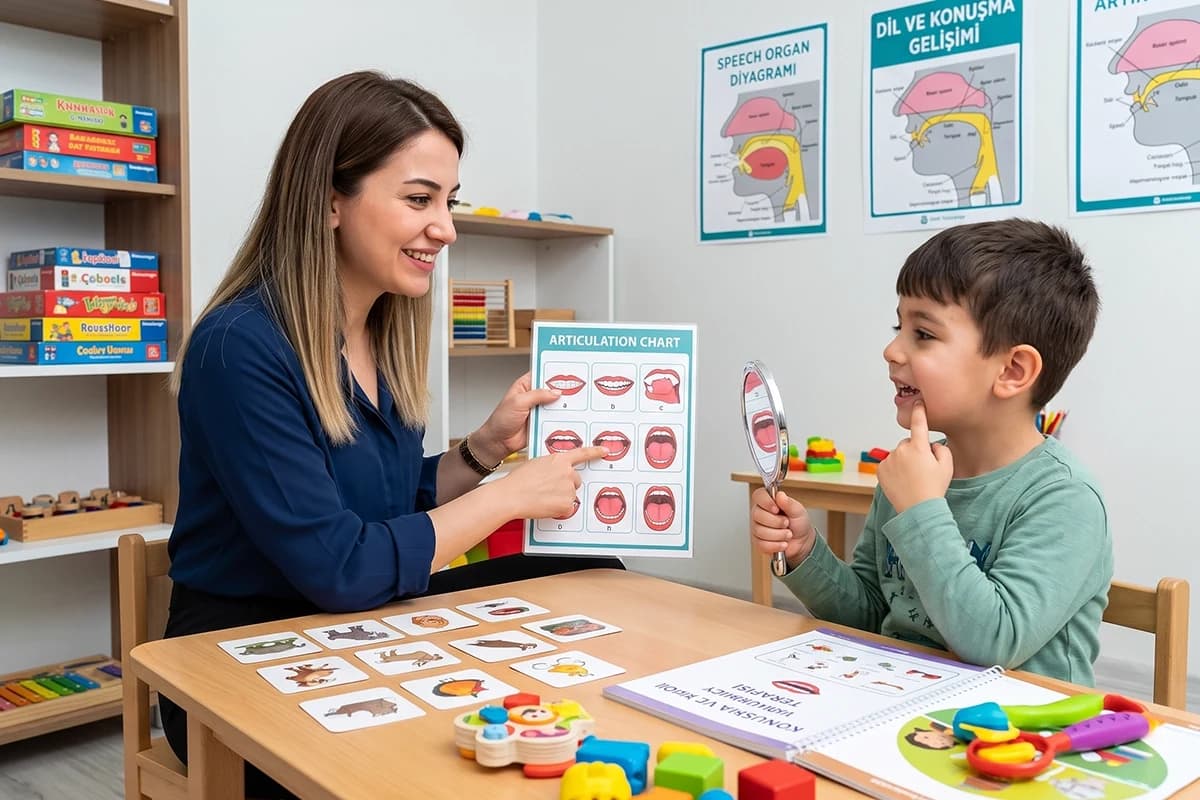
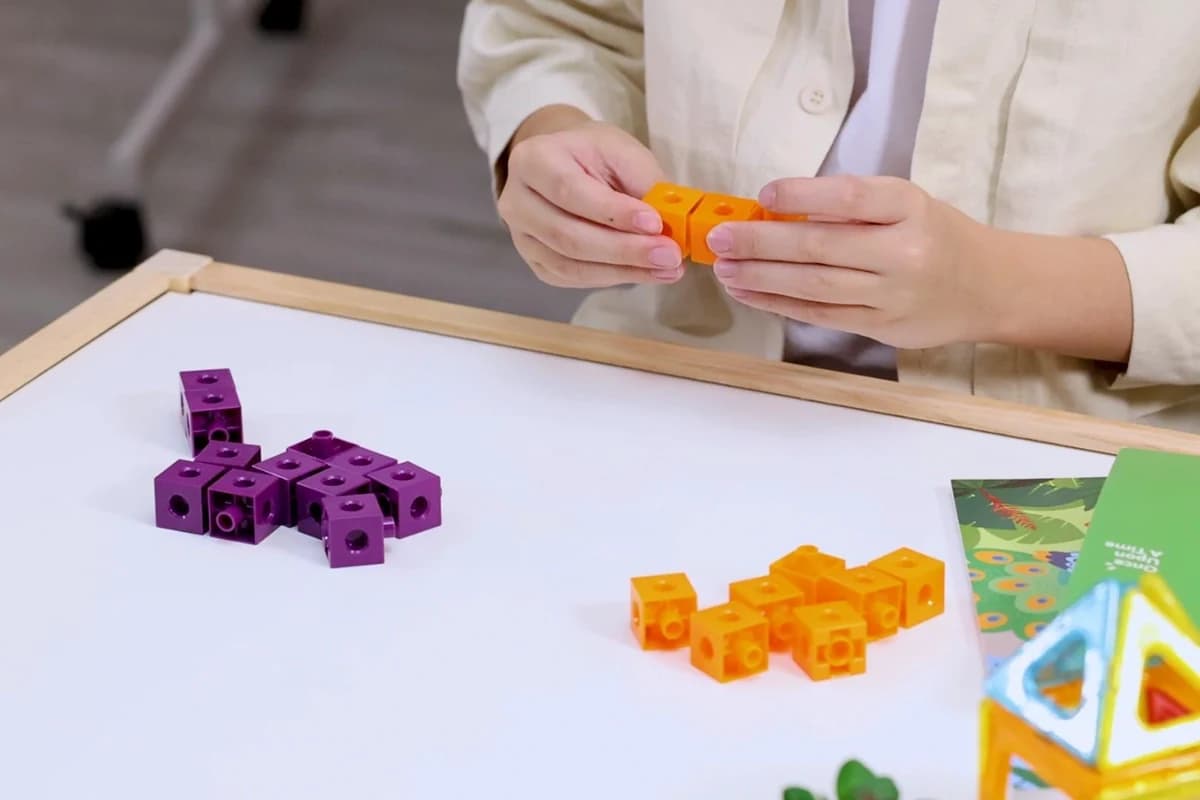
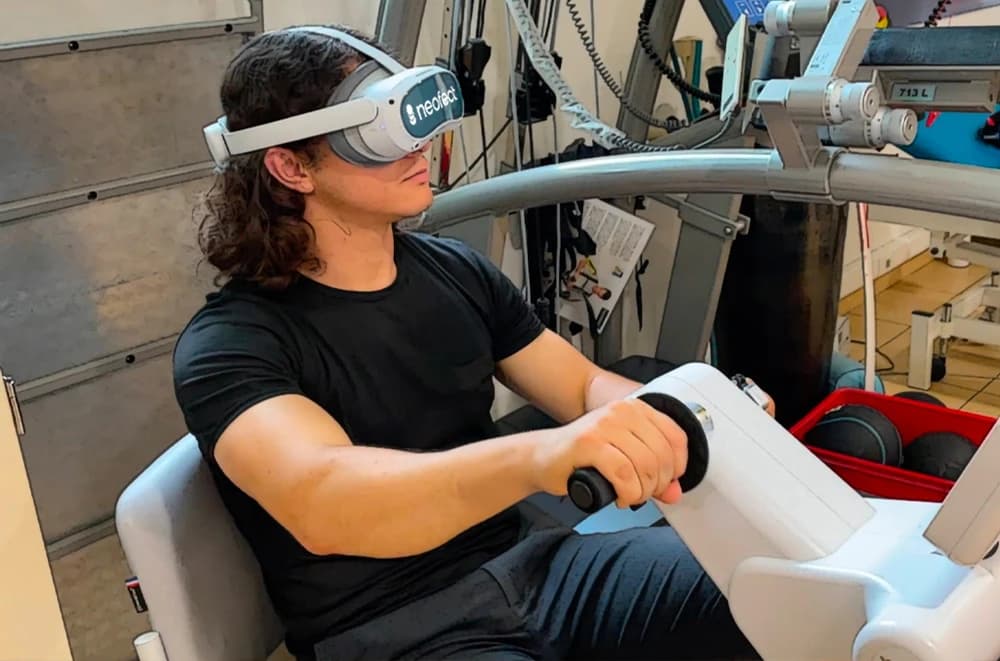
Technologies we use

Locations
Where you can receive this treatment





Related articles
Cognitive Can memory and attention improve after a brain injury?
Yes, though not usually by restoring the damaged function itself. The approaches with the strongest evidence teach strategies and train attention in the tasks that matter, so the person manages daily life better even where the underlying memory has changed permanently. That distinction shapes the whole programme.Read moreCognitive What is visual neglect after a stroke?
Neglect is a problem with attention, not eyesight, in which a person does not notice or respond to one side of space or their own body, usually the left side after a right-sided stroke. They may eat food from only one side of the plate or bump into doorways. Scanning training and practical strategies help, and safety measures are important.Read moreCognitive How do people return to work after a brain injury?
Many people return to work after a brain injury or stroke, but it usually takes planning. Fatigue, concentration, memory and emotional changes matter as much as physical recovery. A gradual return with adjusted hours and tasks, clear communication with the employer and support from vocational rehabilitation make staying in work more likely.Read more



