
Neuro and cognitive
Augmented virtual reality therapy
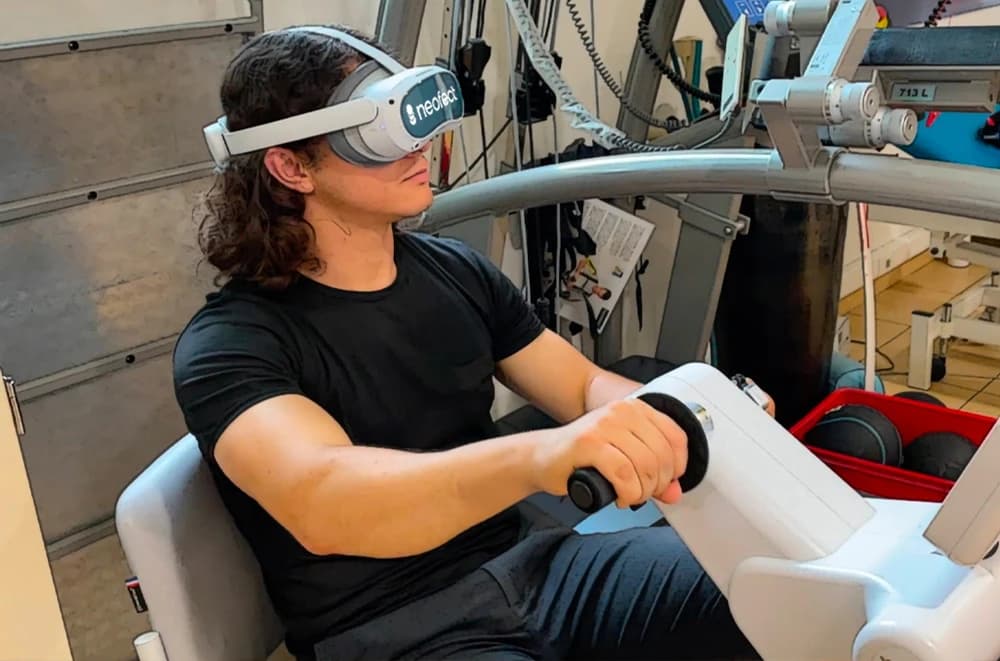
Therapy delivered through interactive virtual tasks. It holds attention and motivation through the long repetition recovery requires, and lets difficulty be raised in measured steps. Every repetition is recorded — range, speed, accuracy — so the session produces data rather than an impression.
Why gamified repetition is not a gimmick
Sensors track hand, arm and shoulder movement and drive tasks on screen, with immediate visual and audio feedback on whether the movement was correct. The system records every repetition — range, speed, accuracy — so the session produces data rather than an impression.
The reason this matters is dose. Motor learning after neurological injury requires very high repetition counts, and the limiting factor in practice is almost always attention and boredom rather than physical capacity. A patient who stops a conventional exercise early will often complete far more repetitions inside a task they are engaged in.
Who it is used for
Upper limb rehabilitation after stroke, brain injury and multiple sclerosis. Parkinson's disease. Hand and wrist injury and post-surgical rehabilitation. Cerebral palsy and developmental motor delay in children, where engagement is the single biggest determinant of dose achieved.
Also for cognitive components — attention, sequencing, dual-task performance — trained alongside the movement rather than separately.
The honest limit
Improvement inside a virtual task does not automatically transfer to real objects. Transfer has to be trained deliberately, with real cups, real buttons and real doors, and a programme built only on screen work produces patients who are good at the screen.
We use it for volume and engagement, paired with task practice using actual objects. That pairing is the intervention; the headset alone is not.
Why the environment matters more than the headset
The value of virtual reality in rehabilitation is that it allows practice of situations that are difficult or unsafe to arrange — crossing a road, a busy supermarket, a kitchen with distractions — with the difficulty controlled precisely.
What it does not do on its own is transfer to daily life. Tasks are chosen to resemble what the person actually needs to do, and real-world practice runs alongside.
What does the research show after stroke?
The main evidence comes from a Cochrane review of 190 randomised trials in people after stroke 1. Used instead of the same amount of conventional therapy, virtual reality may improve arm function slightly, and the certainty of that evidence is low 1. Added on top of usual therapy, so that the patient trains for longer overall, it probably improves arm function more, with moderate-certainty evidence 1. In both comparisons it probably reduces limitations in everyday activities slightly 1.
Balance may improve slightly, the effect on walking speed is very uncertain, and there may be little or no effect on participation in daily life or on quality of life 1. Side effects reported in the trials were few and mild 1. The practical reading is that virtual reality earns its place by adding practice time and holding engagement, not by replacing hands-on therapy.
Sources
- Laver KE, Lange B, George S, Deutsch JE, et al. Virtual reality for stroke rehabilitation — Cochrane Database of Systematic Reviews (2025)
- Dockx K, Bekkers EM, Van den Bergh V, Ginis P, et al. Virtual reality for rehabilitation in Parkinson’s disease — Cochrane Database of Systematic Reviews (2016)
Conditions this device is used for
The 13 conditions where this device is part of a routine programme, grouped by area. It is one tool inside the plan, never the plan itself.
 Stroke
 Traumatic Brain Injury
 Cerebral Palsy (Children)
 Multiple Sclerosis
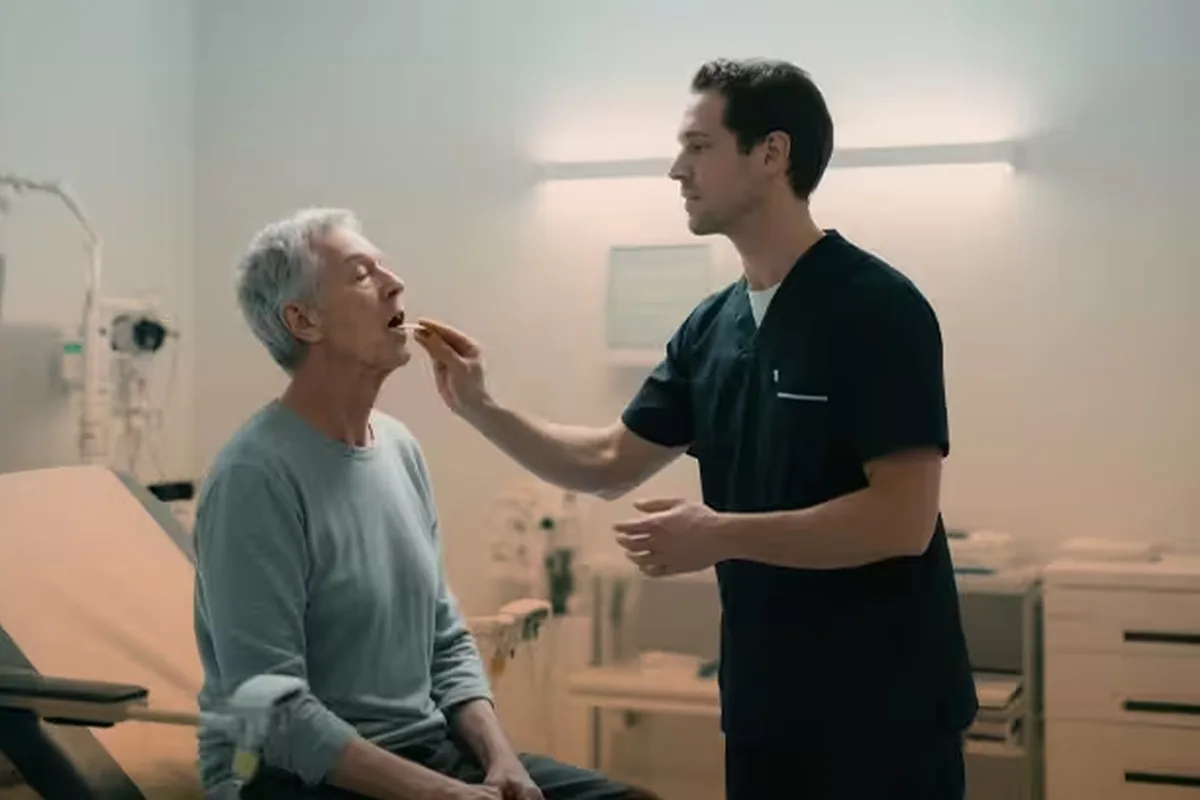 Aphasia
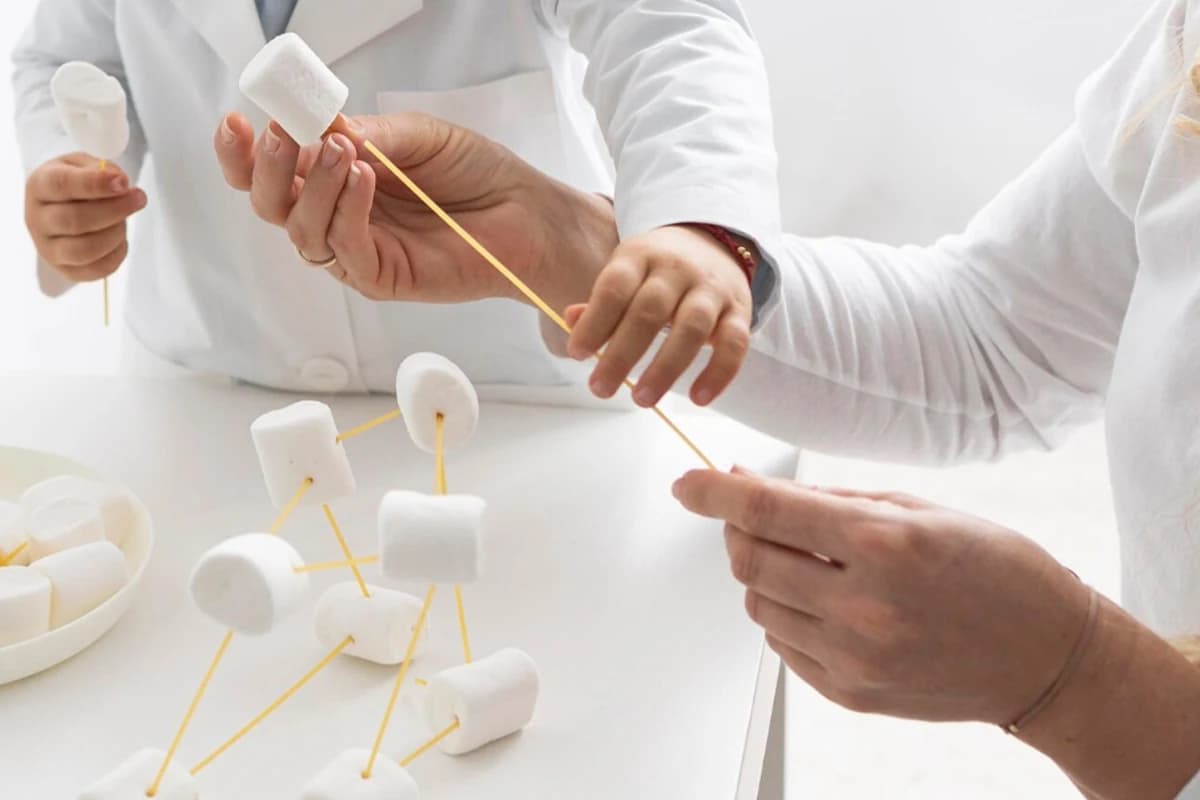 Developmental Motor Delay
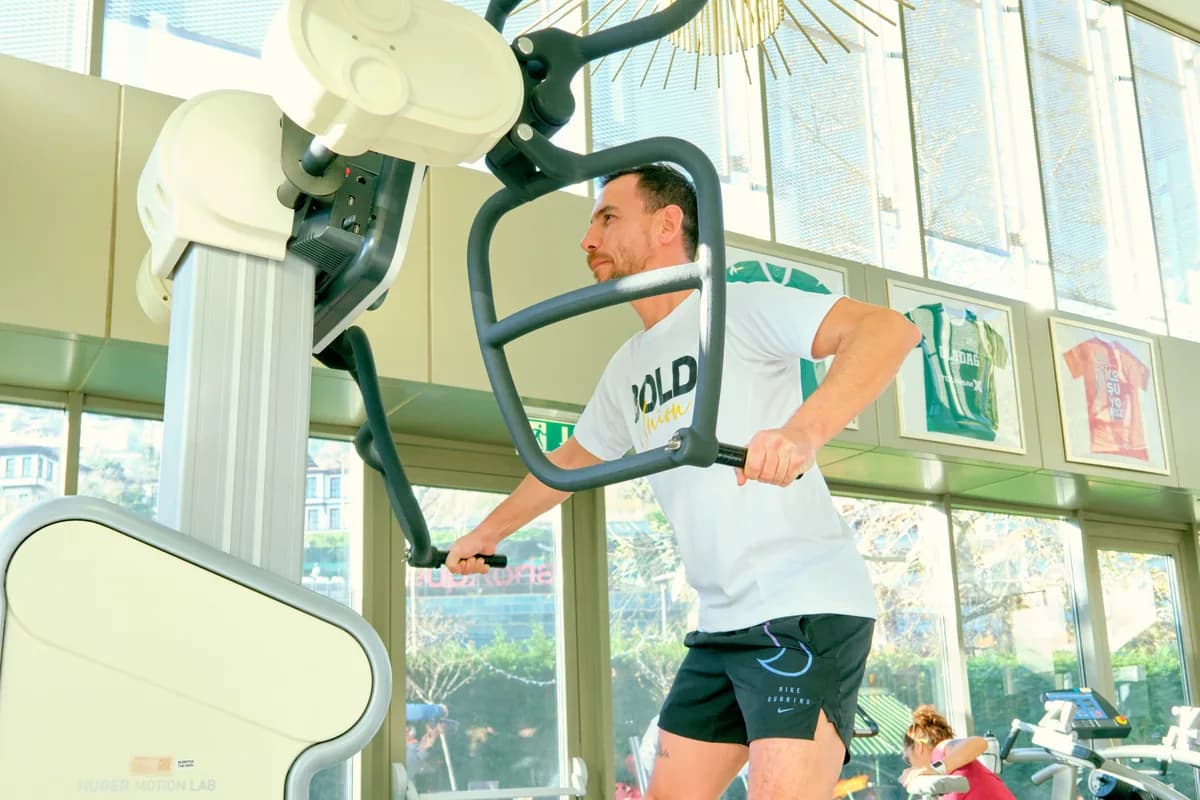 Balance and Vestibular Disorders
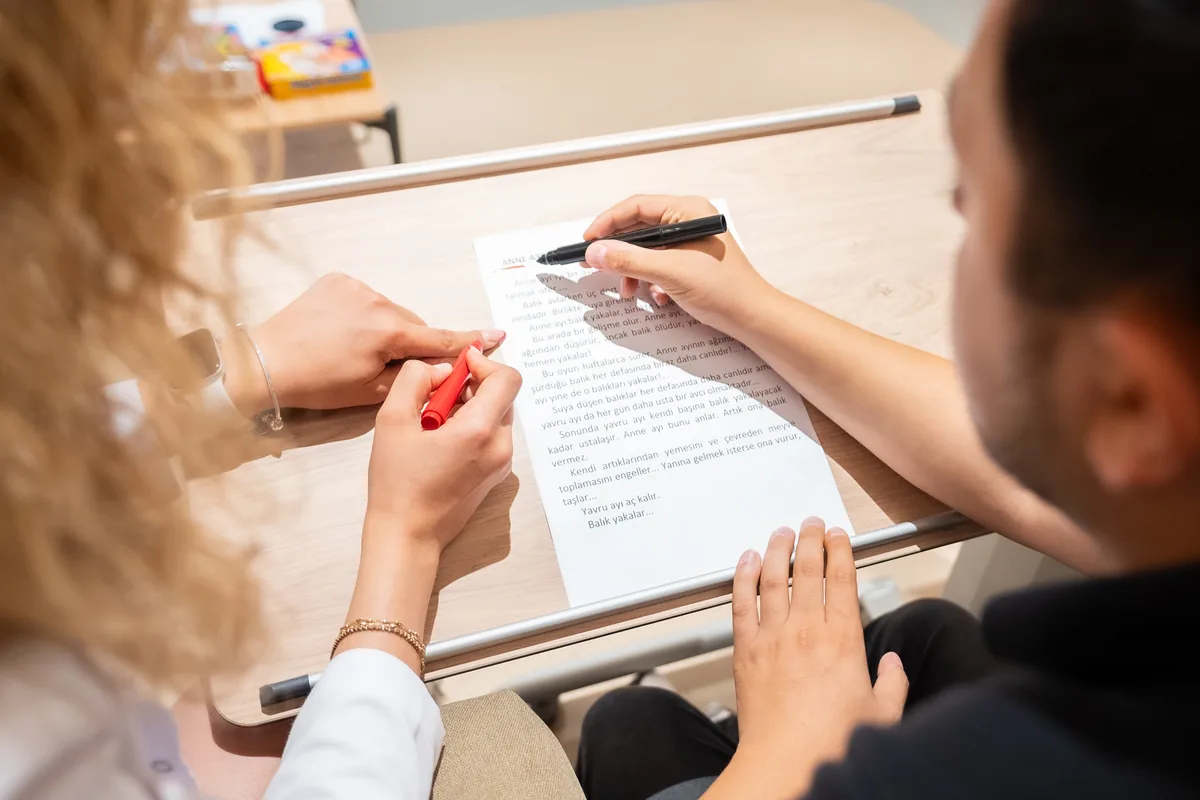 Cognitive Impairment After Brain Injury or Stroke
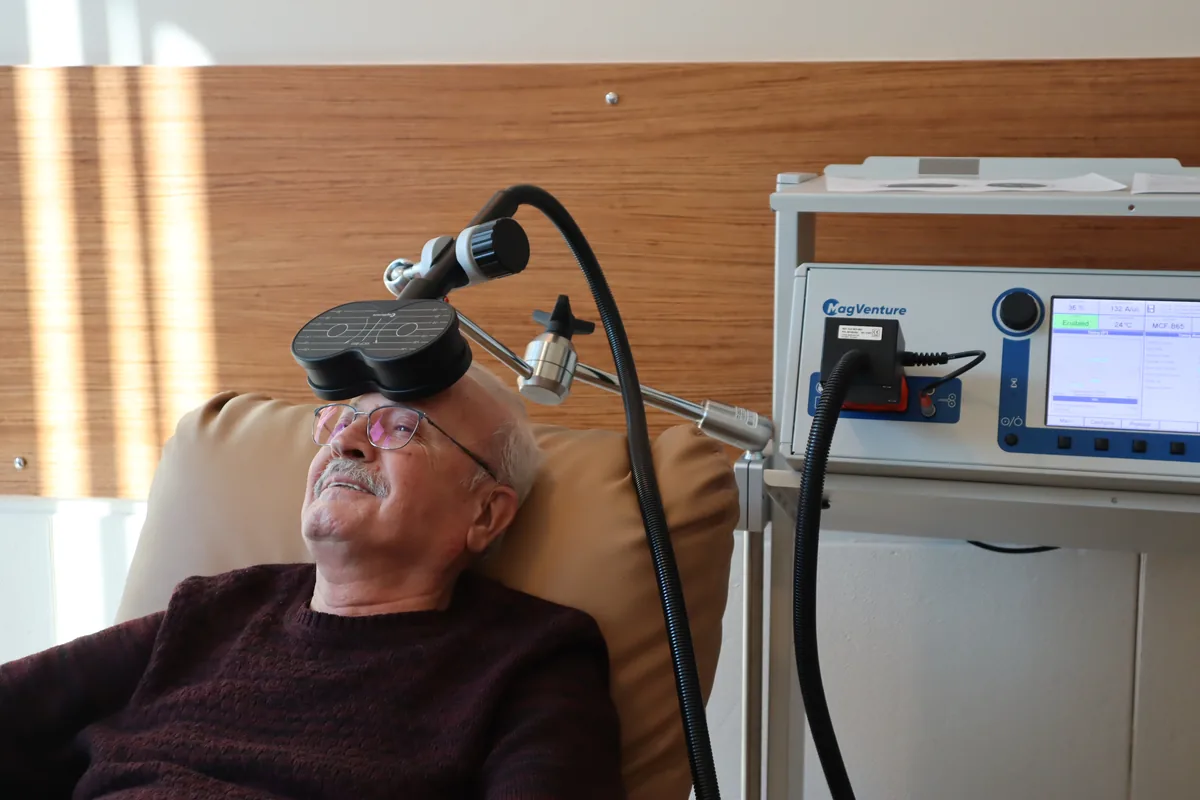 Dementia
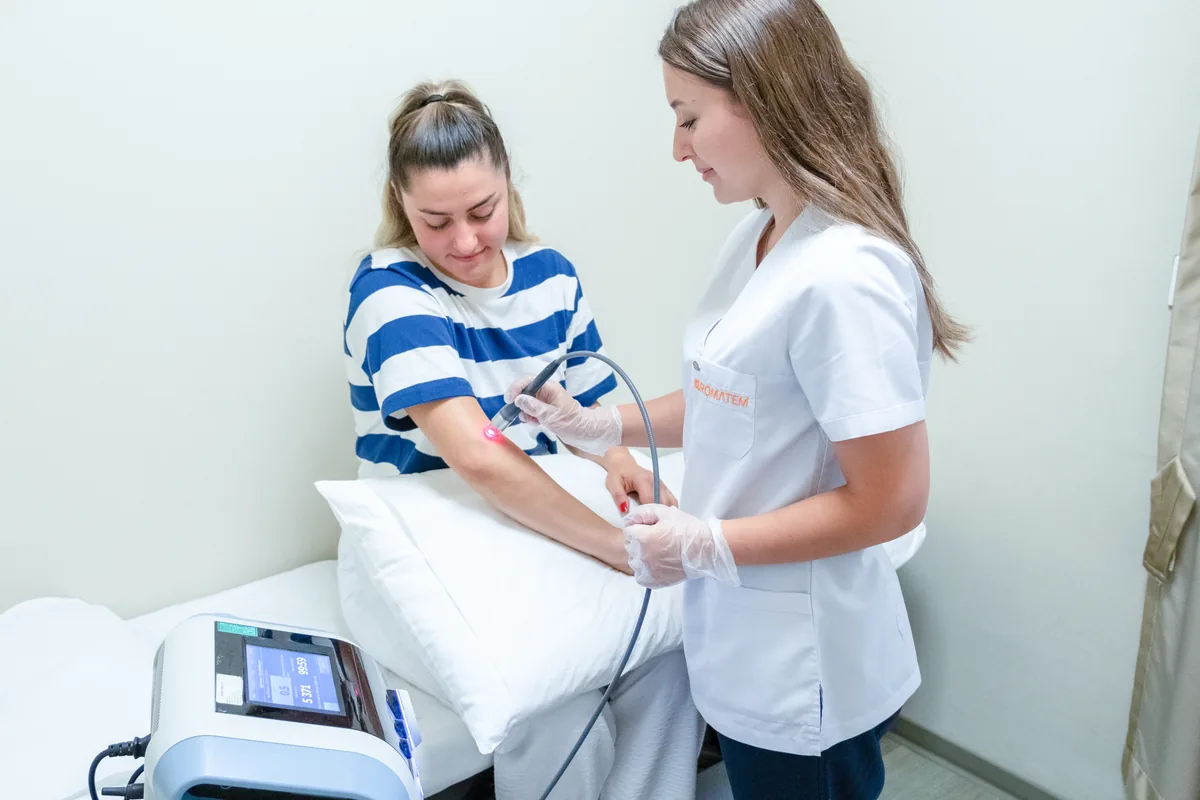 Peripheral Nerve Injury
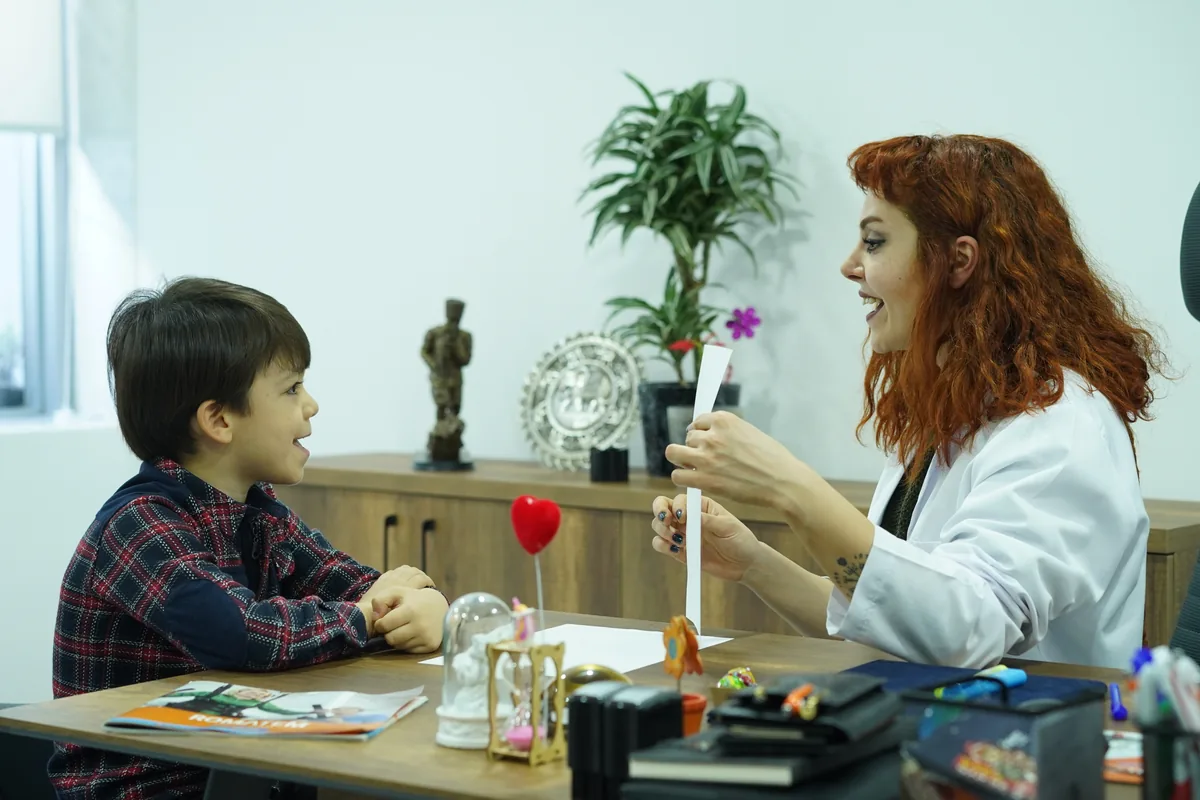 Brain Injury in Children
 Erb’s Palsy (Birth Brachial Plexus Injury)
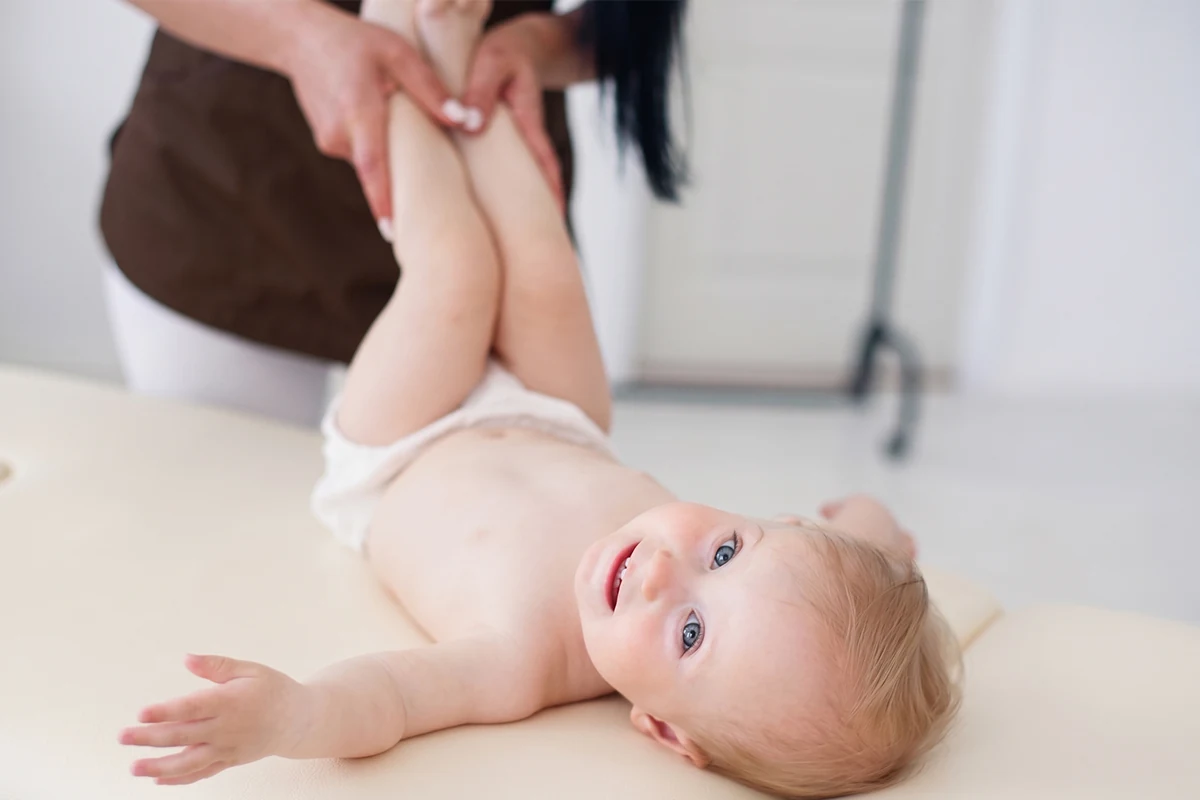 Developmental Dysplasia of the Hip
Devices are used inside a programme and chosen after examination — they are not booked separately.
Your path to this treatment
Nothing here is booked from a page. You send the records you have, a rehabilitation physician reads them, and you get a written answer — including when the answer is that an intensive programme will not help.
4 steps, start to finish
1.Send your records
A discharge summary from the hospital that treated the original event, and any imaging of the affected area — CT, MRI or X-ray.2.A written plan in 48 hours
A rehabilitation physician reviews the case and returns the expected duration, the recommended programme and the centre. Free, no obligation.3.Travel and admission
Where a visa is needed we issue an invitation letter and treatment confirmation naming the dates and the facility. You are met at the airport and driven to the centre by private vehicle or ambulance; a bed for one companion and interpreting during therapy are arranged.4.Treatment, then home
The programme runs, then you leave with a discharge report and a written home exercise plan. Your return journey is organised before you go, with scheduled video reviews so progress does not stop.
In their words
What patients say after a programme
Short videos filmed during therapy: a child’s rehabilitation after a brain tumour, suspended gait training after spinal cord injury, and learning to walk again after a fall. Individual results vary.
Dave Evans on his physical therapy here
Musculoskeletal physiotherapy
Paediatric rehabilitation after a brain tumour
Inside a physiotherapy session
Spinal cord injury — the rehabilitation process
Suspension-assisted gait training
Walking difficulty and restricted movement after a fall
Regaining gait and range of motion
Locations
Centres that have this device — pick one.


Questions people actually ask
About this device
Does VR training transfer to real life?
Partially, and better when the virtual task resembles the real one closely. Training designed as a game transfers least, which is why task selection matters more than the technology.
Does it cause motion sickness?
Some people experience it, particularly early. Sessions start short and the system is adjusted; where it persists, the same training is delivered without the headset.
Is it suitable after brain injury?
Often yes, and it is used for attention, planning and visual neglect. Photosensitive epilepsy and severe visual impairment are exclusions.
Is it just a game?
The engagement is deliberate — it sustains the repetitions. What separates therapy from a game is that the task is chosen for a clinical goal and the difficulty is graded to it.
Does it help in Parkinson’s disease?
Possibly, for step length. A Cochrane review of eight small trials found that virtual reality training may lengthen steps and strides more than physiotherapy, while its effects on walking overall, balance and quality of life were similar to those of physiotherapy; the evidence is of low quality 2. No adverse events were reported. It is used alongside standard Parkinson’s physiotherapy, not instead of it.



