

Medical condition
Developmental Motor Delay
Assessment identifies whether a delay is a variation of normal development or a sign of an underlying condition. Where therapy is indicated, it works best while the nervous system is most adaptable — which is why waiting is rarely the better option.
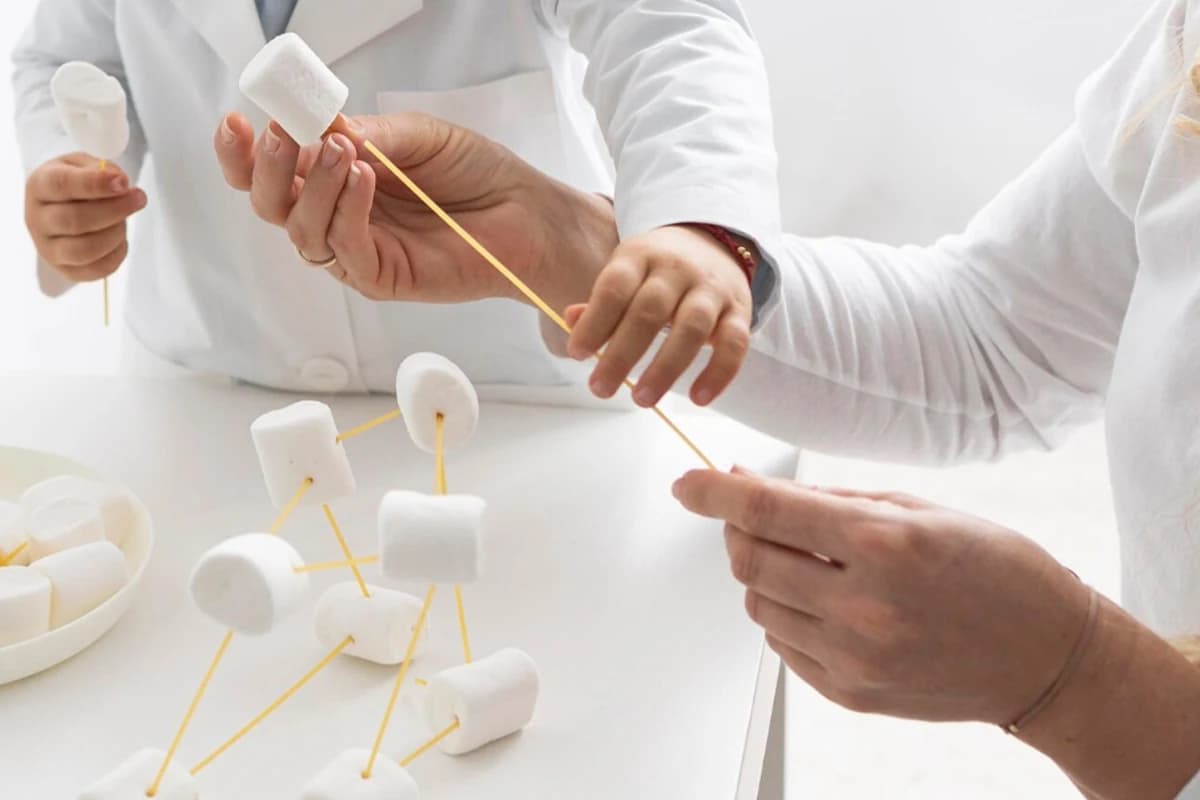
What is worth assessing and what is normal variation
Children reach motor milestones across a wide range, and being at the later end of that range is usually not a problem. Some patterns are worth assessing rather than waiting out: not walking by eighteen months, a strong hand preference before eighteen months, persistent toe-walking or marked asymmetry 1.
Losing a skill the child previously had is different: it always warrants prompt assessment.
Why early matters
The nervous system is most adaptable in the first years, so the same intervention produces more change earlier. Assessment is non-invasive and usually takes one appointment, and the outcome is often reassurance rather than a programme.
Waiting has a cost that is easy to underestimate because nothing visibly worsens while you wait.
What therapy looks like at this age
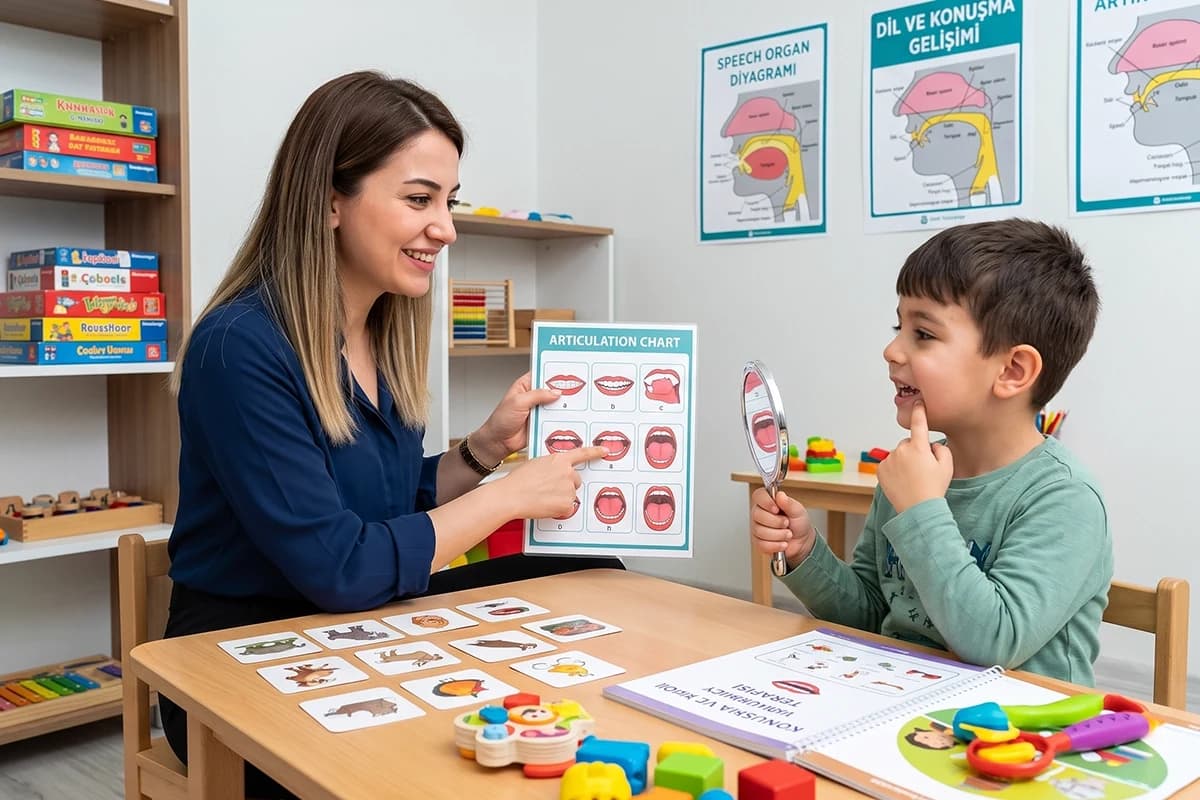
Play-based, parent-delivered and short. A therapist sets the goals and teaches the parent, and most of the practice happens at home during ordinary daily routines rather than in a clinic.
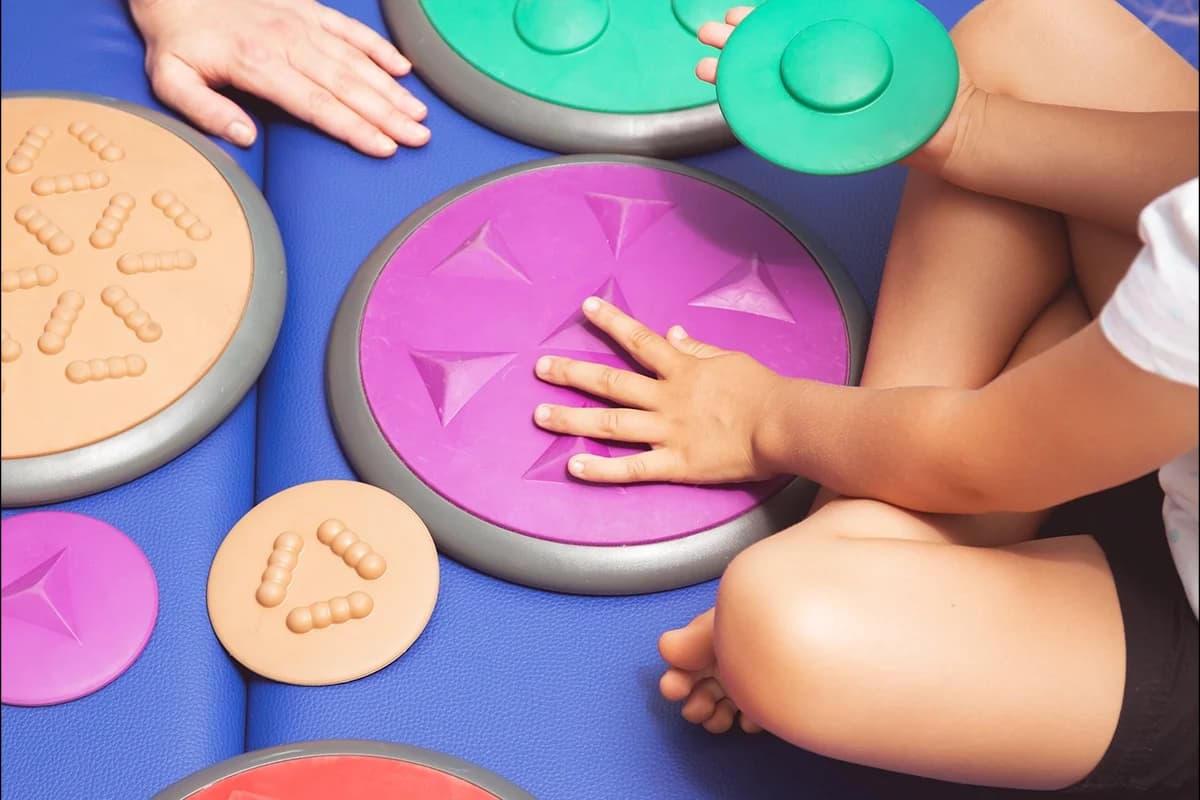
Where sensory processing rather than muscle strength is the difficulty, sensory integration therapy is used. The distinction is made at assessment because the two look similar from outside and respond to different things.
What the assessment covers, and what it rules out
Hearing and vision first, because both produce apparent developmental delay and both are correctable. Then the pattern: motor only, or language and social interaction as well.
Regression — losing a skill that was present — is treated differently from slow progress and warrants prompt referral rather than review in six months.
Crawling, and the milestones before walking
A baby who does not crawl, crawls asymmetrically, or moves by bottom-shuffling or rolling instead is one of the most common reasons families come. Some of those children are simply taking a different route to walking and need nothing; some have low tone, weakness on one side or a hip problem, and those are found by examining the child rather than by waiting.
Where therapy is indicated, it is play on the floor that builds trunk control, weight bearing through the arms and the reciprocal movement crawling needs, with the family taught to continue it daily. The gain is not crawling for its own sake but the strength and coordination that walking is built on.
Should therapy wait until the cause is known?
No. Guidance for paediatricians advises referring a child with a motor delay to early intervention at the same time as the search for a cause, rather than one after the other 2. The examination decides which tests come first: a brain MRI when muscle tone is high, and a blood test for creatine kinase, which screens for muscle disease, when tone is low 2.
The same guidance recommends formal developmental screening at the 9-, 18-, 30- and 48-month check-ups 2. When a cause is found, the therapy programme is adapted to it rather than started from scratch, which is why the two tracks can run in parallel.
Frequently asked questions
My baby skipped crawling. Is that a problem?
Not necessarily — some children go straight to walking. It becomes a reason for assessment when it comes with asymmetry, low tone, or delay in other milestones, and a single examination settles it.
Will my child catch up?
Many children with isolated mild delay do. Global delay across several domains, or delay with regression, is less likely to resolve and needs investigation.
Is it caused by something we did?
Usually not, and the guilt many families carry is rarely deserved. Two everyday habits do show links in studies: awake tummy time with better gross motor development, and more screen time at age one with later delays, mainly in communication and problem-solving 3 4. These studies show association, not proof of cause.
Should we wait and see?
Not where there is regression, marked asymmetry or delay across several areas. Watchful waiting with review is reasonable for isolated mild delay.
What does early therapy achieve?
It works with a nervous system at its most adaptable and it teaches the parent, which is what carries the gain between sessions.
Does a diagnosis change the therapy?
Sometimes substantially — a genetic or metabolic cause changes what is safe and what to expect. That is why assessment looks for a cause rather than treating the delay alone.
Sources
- How to Recognize and Refer Children With Hemiplegic (Unilateral) Cerebral Palsy — CanChild Centre for Childhood-Onset Disability Research, McMaster University (2013)
- Noritz GH, Murphy NA. Motor delays: early identification and evaluation — Pediatrics (2013)
- Hewitt L, Kerr E, Stanley RM, Okely AD. Tummy time and infant health outcomes: a systematic review — Pediatrics (2020)
- Takahashi I, Obara T, Ishikuro M, Murakami K, et al. Screen time at age 1 year and communication and problem-solving developmental delay at 2 and 4 years — JAMA Pediatrics (2023)
Which therapies would I actually receive?
A therapy is a single method used inside a programme. It is measured in sessions and is not sold separately.
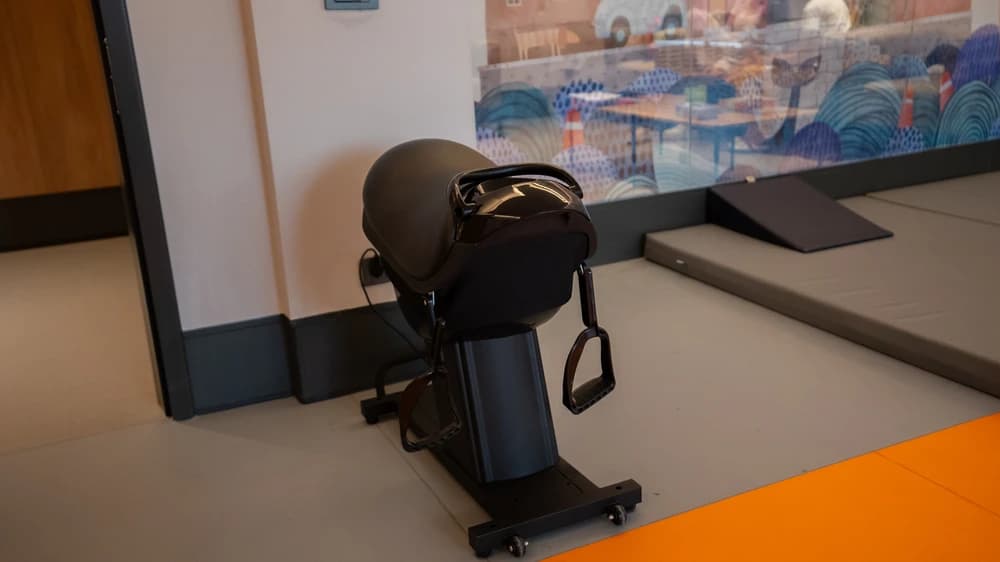
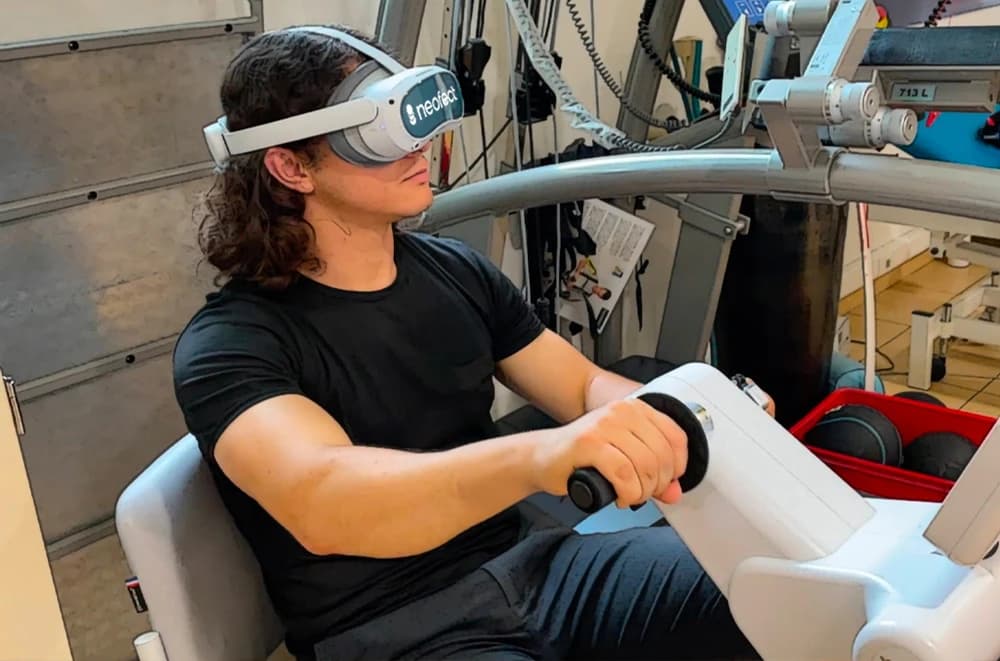
Technologies we use
Locations
Where you can receive this treatment


Related articles
 Paediatric
Intensive blocks or weekly sessions: which helps a child more?
Neither is better in general, and the honest answer depends on the goal. Blocks suit a specific, trainable target within a few weeks. Weekly therapy suits goals that need daily life to change around them. What predicts progress in both is practice of the real task, not the format.Read morePaediatric When should a baby start walking?
Babies start walking at widely different ages. A World Health Organization study of 816 healthy children in five countries found that walking alone was achieved anywhere between 8.2 and 17.6 months. A child who is not walking by around 18 months, which is beyond that range, should be assessed by a health professional.Read moreNeurological How long does it take to recover from a stroke?
Most recovery after a stroke happens in the early months, when the brain is most able to reorganise, and it continues more slowly for a longer period after that. How far someone gets depends mainly on how severe the stroke was, where it happened and how much active therapy follows.Read more



