Our brands





- 20+Years experience
- 11Centres
- 50,000+Patients per year
- 475+Clinical staff
Coming from abroad, step by step
Four stages from your first message to the first month back home.
Send your records
A discharge summary from the hospital that treated the original event, and any imaging of the affected area — CT, MRI or X-ray.
A written plan in 48 hours
A rehabilitation physician reviews the case and returns the expected duration, the recommended programme and the centre. Free, no obligation.
Travel and admission
Where a visa is needed we issue an invitation letter and treatment confirmation naming the dates and the facility. You are met at the airport and driven to the centre by private vehicle or ambulance; a bed for one companion and interpreting during therapy are arranged.
Treatment, then home
The programme runs, then you leave with a discharge report and a written home exercise plan. Your return journey is organised before you go, with scheduled video reviews so progress does not stop.
Our treatments
In their words
What patients say after a programme
Short videos filmed during therapy: a child’s rehabilitation after a brain tumour, suspended gait training after spinal cord injury, and learning to walk again after a fall. Individual results vary.
Dave Evans on his physical therapy here
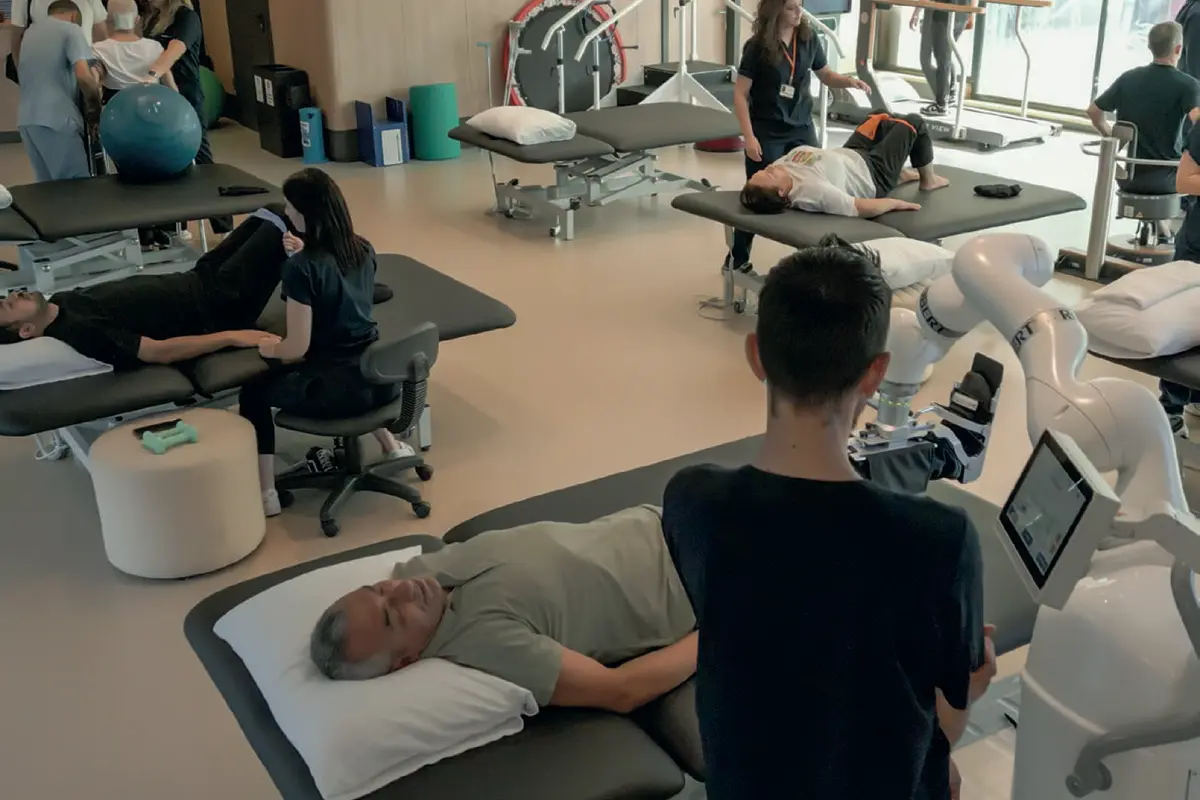
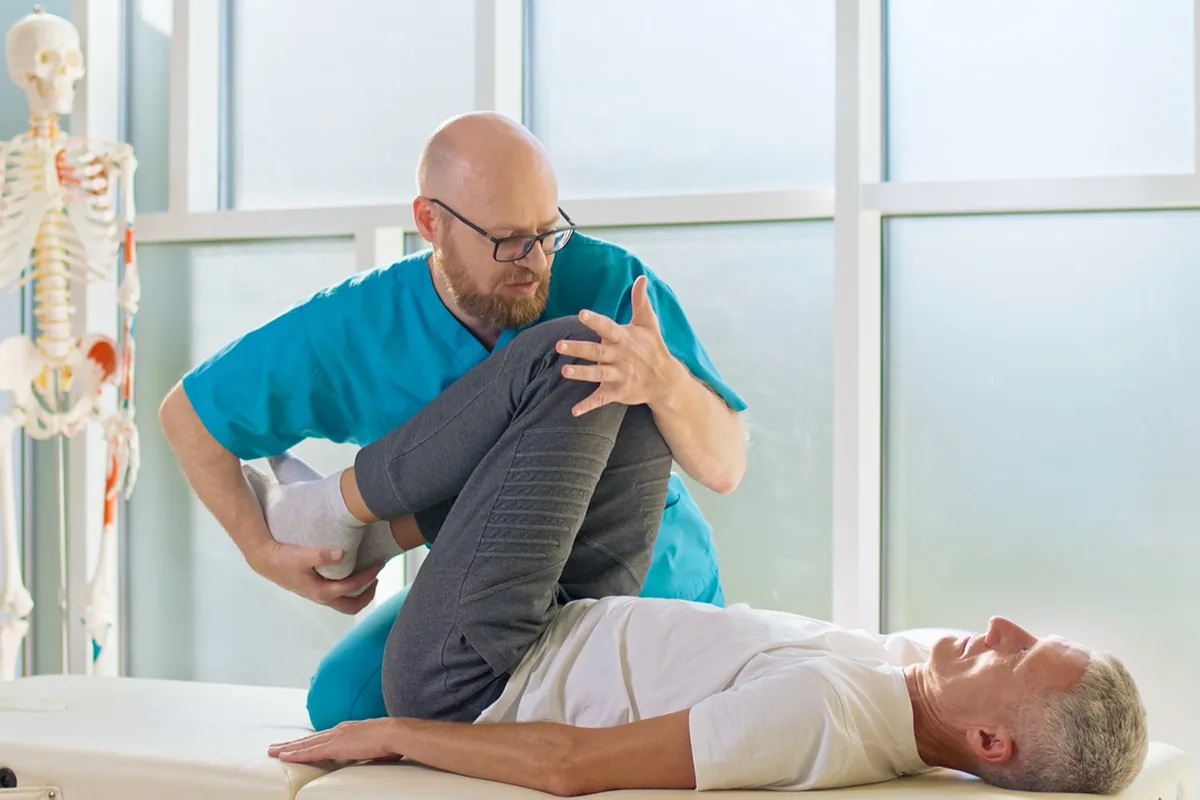
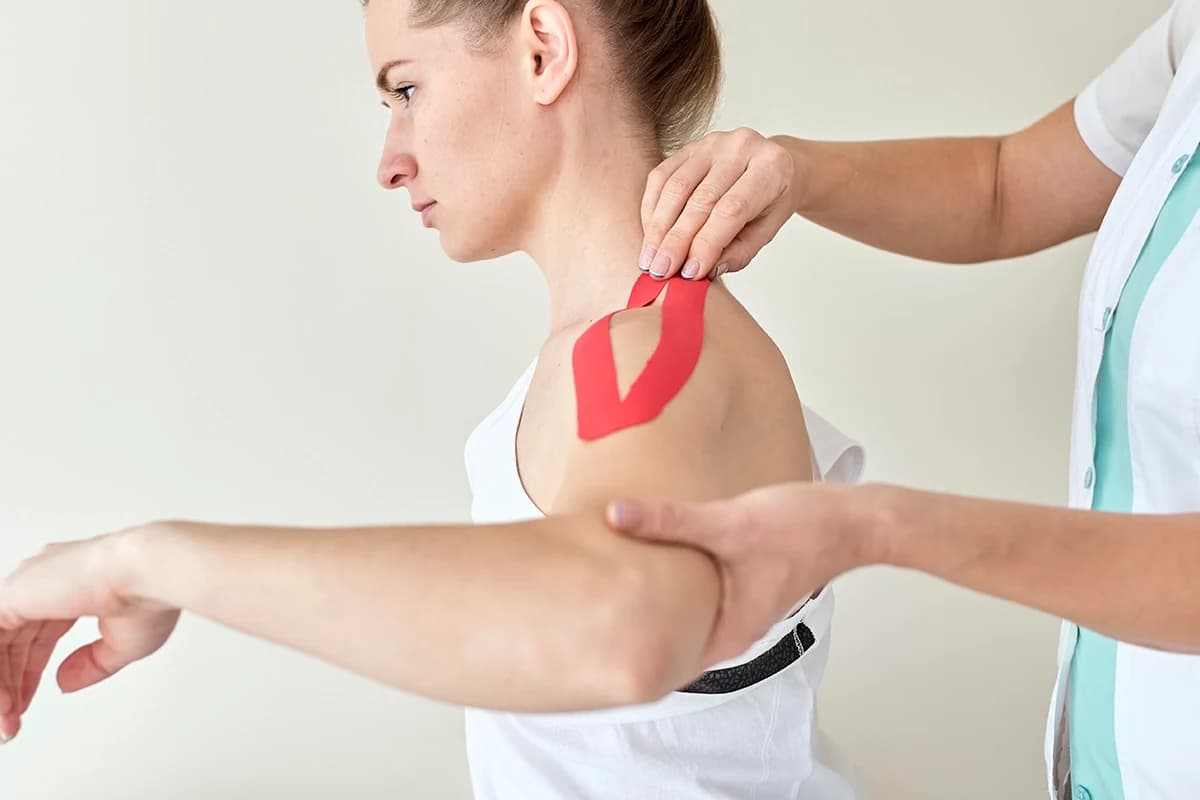
Musculoskeletal physiotherapy
Paediatric rehabilitation after a brain tumour
Inside a physiotherapy session
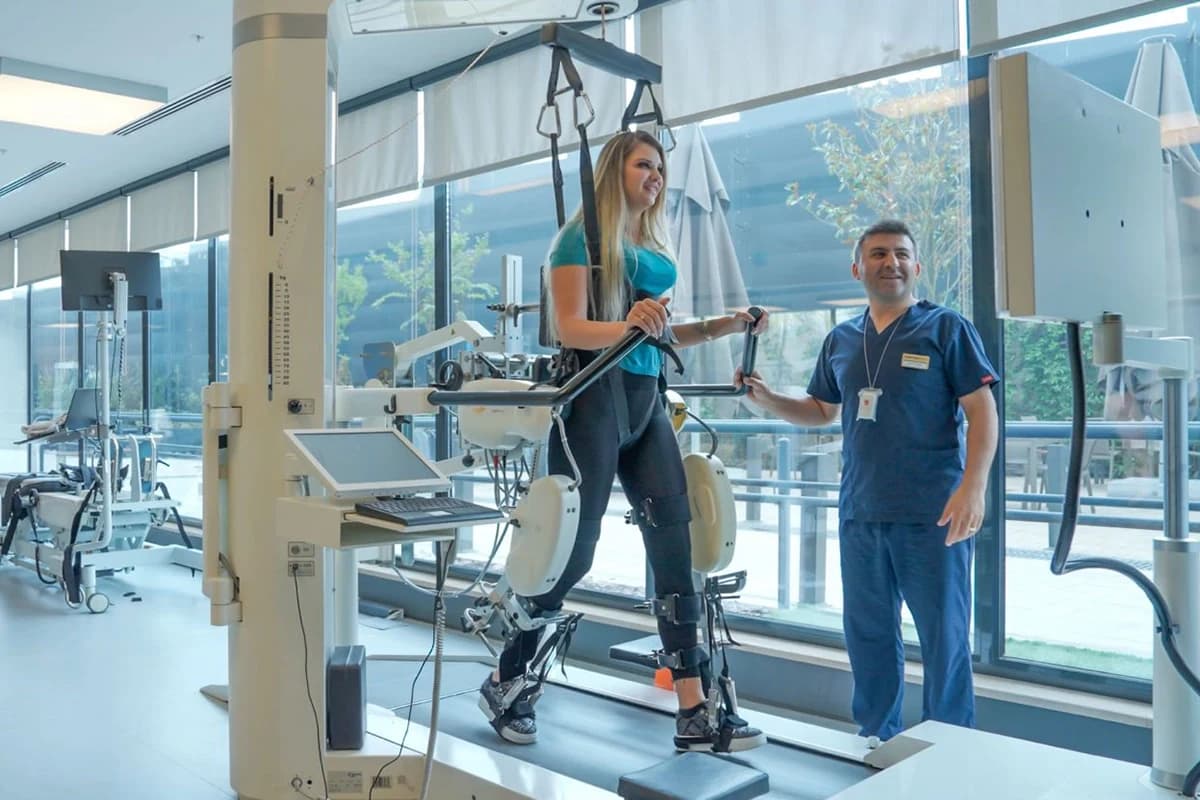
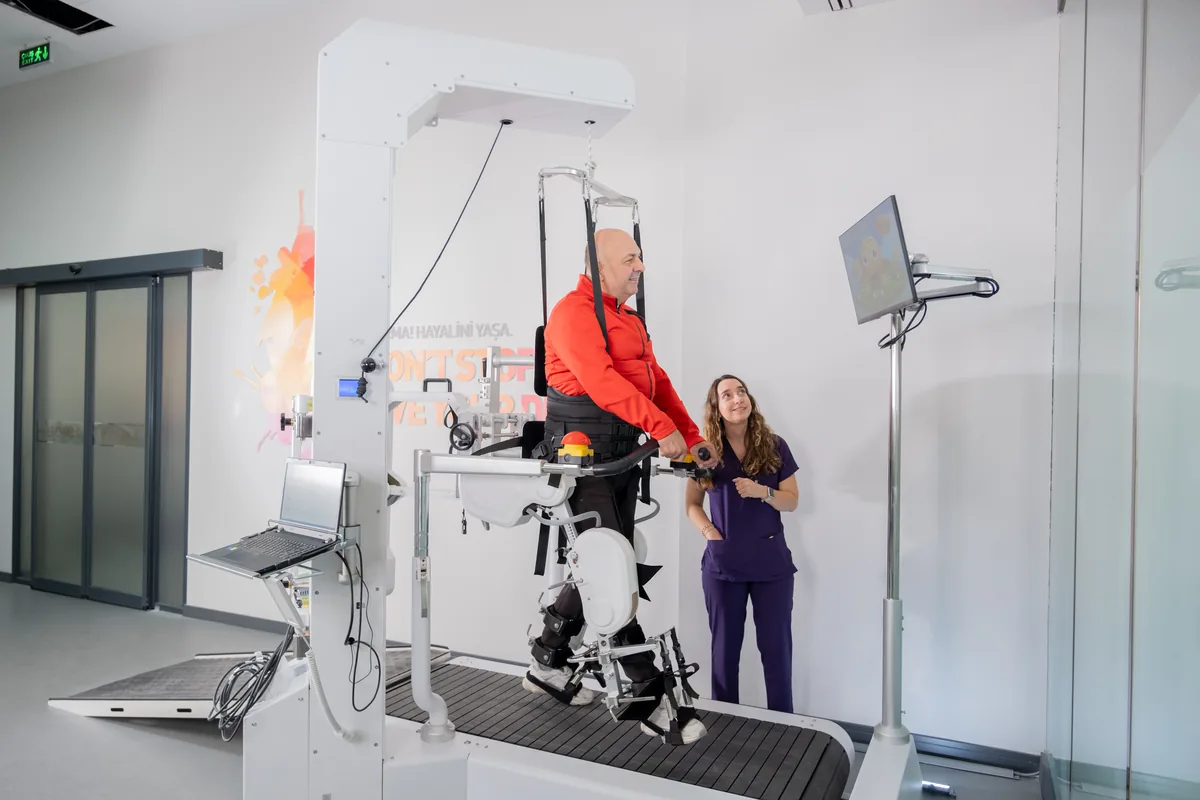
Spinal cord injury — the rehabilitation process
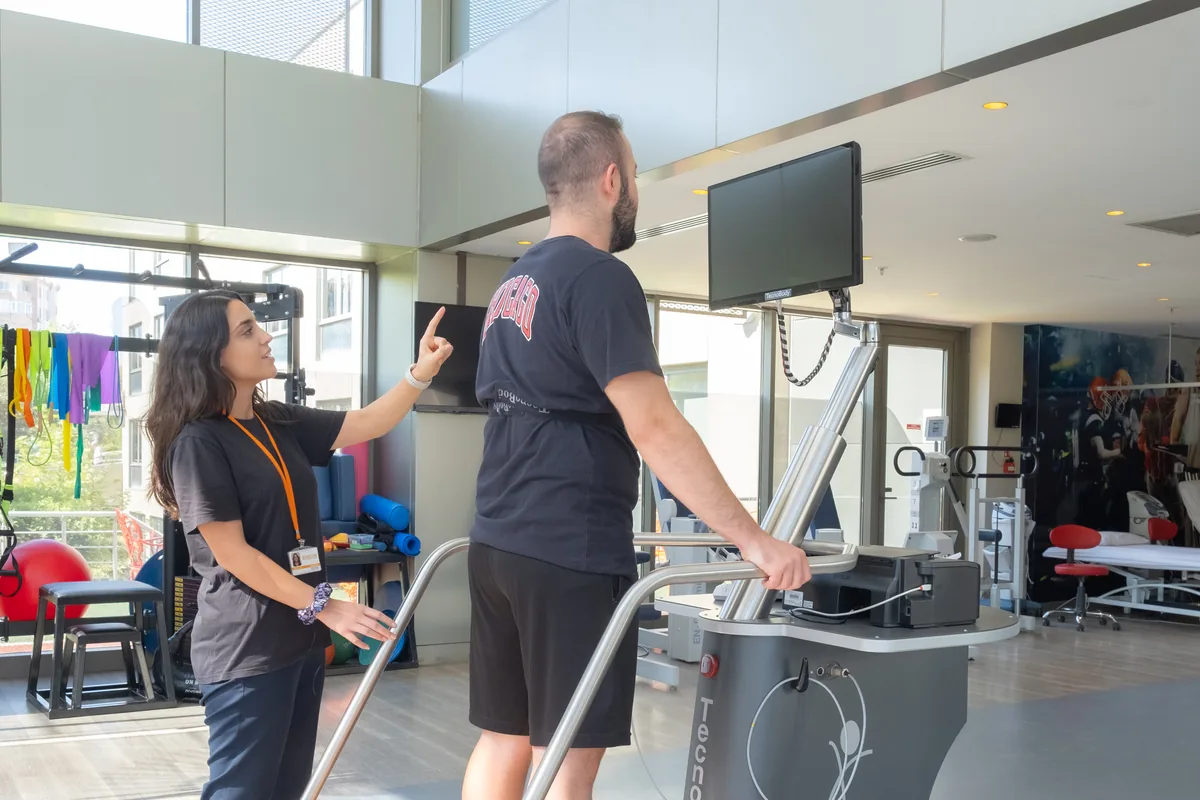
Suspension-assisted gait training
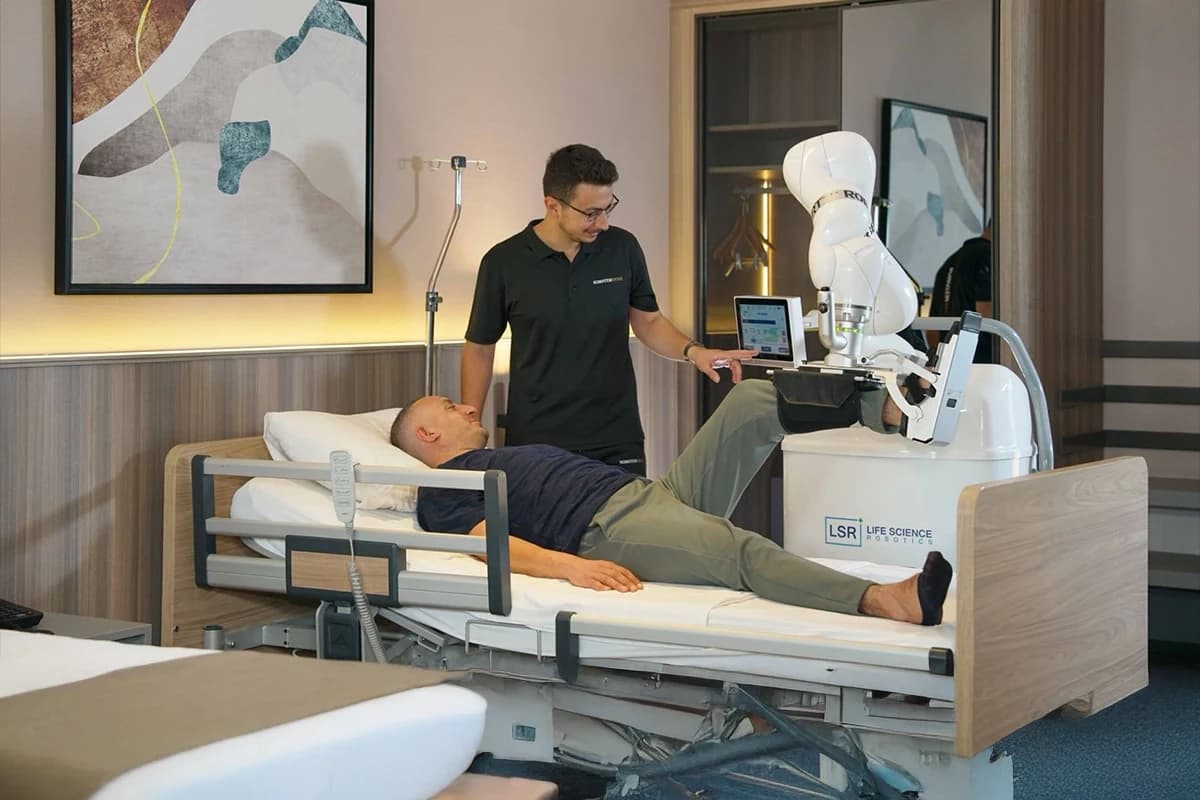
Walking difficulty and restricted movement after a fall
Regaining gait and range of motion
Find your condition
Neurological
Rheumatology and autoimmune
Joints, bone and sport
Spine and back
Paediatric
Locations
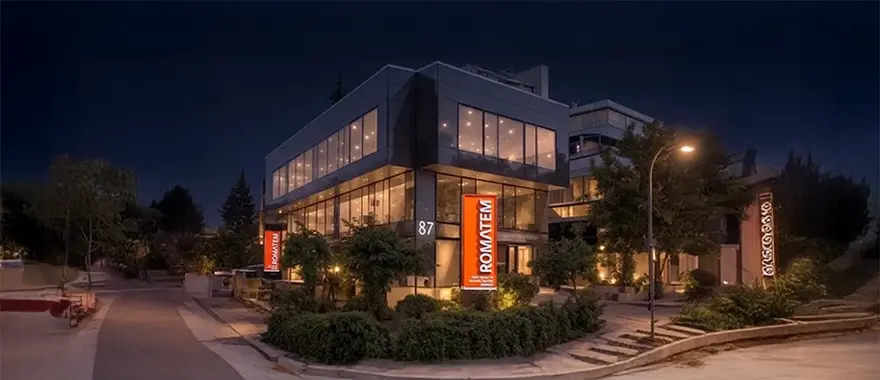
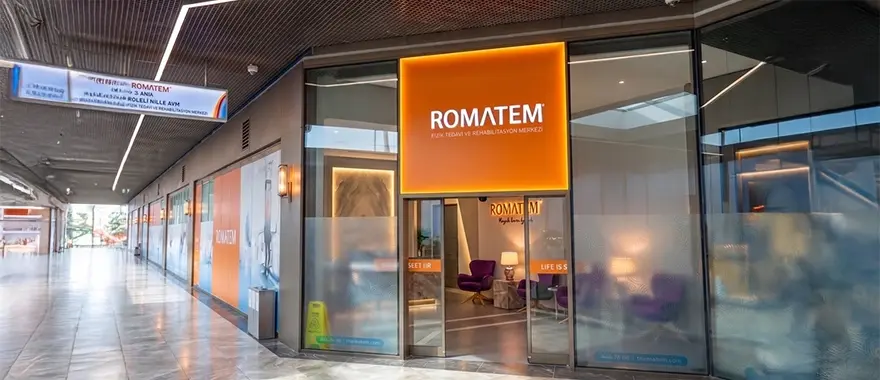
Our centres





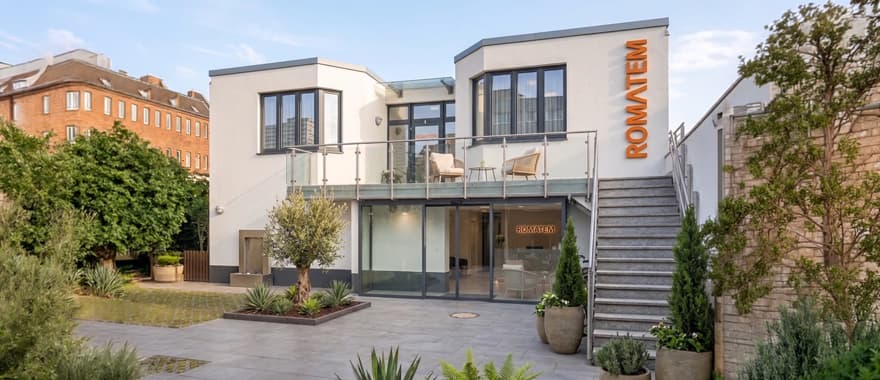
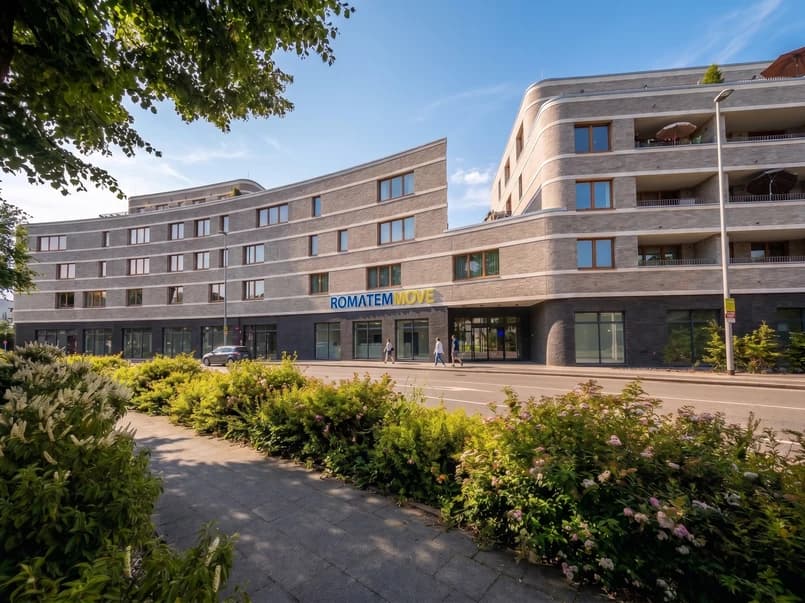

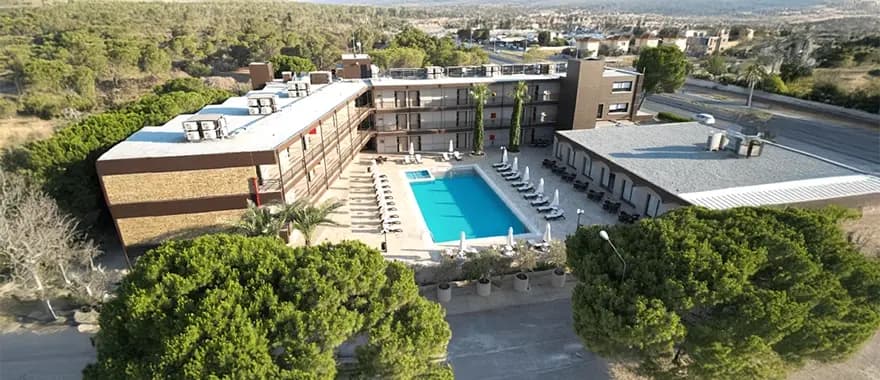
Specialists who plan your rehabilitation
Before you travel, a rehabilitation physician reviews your medical records and sends a written plan with the recommended programme, its duration and the centre.
- Led by rehabilitation medicine18 of our 29 specialists are physicians in physical medicine and rehabilitation.
- Wider medical expertiseNeurology, internal medicine, rheumatology, sports medicine and nutrition specialists work alongside them.
- Where they practise8 centres in Türkiye and Northern Cyprus.
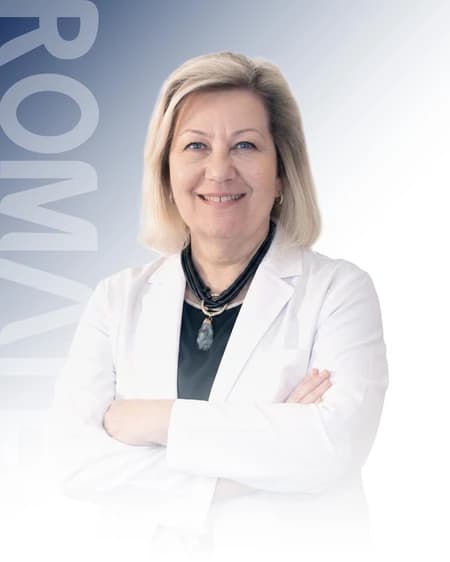
Prof. Dr. Güneş Yavuzer
MD — Physical Medicine and Rehabilitation
Stroke rehabilitation
- Romatem Move İstanbul Çamlıca
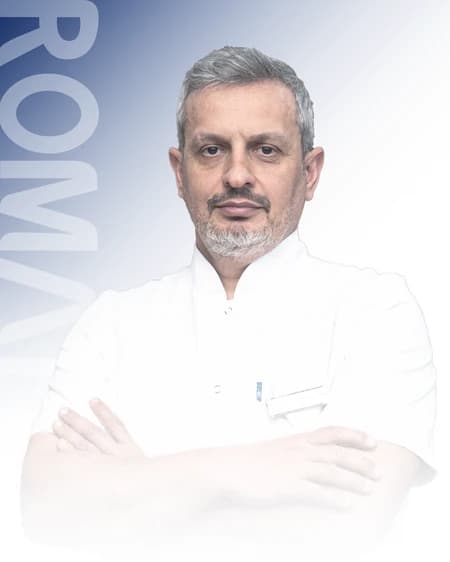
Assoc. Prof. Dr. Levent Tekin
MD — Physical Medicine and Rehabilitation
Lumbar and cervical disc herniation
- Romatem İstanbul Fulya
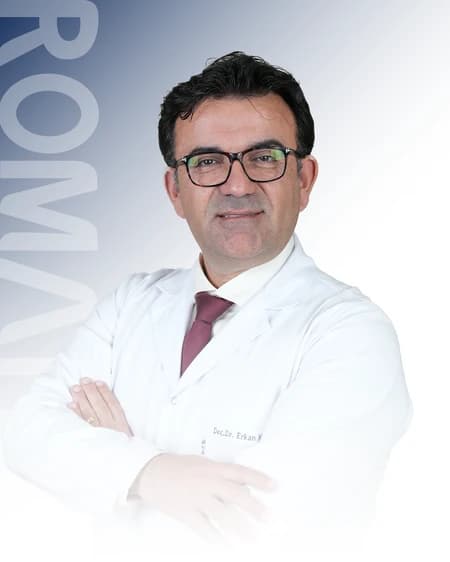
Assoc. Prof. Dr. Erkan Kaya
MD — Physical Medicine and Rehabilitation
Lumbar and cervical disc herniation
- Romatem Bursa
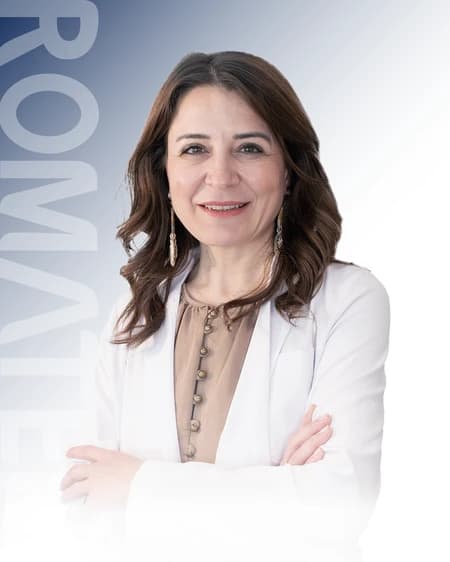
Assoc. Prof. Dr. Hülya Şirzai
MD — Physical Medicine and Rehabilitation
Stroke rehabilitation
- Romatem Samsun
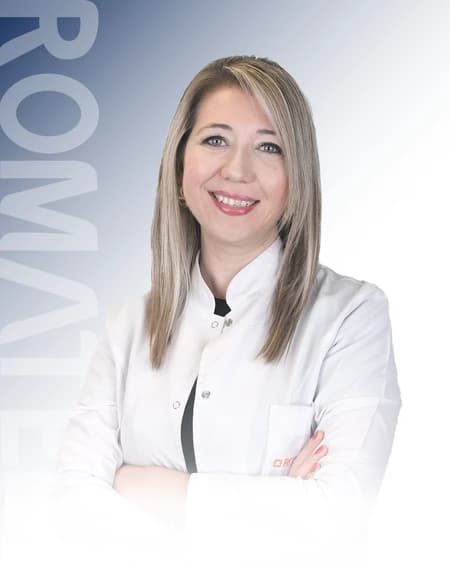
Dr. Nurten Küçükçakır
MD — Physical Medicine and Rehabilitation
Musculoskeletal disorders and rehabilitation
- Romatem Bursa
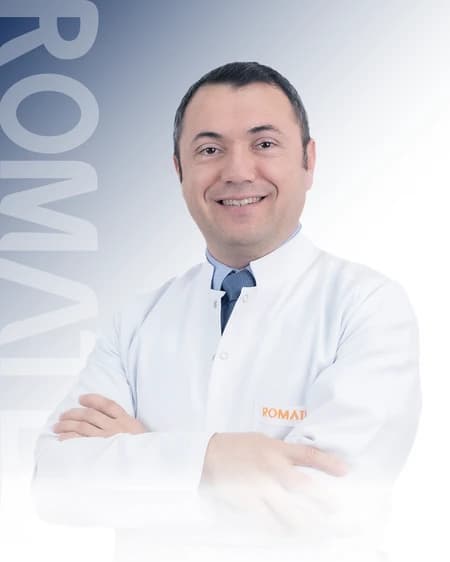
Dr. İmdat Özkul
MD — Physical Medicine and Rehabilitation
Lumbar and cervical disc herniation
- Romatem Kocaeli
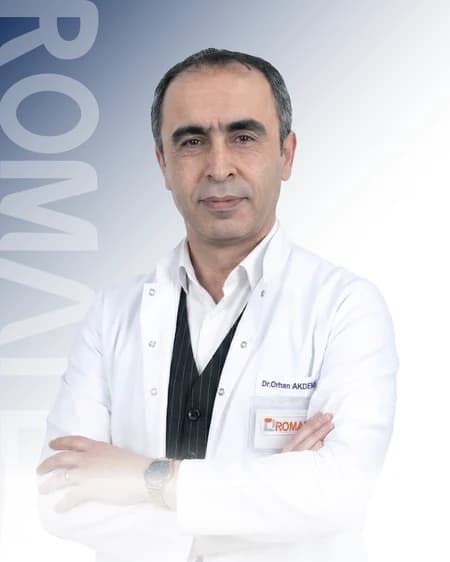
Dr. Ahmet Dinç
MD — Physical Medicine and Rehabilitation
Lumbar and cervical disc herniation
- Romatem Kocaeli

Dr. Gül Uğur
MD — Physical Medicine and Rehabilitation
Musculoskeletal disorders and pain management
- Romatem Kocaeli
Questions people actually ask
Getting started
How soon can we start?
Usually within three weeks of a confirmed plan, subject to bed availability at the centre the plan recommends.
What do you need from us before you can say anything useful?
The diagnosis and any records you have. A rehabilitation physician reviews the case and within 48 hours you receive a written plan with the expected duration, the recommended programme and the centre. The plan is free and carries no obligation.
The programme
How long does a programme take, and can you tell me before seeing records?
Only as a range. Inpatient neurological programmes are typically three to six weeks per block, often repeated; orthopaedic programmes after joint replacement usually run two to four weeks. A provider giving a precise figure without imaging, discharge summaries and a functional description is guessing.
Only as a range. Inpatient neurological programmes are typically three to six weeks per block, often repeated; orthopaedic programmes after joint replacement usually run two to four weeks. Duration depends on starting level, goal and daily dose.
A provider giving a precise figure without imaging, discharge summaries and a functional description is guessing, and the figure will change after arrival.
Is it too late if the stroke or injury was a long time ago?
No. Walking distance, balance, fitness and independence in specific tasks respond to training years afterwards. What changes is the goal: later programmes work on function and compensation rather than on restoring the original movement pattern.
No. Walking distance, balance, fitness and independence in specific tasks respond to training years afterwards, because they depend on practice and conditioning as well as on neurological recovery.
What changes is the goal. Later programmes work on function and compensation rather than on restoring the original movement pattern, and they should be judged on measured change like any other.
Travel and stay
Can my relative travel in a wheelchair?
Almost always — most of our international patients arrive by wheelchair.
Do you help with visas?
Where a visa is needed we issue an invitation letter and treatment confirmation naming the dates and the facility. We do not submit applications on your behalf and cannot influence the outcome, but the documentation is what applications usually lack.
Payment and insurance
Why do we not publish prices?
Because duration is the main variable and duration depends on the case. A price range is given in your written plan once a physician has read your records, rather than published here and revised after you arrive.
Will insurance cover it?
Usually not for planned treatment abroad, though there are exceptions within the EU and EEA and in some private policies. The determining factor is written prior authorisation before treatment, not a claim afterwards.
Contact your insurer with the specific treatment and provider and ask for a written answer before you travel.