

Medical condition
Bow Legs and Knock Knees
Bow legs in a toddler and knock knees in a young child are usually normal stages of development that correct without treatment. A small number are not — asymmetry, an angle worsening after the expected age, short stature or pain all change the picture and are worth assessing properly.
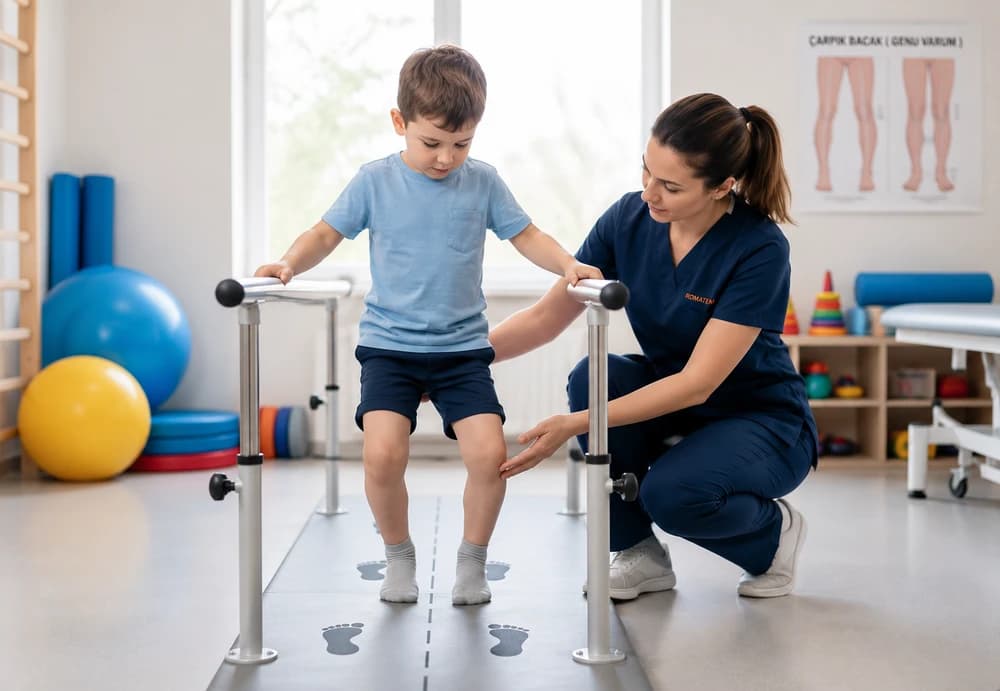
The normal developmental sequence
Legs are typically bowed in infancy, straighten around the second year, pass through a knock-kneed phase in the preschool years, and reach the adult alignment by around age seven 1. A child following that pattern needs reassurance, not treatment.
Braces, special shoes and insoles do not change physiological alignment. They are still sold widely for it, which is why families arrive having spent money on them.
What genuinely needs investigation
One leg affected and not the other. Bowing that worsens after age two or knock knees worsening after age seven 1. A child noticeably short for their age. Pain, a limp, or a family history of bone disease. Any of these warrants imaging and blood tests.
The conditions being looked for are Blount disease, rickets and other metabolic bone disease, and growth plate injury. These are uncommon but they do not correct themselves and they progress.
Where rehabilitation contributes
In the child with a genuine structural problem, therapy supports the orthopaedic plan: strength and gait work around bracing or surgery, and gait analysis to document what is actually happening rather than what a photograph suggests.
In the much larger group with normal variation, our contribution is an assessment, an explanation and no treatment. That is a legitimate outcome and we will say so.
The developmental sequence parents are rarely told
Bow legs are normal up to around two years, knees then move into knock-knee which peaks around three to four, and alignment settles by about seven 1. Most referrals are this normal sequence.
What is not normal is asymmetry, severe deformity, short stature alongside it, pain, or a pattern that is worsening rather than following the curve.
When are tests or treatment actually needed?
Most children with bow legs or knock knees measure within the normal range for their age, and these variations resolve as the child grows; X-rays are not needed routinely, only to rule out a disease cause 2. Tests are warranted when the deformity is severe or one-sided, or a metabolic or hormonal cause is suspected 2. Vitamin D and calcium deficiencies, which cause rickets, are still common worldwide, and rickets is preventable 3.
Surgery is kept for legs that do not straighten with growth or are markedly angled 2. In a child who is still growing, the usual operation is guided growth: a small plate or screws hold one side of the growth plate so the leg straightens gradually as it grows 4. In children whose deformity was caused by rickets, full correction took on average between 10.8 and 22.7 months, and regular follow-up is needed because the leg can over-correct or drift back 5.
Frequently asked questions
Does my child need braces?
Almost never. The normal developmental sequence corrects itself and bracing does not improve on it.
When should I be concerned?
Asymmetry between legs, worsening after the expected age, marked severity, short stature, pain, or a limp.
Do vitamin D and rickets cause this?
They can, and it is one of the treatable causes worth excluding where the pattern is atypical or severe.
Do special shoes help?
No. Corrective shoes and insoles do not change lower limb alignment, and clinical reviews find them ineffective 2.
Will it affect sport later?
Normal variation does not. Persistent significant deformity can affect knee loading and is worth assessing.
Sources
- Genu Valgum — StatPearls (StatPearls Publishing) — citing Salenius P, Vankka E. The development of the tibiofemoral angle in children. J Bone Joint Surg Am. 1975;57(2):259-61 (2023)
- Rerucha CM, Dickison C, Baird DC. Lower extremity abnormalities in children — American Family Physician (2017)
- Munns CF, Shaw N, Kiely M, Specker BL, et al. Global consensus recommendations on prevention and management of nutritional rickets — Journal of Clinical Endocrinology & Metabolism (2016)
- Gupta R, Sriwastwa A, Low D, Patel S, et al. Systematic review of the effectiveness of transphyseal screws for correction of coronal plane knee deformities and meta-analysis of comparative studies with tension band plates — Journal of Pediatric Orthopaedics (2026)
- Ivansyah MD, Kurniawan A, Wibowo A. Outcomes of hemiepiphysiodesis on lower limb deformities due to rickets: a systematic review — Journal of Children's Orthopaedics (2026)
Which therapies would I actually receive?
A therapy is a single method used inside a programme. It is measured in sessions and is not sold separately.
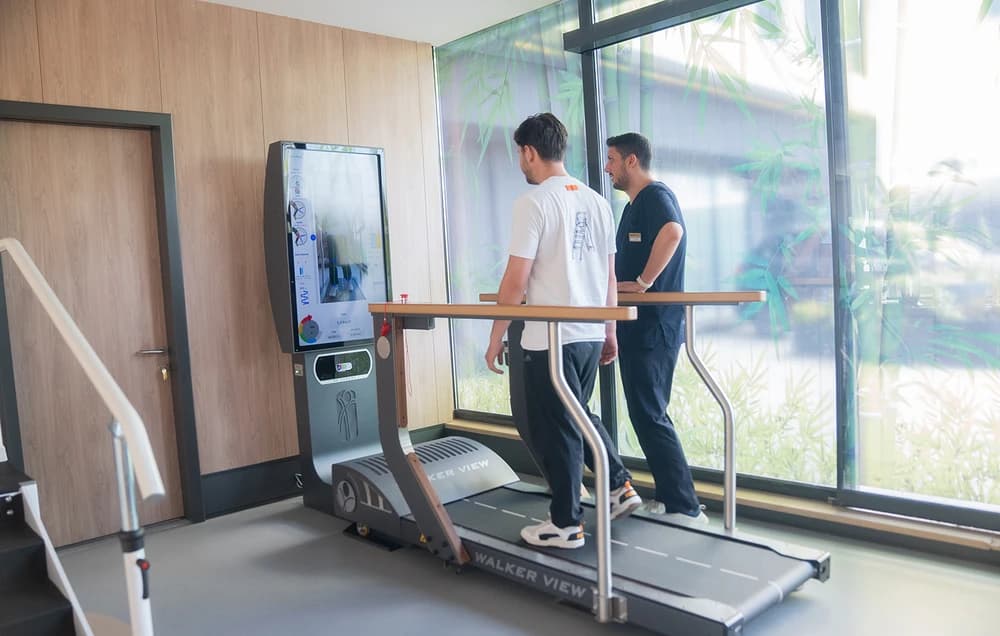
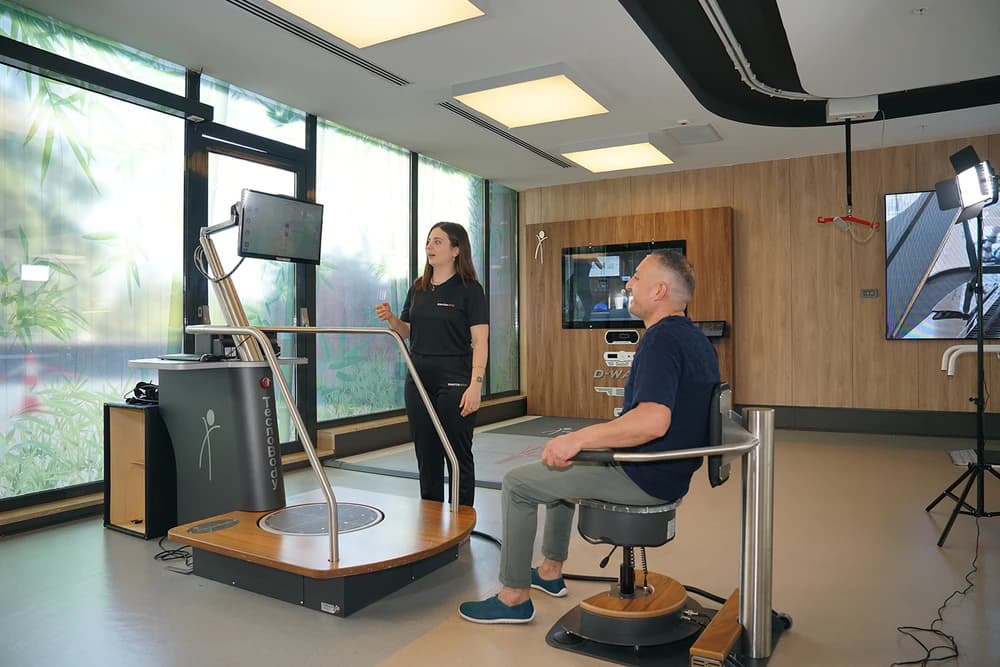
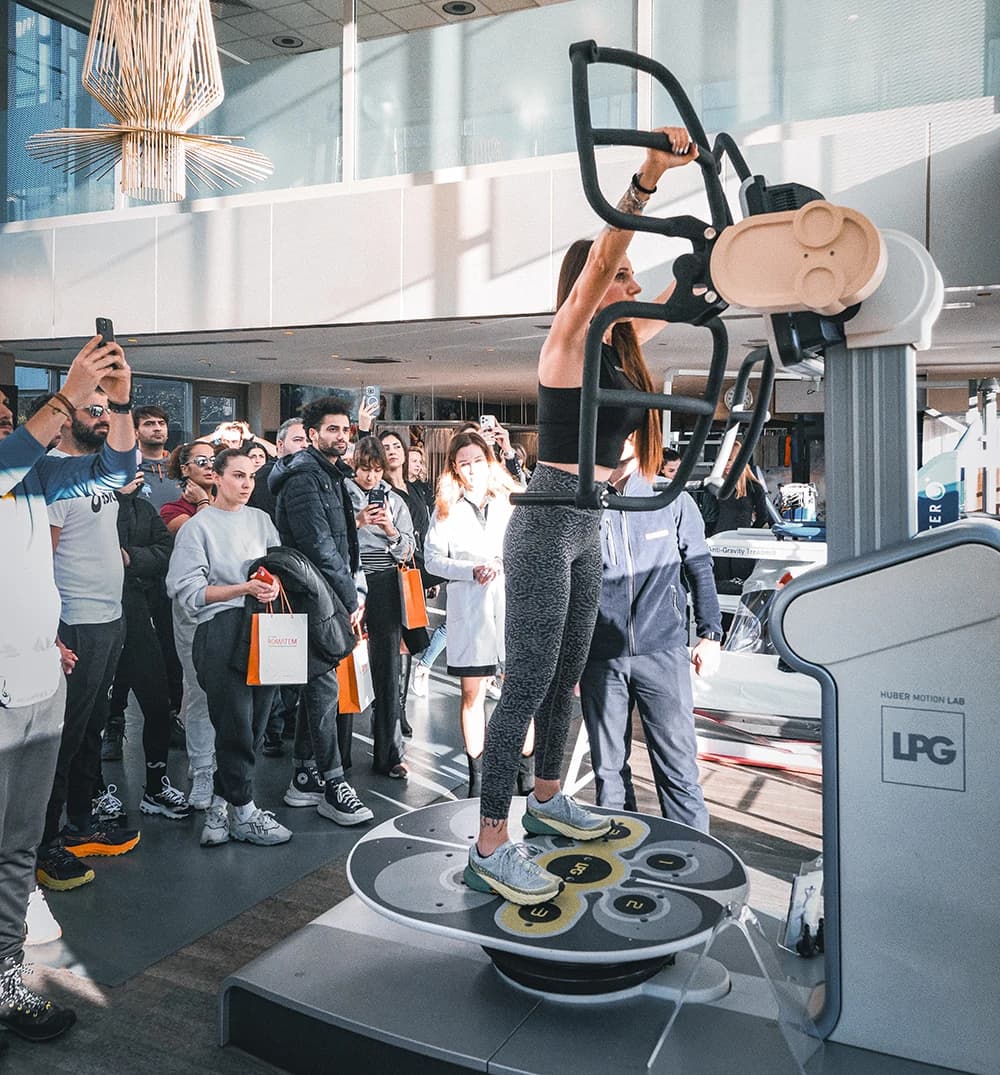
Technologies we use
Locations
Where you can receive this treatment




Related articles
Neurological How long does it take to recover from a stroke?
Most recovery after a stroke happens in the early months, when the brain is most able to reorganise, and it continues more slowly for a longer period after that. How far someone gets depends mainly on how severe the stroke was, where it happened and how much active therapy follows.Read moreNeurological Can you walk again after a stroke?
Many people walk again after a stroke, including many who cannot stand at first. The chances are highest when some leg movement returns early and when walking practice starts as soon as it is safe. Walking often comes back before full arm recovery, sometimes with a stick, splint or other support.Read moreNeurological Will my arm and hand recover after a stroke?
Arm and hand recovery after a stroke varies more than walking recovery. Early return of some shoulder or finger movement makes useful recovery much more likely. Repeated, meaningful practice of reaching, grasping and releasing is what drives improvement, and even a partly recovered hand can be trained to help with daily tasks.Read more



