

Medical condition
Chronic Lung Disease
Pulmonary rehabilitation combines breathing technique, airway clearance and graded endurance training. In chronic lung disease it improves walking distance, breathlessness and quality of life on top of usual medical treatment. It does not change lung function tests; it changes how far someone can walk and how breathless that makes them.
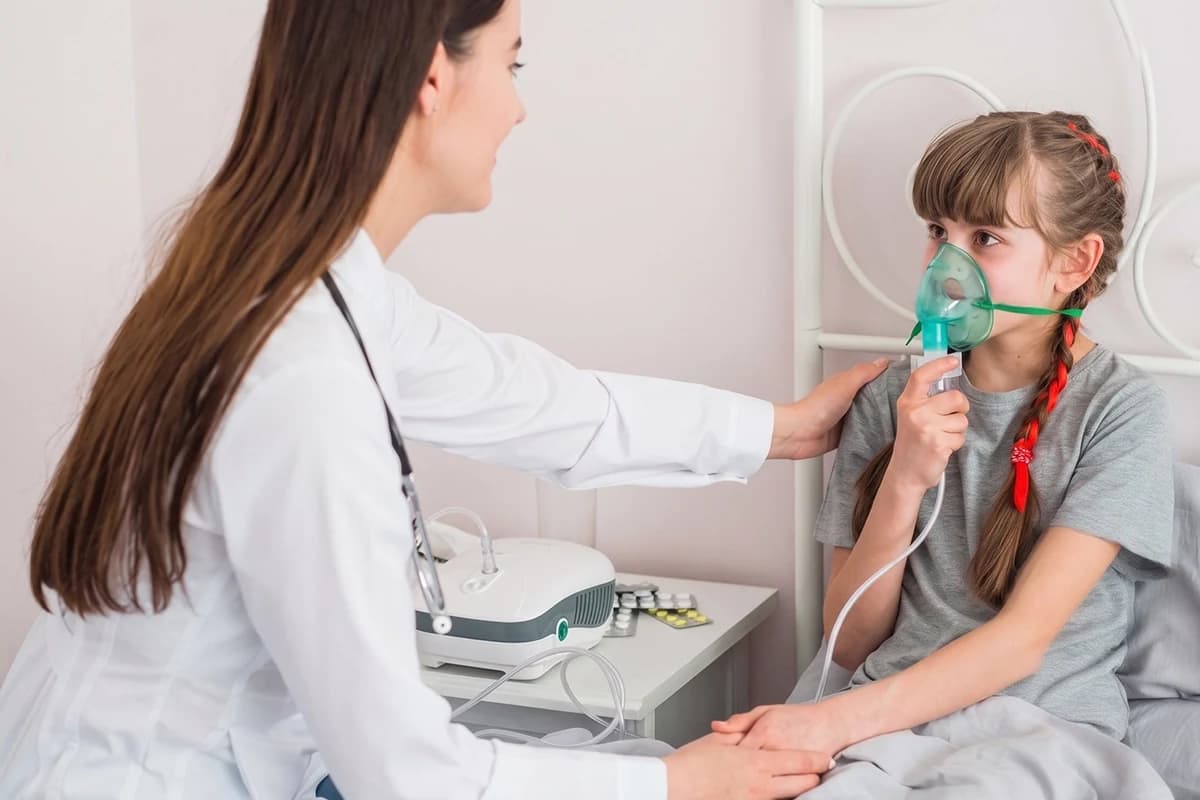
Breathlessness produces avoidance, and avoidance produces more breathlessness
Chronic lung disease makes exertion uncomfortable. People reduce activity to avoid the discomfort, which reduces fitness, which means the same activity now causes more breathlessness. The spiral continues until ordinary daily tasks are limited by breath.
Pulmonary rehabilitation interrupts that cycle. It does not change lung function measurably in most conditions, and it substantially changes how far someone can walk and how much breathlessness they feel doing it.
Who benefits
COPD, where the evidence is strongest. Asthma with reduced exercise tolerance. Chronic bronchitis and emphysema. Recovery after pneumonia or other chest infection. After lung surgery. After intensive care or prolonged intubation, where respiratory muscle weakness is added to general deconditioning.
Also after COVID-19, where reduced capacity and breathlessness persist. Here pacing matters more than pushing, because post-exertional symptom worsening is a recognised feature in some patients and standard progressive protocols can make them worse.
What the programme contains
Supervised exercise training — the core component, and the part that produces most of the benefit. Respiratory muscle training. Breathing technique, including pursed-lip breathing and controlled breathing during exertion. Airway clearance where secretions are a problem. Education on managing exacerbations and using inhalers correctly.
Assessment includes a walking test, breathlessness scoring and oxygen saturation during exertion, and these are repeated to show what changed.
What to expect
Improvement usually begins within a few weeks. Benefit fades if activity stops afterwards, so the programme ends with a maintenance plan rather than a discharge letter.
We measure and report walking distance and breathlessness score before and after. If they have not moved, we say so.
The spiral this interrupts
Breathlessness leads to avoiding activity, which leads to deconditioning, which makes the same activity more breathless. Deconditioning adds its own disability on top of the lung disease, and unlike the lung damage it responds to training.
Exercise training does not improve lung function, and it substantially improves what a person can do. Weak leg muscles are common in COPD and limit exercise tolerance in their own right, and exercise training is the most effective treatment for them 3.
Is it worth starting after a flare-up or a hospital stay?
Yes, once the flare-up has settled and the person is stable. A Cochrane review of 20 trials found high-quality evidence that rehabilitation started after a COPD flare-up improves quality of life and walking capacity, the latter by an average of 62 metres on the six-minute walk test 2.
The effect on readmission to hospital is less certain. Earlier trials suggested fewer readmissions, but more recent ones found smaller or no effects, and the results vary widely between programmes 2. The starting level is therefore set from a fresh assessment rather than from what was possible before the flare-up.
Frequently asked questions
Will it improve my lung function?
No. It improves exercise capacity, breathlessness and quality of life without changing spirometry, and those are the outcomes that matter to daily life.
Is it safe to exercise when breathless?
Yes, with appropriate supervision and oxygen where indicated. Breathlessness during exercise is expected rather than dangerous in a supervised programme.
Who benefits?
People with COPD, interstitial lung disease, bronchiectasis, after lung surgery, and following severe respiratory infection including COVID-19.
How long does it last?
Typically six to eight weeks of supervised sessions, followed by a maintenance programme. Without continued exercise the gains are not maintained, and supervised maintenance programmes may help preserve quality of life, although that evidence is limited 4.
Do I need oxygen during exercise?
Some people do, determined by monitoring during assessment rather than assumed either way.
Sources
- Pulmonary rehabilitation for chronic obstructive pulmonary disease — Cochrane systematic review — Cochrane Database of Systematic Reviews (2015)
- Puhan MA, Gimeno-Santos E, Cates CJ, Troosters T. Pulmonary rehabilitation following exacerbations of chronic obstructive pulmonary disease — Cochrane Database of Systematic Reviews (2016)
- Maltais F, Decramer M, Casaburi R, Barreiro E, et al. An official American Thoracic Society/European Respiratory Society statement: update on limb muscle dysfunction in chronic obstructive pulmonary disease — American Journal of Respiratory and Critical Care Medicine (2014)
- Malaguti C, Dal Corso S, Janjua S, Holland AE. Supervised maintenance programmes following pulmonary rehabilitation compared to usual care for chronic obstructive pulmonary disease — Cochrane Database of Systematic Reviews (2021)
Which therapies would I actually receive?
A therapy is a single method used inside a programme. It is measured in sessions and is not sold separately.
Technologies we use

Locations
Where you can receive this treatment


Related articles
Cardiac Is it safe to exercise after a heart attack?
Supervised exercise after a heart attack is one of the better-evidenced treatments in cardiology, and reviews find it reduces cardiovascular death and hospital readmission. The risk of a serious event during a supervised session is very low. Unsupervised, unprescribed exertion is a different question with a different answer.Read morePulmonary How does exercise help breathlessness in COPD?
Exercise does not repair damaged lungs, but it trains the muscles to use oxygen more efficiently, so everyday activities cause less breathlessness. Pulmonary rehabilitation, a supervised programme of exercise and education, improves breathlessness, fatigue, quality of life and walking distance in people with COPD. Benefits fade without continued activity.Read morePulmonary Which breathing techniques help with COPD?
Pursed-lip breathing, diaphragmatic breathing, breathing control and positions that ease breathlessness are commonly taught to people with COPD. A Cochrane review found that breathing exercises improved walking distance, although effects on breathlessness and quality of life were inconsistent. They are usually taught alongside exercise training in pulmonary rehabilitation.Read more



