

Medical condition
Behçet's Disease
Behçet's disease is an inflammatory condition causing recurrent mouth and genital ulcers, eye inflammation, skin lesions and arthritis. It is more common along the historic Silk Road, including Türkiye. Rehabilitation manages the arthritis, the deconditioning between flares and the consequences of any vascular or neurological involvement.
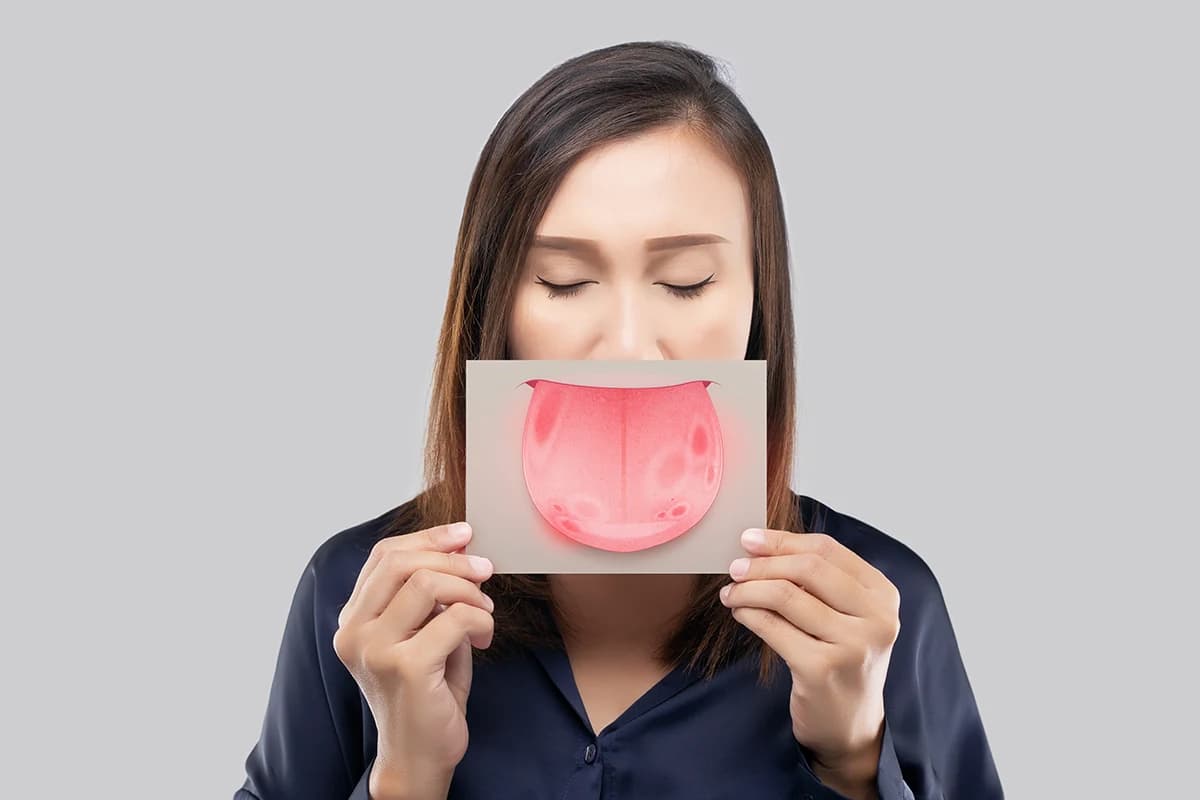
A disease with a strong regional pattern
Behçet's is markedly more common in Türkiye than in Western Europe, and our physicians see it regularly rather than occasionally. That matters for an international patient who has struggled to have the diagnosis recognised at home.
It is diagnosed clinically — there is no single confirmatory test — from the pattern of recurrent oral ulceration together with genital ulcers, eye inflammation, skin lesions or a positive pathergy test.
What rehabilitation is for
The arthritis of Behçet's is usually non-erosive and affects knees, ankles and wrists. It responds to the same principles as other inflammatory arthritis: maintain range during a flare, restore strength between flares, and protect the joint from the deconditioning that follows weeks of inactivity.
Where there has been neurological involvement — parenchymal neuro-Behçet's — rehabilitation follows the same structure as after other acquired brain injury, with gait, balance and cognitive work planned to what the lesion left behind.
Where we are cautious
Pathergy — the tendency of skin to react excessively to minor trauma — means needling techniques, adhesive taping and anything that breaks skin are used with care or avoided. Dry needling in particular is not our first choice in a patient with active pathergy.
Deep vein thrombosis is more common in this disease than in the general population. New calf swelling is investigated before any lower limb loading programme continues.
Where we are cautious, and why
Injections and procedures carry a specific risk in Behçet’s: the pathergy phenomenon, where skin trauma provokes an inflammatory lesion at the site.
Vascular involvement and thrombosis are also more common, which changes what is appropriate around swelling and limb symptoms. New calf pain is assessed rather than treated as muscular.
How is Behçet’s treated, and where does rehabilitation fit?
Treatment is matched to the organs involved. For mouth and genital ulcers, skin lesions and arthritis, the 2025 European recommendations use colchicine first, with apremilast or immunosuppressive drugs such as tumour necrosis factor (TNF) inhibitors when it is not enough 2. Eye, blood-vessel, nervous-system and gut involvement is treated more aggressively, with glucocorticoids and immunosuppressives, to bring it under control quickly 2. For clots in the veins, the evidence supports immunosuppressive treatment, while the added value of blood thinners remains unclear 3.
The same recommendations stress that Behçet’s relapses and remits, and call for a multidisciplinary team, patient education and shared decisions 2. Rehabilitation fits inside that plan. It cannot prevent flares or protect the eyes, but it keeps joints moving and muscles strong between flares, rebuilds walking, balance and daily function after neurological or vascular events, and works around the skin’s reaction to needles and the higher risk of clots.
Frequently asked questions
What is pathergy?
An exaggerated skin response to minor trauma, including needle punctures. It is why injections are used sparingly and with awareness of the risk.
Can I exercise during a flare?
At reduced intensity. Complete rest costs strength that is hard to regain; the level is adjusted rather than stopped.
Why does eye involvement matter?
Uveitis in Behçet’s can threaten sight and needs urgent treatment. Any new eye redness, pain or visual change is same-day.
Is joint involvement erosive?
Usually not. Arthritis in Behçet’s tends to be non-erosive and intermittent, which is favourable for function.
What about blood clots?
Thrombosis is more common in this condition. New limb swelling or calf pain needs assessment rather than being treated as a muscle problem.
Sources
- 2018 update of the EULAR recommendations for the management of Behçet's syndrome — Annals of the Rheumatic Diseases (2018)
- Hatemi G, Ramiro S, Ozguler Y, Esatoglu SN, et al. EULAR recommendations for the management of Behçet’s syndrome: 2025 update — Annals of the Rheumatic Diseases (2026)
- Ozguler Y, Esatoglu SN, Tomasson G, Falzon L, et al. Management of major organ involvement in Behçet syndrome: a systematic literature review informing the 2025 update of the EULAR recommendations — EULAR Rheumatology Open (2026)
Which therapies would I actually receive?
A therapy is a single method used inside a programme. It is measured in sessions and is not sold separately.
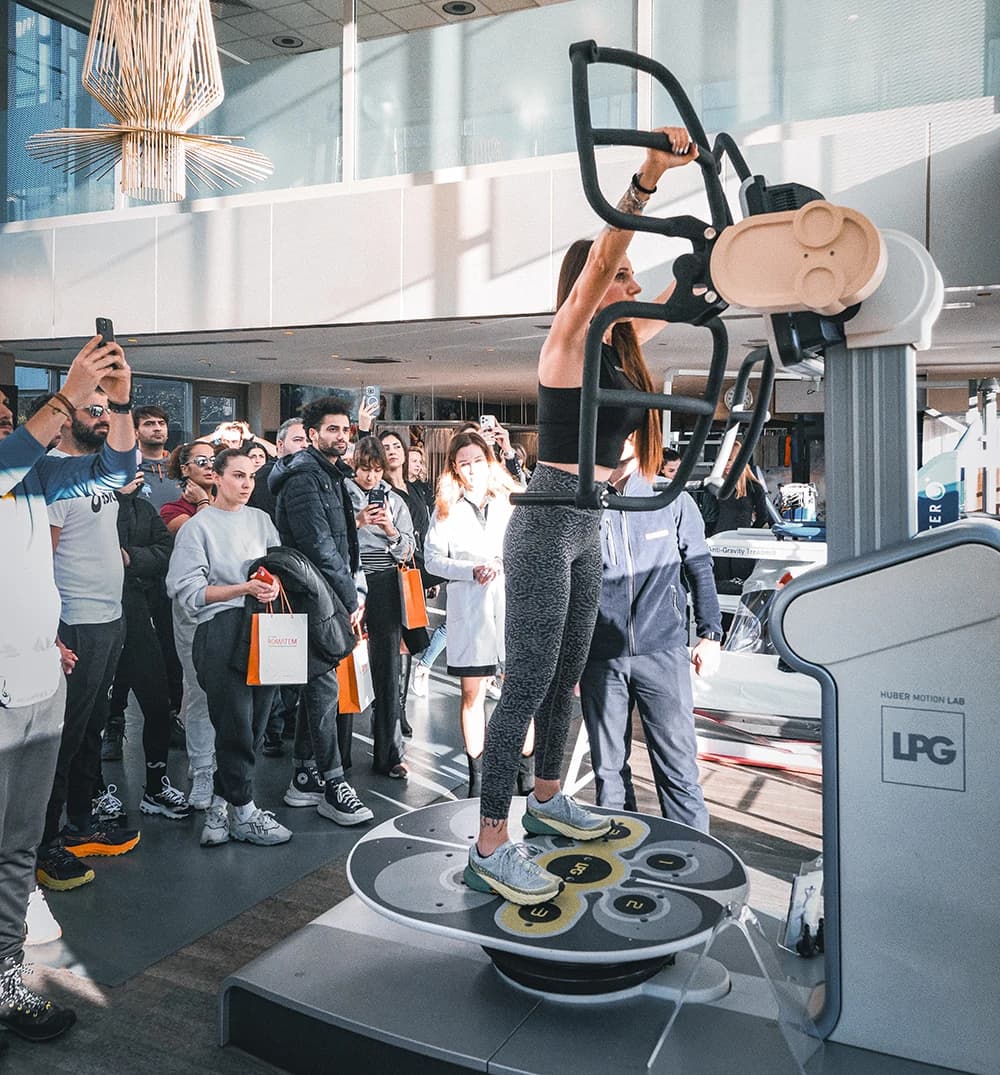
Technologies we use


Locations
Where you can receive this treatment




Related articles
Neurological How long does it take to recover from a stroke?
Most recovery after a stroke happens in the early months, when the brain is most able to reorganise, and it continues more slowly for a longer period after that. How far someone gets depends mainly on how severe the stroke was, where it happened and how much active therapy follows.Read moreNeurological Can you walk again after a stroke?
Many people walk again after a stroke, including many who cannot stand at first. The chances are highest when some leg movement returns early and when walking practice starts as soon as it is safe. Walking often comes back before full arm recovery, sometimes with a stick, splint or other support.Read moreNeurological Will my arm and hand recover after a stroke?
Arm and hand recovery after a stroke varies more than walking recovery. Early return of some shoulder or finger movement makes useful recovery much more likely. Repeated, meaningful practice of reaching, grasping and releasing is what drives improvement, and even a partly recovered hand can be trained to help with daily tasks.Read more



