
Medical condition
Cerebral Palsy (Children)
Cerebral palsy rehabilitation for children runs in intensive blocks of three to four weeks rather than continuously, because intensity is what changes function. The programme is built around goals the family sets, uses treatments the evidence supports, and trains the parent to continue the work at home between blocks.
GMFCS: the classification that determines everything else
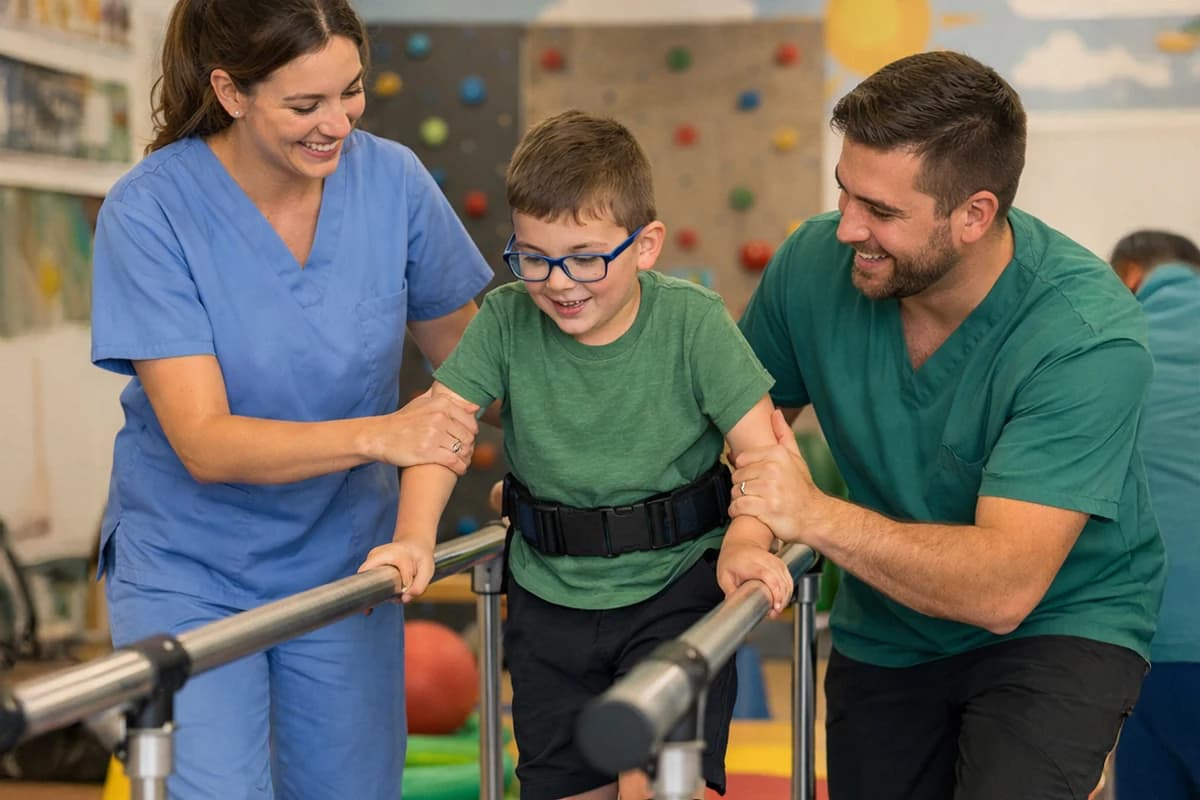
Cerebral palsy is described by how a child moves, not by the size of the injury on a scan. The Gross Motor Function Classification System runs from level I — walks without limitation — to level V, transported in a wheelchair with limited head and trunk control. It is stable over time and it is the single most useful thing to tell us about your child.
It matters because it sets what a programme is for. At level I or II the work is precision, endurance and participation. At level IV or V it is comfort, positioning, hip protection, communication and the equipment that makes daily care possible — and framing that as a lesser goal is a mistake families are often pushed into.
When you write to us, the GMFCS level, the current equipment and a short video of your child moving tell a rehabilitation physician more than any report.
Blocks, not continuous therapy
The programme runs as an intensive block of three to four weeks rather than as two sessions a week for a year. This follows the evidence on dose: intensity is one of the clearest predictors of whether motor training changes function.
Between blocks the work continues at home, which is why the parent is trained rather than briefed. A second block is usually planned six to twelve months later, and it starts from a reassessment rather than from the previous plan.
What the evidence supports, and what we therefore use
The international review of cerebral palsy interventions sorts treatments into a traffic-light system by the strength of the evidence behind them. The treatments that come out green share a shape: the child is active, the goal is explicit, the task is real, and the dose is high enough to matter.
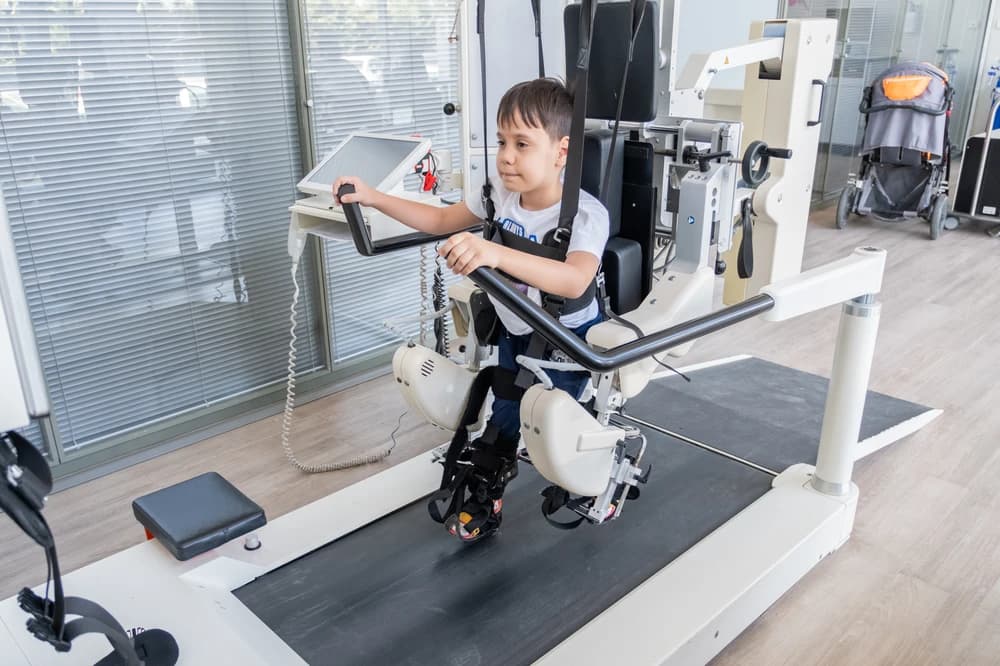
That includes goal-directed training, bimanual training and constraint-induced movement therapy for the hands, task-specific practice, strength and fitness training, treadmill and body-weight-supported treadmill training, casting, home programmes, and hippotherapy. Botulinum toxin combined with occupational therapy or casting is also supported, as are selective dorsal rhizotomy and intrathecal baclofen in selected children.
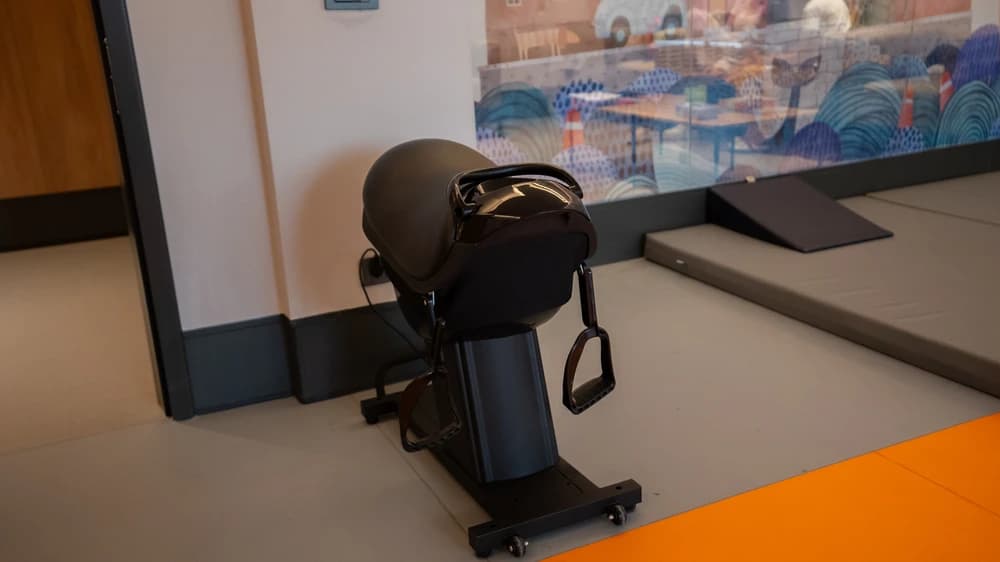
Our programme is built from that list. The paediatric robotic gait trainer and the hippotherapy simulator are on this page because they deliver green-light interventions at a dose a therapist cannot sustain by hand — not because they photograph well.
What the evidence says does not work
The same review has a red list: treatments where good-quality trials show no benefit, and in some cases harm. It includes craniosacral therapy, hyperbaric oxygen, and passive neurodevelopmental therapy in its original form — the approach where the therapist moves the child rather than the child moving.
Hyperbaric oxygen deserves a specific mention because it is heavily marketed to families who are already travelling abroad for their child. Trials found no difference in motor outcomes against the control group, and serious side effects occurred. If a centre offers it for cerebral palsy, that tells you something about the centre.
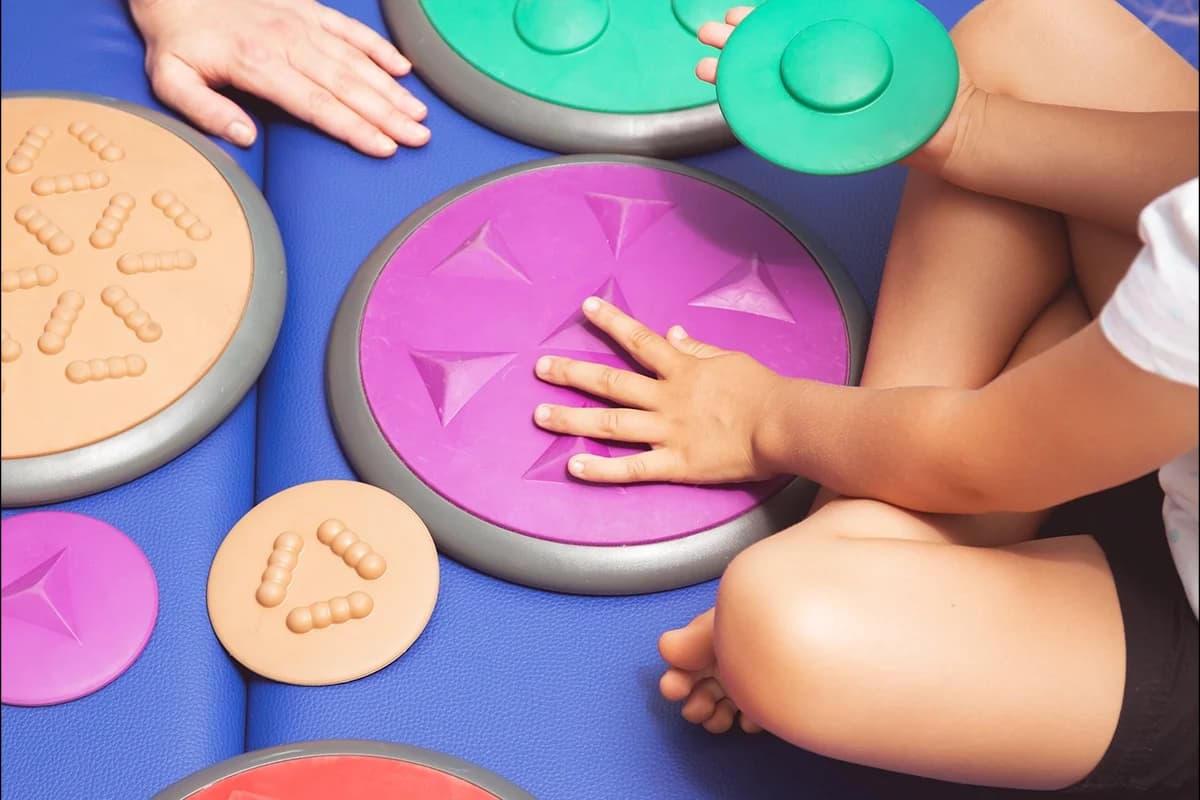
Sensory integration therapy is also on the red list for cerebral palsy. We offer sensory integration therapy at Romatem and it has evidence in other paediatric conditions — but not for motor function in cerebral palsy, and we would rather say so on our own page than sell you something that is not indicated for your child.
The general finding behind all of this is worth carrying home: generic and passive treatments, where things are done to the child, perform worse than active ones where the child works towards a goal they understand.
The goals come from the family, not from the assessment form
Goal-directed training means the goal is a real thing the child and family want: managing a school bag, drinking from an open cup, getting up a kerb, being understood by a grandparent. Motor gains that do not attach to a goal like that tend not to survive the flight home.
So the first days are spent agreeing three or four goals that matter to you, written so that they can be scored at the end of the block. That is also how you find out whether the block worked, rather than being told that it did.
Hips, and why we ask about surveillance
Children who do not walk are at real risk of the hip moving out of the socket, and the process is silent until it is advanced and painful. Structured hip surveillance — an x-ray at defined intervals according to GMFCS level — is one of the clearest green-light interventions there is.
We ask when the last hip x-ray was taken. If a child at level IV or V has not had surveillance, that is worth more than anything a therapy block will achieve in three weeks, and we will say so.
Honest expectations
Cerebral palsy does not go away, and no block of therapy changes the GMFCS level in most children. What a good programme changes is what the child can do inside their level: more endurance, better hand use, a skill that was out of reach, less pain, easier daily care.
We write the goals so that this distinction is explicit before you travel. A family that arrives expecting their child to walk, when the evidence never supported that, has been failed by whoever set the expectation — and it is easier to set it honestly at the start than to explain it at the end.
What the programme covers
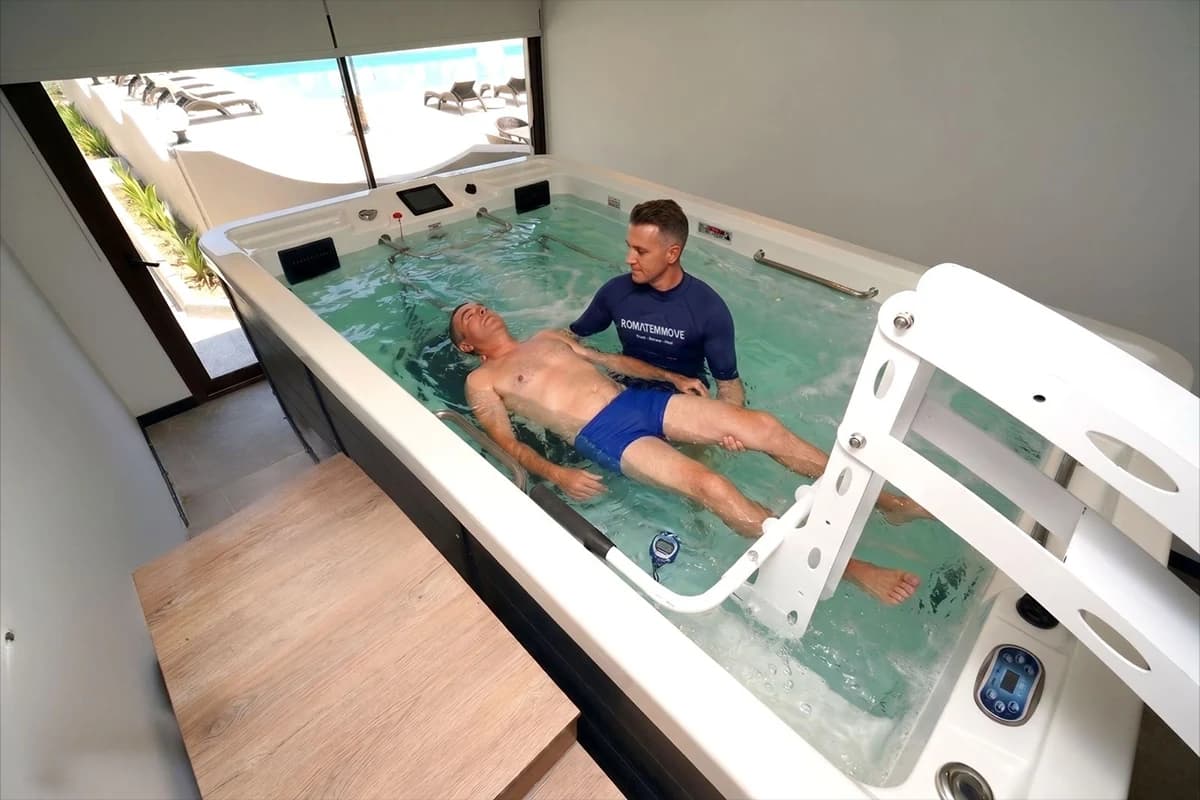
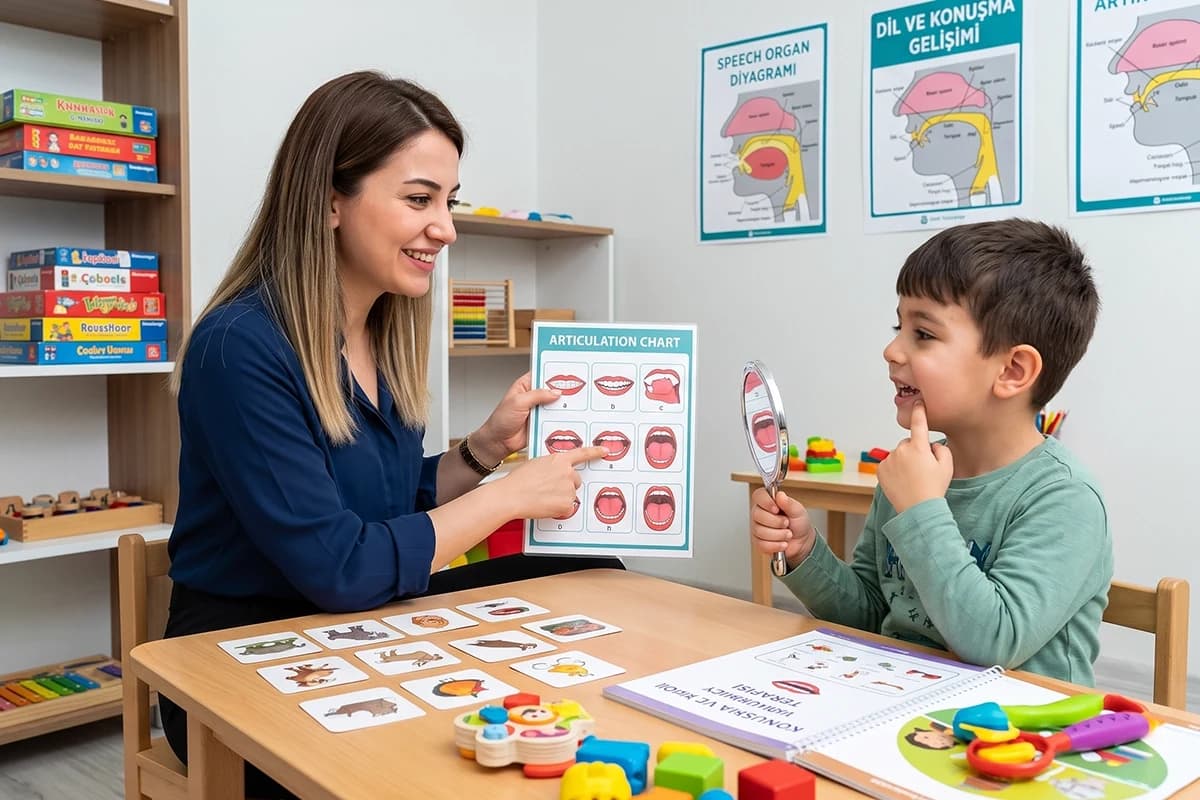
Three to four weeks, three to five hours of active therapy a day adjusted to the child's age and tolerance. Physiotherapy for gross motor goals, occupational therapy for hand use and daily tasks, speech and language therapy where communication or feeding is affected, robotic gait work and hippotherapy where they fit the goals, and hydrotherapy.
A parent is present throughout and trained in the home programme. Equipment and orthotics are reviewed during the stay, because a well-set-up chair or a correct brace often does more for daily life than an extra therapy hour.
Understanding Cerebral Palsy (Children)
Before treatment, the questions people actually ask first — what happens, how recovery behaves over time, and whether it is ever too late. Each opens the full article.
Frequently asked questions
Will my child walk?
That depends mostly on the GMFCS level and on age, and it is a question a rehabilitation physician should answer from the records rather than a website. What we will not do is imply that a three-week block changes a child's classification, because in most children it does not.
Why blocks instead of continuous therapy?
Because intensity is what changes motor function, and a block delivers in three weeks what a twice-weekly schedule delivers in months. Between blocks the home programme carries the work, which is why the parent is trained rather than informed.
How often should we come?
A common pattern is one block every six to twelve months, with reassessment at the start of each. More frequent than that is rarely better; the home programme between blocks is where much of the gain is consolidated.
Do you offer hyperbaric oxygen therapy for cerebral palsy?
No. Good-quality trials found no benefit for motor outcomes in cerebral palsy and reported serious side effects, and it sits on the red list of the international evidence review. It is widely marketed to families travelling abroad, which is exactly why we state our position on it.
You offer sensory integration therapy. Would it help my child?
Not for motor function in cerebral palsy — the evidence review places it on the red list for this condition. We do offer it, and it has evidence in other paediatric conditions, but we will not include it in a cerebral palsy plan on that basis.
What is hippotherapy and why is a simulator used?
Hippotherapy uses the movement of a horse to work trunk control and balance, and it is one of the green-light interventions. The simulator delivers the same movement pattern indoors, in a controlled and repeatable dose, and without the scheduling and safety constraints of a live animal.
What do you need from us before you can answer?
The GMFCS level if it is known, a recent clinic letter, the date and result of the last hip x-ray, current orthotics and equipment, any botulinum toxin or surgery history, and a short video of your child moving. The video is often the most useful item in the list.
Can a parent stay with the child?
Yes, and it is required rather than permitted. A bed for one parent is provided in the child's room, and the parent is scheduled into training because they deliver the home programme.
What about when my child becomes an adult?
Needs change: walking often becomes harder in adulthood, mostly before the age of 35, and pain and fatigue become more prominent 4. That is treated in the adult programme, and the transition is worth planning for rather than discovering.
Sources
- State of the Evidence Traffic Lights 2019: Systematic Review of Interventions for Preventing and Treating Children with Cerebral Palsy — Current Neurology and Neuroscience Reports (2020)
- A systematic review of interventions for children with cerebral palsy: state of the evidence — Developmental Medicine & Child Neurology (2013)
- Traffic Lights Model for Cerebral Palsy Interventions — CanChild Centre for Childhood Disability Research (2020)
- Locomotion skills in adults with cerebral palsy — Clinical Rehabilitation (2004)
Which therapies would I actually receive?
A therapy is a single method used inside a programme. It is measured in sessions and is not sold separately.



Technologies we use

Locations
Where you can receive this treatment



Related articles
 Paediatric
Intensive blocks or weekly sessions: which helps a child more?
Neither is better in general, and the honest answer depends on the goal. Blocks suit a specific, trainable target within a few weeks. Weekly therapy suits goals that need daily life to change around them. What predicts progress in both is practice of the real task, not the format.Read morePaediatric Will my child with cerebral palsy walk?
Many children with cerebral palsy walk, with or without aids, but it depends on the severity of motor involvement. The Gross Motor Function Classification System helps predict likely mobility. Early milestones matter: in a large study of children not yet walking at age two to three, being able to sit or pull to stand strongly predicted later walking.Read morePaediatric What do the GMFCS levels mean in cerebral palsy?
The Gross Motor Function Classification System (GMFCS) describes how children with cerebral palsy usually move, in five levels. Level I means walking without limitations, level II walking with limitations, level III walking with a hand-held aid, level IV limited self-mobility often using powered mobility, and level V being transported in a wheelchair.Read more



