

Medical condition
Brain Injury in Children
A child's brain injury is not a smaller version of an adult's. Difficulties can emerge years later as the child reaches developmental stages that require skills the injury affected, so follow-up is scheduled through development rather than closed after recovery.
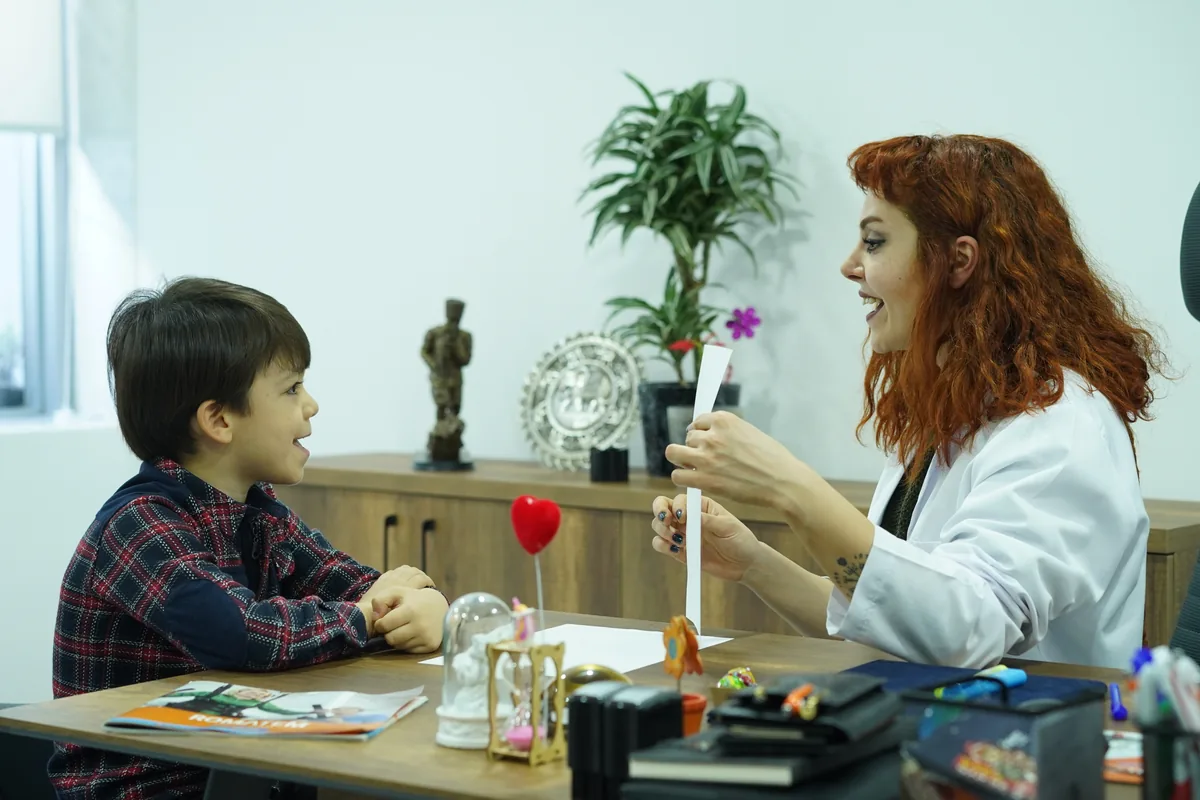
Why the outcome unfolds over years
An injury to a developing brain can affect skills that have not yet emerged. A child injured at five may appear to recover fully and then struggle at eleven with planning and organisation, because those functions were maturing in the damaged region.
This is called growing into deficit, and it is the single most important difference from adult brain injury. It is also why 'they made a full recovery' should be treated as a statement about now rather than about the future.
What the early programme covers
Physical rehabilitation for motor recovery, delivered as play. Cognitive and communication therapy. Feeding and swallowing where affected. Behaviour and regulation support, since emotional regulation is frequently affected and is often read as naughtiness.
Fatigue is profound and under-recognised in children, and school demands have to be reduced deliberately during recovery rather than as a concession.
School is where the outcome shows
Returning to school is a graded process, not a date. Reduced hours, a quiet space, reduced homework, extra time and written instructions rather than verbal are the common adjustments.
The school needs written information about what changed and what to watch for, because the child will look well and teachers will otherwise interpret difficulty as behaviour.
Follow-up through development
Review is scheduled at developmental transitions — starting school, moving to secondary school, exam years — rather than ended when physical recovery plateaus.
Families should expect to come back rather than be discharged, and we say so at the start so that later difficulty is not experienced as a relapse.
Growing into the deficit
A young child’s injury can look mild and then become apparent years later, when the frontal skills that were damaged are the ones the school curriculum begins to demand.
This is why follow-up extends through developmental stages rather than ending when the child looks recovered, and why a discharge at age six is not the end of the story.
Does therapy for thinking and behaviour help?
The evidence is modest but real. How far a child recovers depends on the injury itself — its severity, type and the age at which it happened — and on the child’s environment, including family and therapy 2. A meta-analysis of 23 randomised trials in children and adolescents with acquired brain injury found that interventions for executive skills, the thinking and self-control skills used to plan and regulate behaviour, produced small-to-medium improvements that did not fade over time 3.
Parents are part of the treatment rather than observers. In that meta-analysis the benefit was larger when parents took part 3, a review of 56 studies found strong evidence for family-focused interventions 4, and in seven randomised trials, programmes that coached parents improved their child’s behaviour after traumatic brain injury 5. Most trials involved adolescents, so the evidence for young children is thinner 3.
Frequently asked questions
Do children recover better than adults?
Not simply. Young brains adapt in some ways and are more vulnerable in others, because skills not yet acquired can fail to develop at all.
When will we know the outcome?
It unfolds over years. Early estimates are unreliable, particularly for cognitive and behavioural outcomes.
What should school know?
The specific difficulties rather than the diagnosis: fatigue, attention, processing speed, memory. A report written for teachers is part of what we provide.
Can therapy help years later?
Yes, particularly as new demands appear at each stage. Late referral is common and it is not too late.
Is behaviour part of the injury?
Frequently. Irritability, impulsivity and reduced tolerance are common after frontal injury and are not a discipline problem.
Sources
- Head injury: assessment and early management (NG232) — National Institute for Health and Care Excellence (2023)
- Anderson V, Spencer-Smith M, Wood A. Do children really recover better? Neurobehavioural plasticity after early brain insult — Brain (2011)
- Chavez Arana C, van IJzendoorn MH, Serrano-Juarez CA, de Pauw SSW, et al. Interventions to improve executive functions in children and adolescents with acquired brain injury: a systematic review and multilevel meta-analysis — Child Neuropsychology (2023)
- Laatsch L, Dodd J, Brown T, Ciccia A, et al. Evidence-based systematic review of cognitive rehabilitation, emotional, and family treatment studies for children with acquired brain injury literature: from 2006 to 2017 — Neuropsychological Rehabilitation (2019)
- Cermak CA, McCabe SA, Kuchurean B, Schaefer J, et al. Parent interventions improve behavior after pediatric traumatic brain injury: a systematic review and meta-analysis — Journal of Head Trauma Rehabilitation (2022)
Which therapies would I actually receive?
A therapy is a single method used inside a programme. It is measured in sessions and is not sold separately.
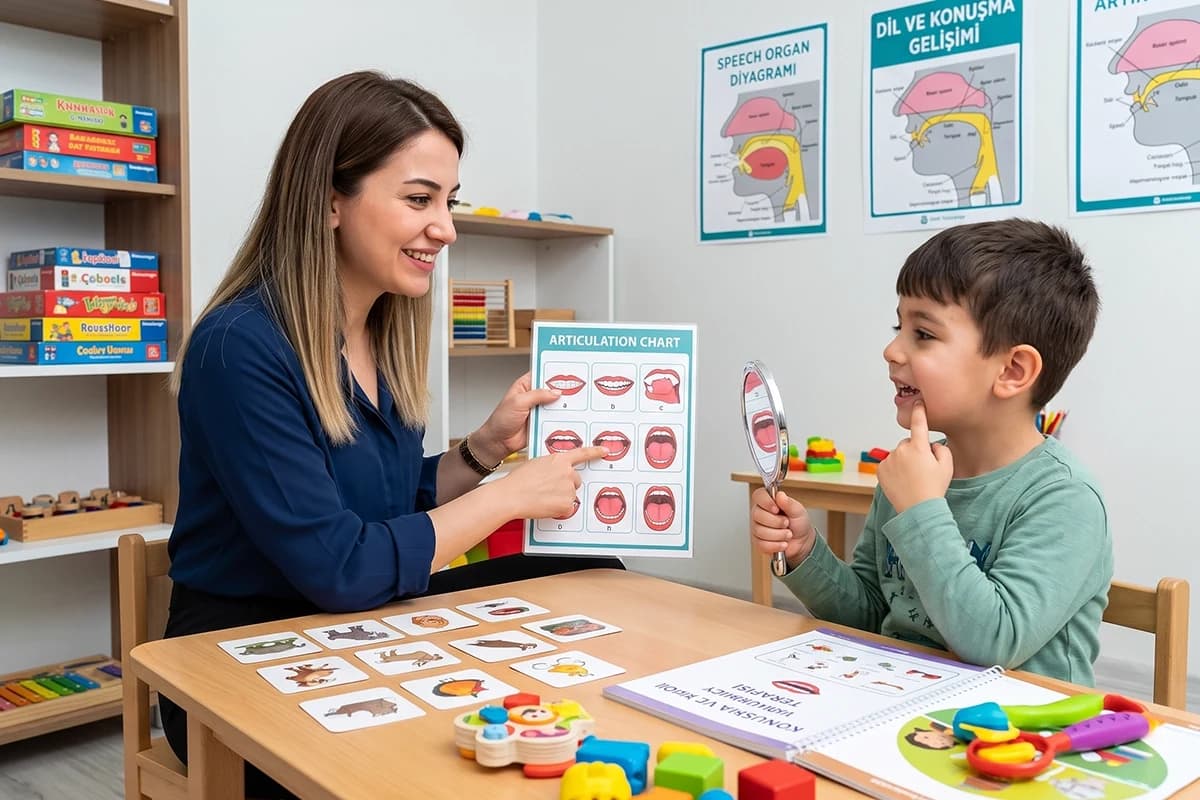

Technologies we use
Locations
Where you can receive this treatment





Related articles
Neurological How long does it take to recover from a stroke?
Most recovery after a stroke happens in the early months, when the brain is most able to reorganise, and it continues more slowly for a longer period after that. How far someone gets depends mainly on how severe the stroke was, where it happened and how much active therapy follows.Read moreNeurological Can you walk again after a stroke?
Many people walk again after a stroke, including many who cannot stand at first. The chances are highest when some leg movement returns early and when walking practice starts as soon as it is safe. Walking often comes back before full arm recovery, sometimes with a stick, splint or other support.Read moreNeurological Will my arm and hand recover after a stroke?
Arm and hand recovery after a stroke varies more than walking recovery. Early return of some shoulder or finger movement makes useful recovery much more likely. Repeated, meaningful practice of reaching, grasping and releasing is what drives improvement, and even a partly recovered hand can be trained to help with daily tasks.Read more



