Inpatient
Holistic rehabilitation programme
A rehabilitation programme that treats the whole person, not only the diagnosis: movement, daily activities, speech and swallowing, thinking, mood, nutrition and family life are assessed together and worked on by one coordinated team. A physician in physical medicine and rehabilitation leads the plan, and goals are set with the patient and family.
What holistic rehabilitation means
Holistic rehabilitation looks at the person rather than only the illness or the physical impairment: body, mind, thinking, social life and the demands of daily living are taken together. The aim is not just stronger muscles or walking again, but greater independence, a return to everyday activities and social life, and a better quality of life.
It is not a separate treatment method. It is the coordinated delivery of evidence-based treatments by several disciplines, planned around what each patient needs.
The seven areas the programme covers
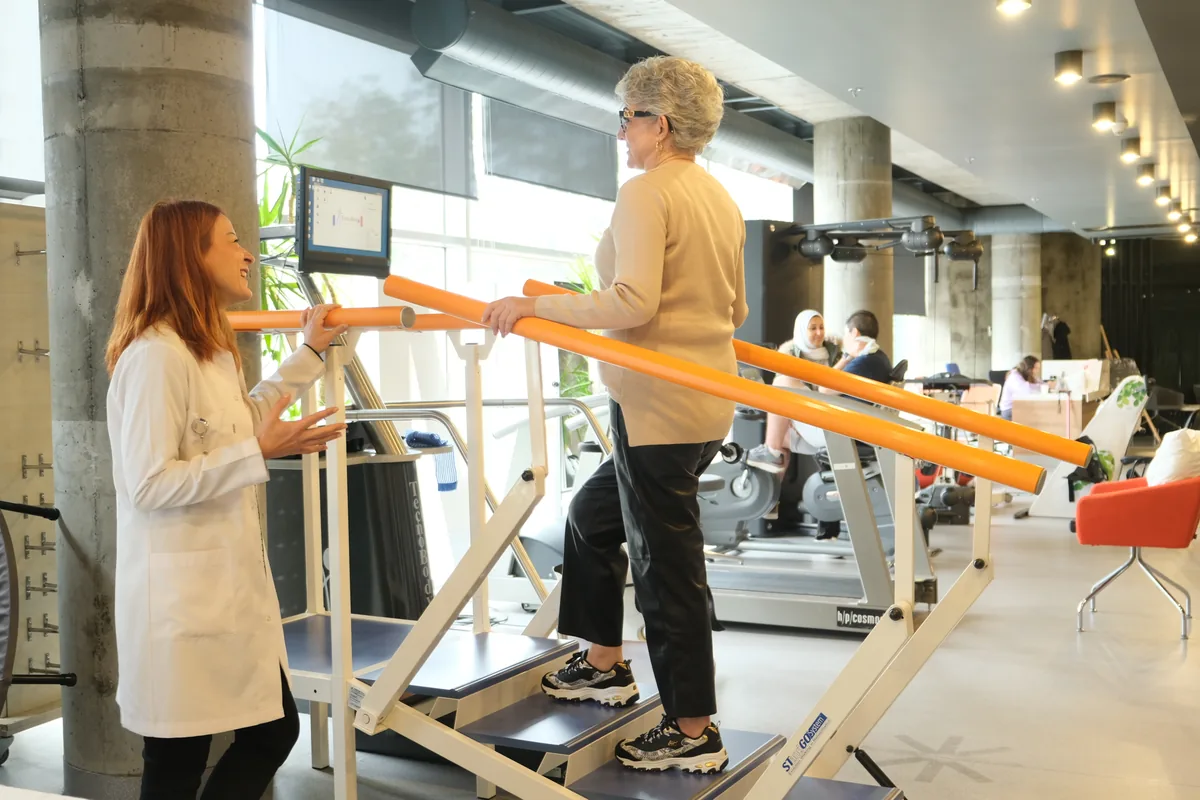
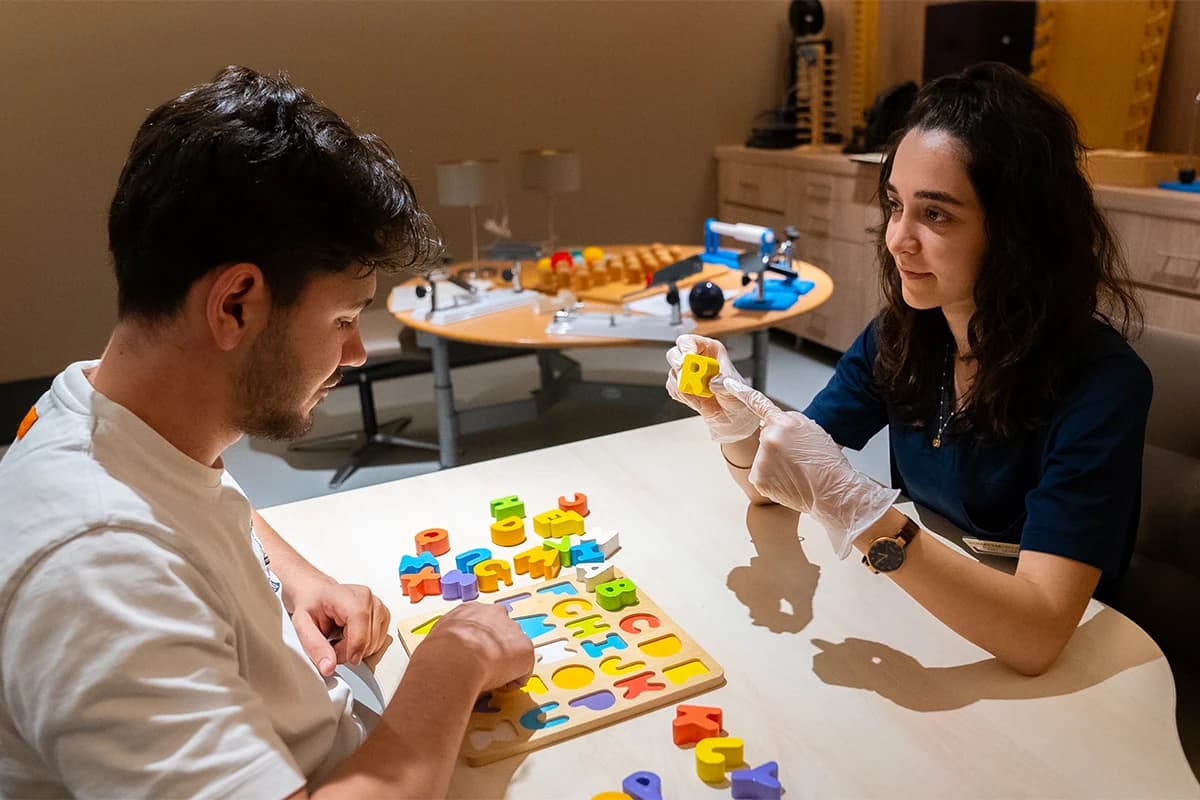
Physical rehabilitation builds muscle strength, joint range, balance, coordination and walking. Neurological rehabilitation supports the recovery of function lost to stroke, spinal cord injury, Parkinson's disease or multiple sclerosis. Occupational therapy works on independence in dressing, eating, personal care and other daily activities. Cognitive rehabilitation supports memory, attention, planning and problem-solving.
Psychological support helps with adjusting to the illness, motivation and emotional wellbeing. Nutrition and medical follow-up cover nutritional status and the management of other conditions and complications. Family education and social rehabilitation prepare the patient to take part in home, work and social life as independently as possible.
What this looks like after a stroke
Rather than focusing only on walking and muscle strength, the team assesses walking, use of the hand, speech, swallowing, thinking, mood and daily activities together, and each finding shapes the same plan.
Who is on the team
A physician in physical medicine and rehabilitation coordinates physiotherapists, occupational therapists, nurses, speech and language therapists, a psychologist, a dietitian and other specialists as needed.
Coordination is the point. The American stroke rehabilitation guideline describes recovery as a sustained, coordinated effort by a large team and calls communication between its members paramount 1. After brain injury in adults of working age, a Cochrane review of 19 studies with 3,480 people found strong evidence that more intensive multidisciplinary programmes bring functional gains sooner 2.
When should rehabilitation start?
The brain can relearn and reorganise itself — a capacity called neuroplasticity. Connections between nerve cells change with new experience and repeated practice, and targeted, regular exercise is one of the things that supports this. Because the type of illness, the site of damage and the starting point differ from person to person, the speed and extent of recovery differ too.
Rehabilitation generally starts as soon as the patient's condition allows, which also helps prevent secondary problems such as joint stiffness and muscle loss from long immobility. The physician sets the timing: in a trial of 2,104 people across 56 stroke units, very early, high-dose mobilisation within 24 hours of stroke led to fewer good outcomes at three months than usual care — 46% against 50% 3. Early means when the patient is ready.
Approaches that may support the programme
For patients the physician considers suitable, the programme can be supported by hyperbaric oxygen therapy or regenerative treatments. Neither replaces rehabilitation, and neither is used for every patient.
Hyperbaric oxygen means breathing pure oxygen in a pressurised chamber; its possible role in neurological recovery is still being researched, and some health conditions rule it out. Regenerative medicine, including exosome treatment, aims to support the repair of damaged tissue; its place in neurological conditions is also still under study and is assessed by the physician within current evidence and regulation. Both have their own pages, with the evidence set out.
How the programme runs
A physician in physical medicine and rehabilitation first reviews the history, current condition and needs. Movement, daily living, speech and swallowing, thinking and mood are then assessed together, and realistic goals are agreed with the patient and family. The specialists work to one individual plan, and supportive approaches are added only if the physician considers them suitable.
Progress is reviewed regularly and the plan is updated as the patient changes. The patient and family are taught exercises and strategies for daily life, so the work continues at home.
Sources
- Winstein CJ, Stein J, Arena R, Bates B, et al. Guidelines for adult stroke rehabilitation and recovery: a guideline for healthcare professionals from the American Heart Association/American Stroke Association — Stroke (2016)
- Turner-Stokes L, Pick A, Nair A, Disler PB, et al. Multi-disciplinary rehabilitation for acquired brain injury in adults of working age — Cochrane Database of Systematic Reviews (2015)
- AVERT Trial Collaboration group. Efficacy and safety of very early mobilisation within 24 h of stroke onset (AVERT): a randomised controlled trial — The Lancet (2015)
Conditions this programme treats
The 5 conditions this programme is built for, grouped by area.
The programme is chosen after a rehabilitation physician has read your records — not from this page.
Your path to this treatment
Nothing here is booked from a page. You send the records you have, a rehabilitation physician reads them, and you get a written answer — including when the answer is that an intensive programme will not help.
4 steps, start to finish
1.Send your records
A discharge summary from the hospital that treated the original event, and any imaging of the affected area — CT, MRI or X-ray.2.A written plan in 48 hours
A rehabilitation physician reviews the case and returns the expected duration, the recommended programme and the centre. Free, no obligation.3.Travel and admission
Where a visa is needed we issue an invitation letter and treatment confirmation naming the dates and the facility. You are met at the airport and driven to the centre by private vehicle or ambulance; a bed for one companion and interpreting during therapy are arranged.4.Treatment, then home
The programme runs, then you leave with a discharge report and a written home exercise plan. Your return journey is organised before you go, with scheduled video reviews so progress does not stop.
In their words
What patients say after a programme
Short videos filmed during therapy: a child’s rehabilitation after a brain tumour, suspended gait training after spinal cord injury, and learning to walk again after a fall. Individual results vary.
Dave Evans on his physical therapy here
Musculoskeletal physiotherapy
Paediatric rehabilitation after a brain tumour
Inside a physiotherapy session
Spinal cord injury — the rehabilitation process
Suspension-assisted gait training
Walking difficulty and restricted movement after a fall
Regaining gait and range of motion
Locations
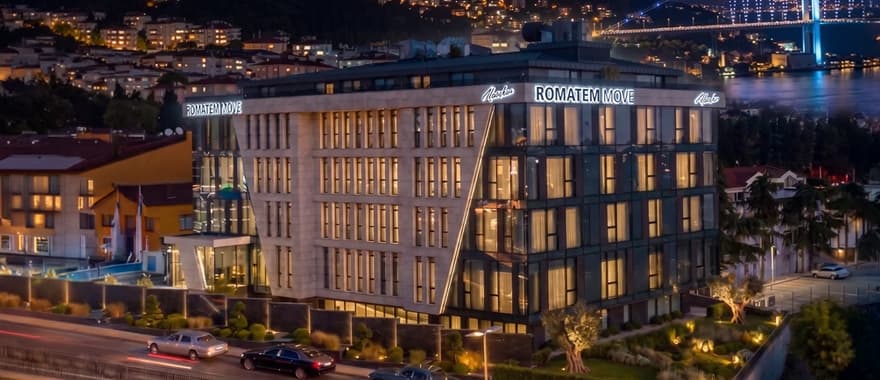
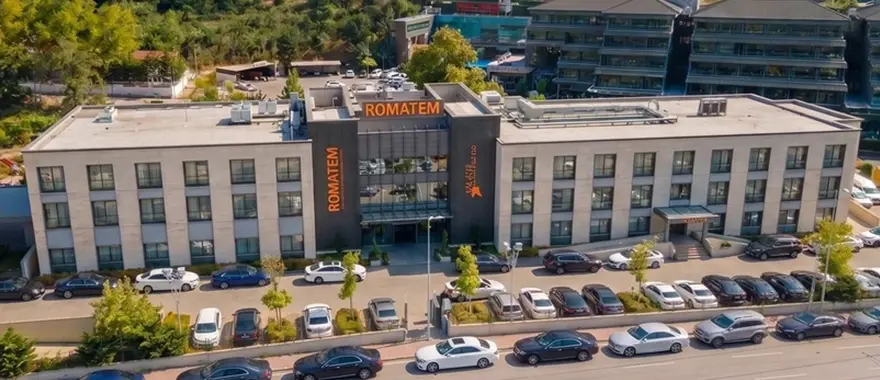
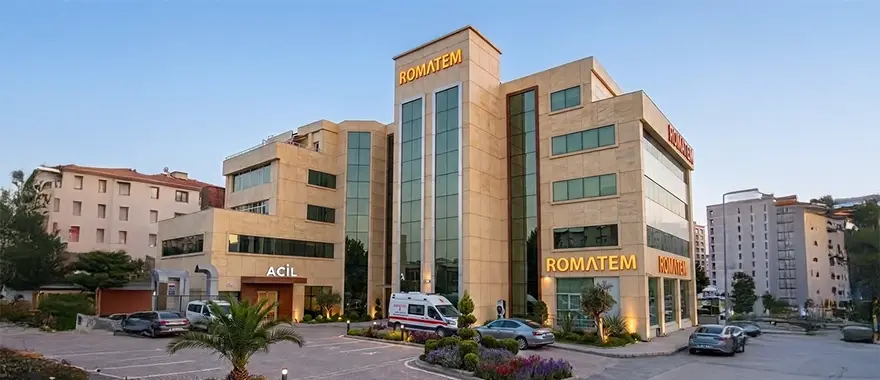
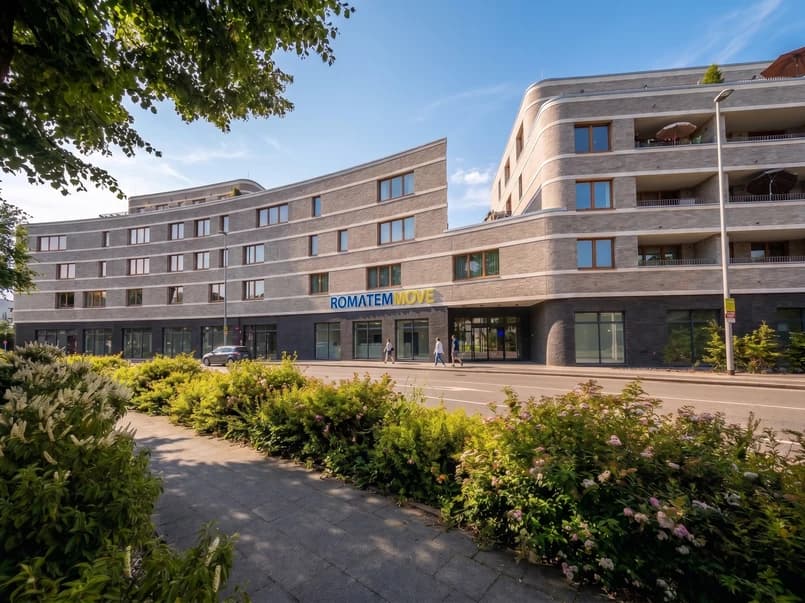
Where this programme runs — pick a centre.

Questions people actually ask
About this programme
Is holistic rehabilitation a separate treatment method?
No. It is the coordinated, multidisciplinary delivery of evidence-based treatments, planned around the individual patient.
Which specialists are involved?
A physician in physical medicine and rehabilitation coordinates physiotherapists, occupational therapists, nurses, speech and language therapists, a psychologist, a dietitian and other specialists as needed.
Which conditions is it for?
Its neurological component supports the recovery of lost function after stroke, spinal cord injury, Parkinson's disease, multiple sclerosis and similar conditions. The programme is planned individually for each patient.
When should rehabilitation start?
As early as the patient's condition allows. The timing is set by the physician after assessing the patient's general condition 3.
Is the programme the same for everyone?
No. The type of illness, the site of damage and the starting point differ, so the programme is planned for each person.
Is hyperbaric oxygen therapy given to every patient?
No. Its possible effects on neurological recovery are still being researched, and it is considered only for patients the physician judges suitable, as a support to the rehabilitation programme.