
Physical agents
High-intensity laser therapy
Deep-penetrating laser used for pain and inflammation in joints and tendons, typically as short sessions alongside exercise therapy. The evidence supports short-term pain relief, not structural repair, so it is used as an adjunct that makes active treatment possible, never as the treatment itself.
What the laser does in tissue
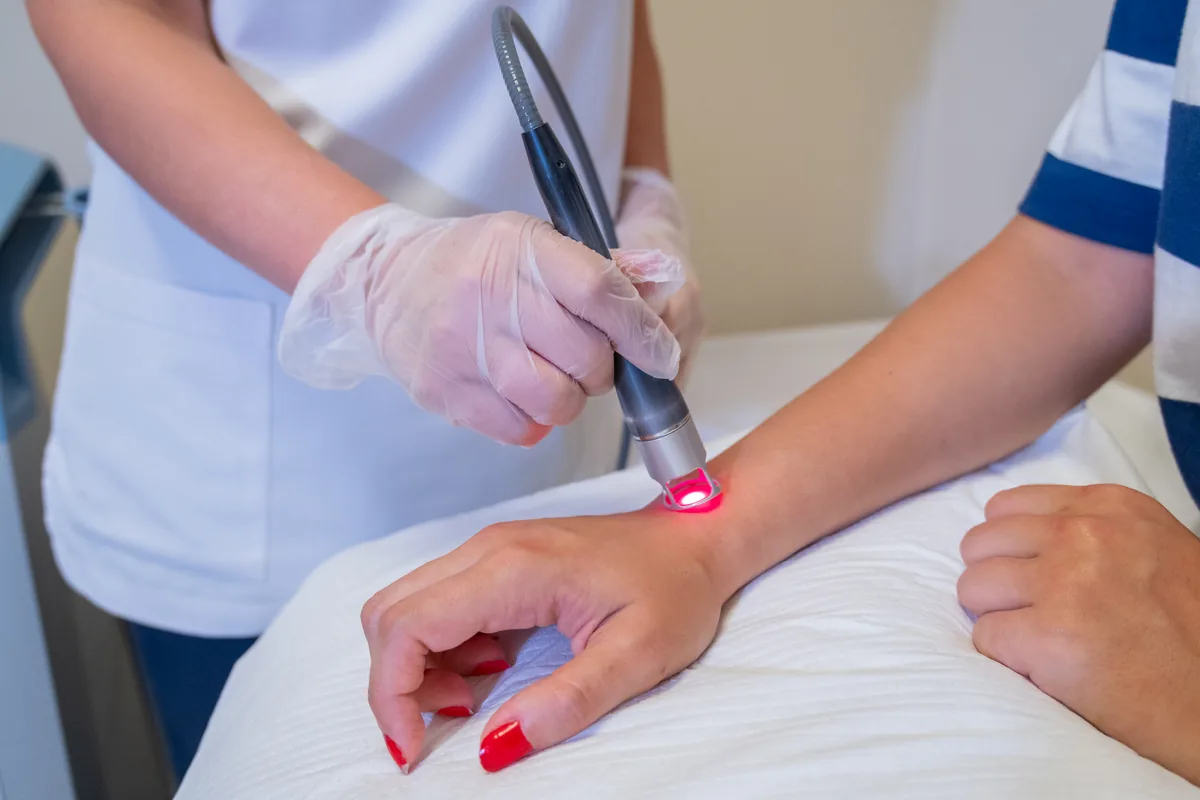
High-power laser light is absorbed more deeply in tissue than light from low-level devices, producing local warming and photochemical effects that reduce pain, reduce inflammation and increase local circulation. Sessions are short and painless apart from a sensation of warmth.
The depth is what distinguishes it from low-level laser: superficial devices do not reach a hip joint or a lumbar disc, and much of the disappointing evidence for laser therapy comes from devices that never delivered energy to the target.
Who it is used for
Tendinopathy, muscle and ligament injury, osteoarthritis pain, back and neck pain, and post-surgical pain and swelling. It is most useful where pain is the barrier preventing someone starting the exercise that will actually treat the problem.
Eye protection is worn by patient and operator. It is avoided over tumours, over the pregnant abdomen, and over implanted electronic devices.
An honest account of the evidence
The evidence for laser therapy is mixed and heavily dependent on dose and device. Pooled trials show short-term pain relief in several musculoskeletal conditions, although the certainty is low and the effect on pain tends to fade as follow-up lengthens 1; trials that measured cartilage do not show consistent structural change 2 3.
We use it as an adjunct to make active treatment possible, and we do not sell courses of it as a treatment in its own right.
What it is for, stated narrowly
It is used for pain relief and to reduce local inflammation so that active treatment can proceed. That is the claim, and we do not extend it.
The evidence is for short-term symptom change rather than structural repair, which is why it appears inside programmes as an adjunct and never as the programme itself.
Eye protection is not a formality
These are class four lasers. Both patient and operator wear protective eyewear for every session, and the treatment room is controlled while the device is in use.
It is avoided over malignancy, over the pregnant uterus, over the thyroid gland and over areas of impaired sensation, where the person cannot report that the tissue is becoming too warm.
Can it repair a damaged joint or tendon?
There is no good evidence that it does. The trials were built around pain and function, and those that measured knee cartilage on ultrasound disagree. One small trial reported thicker cartilage after laser combined with exercise 3. A double-blind, placebo-controlled trial found no difference in cartilage thickness, pain, strength or function when laser was added to supervised exercise; both groups improved, and the authors credited the exercise programme 2.
Pain relief is the realistic aim, and even that rests on low-certainty evidence 1. That is why laser is used to make exercise possible rather than to fix the underlying problem.
Sources
- Arroyo-Fernández R, Aceituno-Gómez J, Serrano-Muñoz D, Avendaño-Coy J. High-intensity laser therapy for musculoskeletal disorders: a systematic review and meta-analysis of randomized clinical trials — Journal of Clinical Medicine (2023)
- Ekici B, Ordahan B. Evaluation of the effect of high-intensity laser therapy (HILT) on function, muscle strength, range of motion, pain level, and femoral cartilage thickness in knee osteoarthritis: randomized controlled study — Lasers in Medical Science (2023)
- Akaltun MS, Altindag O, Turan N, Gursoy S, et al. Efficacy of high intensity laser therapy in knee osteoarthritis: a double-blind controlled randomized study — Clinical Rheumatology (2021)
Conditions this device is used for
The 29 conditions where this device is part of a routine programme, grouped by area. It is one tool inside the plan, never the plan itself.
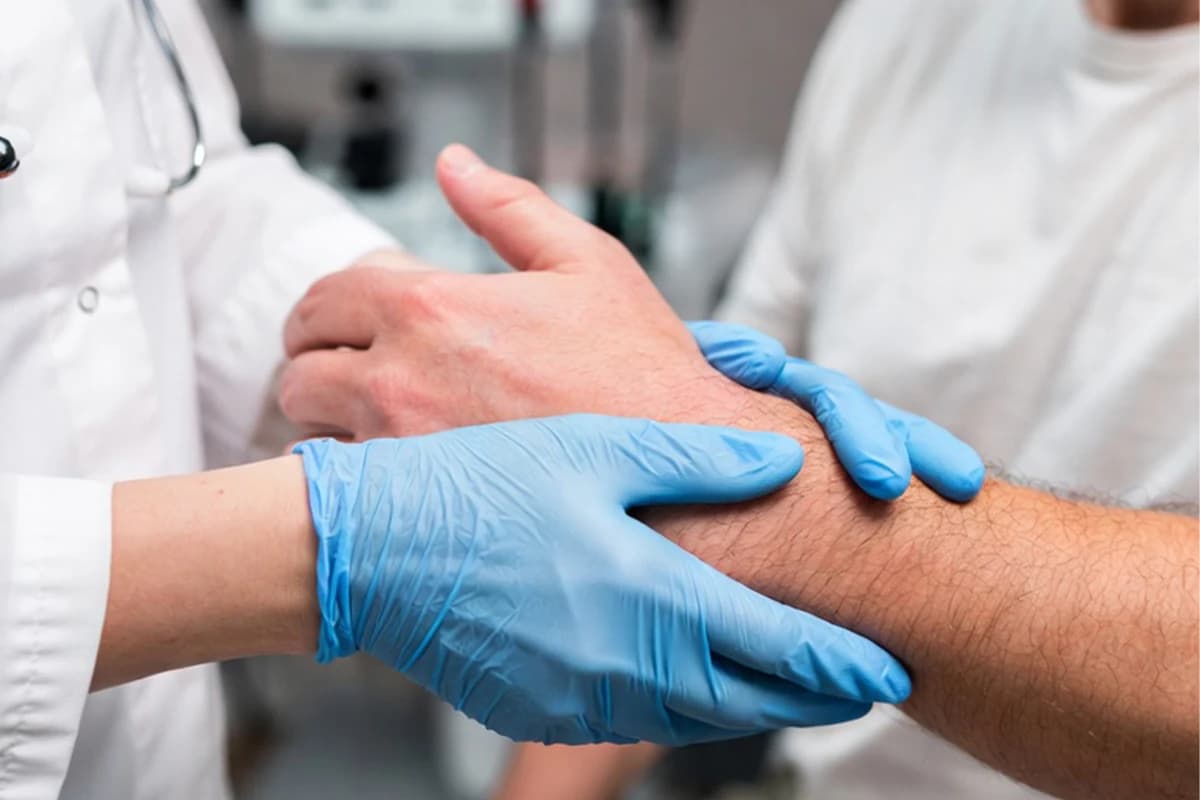 Rheumatoid Arthritis
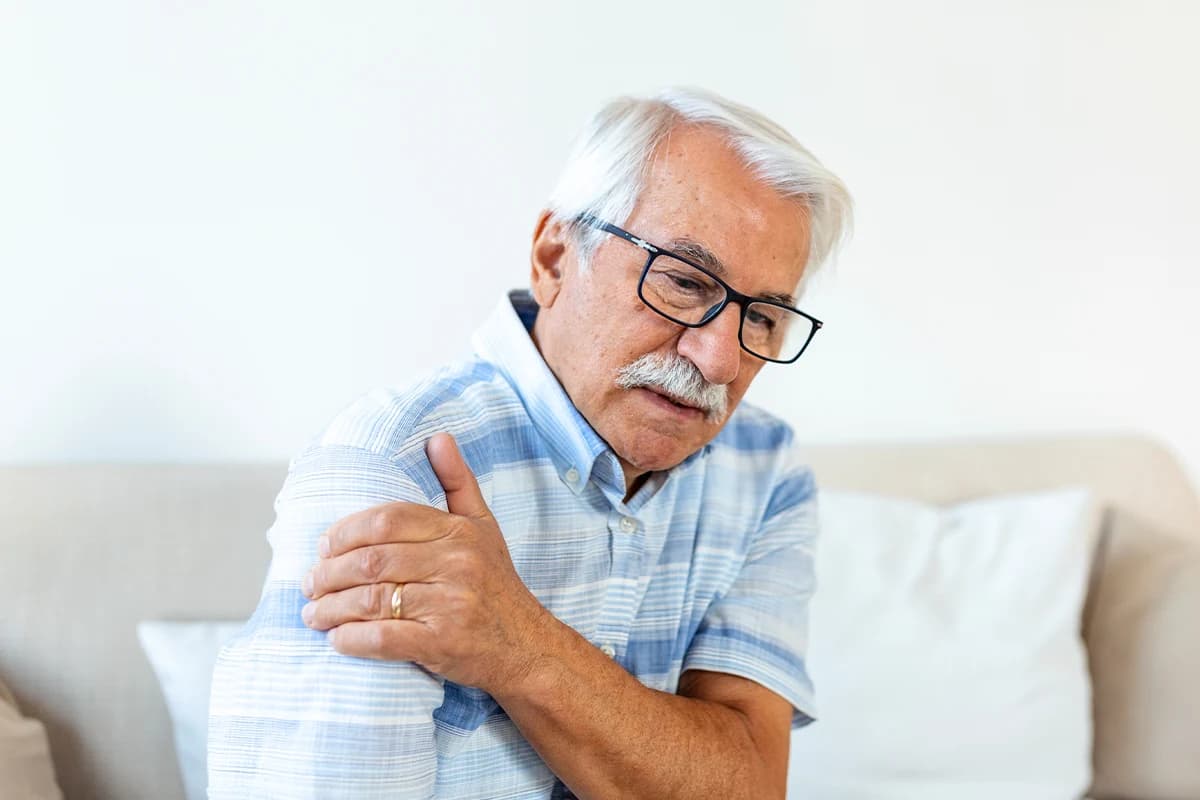 Osteoarthritis
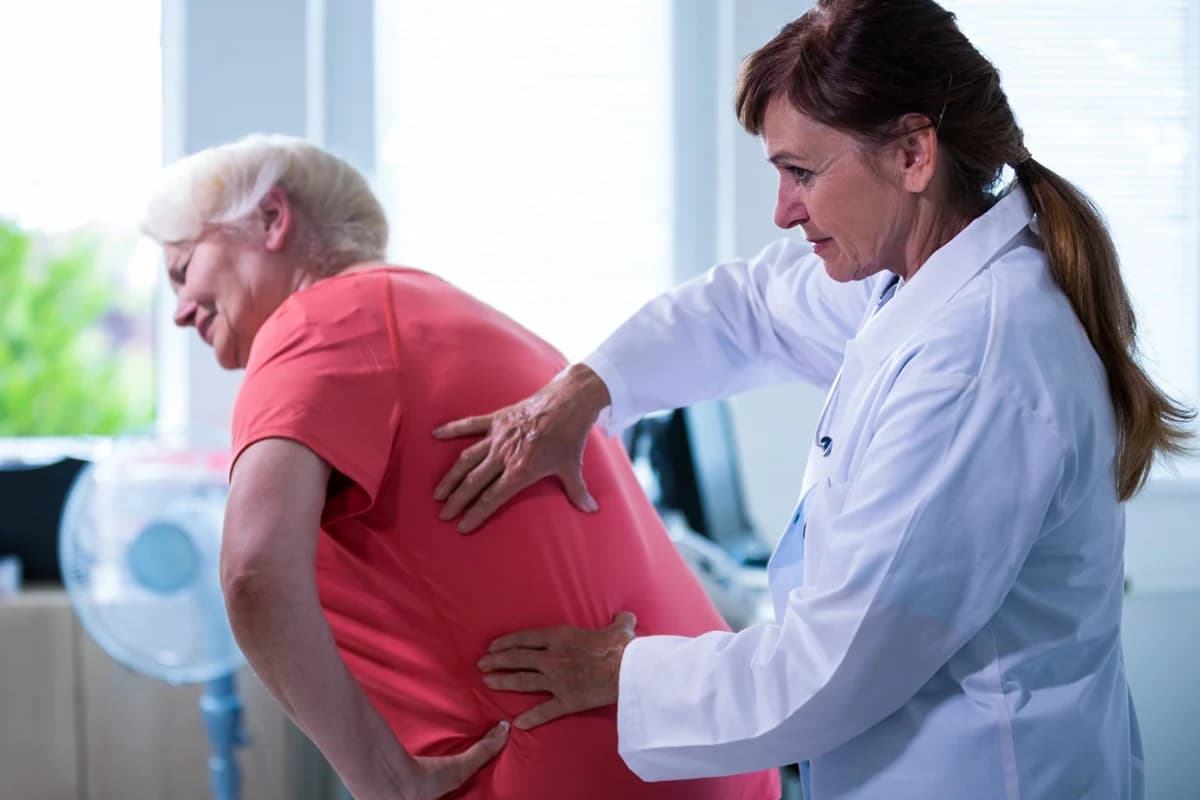 Lumbar Disc Herniation
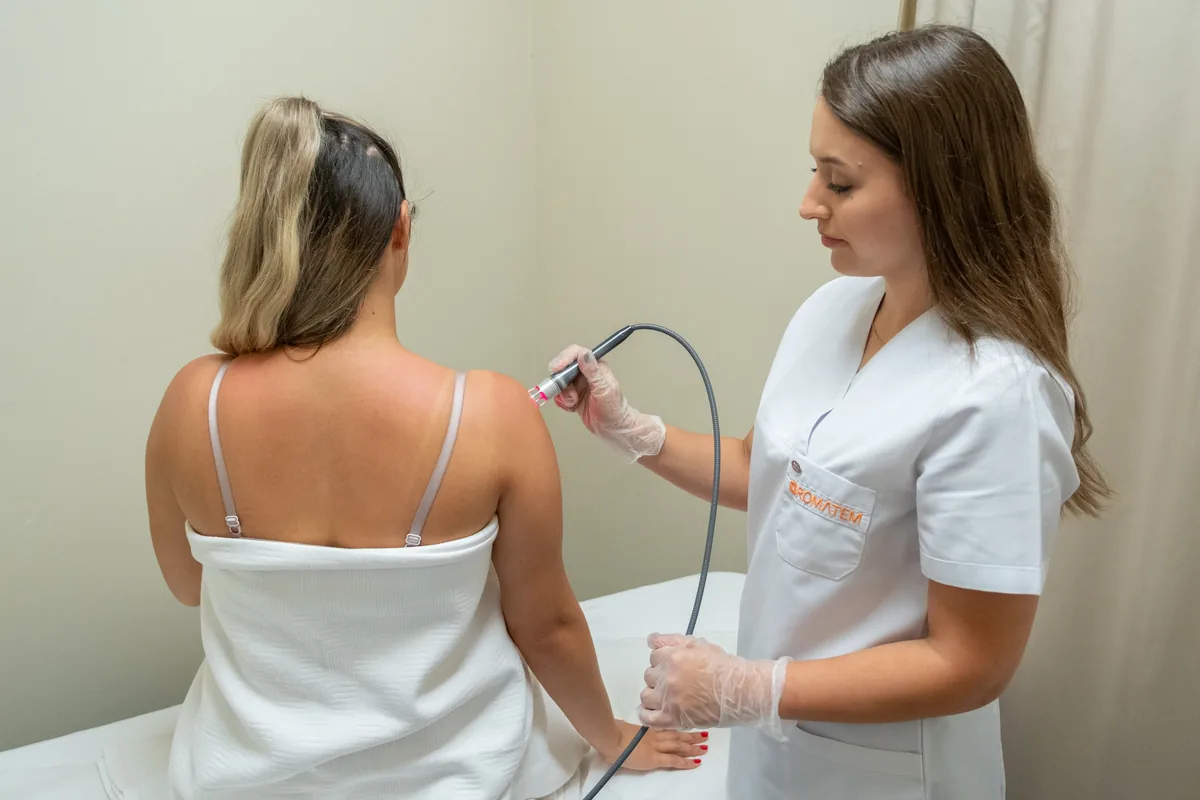 Frozen Shoulder
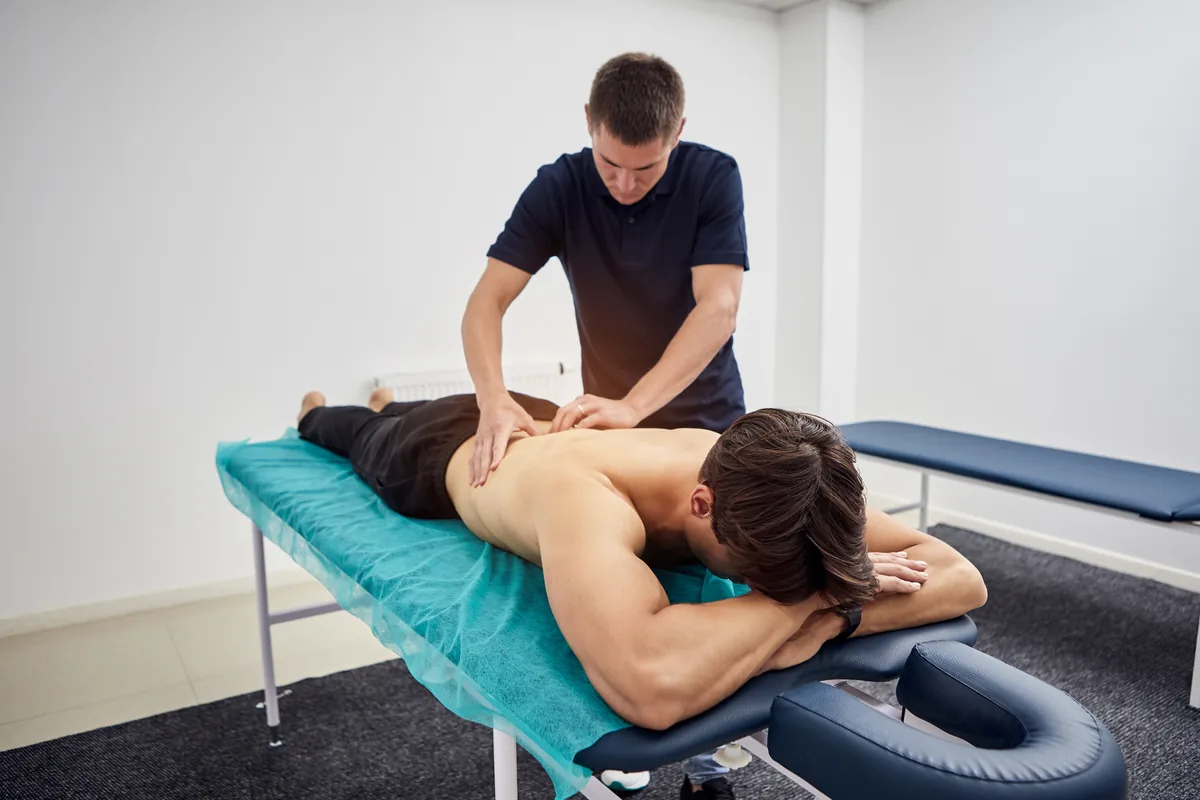 Chronic Pain
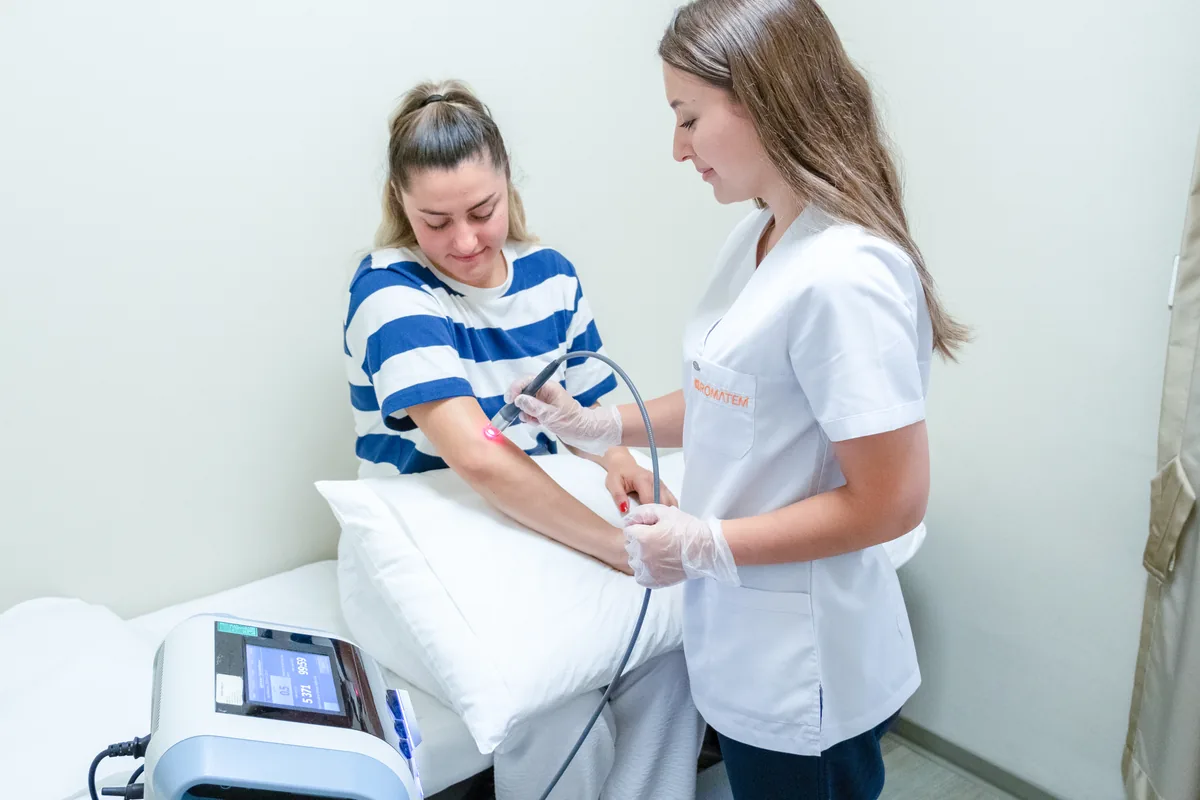 Tennis Elbow (Lateral Epicondylitis)
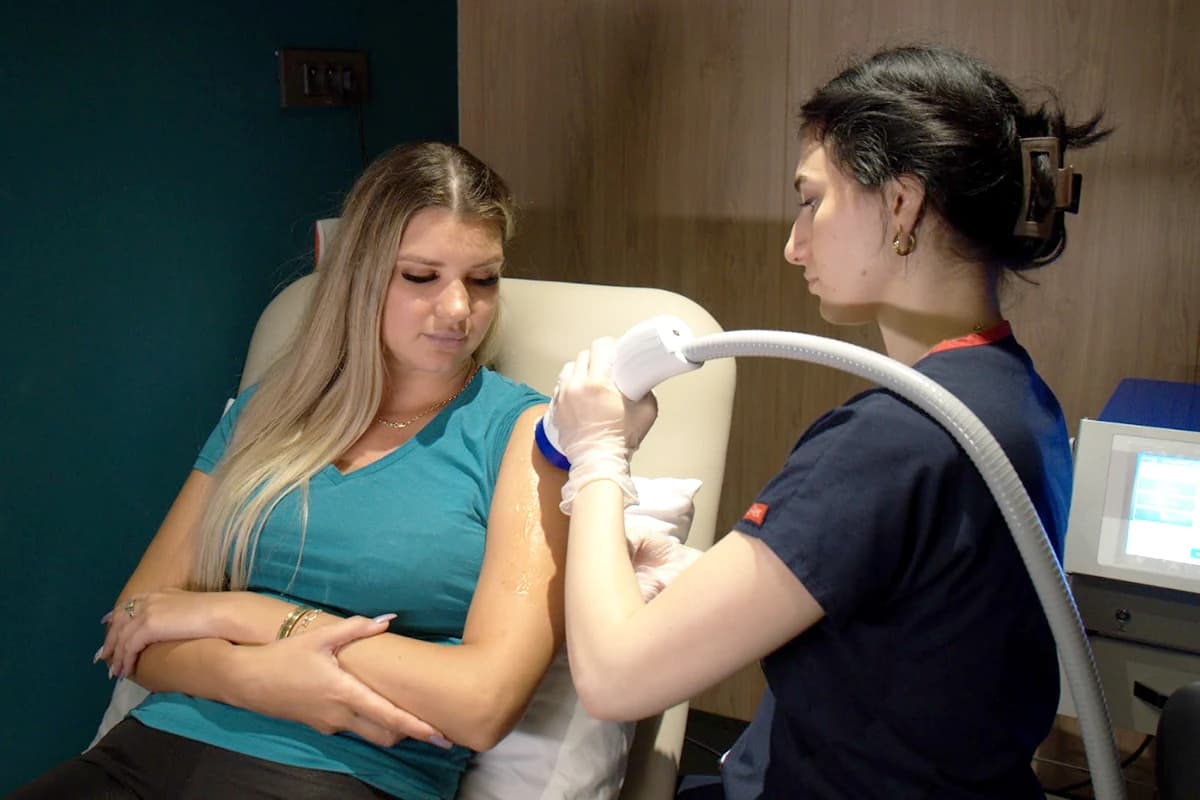 Shoulder Impingement and Rotator Cuff Pain
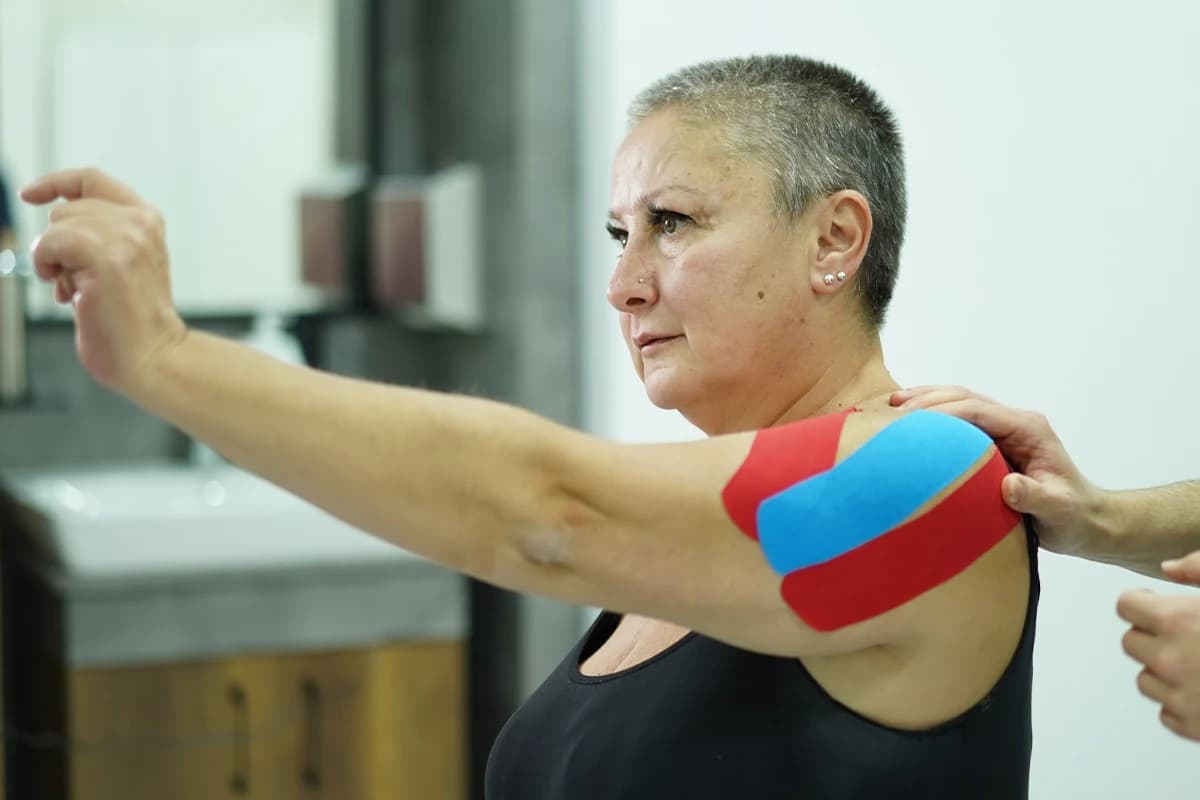 Rotator Cuff Tear
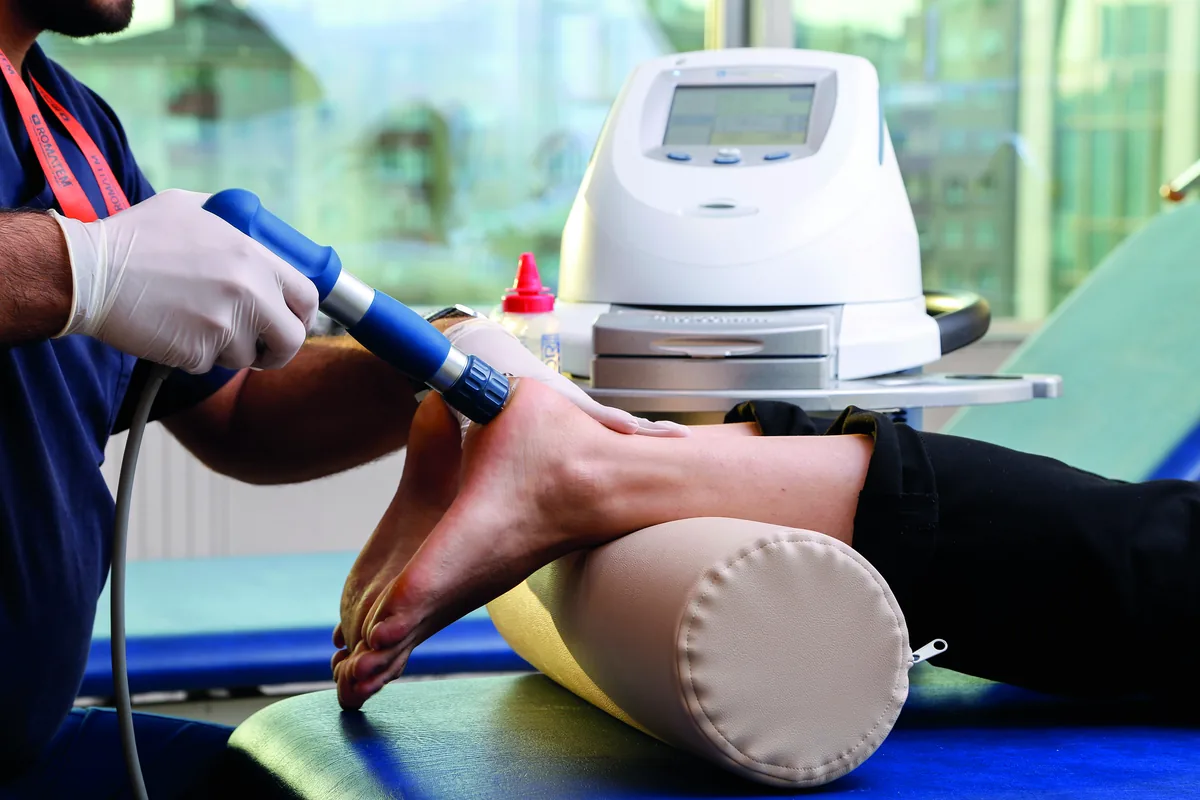 Plantar Fasciitis and Heel Spur
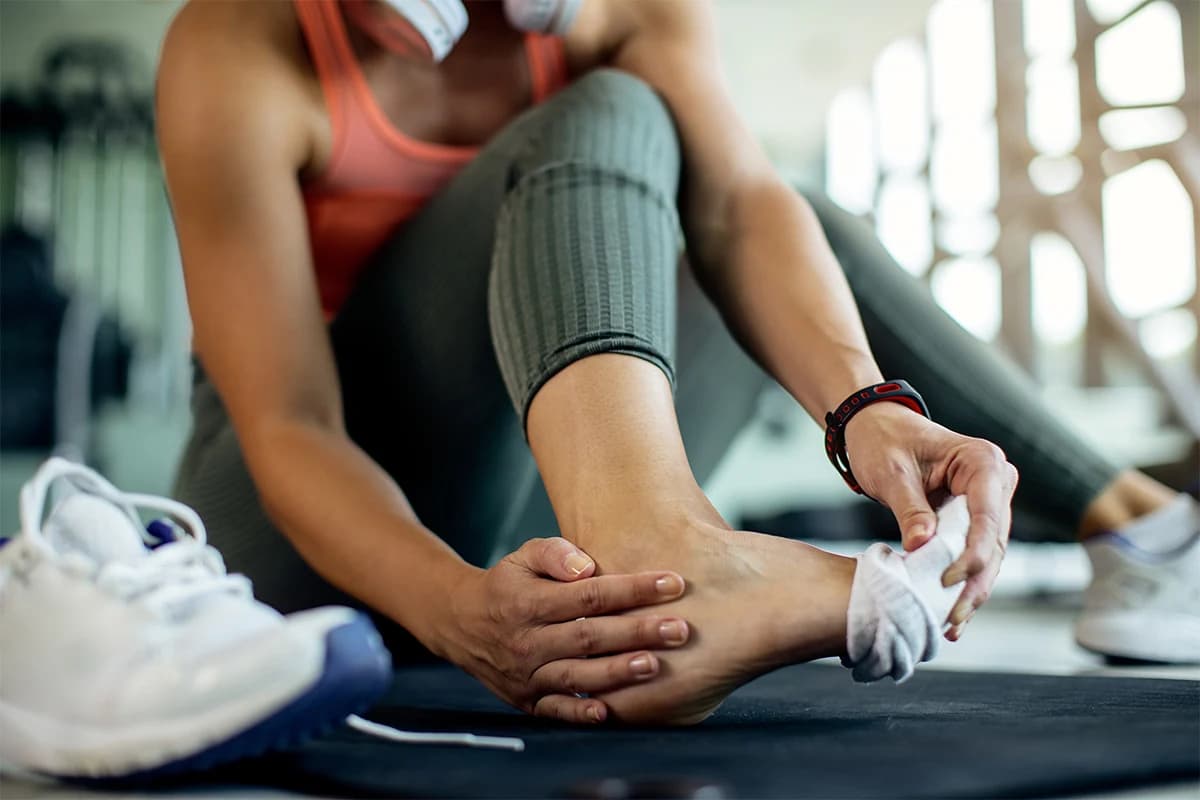 Achilles Tendinopathy
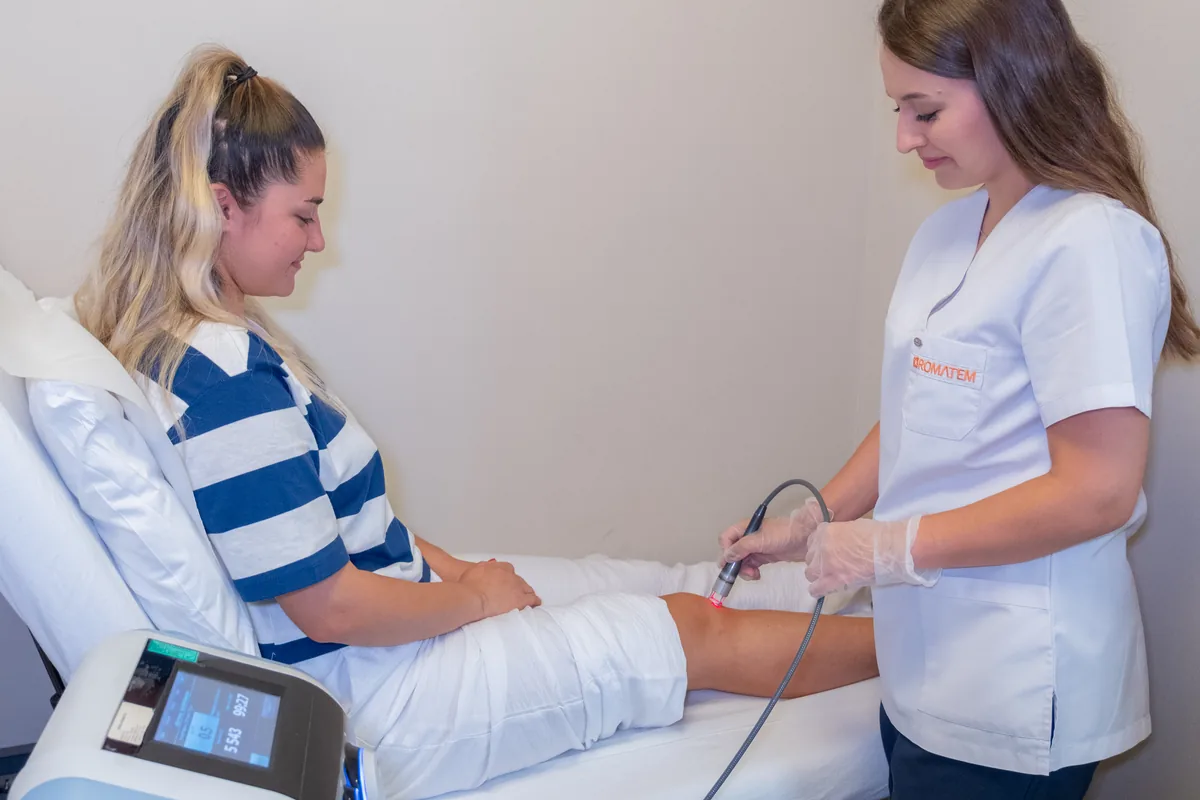 Patellofemoral Pain (Runner’s Knee)
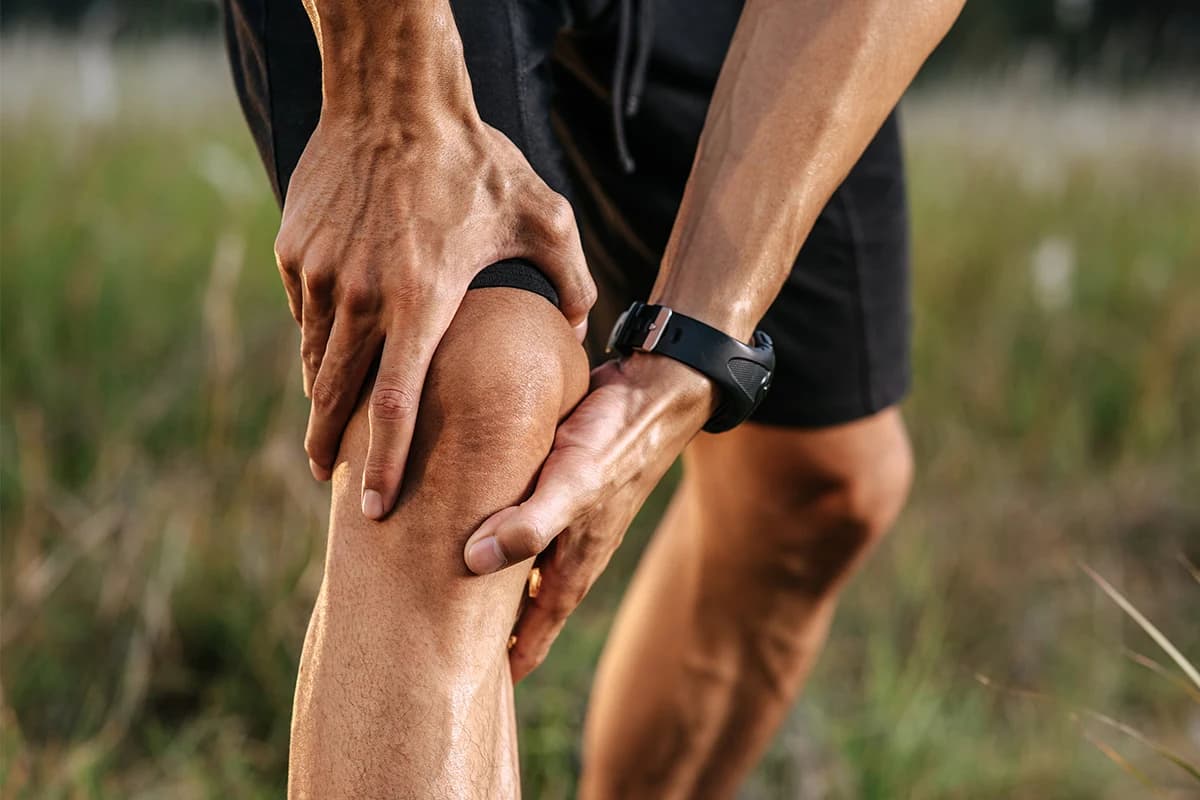 Meniscus Tear
 Carpal Tunnel Syndrome
 Cervical Disc Herniation
 Spondylolisthesis
 Gout
Gout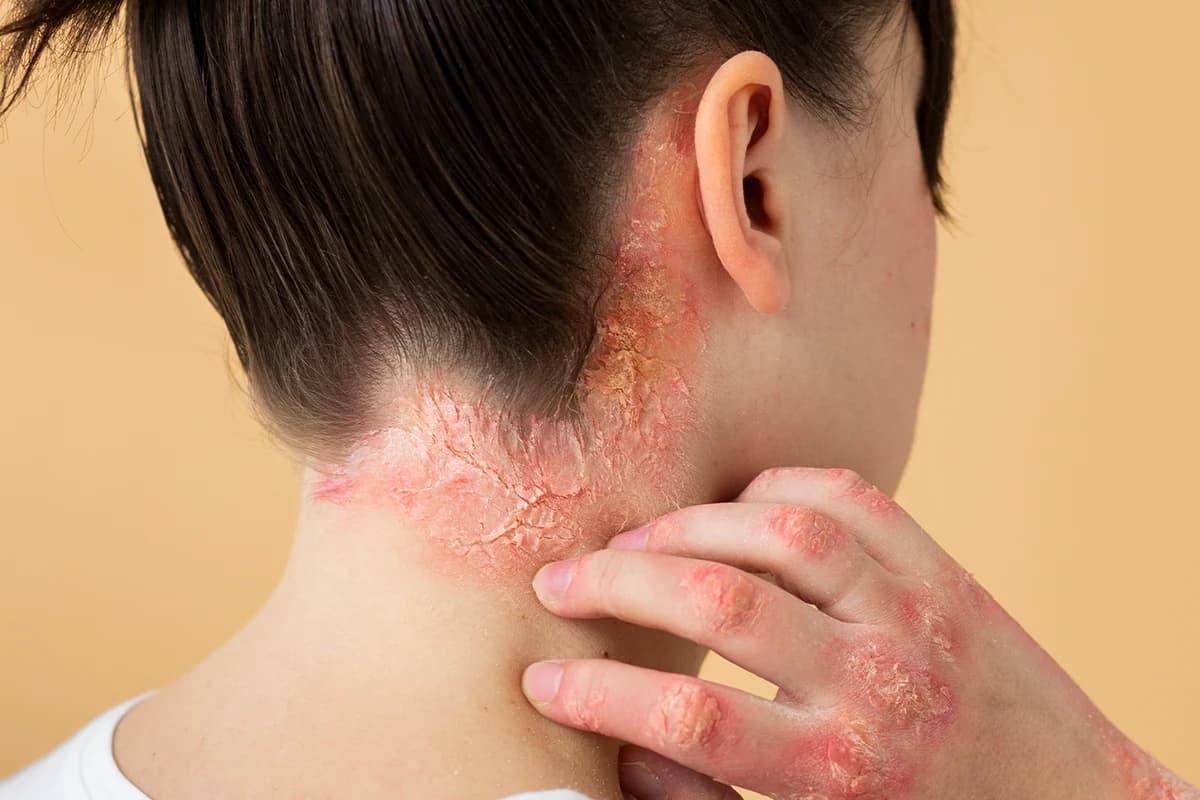 Psoriatic Arthritis
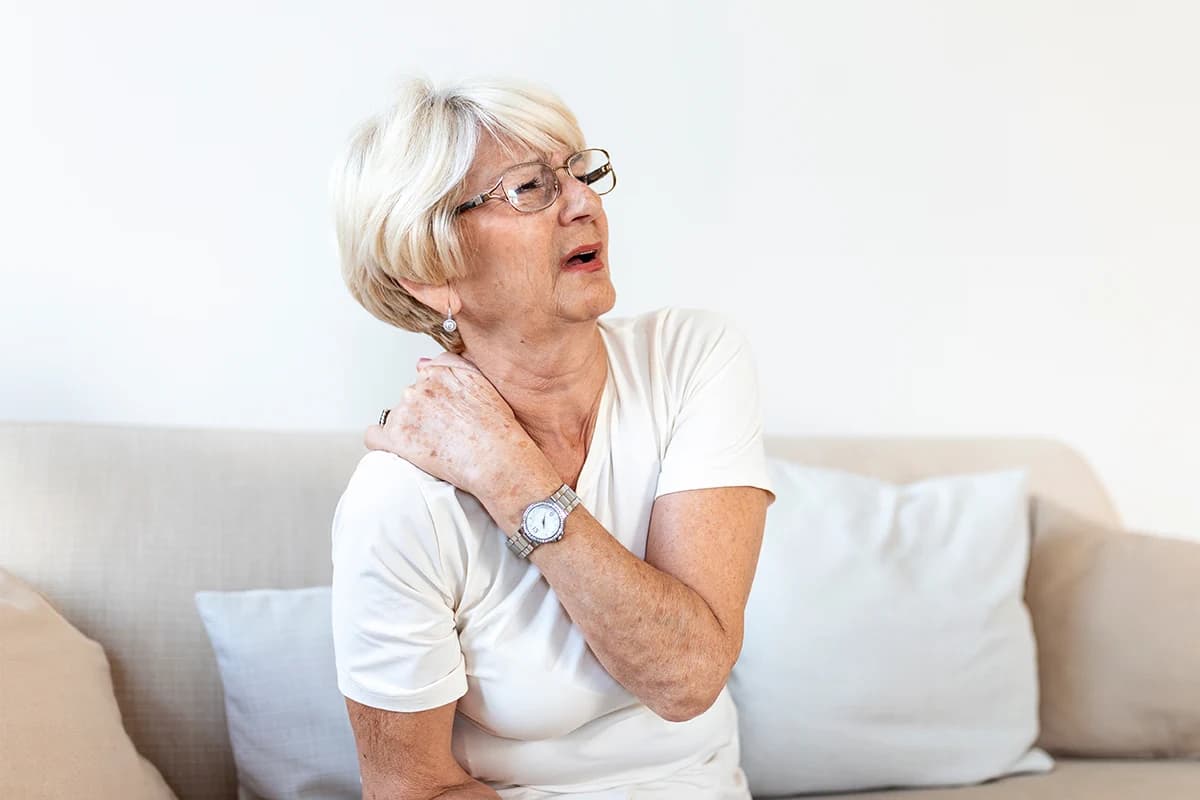 Polymyalgia Rheumatica
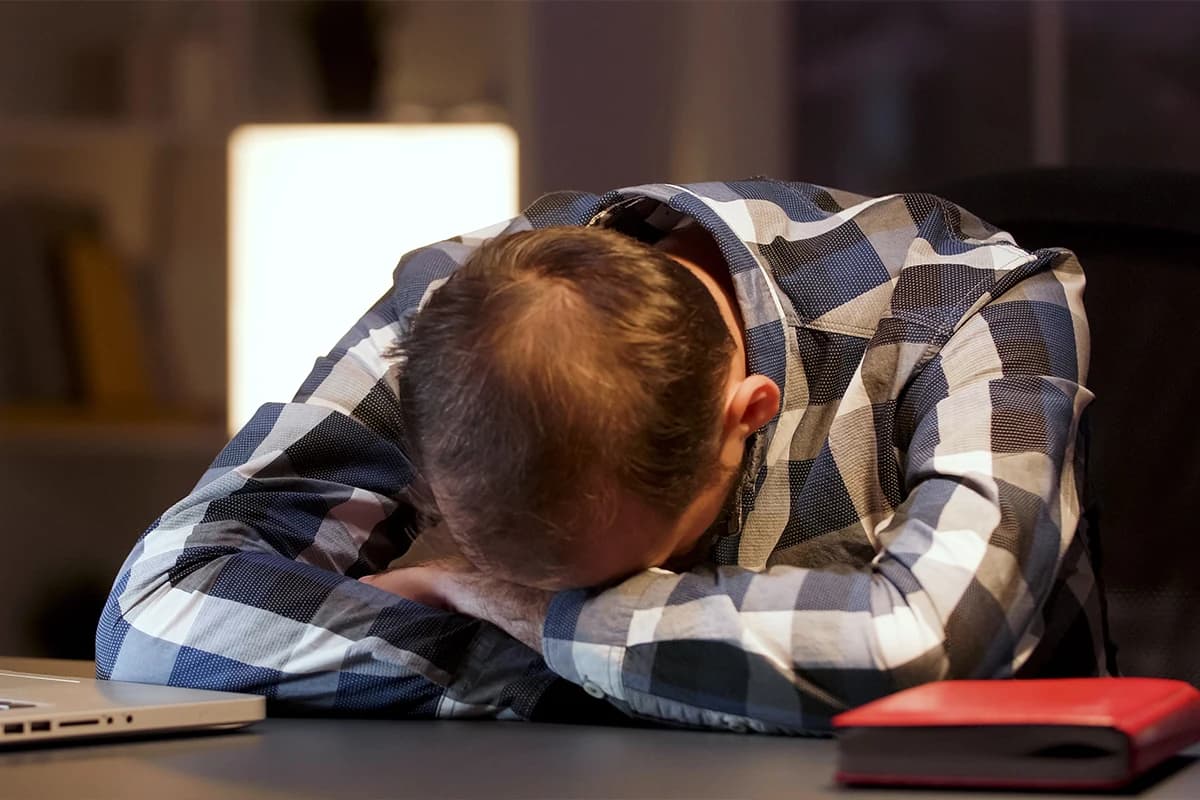 Inflammatory Myopathy (Myositis)
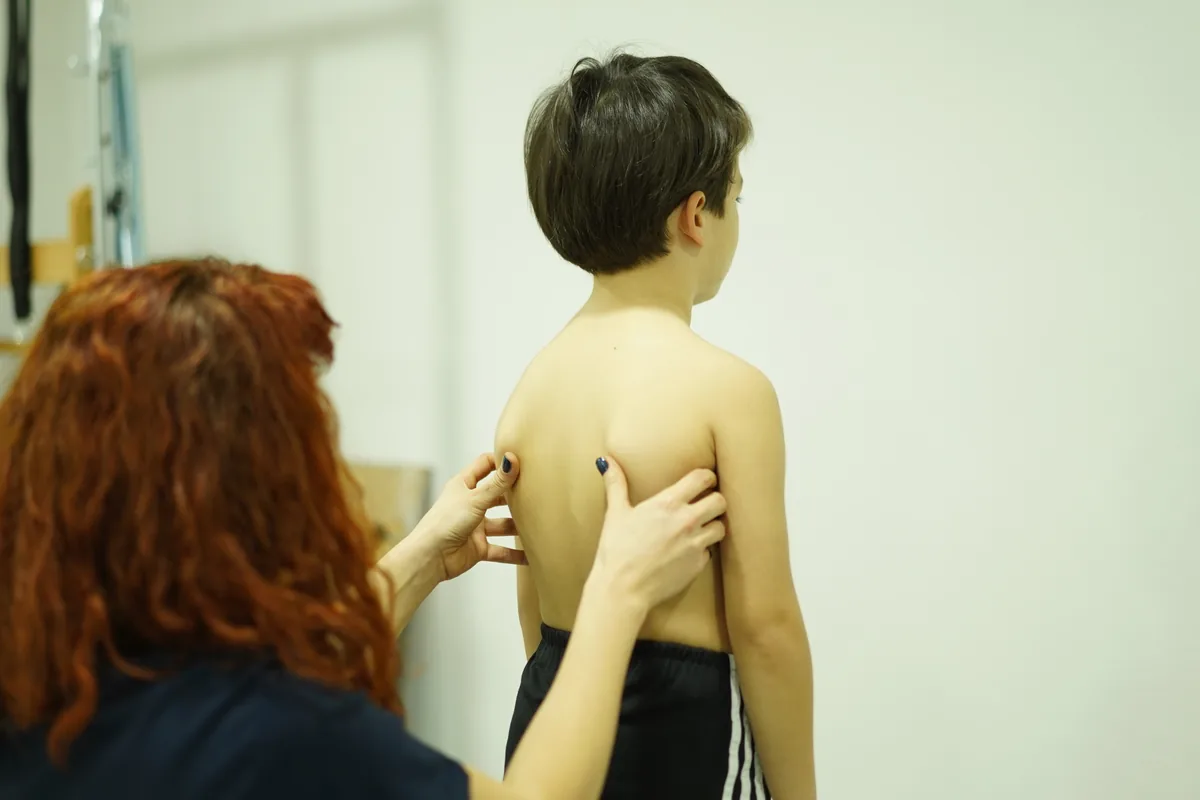 Scoliosis
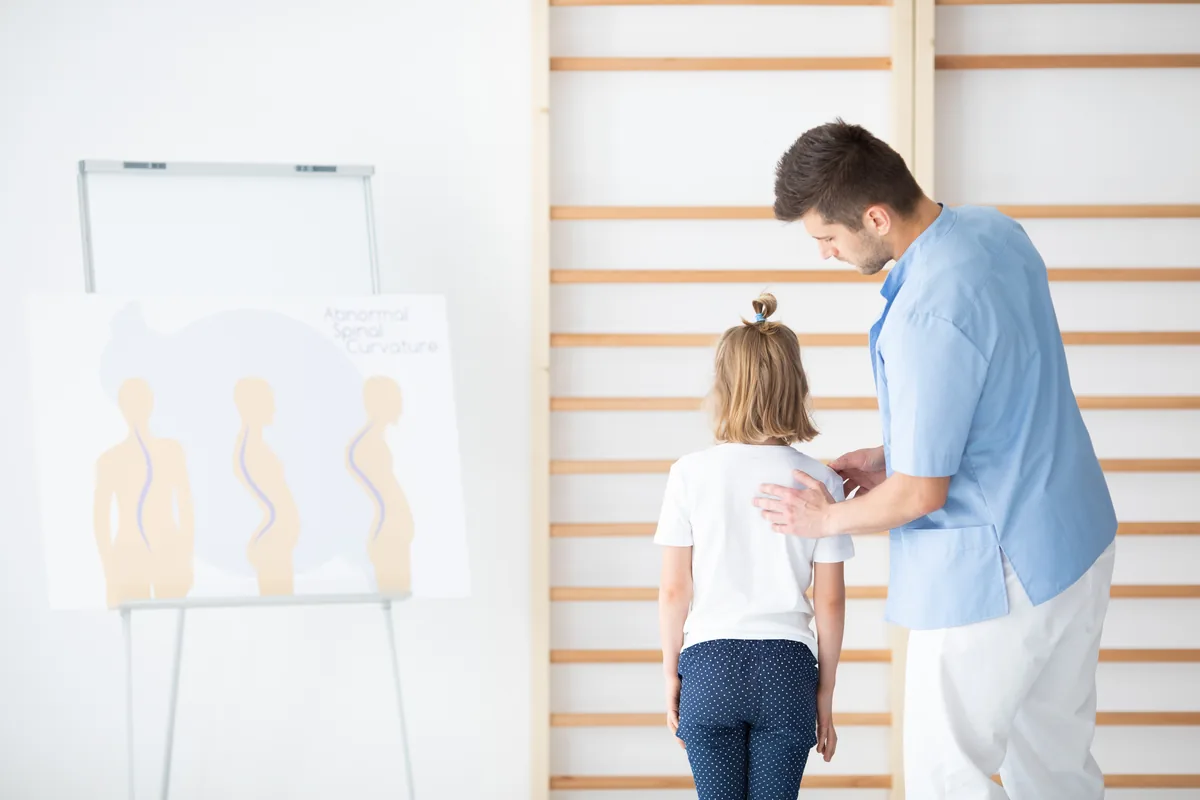 Postural and Movement Disorders
 After Spinal Surgery
 Fracture
 Golfer's Elbow (Medial Epicondylitis)
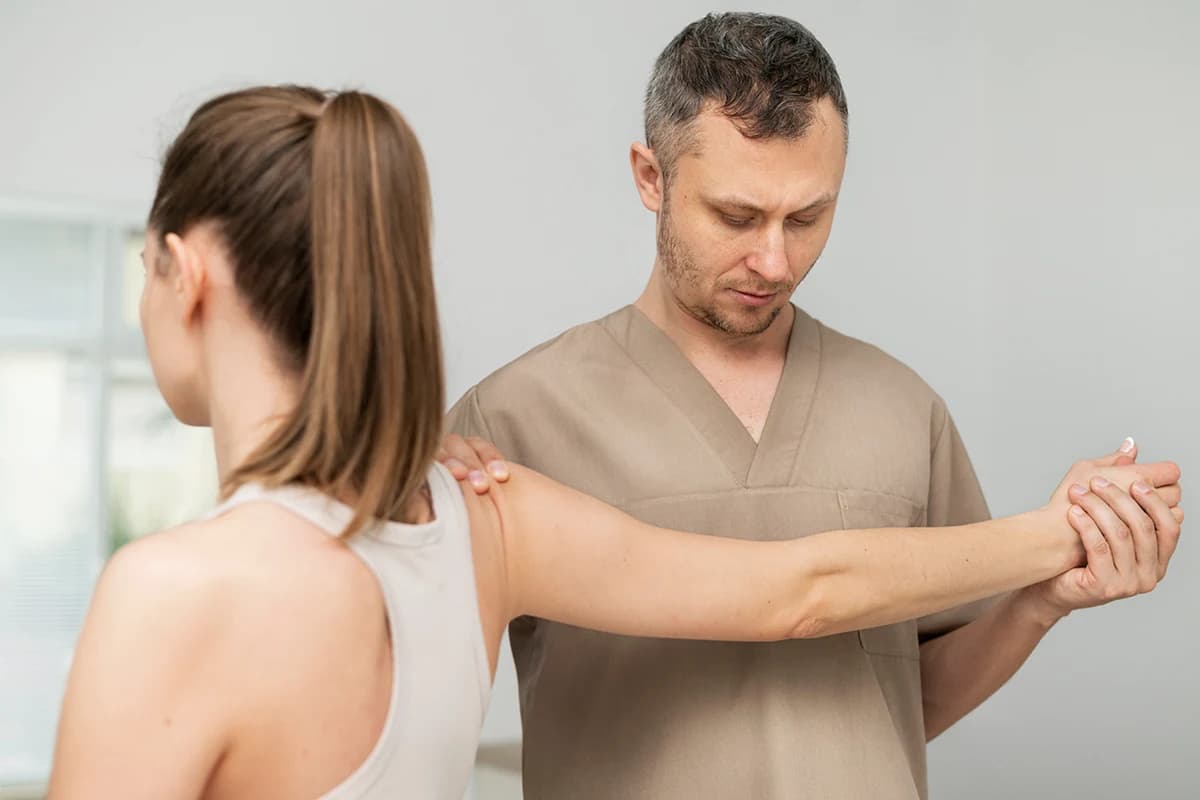 Bursitis and Myofascial Trigger Points
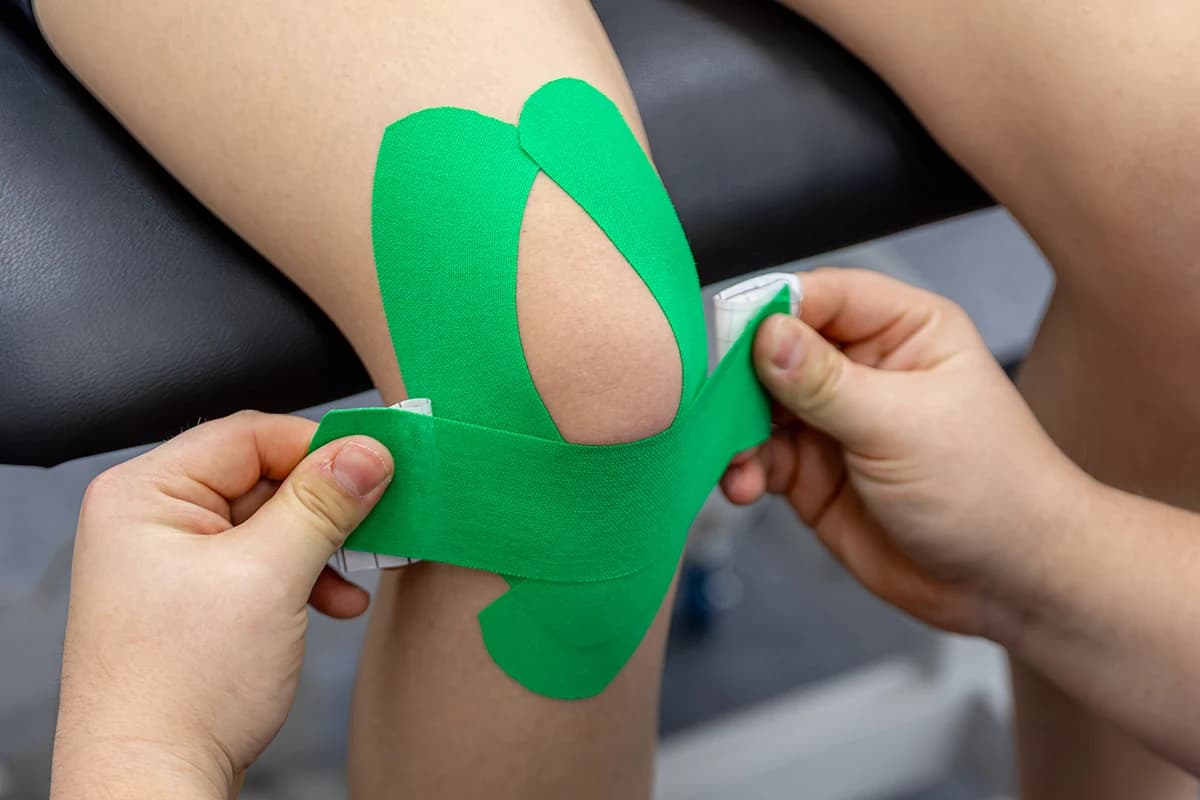 Muscle Tear and Strain
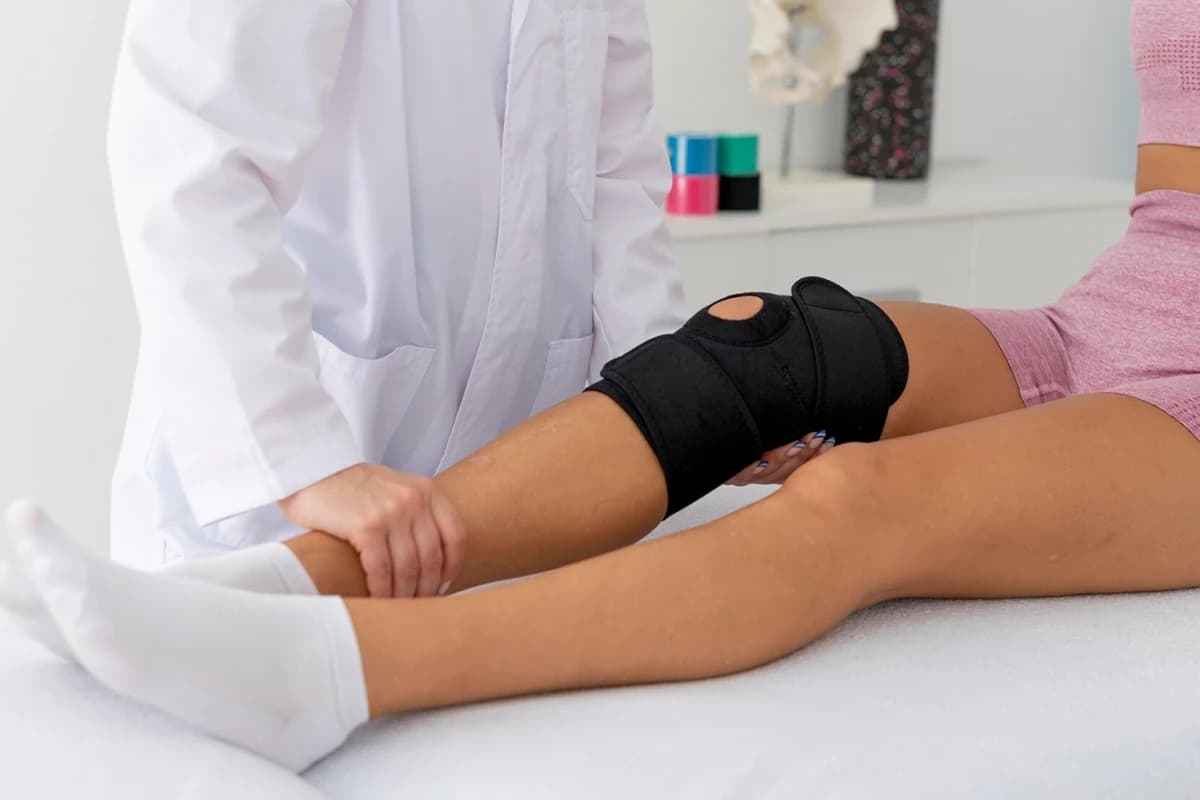 Patellar Tendinopathy (Jumper's Knee)
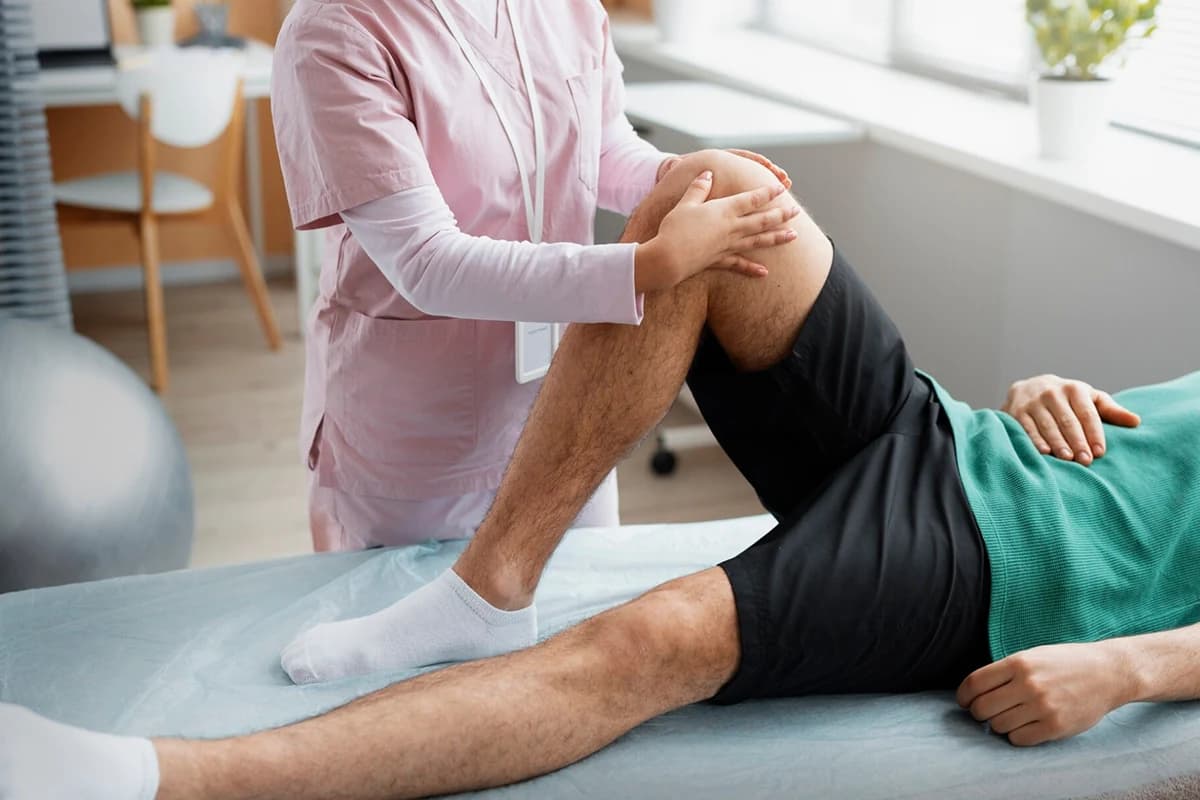 Knee Osteoarthritis (Gonarthrosis)
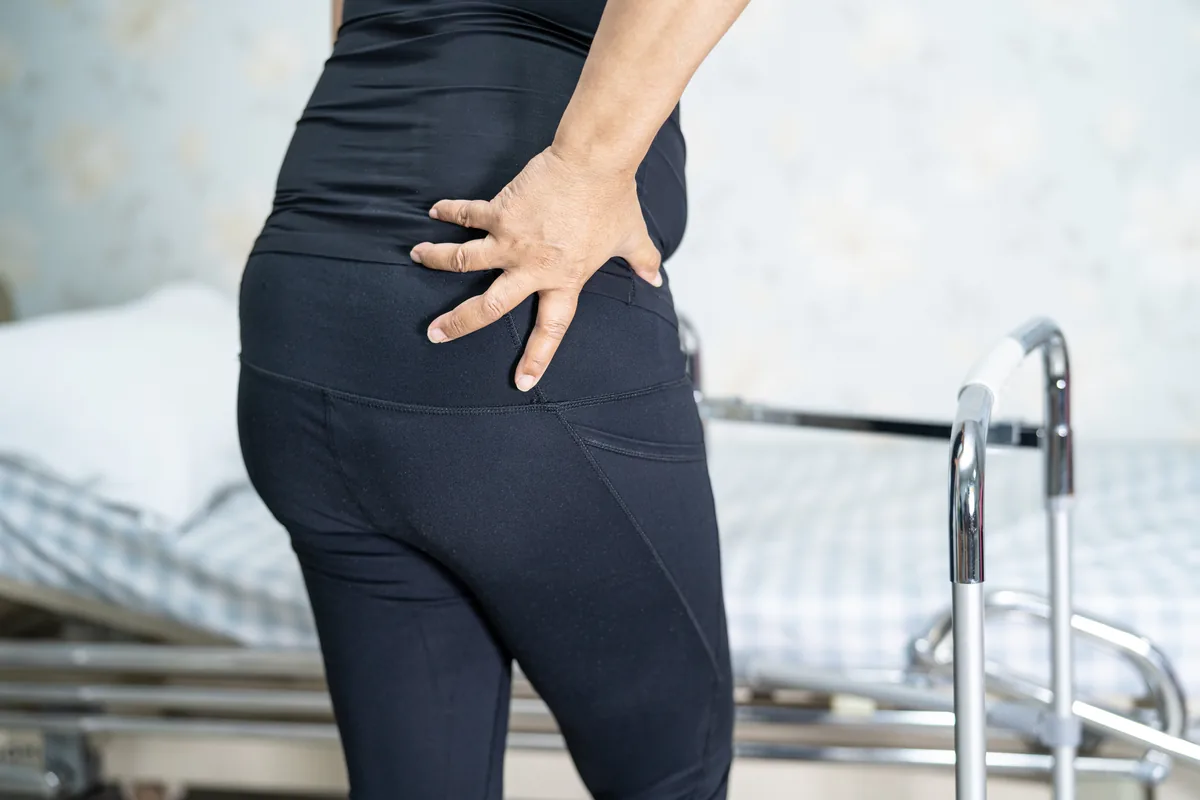 Hip Osteoarthritis (Coxarthrosis)
Devices are used inside a programme and chosen after examination — they are not booked separately.
Your path to this treatment
Nothing here is booked from a page. You send the records you have, a rehabilitation physician reads them, and you get a written answer — including when the answer is that an intensive programme will not help.
4 steps, start to finish
1.Send your records
A discharge summary from the hospital that treated the original event, and any imaging of the affected area — CT, MRI or X-ray.2.A written plan in 48 hours
A rehabilitation physician reviews the case and returns the expected duration, the recommended programme and the centre. Free, no obligation.3.Travel and admission
Where a visa is needed we issue an invitation letter and treatment confirmation naming the dates and the facility. You are met at the airport and driven to the centre by private vehicle or ambulance; a bed for one companion and interpreting during therapy are arranged.4.Treatment, then home
The programme runs, then you leave with a discharge report and a written home exercise plan. Your return journey is organised before you go, with scheduled video reviews so progress does not stop.
In their words
What patients say after a programme
Short videos filmed during therapy: a child’s rehabilitation after a brain tumour, suspended gait training after spinal cord injury, and learning to walk again after a fall. Individual results vary.
Dave Evans on his physical therapy here
Musculoskeletal physiotherapy
Paediatric rehabilitation after a brain tumour
Inside a physiotherapy session
Spinal cord injury — the rehabilitation process
Suspension-assisted gait training
Walking difficulty and restricted movement after a fall
Regaining gait and range of motion
Locations
Centres that have this device — pick one.







Questions people actually ask
About this device
Does laser heal tissue?
The evidence supports short-term pain reduction. Claims of tissue regeneration go beyond what has been shown.
Is it safe?
Yes with eye protection, which is mandatory for patient and operator. It is avoided over malignancy, over the pregnant uterus, and over the thyroid.
How many sessions?
Usually a short course alongside exercise. If pain has not changed after several sessions, continuing is not justified.
Does it feel like anything?
A gentle warmth. Sessions are short and no recovery time is needed.
Why is the evidence for laser rated as low quality?
Mainly because most trials could not blind patients or therapists, and their results vary widely 1. The authors of a meta-analysis of 48 trials also caution that the benefit may be overestimated because high-technology devices produce a strong placebo response 1. That is why a course has a review point and stops if pain has not changed.



