

Medical condition
Peripheral Neuropathy
Neuropathy rehabilitation targets the two consequences that cause falls: loss of sensation in the feet and weakness of the ankle. Balance retraining, footwear and orthotic assessment and strength work run three to six weeks. The underlying cause, most often diabetes, is managed medically alongside the programme.
Two separate problems in one diagnosis
Peripheral neuropathy is damage to the nerves outside the brain and spinal cord. It produces numbness, tingling, burning, loss of sensation and muscle weakness — most often in the feet and hands, in a pattern that spreads from the extremities inwards.
For rehabilitation it splits into two problems that need different treatment: loss of sensation, which removes the information needed for balance, and loss of ankle strength, which removes the ability to correct. Treating only one leaves the person falling.
Why the cause matters
Diabetes is the most common cause, accounting for 32–53% of cases 2. Others include vitamin deficiency — particularly B12 — nerve compression, infection, toxic exposure including some medications, and chronic disease.
The cause determines whether progression can be slowed, which is a different question from whether function can be improved. We work on function; the underlying cause is managed medically and the two need to run together.
What the programme targets
Balance retraining, because loss of foot sensation is a major and underestimated cause of falls. Strengthening of the ankle and foot. Sensory re-education. Footwear and orthotic assessment. Pain management where burning pain is present.
Foot inspection is taught as a routine. A person who cannot feel their feet cannot feel an injury developing, and in diabetic neuropathy that is how ulcers begin.
Falls are the risk nobody mentions
When the feet cannot feel the ground, balance depends on vision — which is why symptoms are worse in the dark, on uneven surfaces and with the eyes closed. The falls risk in sensory neuropathy is substantially raised.
Balance training, footwear, home lighting and a walking aid where needed address this directly, and they are as much part of treatment as anything aimed at the nerve.
Foot care is not a minor detail
A foot that cannot feel does not report a blister, a stone in the shoe or a burn. In diabetic neuropathy this is the mechanism behind most ulceration and a large share of amputations.
Daily inspection, correct footwear and prompt attention to any break in the skin are taught explicitly, because the consequence of learning this late is measured in surgery.
Does balance training prevent falls?
It improves balance, but it has not yet been shown to reduce falls. A 2021 meta-analysis of eight randomised trials in diabetic neuropathy found that combined gait, balance and functional training produced a small improvement in balance and a small reduction in fear of falling 3. The single trial that counted falls, with 79 participants, found no clear effect 3.
Exercise is still worth doing for steadiness and confidence, but it is combined with the other measures — footwear, lighting at home and a walking aid where needed — rather than relied on alone to prevent falls.
Frequently asked questions
Can nerve damage be reversed?
It depends on the cause. Neuropathy from vitamin deficiency, thyroid disease or a medication often improves when that is corrected. Long-standing diabetic neuropathy usually does not reverse, though progression can be slowed.
Why is it worse at night?
Sensory nerve symptoms are typically more noticeable when other input is reduced. Burning and tingling at night are characteristic and there are treatments for it.
Does exercise help?
What causes it?
Diabetes most commonly, then alcohol; vitamin B12 deficiency, inherited conditions, chemotherapy and chronic kidney disease are other common causes 2. Finding the cause matters because several are treatable.
Do I need nerve tests?
Often, to confirm the pattern and distinguish it from nerve root problems. They also establish a baseline against which progression can be judged.
Sources
- Neuropathic pain in adults: pharmacological management in non-specialist settings (CG173) — National Institute for Health and Care Excellence (2020)
- Callaghan BC, Price RS, Feldman EL. Distal symmetric polyneuropathy: a review — JAMA (2015)
- de Oliveira Lima RA, Piemonte GA, Nogueira CR, Dos Santos Nunes-Nogueira V. Efficacy of exercise on balance, fear of falling, and risk of falls in patients with diabetic peripheral neuropathy: a systematic review and meta-analysis — Archives of Endocrinology and Metabolism (2021)
Which therapies would I actually receive?
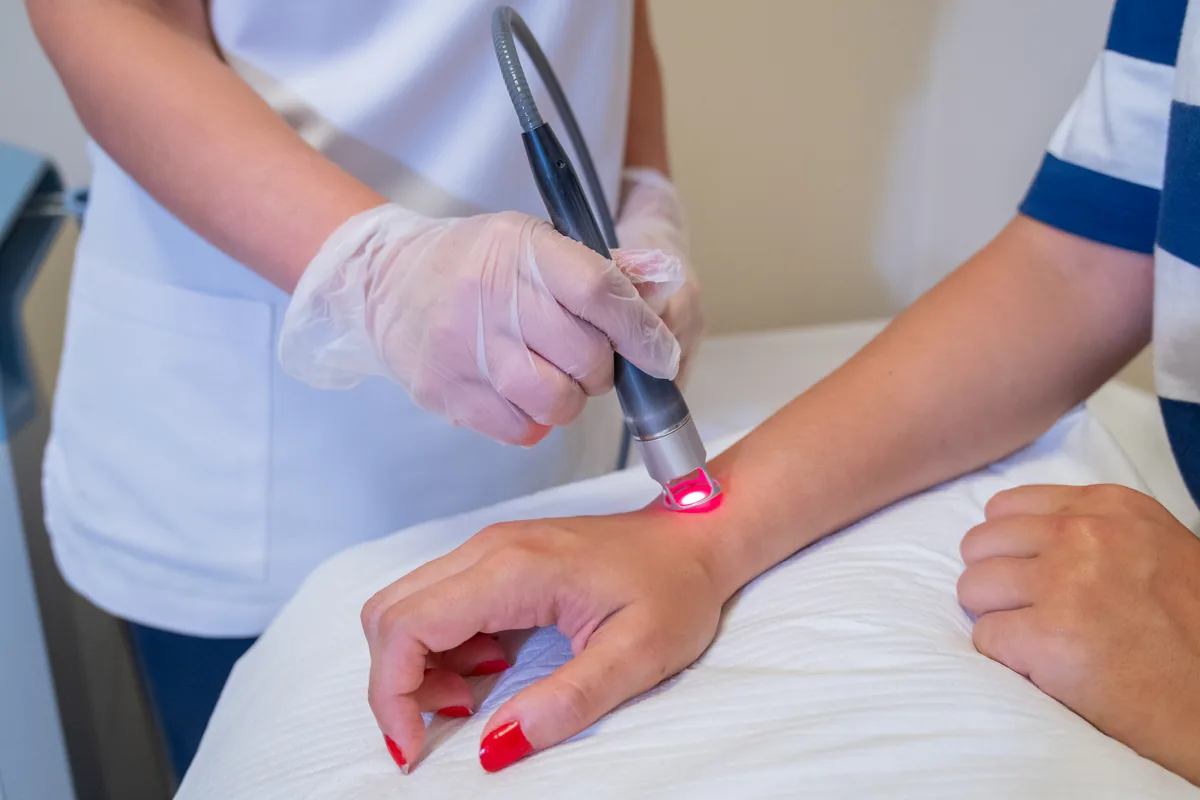
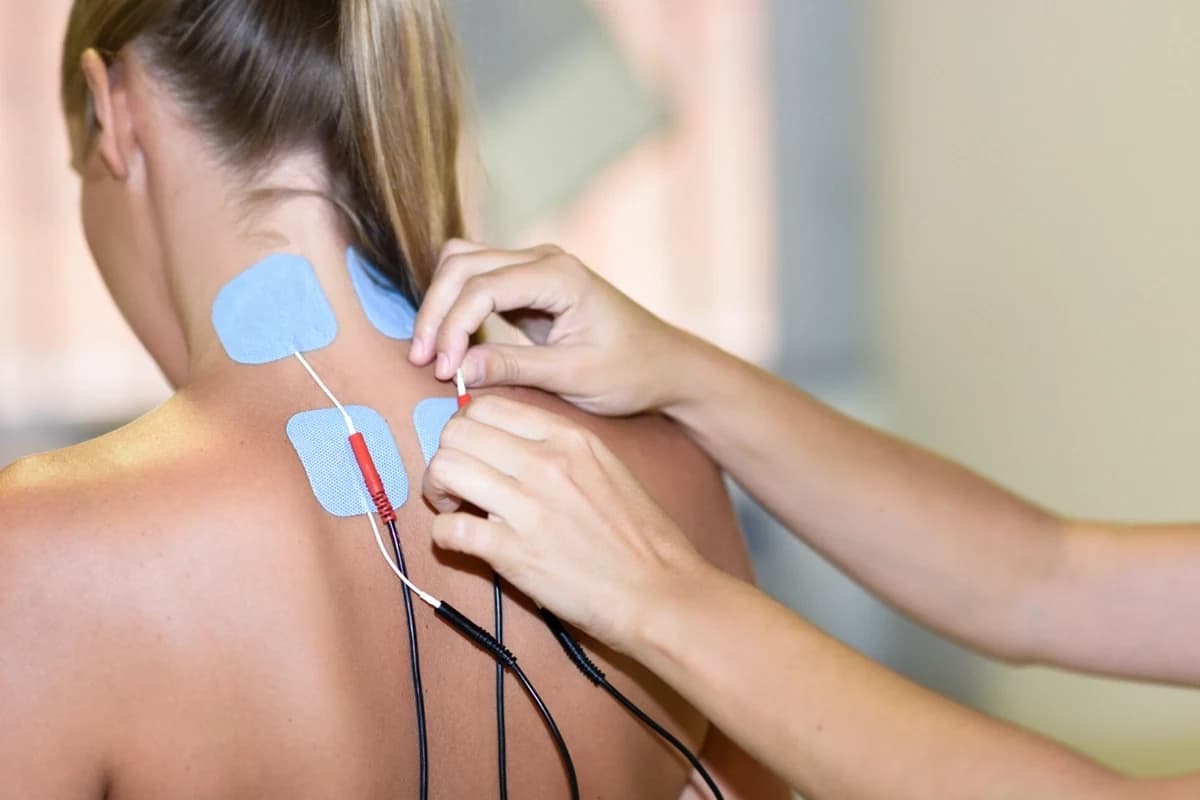
A therapy is a single method used inside a programme. It is measured in sessions and is not sold separately.

Technologies we use
Locations
Where you can receive this treatment



Related articles
Amputee How soon after an amputation can a prosthesis be fitted?
The first prosthesis usually comes weeks after surgery, once the wound has healed and the limb has stopped changing shape. What decides the date is healing, swelling and skin condition rather than a calendar. The rehabilitation that makes the prosthesis usable starts long before it arrives.Read moreNeurological How does peripheral neuropathy affect balance and walking?
Peripheral neuropathy damages the nerves that carry sensation from the feet, so the brain receives less information about where the feet are and what the ground is like. People then rely more on vision, which makes them unsteady in the dark or on uneven ground. Balance and strength training, foot care, good footwear and home safety measures reduce falls.Read moreOncologic What helps chemotherapy-induced peripheral neuropathy?
Chemotherapy-induced neuropathy causes numbness, tingling or pain, usually in the hands and feet. No medicine is recommended to prevent it, so doctors may adjust chemotherapy if symptoms become intolerable. Duloxetine is the only medicine with adequate evidence for painful neuropathy, with limited benefit. Balance training, foot care and safety measures help reduce falls.Read more



