

Medical condition
Lymphoedema
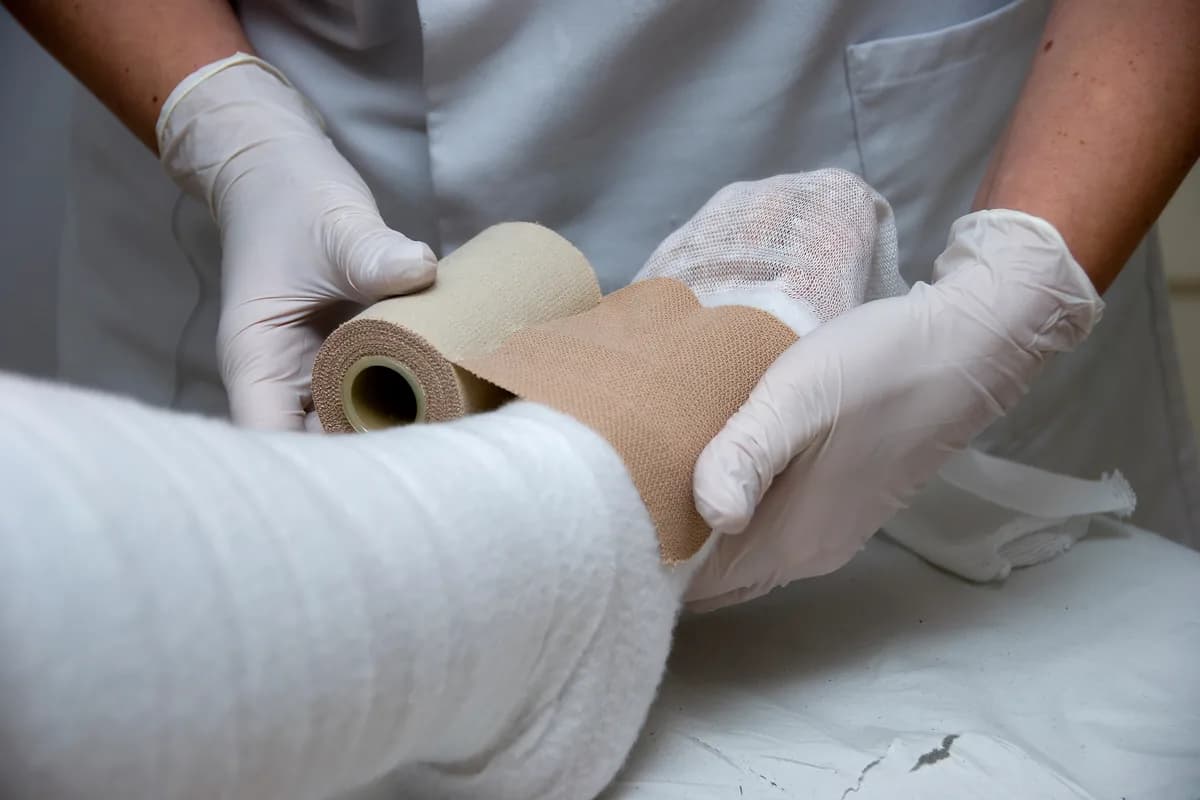
Lymphoedema is treated with complete decongestive therapy in an intensive block of two to four weeks: compression bandaging, manual lymphatic drainage, skin care and exercise. Limb volume is measured at the start and the end. The result is then held by a compression garment and a routine you continue at home.
Why it is managed rather than cured
Lymphoedema is swelling caused by a lymphatic system that cannot clear fluid as fast as the tissue produces it. The cause is usually damage — lymph nodes removed or irradiated during cancer treatment, an infection, or a system that was underdeveloped from birth.
That damage does not reverse. What treatment does is reduce the volume that has accumulated and then hold it down. Described honestly, this is a long-term condition with an effective treatment — not a problem that a course of therapy ends.
Anyone offering to cure lymphoedema is describing something the lymphatic system cannot do. The useful question is not whether it can be cured but how much volume can come off and how well it can be held.
Complete decongestive therapy, in two phases
The first phase is intensive and it is what you travel for: daily compression bandaging, manual lymphatic drainage, skin care and exercise, over two to four weeks. This is where the volume comes off.
The second phase is maintenance and it happens at home: a fitted compression garment, a short daily routine, and skin care. The second phase is what decides whether the first one lasts.
What actually does the work
Of the four components, compression is the one carrying the result. Intensive compression bandaging on its own reduces limb volume by roughly 30 to 38.6 per cent 1. Adding manual lymphatic drainage on top of it adds around 7 per cent more, and mainly in mild to moderate lymphoedema 1 — one multicentre randomised trial in breast-cancer-related lymphoedema found it added no further volume reduction at all 2.
We say this plainly because manual drainage is the part that looks like treatment, and compression is the part that feels like an inconvenience. If a patient goes home having enjoyed the massage and stops wearing the garment, the volume comes back — and they will believe the treatment failed when in fact the treatment was never continued.
Manual drainage stays in the programme. It has value, particularly earlier in the disease, and it makes the bandaging phase tolerable. It is simply not the reason the limb gets smaller.
We measure it, before and after
Limb volume is measured at the start of the block and again at the end, using the same method both times, so the change is a number rather than an impression. You are given the figures.
This matters more here than in most conditions, because lymphoedema treatment is easy to sell on the appearance of a photograph and hard to sell on a number that did not move. A centre that does not measure cannot tell you whether it worked, and neither can you.
Cellulitis: the complication that undoes the work
A limb with lymphoedema is more prone to skin infection, and each episode of cellulitis damages the lymphatics further — which makes the swelling worse and the next infection more likely. It is the main way lymphoedema deteriorates over years.
A limb that becomes red, hot, painful and swollen quickly, often with fever, needs antibiotics urgently rather than an appointment. This is why skin care is one of the four components rather than an afterthought: intact skin is infection prevention.
Is it lymphoedema or lipoedema?
These are different conditions and they are confused constantly. Lymphoedema is fluid, is often asymmetrical, usually involves the foot or hand, and is not typically painful. Lipoedema is fat, is symmetrical, characteristically spares the feet, bruises easily and hurts to the touch.
Getting this wrong has a cost measured in years: the average time from first symptoms to a lipoedema diagnosis is reported at around eighteen years, with obesity and lymphoedema being the two labels most often applied in the meantime 5.
The two can also coexist. If you are not sure which you have — or have been told "it is just weight" for a decade — that differential is one of the first things assessed, and there is a separate page on lipoedema.
What we do not do
We do not perform lymphatic surgery — lymphovenous anastomosis, lymph node transfer or liposuction. Those are surgical treatments delivered by surgical teams, and this is a physical medicine and rehabilitation group.
If your assessment suggests surgery is the better route, we will say so rather than treating you conservatively because that is what we happen to sell. Conservative treatment also remains necessary after most lymphatic surgery, so the two are not alternatives so much as a sequence.
The garment is the treatment once you go home
A compression garment that fits is the difference between a result that holds and one that is lost. It is measured and fitted during the stay, after the volume has come down rather than before, because a garment fitted to a swollen limb quickly becomes the wrong size.
You are taught how to put it on, how to tell when it has lost its compression, and when to replace it. Garments wear out — typically within months — and a plan that does not include replacement is a plan to regain the volume.
What the programme covers
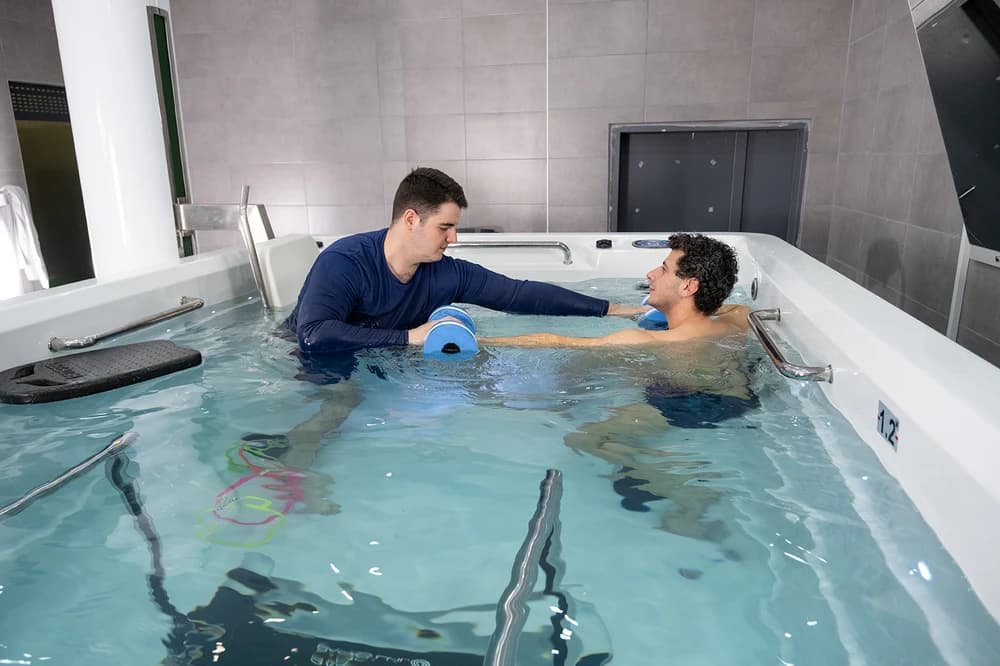
Two to four weeks, two to four hours a day. Daily compression bandaging, manual lymphatic drainage, skin care and exercise, with aquatic sessions where they suit you. Volume measurement at the start and the end, a fitted garment before discharge, and a written home routine.
For cancer-related lymphoedema the plan is coordinated with where you are in oncological treatment. Rehabilitation runs alongside oncology rather than instead of it, and nothing here replaces your cancer team.
Understanding Lymphoedema
Before treatment, the questions people actually ask first — what happens, how recovery behaves over time, and whether it is ever too late. Each opens the full article.
- Understanding lymphoedemaHow to tell lymphoedema from lipoedema, and what actually lowers the risk after cancer treatment.
- How we treat lymphoedemaWhat happens in a decongestive block, in what order, and which part you have to keep doing.
- What to expectA two to four week decongestive block, and what happens to the numbers.
- Questions patients askWhat comes up in the first conversation.
Frequently asked questions
Can lymphoedema be cured?
No. The lymphatic damage does not reverse. Volume can be reduced substantially and then held with compression and a routine — that is what treatment achieves, and anyone promising more is describing something the lymphatic system cannot do.
How much volume will come off?
It depends on the stage, how long it has been present and how much of the swelling is fluid rather than fibrotic tissue. Intensive compression typically reduces limb volume by roughly a third 1. You are given your own before-and-after figures rather than an average.
Is manual lymphatic drainage the main treatment?
No, compression is. Bandaging on its own produces most of the reduction; manual drainage adds a smaller amount on top, mostly in milder cases. We include it, and we would rather you understood which component you must keep doing at home.
Do I have to wear a compression garment forever?
For as long as you want to keep the result. This is the part patients find hardest and it is the honest answer. Garments are more comfortable and less conspicuous than most people expect, and the alternative is watching the volume return.
Is my swelling lymphoedema or lipoedema?
Lymphoedema is usually asymmetrical, involves the foot or hand and is not typically painful. Lipoedema is symmetrical, spares the feet, is painful and bruises easily. They can coexist. The assessment distinguishes them, and it is worth doing — the average lipoedema diagnosis takes years longer than it should.
Do you do lymphatic surgery?
No. Lymphovenous anastomosis, lymph node transfer and liposuction are surgical procedures and we are a rehabilitation group. If surgery looks like the better route for you, the assessment will say so.
I am still having chemotherapy. Can I come?
Often yes, and it is decided with your oncology team rather than around them. Send the oncology plan with your records and the reply will address the timing directly.
What if my limb becomes red, hot and painful?
That is cellulitis and it needs urgent antibiotics, not an appointment. Each episode damages the lymphatics further. If it happens at home, treat it as urgent; if it happens here, tell us the same day.
Should I come back?
Many people return for a shorter block once a year, particularly where the swelling is advanced or fibrotic. Whether that is useful for you depends on how well the maintenance phase holds, which is one of the things measured at follow-up.
Sources
- Manual lymphatic drainage for lymphoedema following breast cancer treatment — Cochrane Database of Systematic Reviews (2015)
- Manual lymphatic drainage adds no further volume reduction to Complete Decongestive Therapy on breast cancer-related lymphoedema: a multicentre, randomised, single-blind trial — British Journal of Cancer (2018)
- A systematic review of the evidence for complete decongestive therapy in the treatment of lymphedema — Archives of Physical Medicine and Rehabilitation (2012)
- Lipoedema is not lymphoedema: a review of current literature — International Wound Journal (2018)
- Exploration of Patient Characteristics and Quality of Life in Patients with Lipoedema Using a Survey — Dermatology and Therapy (2018)
Technologies we use
Locations
Where you can receive this treatment




Related articles
Lymphoedema and lipoedema Lipoedema or lymphoedema: why the diagnosis changes the treatment
They look similar and are managed differently. Lymphoedema is protein-rich swelling from a failing lymphatic system, usually asymmetrical, and it involves the foot. Lipoedema is a symmetrical, painful fat distribution disorder that characteristically spares the feet. Compression helps both; drainage and weight loss do not help them equally.Read moreLymphoedema and lipoedema How likely is lymphoedema after breast cancer, and can it be prevented?
Arm lymphoedema is a recognised risk after breast cancer treatment, with higher risk after removal of many lymph nodes and in people who are overweight. Keeping a healthy weight, gradually building strength and recognising early swelling help. Carefully progressed weight training did not increase lymphoedema risk in a randomised trial.Read moreLymphoedema and lipoedema How do compression garments help lymphoedema?
Compression garments apply steady pressure to a swollen limb, which reduces fluid build-up and supports lymph flow, especially during movement. They are used to maintain the reduction achieved with bandaging or therapy. A garment must fit correctly, be worn daily as advised and be replaced regularly. Garments are often worn during exercise.Read more



