
Aquatic
Circulation-assisted hydrotherapy
Warm water with directed jets applied to one body region, used before exercise to ease pain and stiffness so that active work can start. Warmth increases blood flow and can briefly increase swelling in a limb resting low in the water, and professional guidance advises against whirlpools for open wounds.
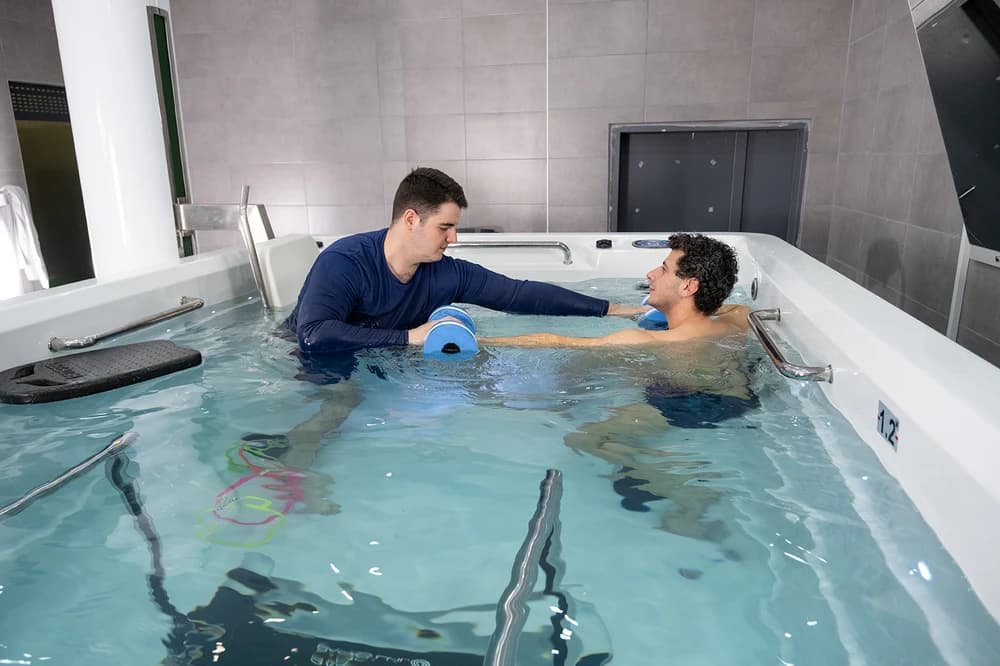
Warm water with directed flow
A tub system delivering controlled water jets to a specific body region at a set temperature. The combination of warmth and mechanical flow eases pain and muscle tension for a period. It also increases local blood flow, which is why it should not be relied on to reduce swelling 2.
Because the limb does not have to move, it can be used to prepare a stiff or painful region for exercise when active work is hard to start 3. It is not a wound treatment: professional guidance advises against whirlpools for open wounds, because they clean non-selectively and risk cross-contamination 1.
Who it is used for
Preparation before exercise where stiffness or pain limits the start of a session, recovery afterwards, and muscle and ligament injury. Where swelling is part of the problem, a warm tub with the limb resting low can add to it, so limb position and water temperature are set with that in mind 1 2.
It is a supporting treatment. It is used to make the active work possible, not as the active work.
What we do not claim for it
Passive warm-water treatment feels good, reduces pain for a period, and does not build strength, restore range permanently or change function on its own. Any lasting change comes from the exercise it enables.
We say this because passive treatments are easy to sell as a course of sessions and the patient is the one who loses the time.
Water pressure, used deliberately
Immersion produces hydrostatic pressure that acts on a limb from every direction and supports venous return, and water depth determines how much. In a warm tub that pressure competes with the extra blood flow the warmth brings, so the net result can be more swelling rather than less 2.
It is used alongside compression and exercise in oedema and after immobilisation, not as a substitute for either.
Depth is the dose
Hydrostatic pressure rises with depth, so standing chest-deep applies substantially more pressure to the legs than standing waist-deep. The depth is therefore prescribed rather than left to preference.
Immersion also shifts blood centrally, which increases the load on the heart. In significant heart failure that shift is the reason cardiology clearance comes before the first session rather than after a problem.
Can warm water make swelling worse?
It can, for a short time. Warmth draws more blood into a limb, and a limb resting low in warm water can swell rather than shrink: in a randomised trial after wrist fracture, hand volume rose more after a warm whirlpool than after a hot pack, although the difference had gone about 30 minutes later and there was none after three weeks 2. The American Physical Therapy Association lists swelling in limbs treated hanging down in warm water among its reasons for advising against whirlpools in wound care 1.
Position, water temperature and what follows the session are therefore part of the prescription. In a trial in the same kind of patient, a whirlpool combined with active wrist exercise improved range of motion within the session slightly more than a hot pack did, and the authors saw its role as preparing the patient for other treatment 3. Used immediately before exercise, the warmth serves the active work rather than replacing it.
Sources
- White NT, Delitto A, Manal TJ, Miller S. The American Physical Therapy Association's top five Choosing Wisely recommendations — Physical Therapy (2015)
- Szekeres M, MacDermid JC, Birmingham T, Grewal R, et al. The effect of therapeutic whirlpool and hot packs on hand volume during rehabilitation after distal radius fracture: a blinded randomized controlled trial — Hand (New York) (2017)
- Szekeres M, MacDermid JC, Grewal R, Birmingham T. The short-term effects of hot packs vs therapeutic whirlpool on active wrist range of motion for patients with distal radius fracture: a randomized controlled trial — Journal of Hand Therapy (2018)
Conditions this device is used for
The 3 conditions where this device is part of a routine programme, grouped by area. It is one tool inside the plan, never the plan itself.
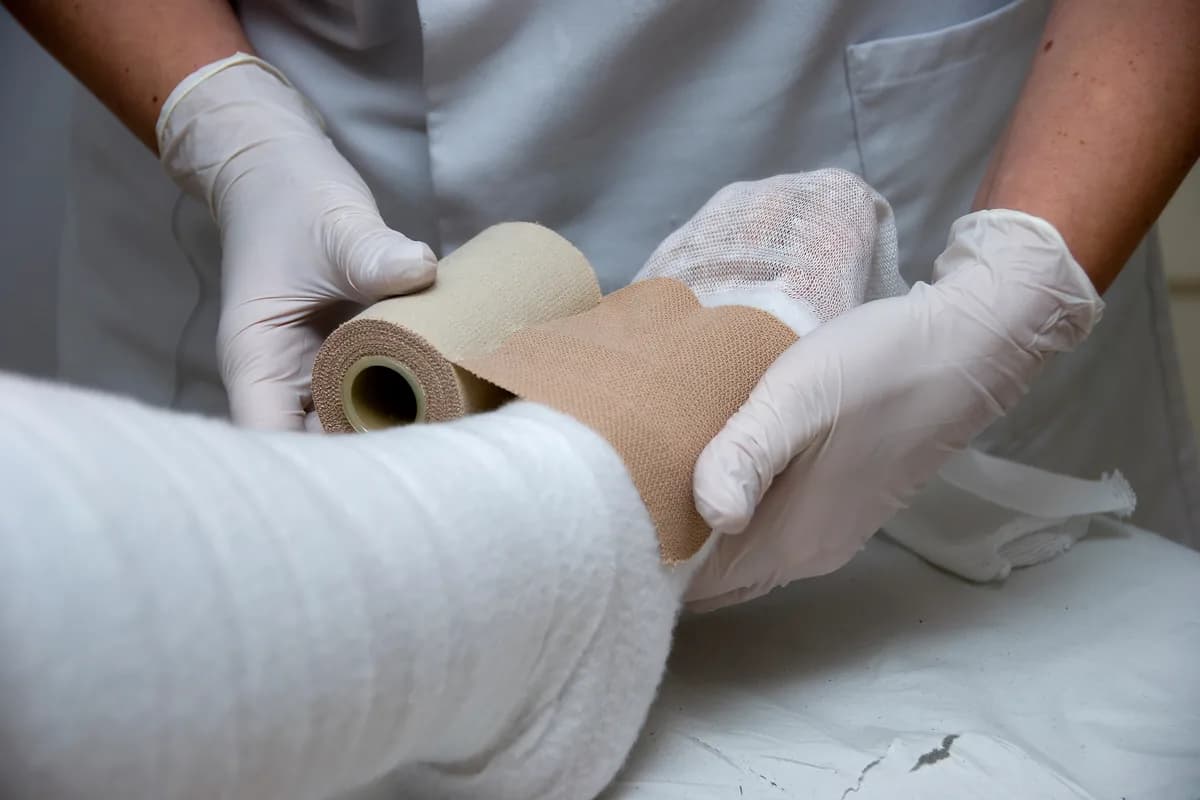
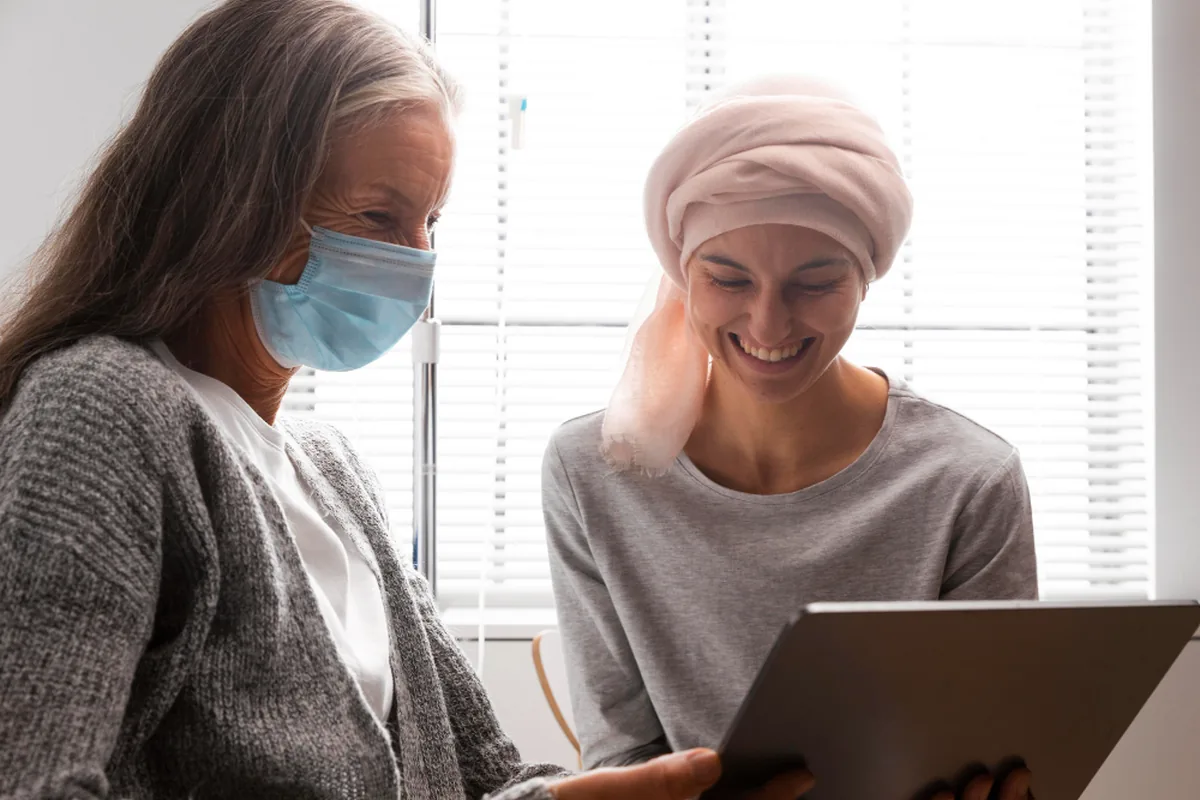
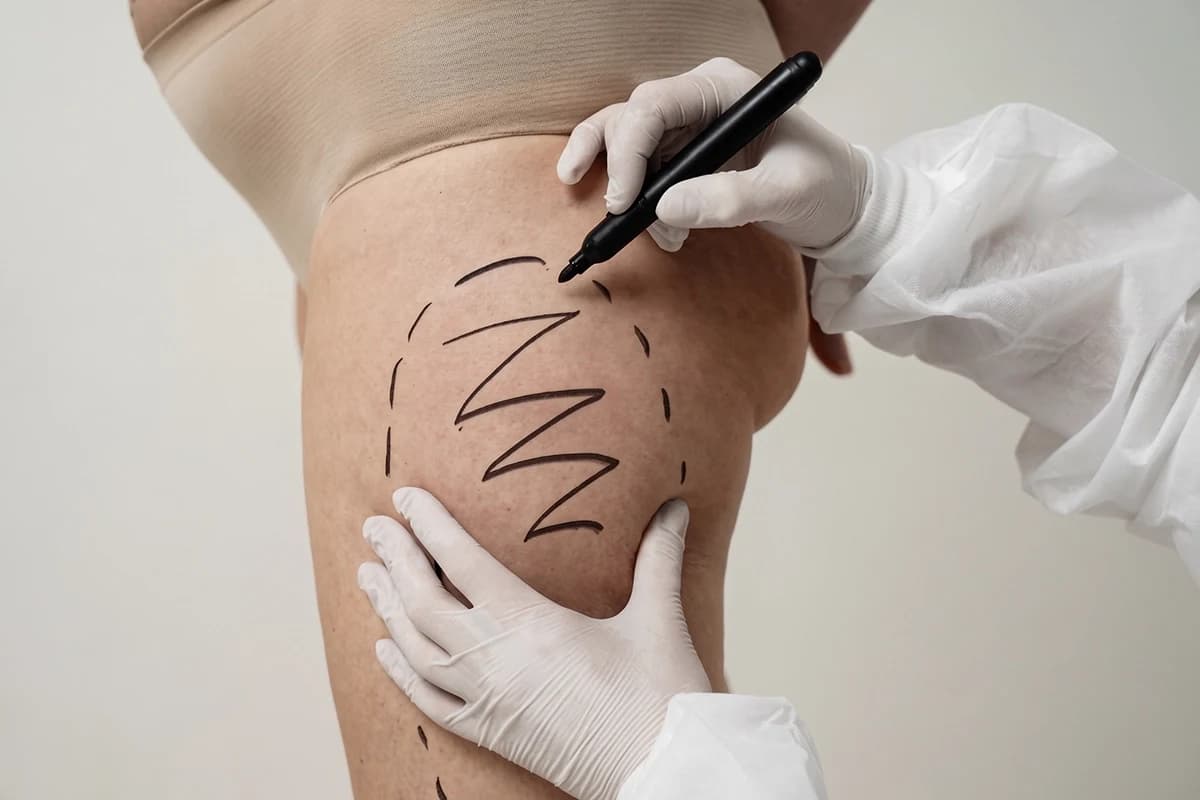
Devices are used inside a programme and chosen after examination — they are not booked separately.
Your path to this treatment
Nothing here is booked from a page. You send the records you have, a rehabilitation physician reads them, and you get a written answer — including when the answer is that an intensive programme will not help.
4 steps, start to finish
1.Send your records
A discharge summary from the hospital that treated the original event, and any imaging of the affected area — CT, MRI or X-ray.2.A written plan in 48 hours
A rehabilitation physician reviews the case and returns the expected duration, the recommended programme and the centre. Free, no obligation.3.Travel and admission
Where a visa is needed we issue an invitation letter and treatment confirmation naming the dates and the facility. You are met at the airport and driven to the centre by private vehicle or ambulance; a bed for one companion and interpreting during therapy are arranged.4.Treatment, then home
The programme runs, then you leave with a discharge report and a written home exercise plan. Your return journey is organised before you go, with scheduled video reviews so progress does not stop.
In their words
What patients say after a programme
Short videos filmed during therapy: a child’s rehabilitation after a brain tumour, suspended gait training after spinal cord injury, and learning to walk again after a fall. Individual results vary.
Dave Evans on his physical therapy here
Musculoskeletal physiotherapy
Paediatric rehabilitation after a brain tumour
Inside a physiotherapy session
Spinal cord injury — the rehabilitation process
Suspension-assisted gait training
Walking difficulty and restricted movement after a fall
Regaining gait and range of motion
Locations
Centres that have this device — pick one.






Questions people actually ask
About this device
Is it safe with heart failure?
Immersion increases central blood volume and needs cardiology clearance in significant heart failure. This is checked rather than assumed.
How is the effect measured?
By limb volume in millilitres before and after, the same way any oedema treatment should be judged.
Can it be combined with exercise?
Yes, and usually is — movement in water adds a muscle pump effect to the hydrostatic pressure.
Should a whirlpool be used on an open wound?
Generally not. The American Physical Therapy Association advises against whirlpools for wound management because they clean non-selectively and carry risks of bacterial cross-contamination and of damage to fragile tissue from the force of the jets 1. Where water is needed to clean a wound, more selective methods such as directed wound irrigation or pulsed lavage with suction are preferred 1.



