
Aquatic
Aquatic pressure and massage therapy
Water-jet pressure applied along the limb without the patient entering a pool, for pain and swelling where full immersion is not possible. Nothing touches the skin and the patient stays clothed, so it suits fragile skin or people who tolerate touch poorly.
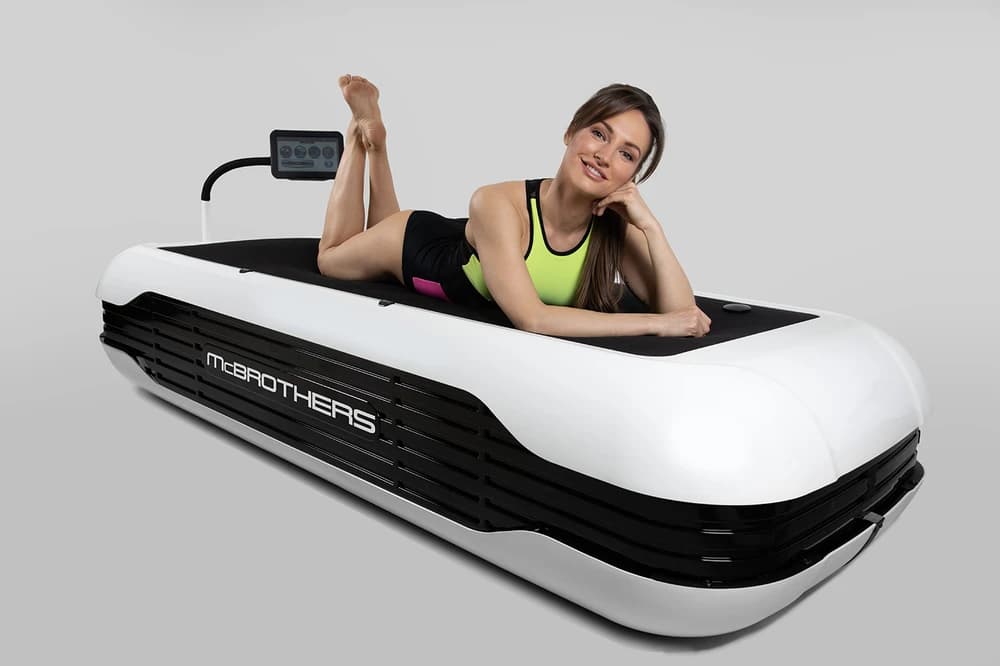
Massage without contact
The patient lies fully clothed on a membrane above heated water while pressurised jets move beneath it, delivering pressure along the spine and large muscle groups. Nothing touches the skin and the patient does not get wet.
The practical value is that it delivers deep pressure to patients for whom hands-on massage is not appropriate — where skin is fragile, where touch is poorly tolerated, or where the patient is unable to undress and reposition easily.
Who it is used for
Muscle tension and spasm, chronic back and neck pain, general muscle stiffness, and as preparation before exercise sessions in patients who cannot begin because of guarding.
It is also well tolerated by patients with sensory sensitivity, including some children and adults with neurological conditions, where conventional manual therapy is distressing.
Where it sits in a plan
Symptomatic relief and session preparation. It reduces pain and muscle tension for a period; it does not treat the cause of either.
In our programmes it appears as a short adjunct before active work, never as a standalone course of treatment.
Comfort, honestly described
Underwater pressure jets provide soft tissue relaxation and comfort. It is a supportive measure within a programme, and the evidence for it is comfort rather than structural change.
We describe it that way rather than as a treatment in its own right, because a programme built around passive comfort measures displaces the work that changes capacity.
What we would rather you spent the time on
Sessions here are pleasant and they do not build capacity. Where a programme has limited hours, they are the first thing we reduce in favour of loading, gait work or hand therapy.
It stays available because comfort has value during a demanding programme and because warm water helps some people tolerate the work that follows. That is the whole claim.
What does research on massage actually show?
Research on massage has mostly tested hands-on treatment, so its results cannot simply be transferred to a water-jet bed. For low back pain, a Cochrane review of 25 trials, only three of which used a mechanical device, found improvements in pain only in the short term, rated the evidence low to very low quality and concluded that there is very little confidence that massage is an effective treatment 1. For neck pain, a Cochrane review could make no recommendation because the effect of massage remained uncertain 2.
UK guidance from NICE supports soft tissue techniques such as massage for low back pain only as part of a treatment package that includes exercise 3. Side effects in the massage trials were minor, most often an increase in pain 1. That matches how it is used alongside a programme: a short session before active work, not a course on its own.
Sources
- Furlan AD, Giraldo M, Baskwill A, Irvin E, et al. Massage for low-back pain — Cochrane Database of Systematic Reviews (2015)
- Patel KC, Gross A, Graham N, Goldsmith CH, et al. Massage for mechanical neck disorders — Cochrane Database of Systematic Reviews (2012)
- Low back pain and sciatica in over 16s: assessment and management (NG59) — National Institute for Health and Care Excellence (2020)
Conditions this device is used for
The 3 conditions where this device is part of a routine programme, grouped by area. It is one tool inside the plan, never the plan itself.
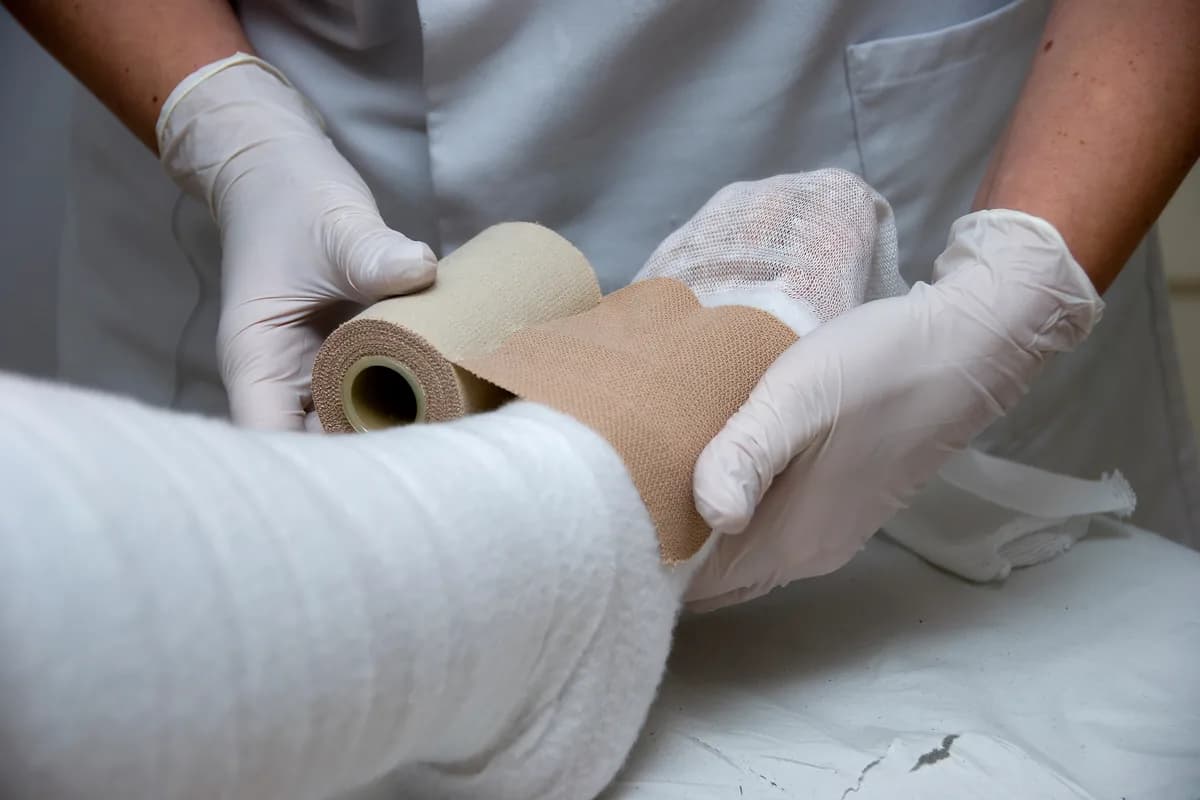
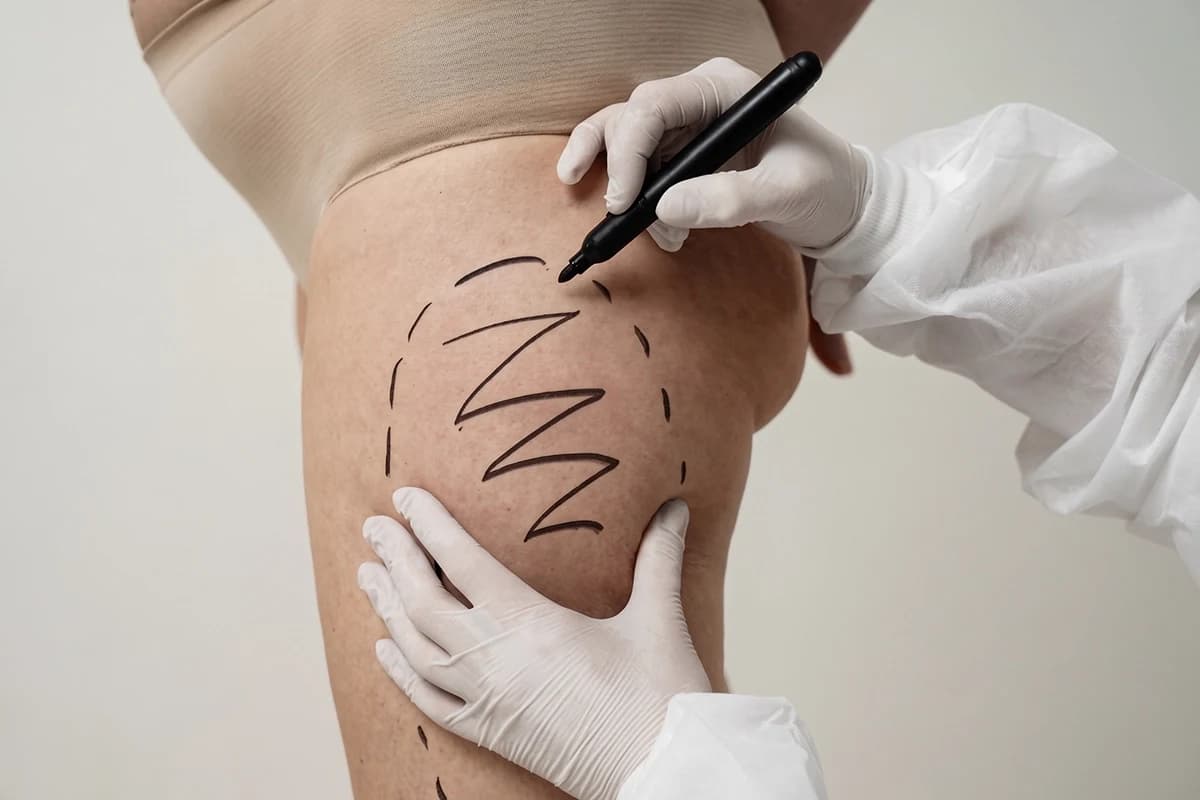
Devices are used inside a programme and chosen after examination — they are not booked separately.
Your path to this treatment
Nothing here is booked from a page. You send the records you have, a rehabilitation physician reads them, and you get a written answer — including when the answer is that an intensive programme will not help.
4 steps, start to finish
1.Send your records
A discharge summary from the hospital that treated the original event, and any imaging of the affected area — CT, MRI or X-ray.2.A written plan in 48 hours
A rehabilitation physician reviews the case and returns the expected duration, the recommended programme and the centre. Free, no obligation.3.Travel and admission
Where a visa is needed we issue an invitation letter and treatment confirmation naming the dates and the facility. You are met at the airport and driven to the centre by private vehicle or ambulance; a bed for one companion and interpreting during therapy are arranged.4.Treatment, then home
The programme runs, then you leave with a discharge report and a written home exercise plan. Your return journey is organised before you go, with scheduled video reviews so progress does not stop.
In their words
What patients say after a programme
Short videos filmed during therapy: a child’s rehabilitation after a brain tumour, suspended gait training after spinal cord injury, and learning to walk again after a fall. Individual results vary.
Dave Evans on his physical therapy here
Musculoskeletal physiotherapy
Paediatric rehabilitation after a brain tumour
Inside a physiotherapy session
Spinal cord injury — the rehabilitation process
Suspension-assisted gait training
Walking difficulty and restricted movement after a fall
Regaining gait and range of motion
Locations
Centres that have this device — pick one.






Questions people actually ask
About this device
Does it treat anything specific?
It relieves muscular tension and is used to make active work more tolerable. Claims beyond that are not supported.
Is it included in programmes?
It appears in some, as an adjunct. It is not a reason to choose a programme.
Who should avoid it?
The same exclusions as any pool use, plus caution over recent wounds, grafts and areas of reduced sensation.
How does it differ from massage?
Water and warmth do part of the work, and pressure is less precisely targeted. It suits general muscular tension rather than a specific structure.
Will it help my back pain in the long term?
Not on its own, on current evidence. In trials of massage for low back pain, improvements in pain were seen only in the short term, and the evidence was of low to very low quality 1. Lasting change comes from the exercise and activity that a session like this can make easier to start.



