

Medical condition
Collateral Ligament Injury (MCL and LCL)
The collateral ligaments run along the inner and outer sides of the knee. Isolated inner-side injuries heal reliably without surgery, even severe ones, because the ligament has a good blood supply. Outer-side injuries are less common, heal less predictably, and are checked for nerve involvement.
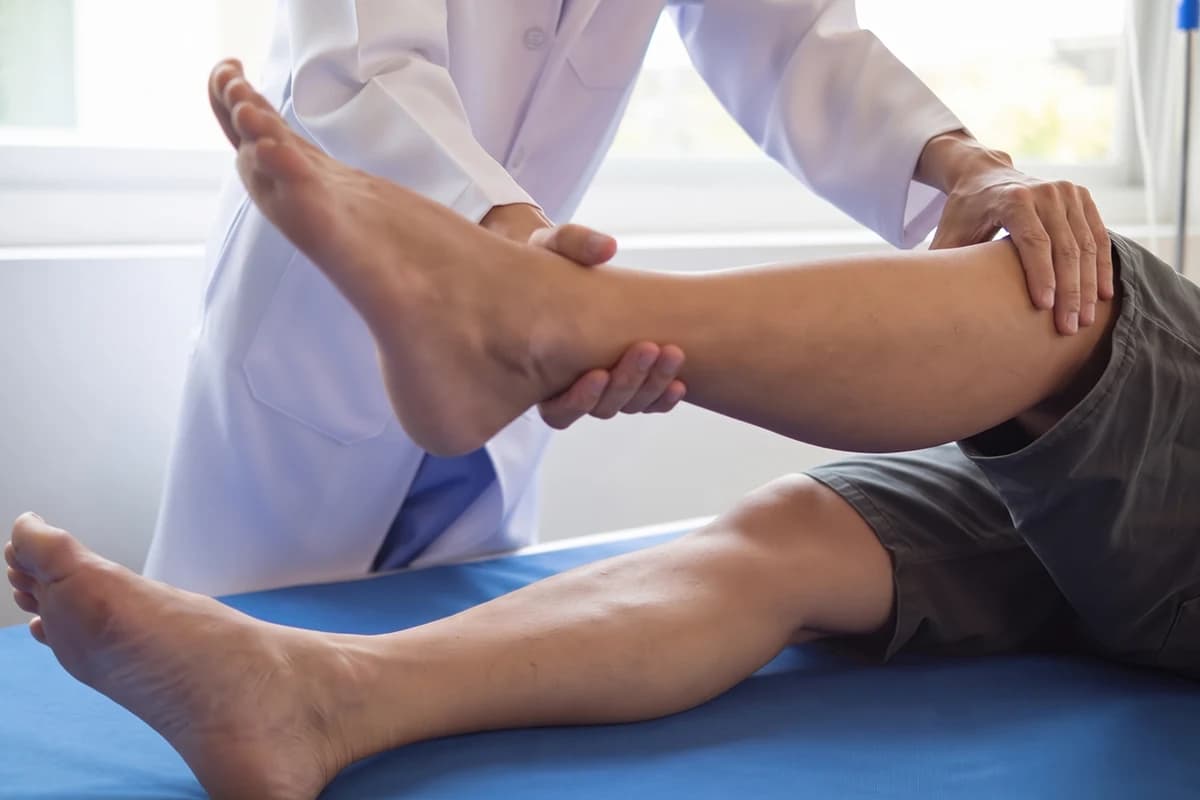
The inner ligament heals; the outer one is a different story
The medial collateral ligament has a rich blood supply and heals with protected motion, bracing and progressive loading. Surgery for an isolated MCL injury is rarely needed, and a patient offered it should ask why.
The lateral side is a smaller structure with a poorer blood supply, and injuries there are more often part of a wider posterolateral corner problem. Missing that produces a knee that never feels stable regardless of how well the rehabilitation is done.
What is checked before treatment starts
Common peroneal nerve function, because it sits close to the lateral structures and foot drop after a lateral knee injury is not rare 6. Cruciate ligament integrity, because collateral injuries are often combined 1. And the growth plates in a skeletally immature patient, where a growth plate injury can mimic a ligament tear.
The rehabilitation itself
Protected range early with a hinged brace, weight bearing as pain allows, then progressive strengthening and gradual reintroduction of side-to-side movement. Valgus and varus stress — the directions that loaded the ligament — return last.
Return to pivoting sport is decided on measured strength and control, not on the calendar.
Two ligaments with very different behaviour
The medial collateral has a good blood supply and heals reliably without surgery, even in higher-grade injuries; the exceptions are few, such as a torn end caught on the wrong side of the tendons below the knee or pulled off with a piece of bone 1. The lateral side, and the structures around it, heal less reliably: complete tears of the posterolateral corner rarely heal without surgery 3.
This is why a lateral-sided injury is taken more seriously than the same grade on the inside, and why it warrants imaging rather than a bracing protocol alone.
How soon can an athlete play after an MCL sprain?
Usually within weeks rather than months, and the grade sets the pace. In a prospective study of 130 MCL injuries in European professional football, the average time out was 24 days, and grade I sprains averaged 10 days 2. Three in four of these injuries came from contact, most often while tackling or being tackled 2. Grade II sprains averaged 31.5 days without a brace and 41.5 days with one, although the study could not show that the brace itself caused the difference 2. Early re-injury is not rare either: 8.5% of the injuries were a repeat MCL injury within two months of returning to play 2.
What if the outer side is completely torn?
Most complete injuries on the outer side involve the wider posterolateral corner 4, and these rarely heal without an operation 3. The rare tear of the lateral collateral ligament alone is different: in a series of only nine professional American football players, those treated without surgery returned to play sooner, with the same chance of playing on 4. When surgery is needed for the corner, a systematic review of 134 patients found that 38% of knees treated by repairing the torn structures failed, against 9% with approaches that included reconstruction 5. The peroneal nerve is also at risk: in one surgical series, 26.2% of posterolateral corner injuries had a peroneal nerve injury 6.
Frequently asked questions
Does a medial ligament tear need surgery?
Usually not, even for higher grades. It heals reliably with bracing and progressive loading.
Why is the outer side different?
The lateral structures heal poorly and injury there is frequently combined with other damage, including nerve injury. It is assessed more thoroughly.
How long does it take?
A mild medial injury heals faster than a higher-grade one. Lateral injuries take longer still and more often involve surgery.
Do I need a brace?
For medial injuries a hinged brace during the healing phase is common, allowing controlled movement while protecting against sideways stress.
What else is checked?
Cruciate ligaments, meniscus and, for lateral injuries, the common peroneal nerve — foot drop after a knee injury points there.
Sources
- Encinas-Ullán CA, Rodríguez-Merchán EC. Isolated medial collateral ligament tears: an update on management — EFORT Open Reviews (2018)
- Lundblad M, Hägglund M, Thomeé C, Hamrin Senorski E, et al. Medial collateral ligament injuries of the knee in male professional football players: a prospective three-season study of 130 cases from the UEFA Elite Club Injury Study — Knee Surgery, Sports Traumatology, Arthroscopy (2019)
- Chahla J, Moatshe G, Dean CS, LaPrade RF. Posterolateral corner of the knee: current concepts — Archives of Bone and Joint Surgery (2016)
- Bushnell BD, Bitting SS, Crain JM, Boublik M, et al. Treatment of magnetic resonance imaging-documented isolated grade III lateral collateral ligament injuries in National Football League athletes — American Journal of Sports Medicine (2010)
- Geeslin AG, Moulton SG, LaPrade RF. A systematic review of the outcomes of posterolateral corner knee injuries, part 1: surgical treatment of acute injuries — American Journal of Sports Medicine (2016)
- Ridley TJ, McCarthy MA, Bollier MJ, Wolf BR, et al. The incidence and clinical outcomes of peroneal nerve injuries associated with posterolateral corner injuries of the knee — Knee Surgery, Sports Traumatology, Arthroscopy (2018)
Which therapies would I actually receive?
A therapy is a single method used inside a programme. It is measured in sessions and is not sold separately.
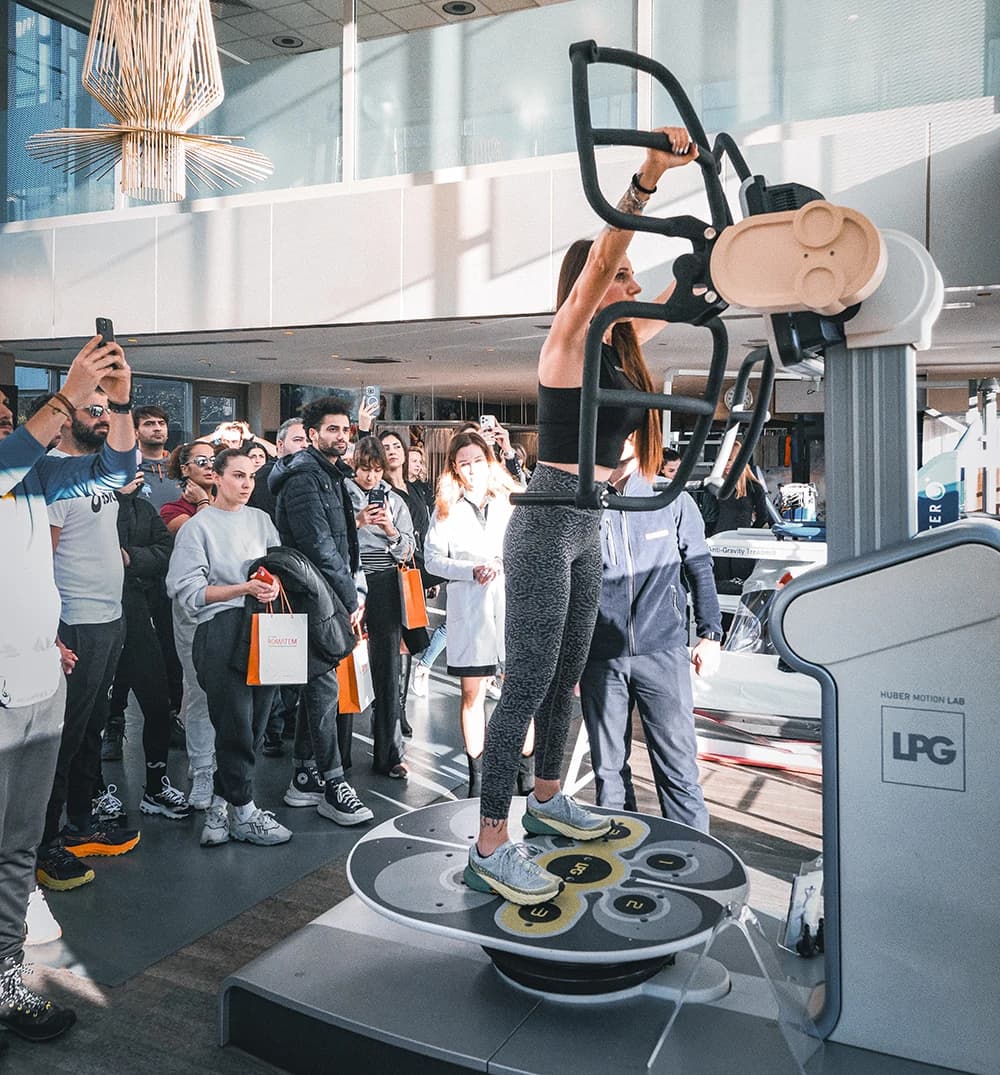
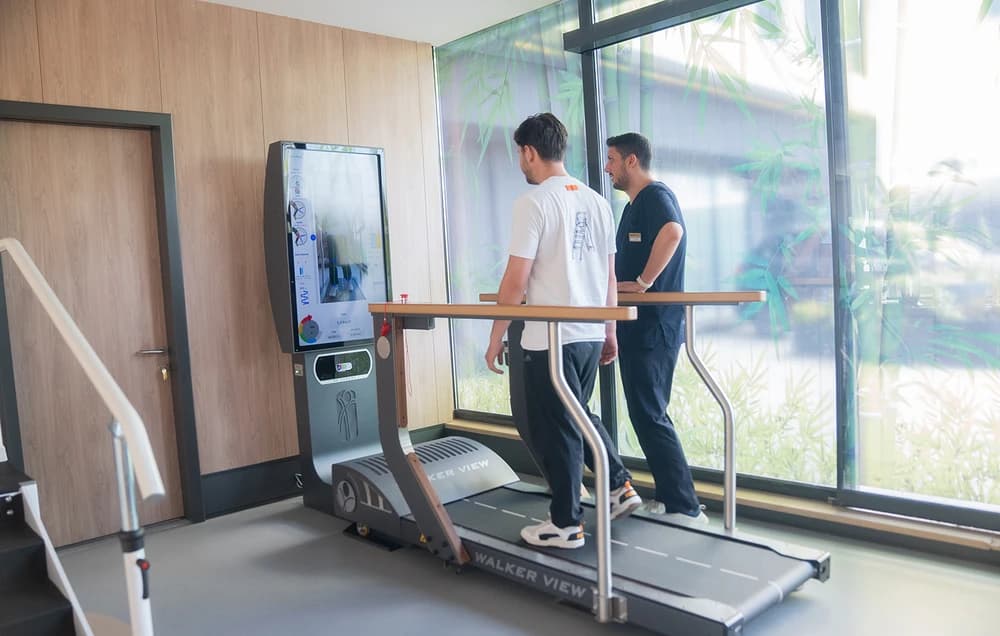
Technologies we use

Locations
Where you can receive this treatment




Related articles
Sports How long does an MCL knee injury take to heal?
Most isolated MCL injuries heal without surgery. Mild sprains often recover within a few weeks, partial tears take longer, and complete tears can take the longest, sometimes several months. A hinged brace for protection, early movement and progressive strengthening support healing. Injuries combined with other ligament damage may need surgical assessment.Read moreNeurological How long does it take to recover from a stroke?
Most recovery after a stroke happens in the early months, when the brain is most able to reorganise, and it continues more slowly for a longer period after that. How far someone gets depends mainly on how severe the stroke was, where it happened and how much active therapy follows.Read moreNeurological Can you walk again after a stroke?
Many people walk again after a stroke, including many who cannot stand at first. The chances are highest when some leg movement returns early and when walking practice starts as soon as it is safe. Walking often comes back before full arm recovery, sometimes with a stick, splint or other support.Read more



