

Medical condition
Posterior Cruciate Ligament (PCL) Injury
The posterior cruciate ligament is injured by a direct blow to the front of the bent knee — a dashboard impact or a fall onto the kneecap. Most isolated PCL injuries are managed without surgery, and rehabilitation centres on quadriceps strength. It is not an ACL protocol with a different name.
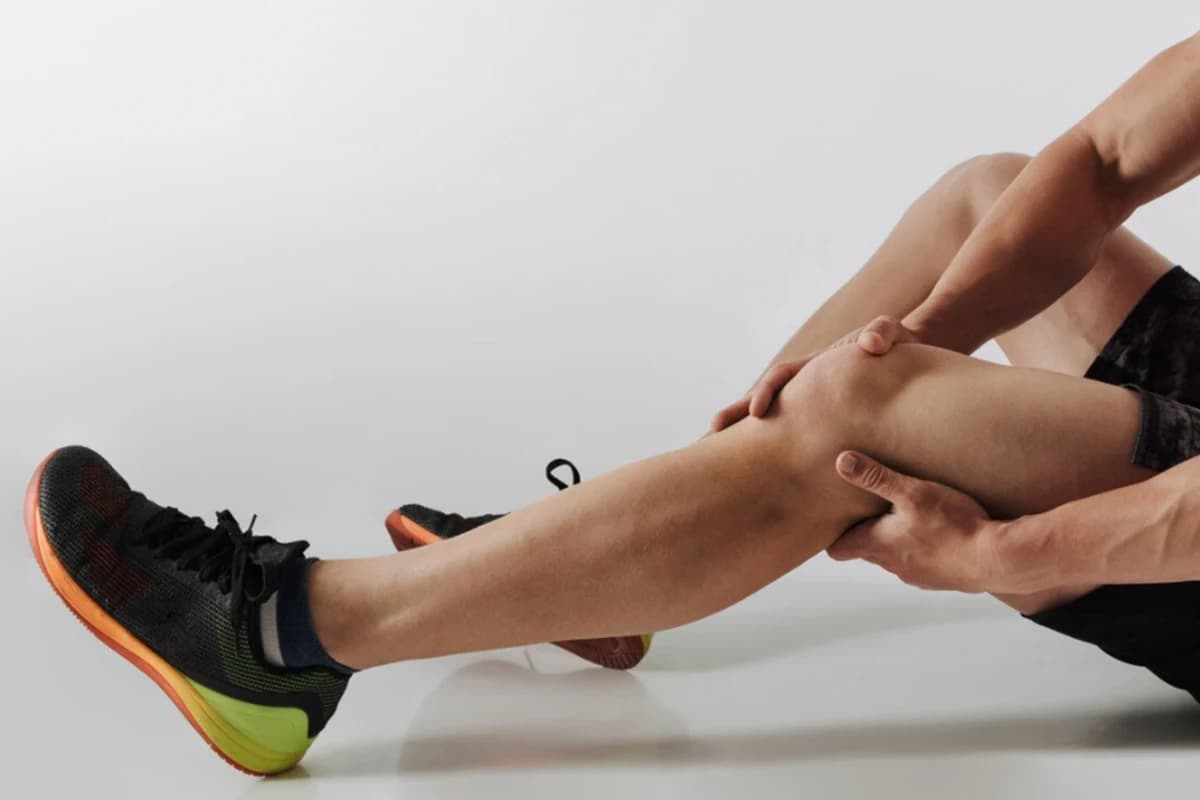
Frequently missed at the time
PCL injuries produce less dramatic swelling and instability than ACL tears, so they are often diagnosed late — sometimes years later when the patient presents with kneecap pain or early arthritis in the inner compartment 1.
The mechanism is the clue: a knee that hit a dashboard, a fall onto a bent knee, or a hyperextension injury. Where the mechanism fits, the ligament is tested specifically rather than assumed intact.
Why rehabilitation looks different
The PCL resists the shin sliding backwards. Hamstring contraction pulls it in exactly that direction, so early open-chain hamstring work loads the healing ligament and is avoided 1. Quadriceps work does the opposite and protects it.
This is the reverse of ACL rehabilitation, and applying an ACL protocol to a PCL injury slows recovery. Bracing in extension during early healing is used, and prone positioning avoids the shin sagging under gravity.
When surgery is considered
Combined injuries — PCL with posterolateral corner, ACL or collateral ligament damage — behave differently and are usually reconstructed. Isolated high-grade laxity with persistent instability after a full rehabilitation programme is the other situation where surgery is discussed.
Why it is missed at the time
The posterior cruciate is usually injured by a blow to the front of the bent knee — a dashboard, a fall onto the kneecap — and the initial swelling and pain are often modest compared with an anterior cruciate injury.
People frequently walk away and present months later with vague instability going downstairs. The examination sign is subtle and it is missed unless specifically looked for.
Can athletes return to sport without surgery?
Most athletes with an isolated tear do. In a prospective series of 46 athletes with grade II or III isolated tears who started treatment within four weeks of injury, initial bracing followed by individually progressed rehabilitation returned them to full competition after an average of 16.4 weeks, and 91.3% were playing at the same or a higher level two years later 2. An earlier cohort of 133 active patients showed a wider spread: about half returned to the same sport at the same or higher level, a third at a lower level, and one in six did not return to that sport, whatever the degree of laxity 3. Interval running may begin at around 12 weeks, followed by agility and sport-specific training 1.
Does a PCL injury lead to arthritis later?
It can, and the degree of looseness does not predict who is affected. When 44 patients were re-examined a mean of 14.3 years after an isolated PCL injury treated without surgery, 11% had moderate to severe osteoarthritis and quadriceps strength averaged 97% of the other leg; neither the arthritis grade nor the patients' own knee scores differed with the degree of laxity 4. Reviews of long-term series nonetheless describe a high rate of wear in the inner compartment and behind the kneecap, driven by the altered mechanics of a PCL-deficient knee 1.
Frequently asked questions
Does a PCL tear need surgery?
Isolated tears are frequently managed without it. Combined injuries and high-grade instability are where reconstruction is more often considered.
Why is the rehabilitation different from ACL?
Quadriceps strengthening is central because the quadriceps protects the PCL, and hamstring loading is limited early because it stresses the healing ligament.
How long does recovery take?
Conservative management takes time, longer after reconstruction. Quadriceps strength is the limiting factor and it recovers slowly.
What are the symptoms?
Vague instability, discomfort going down stairs or slopes, and aching after activity. It is less dramatic than an ACL injury, which is why it is under-recognised.
Can I return to sport?
Many people do, particularly with isolated injuries and good quadriceps recovery. Criteria rather than time determine when.
Sources
- Wang D, Graziano J, Williams RJ, Jones KJ. Nonoperative treatment of PCL injuries: goals of rehabilitation and the natural history of conservative care — Current Reviews in Musculoskeletal Medicine (2018)
- Agolley D, Gabr A, Benjamin-Laing H, Haddad FS. Successful return to sports in athletes following non-operative management of acute isolated posterior cruciate ligament injuries: medium-term follow-up — Bone & Joint Journal (2017)
- Shelbourne KD, Davis TJ, Patel DV. The natural history of acute, isolated, nonoperatively treated posterior cruciate ligament injuries: a prospective study — American Journal of Sports Medicine (1999)
- Shelbourne KD, Clark M, Gray T. Minimum 10-year follow-up of patients after an acute, isolated posterior cruciate ligament injury treated nonoperatively — American Journal of Sports Medicine (2013)
Which therapies would I actually receive?
A therapy is a single method used inside a programme. It is measured in sessions and is not sold separately.
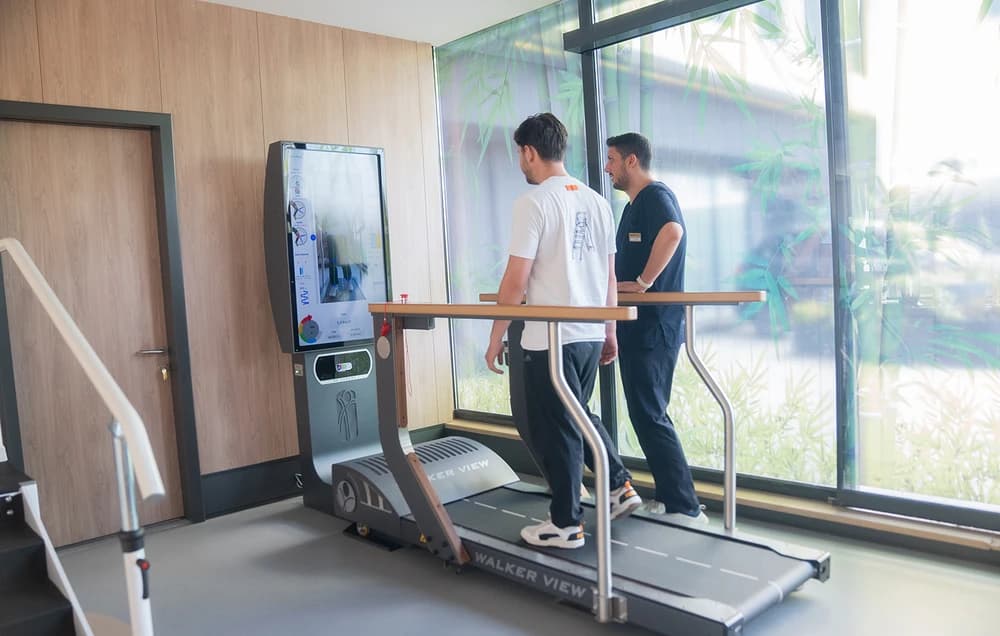
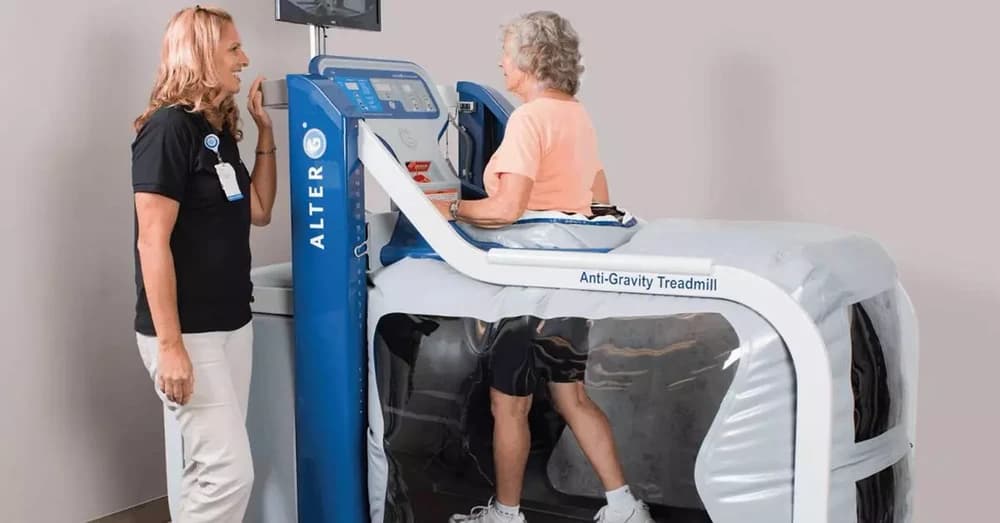
Technologies we use


Locations
Where you can receive this treatment




Related articles
Sports How is a PCL injury different from an ACL injury?
The ACL and PCL are the two cross-shaped ligaments inside the knee. PCL injuries are less common, often result from a blow to the front of the shin, and isolated PCL tears are usually treated without surgery. ACL tears more often cause the knee to give way during twisting sports, and reconstruction is considered more frequently.Read moreNeurological How long does it take to recover from a stroke?
Most recovery after a stroke happens in the early months, when the brain is most able to reorganise, and it continues more slowly for a longer period after that. How far someone gets depends mainly on how severe the stroke was, where it happened and how much active therapy follows.Read moreNeurological Can you walk again after a stroke?
Many people walk again after a stroke, including many who cannot stand at first. The chances are highest when some leg movement returns early and when walking practice starts as soon as it is safe. Walking often comes back before full arm recovery, sometimes with a stick, splint or other support.Read more



